The September Backyard Habit That Can Make Migrating Birds Skip Your California Yard
A California yard can look perfectly welcoming to us and still get a hard pass from birds moving through the area.
Feeders are full, shrubs are leafy, and everything seems ready for a little feathered traffic, yet the branches stay oddly quiet.
Migration season brings a different rhythm to the backyard. Birds may arrive tired, hungry, cautious, and far more selective about where they stop than homeowners realize.
Small details around a property can suddenly matter in ways they did not earlier in the year.
That is what makes one familiar September habit so easy to overlook. It may feel routine, tidy, or even helpful, while quietly changing the yard in a way that makes passing birds less interested in sticking around.
The frustrating part is that there may be no obvious sign you have done anything wrong. The garden simply seems quieter than expected.
If migrating birds usually brighten your yard, this is a good time to look at your seasonal routine with fresh eyes. One small adjustment could make the space feel far more inviting again.
Cleaning Up Too Much Can Leave Birds With Less Food
Most people think a clean California yard is a good yard. But for migrating birds passing through in September, a spotless garden can mean an empty pantry.
When you remove spent plants, cut back stems, and clear out every corner, you are also removing the natural food sources birds count on most.
Many birds that travel through backyards during fall migration do not rely on bird feeders at all. They search for seeds, berries, and insects tucked into plants and soil.
When those things are gone, there is nothing left to stop for. Birds are efficient travelers. They will not waste energy landing in a yard that offers nothing.
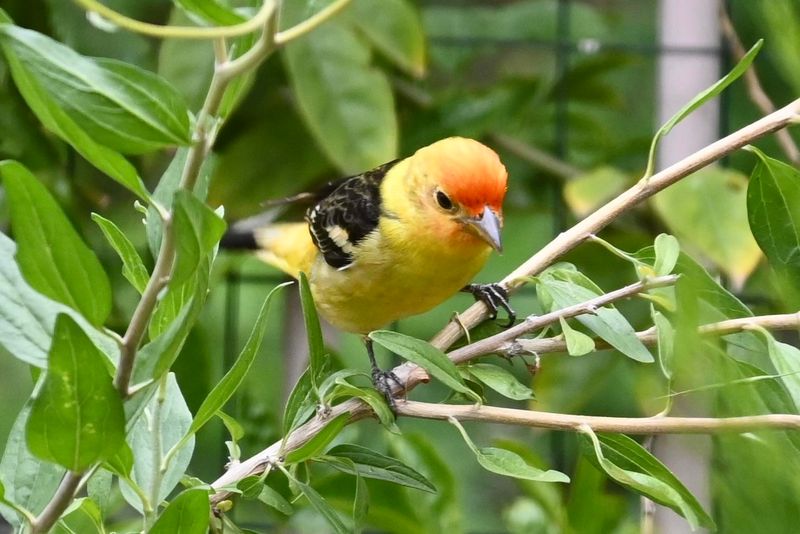
Warblers, sparrows, finches, and thrushes are among the species that depend on natural food during migration. They need high-calorie fuel to keep flying.
Seeds from coneflowers, sunflowers, and native grasses are exactly what they are looking for. Cutting everything down in early September removes that fuel before the peak of migration even begins.
A small shift in habit can help a lot. Try waiting until late October or even November before doing your big fall cleanup.
You might be surprised by how many more birds visit when there is actually something worth stopping for.
A yard with a little leftover growth is far more useful to a migrating bird than one that has been perfectly pruned.
Seed Heads Are Valuable During Migration
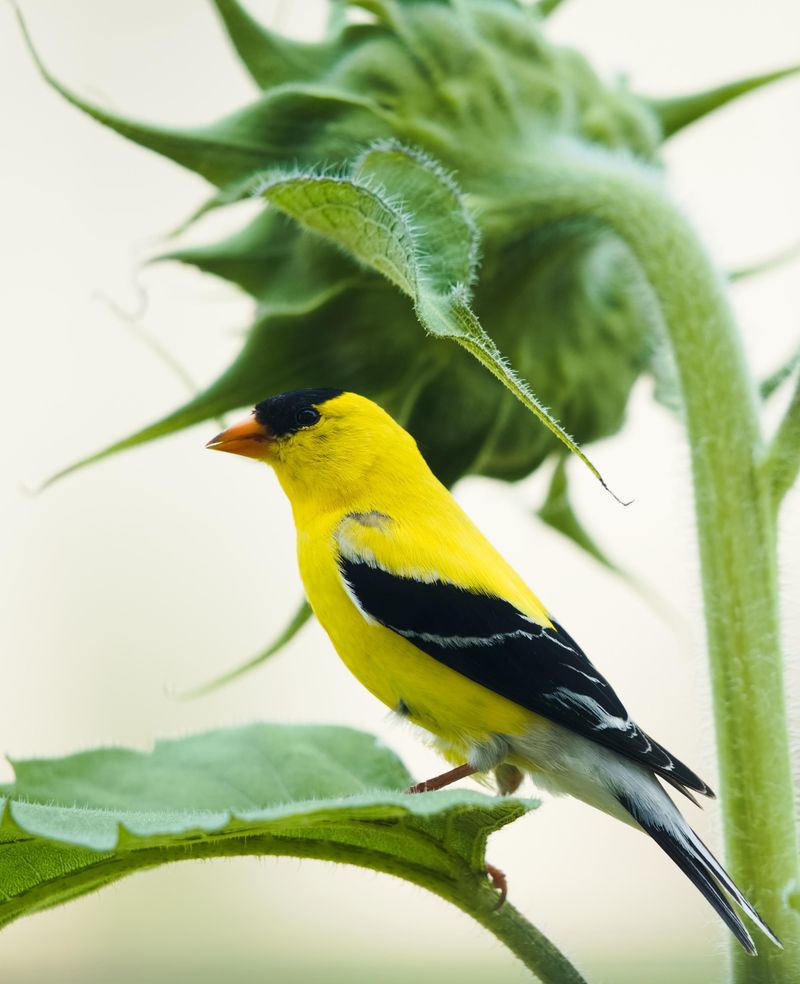
Seed heads might look like they are past their prime, but to a migrating bird, they are a treasure.
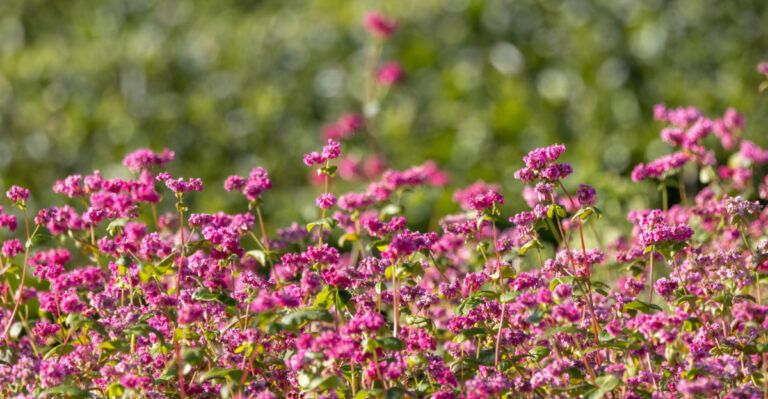
Plants like coneflowers, black-eyed Susans, and sunflowers hold onto their seeds well into fall. Those seeds are packed with fat and protein that birds need for long flights.
When you deadhead flowers or cut back plants in early September, you are removing one of the most reliable food sources in your yard.
Birds like goldfinches, house finches, and white-crowned sparrows actively search for standing seed heads.
Your California Garden Changes Every Week. Your Plan Should Too.
Gardening in California changes quickly throughout the season. Every Friday you’ll receive a simple weekly plan showing exactly what to plant, prune, fertilize, harvest, and protect so you never miss the right timing.
They perch right on the stems and pluck seeds out one by one. It is an efficient and natural way for them to eat.
Leaving seed heads standing does not mean your yard looks neglected. Many seed heads actually have a beautiful structure that adds texture and interest to a fall garden.
Some gardeners even plant native species specifically to keep seed heads standing through winter.
If you are not sure which plants to leave, start with coneflowers and native sunflowers. Both are easy to grow and produce large seed heads that attract a wide variety of birds.
You can always cut them back later once migration has slowed down. Keeping seed heads in place through September and October is one of the simplest and most effective things you can do to support birds during their journey.
Spent Flowers Can Still Hold Plenty Of Seeds
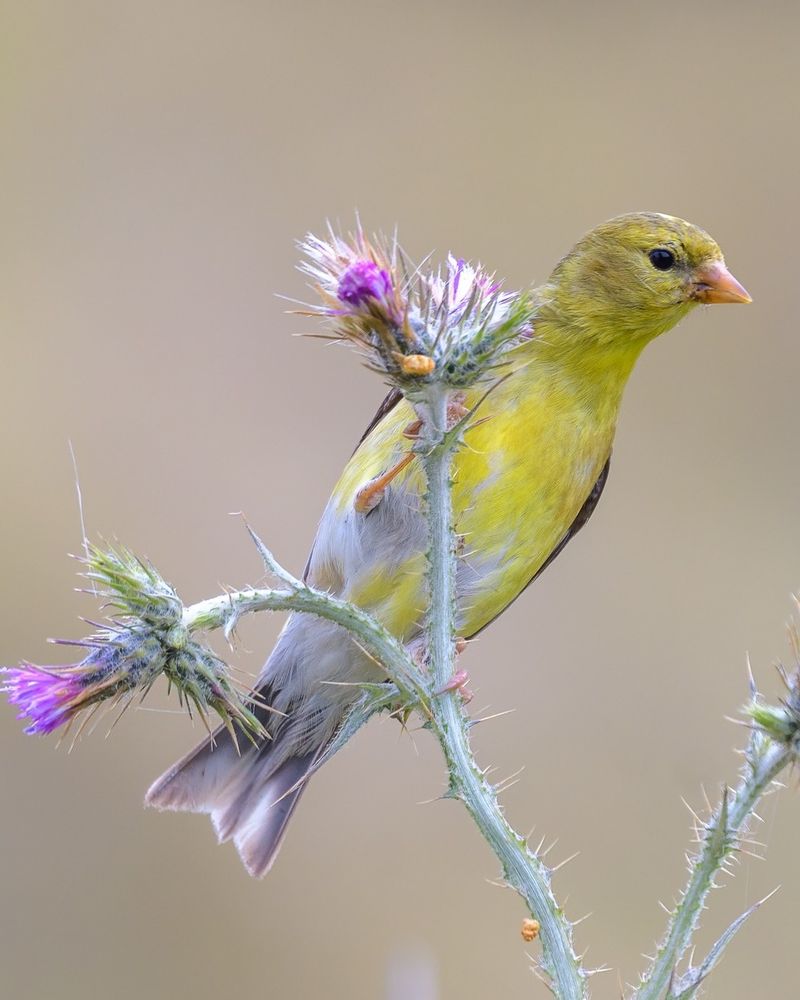
Not every flower needs to be cut back right away. Spent blooms that look dull or brown on the outside can still hold dozens of seeds inside.
For a migrating bird, that is a meal waiting to happen. Removing those flowers before the seeds are eaten means tossing away food that birds genuinely need.
Many gardeners deadhead flowers throughout summer to encourage more blooming. That makes sense earlier in the season.
But once fall arrives, the goal shifts. Instead of pushing the plant to produce more flowers, you want it to hold onto what it has already made. Those dried flower heads become natural seed dispensers for weeks.
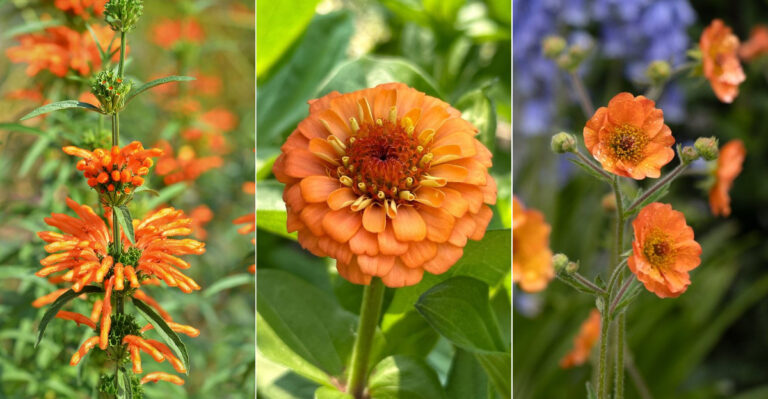
Plants like zinnias, cosmos, marigolds, and coreopsis all produce seeds that small songbirds enjoy. Even garden favorites like basil and cilantro, if left to go to seed, can attract birds looking for a quick snack.
You do not have to plant anything new. Just stop cutting things back quite so soon.
Letting spent flowers stay on the plant through September is a passive and easy way to support migration. You do not have to do anything extra.
Just hold off on the cleanup. Birds will find the seeds on their own, often within days of the seeds ripening.
A yard full of spent but seedy flowers is a much better rest stop than one that has been tidied up ahead of schedule.
Leaf Litter Gives Birds Places To Forage
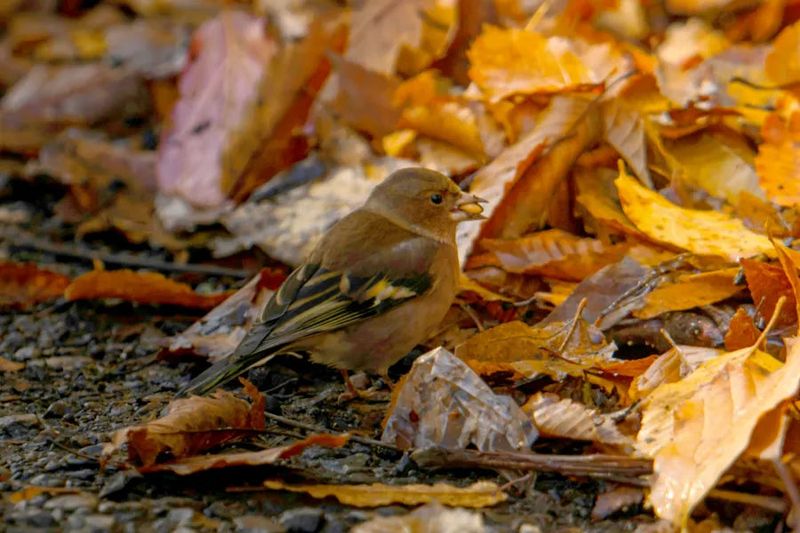
Raking up every fallen leaf might feel like good yard maintenance, but it can quietly take away one of the most important resources a migrating bird needs. Leaf litter is not just withered debris.
It is a living layer full of insects, worms, spiders, and larvae that ground-feeding birds depend on.
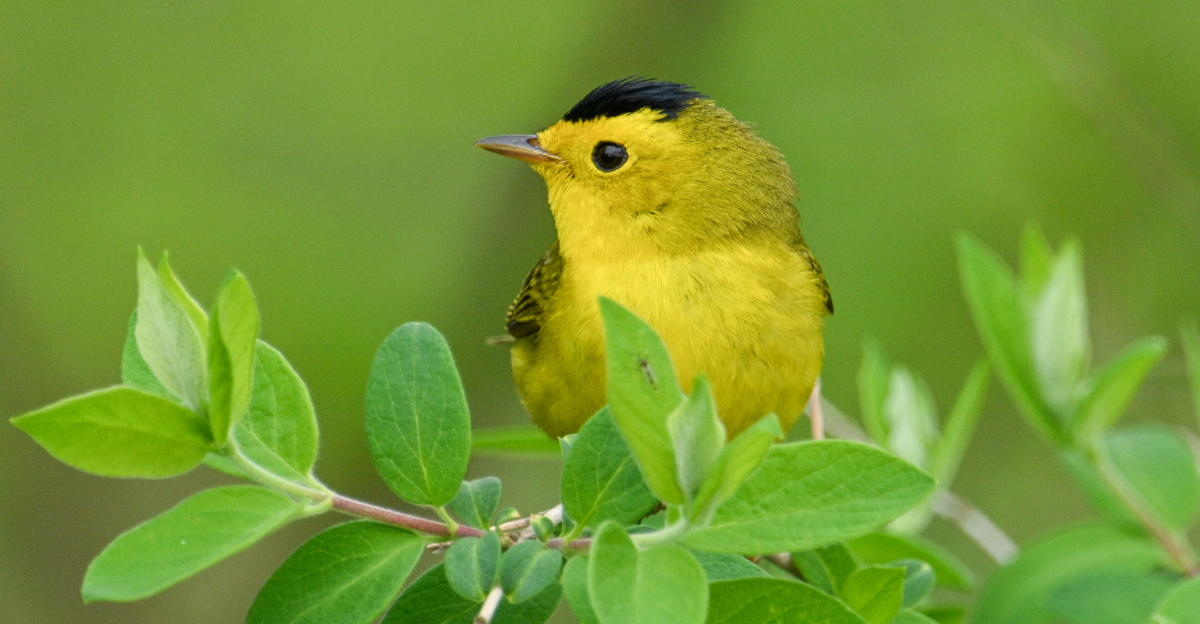
Species like hermit thrushes, spotted towhees, and Wilson’s warblers spend a lot of time scratching through leaves on the ground. They are looking for small invertebrates hiding underneath.
A thick layer of leaf litter in a shaded corner of your yard can attract these birds quickly, especially during peak migration in September and October.
Leaving leaves in place also benefits your garden. Decomposing leaves add nutrients back into the soil, protect plant roots from temperature swings, and support the insect populations that birds come back to eat.
It is a cycle that helps your yard stay healthy and bird-friendly at the same time. You do not have to let leaves pile up everywhere.
Focus on leaving them in garden beds, under shrubs, and along fences where they will do the most good.
Keep pathways clear if you want to. Even a small patch of leaf litter can attract birds that would otherwise pass right by.
Letting nature do a little of its own work in the fall is one of the kindest things you can do for migrating wildlife.
Bare Beds Offer Less Cover From Predators
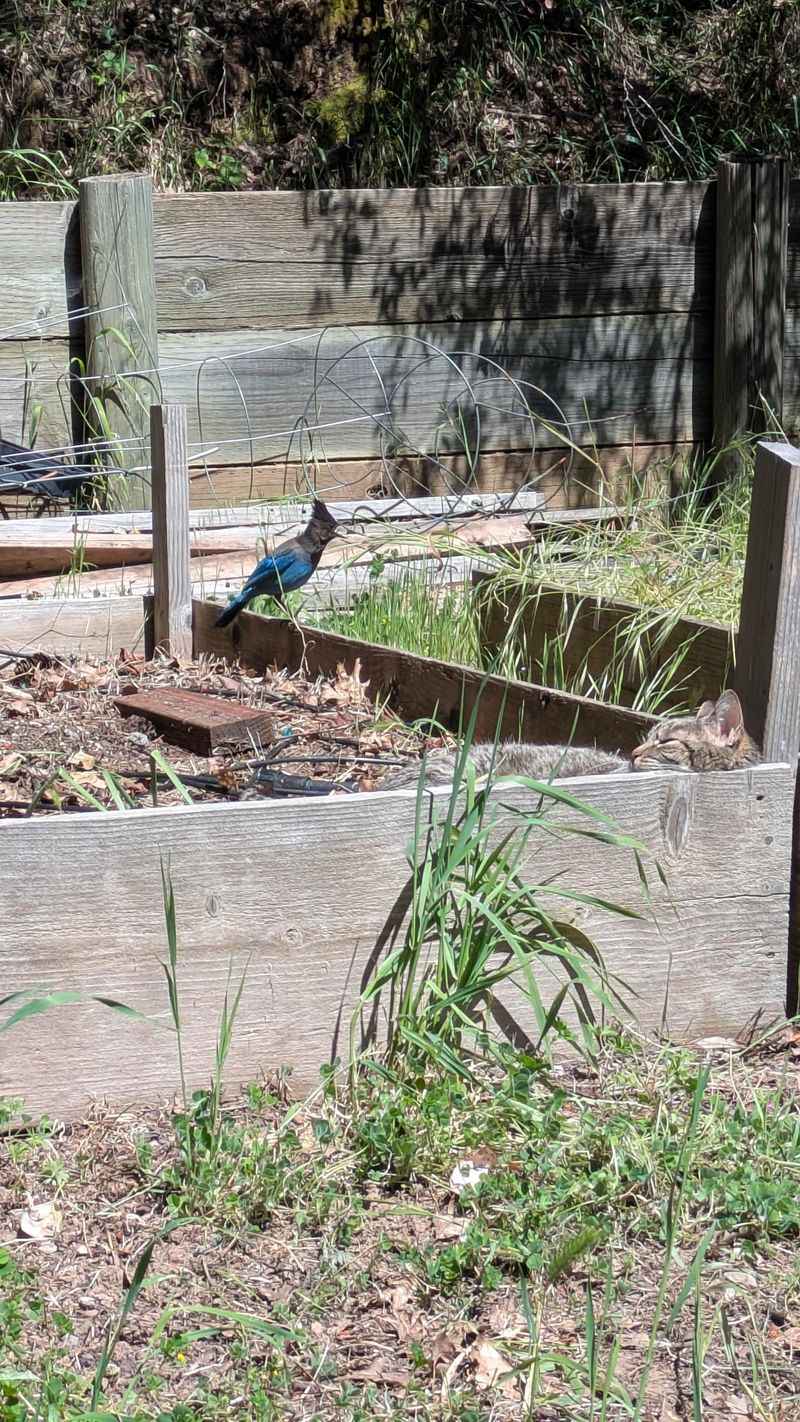
Food is not the only thing migrating birds need. Cover matters just as much.
A bird that stops to eat in an open, bare garden bed is exposed to hawks, cats, and other predators.
Without nearby shelter, many birds will simply avoid landing at all. Safety is always part of the equation.
When beds are cleared out completely in September, birds lose the protective cover that plants naturally provide.
Dense patches of tall grasses, shrubs, and even dried flower stalks give small birds places to duck into when danger approaches.
That sense of safety makes a yard much more inviting for tired, hungry travelers.
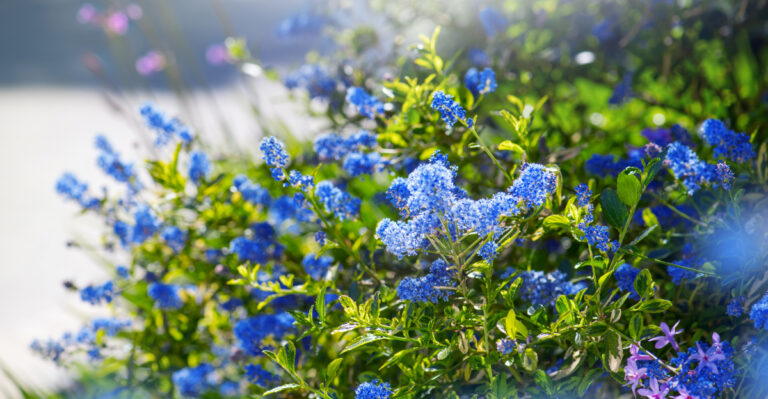
Shrubs are especially important. Dense native shrubs like toyon, coffeeberry, and California lilac give birds both food and cover in one place.
Even non-native shrubs with dense branching can serve as good hiding spots. Having a mix of open feeding areas and nearby cover is the ideal setup for attracting migrants.
If your yard is mostly open lawn with a few isolated plants, consider adding some structural planting along the edges. You do not need to redesign your entire yard.
Even a few large potted shrubs or a small hedge can give birds the cover they need to feel safe enough to stop and stay a while. Birds are much more likely to visit a yard where they feel protected than one that leaves them fully exposed.
Cutting Everything Back Removes Late-Season Habitat
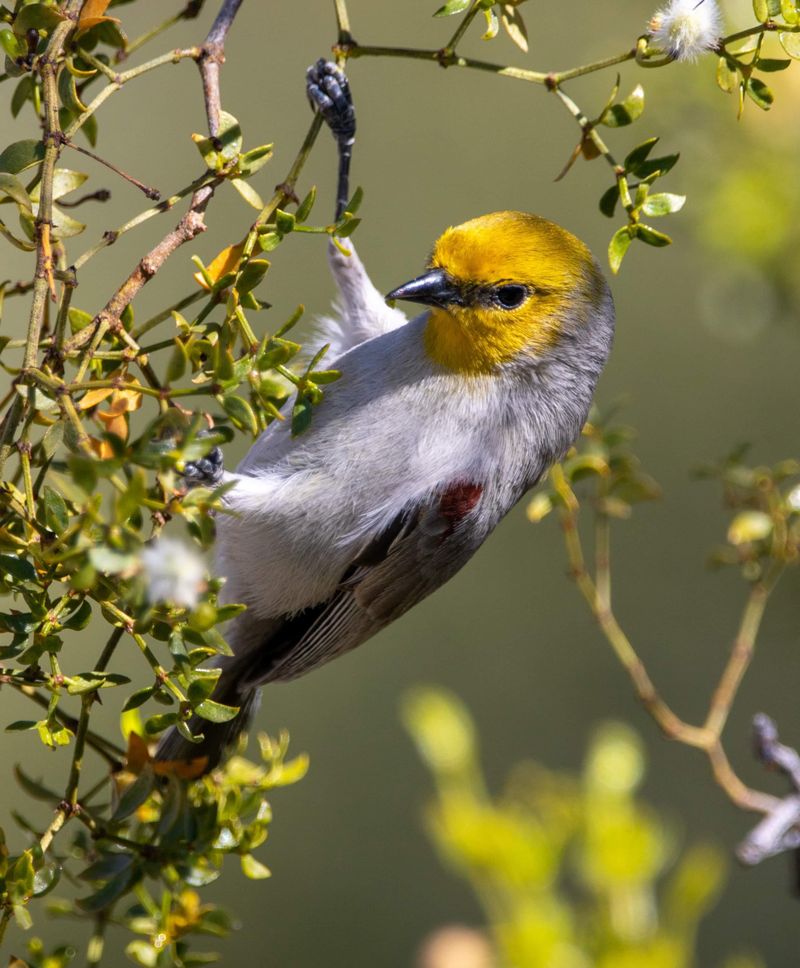
There is a common belief that fall is the right time to cut everything back hard in California. For some plants, that is true.
But doing a full yard cutback in early September removes habitat right when migrating birds need it most. The timing matters more than most people realize.
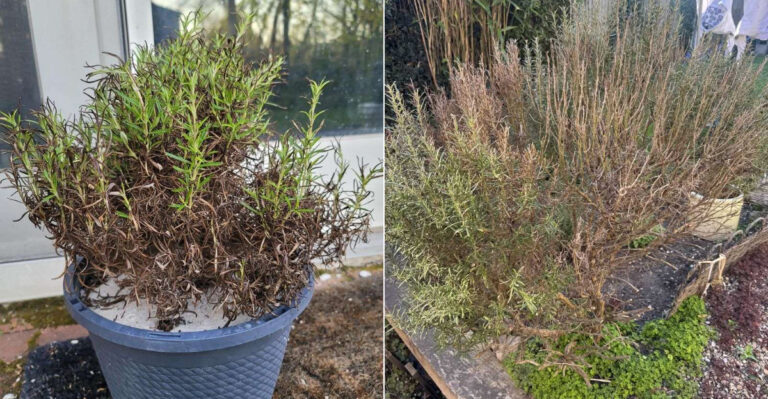
Late-season plants, even ones that look tired or faded, still provide real value. Hollow stems offer nesting spots for native bees and shelter for insects that birds eat.
Tall dried stalks give birds elevated perches to survey the yard from. Tangled plant bases hide ground-level insects and spiders. None of that is there once the stems are gone.
Migrating birds are not picky. They are looking for any yard that offers food, water, and a safe place to rest.
A yard with standing plants, even messy-looking ones, signals abundance. A yard with nothing but bare soil signals the opposite. Birds read landscapes quickly and make decisions fast.
Holding off on the big fall cutback until November gives birds a full two months of usable habitat during the most active migration window. You can still do light tidying, pulling out truly spent annuals or clearing pathways.
But leaving the bulk of your perennials and native plants standing through September and October can make your yard a genuine rest stop on the migration route instead of just another empty patch of ground to fly over.
A Slightly Messier Yard Can Be More Bird-Friendly
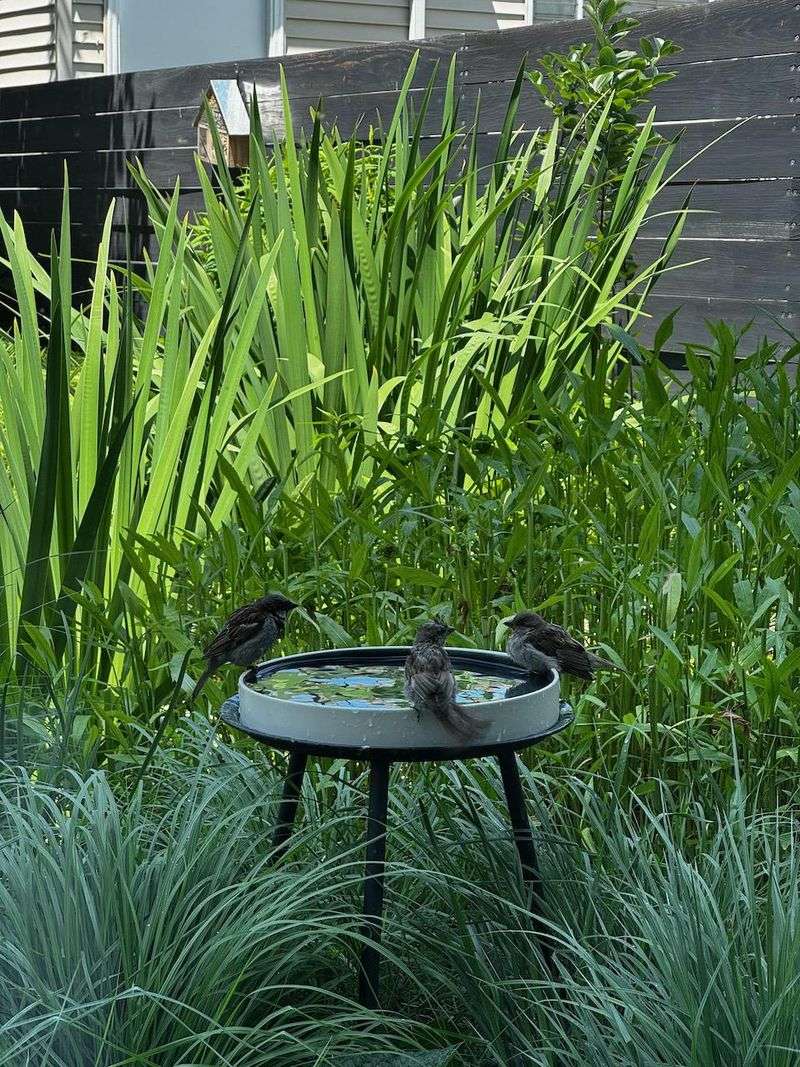
It sounds counterintuitive, but a yard that looks a little rough around the edges is often a yard that birds love.
Perfectly manicured lawns and tidily cut garden beds look great to people, but they offer very little to wildlife. A bit of controlled messiness goes a long way for migrating birds.
When you let some areas of your yard grow a little freely, you create layers. There are tall plants for perching, medium plants for cover, and low ground cover for foraging.
That layered structure mimics natural habitat and gives birds multiple ways to use your space. A single-layer yard with just lawn and a few trimmed shrubs is far less useful.
You do not have to let your whole yard go wild. Even one dedicated corner or garden bed left in a more natural state can attract birds that would otherwise skip your property.
Think of it as a bird-friendly zone within an otherwise tidy yard. Label it a pollinator garden if the neighbors ask.
Some of the best bird yards in California belong to people who stopped fighting their plants so hard in fall. They let seed heads stand, left leaves in the beds, and skipped the early cleanup.
The reward was a yard full of activity during migration season. Warblers, sparrows, and flycatchers stopped by regularly. A little less tidying turned out to be a lot more wildlife.
Leave Some Stems Standing Through Migration Season
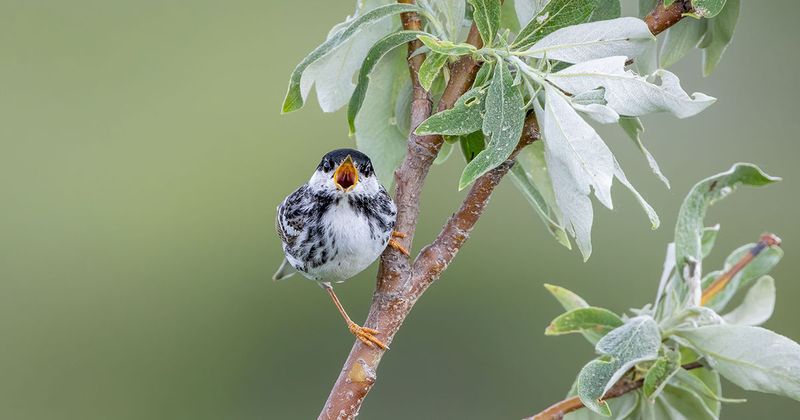
One of the easiest things you can do for migrating birds costs nothing and takes almost no effort. Just leave your stems standing.
Tall, dried stems from native perennials, ornamental grasses, and wildflowers serve as perches, food sources, and even shelter for birds moving through your yard in fall.
Hollow stems from plants like Joe Pye weed, cup plant, and native sunflowers are especially valuable.
Native California bees often nest inside hollow stems over winter, and those insects become food for birds probing the stems in search of a meal.
It is a small but meaningful part of the food web that plays out right in your backyard.
Standing stems also help birds feel safe. A yard with vertical structure gives small birds places to land and look around before dropping down to forage on the ground.
Without that structure, the yard can feel exposed, and birds may not linger long enough to eat and rest properly.
Waiting until late winter or early spring to cut stems back is actually better for your plants too.
The stems protect the crown of the plant from cold snaps, and the seeds feed birds well past migration season into winter.
You get a longer window of bird activity and healthier plants in spring. Leaving stems standing is one of those rare yard habits where doing less really does give you more in return.