Low Maintenance Fall Bloomers That Thrive In Wet North Carolina Clay
Wet clay soil frustrates plenty of North Carolina gardeners who assume this challenging ground rules out most flowering options for a strong fall display.
Most people picture endless soil amendments and constant troubleshooting just to get anything to bloom reliably in these conditions.
But several fall blooming plants actually perform beautifully in exactly this kind of soil, requiring far less effort than gardeners typically expect.
Understanding which plants genuinely thrive here could completely change how you approach that consistently damp section of your yard.
Many gardeners are surprised to discover how much color is possible without fighting against their soil’s natural tendencies. This list could turn a frustrating clay problem area into one of the easiest parts of your garden to manage.
Sometimes the smartest solution is working with your soil instead of constantly trying to change it.
1. Swamp Sunflower Loves The Soggy Spots
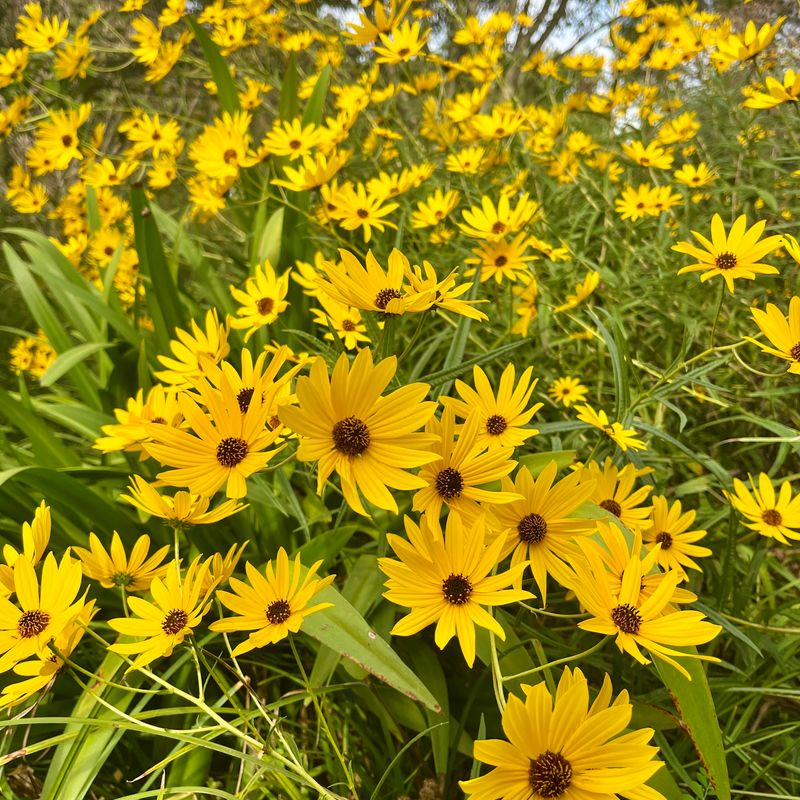
Picture a wall of golden blooms swaying gently in the autumn breeze, and you have the swamp sunflower. This towering native shrugs off the wet, sticky clay that makes other plants unhappy, turning damp corners into pure sunshine.
Its roots handle moist ground and even the occasional puddle without complaint. That toughness comes from where it naturally grows, along ditches, pond edges, and low meadows across the Southeast.
If your yard has a soggy spot that stays damp after every rain, this is the plant that will settle right in.
Come late summer, hundreds of small yellow flowers open all at once, and the show keeps rolling until the first frost arrives. Bees, butterflies, and birds flock to it, so you get more than color. You get a busy little wildlife stop right in your backyard.
Care could not be easier. Give it full sun and plenty of room, since it can stretch six to eight feet tall. A single trim in early summer keeps the stems shorter and sturdier if you prefer a tidier shape.
Once established, it asks for almost nothing. No fertilizer, no fussy watering, and no coddling through the seasons. It comes back stronger each year, spreading slowly into a cheerful clump.
For a splash of bright, dependable fall color in the wettest part of your garden, the swamp sunflower delivers big rewards for very little effort.
2. New York Ironweed Brings Deep Purple To Fall
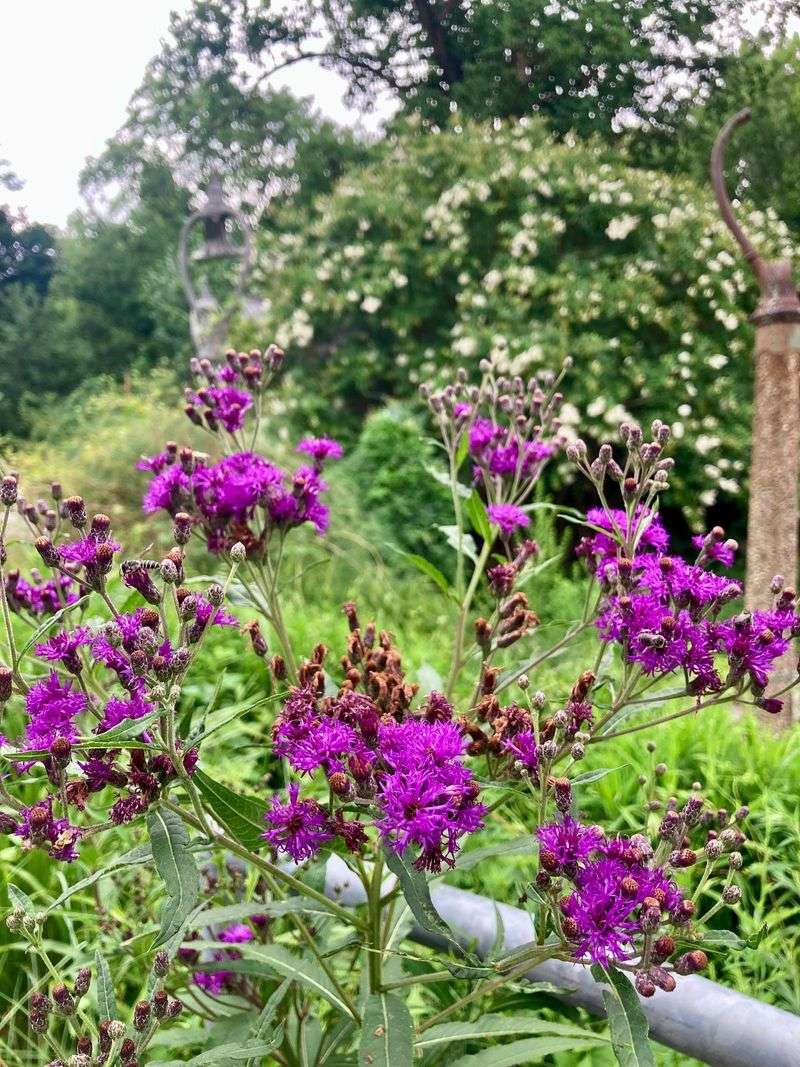
Few flowers can match the rich, royal purple of New York ironweed when it lights up a late summer garden. Standing tall and proud, it adds drama to any damp corner where softer plants would struggle.
This native earned its name from its tough, iron-hard stems that stand straight through wind and rain.
Those sturdy stalks let it thrive in heavy, moist clay, the very soil many gardeners fight against. Instead of battling your wet ground, you can let ironweed put it to good use.
From mid summer into the heart of fall, fluffy clusters of purple flowers crown the top of each stem. Butterflies find them impossible to resist, and you will often spot swallowtails and monarchs stopping by for a sip of nectar.
Your North Carolina Garden Changes Every Week. Your Plan Should Too.
Gardening in North Carolina changes quickly throughout the season. Every Friday you’ll receive a simple weekly plan showing exactly what to plant, prune, fertilize, harvest, and protect so you never miss the right timing.
Once its roots take hold, this plant practically cares for itself. It shrugs off heat, humidity, and soggy spells without missing a beat, and it never needs pampering to keep blooming.
Because it can reach seven feet or taller, place it toward the back of a border where it can show off above shorter plants. A light trim in early summer keeps the height in check if you want a bushier look.
Ironweed pairs beautifully with the yellows of goldenrod and sunflowers, creating a purple and gold combination that feels like autumn itself. Plant it once, step back, and enjoy years of bold color with barely any work on your part.
3. Joe Pye Weed Handles Heavy Moist Soil
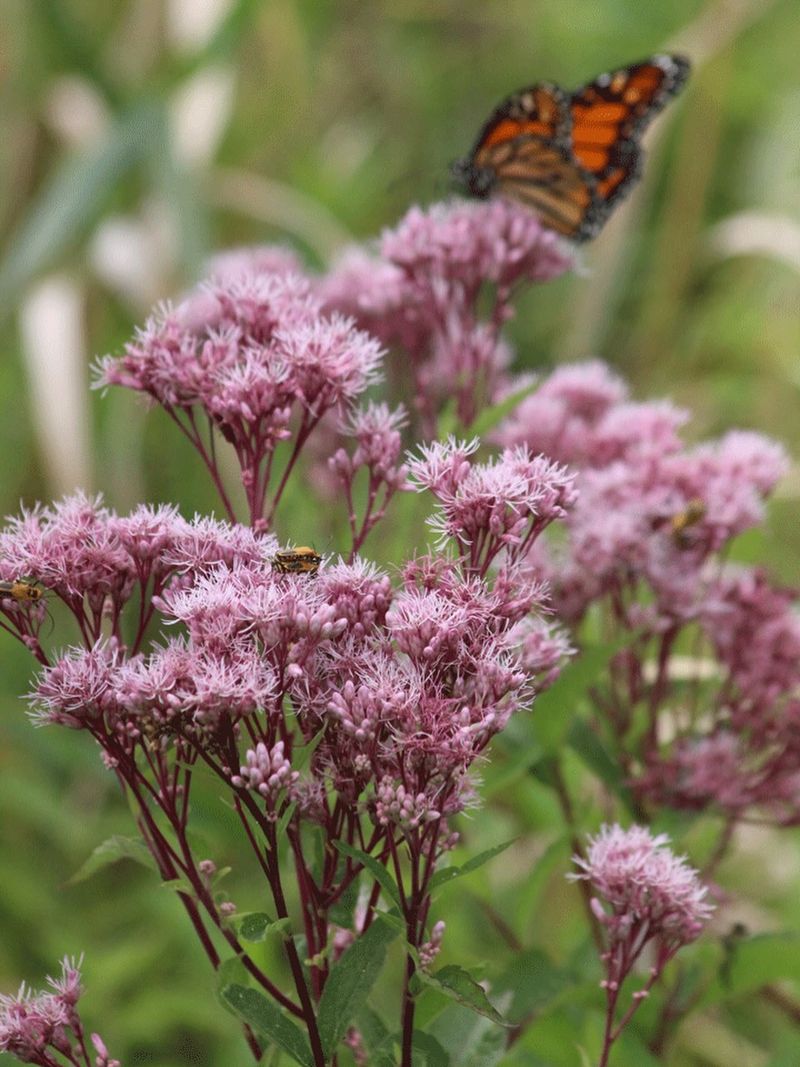
With soft, dusty pink flower heads the size of dinner plates, Joe Pye weed makes a bold statement in any wet garden. It looks fancy, but it is one of the most forgiving plants you can grow.
Heavy, damp clay is exactly where this native feels at home. Its hollow stems rise from the ground each spring and climb higher and higher through the warm months, sometimes topping out around six or seven feet.
By late summer, those tall stems burst into huge clusters of mauve pink blooms that can keep going well into October. The flowers carry a light vanilla scent, and butterflies swarm them like a magnet, making the plant hum with life.
Caring for Joe Pye weed takes almost no effort. It loves moisture, so you rarely need to water it, and it stays healthy without fertilizer or spraying. The main job is simply giving it space to grow tall.
If you want fuller, shorter plants with more flower heads, snip the stems back by about a third in early summer. Leave them standing through winter, though, since the sturdy seed heads add texture and feed hungry birds.
Plant it near the back of a rain garden or beside a pond, and it will anchor the whole scene. Joe Pye weed proves that a soggy, difficult spot can become the most eye-catching part of your yard with hardly any work at all.
4. Fireworks Goldenrod Does Not Mind Wet Clay
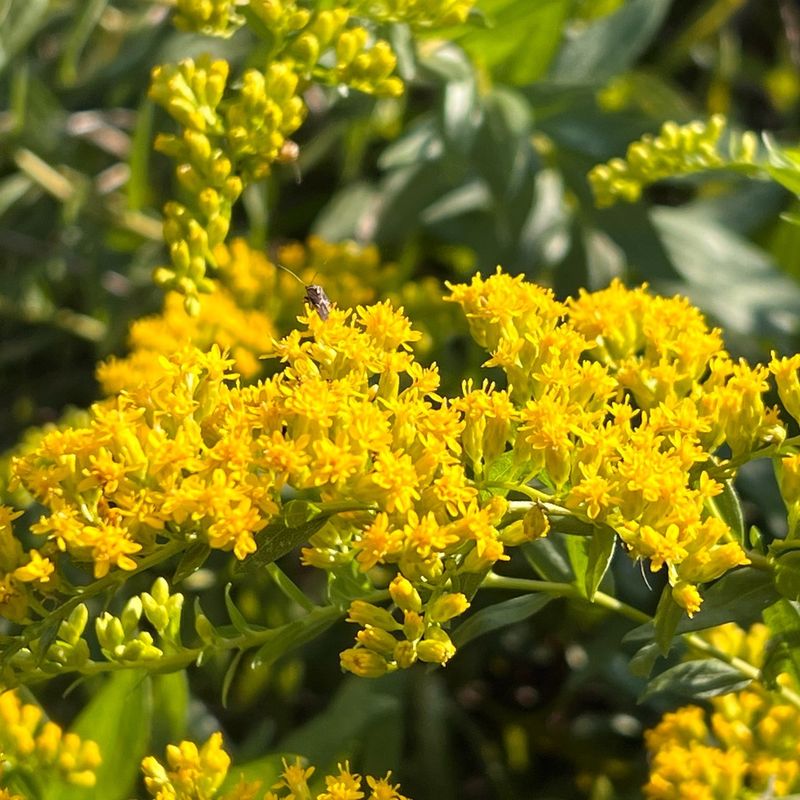
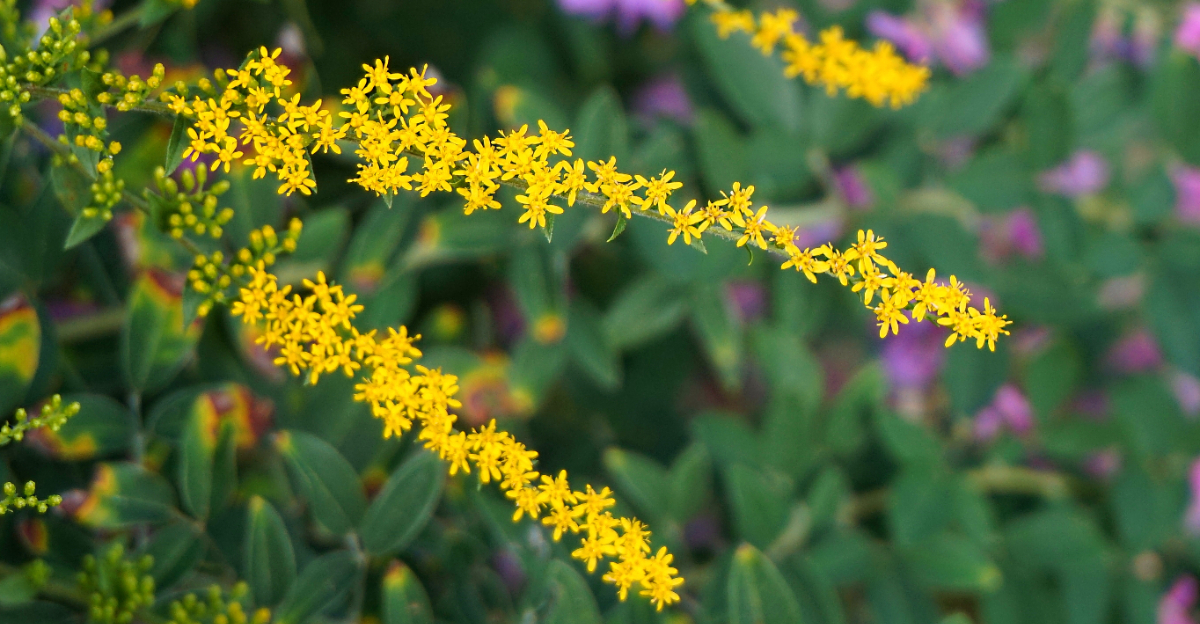
The name says it all. Fireworks goldenrod sends out sprays of tiny yellow blooms that arch outward like bursts of golden sparks against the autumn sky.
This popular variety was chosen for its graceful, well-behaved shape and its willingness to grow in tough conditions. Clay soil and the occasional wet spell do not bother it one bit, which makes it a smart pick for those tricky low areas.
From late summer into fall, the arching branches fill with bright yellow flowers that seem to glow. The display lasts for weeks, giving your garden a warm, sunny feel just as many other plants begin to fade.
Contrary to old rumors, goldenrod does not cause sneezing fits. That blame belongs to ragweed, which blooms at the same time. What goldenrod actually does is feed bees and butterflies stocking up before the cold arrives.
Growing it is refreshingly simple. Once its roots settle in, it handles drought and dampness alike, needs no fertilizer, and rarely gets bothered by pests or disease.
Reaching around three to four feet tall, Fireworks fits nicely in the middle of a border or grouped in a mass planting. It stays neater than wild goldenrod, so it will not take over your beds.
Pair it with purple asters or ironweed for a knockout fall combo. For dependable color in a spot that stays moist, this cheerful goldenrod rewards you with a dazzling show and asks for almost nothing in return.
5. Boneset Is Made For Moist Ground
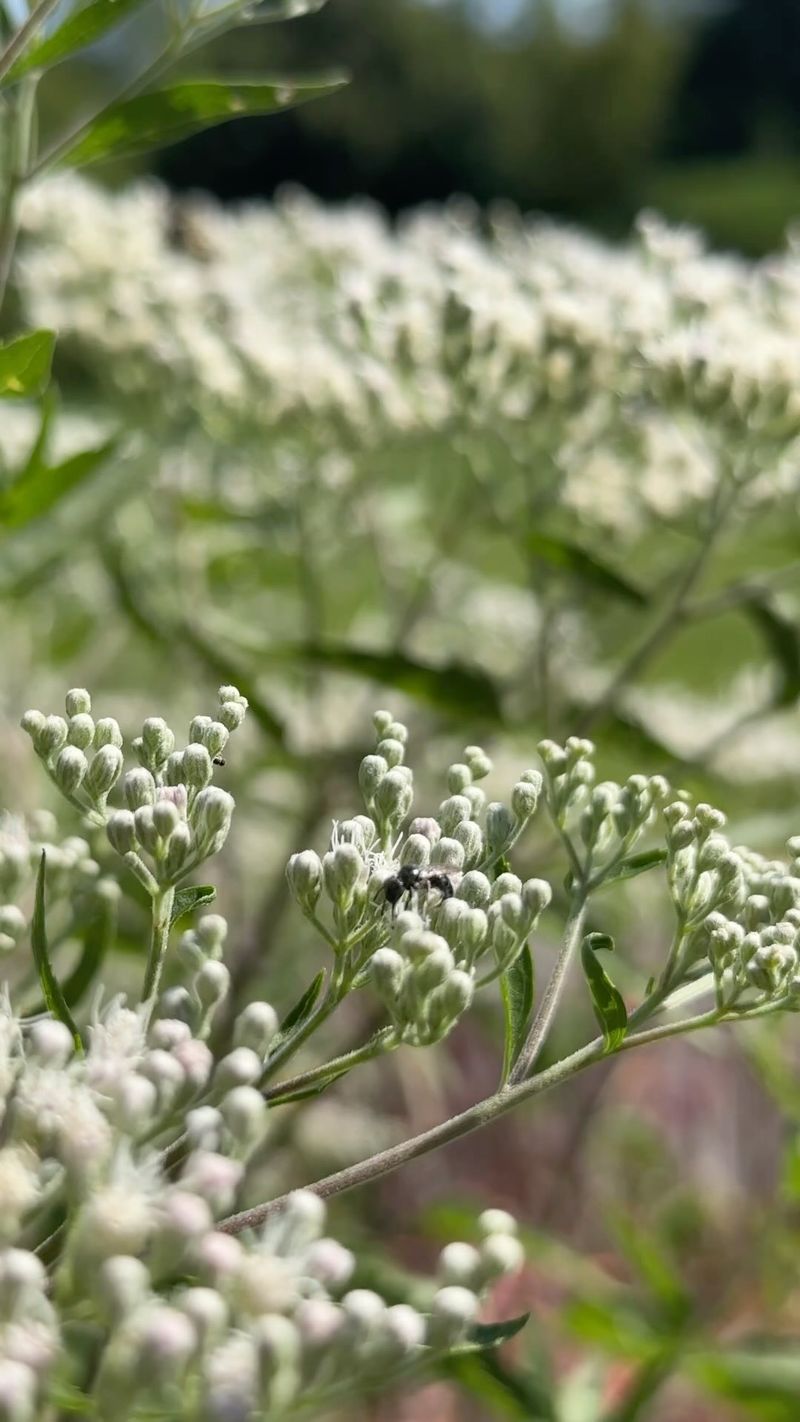
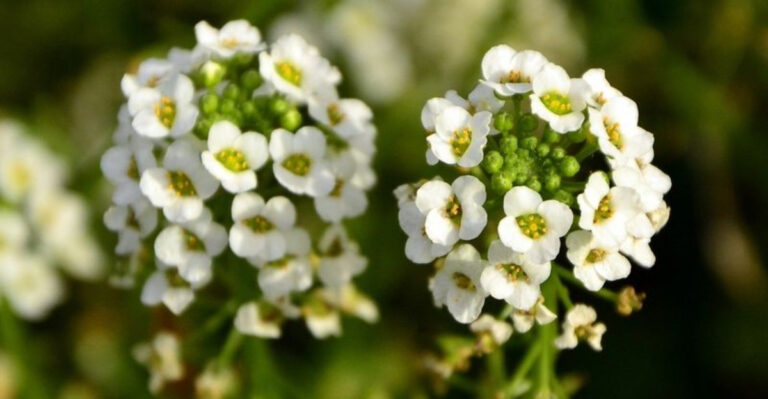
Soft and cloudlike, the white flower clusters of boneset bring a gentle, airy touch to the fall garden. While bold purples and yellows grab attention, this creamy bloomer offers a calm, cooling balance.
Boneset was practically built for damp places. It grows naturally in wet meadows, marsh edges, and low ground that floods now and then, so soggy clay suits it perfectly. If part of your yard stays wet all season, this plant will happily fill it.
Flat-topped clusters of tiny white flowers open in late summer and carry on into fall. Pollinators absolutely love them, and on a warm afternoon you might count dozens of bees, wasps, and butterflies working the blooms at once.
One neat feature is the way its leaves wrap around the stem, looking as if a single leaf has been pierced right through the middle. That quirky detail makes boneset easy to recognize and fun to point out to visitors.
Upkeep is close to nothing. It handles heat and humidity with ease, never needs extra water in a wet spot, and stays free of most pests without any help from you.
Standing around three to four feet tall, it fits well in a rain garden or along a pond edge. Let the seed heads stand through winter to feed birds and add quiet interest.
For a natural, meadow-like look in your wettest ground, boneset is a hard-working charmer that keeps the pollinators buzzing right up to frost.
6. Swamp Milkweed Keeps Going Into Early Fall
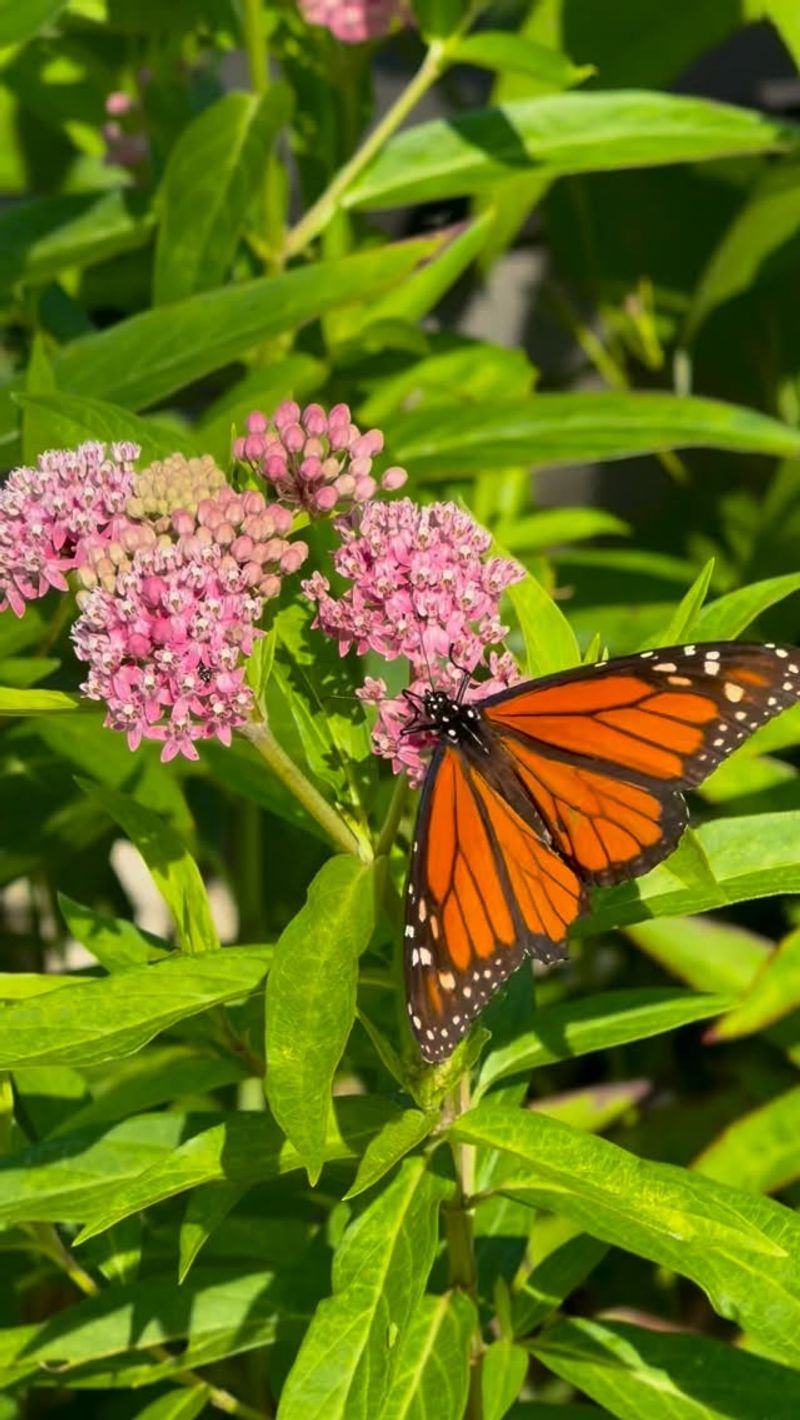
A monarch butterfly drifting down to a cluster of pink blooms is a sight you can count on with swamp milkweed. This native beauty is both lovely to look at and a lifeline for pollinators.
Despite its name, swamp milkweed also grows well in ordinary garden beds, but it truly shines in moist clay. It tolerates soil that stays damp or floods for short spells, making it a natural fit for those wet, low spots.
Clusters of soft pink, star-shaped flowers appear in summer and often keep going into early fall. They smell faintly sweet, like vanilla, and draw in butterflies, bees, and hummingbirds all season long.
Monarchs depend on milkweed to raise their young, so planting it helps support these amazing travelers. You may even spot striped caterpillars munching the leaves, which is a sign your garden is doing its job.
Care is delightfully light. Once established, it needs no fertilizer, handles wet feet without trouble, and comes back reliably year after year from the same roots.
Reaching three to four feet tall, it stays more upright and tidy than many wild plants. Leave the seed pods in fall and watch them split open to release silky, floating seeds on the breeze.
For gardeners who want beauty and purpose in one plant, swamp milkweed delivers both. Tuck it into a damp corner, and you will enjoy pretty pink blooms while giving butterflies a place they truly need.
7. New York Aster Finishes The Season With Purple
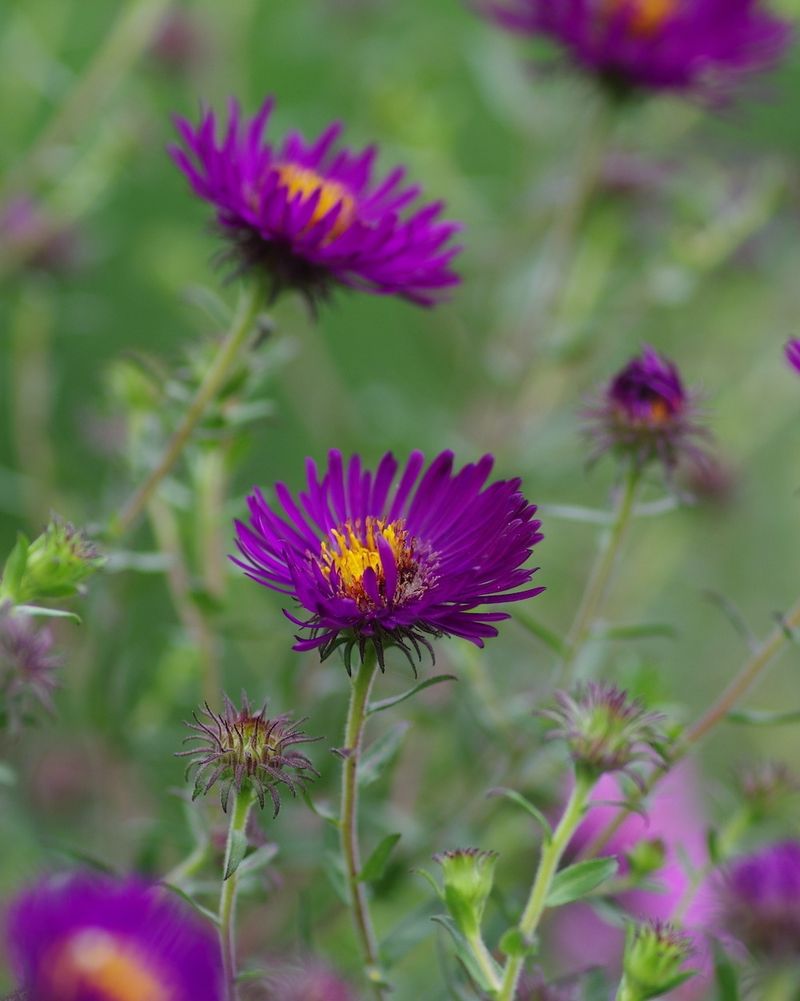
Just when the garden feels like it might be winding down, New York aster bursts onto the scene with a carpet of small purple daisies. It is the grand finale your fall beds have been waiting for.
Moist clay is no obstacle for this cheerful native. It grows well in the damp soils common across North Carolina, and it fits especially nicely in gardens throughout the Coastal Plain and Piedmont regions.
The flowers open in fall and cover the plant in cool shades of purple and lavender, each one centered with a sunny yellow eye. Pollinators searching for a late-season meal treat these blooms like a final feast before winter.
Butterflies, bees, and other helpful insects visit in steady numbers, so the plant stays lively and full of movement. That burst of activity keeps your garden feeling alive well into the cooler weeks.
Growing New York aster takes very little effort. Once settled, it handles wet spells, resists most problems, and returns faithfully each year without any pampering from you.
Pinching the stems back in early summer keeps the plant bushy and loaded with even more flowers. Grouped together, several plants create a soft cloud of purple that looks stunning against golden goldenrod.
Standing around two to four feet tall, it works in borders, rain gardens, or wild meadow plantings. For a colorful send-off to the growing season, New York aster wraps things up in style and asks for almost nothing in return.