The Yellow Vermont Wildflower Wrongly Blamed For Fall Allergies
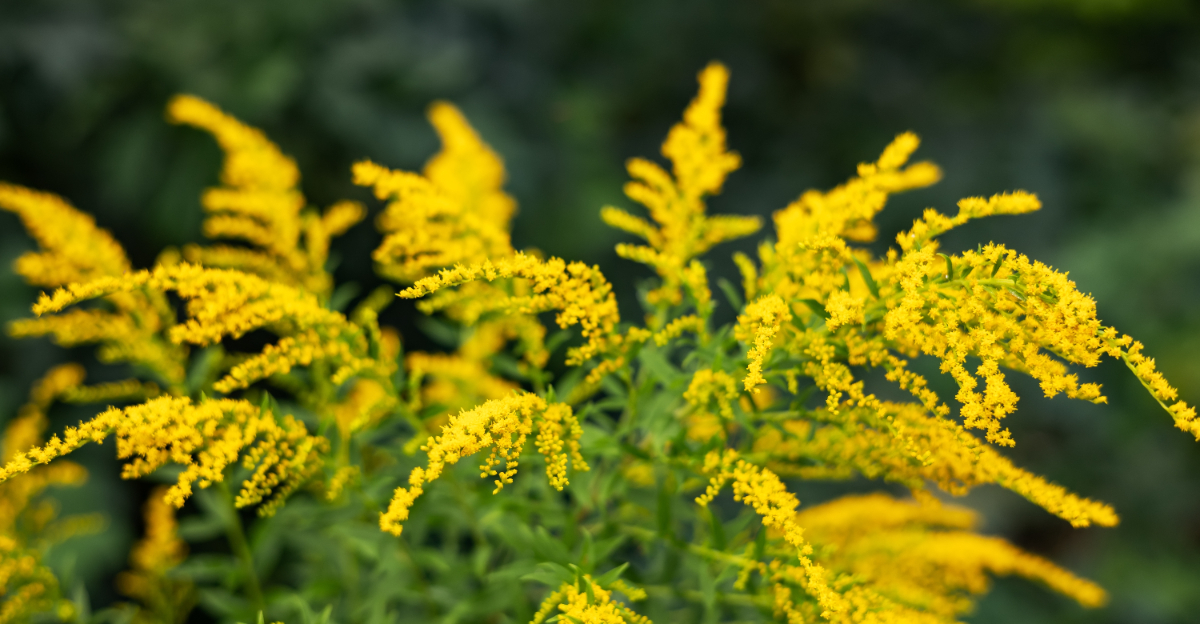
Bright yellow blooms across Vermont catch your eye long before anything else does. Every sneeze this August might be pointing you toward the wrong culprit entirely.
Blame lands on the showiest plant instantly, yet the real trigger hides nearby. Something low and easy to overlook does the actual damage.
Pollen from that quiet plant travels for miles on the wind. Nobody notices it until their eyes start watering.
Your watery eyes and itchy throat aren’t random reactions at all. They’re a direct response to a plant you’ve never once suspected.
Relief starts the moment you stop blaming the wrong bloom. Vermont’s real allergy villain has been hiding in plain sight. What you’ve been blaming for your symptoms isn’t even capable of causing them.
Identifying Goldenrod Versus Ragweed
Two plants. One reputation. Only one deserves it.
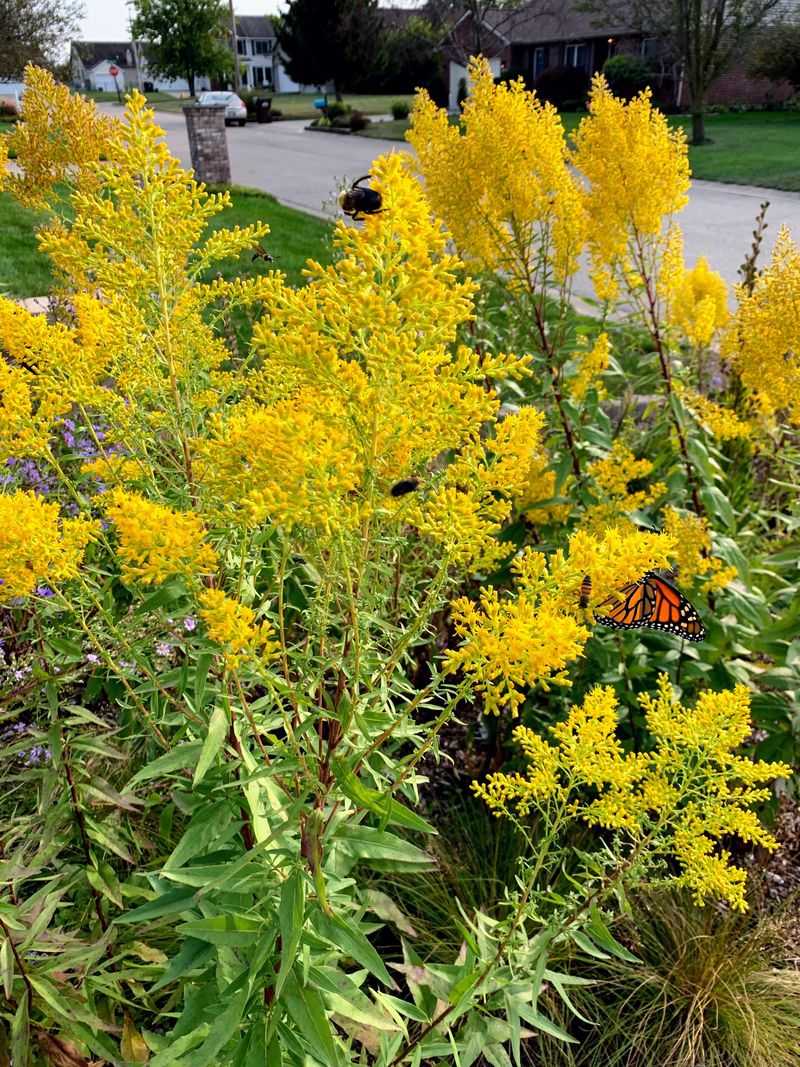
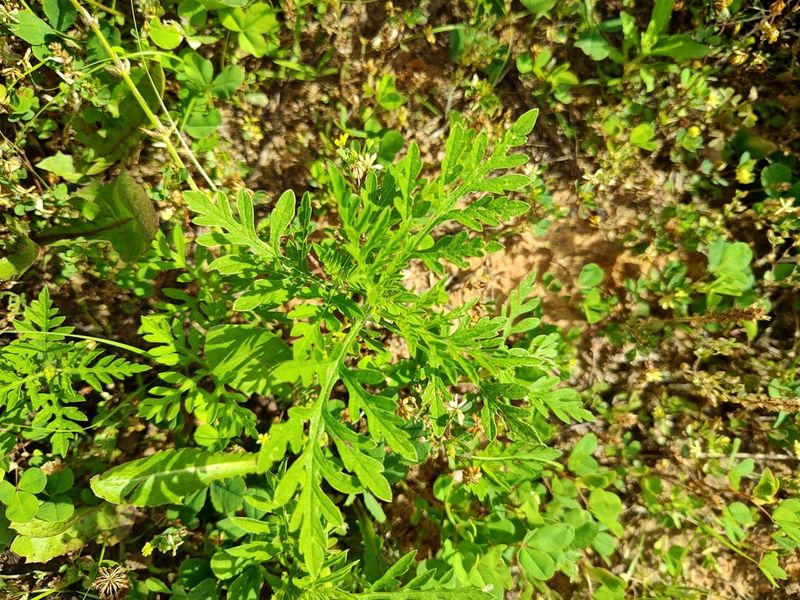
Goldenrod stands tall with bold, golden plumes that practically glow in late summer sun. Ragweed, on the other hand, looks almost invisible, with tiny green flowers that blend right into the background.
That visual difference is the first clue to solving the great allergy mystery. Goldenrod blooms at the exact same time as ragweed, which is why it gets the side-eye from every sneezing hiker in Vermont.
Goldenrod leaves are long, narrow, and slightly toothed along the edges. Ragweed leaves are deeply lobed, almost feathery, and much softer to the touch.
Goldenrod grows in thick clumps along roadsides, fence lines, and open fields. Ragweed prefers disturbed soil, popping up in gardens, vacant lots, and freshly mowed areas.
The flowers tell the clearest story of all. Goldenrod’s bright yellow clusters attract bees, butterflies, and other pollinators constantly. Ragweed’s dull green flowers produce little nectar and rarely draw the attention of pollinating insects
A few careful comparisons are usually all it takes to tell the two plants apart. Once you know what you’re looking for, the two plants are surprisingly easy to tell apart.
Pull up a plant identification app on your phone or compare a few close-up photos side by side. Knowing which plant is actually causing your misery is the first step toward doing something smart about it.
The Real Source Behind Late Summer Sneezing
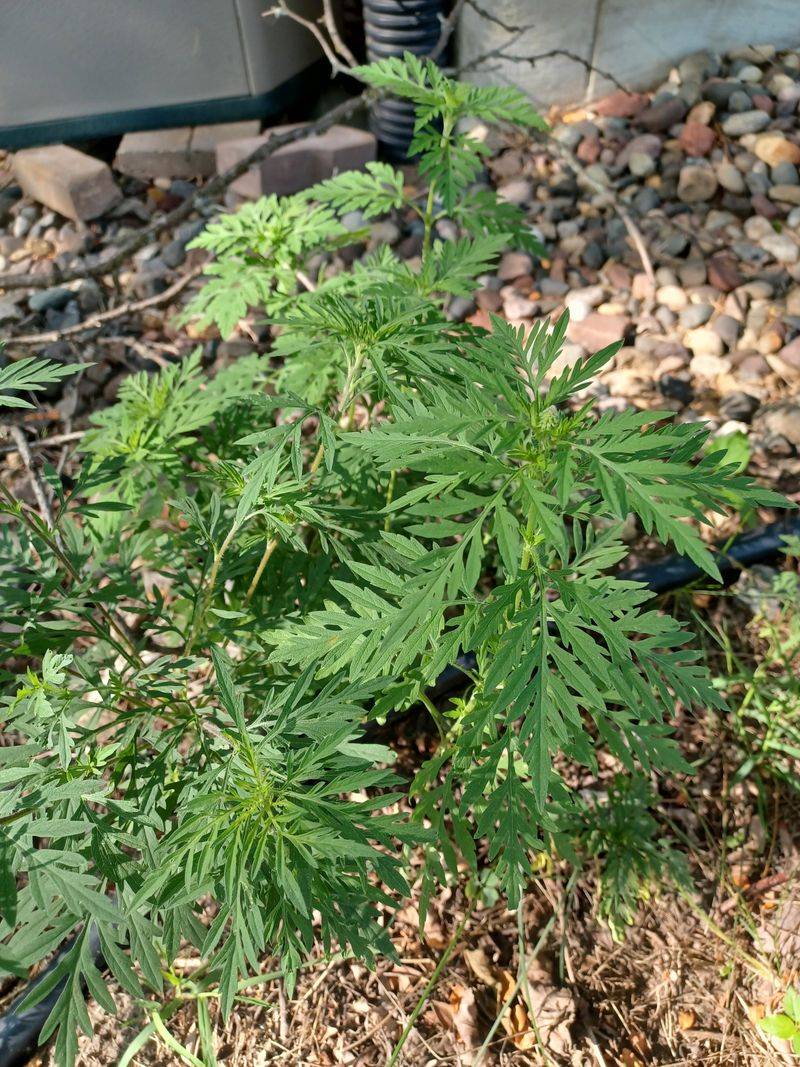
Ragweed is the actual fall allergy culprit, and it has been for a long time. Scientists have confirmed this connection repeatedly, yet goldenrod still gets blamed at every backyard barbecue conversation.
Ragweed pollen is incredibly light and aerodynamic. A single ragweed plant can release up to one billion pollen grains in a single season.
Those grains travel far. Wind carries ragweed pollen hundreds of miles from its source, meaning you can react to it even if no ragweed grows near your home.
Goldenrod pollen is completely different in structure. Each grain is heavy, sticky, and designed to cling to the bodies of visiting insects rather than float away on a breeze.
Because goldenrod pollen almost never becomes airborne, your nose simply does not encounter it during a walk through a field. Your immune system has no reason to panic around those cheerful yellow blooms.
Ragweed season typically peaks between mid-August and the first frost. That timing overlaps perfectly with goldenrod’s bloom, which is exactly why the confusion started and why it sticks around.
Pollen counts in Vermont can spike dramatically on dry, windy mornings during peak ragweed season. Checking local air quality reports can help you plan outdoor time more strategically.
Understanding the true source of your sneezing gives you real power over your symptoms. Blaming the wrong plant means you keep suffering while the actual problem goes unchecked.
Why Goldenrod’s Pollen Rarely Travels By Air
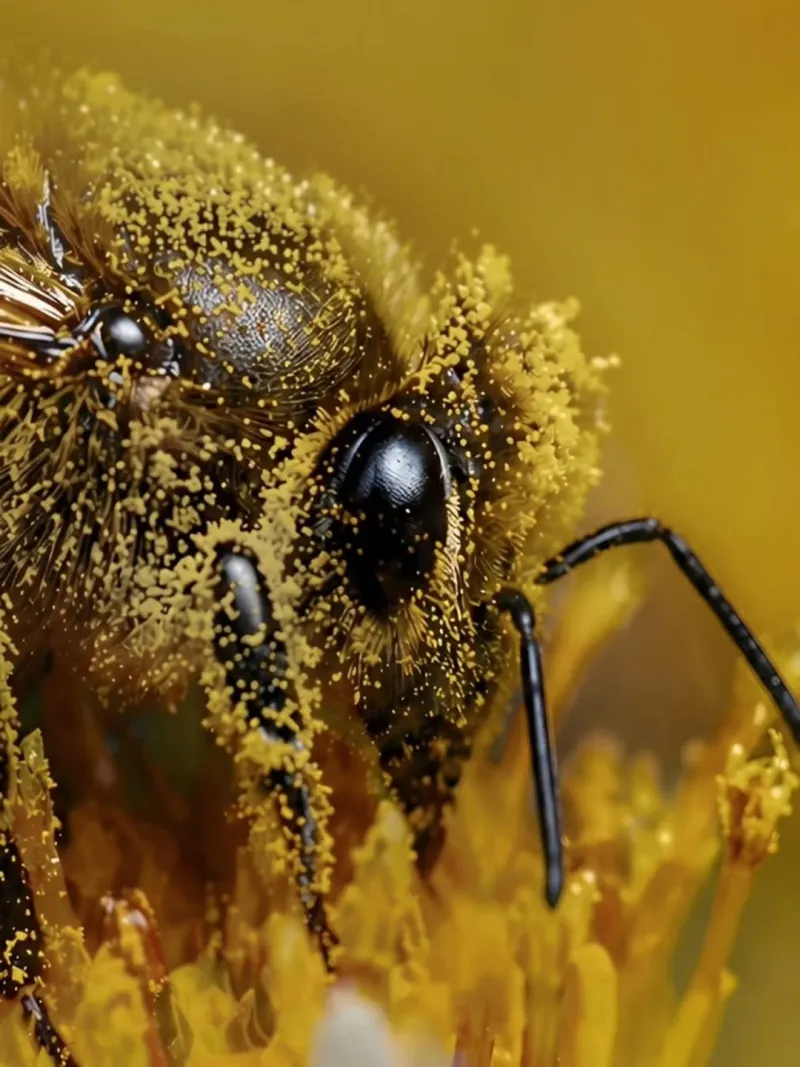
Sticky pollen is the key detail that clears goldenrod’s name completely. Plant biology explains everything once you understand how different flowers spread their genes.
Goldenrod is what botanists call an entomophilous plant, meaning it relies on insects for pollination. Its pollen grains are coated in a waxy, sticky substance that clings to bee legs and butterfly wings.
That stickiness is intentional. The plant evolved this way specifically so pollen would transfer from flower to flower via visiting insects, not drift randomly through the air.
Wind-pollinated plants like ragweed took a completely different evolutionary path. Their pollen is dry, powder-fine, and produced in massive quantities to compensate for the inefficiency of random wind dispersal.
When a bee lands on goldenrod, it leaves carrying a load of pollen that will almost certainly reach another goldenrod bloom. Very little of that pollen ever escapes into open air.
Anemophilous plants, which are wind-pollinated, flood the atmosphere with microscopic particles your nose cannot filter out. Ragweed is a textbook example of this pollen strategy.
Getting a real dose of its pollen would require direct, sustained contact with the flower itself, something almost no one ever does by accident.
This biological reality means goldenrod is one of the safest flowering plants you can have near your home during allergy season. Science cleared its name long ago.
The Wildlife Value Of Keeping Goldenrod Around
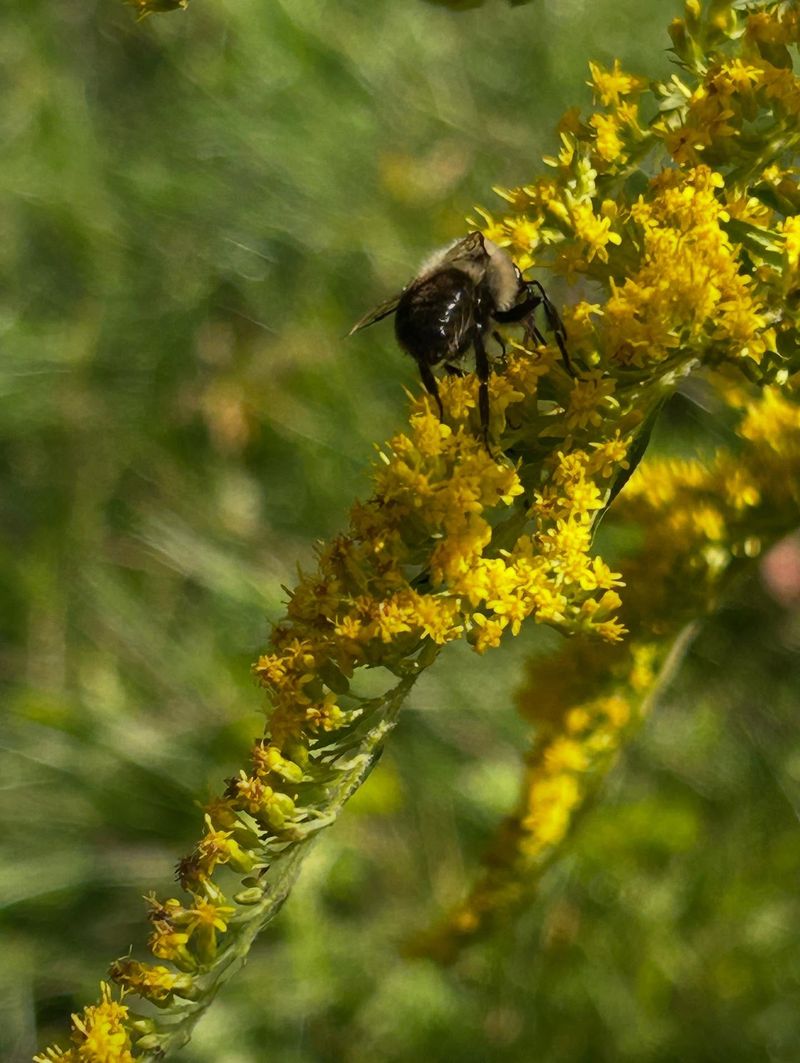
Pulling up goldenrod would be a genuine ecological mistake. This plant is one of the most important native wildflowers in the northeastern United States for wildlife support.
Dozens of native bee species rely on goldenrod as one of the last major food sources before winter. As summer flowers fade, goldenrod becomes a lifeline for pollinators building energy reserves before winter.
Monarch butterflies fuel their long migration south by feeding on goldenrod nectar. Without those calorie-rich blooms, millions of migrating monarchs would face a much harder journey.
Goldfinches and other seed-eating birds harvest goldenrod seeds well into autumn. The dried stalks also provide shelter for beneficial insects overwintering in hollow stems.
More than 100 species of moths and butterflies rely on goldenrod foliage during their larval stage, feeding the broader food web. Birds need those caterpillars to feed their young each spring.
Native bees like bumblebees, sweat bees, and mining bees time their late-season foraging around goldenrod blooms. Removing it from your landscape reduces food availability for these essential pollinators.
Its stems also break down slowly through winter, returning organic matter to the soil where it grows. Naturalistic gardeners prize it for building healthier ground over time.
Keeping a patch of goldenrod in a sunny corner of your yard costs you nothing and gives wildlife an enormous boost. Letting it grow is one of the easiest conservation choices a homeowner can make.
Managing Ragweed In Home Landscapes
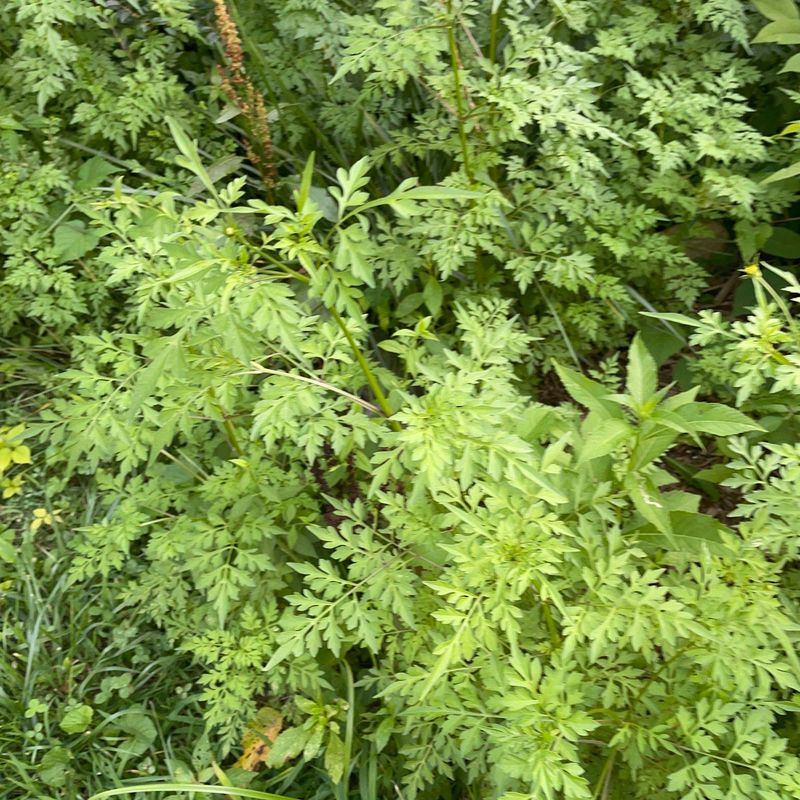
Ragweed control starts with early action, before the plant ever gets a chance to flower. Once those tiny green blooms appear, pollen production has already begun and the damage is done.
Ragweed is an annual plant, which means it completes its entire life cycle in one growing season. Removing it before it sets seed dramatically reduces next year’s population in your yard.
Hand-pulling works well for small infestations in garden beds and borders. Wear gloves and a dust mask during removal, since even handling the plant can stir up pollen.
Mowing ragweed before it flowers is another effective strategy for open lawn areas. Consistent mowing every two weeks through late summer prevents seed production and weakens the plant over time.
Mulching garden beds heavily reduces ragweed germination significantly. A three-inch layer of wood chips or straw blocks the sunlight that ragweed seeds need to sprout.
Replacing bare soil with dense ground covers, native grasses, or low-growing perennials leaves no open space for ragweed to establish. A full, thriving garden is its own form of weed control.
Avoid tilling soil in late summer if possible, since disturbing the ground brings buried seeds to the surface where they can germinate quickly. Minimal soil disruption is a smart seasonal habit.
Staying consistent with removal efforts each year gradually reduces the seed bank in your soil. Patience and persistence are your best tools when managing ragweed at home.
Reducing Allergy Symptoms During Peak Bloom
Peak ragweed season does not have to mean weeks of misery. Smart daily habits can cut your exposure significantly without requiring you to stay indoors all autumn.
Ragweed tends to release the bulk of its pollen shortly after sunrise, especially on dry, windy mornings. Scheduling outdoor activities for late afternoon reduces how much pollen you actually breathe in.
Keeping windows closed during high-pollen days and running an air conditioner with a clean filter makes a big difference inside your home. Change HVAC filters regularly throughout the season for best results.
Showering after spending time outdoors washes pollen from your hair and skin before it transfers to pillows and furniture. This simple step can improve sleep quality dramatically for allergy sufferers.
Over-the-counter antihistamines work best when taken consistently rather than only after symptoms appear. Starting medication a week before peak season gives your body a head start against reactions.
Nasal rinses using a saline solution flush pollen from nasal passages and reduce inflammation naturally. Many allergy specialists recommend this as a daily habit throughout ragweed season.
Wearing sunglasses outdoors protects your eyes from airborne pollen and reduces itching and redness. Wraparound styles offer the most protection in open, breezy environments.
Blaming the wrong plant for your fall allergies keeps you from finding real relief. Targeting ragweed, not goldenrod, is the smartest move you can make this allergy season.