The Reasons Why Your Pennsylvania Petunias Are Leggy And Weak
Petunias are supposed to be one of the most rewarding and straightforward flowers you can grow in a Pennsylvania garden. When they’re performing well, they deliver exactly that.
Big, colorful blooms spilling generously over containers and garden beds, flowering with an enthusiasm that makes the whole setup look effortless.
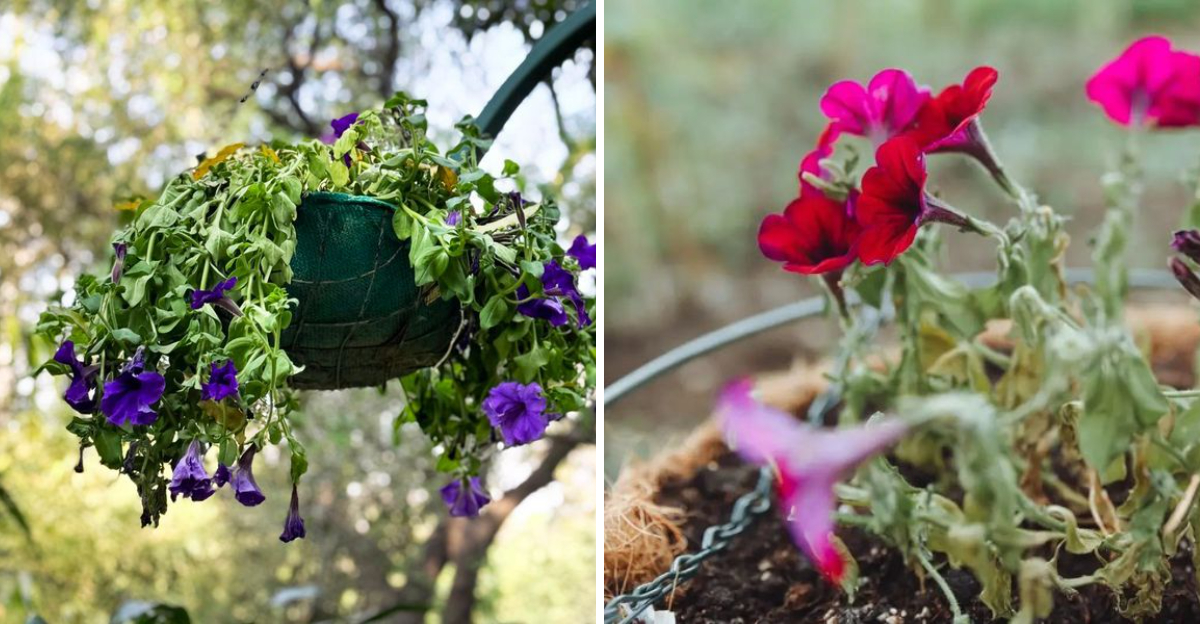
But when petunias go leggy and weak, the gap between what they’re supposed to look like and what they actually look like can be genuinely discouraging. Leggy petunias are not a random outcome. Something specific is causing it.
Several distinct factors produce the same visible result in Pennsylvania petunias, long stretched stems, sparse foliage, and declining bloom production that doesn’t respond to basic care.
And the fix for one cause is often completely different from the fix for another, which means approaching the problem without understanding what’s behind it leads to a lot of wasted effort and continued frustration.
Pennsylvania’s specific growing conditions through summer, the combination of humidity, variable rainfall, and heat, add complications that general petunia advice doesn’t always account for.
1. They Aren’t Getting Enough Sun
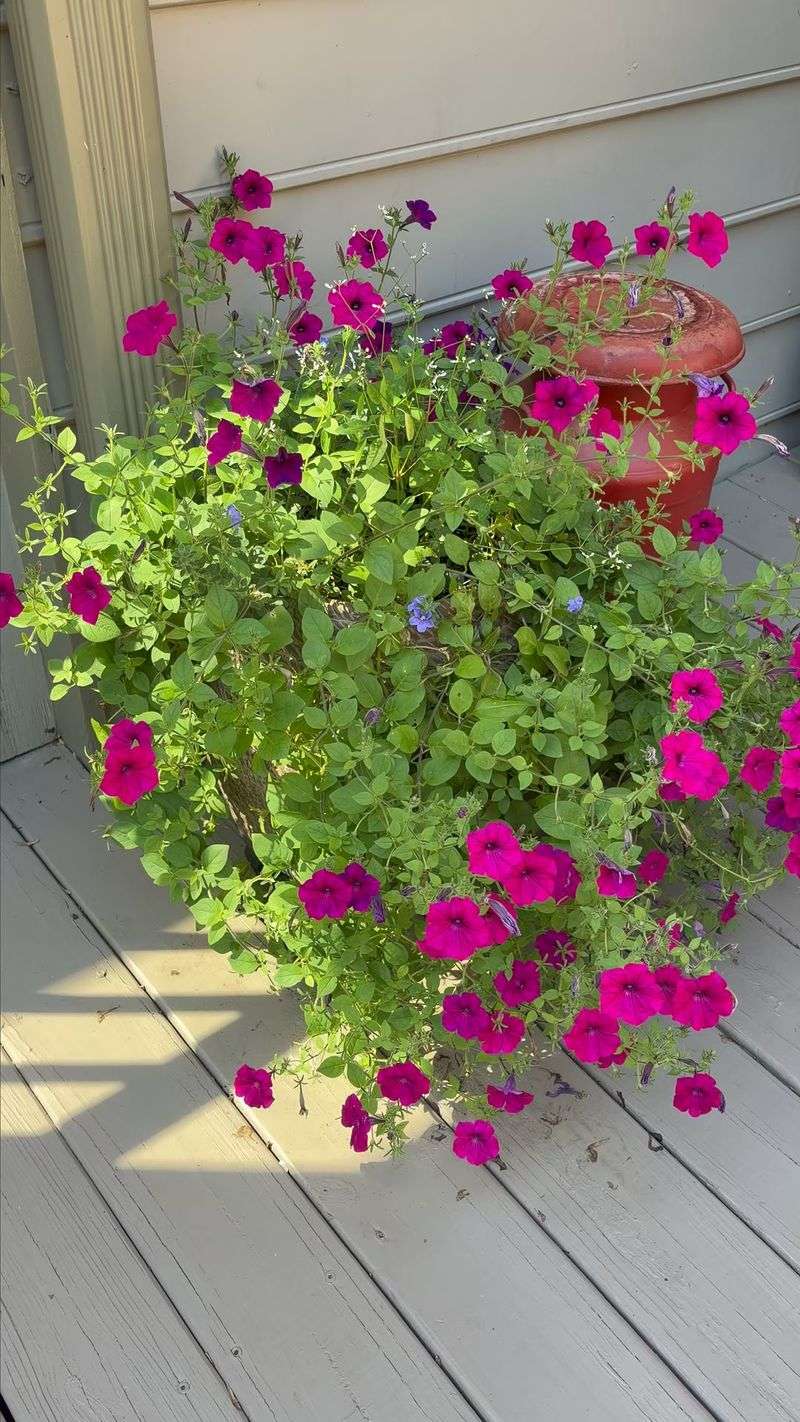
Sunlight is basically fuel for petunias. Without enough of it, these plants do something called etiolation, which is when stems grow long and thin as they stretch toward any available light source.
It looks like the plant is reaching out desperately, and honestly, that is exactly what it is doing.
Petunias need at least six hours of direct sunlight every day to stay compact and full. When they are planted under trees, near fences, or on a shaded porch, they simply cannot get what they need.
The result is weak, pale stems that flop over and produce far fewer flowers than a healthy plant should.
Pennsylvania summers can make this tricky because the sun angle changes as the season moves along. A spot that got full sun in May might be heavily shaded by July when the trees are fully leafed out. That shift can sneak up on you fast.
If your petunias are in containers, the fix is easy. Move them to a sunnier spot and watch how quickly they respond.
In-ground plants are trickier, but you can try trimming nearby shrubs or overhanging branches to let more light through.
Even getting one or two extra hours of sun per day can make a noticeable difference in stem strength and flower production. Always check your garden throughout the day before choosing a spot for petunias.
Morning sun is good, but afternoon sun in a Pennsylvania summer really helps these plants stay sturdy, vibrant, and full all season long.
2. They Haven’t Been Cut Back
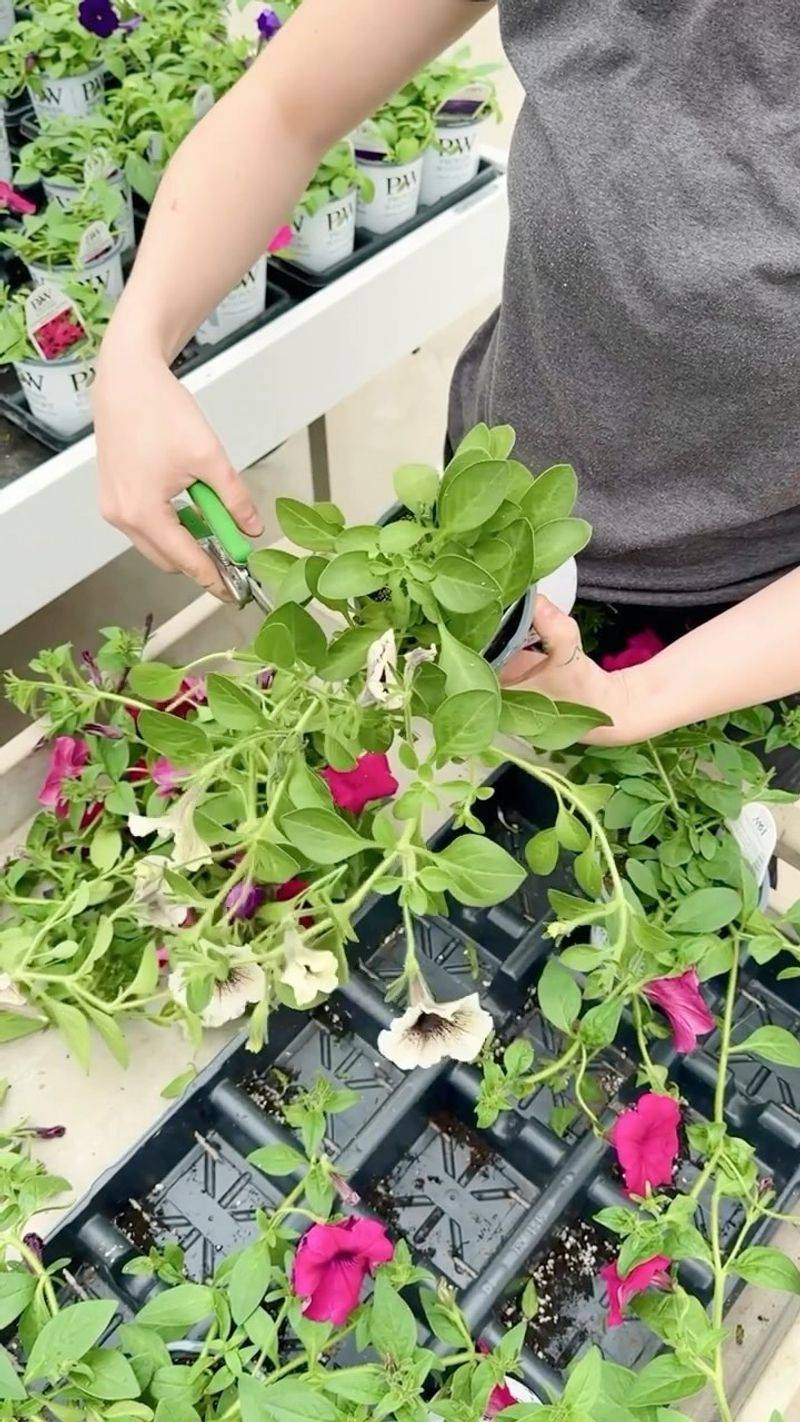
Here is something a lot of new gardeners do not realize: petunias actually need to be cut back to stay looking their best. Left on their own, these plants will keep growing longer and longer stems with fewer and fewer flowers as summer rolls on.
By July or August, they can look like a tangled mess of stringy green vines. Pruning petunias is not complicated, but it does take a little courage the first time. You want to cut stems back by about one-third to one-half of their length.
Your Pennsylvania Garden Changes Every Week. Your Plan Should Too.
Gardening in Pennsylvania changes quickly throughout the season. Every Friday you’ll receive a simple weekly plan showing exactly what to plant, prune, fertilize, harvest, and protect so you never miss the right timing.
Use clean garden scissors or pruning shears and cut just above a leaf node, which is the little bump where leaves attach to the stem.
After a good trim, the plant puts its energy into pushing out fresh new side shoots. Within two to three weeks, you should see a burst of new growth and a much fuller, bushier plant covered in bright blooms.
Pennsylvania gardeners who skip this step often wonder why their neighbors’ petunias look so much better.
Mid-July is a great time to do a major cutback in Pennsylvania. The summer heat has usually peaked, and cutting back gives the plant time to recover and rebloom before fall arrives.
You do not have to wait until the plant looks awful either. A light trim every few weeks keeps things tidy and productive.
Think of pruning as a reset button. It signals the plant to stop putting energy into old, worn-out stems and start focusing on producing fresh, healthy growth. Regular trimming is one of the simplest ways to keep petunias looking full all summer.
3. They’re Getting Too Much Nitrogen
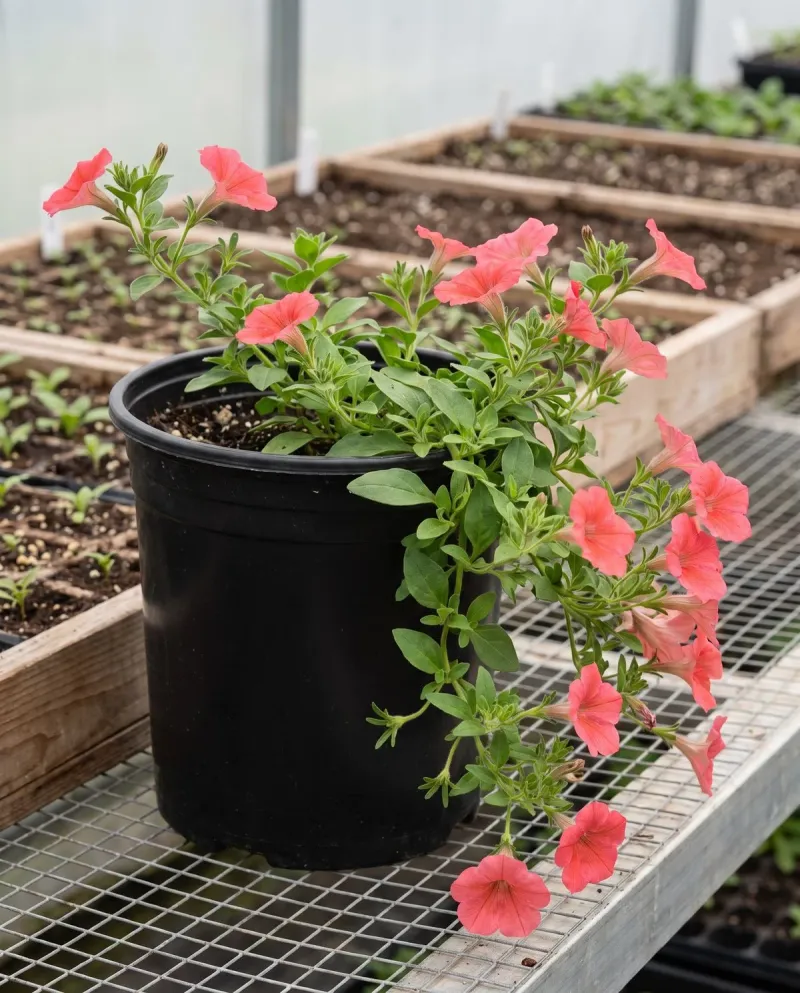
Fertilizer is supposed to help plants, right? Well, yes, but too much of the wrong kind can actually make things worse.
Nitrogen is the nutrient most responsible for leafy, green growth. When petunias get an overdose of it, they respond by producing tons of stems and leaves while putting very little energy into making flowers.
The plant ends up looking big and bushy in a weirdly hollow way. The stems are long but not sturdy, and the flower count drops noticeably.
If your petunias are growing fast but not blooming well, excess nitrogen is a very likely culprit.
Many all-purpose fertilizers are high in nitrogen, which is great for vegetables and lawns but not ideal for flowering plants like petunias. Look at the three numbers on your fertilizer bag.
Those represent nitrogen, phosphorus, and potassium. For petunias, you want a formula where the middle number, phosphorus, is higher than the first number.
Phosphorus encourages root development and flower production, which is exactly what you want. Switch to a fertilizer labeled for flowering plants or one with a ratio like 10-30-20.
You will likely see more blooms and less of that stretched, floppy growth within a few weeks. Also, avoid fertilizing too often. Once every one to two weeks is plenty for most petunias.
If your plants are already looking weak and stretched, hold off on fertilizing entirely for a week or two and focus on pruning and sunlight adjustments first.
Giving the plant time to recover before feeding it again often produces better results than just adding more fertilizer and hoping for the best.
4. The Soil Is Staying Too Wet
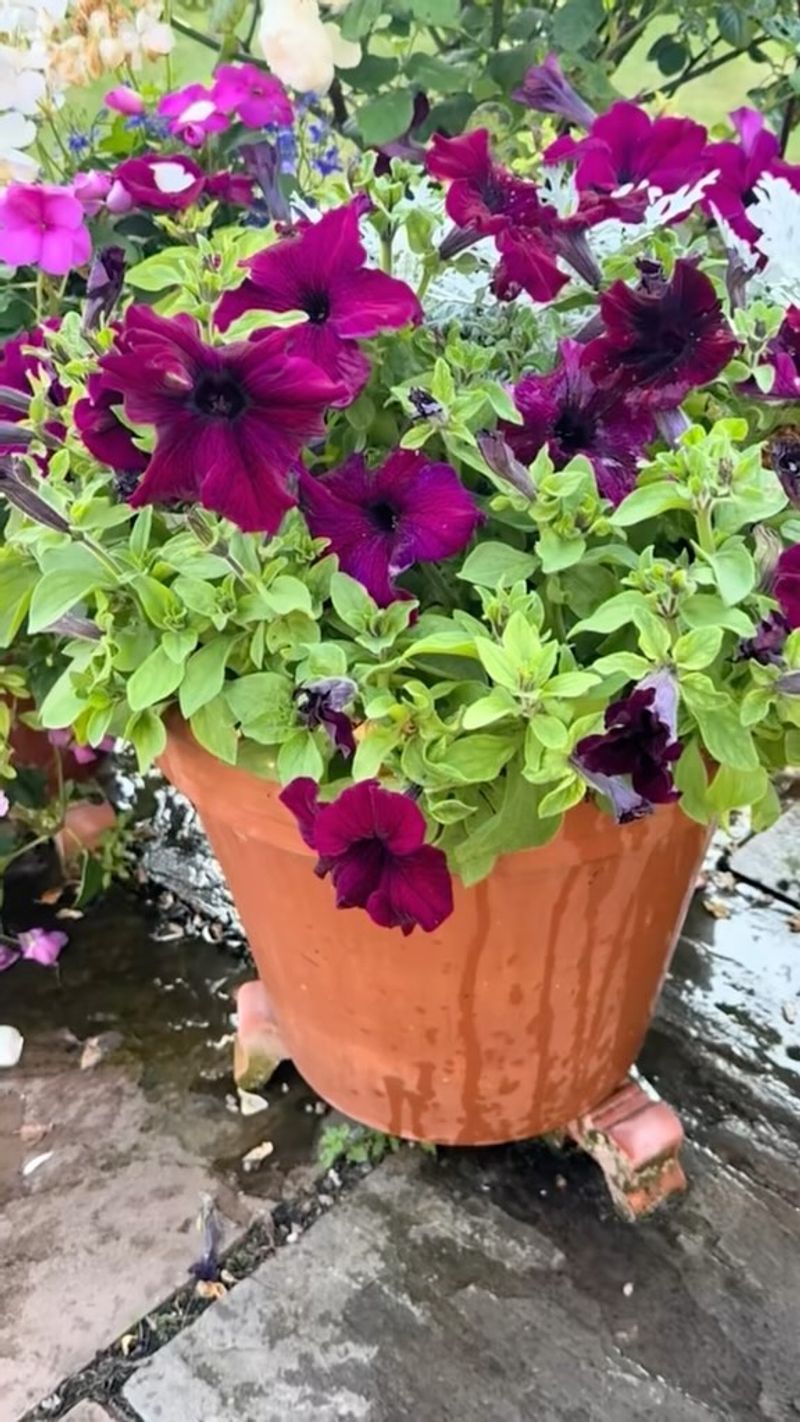
Pennsylvania summers can bring a lot of rain, and that can spell trouble for petunias. These plants absolutely do not like sitting in soggy soil for long periods of time.
When roots stay wet too long, they start to struggle, and the whole plant begins to weaken from the bottom up.
Overwatered petunias often show yellowing leaves, mushy stems near the base, and a generally droopy appearance even when the weather is not particularly hot. People sometimes mistake these signs for underwatering and add even more water, which only makes things worse.
Good drainage is everything when it comes to keeping petunias healthy. In containers, always make sure there are drainage holes at the bottom.
If water is pooling under the pot, raise it slightly so excess water can escape freely. In garden beds, if the soil feels muddy and heavy, consider mixing in some coarse sand or perlite to improve drainage.
A simple trick is to stick your finger about an inch into the soil before watering. If it still feels damp, wait another day.
Petunias prefer to dry out slightly between waterings rather than stay constantly moist. This small habit change can make a huge difference in plant health over time.
Pennsylvania’s clay-heavy soils in many regions hold water longer than sandier soils do, so this is a particularly common issue for local gardeners. Raised beds filled with a well-draining mix are a great solution if you deal with consistently wet soil in your yard.
Keeping roots comfortable and well-aerated is key to strong, upright stems and consistent blooming all season long.
5. Their Containers Are Too Crowded
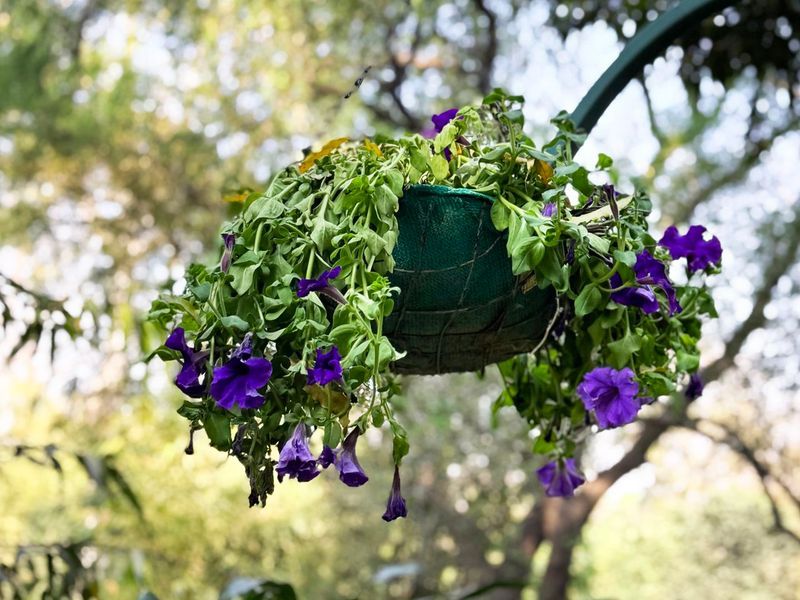
Crowded containers might look full and lush at the start of the season, but by late summer they can turn into a battleground. When too many petunia plants are packed into one pot, their roots compete for water, nutrients, and growing space.
Nobody wins that competition, and all the plants end up weaker for it. A good rule of thumb is to give each petunia plant about 10 to 12 inches of space in a container. That might seem like a lot when plants are small in spring, but trust the process.
Those little plants will fill in beautifully without the stress of fighting for resources. When roots get too crowded, they can circle around each other and become what gardeners call root-bound.
A root-bound plant cannot absorb water or nutrients efficiently, no matter how much you water or feed it. The stems get thin and the plant starts looking tired and sparse, even if you are doing everything else right.
If you suspect crowding is the issue, carefully remove the plants from the container and check the roots. If they are tightly wound into a solid ball, it is time to either repot into a larger container or divide the plants up into separate pots.
Gently loosen the roots before replanting to help them spread out more easily. Late summer is also a good time to freshen up the potting mix entirely.
Old potting soil loses its structure and nutrients over time, becoming compacted and less able to support strong root growth.
Fresh mix gives tired, crowded petunias a second chance at looking full and vibrant through the rest of the season.
6. They’re Simply Tired From A Long Summer
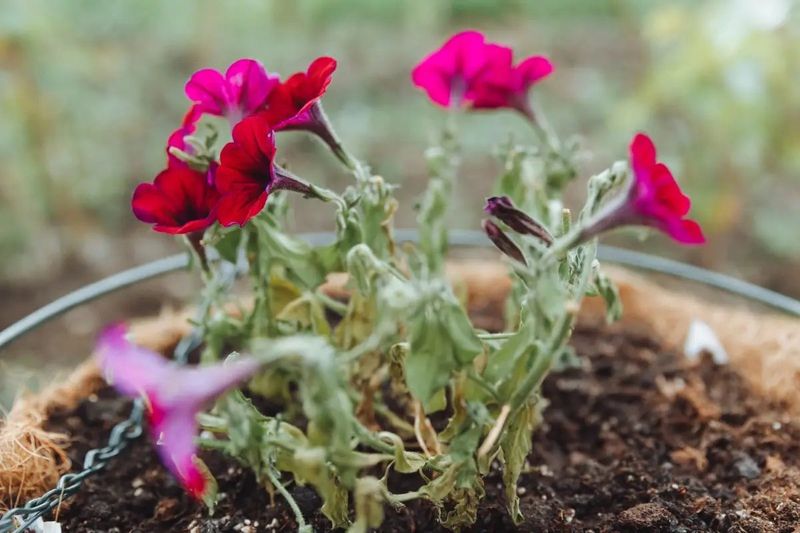
Even the most well-cared-for petunias can start to look exhausted by late summer. After months of blooming in Pennsylvania’s heat and humidity, these plants have spent a lot of energy producing flowers, and they naturally start to slow down.
The stems get long, the blooms get smaller, and the whole plant just looks a little beaten up. This is completely normal, and it does not mean you have done anything wrong.
Petunias are what gardeners call heavy bloomers, meaning they pour a tremendous amount of energy into producing flowers over a long season. By August or September, they are simply running low on steam.
Removing spent blooms regularly, a practice called deadheading, helps a lot throughout the season. When old flowers are left on the plant, it puts energy into forming seeds rather than producing new blooms.
Pinching off faded flowers as soon as you notice them keeps the plant focused on what you actually want, which is more flowers.
A late-season cutback combined with a light feeding using a bloom-boosting fertilizer can work wonders. Cut stems back by about half, remove all the old spent blooms, and give the plant a good drink of water mixed with a low-nitrogen, high-phosphorus fertilizer.
Within a few weeks, many petunias will push out a fresh round of growth just in time for Pennsylvania’s cooler fall weather.
Fall mornings in Pennsylvania are actually ideal for petunias. The cooler temperatures and shorter days suit these plants well, and a refreshed plant can put on a surprisingly beautiful show right up until the first frost arrives in October or November.