The September Garden Habit That Makes Squirrels Much More Interested In Your Yard
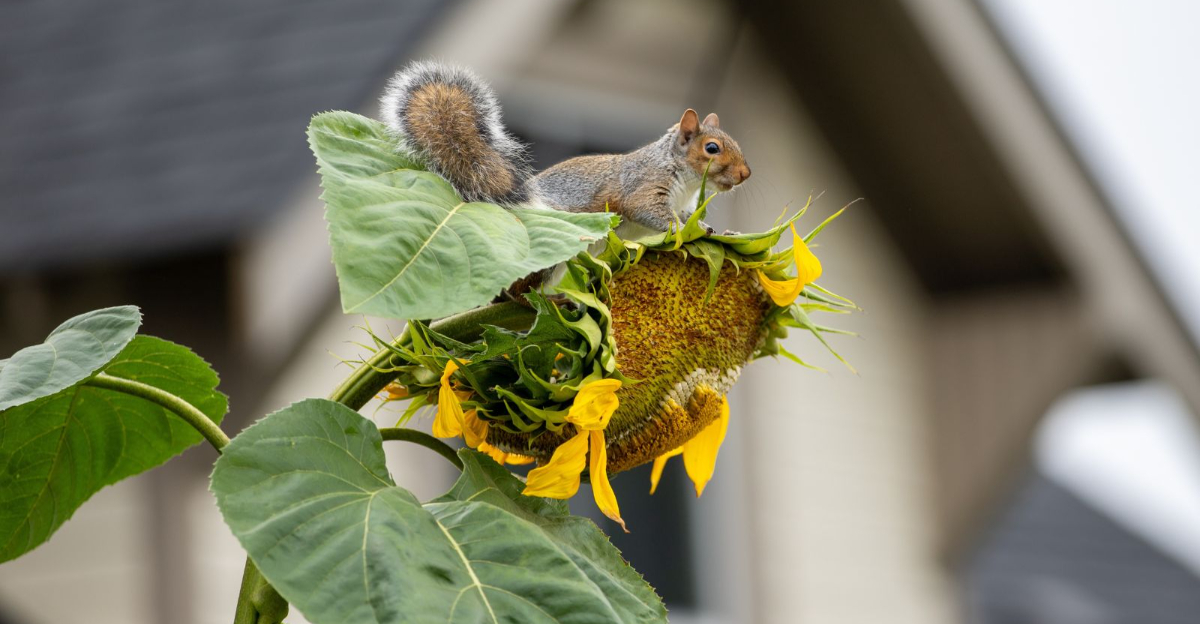
There is a particular moment in late Oregon summers when the sunflowers that looked so spectacular in July start to fade, droop, and dry in a way that feels a little melancholy but is actually quite exciting if you are a squirrel.
Those heavy, seed-packed heads are basically a seasonal announcement that free food is available and conveniently located.
Squirrels are paying attention even when gardeners are not, and a yard with mature sunflower heads still standing in September is the kind of discovery that gets remembered and revisited.
Repeatedly. With friends.
Whether that is a problem or a feature depends entirely on your feelings about squirrels, but Oregon gardeners who would rather not host a fall foraging festival in their yard might want to think carefully about what their September garden is quietly advertising.
1. September Is When Many Sunflower Seeds Reach Maturity
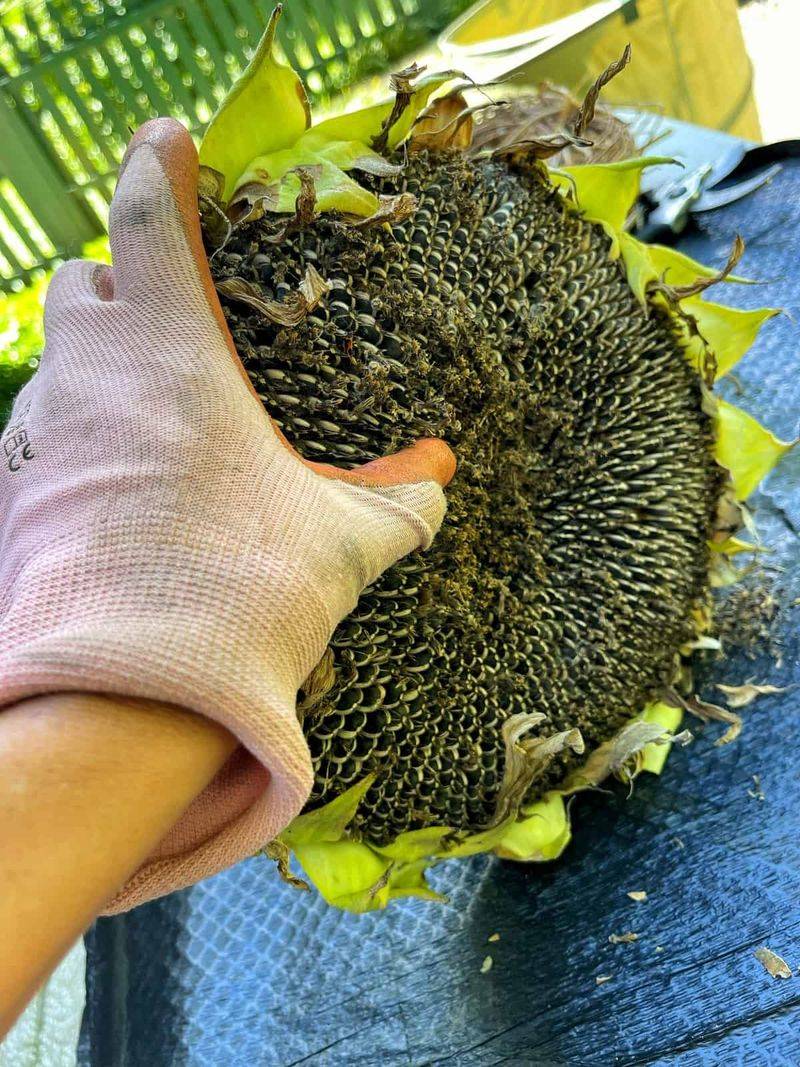
Fading sunflower blooms are one of the most recognizable signs that September has arrived in Oregon gardens.
As the bright petals drop away, the broad seed head that remains begins to dry and darken, filling in with rows of mature seeds that are ready for harvest.
The exact timing depends on where you are in the state and what variety you planted.
Oregon State University Extension guidance notes that sunflower harvest can extend through September in the Willamette Valley and into Central and Eastern Oregon, with some coastal areas seeing later ripening due to cooler temperatures and different growing conditions.
Planting date, cultivar type, and seasonal weather all play a role in when any particular plant actually reaches full maturity.
A seed head is generally ready when the back of the head turns from green to yellow or brown, the seeds feel firm, and the face of the head has dried significantly. For wildlife like squirrels, that moment of maturity is exactly what they are waiting for.
Oregon’s varied climate means that not every yard hits peak ripeness at the same time, but across much of the state, September is when many sunflower heads cross that threshold and become genuinely appealing as a food source.
2. Mature Seed Heads Give Squirrels An Easy Food Source
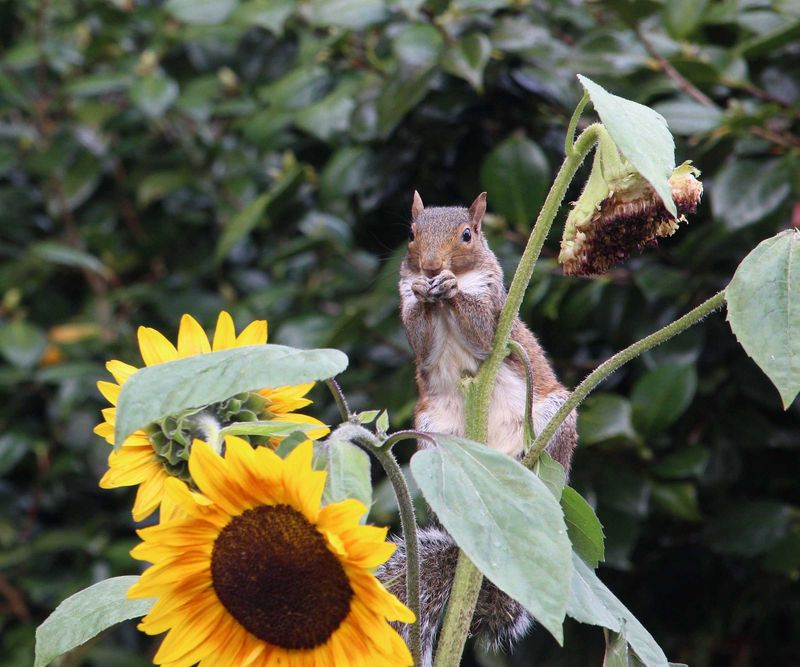
Squirrels are opportunistic feeders, and a large sunflower head packed with mature seeds represents exactly the kind of concentrated, accessible food they look for during the transition into fall.
Rather than hunting for scattered morsels across a wide area, a squirrel can climb a sunflower stalk and feed from a single head that holds dozens or even hundreds of seeds in one spot.
Sunflower seeds are energy-dense and appealing to squirrels, which is part of why they show up in commercial squirrel and bird feed mixes so often.
In an Oregon yard, a standing sunflower with a fully mature head can offer that same appeal without any additional effort from the gardener.
Squirrels eat a wide variety of foods throughout the year, including acorns, hazelnuts, berries, fungi, and other plant material, so sunflower heads are one attractive resource rather than the only reason they might visit your property.
Your Oregon Garden Changes Every Week. Your Plan Should Too.
Gardening in Oregon changes quickly throughout the season. Every Friday you’ll receive a simple weekly plan showing exactly what to plant, prune, fertilize, harvest, and protect so you never miss the right timing.
What makes a mature seed head particularly convenient is its visibility and accessibility. It stands above the surrounding garden, often at a height that squirrels can reach easily by climbing the stalk or leaping from a nearby fence or branch.
For a squirrel building up energy reserves heading into cooler months, a yard offering that kind of easy, calorie-rich food can become a regular stop during daily foraging activity across Oregon neighborhoods.
3. Leaving Seed Heads Standing Extends The Feeding Opportunity
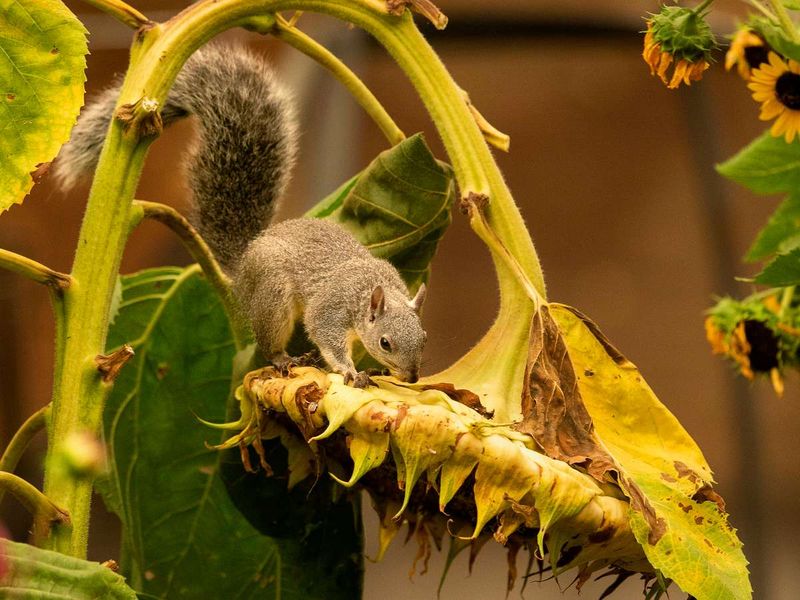
When a sunflower finishes blooming, many gardeners face a simple decision: cut it down as part of a late-summer cleanup, or leave the seed head standing. That choice has a direct effect on how long wildlife can access the seeds inside.
A head left on the stalk continues to dry in place and remains available to birds and squirrels for days or even weeks after the flower has faded.
Some Oregon gardeners intentionally leave sunflower heads standing because they enjoy watching birds feed from them. Finches, chickadees, and other seed-eating birds are commonly seen clinging to dried sunflower heads in fall gardens.
However, the same food source that draws in birds can also attract squirrels, especially as natural food availability shifts with the season.
The longer a mature seed head stays attached to the plant, the longer that feeding window remains open.
A gardener who tidies up spent flowers quickly removes that food source from easy reach, while one who leaves the heads standing through September and into October may notice increased wildlife activity around those plants.
Neither approach is wrong, and the right choice depends on what the gardener hopes to encourage in their yard.
Understanding that this cleanup decision has real consequences for local wildlife can help Oregon homeowners make a more informed choice about how and when to manage their fall garden.
4. Squirrels May Carry Away Entire Sunflower Heads
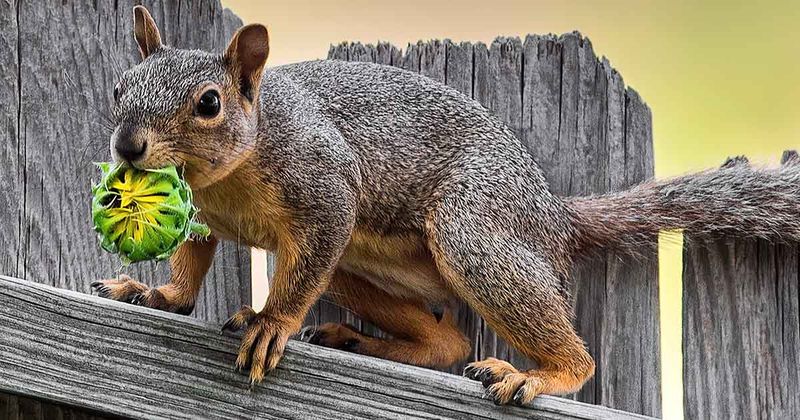
One behavior that catches Oregon gardeners off guard is finding sunflower heads completely missing from the stalk.
Rather than feeding in place, squirrels may gnaw through the stem just below the seed head and carry the entire thing away to feed on at a safer location or to cache for later use.
Oregon State University Extension guidance specifically notes this behavior as something gardeners may observe when squirrels discover a sunflower planting.
A missing head, a chewed-through stem, or seeds scattered in a pile some distance from the plant are all signs that a squirrel has found the garden.
The behavior is a practical one from the squirrel’s perspective: carrying food away from an exposed area allows it to feed with less risk of competition or disturbance from other animals or people.
Caching, or burying food for later retrieval, is a well-documented squirrel behavior that intensifies during fall. While not every seed will be successfully recovered, the habit of storing food is a core part of how squirrels prepare for cooler months.
A yard with multiple mature sunflower heads can therefore become more than just a feeding stop – it may become a source of stored food buried nearby in lawns, flower beds, or soil.
Noticing missing or damaged heads is often the first clue that squirrels have zeroed in on a particular garden in an Oregon neighborhood.
5. Birds And Squirrels Often Compete For The Same Seeds
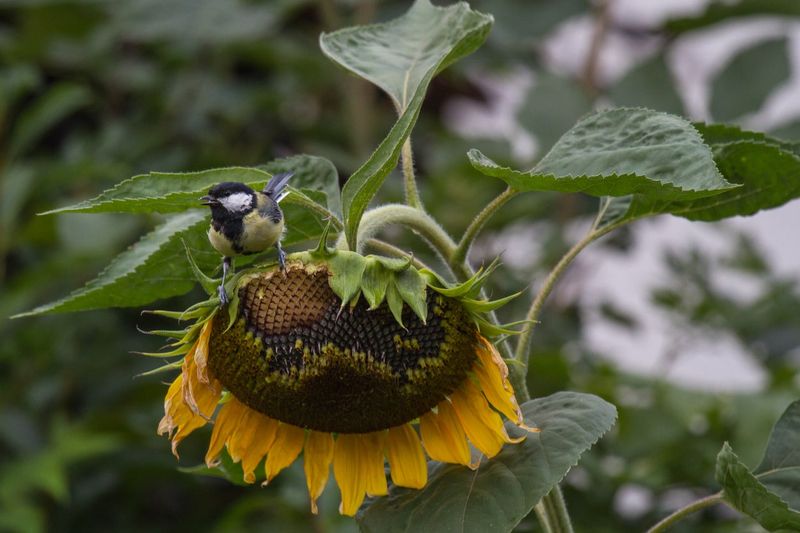
Sunflower seed heads do not attract squirrels alone. Many Oregon bird species are drawn to the same mature heads, including American goldfinches, house finches, black-capped chickadees, and dark-eyed juncos.
A gardener who leaves sunflower heads standing with the goal of supporting birds may find that squirrels are drawn to the same spot, particularly as natural seed sources become less plentiful heading into fall.
Whether squirrels and birds actively compete at a given head depends on the situation. Squirrels may feed at different times of day than birds, or they may simply carry the head away before birds have a chance to work through it.
In some yards, both birds and squirrels use the same plants without much visible conflict. In others, a persistent squirrel may reduce the time birds spend feeding from a particular head.
For gardeners hoping to attract birds specifically, this dynamic is worth keeping in mind. Planting a larger number of sunflowers can help spread the food out and reduce the impact of any single squirrel’s activity on bird feeding opportunities.
Alternatively, some gardeners choose to harvest a portion of the heads and place them in a location that is harder for squirrels to reach while leaving others accessible to ground-feeding birds.
The goal is not to exclude one type of wildlife entirely but to think about how the food is distributed across the yard.
6. Harvesting Seed Heads Changes What Wildlife Can Reach
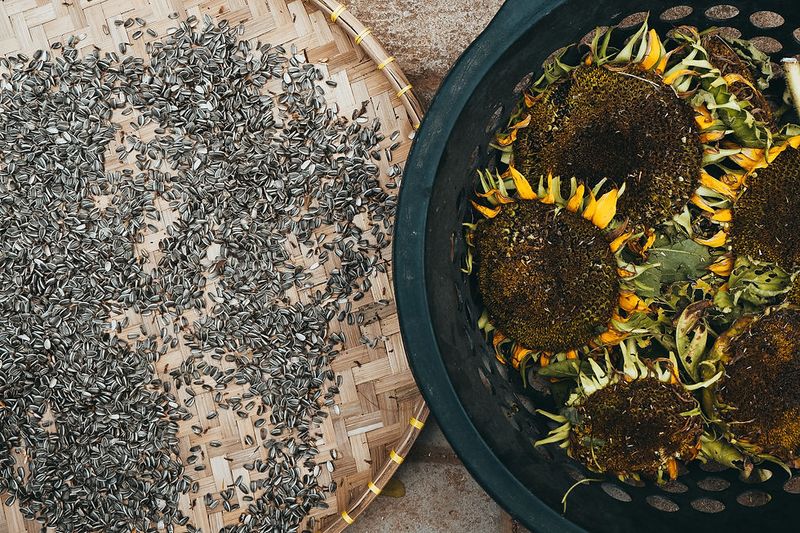
Choosing to harvest sunflower heads rather than leave them standing is one of the most direct ways a gardener can manage who gets access to the seeds.
Once a head is cut from the stalk and brought indoors or stored in a container, that concentrated food source is no longer available to squirrels or birds feeding in the yard.
For gardeners who want the seeds for cooking, bird feeders they can control, or saving for next year’s planting, harvesting at the right time makes good sense.
The best time to harvest is when the back of the head has turned brown and the seeds feel firm and fully developed. Cutting the head with a foot or two of stem attached makes it easier to hang and dry indoors if needed.
Storing harvested heads in a dry location out of reach of rodents helps protect the seeds until they are ready to use.
Removing the heads does reduce the easy food source those particular plants offered to local wildlife, but it does not mean squirrels will stop visiting the yard.
If other food sources are present, such as bird feeders, fruit trees, or neighboring gardens with standing seed heads, squirrels may continue foraging in the area.
Harvesting sunflower heads is a reasonable management step for Oregon gardeners who want more control over where their seeds end up, without needing to take any broader action against wildlife in the yard.
7. Protective Covering Can Reduce Feeding On Developing Seeds
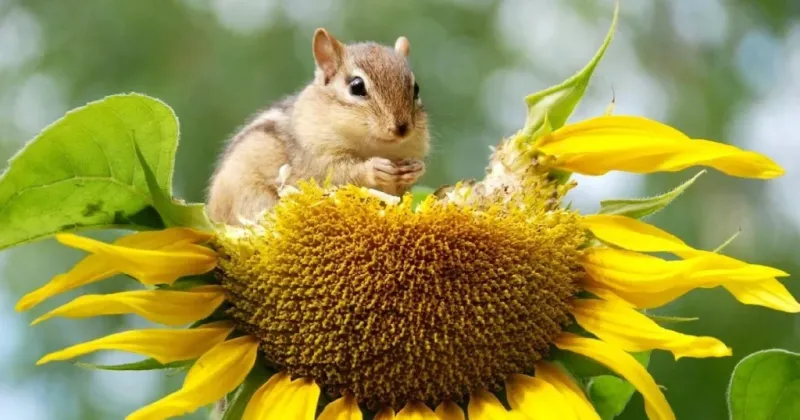
For gardeners who want to save seeds for planting or personal use but prefer to let the head ripen naturally on the stalk, covering the seed head while it matures is a practical option.
Oregon State University guidance suggests using a fine mesh or breathable fabric covering placed over the ripening head to reduce access by birds and squirrels before harvest.
The covering should allow for adequate airflow so that moisture does not build up around the seeds, which could lead to mold or other problems as the head dries.
A loose fit works better than a tight wrap, and the material should be secured at the stem so it does not blow off in the wind.
Lightweight mesh bags or old nylon stockings are sometimes used for this purpose, though the key is choosing something breathable rather than solid plastic.
Covering a developing seed head does not guarantee that no seeds will be lost, especially if squirrels or birds manage to pull at the material, but it can meaningfully reduce feeding on the seeds before the gardener is ready to harvest.
This approach works best for gardeners who are monitoring their plants regularly and plan to remove the heads once they reach full maturity.
For those who simply want to enjoy watching wildlife feed, skipping the covering and leaving the heads accessible remains a straightforward and low-effort option for Oregon yards.
8. Fallen Seeds Can Produce Volunteer Sunflowers Next Spring
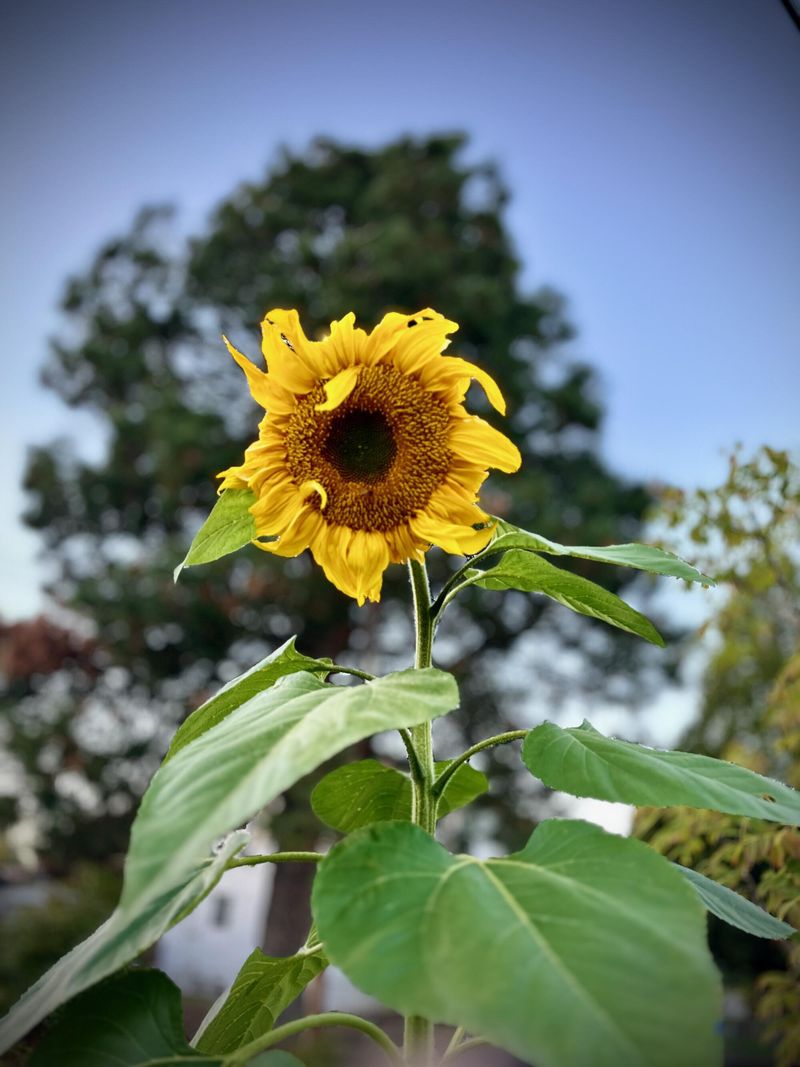
Seeds that drop from a mature sunflower head onto the soil below do not simply vanish. Under the right conditions, those fallen seeds can germinate the following spring and produce new sunflower plants without any effort from the gardener.
These are often called volunteer sunflowers, and they are a common surprise for Oregon gardeners who left seed heads standing or allowed seeds to scatter during fall cleanup.
Whether volunteers actually appear depends on several factors, including soil temperature, moisture levels, and whether the seeds were buried shallowly enough to sprout but not so deep that they cannot push through.
Seeds that squirrels or birds partially buried while feeding can sometimes end up in conditions that favor germination.
Not every fallen seed will produce a plant, and some may be eaten, rot, or simply fail to sprout, but enough often survive to create a noticeable cluster of new growth near where the original plants stood.
For some Oregon gardeners, volunteer sunflowers are a welcome bonus – free plants with no extra cost or effort. For others, especially those who prefer a tidy or carefully planned garden layout, unexpected seedlings may need to be thinned or relocated in spring.
Either way, the possibility of volunteers is worth keeping in mind when deciding how to handle mature seed heads in fall. The garden habit of leaving heads standing can shape what happens in the yard well beyond the current season.