Why Florida Homeowners May Start Seeing More Snakes In Their Yards This September
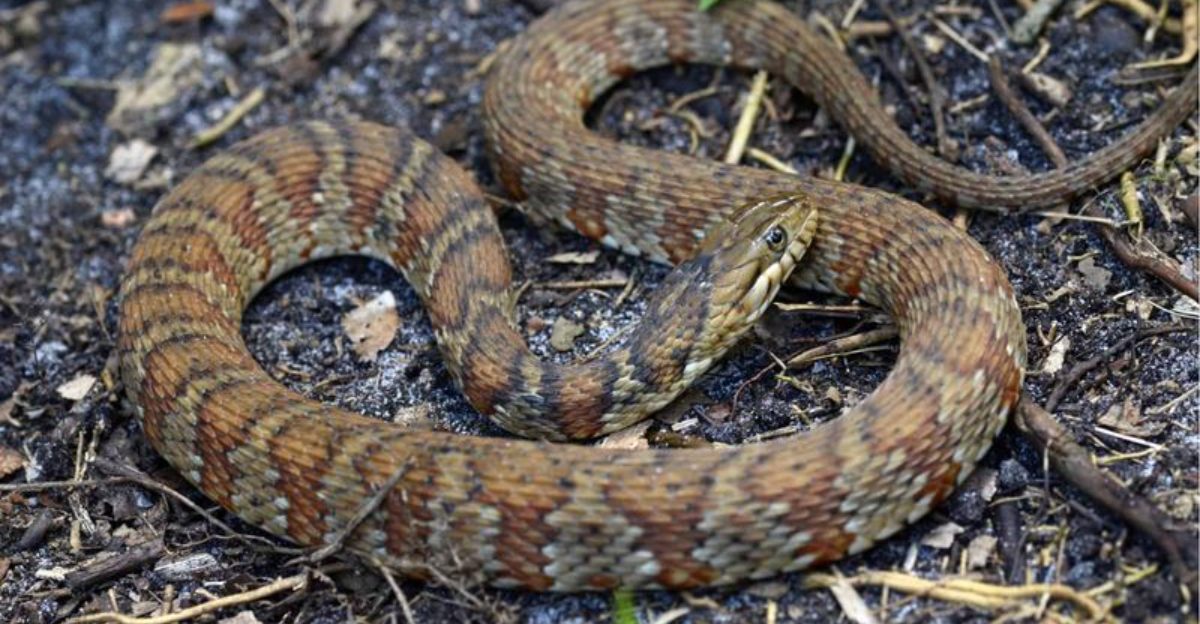
September in Florida does not exactly feel like fall, and snakes are very much on the same page about that.
Warm temperatures, heavy afternoon rain, and the lingering energy of summer create conditions where certain snakes stay active and on the move well into early fall.
That movement can bring them into places homeowners notice them more readily, driveways, porches, garden beds, and lawn edges being some of the more common surprise locations.
Young snakes become more visible this time of year, adults may be searching for food or mates, and local habitat conditions can push snakes toward the edges of residential areas more than usual.
It is worth noting that September snake activity varies considerably by species and location rather than following one predictable statewide pattern.
Understanding what can bring snakes closer to home during this period makes the experience a lot less alarming when it happens.
1. Warm September Weather Keeps Many Snakes Active
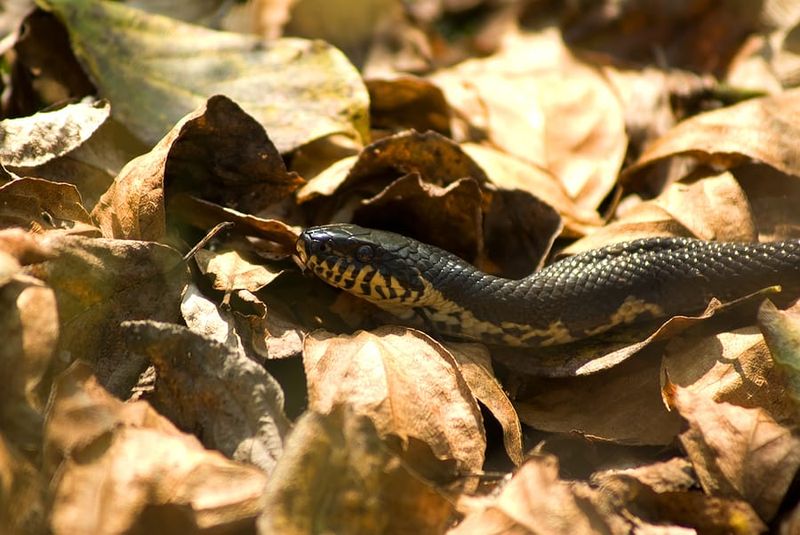
Temperatures across much of Florida in September rarely feel like fall anywhere else in the country. The heat that settles in during summer tends to linger well into September, and for snakes, that sustained warmth matters a great deal.
Snakes are ectothermic, meaning they rely on their surrounding environment to regulate their body temperature rather than generating their own heat internally.
When the environment stays warm, many snake species can remain active and continue hunting, moving, and going about their normal routines. In contrast, cooler northern states often see snakes beginning to slow down or seek shelter by early fall.
Florida’s climate allows many species to stay active much later into the year.
That said, snake activity in September does not look the same across all parts of the state.
North Florida can begin experiencing some cooler overnight temperatures earlier than Central or South Florida, which may influence when individual species start to slow their activity.
Species that prefer warmer, more humid conditions may remain highly active in South Florida well beyond September.
Seeing a snake in your yard during September does not necessarily mean the local population has grown. It may simply mean the animal is out and moving during a time when warm conditions support that activity.
Recognizing that snakes respond to temperature cues can help homeowners understand why encounters seem to continue through what feels like the early fall season.
2. Fall Breeding Puts Some Species On The Move
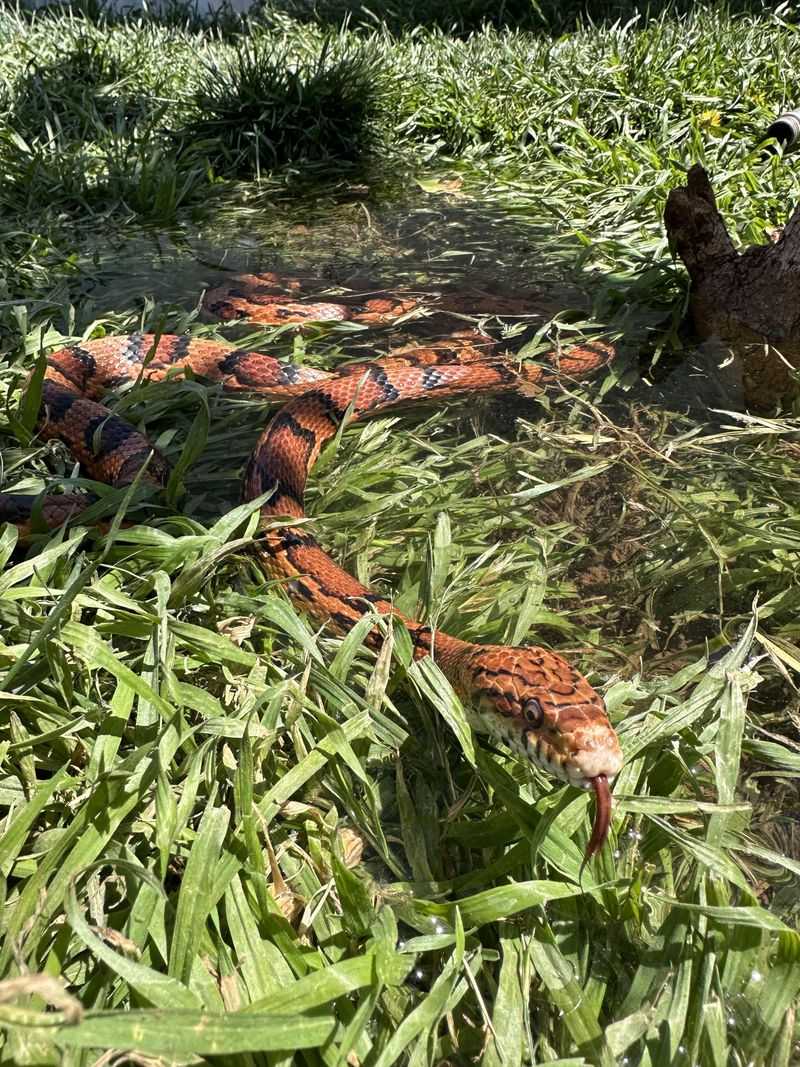
Reproductive behavior can be a powerful motivator for wildlife movement, and some Florida snake species are no exception.
Certain species show increased movement during fall as adults search for mates, which can make them more visible to homeowners who might not usually notice snakes in their yards.
This pattern does not apply across the board to every snake found in the state. Reproductive timing varies considerably among species, and some snakes breed during spring or summer rather than fall.
Research from UF/IFAS Extension has documented fall breeding activity among several species particularly in the Florida Panhandle, so it would be inaccurate to treat this as a universal statewide rule for all snake species here.
Your Florida Garden Changes Every Week. Your Plan Should Too.
Gardening in Florida changes quickly throughout the season. Every Friday you’ll receive a simple weekly plan showing exactly what to plant, prune, fertilize, harvest, and protect so you never miss the right timing.
What matters for homeowners is understanding that a snake crossing a lawn or moving along a fence line in September may simply be looking for a mate rather than seeking shelter or targeting the household.
Movement driven by reproduction tends to be purposeful and temporary.
Because snakes traveling in search of mates may cover more ground than usual, they can show up in yards, driveways, and landscaped areas where they are not regular residents.
Giving these snakes space and allowing them to move on is usually the most practical response.
Attempting to handle or relocate unfamiliar snakes carries real risks, so observing from a safe distance and letting the animal continue on its way is generally the better approach.
3. Young Snakes May Become More Noticeable
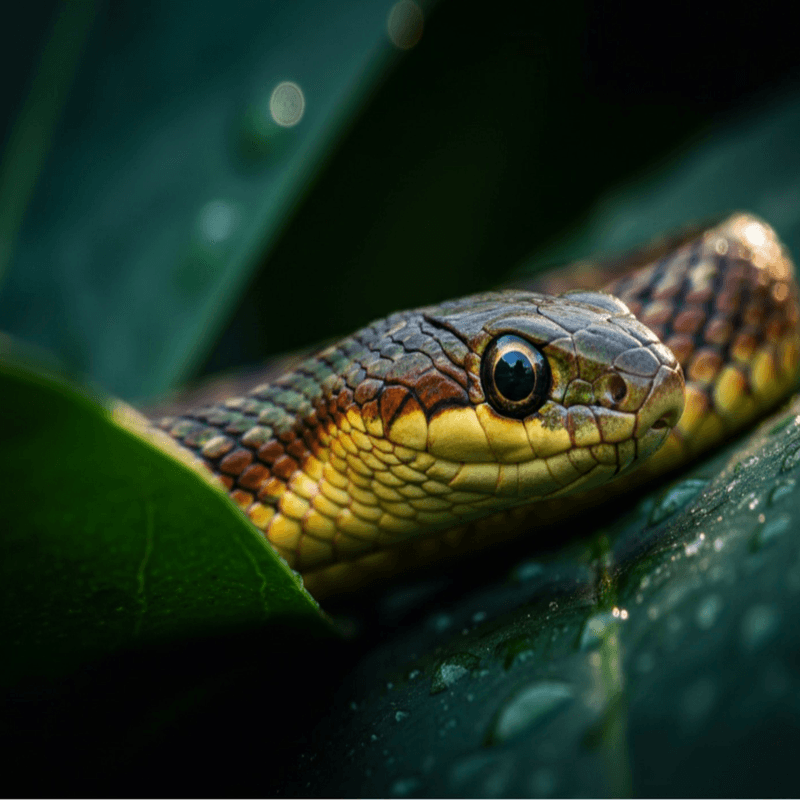
Many Florida snake species reproduce during spring or summer, which means that by late summer and early fall, juveniles from those clutches or litters may be old enough to venture out on their own.
Small snakes exploring a yard for the first time can catch homeowners off guard, especially because their size makes them easy to miss until they appear somewhere unexpected.
UF/IFAS Extension has reported increased encounters with young snakes during fall in parts of Florida, suggesting that juvenile activity can contribute to a noticeable uptick in sightings during this period.
However, reproductive timing differs significantly among species and even among populations in different parts of the state, so not every young snake seen in September was necessarily born just days earlier.
Young snakes generally look for the same things adults do: shelter, warmth, and food. Juvenile snakes often eat small prey such as lizards, frogs, or insects depending on the species, and Florida yards can offer all of those things in abundance.
One concern homeowners sometimes raise is whether young venomous snakes are more dangerous than adults.
Current scientific guidance does not broadly support the idea that juvenile venomous snakes are inherently more dangerous than adults in a general sense.
As with any unfamiliar snake, the safest approach is to observe from a distance without attempting to handle or disturb the animal, regardless of its size or apparent age.
4. Heavy Rain Can Push Snakes Toward Higher Ground
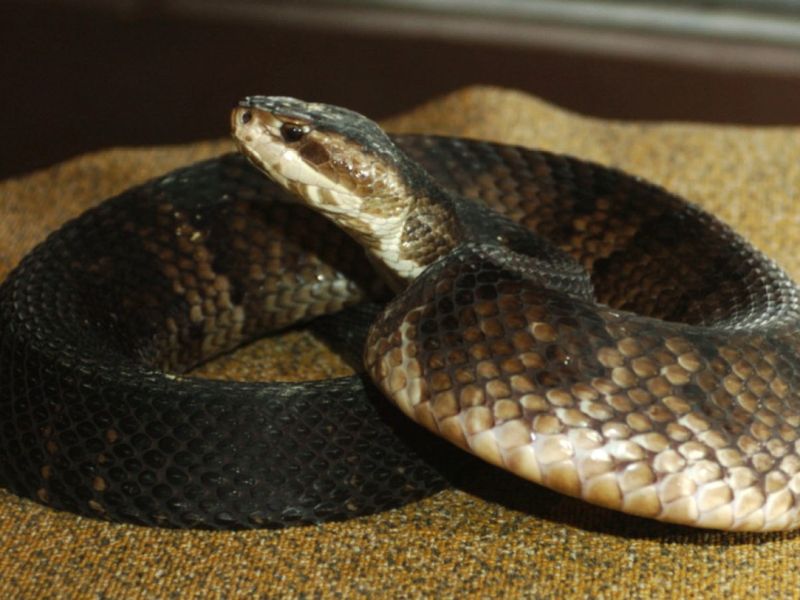
Florida’s late summer and early fall rain patterns can be intense. Tropical weather systems, afternoon thunderstorms, and multi-day rain events can saturate low-lying areas quickly, temporarily flooding habitats where snakes normally live and hunt.
When water levels rise in ditches, wetlands, and low ground near homes, snakes may move toward drier, higher areas to find stable footing.
Porches, garages, raised garden beds, and the edges of driveways can all become temporary resting spots for snakes displaced by flooding.
UF/IFAS has documented increased snake encounters around homes following heavy rainfall events in Florida, which aligns with what many residents already notice after significant storms roll through.
This kind of movement is not a sign that snakes are trying to enter homes permanently. Once floodwaters recede and conditions normalize, snakes typically return to their preferred habitats.
The displacement is temporary and driven by survival instinct rather than any attraction to human structures.
Ordinary afternoon showers are unlikely to cause this kind of movement. The effect tends to be more noticeable following unusually heavy or prolonged rainfall that genuinely alters habitat conditions across a wider area.
If a major rain event has recently soaked your part of Florida, being a little more watchful around ground-level entry points, outdoor furniture, and landscaping for a day or two afterward is a reasonable precaution, especially in neighborhoods that border natural or low-lying areas.
5. Rodents And Other Prey Can Draw Snakes Into Yards
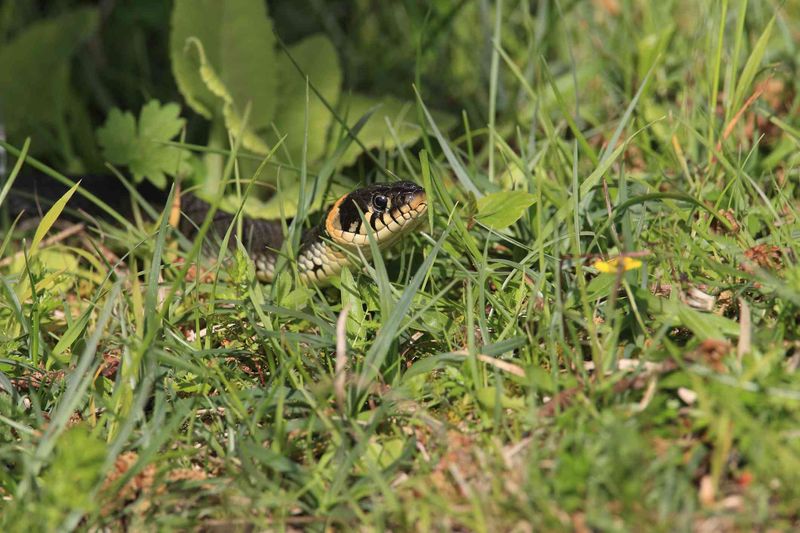
Snakes rarely wander into a residential yard without a reason, and one of the most common reasons is food.
Many snake species found near Florida homes are skilled hunters of small prey, including rodents, frogs, lizards, and other animals that often thrive in suburban landscapes.
Conditions that support healthy rodent populations can indirectly make a yard more attractive to rodent-eating snakes.
Unsecured birdseed, accessible pet food left outdoors, compost piles, and garbage containers that are not sealed tightly can all contribute to higher rodent activity around a home.
More rodents can mean more opportunities for snakes that hunt them.
UF/IFAS guidance specifically identifies prey availability as an important factor in why snakes appear near homes. This does not mean that every snake visiting a yard is hunting rodents.
Florida snake species have varied diets, and some species focus primarily on frogs, fish, or even other snakes depending on their natural history.
Reducing conditions that support high prey populations is one practical way homeowners can make their property less attractive to snakes over time.
Storing birdseed in sealed containers, keeping pet food indoors, and managing compost carefully are all reasonable steps.
Seeing a frog population thriving around a porch light or a lizard colony near a garden wall may also attract snake attention, since those animals represent reliable food sources for certain Florida species that are active in residential areas.
6. Ponds And Wet Areas Can Increase Snake Encounters
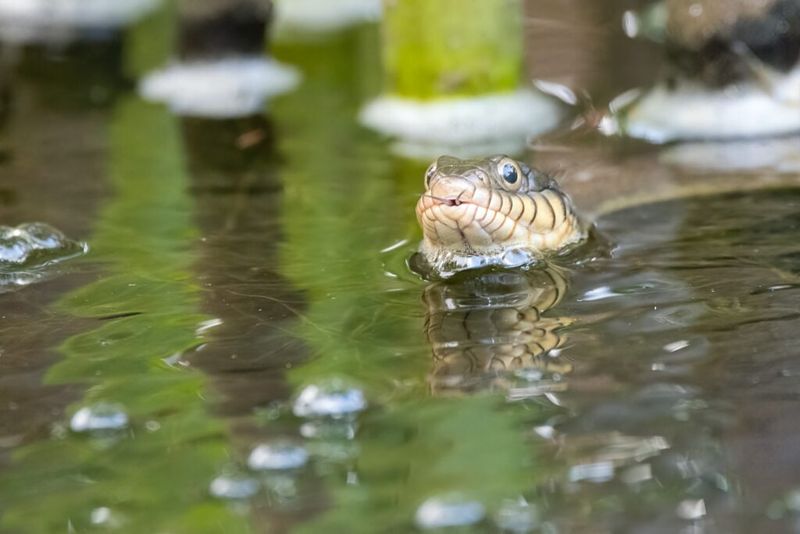
Living near water in Florida comes with a lot of perks, but it also means sharing space with wildlife that depends on aquatic habitats.
Retention ponds, canals, drainage ditches, and natural wetlands are common features across neighborhoods here, and they support a variety of snake species that hunt frogs, fish, and other water-associated prey.
Some snake species found in the state are closely tied to these wet environments and may regularly move between a pond edge and nearby landscaping while hunting or seeking shelter.
A home that sits along a retention pond or backs up to a canal may have more frequent opportunities for encounters with species that prefer moist or aquatic habitats.
Frogs tend to congregate near water, especially after rain, and they are a significant prey item for several snake species active in Florida yards.
That combination of wet habitat, abundant frogs, and warm temperatures can create conditions where snakes are active and visible near home edges that border these areas.
UF/IFAS advises against mowing grass all the way to the edge of a pond or lake because those marginal areas provide important habitat for native wildlife. That recommendation reflects a broader principle of balancing habitat value with practical yard management.
Homeowners near ponds do not need to drain or fill those areas to reduce snake encounters.
Being aware that pond edges are natural snake habitat and adjusting expectations accordingly is a more realistic and ecologically responsible approach for residents living near these features.
7. Tall Grass And Yard Debris Provide Hiding Places
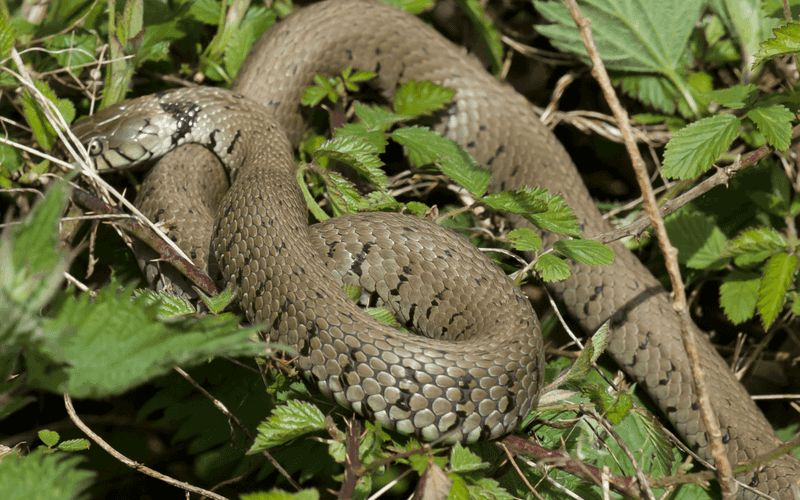
A yard that has not been maintained in a while can quietly become prime snake habitat without the homeowner realizing it.
Tall grass, dense ground-level vegetation, piles of lumber, stacked firewood, old boards, and accumulated leaf litter all create the kind of shaded, sheltered cover that snakes find appealing for resting, hiding from predators, or waiting for prey to pass nearby.
This does not mean that every overgrown corner of a Florida yard will be full of snakes. What it does mean is that providing plenty of ground-level cover near areas where people walk, sit, or work increases the chances of a surprise encounter.
Snakes are not lurking with bad intentions; they are simply using available shelter the way any animal would.
UF/IFAS recommends balancing the value of natural habitat with reducing hiding places near the parts of a property that people use frequently.
Keeping grass trimmed in active areas, stacking firewood neatly and away from the house, and clearing unnecessary debris from around foundations and outbuildings are all practical steps that can reduce the chance of an unexpected close encounter.
Removing every natural feature from a yard is not the goal and is not what wildlife experts recommend.
Florida yards can support native plants, leaf litter in garden beds, and natural ground cover while still being managed in ways that reduce hiding spots immediately around porches, play areas, and entry points where encounters would be most startling or concerning.
8. Florida Development Brings Snakes Closer To Homes
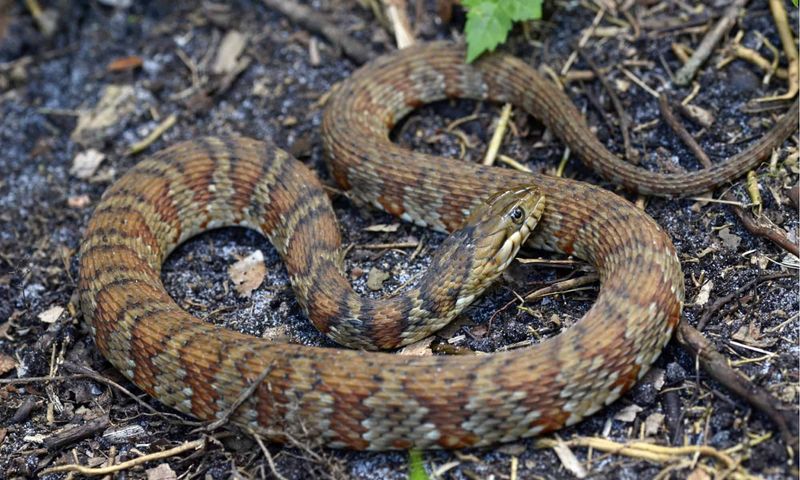
Florida is one of the fastest-growing states in the country, and that growth comes with real consequences for wildlife.
As new neighborhoods, roads, and commercial areas are built across previously undeveloped land, natural habitats are divided into smaller and smaller fragments.
Animals that once ranged across large, connected areas find themselves navigating a landscape increasingly shaped by human infrastructure.
Snakes are not drawn to neighborhoods out of curiosity about people.
They are simply continuing to use habitat that existed before the houses arrived, or they are moving through fragments of remaining natural land that now happen to include residential yards and gardens.
Current UF/IFAS guidance specifically identifies habitat loss and fragmentation as a meaningful reason why people and snakes may find themselves living in closer proximity across Florida.
Homeowners in newer developments or in neighborhoods that sit adjacent to natural areas such as scrub, flatwoods, wetlands, or preserves may encounter snakes more frequently than those in long-established urban neighborhoods with little remaining natural land nearby.
Understanding this context can shift the way residents think about snake encounters near their homes.
Rather than viewing a snake in the yard as a problem that appeared out of nowhere, it can help to recognize that the neighborhood itself may have been built within or adjacent to existing wildlife habitat.
Coexisting thoughtfully with native Florida wildlife, including snakes, is increasingly part of what it means to live in this state as development continues to expand.