Why Yellowjacket Swarms Are Getting Worse In Michigan Yards And What Gardeners Can Do
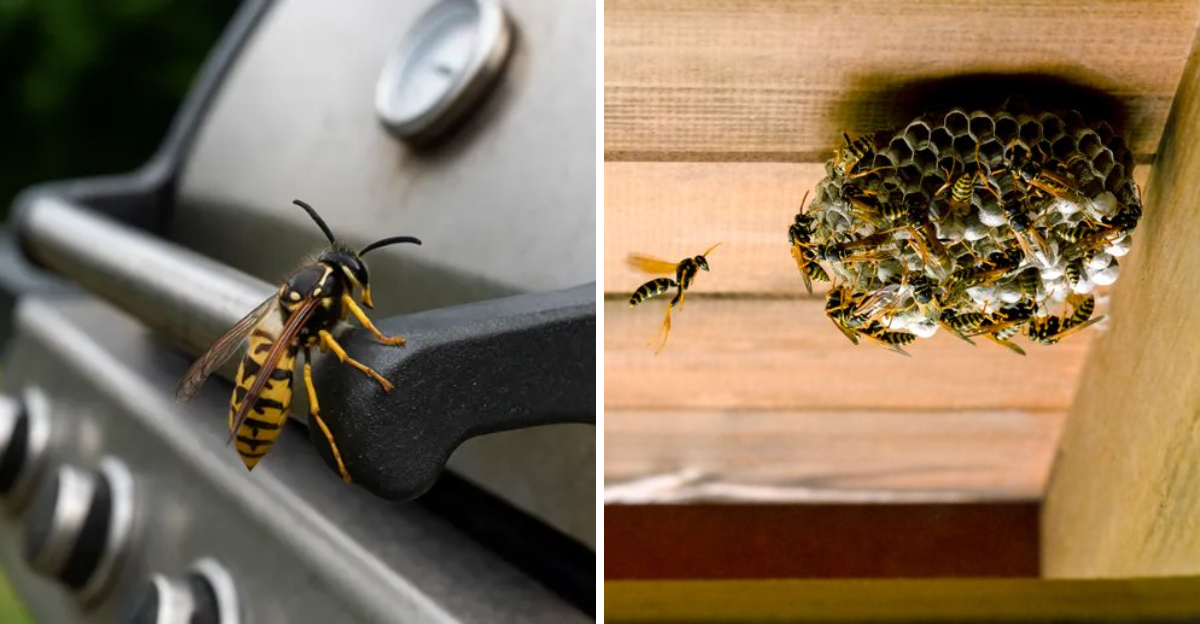
Yellowjackets in August are not the same yellowjackets from June, and that distinction matters a lot for Michigan gardeners trying to enjoy the last weeks of summer outside.
The colony that started with a handful of workers in spring has spent all season growing, and by late summer it has reached peak population with thousands of workers that all need feeding at once.
Ripe fruit, sugary drinks, outdoor meals, and the general abundance of a Michigan late summer yard are exactly what they are looking for, which is why yellowjackets seem to appear out of nowhere right when backyard season is at its best.
Understanding why the numbers spike in August, and which yard habits make the situation worse, makes it a lot easier to enjoy the outdoor time that is left in the season.
1. Late-Summer Colonies Reach Their Largest Size
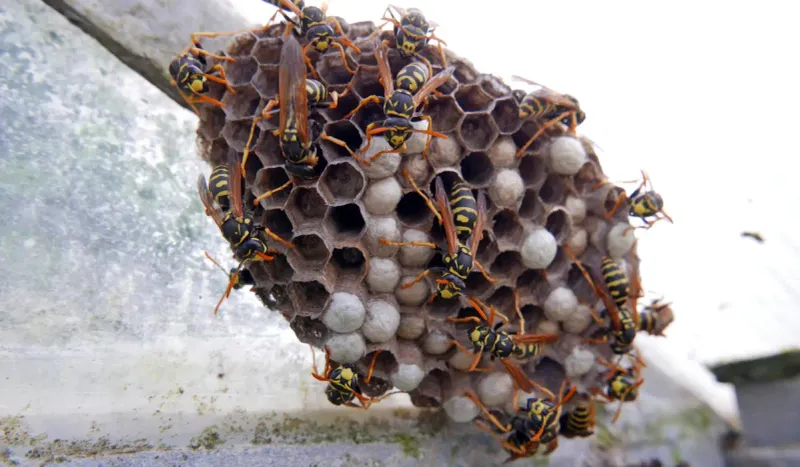
Every yellowjacket colony in Michigan starts the same way: a single queen emerges in spring, finds a suitable nesting spot, and begins raising the first batch of workers entirely on her own.
Those early workers take over foraging duties so the queen can focus on laying eggs, and from that point the colony grows steadily through the warmer months.
By late summer, a yellowjacket colony can contain hundreds to a few thousand workers depending on the species, the nest location, and seasonal conditions.
That is a significant jump from the relatively small group present in early summer, and it explains why encounters around Michigan properties tend to become much more noticeable around August and into early fall.
Seasonal colony growth is one of the main reasons gardeners suddenly feel surrounded. This is not necessarily evidence of a statewide explosion in yellowjacket numbers.
A colony that started with a handful of workers in May can look overwhelming by August simply because the population has expanded naturally through the growing season.
Workers produced late in the season also tend to focus heavily on finding food to support the colony, which pushes them further into yards, gardens, and outdoor spaces.
Recognizing that this pattern repeats every year in Michigan can help gardeners plan ahead rather than feel caught off guard when late-summer activity picks up.
2. More Workers Bring More Yellowjackets Into Michigan Yards
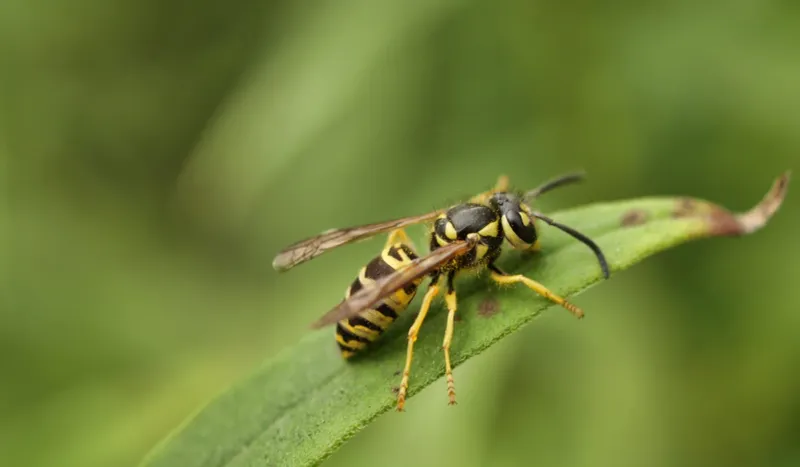
Picture a garden that felt completely peaceful in early June suddenly buzzing with activity by mid-August. That shift is not random.
When a colony is small, only a limited number of workers leave the nest each day to search for food. As the colony grows, far more workers head out at once, spreading across a wider area in search of resources.
Michigan gardeners may start noticing yellowjackets around flower beds, compost bins, patios, and fruit trees that seemed undisturbed for most of the summer.
That increased presence can feel alarming, but a yellowjacket foraging near your tomatoes or roses is not necessarily defending a nest right beneath your feet.
Workers can travel a meaningful distance from their colony while searching for food.
Your Michigan Garden Changes Every Week. Your Plan Should Too.
Gardening in Michigan changes quickly throughout the season. Every Friday you’ll receive a simple weekly plan showing exactly what to plant, prune, fertilize, harvest, and protect so you never miss the right timing.
Understanding this helps gardeners respond more calmly. Seeing one or two yellowjackets near a flower bed does not automatically mean a nest is hidden nearby.
A larger worker population simply means more individuals are out exploring Michigan yards at any given moment.
That said, if you notice a steady stream of yellowjackets flying in and out of one particular spot, that is worth paying closer attention to from a safe distance.
Consistent traffic in and out of a single location is a much stronger sign of a nearby nest than occasional visitors passing through your garden.
3. Sugary Foods And Ripening Fruit Draw Foragers Closer
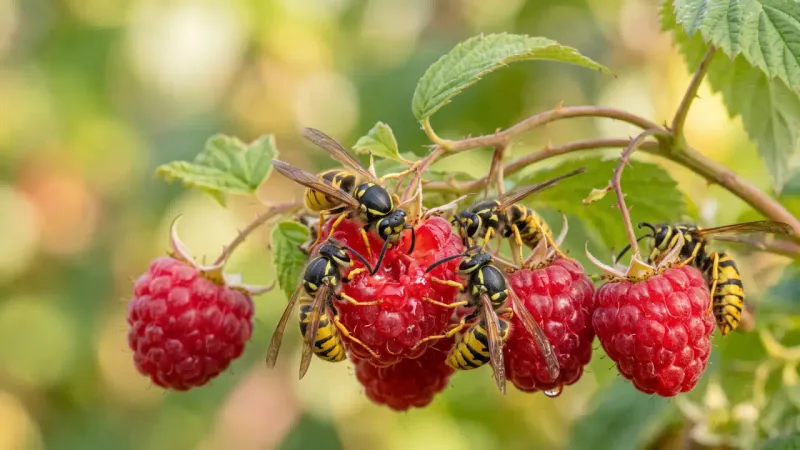
Ripe peaches hanging low on a Michigan tree, a half-eaten watermelon left on a picnic table, an open soda can sitting on a patio railing – these are exactly the kinds of things that pull yellowjacket foragers in close to people.
Food preferences in yellowjacket colonies shift as the season progresses, and sugary materials become especially attractive later in summer.
Earlier in the season, yellowjacket workers focus heavily on protein sources like insects and meat scraps to feed developing larvae inside the nest.
As the colony matures and larval production slows, workers shift toward seeking out sugars and carbohydrates to fuel their own activity.
That timing lines up almost perfectly with Michigan’s late-summer harvest season, when fruit is ripening and outdoor entertaining is in full swing.
Gardeners with apple, pear, or plum trees may notice more yellowjacket activity as fruit ripens or begins to fall. Damaged or overripe fruit is particularly attractive because the sugars are more accessible.
This does not mean a fruit tree is causing an infestation, but it does mean the tree can act as a consistent draw for foraging workers in the area.
Covering sweet drinks, keeping food sealed when possible, and cleaning up spills promptly can all help reduce how much attention yellowjackets pay to your outdoor spaces during Michigan’s late-summer peak.
4. Ground Nests Can Stay Hidden Until Yard Work Disturbs Them
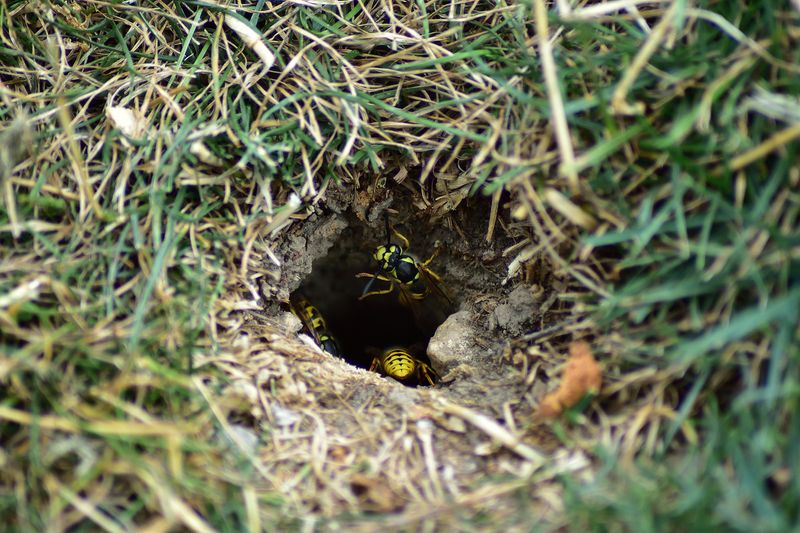
Mowing a lawn in August can feel routine until the mower rolls over a spot where yellowjackets have been quietly nesting underground for months.
Several yellowjacket species common to Michigan build their nests in underground cavities, often taking advantage of abandoned rodent burrows or other naturally occurring spaces in the soil.
The entrance to one of these nests can be surprisingly easy to miss. It may look like nothing more than a small hole in the ground, easy to overlook among grass, mulch, or garden debris.
Workers tend to move in and out steadily but without drawing obvious attention unless something disrupts the area around the entrance.
Gardening activities like mowing, trimming edges, digging, or even walking repeatedly over the same patch of lawn can disturb a nest enough to trigger a defensive response from the workers inside.
Once you have identified an active underground nest, the most important thing is to stop approaching it and give the area a wide berth.
Avoid the temptation to probe, dig into, or flood the opening. These actions can make the situation more dangerous rather than less.
If you are unsure whether a hole in your Michigan lawn is an active yellowjacket nest, observe it carefully from a safe distance during daylight hours and watch for consistent insect traffic before deciding how to respond.
5. Trash Cans And Outdoor Meals Keep Yellowjackets Interested
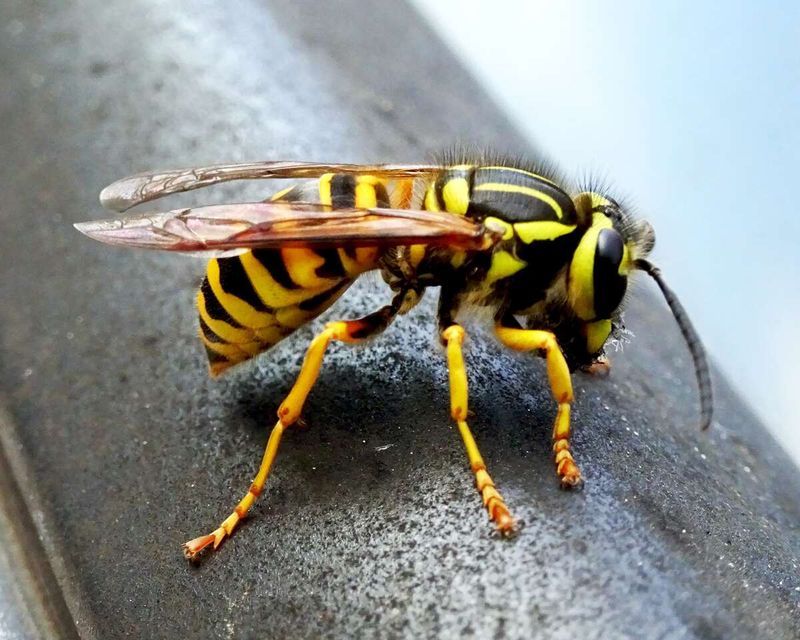
Outdoor entertaining is one of the great pleasures of a Michigan summer, but an open bag of chips, a plate of grilled chicken, and a row of sweet lemonade glasses on a picnic table can look like an open invitation to foraging yellowjackets.
Garbage cans and outdoor meals are two of the most consistent attractants around residential Michigan properties during late summer.
Uncovered trash containers are a particular draw. Food scraps, empty beverage cans, and discarded wrappers all carry odors that yellowjacket workers can detect while foraging.
Keeping garbage cans tightly covered, especially during the late-summer peak, can reduce how much attention they attract. Rinsing containers before tossing them helps as well.
During outdoor meals, keeping food covered until it is ready to eat and putting leftovers away promptly makes a noticeable difference. Sugary drinks deserve special attention.
Yellowjackets can crawl inside open cans or cups, and a sip from a container you have not checked can lead to a sting inside the mouth, which is worth taking seriously.
These steps will not guarantee that no yellowjackets ever visit your Michigan patio, especially if there is an established nest nearby.
However, reducing easy food sources gives foraging workers less reason to linger around the spaces where you and your family spend time.
6. Fallen Fruit And Honeydew Can Add To Yard Activity
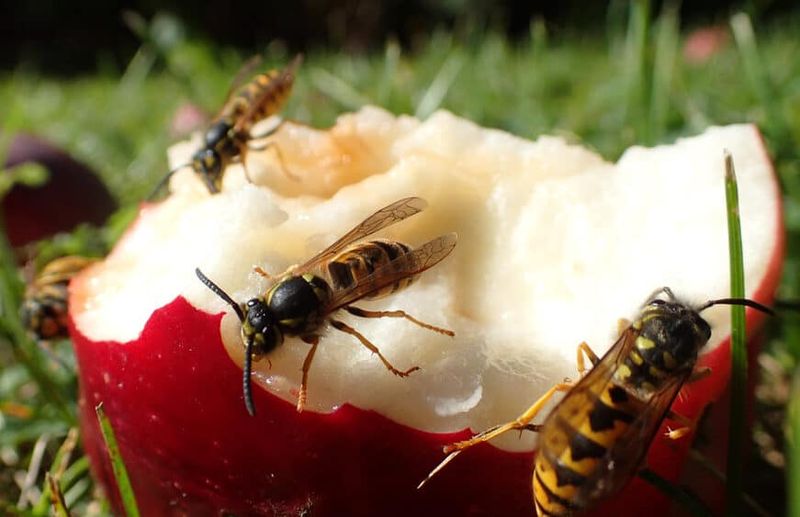
A single apple tree dropping fruit in a Michigan backyard can quietly become one of the most active spots in the garden during late summer.
Fallen fruit, especially pieces that are overripe or damaged, releases sugars that yellowjacket workers find easy to access and hard to resist.
Picking up fallen fruit regularly is one of the more practical things gardeners can do to reduce forager activity in a specific area.
Beyond fruit, there is another sugar source that many gardeners do not think about: honeydew. Honeydew is a sticky, sugary liquid produced by certain sap-feeding insects like aphids and scale insects when they feed on plants.
It can accumulate on leaves and surfaces below infested plants, and it sometimes attracts yellowjackets along with ants and other insects drawn to sugar.
Not every Michigan yard will have a honeydew issue, and its presence does not automatically signal a serious plant problem.
However, if you notice yellowjackets lingering around a particular shrub or tree and cannot find an obvious food source, it may be worth checking the plant for signs of a sap-feeding insect population.
Addressing the underlying insect problem, if one exists, can reduce the honeydew available in that spot. Combined with regular fruit cleanup, these steps can make parts of your Michigan yard noticeably less attractive to foraging workers during the late-summer peak.
7. Simple Cleanup Makes Yards Less Attractive To Foragers
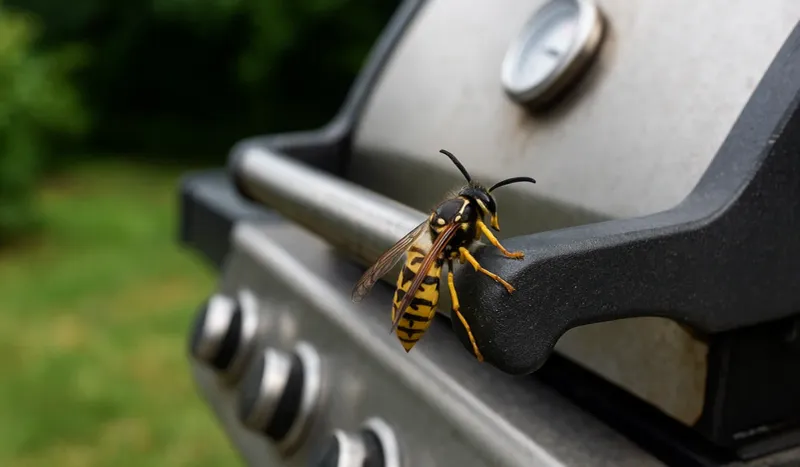
Keeping a yard tidy through late summer is one of the most straightforward ways Michigan gardeners can reduce how often yellowjacket workers come wandering through.
Foraging yellowjackets are looking for food, and yards that offer fewer easy food sources tend to attract less attention than those that are full of accessible sugars and scraps.
Collecting fallen fruit every day or two during the ripening season is a good habit to build. Leaving overripe fruit on the ground for extended periods creates a reliable food source that can draw foragers back to the same spot repeatedly.
Compost bins should have secure lids, and food scraps should be added carefully rather than left loosely on top.
Outdoor eating areas benefit from a quick cleanup after every meal. Wiping down tables, picking up crumbs, and rinsing any spilled drinks removes the food odors that attract foraging workers.
Keeping garbage containers sealed and away from primary outdoor living spaces adds another layer of reduction.
These measures work best as a collection of habits rather than a single fix. No cleanup routine can promise that yellowjackets will never visit your Michigan yard, particularly if an established colony is located nearby.
However, making a yard less rewarding for foragers can reduce the frequency of encounters and make outdoor time more relaxed during the peak of late-summer activity.
8. Busy Nests Near Walkways May Need Professional Attention
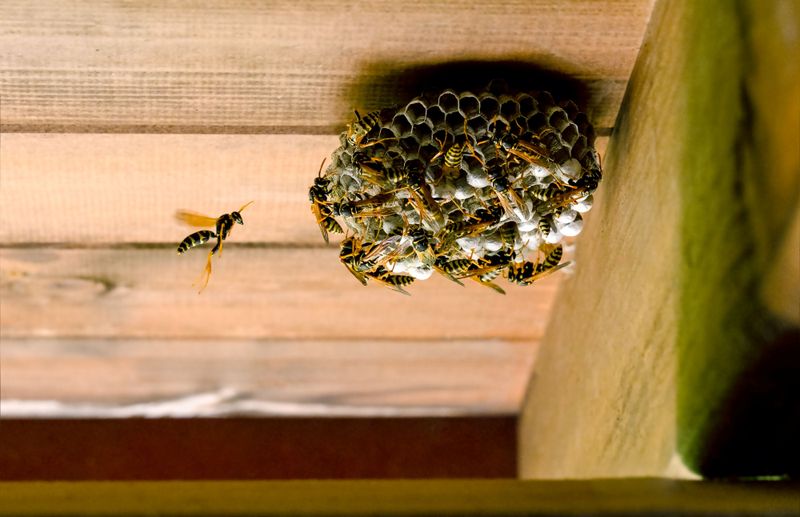
Not every yellowjacket nest in a Michigan yard requires immediate action.
A nest located deep in a wooded corner of a large property, well away from foot traffic, children’s play spaces, and garden work areas, may be something a homeowner can simply avoid until the colony naturally declines later in the season.
Yellowjackets do provide some ecological value by preying on other insects, so a nest that poses little practical risk does not always need to be treated.
The situation changes when a nest is positioned near a door, along a frequently used garden path, beneath a deck, inside a wall void, or in any spot where avoiding it is genuinely difficult.
Heavy worker traffic in those locations can make normal yard activity feel stressful, and the risk of disturbing the nest accidentally goes up considerably.
Professional pest-management assistance is worth considering when a nest is inside a structure, difficult to access safely, or positioned where avoidance is not realistic for your household.
A trained professional can assess the situation, identify the species, and recommend an appropriate response without the risks that come with attempting nest treatment without proper equipment or experience.
If you are uncertain whether a nest needs attention, contacting your local Michigan State University Extension office can be a helpful first step. Extension staff can often offer guidance tailored to your specific situation and region of Michigan.