The Vegetable Garden Weed Pennsylvania Gardeners Can Never Seem To Get Rid Of
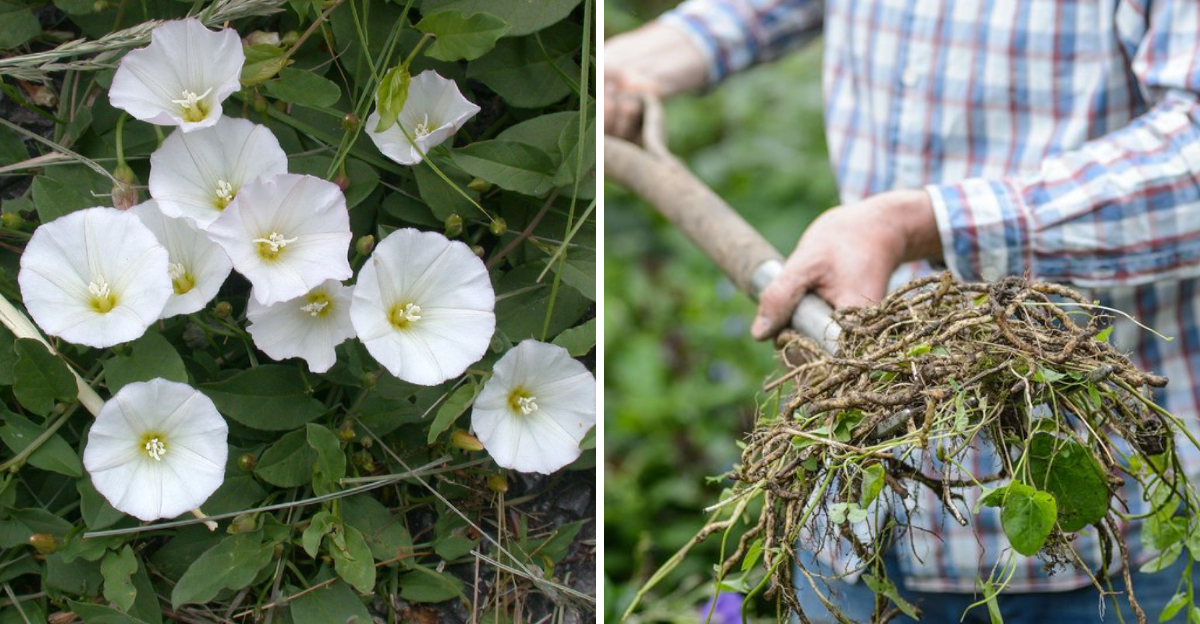
You know that deeply satisfying feeling of a freshly weeded vegetable bed? Every vine pulled, every row clear, the whole garden looking like something out of a seed catalog.
Field bindweed lets you enjoy that moment for about two weeks before reminding you who is actually in charge.
This is one of the more humbling weeds a Pennsylvania vegetable gardener can encounter, and a lot of people have met it without fully understanding what they are dealing with.
Known scientifically as Convolvulus arvensis, field bindweed has an underground root and rhizome system that goes considerably deeper than most gardeners expect, and it pushes out new shoots from that root system long after everything visible above the soil has been removed.
Pulling the top growth feels productive. The plant barely notices. That is the core of the problem.
1. Deep Roots Help Field Bindweed Return Again And Again
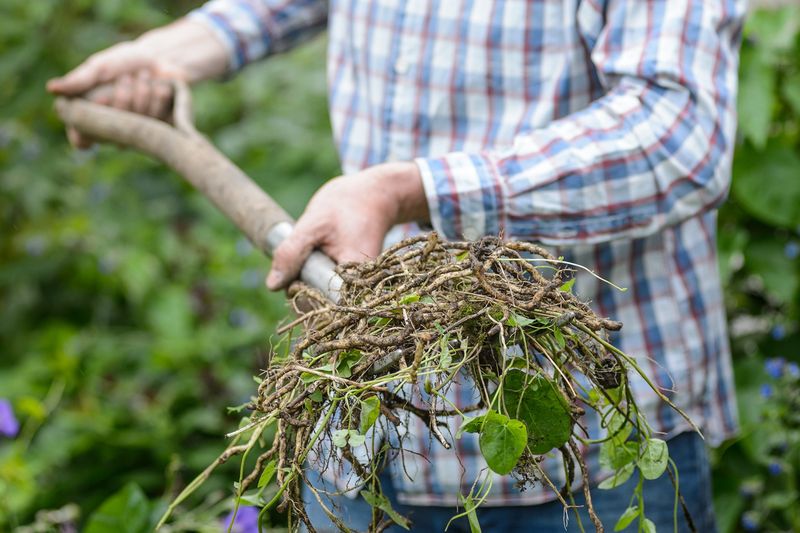
Freshly weeded vegetable beds can look completely clean on the surface, yet field bindweed may already be preparing its next appearance from well below the soil.
Once established, this perennial weed develops an extensive underground root system that reaches deep into the ground and spreads laterally through the surrounding soil.
Penn State Extension notes that field bindweed roots can penetrate several feet into the soil profile, making complete physical removal genuinely difficult once the plant has had time to settle in.
Underground buds along the roots and rhizomes are capable of producing new shoots, which is why removing the green vines you can see does not necessarily address what is happening beneath the surface.
A Pennsylvania garden bed that looks weed-free after a thorough hand-weeding session may still have an active underground network ready to send up fresh growth.
The root system stores energy that the plant draws on to push new shoots upward whenever conditions allow.
Cool, moist Pennsylvania springs give the plant a good opportunity to resume growth after winter dormancy. Because the underground structures can survive cold temperatures, the weed does not need to start from seed each year the way annual weeds do.
Perennial roots give field bindweed a significant head start over plants that must germinate and establish from scratch each season, and that head start is a big part of why it can feel so relentless in a maintained garden bed.
2. Small Root Pieces Can Produce Fresh New Growth
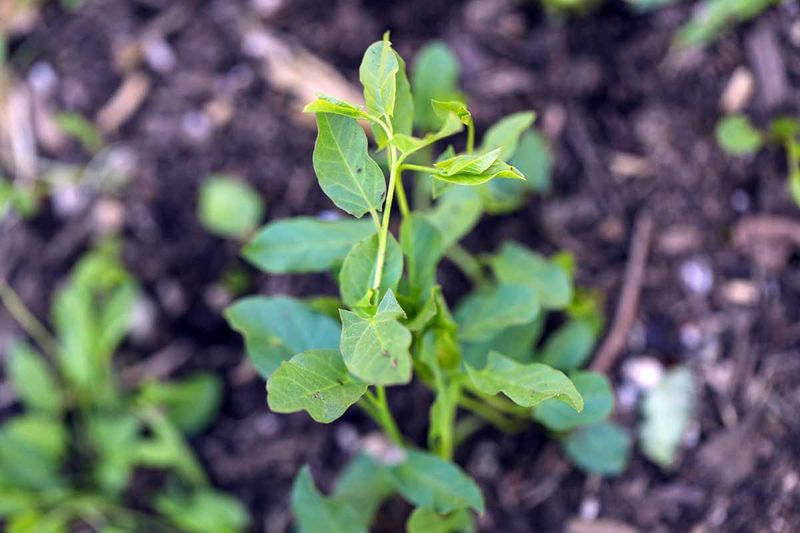
One of the more surprising characteristics of field bindweed is what happens when its roots are broken into pieces during routine garden work.
Cornell Cooperative Extension and other university Extension resources note that root fragments can produce new plants, which means that soil disturbance in an infested bed can sometimes complicate management rather than simplify it.
A root segment left in the soil after digging or hoeing may have enough stored energy to send up a new shoot under the right conditions.
That said, not every small fragment will inevitably grow into a new plant. Factors such as fragment size, soil moisture, and how deeply the piece is buried all play a role in whether it successfully establishes.
Your Pennsylvania Garden Changes Every Week. Your Plan Should Too.
Gardening in Pennsylvania changes quickly throughout the season. Every Friday you’ll receive a simple weekly plan showing exactly what to plant, prune, fertilize, harvest, and protect so you never miss the right timing.
Still, careless handling of infested soil is worth avoiding in a Pennsylvania vegetable garden, especially when the goal is to reduce the weed’s presence over time rather than accidentally redistribute it through the bed.
Gardeners who dig out bindweed roots should try to remove the pieces they uncover rather than simply turning them back into the soil.
Placing excavated root material in a bag for disposal, rather than leaving it on the surface or tilling it back in, is a reasonable precaution.
Recognizing field bindweed roots, which tend to be white and cord-like, can help Pennsylvania gardeners handle infested soil more carefully during spring bed preparation and mid-season cultivation.
3. Pulling The Vines May Leave The Real Problem Underground
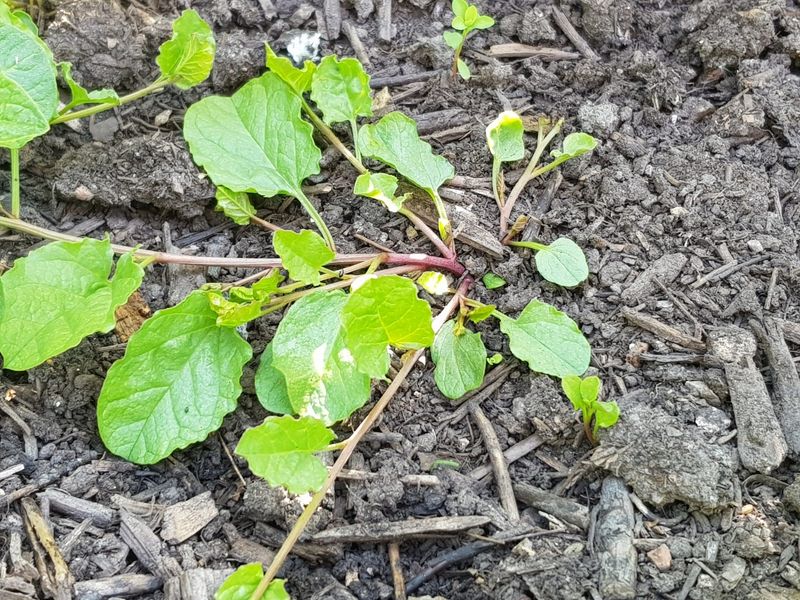
Grabbing those slender vines and pulling them free feels productive, and it does remove green material that would otherwise continue growing and competing with nearby vegetables.
The challenge is that hand pulling addresses what is visible above the soil while the perennial root system below may remain largely intact.
A single weeding session, even a careful one, is rarely enough to exhaust an established field bindweed infestation in a Pennsylvania vegetable garden.
The real value of hand pulling comes from doing it repeatedly and consistently over time. Each time new shoots are removed before they can photosynthesize and send energy back down to the roots, the underground system is forced to draw on its stored reserves.
Penn State Extension guidance on creeping perennial weeds emphasizes that persistence matters more than the thoroughness of any single removal effort. Expecting one good weeding to solve a mature infestation sets up disappointment.
Following up every two to three weeks during the growing season gives Pennsylvania gardeners a better chance of gradually reducing the weed’s vigor than waiting until vines have grown long and re-established themselves.
Removing shoots while they are still short also makes the work easier, since shorter growth has had less time to twine through nearby vegetable plants.
Keeping a close eye on beds where bindweed has appeared before, and responding promptly when new shoots emerge, is a more realistic strategy than hoping one session will take care of the problem entirely.
4. Cultivation Can Spread Root Fragments Through The Bed
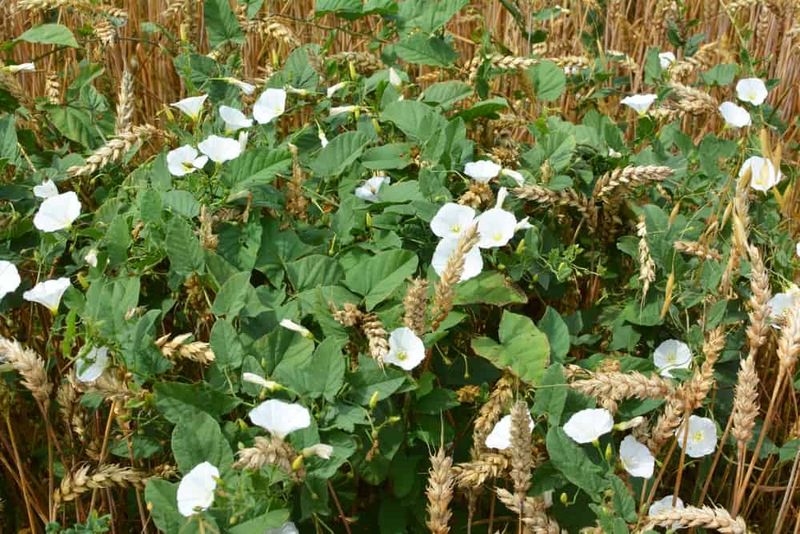
Running a hoe or cultivator through a vegetable bed is one of the most common ways Pennsylvania gardeners manage weeds between rows, and for most annual weeds it works very well.
Field bindweed complicates that routine because its underground root system can be chopped into fragments by cultivation tools.
Penn State notes that creeping perennial weeds like field bindweed can spread through vegetative pieces, so working infested soil aggressively may distribute root material across a wider area of the bed.
This does not mean Pennsylvania gardeners should stop cultivating their vegetable beds. Cultivation remains a valuable tool for managing annual weeds and improving soil conditions.
The caution applies specifically to areas where field bindweed is already established.
In those spots, aggressive chopping with a sharp hoe may do more harm than good by creating additional root segments capable of producing new shoots rather than reducing the overall root mass.
A more careful approach in infested areas involves shallower cultivation aimed at removing surface growth without slicing deeply through established root systems.
Hand removal of individual shoots, combined with careful surface cultivation, may be more practical in beds where bindweed is known to be present.
Keeping cultivation tools clean before moving between garden sections also reduces the chance of carrying root pieces from an infested area into a part of the bed that has not yet been affected.
Small habits like these add up over a full Pennsylvania growing season.
5. Twining Vines Can Tangle Through Vegetable Plants
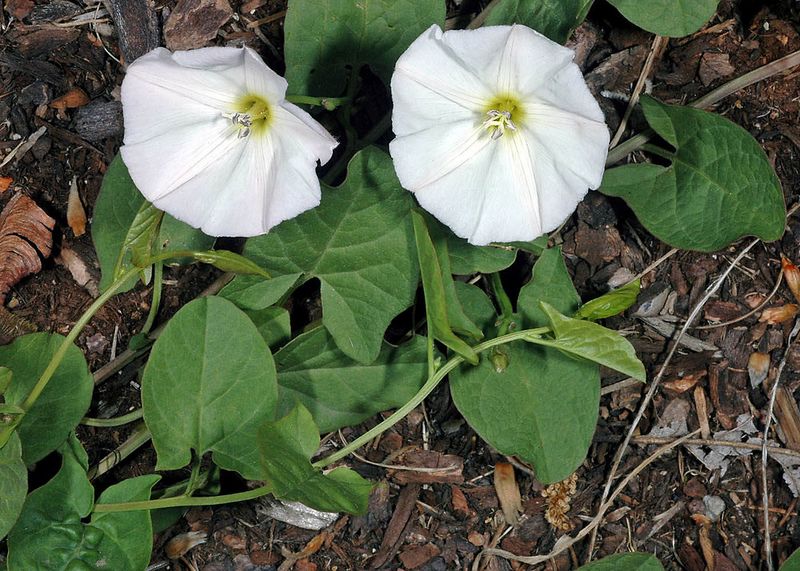
Slender and deceptively delicate-looking, field bindweed stems are built for climbing. The vines twine around whatever they encounter, including the stems of tomatoes, peppers, beans, and other vegetable crops commonly grown in Pennsylvania gardens.
Once a bindweed vine has worked its way around a vegetable plant’s stem or woven through a row of crops, removing it cleanly becomes more difficult than pulling a vine that is still trailing along the soil surface.
Field bindweed can be identified by its arrow-shaped leaves and its funnel-shaped flowers, which range from white to pinkish and are smaller than those of hedge bindweed, a related but different species.
Recognizing the plant early, before its vines have had a chance to intertwine with vegetable crops, makes removal considerably simpler.
Checking garden beds regularly during the Pennsylvania growing season and removing young bindweed shoots promptly reduces the chance of vines becoming tightly wrapped around nearby plants.
When vines have already tangled with a vegetable plant, careful untangling rather than forceful pulling helps avoid damaging the crop.
Cutting the bindweed vine close to the soil surface and then unwinding it gently is often less disruptive to the vegetable than trying to yank the whole thing free at once.
Keeping vegetable beds well-maintained through the summer months gives Pennsylvania gardeners the best chance of catching new bindweed growth before it has time to latch onto and climb through established crops.
6. Long-Lived Seeds Can Keep New Plants Appearing
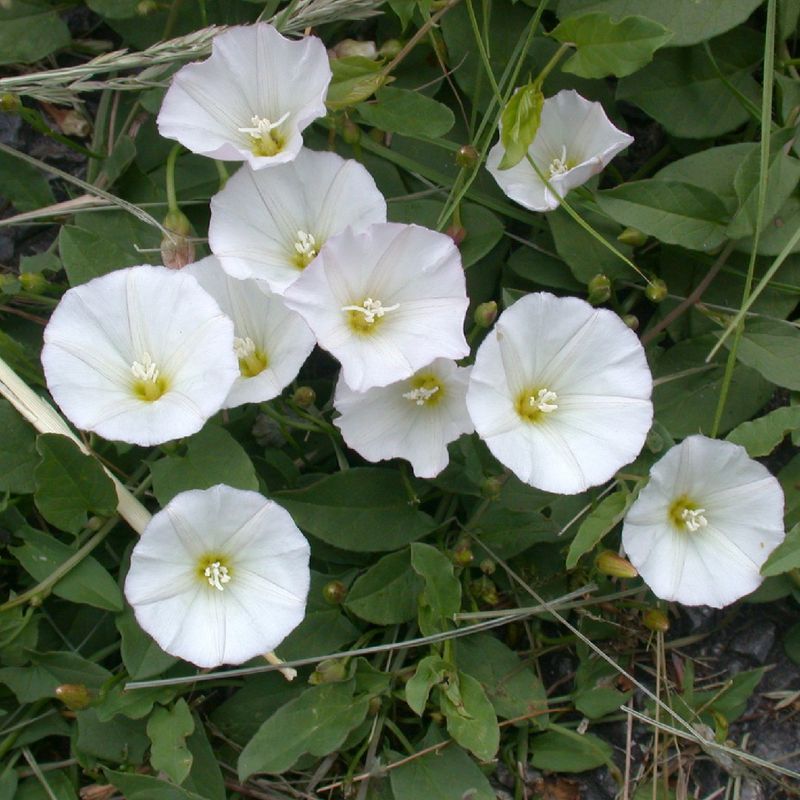
Field bindweed does not rely only on its underground root system to maintain its presence in a garden. The plant also produces seeds, and those seeds are notably long-lived in the soil.
Penn State Extension and other university weed management resources report that field bindweed seeds can remain viable in the soil for roughly 20 to 50 years, an estimate that appears consistently across Extension guidance.
That kind of longevity means a seed bank can persist in Pennsylvania garden soil long after any visible plants have been removed.
Understanding the difference between seedling growth and regrowth from established roots helps gardeners respond appropriately.
A tiny new seedling appearing in a part of the bed where bindweed has not been seen before may be germinating from a long-dormant seed rather than sprouting from an existing root.
Seedlings are considerably easier to remove than shoots arising from a mature perennial root system, so catching them early and removing them before they flower and set new seed is a practical priority.
Preventing seed production in any bindweed plants that do establish is worth the effort. A single field bindweed plant can produce a significant number of seeds, adding to the existing seed bank in Pennsylvania garden soil.
Removing plants before flowers develop, or at minimum before seeds mature, helps limit the long-term contribution to the seed bank.
Both the root system and the seed bank can contribute to field bindweed’s persistence, so managing both is part of a realistic long-term approach.
7. Repeated Removal Can Gradually Weaken The Root System
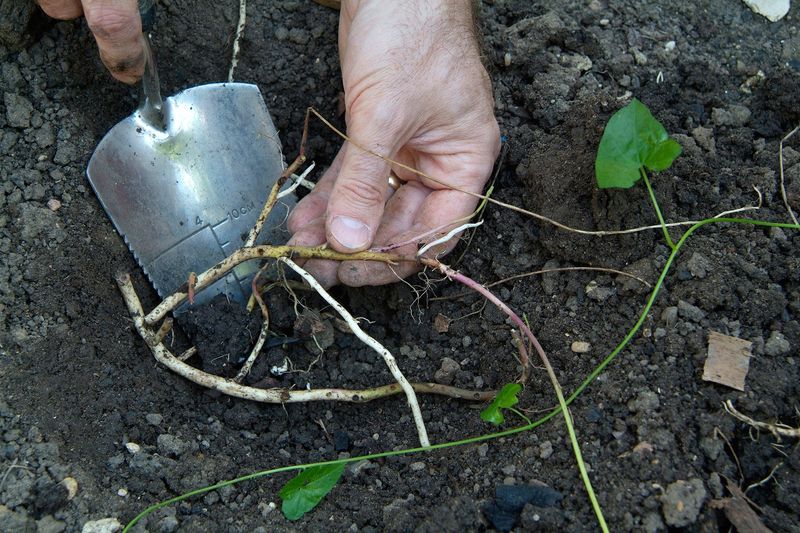
Consistency is the most practical tool Pennsylvania gardeners have when managing an established field bindweed infestation without relying on herbicides.
Each time a new shoot is removed before it matures and produces significant leaf area, the plant must draw on the energy stored in its underground root system to push out replacement growth.
Over time, repeated removal can reduce the reserves stored in those roots, gradually limiting the plant’s ability to keep sending up new shoots.
Penn State Extension guidance on managing creeping perennial weeds notes that this approach may need to continue for more than one growing season in beds where field bindweed is well-established.
That timeline can feel discouraging, but the goal is a gradual reduction in vigor rather than an immediate elimination.
Expecting visible progress over a full Pennsylvania growing season, with further improvement in subsequent seasons, is a more realistic way to measure success.
Removing new shoots every two to three weeks, rather than waiting until vines are long and well-leafed out, is generally more effective because smaller shoots have had less time to photosynthesize and replenish root energy.
Combining regular removal with good soil coverage through mulch can also help by limiting the light available to emerging shoots.
Mulching vegetable beds is a common Pennsylvania gardening practice that serves multiple purposes, and in beds where bindweed is present it adds one more layer of management pressure on the weed’s ability to re-establish.
8. Early Control Is Easier Before Bindweed Becomes Established
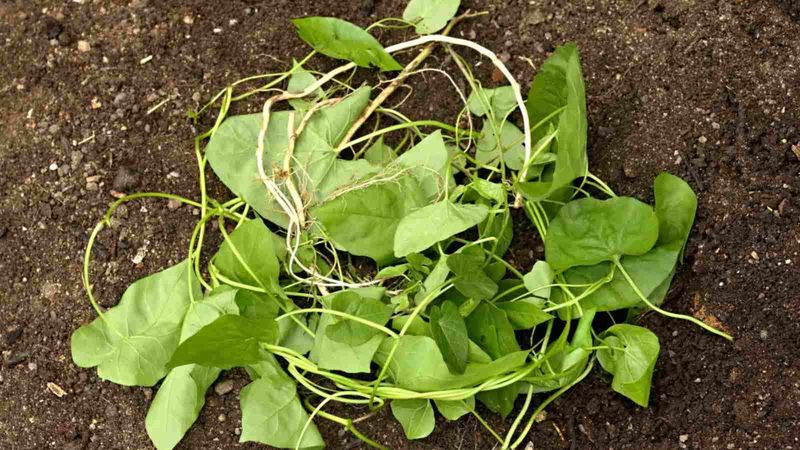
Catching field bindweed early makes a real difference. A young plant that has been in the soil for only one season has had far less time to develop the deep, branching root system that makes established plants so persistent.
Removing a small seedling or a first-year plant from a Pennsylvania vegetable bed is a much more manageable task than trying to address a patch of bindweed that has been growing undisturbed for several seasons.
Inspecting vegetable beds regularly, especially in spring when new growth is just beginning, gives Pennsylvania gardeners the best opportunity to spot bindweed before it becomes a larger problem.
Arrow-shaped leaves and slender twining stems are useful identification features to watch for.
Responding promptly when a small patch appears, rather than leaving it until later in the season, limits both the underground growth and the chance that the plant will flower and contribute seeds to the soil.
Avoiding the movement of soil or plant material from infested areas into clean parts of the garden is another practical step. Field bindweed root pieces or seeds can travel in contaminated soil on tools, boots, or transplant containers.
Cleaning tools between sections of the garden, sourcing transplants from reputable growers, and being cautious about imported soil or compost all reduce the chance of introducing bindweed into a Pennsylvania vegetable bed that is currently free of it.
Starting with a clean bed and staying alert makes the whole growing season considerably easier to manage.