The Pennsylvania Brassicas To Transplant Today For A Heavy Fall Harvest
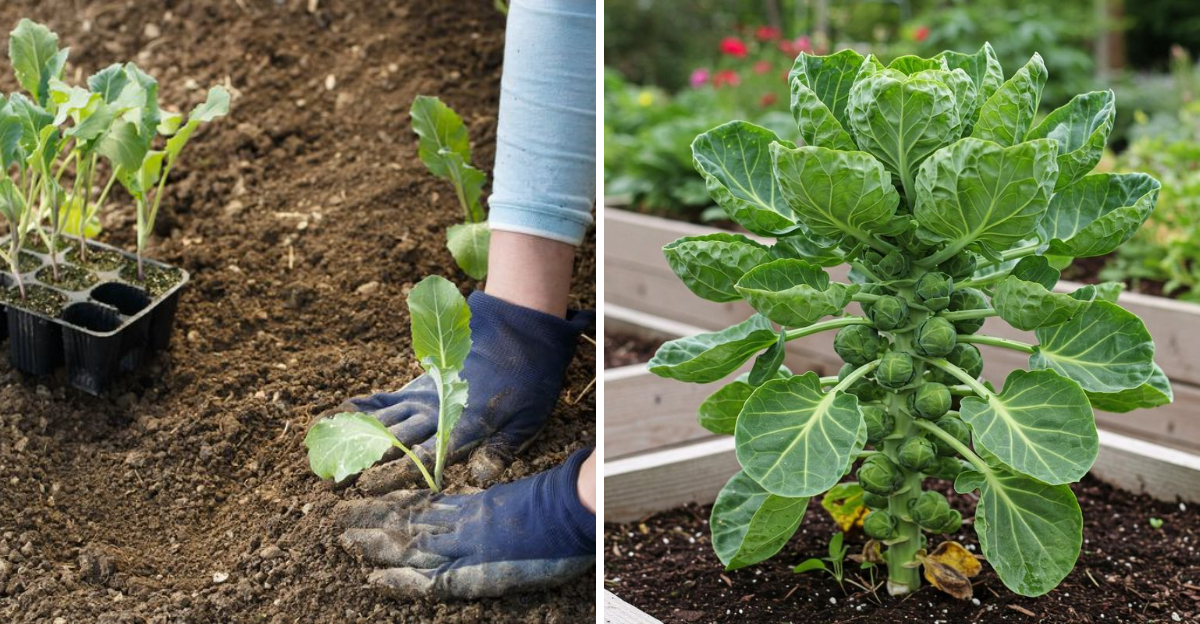
Brassicas are some of the most rewarding vegetables a Pennsylvania gardener can grow, and the fall crop is often better than anything that comes out of the spring garden.
Cooler temperatures improve flavor, pest pressure eases up significantly, and the vegetables that struggled through spring heat finish with a quality that makes the effort more than worthwhile.
But getting that fall harvest starts with transplanting at the right time. And right now is it.
Brassicas need enough time to establish and develop before the first hard frost arrives, and the math only works if you get transplants in the ground during this window.
Wait too long and the plants simply won’t have enough growing days ahead of them to deliver a meaningful harvest before the season closes.
Pennsylvania’s fall growing window is longer than most gardeners realize, which means there’s still time to put together a genuinely impressive harvest of cabbage, broccoli, cauliflower, kale, and more.
Here’s which brassicas to transplant today and exactly what they need to get established quickly and produce heavily before fall ends.
1. Broccoli
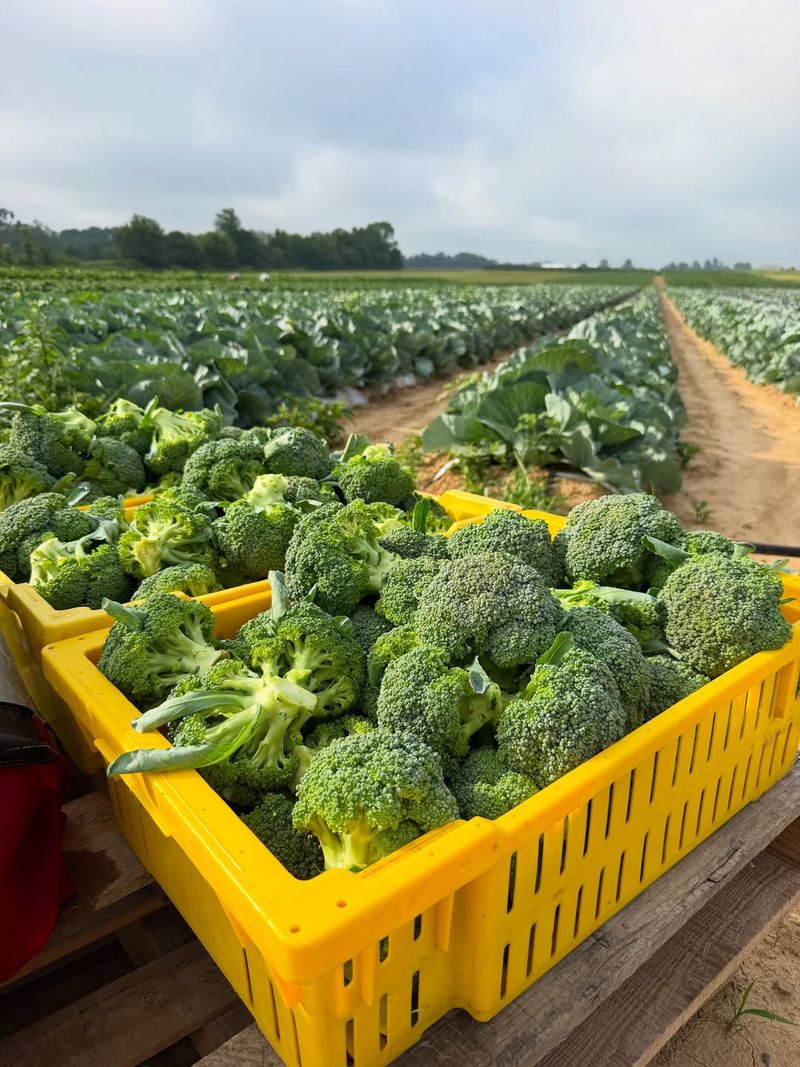
Fall broccoli might actually be the best-kept secret in Pennsylvania vegetable gardening.
Most people only think about broccoli in spring, but the truth is that broccoli grown for a fall harvest is often denser, sweeter, and more flavorful than anything you can grow in the warmer months.
Cool October air does something special to broccoli heads, and once you taste the difference, you will want to grow fall broccoli every single year.
To hit that sweet spot, you need to start broccoli seeds indoors between June 15 and July 1. That gives the seedlings enough time to get strong before you transplant them outside between July 15 and August 1.
Pennsylvania gardeners have a real advantage here because the state gets a long enough fall season to potentially squeeze in two full broccoli harvests if you time things right.
When you transplant, pick a spot that gets at least six hours of full sun each day. Work in some compost before planting to give roots a rich, loose bed to spread into.
Space your transplants about 18 inches apart so each plant has enough room to form a full head. Water consistently after transplanting since summer heat can stress young plants quickly.
Side-dress with a balanced fertilizer a few weeks after transplanting to keep growth strong. Watch for cabbage worms, which love broccoli, and pick them off by hand or use row cover to protect your crop.
Harvest the main head before it starts to flower, and keep the plant in the ground because side shoots will keep producing smaller florets well into fall.
2. Cabbage
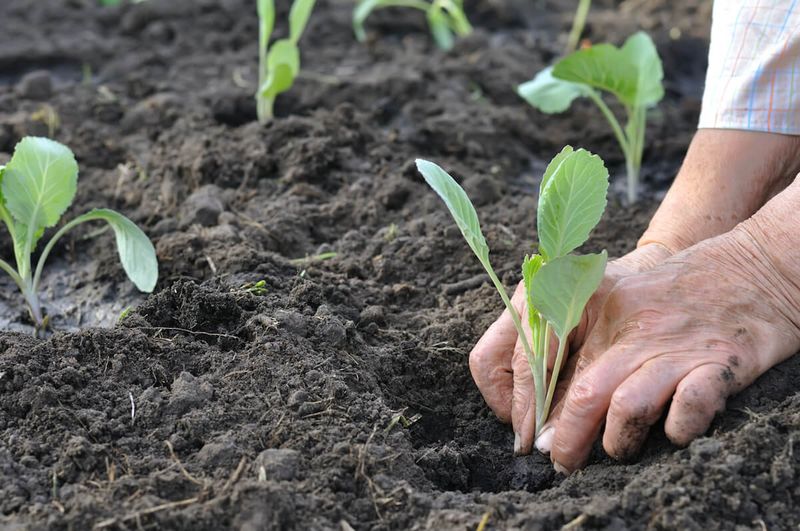
Cabbage is one of those vegetables that rewards patient gardeners in a big way. A well-grown fall cabbage head feels like a trophy when you finally cut it from the stem.
The heads are tight, heavy, and crisp in a way that spring cabbage rarely matches, and they can hold in the garden for weeks without splitting if temperatures stay cool.
Your Pennsylvania Garden Changes Every Week. Your Plan Should Too.
Gardening in Pennsylvania changes quickly throughout the season. Every Friday you’ll receive a simple weekly plan showing exactly what to plant, prune, fertilize, harvest, and protect so you never miss the right timing.
For Pennsylvania gardeners in Zone 6b, the timing works like this. Start your fall cabbage seeds indoors around mid-July.
Give them about four to six weeks to grow into sturdy transplants, then move them outside by mid-to-late August. Spacing matters a lot with cabbage, so plan to set each plant about 18 inches apart in beds that have been amended with plenty of compost.
Cabbage is a heavy feeder, and rich soil makes a noticeable difference in head size.
After transplanting, keep the soil evenly moist because cabbage roots are shallow and dry out faster than you might expect. Mulching around the base of each plant helps hold moisture and keeps soil temperatures from spiking during late summer heat.
Cabbage is also a favorite target for cabbage loopers and imported cabbageworms, so check the undersides of leaves often. Row cover is one of the easiest ways to block these pests without using any sprays.
As nights cool down in September and October, your cabbage plants will shift most of their energy into head formation. Expect to harvest full heads anywhere from 70 to 90 days after transplanting, depending on the variety you choose.
3. Cauliflower
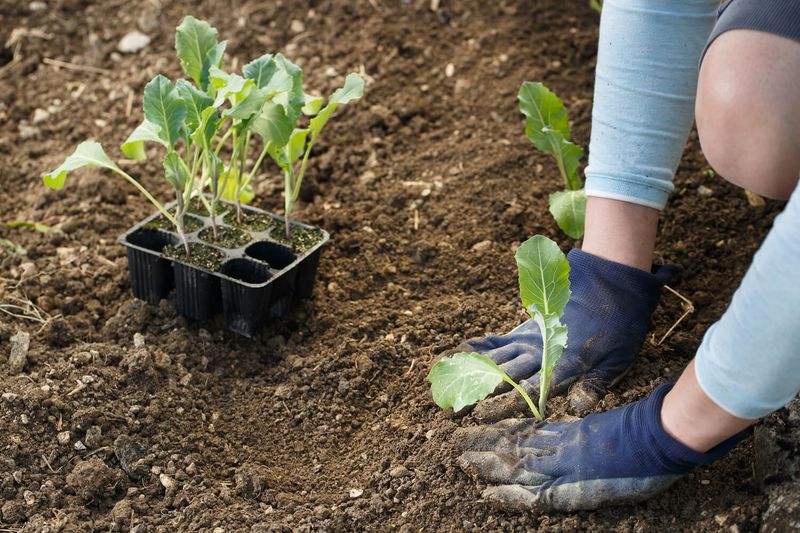
Cauliflower has a reputation for being one of the trickier brassicas to grow, and honestly, that reputation is not totally unfair. It is picky about temperature, sensitive to stress, and quick to bolt if conditions are not right.
But here is the thing: fall is actually when cauliflower performs its best in Pennsylvania, and getting the timing right makes the whole process a lot more manageable.
Start cauliflower seeds indoors in mid-to-late June. Summer heat makes direct seeding outdoors unreliable for a fall crop, so starting inside gives you much better control over germination conditions.
Aim to transplant seedlings outside around late July, when they are about four to five weeks old and have developed a few true leaves. Choose a planting site with full sun and well-drained soil that has been enriched with compost or aged manure.
Once your transplants are in the ground, consistent moisture is the single most important thing you can give them. Cauliflower that dries out between waterings tends to produce small, loose heads called buttons instead of the big, tight curds you are hoping for.
Mulch generously to hold soil moisture and regulate temperature. When the heads start to form and reach about two inches across, some gardeners fold the large outer leaves over the head and secure them with a rubber band.
This technique, called blanching, keeps the curds white and mild-tasting by blocking sunlight.
Harvest when heads are firm and fully formed, typically before they start to separate or turn yellow. A sharp knife and a quick cut at the base is all it takes.
4. Brussels Sprouts
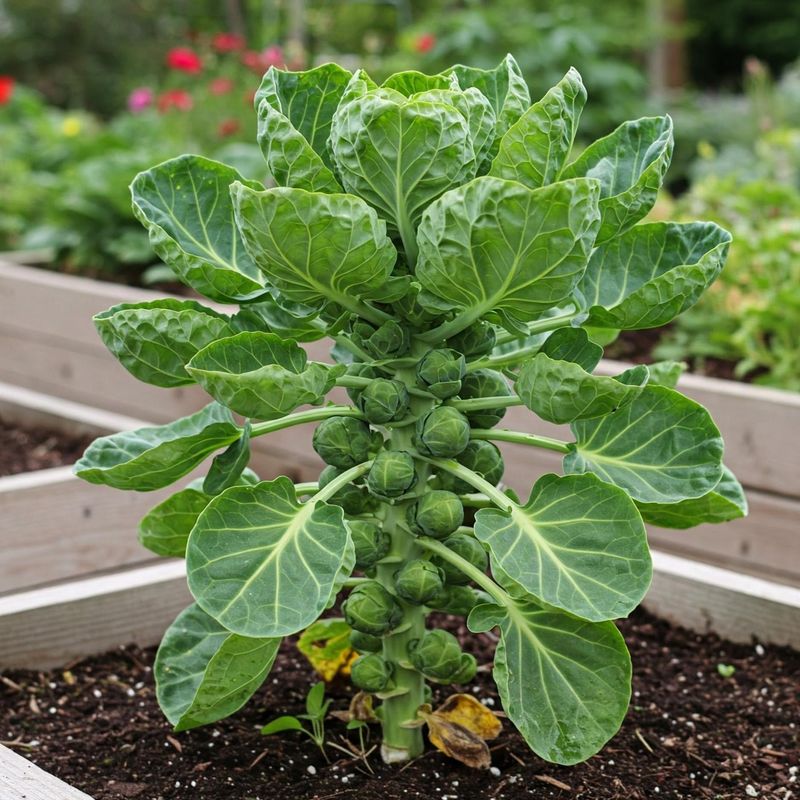
Brussels sprouts are the marathon runners of the brassica world. They take longer to mature than almost any other vegetable in this category, which means getting your timing right is not just helpful, it is absolutely essential.
In Pennsylvania’s Zone 6, that means your transplants need to go in the ground during July to give the plants enough time to form full sprouts before hard frost shuts the season down.
Pennsylvania gardening guides group Brussels sprouts transplanting right alongside cabbage, corn, and cucumbers in the July planting window. That is not a coincidence.
Brussels sprouts need a long, steady growing season, often 90 to 110 days from transplant to harvest.
Starting seeds indoors in early-to-mid June and moving transplants outside in July keeps the crop on a schedule that lines up with Pennsylvania’s fall frost dates. Space plants about 24 inches apart because they grow tall and wide.
One thing many first-time Brussels sprouts growers do not know is that the flavor actually improves after a light frost.
The cold temperatures convert some of the plant’s starches into sugars, making the sprouts sweeter and less bitter than they would be if harvested in warm weather.
So do not rush to harvest before fall really sets in. As the plant matures, you can remove the lower yellowing leaves to help the plant focus energy on sprout development.
Harvest sprouts from the bottom of the stalk upward as they reach about one inch in diameter. A single stalk can produce dozens of sprouts over several weeks, making it one of the most productive fall crops you can grow.
5. Kale
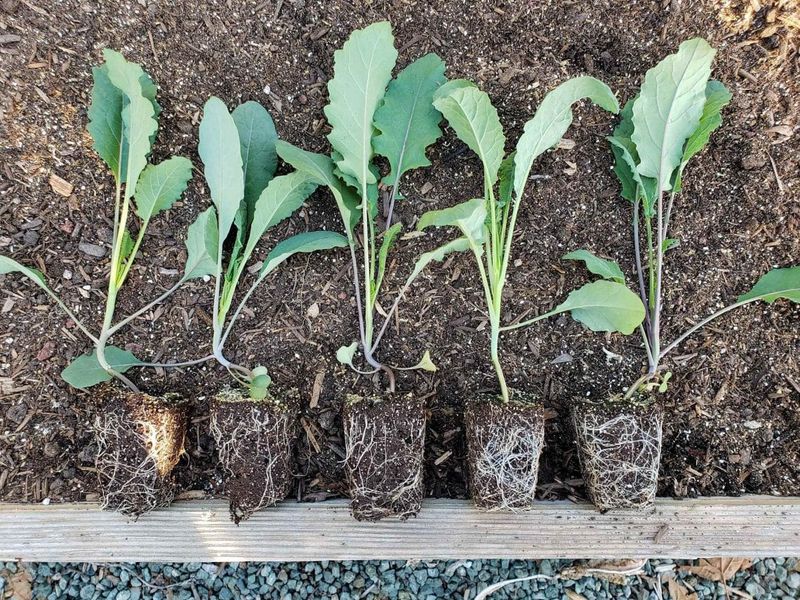
Kale might be the most forgiving brassica you can grow in a Pennsylvania fall garden. It tolerates heat, shrugs off cold, and keeps producing long after other crops have wrapped up for the season.
If you are looking for a low-stress, high-reward addition to your fall transplant list, kale deserves a spot near the top.
Start kale seeds indoors in July and plan to move transplants outside in August. The summer-to-fall transition can be rough on some crops, but kale handles the shift with ease.
Young plants can handle warm late-summer days and then adjust smoothly as temperatures drop through September and October. This flexibility makes kale a great choice for gardeners who want a long harvest window without constant babysitting.
Here is something that surprises a lot of new kale growers: frost actually makes kale taste better. When temperatures dip below freezing, the plant converts stored starches into sugars as a kind of natural protection.
The result is leaves that are noticeably sweeter and more tender than what you would harvest in summer. Many Pennsylvania gardeners intentionally wait for the first frost before harvesting kale for this exact reason.
Plant kale about 12 to 18 inches apart in a spot with good drainage and at least five to six hours of sun. Harvest outer leaves first, working from the bottom of the plant up, and leave the center growing point intact so the plant keeps producing.
With proper care, a single kale plant can supply fresh greens from late summer all the way through December or even into January in mild years.
6. Collard Greens
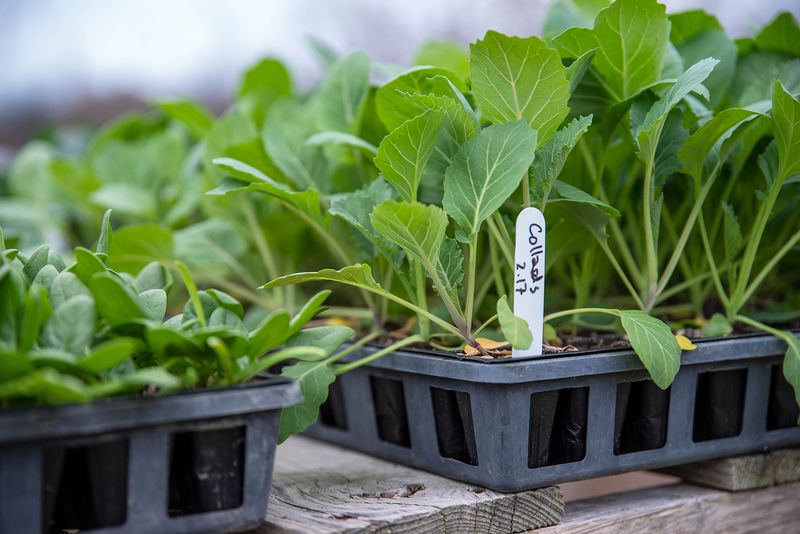
Collard greens do not always get the spotlight they deserve in northern vegetable gardens, but Pennsylvania growers who include them in their fall planting schedule are rarely disappointed.
Collards are tough, productive, and remarkably cold-tolerant, making them one of the most reliable crops you can add to a late-season garden bed.
In market-farming schedules, collards are commonly transplanted during the fourth week of July, right alongside cabbage, broccoli, and cauliflower. That timing is no accident.
Collards need a similar growing window to their brassica cousins, and starting them at the same time lets you manage the whole group together.
Start seeds indoors in early-to-mid July and plan to set transplants outside by late July or very early August. Space plants about 18 to 24 inches apart since collard leaves can get quite large.
Collard greens are one of the more drought-tolerant brassicas, but they still perform best with regular watering, especially during the warm weeks right after transplanting. Once established, they become much easier to manage.
Like kale, collards taste better after exposure to light frost, so there is no need to rush the harvest. Pick individual outer leaves as needed, or wait and harvest the whole plant at once.
Collards can handle temperatures well into the low 20s Fahrenheit with minimal protection, which means they can keep producing fresh greens in Pennsylvania long after other crops have finished.
Pair them with a floating row cover on the coldest nights and you can extend your harvest even further. They are a true workhorse crop for the fall garden.
7. Kohlrabi
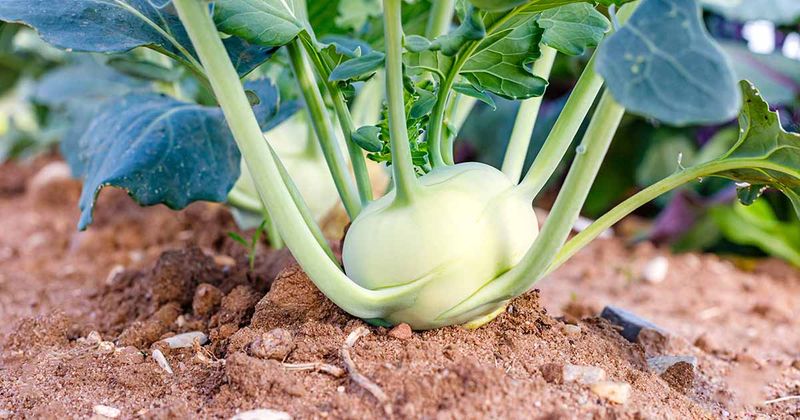
Kohlrabi might be the most underrated vegetable in the brassica family. It looks a little like a spaceship landed in your garden bed, with a round swollen stem sitting just above the soil and leaves shooting out in every direction.
But beyond its quirky appearance, kohlrabi is fast-growing, crisp, and delicious, and it fits perfectly into a late-July Pennsylvania transplant batch.
Kohlrabi follows the same cole-crop timing as cabbage and broccoli, which makes it easy to fold into your existing fall planting schedule. Start seeds indoors in early-to-mid July and transplant outside in late July or very early August.
Plants should be spaced about 6 to 9 inches apart since kohlrabi does not need as much room as its larger brassica relatives.
It grows quickly, often reaching harvest size in just 45 to 60 days from transplanting, which means you could be eating fresh kohlrabi by late September or early October.
Growing kohlrabi adds variety to a fall bed that might otherwise be dominated by leafy greens and heavy heads. The edible part is the swollen stem, not the leaves, and it tastes like a mild, slightly sweet version of broccoli stems.
Harvest when the stem is about 2 to 3 inches in diameter for the best texture. If you wait too long, the flesh becomes woody and loses its crisp quality.
Kohlrabi can be eaten raw in slaws and salads, roasted, or sliced thin and dipped in hummus. Both green and purple varieties grow well in Pennsylvania’s fall climate, so pick whichever appeals to you and enjoy the harvest.