Why September Is The Best Time To Create A Texas Spring Garden
Most Texas gardeners think of spring garden planning as a January or February project. You start seeds indoors, wait for the last frost date, and plant once conditions allow.
That approach works, but it’s working against the calendar in ways that limit what your spring garden can become.
The gardeners who end up with the most spectacular Texas spring displays almost always started in September. September is when the real spring garden work happens.
The logic is straightforward once you understand the Texas growing calendar. Many of the most rewarding spring flowers need to be in the ground before winter to perform at their best.
Cool season annuals that are direct sown or transplanted now establish through fall, develop root systems that warm season planting never replicates, and emerge in spring with a vigor and bloom quality that late planted versions simply can’t match.
Texas springs are beautiful but they move quickly. Making the most of them requires working backward from that bloom window rather than scrambling toward it in late winter.
1. September Starts The Spring Wildflower Season
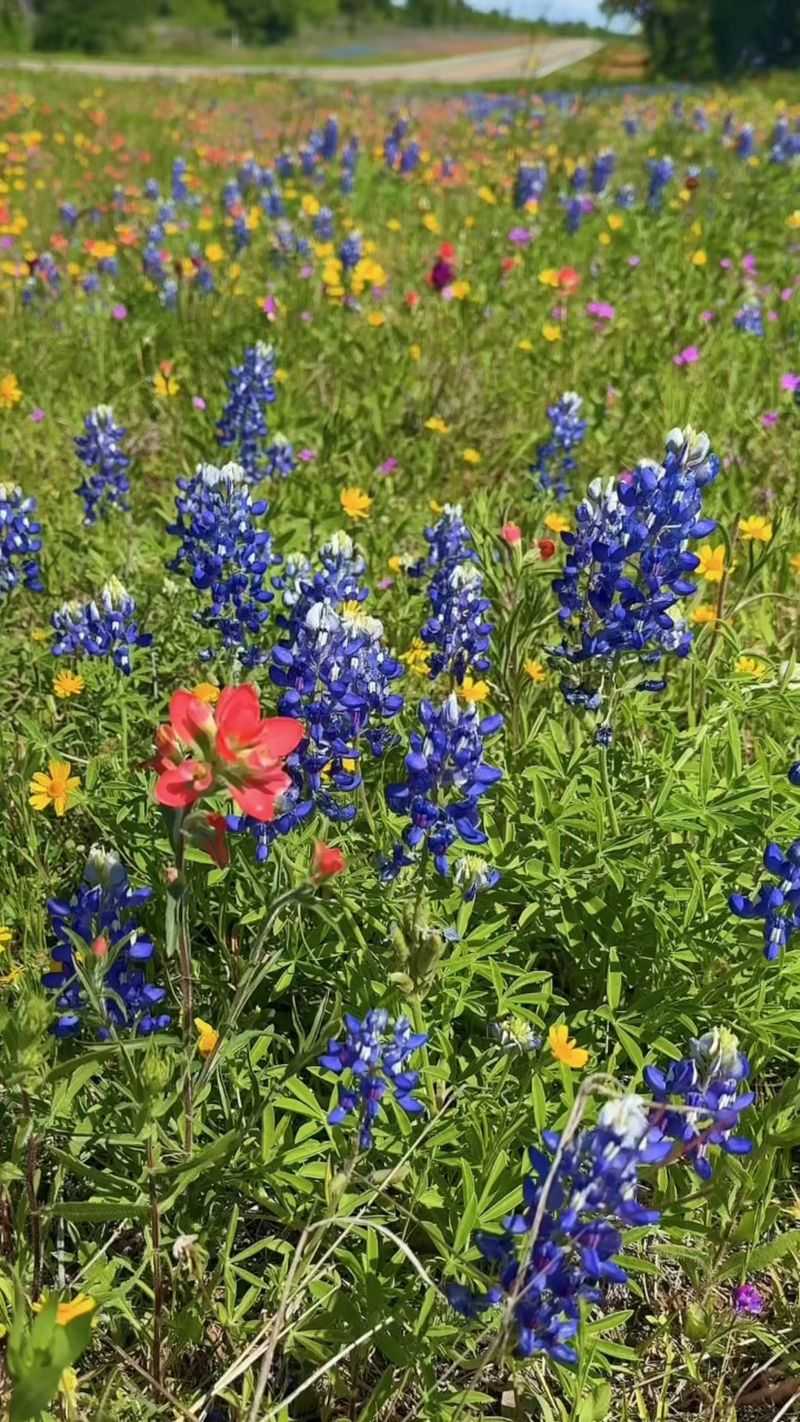
Few sights in America are as breathtaking as a Texas hillside blanketed in bluebonnets come springtime. What most people don’t know is that those gorgeous blooms start their journey in the fall.
Bluebonnets and many other Texas wildflowers are actually seeded in September and October, not spring.
Scattering wildflower seeds in fall gives them time to go through a natural process called cold stratification. Basically, the seeds need a period of cool, moist conditions to wake up and sprout properly.
When you seed in September, nature does all that work for you over the fall and winter months.
Texas wildflowers like Indian paintbrush, Mexican hat, and black-eyed Susan all follow this same pattern. They are native plants that have adapted over thousands of years to germinate in fall and bloom in spring.
Trying to seed them in spring often leads to poor results because the timing is off. Early fall planting gives wildflowers months to establish before they need to put on a big show. The roots quietly grow through winter while the tops stay small.
By the time warm weather hits, those plants are ready to explode with color. Many Texas gardeners make the mistake of waiting until February or March to scatter wildflower seeds. By then, the window for strong germination has mostly passed.
Planting in September puts you ahead of the curve and gives your wildflowers the best possible start for a breathtaking spring bloom season.
2. Cooler Weather Reduces Planting Stress
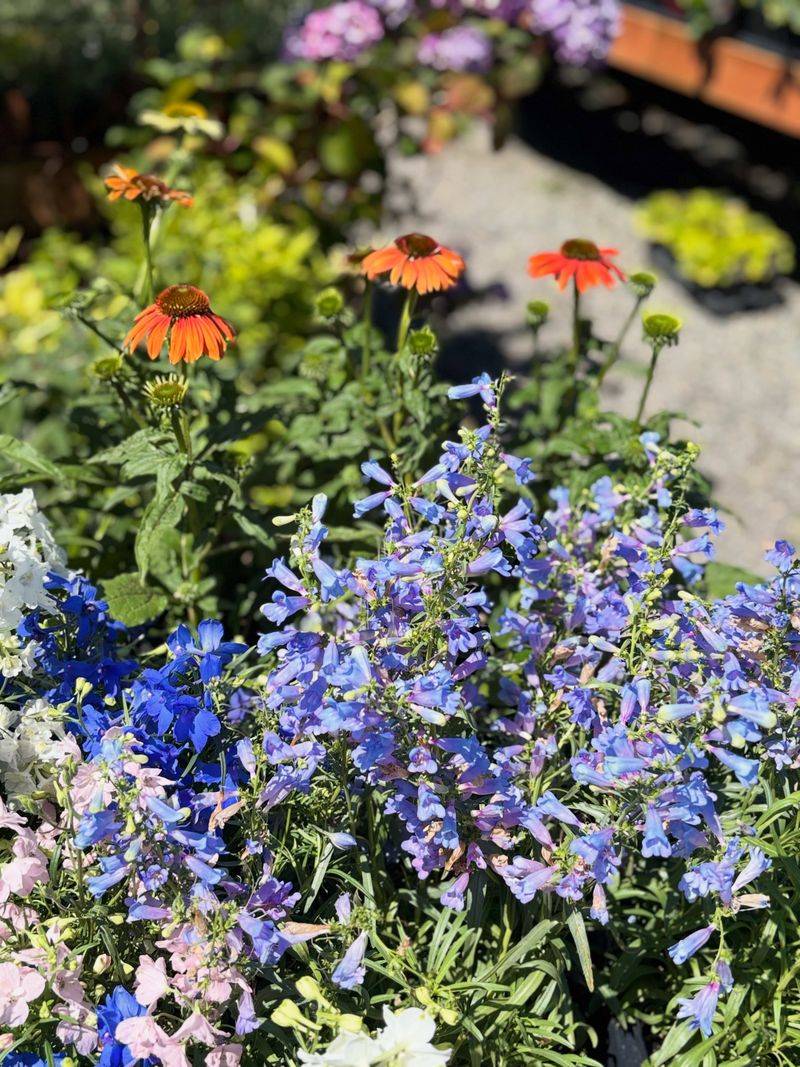
Anyone who has gardened through a Texas summer knows how brutal the heat can be. Temperatures above 100 degrees can make even established plants struggle, let alone brand-new ones.
September brings a welcome shift that makes planting much more manageable for both gardeners and plants alike.
As summer fades, daytime highs begin dropping into the 80s and sometimes even the 70s by late September. That might not sound like a huge change, but for a newly planted perennial, it makes a world of difference.
Your Texas Garden Changes Every Week. Your Plan Should Too.
Gardening in Texas changes quickly throughout the season. Every Friday you’ll receive a simple weekly plan showing exactly what to plant, prune, fertilize, harvest, and protect so you never miss the right timing.
Lower temperatures mean the plant loses less water through its leaves and can focus more energy on building roots.
New perennials planted in September experience far less heat stress than those stuck in the ground during July or August. In midsummer, a new plant has to fight just to survive.
In September, conditions are friendlier, and the plant can actually settle in and start thriving.
Cooler nights are especially helpful. Soil temperatures drop a bit after sundown, which gives roots a chance to recover and grow without constant heat pressure.
Plants planted in fall often look healthier and more vibrant by the following spring than those planted during the hot season.
Watering needs also go down as temperatures cool. You won’t have to run the hose every single day to keep new plants alive.
That saves both time and money while still giving your garden the care it needs. September really is a sweet spot when Texas weather starts working with gardeners instead of against them, making it one of the smartest times of year to get outside and plant.
3. Warm Soil Encourages Root Growth
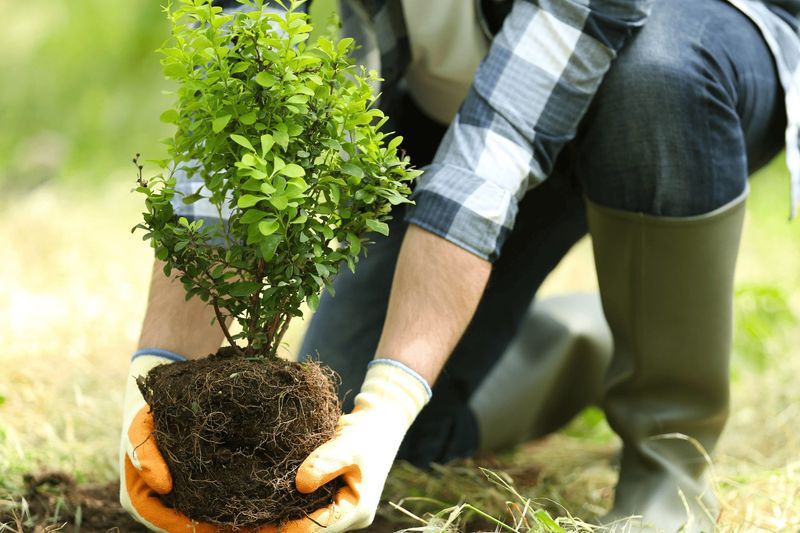
Here is something that surprises a lot of newer gardeners: soil stays warm much longer than the air does. Even when September nights start feeling cool and pleasant, the ground underneath can still hold plenty of warmth from months of summer heat.
That stored warmth is actually a huge advantage for fall planting. Roots grow best in warm soil.
When you plant in September, the ground temperature is still high enough to encourage strong, active root development. The roots spread out, anchor the plant, and start pulling in water and nutrients right away.
As October and November arrive and air temperatures keep dropping, root growth slows but doesn’t completely stop. Many perennials continue putting down roots even through mild Texas winters.
By the time spring arrives, those plants have a well-developed root system that supports fast, healthy aboveground growth.
Compare that to a plant put in the ground in spring. A spring-planted perennial has to build its roots and grow leaves and stems all at the same time, while also dealing with warming temperatures.
A fall-planted perennial already has a solid root foundation and can put most of its spring energy into blooming and growing upward.
Taking advantage of warm fall soil is one of the smartest moves a Texas gardener can make. The soil is doing the heavy lifting for you during those fall and winter months.
All you have to do is get the plants in the ground in September, water them in well, and let nature handle the rest. The results come spring will speak for themselves with fuller, stronger, more productive plants throughout your garden beds.
4. Fall Gives Perennials A Head Start
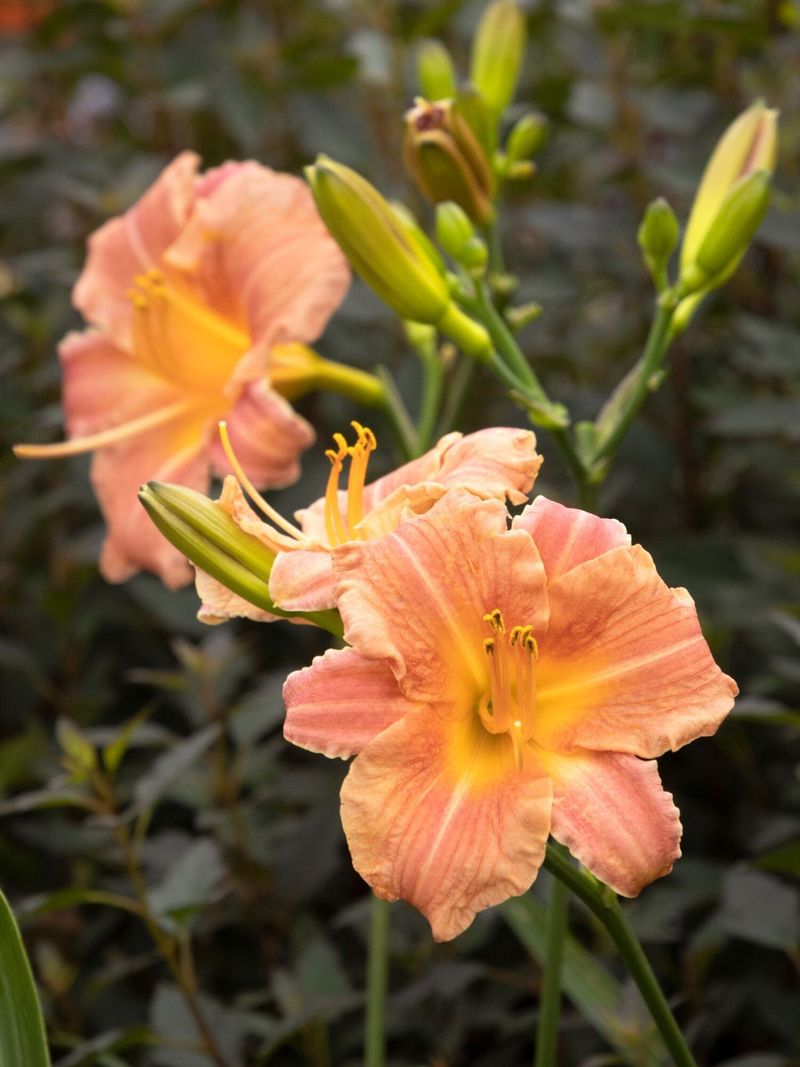
Perennials are some of the best investments a gardener can make. Unlike annuals that you replant every year, perennials come back season after season.
But here is the key: the stronger their roots are going into their first winter, the better they perform in every season that follows.
Planting perennials in September gives them several months to establish before the heat and demands of spring arrive. During fall and winter, the plant is quietly building a strong, deep root system underground.
You might not see much happening above the soil, but there is plenty of important work going on below the surface.
Come March and April, those well-rooted perennials are ready to take off. They push up new growth faster, produce more blooms, and handle spring weather swings much better than plants that were just put in the ground a few weeks earlier.
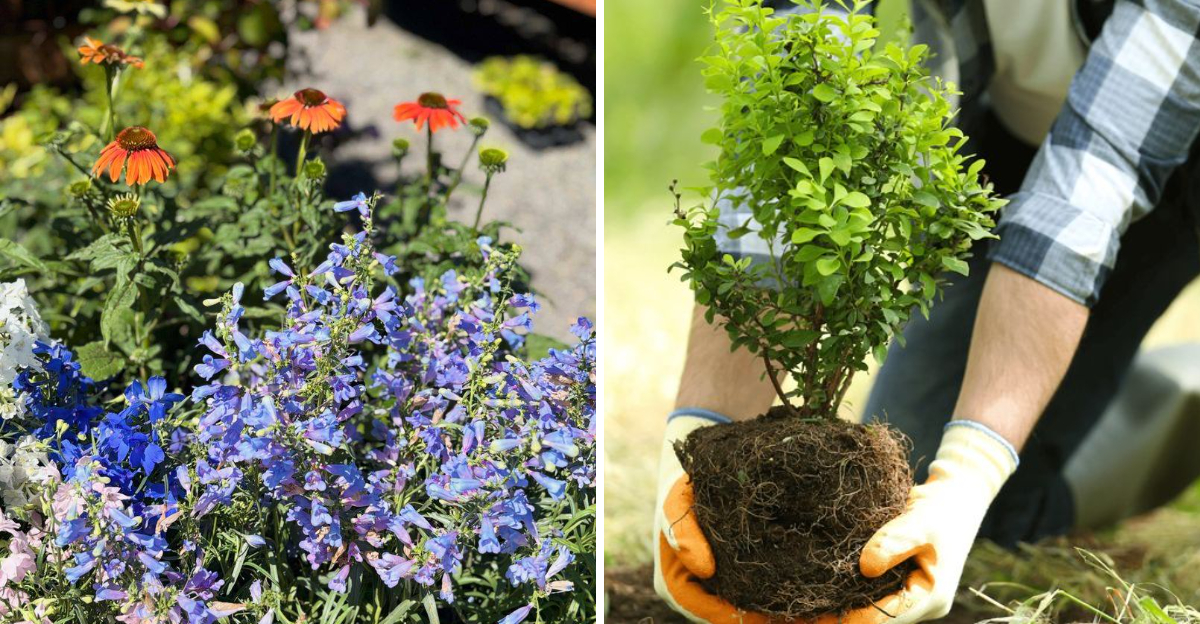
The head start makes a visible difference that gardeners notice immediately. Popular Texas perennials like salvia, coneflower, black-eyed Susan, and lantana all benefit from fall planting.
These tough plants are well suited to the Texas climate and reward fall gardeners with spectacular spring and summer displays.
Planting them in September rather than waiting until spring gives them an edge that pays off for years to come.
Think of it like getting a running start before a race. A perennial planted in fall doesn’t have to start from zero when spring arrives.
It already has the foundation it needs to grow fast, bloom big, and handle whatever Texas weather throws at it. That kind of resilience is exactly what makes fall planting such a smart long-term strategy for any Texas garden.
5. September Is Ideal For Preparing Spring Beds
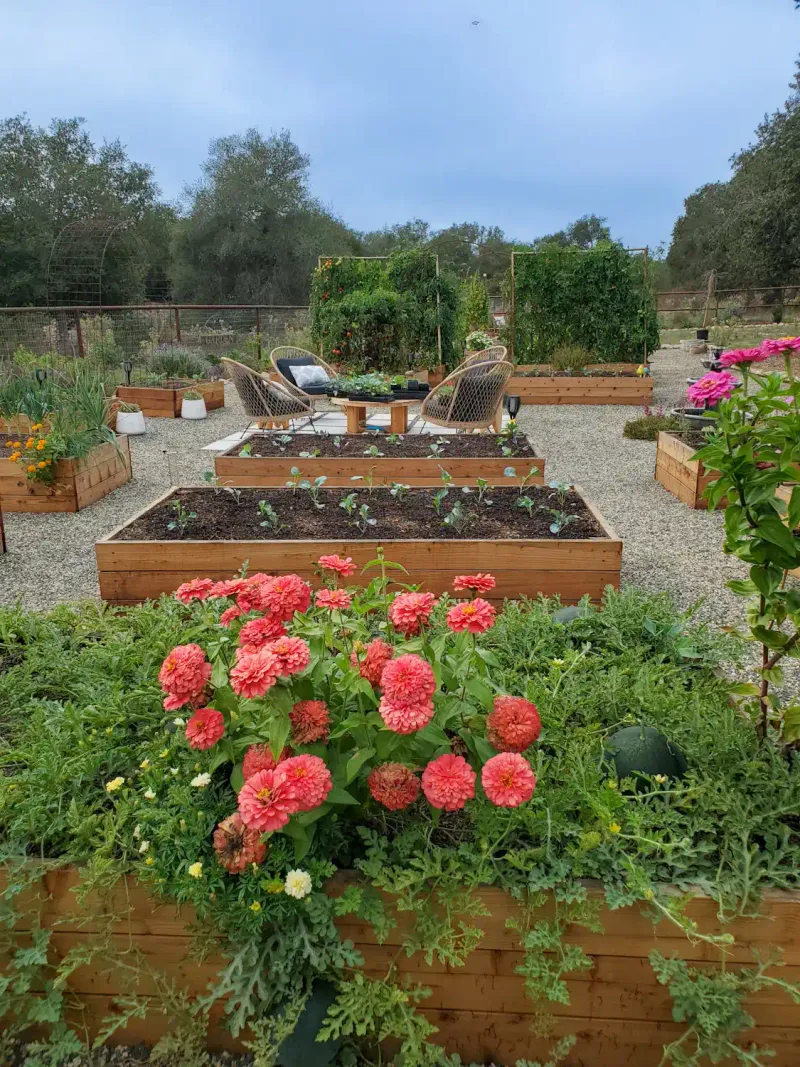
Healthy plants start with healthy soil, and September is the perfect month to get your garden beds in great shape.
The cooler weather makes outdoor work much more comfortable, and you have plenty of time before spring planting kicks into high gear. A little soil prep now goes a long way toward better results later.
Start by pulling out any weeds that have taken over during the summer. Weeds compete with your plants for water and nutrients, so clearing them out now gives your future flowers and perennials a much cleaner start.
Getting ahead of weeds in fall also means fewer problems to deal with once spring arrives. Next, check how well your beds drain after rain. Poor drainage can cause roots to rot and plants to struggle.
If water tends to pool in certain spots, work in some coarse sand or extra compost to improve the soil structure. Good drainage is one of the most important factors in keeping plants healthy through wet spring weather.
Working compost into your beds is one of the best things you can do for your garden. Compost adds nutrients, improves soil texture, and helps the ground hold the right amount of moisture.
Spread a few inches over your beds and mix it in well with a garden fork or tiller. Preparing soil in September means less disturbance once your spring plants are actively growing. You won’t have to dig around established roots or risk damaging new growth.
Everything is ready and waiting when you need it most. A well-prepped bed in fall is honestly one of the greatest gifts you can give your future spring garden.
6. A Little Work Now Creates A Bigger Spring Display
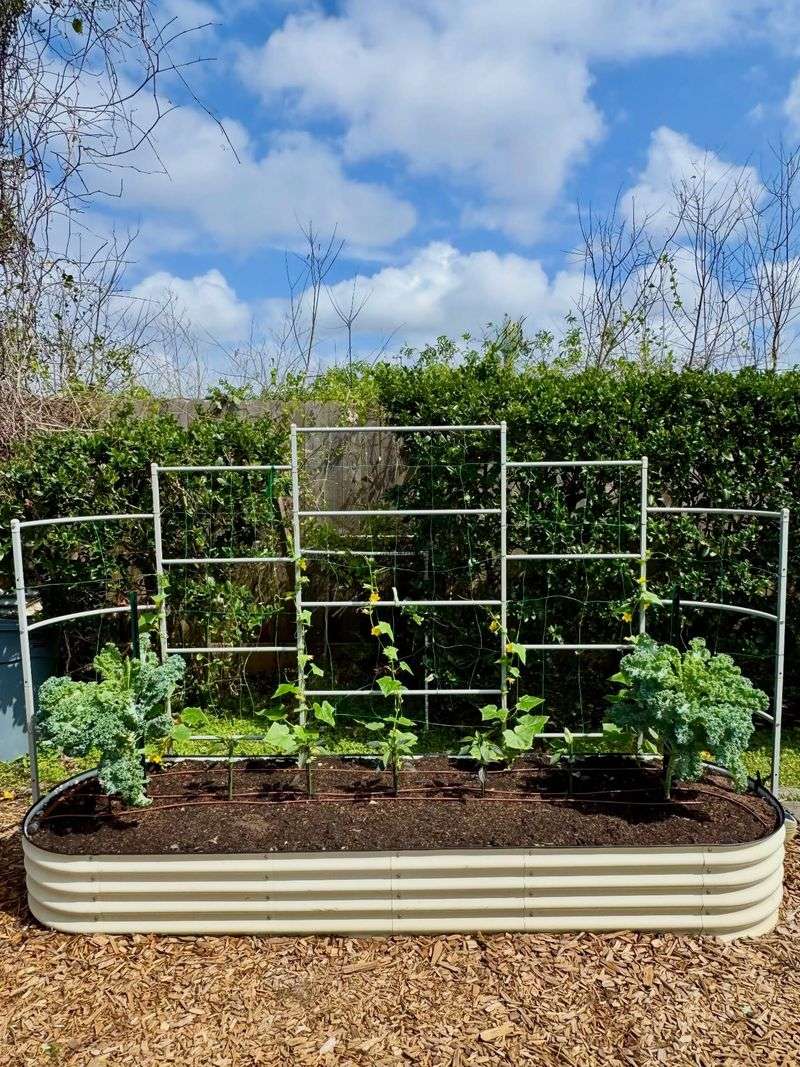
Imagine walking outside in April and seeing your yard absolutely full of color. Flowers blooming in every direction, perennials standing tall and healthy, wildflowers swaying in the breeze.
That kind of spring display doesn’t happen by accident. It starts with smart choices made back in September.
Fall-established flowers and perennials don’t have to start from scratch when spring arrives. They already have strong roots, settled soil around them, and months of quiet growth behind them.
That foundation means they can bloom earlier, grow fuller, and look more impressive than plants that were just put in the ground in March.
Gardeners who plant and prepare in fall often notice a big difference in the overall look of their spring garden. The beds tend to look more complete and lush because the plants had time to spread out and fill in.
There are fewer bare spots and less of the sparse, just-planted look that spring gardens sometimes have.
Even small efforts in September add up to big rewards. Scattering a packet of wildflower seeds, dividing and replanting an overgrown perennial, or adding a flat of transplants to a freshly prepped bed can all make a noticeable difference by spring.
You don’t have to do everything at once. A little work each weekend throughout September can transform your yard by April.
The secret that experienced Texas gardeners know is that the best spring gardens are built in fall.
By putting in some effort now, you are setting yourself up for earlier, fuller, and more colorful results when the season everyone looks forward to finally arrives. Start in September and let nature do the rest.