Alabama’s Storm Season Is Bringing An Unexpected Passenger
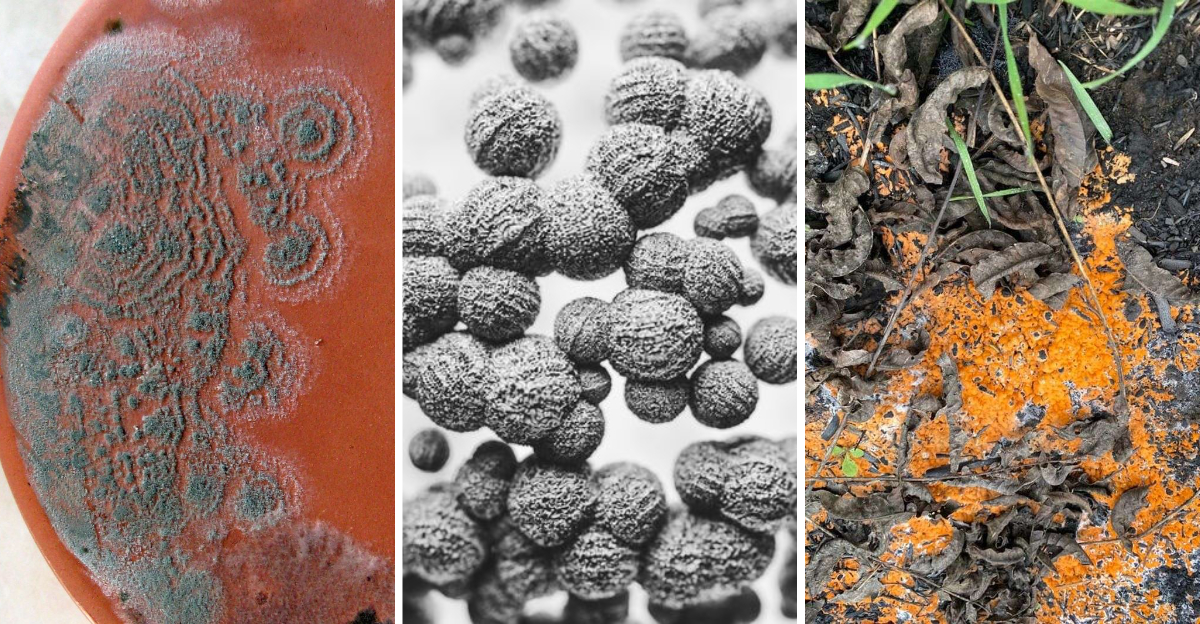
Invisible passengers are riding along with every Alabama storm cell. Thunder gets the headlines, but spores do the real work. Rain falls fast while fungi rise into open air.
Wind carries these particles straight into your lungs, skin, and eyes. Doctors across Alabama report an increase in unusual symptoms. Congestion reaches you fully the morning after a downpour.
Fatigue lingers long after the storm clouds clear. Skin reactions appear suddenly, seemingly out of nowhere. Humidity fuels growth faster than most people expect. Nobody warns you about airborne mold rising after lightning.
Symptoms mimic allergies, colds, even seasonal flu. Your body reacts before your mind connects the dots. Every breath you take now carries quiet consequence. Understanding this shift could protect your entire household.
Protecting your household now calls for information most residents still do not have. What comes next could completely change how you breathe, sleep, and live each day.
A Hidden Passenger Riding Alabama’s Storms
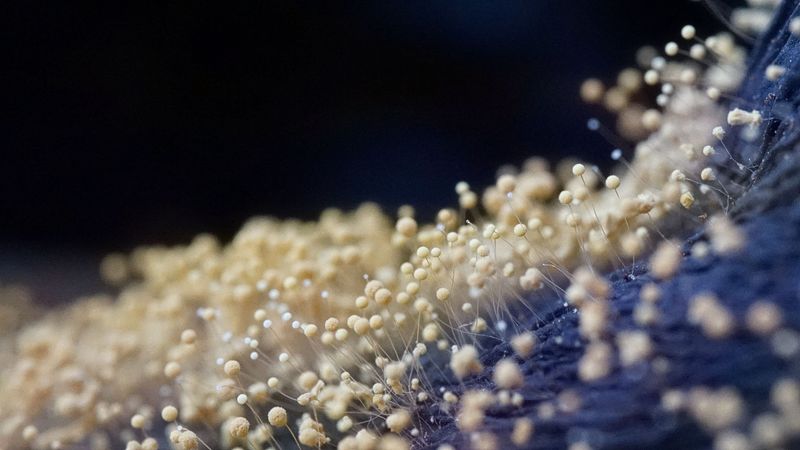
Something invisible is traveling with every storm that rolls across the state. Mold spores, fungal particles, and biological debris get swept up into the atmosphere when strong winds hit damp ground.
Scientists call this process aerosolization. Storms lift microscopic material off wet soil, rotting leaves, and standing water, carrying it into the air.
Once airborne, these particles can travel miles before landing in your yard, on your porch, or right through your open window. Storm season in Alabama creates the perfect conditions for this cycle to repeat again and again.
The state sits in a humid subtropical climate zone. That means warmth and moisture stick around longer here than in drier parts of the country.
When a fast-moving cold front collides with that warm, soggy air, spore counts can spike dramatically within hours. Some researchers have observed increases in airborne mold following major storm events, though exact figures vary by study and location.
Most people assume rain cleans the air. Rain actually stirs up biological particles before the water settles them back down.
That window right after a storm, when everything smells earthy and fresh, is often when spore counts are at their highest. Knowing that changes how you think about stepping outside after a big downpour.
How Thunderstorms Turn Spores Into A Bigger Problem
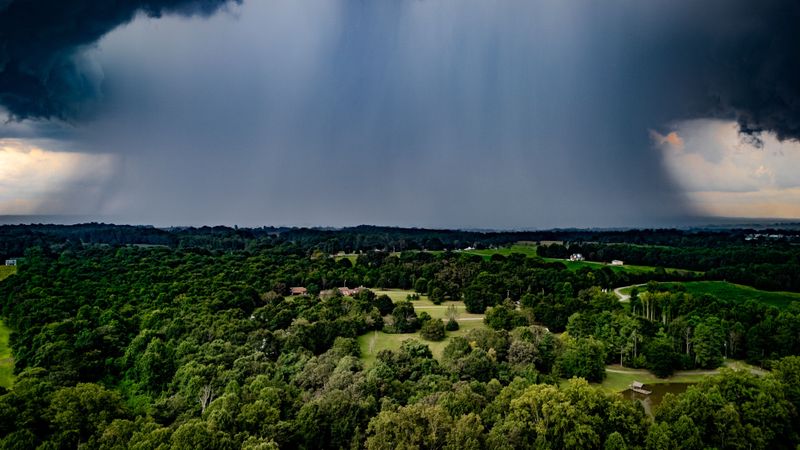
Thunderstorm asthma is a real medical phenomenon, and it is more common than most people realize. During a storm, strong downdrafts push pollen and mold particles down toward ground level, concentrating them right where people breathe.
The moisture inside a storm cell also breaks larger particles into smaller fragments. Smaller fragments penetrate deeper into the lungs, causing more irritation than the original whole spore would have.
Alabama’s thunderstorm season sees two main peaks, one in spring and another in early fall. During those months, back-to-back storm systems keep spore counts elevated for days at a stretch, not just hours.
Grass pollen is a major contributor to this problem. When rain hits ripe grass heads, it ruptures them, releasing hundreds of tiny starch granules that float easily through the air.
Your Alabama Garden Changes Every Week. Your Plan Should Too.
Gardening in Alabama changes quickly throughout the season. Every Friday you’ll receive a simple weekly plan showing exactly what to plant, prune, fertilize, harvest, and protect so you never miss the right timing.
Those granules are small enough to bypass the nose and go straight into the airways. People who never had breathing issues before have ended up in urgent care after a particularly stormy week.
Fungal spores from common outdoor molds like Cladosporium and Alternaria behave the same way. These species thrive in decaying plant matter, which is everywhere in the Southeast.
Understanding this process is not about causing panic. Awareness helps you make smarter decisions about when to open windows, when to run the air filter, and when to stay inside.
Warning Signs Your Body Might Be Reacting
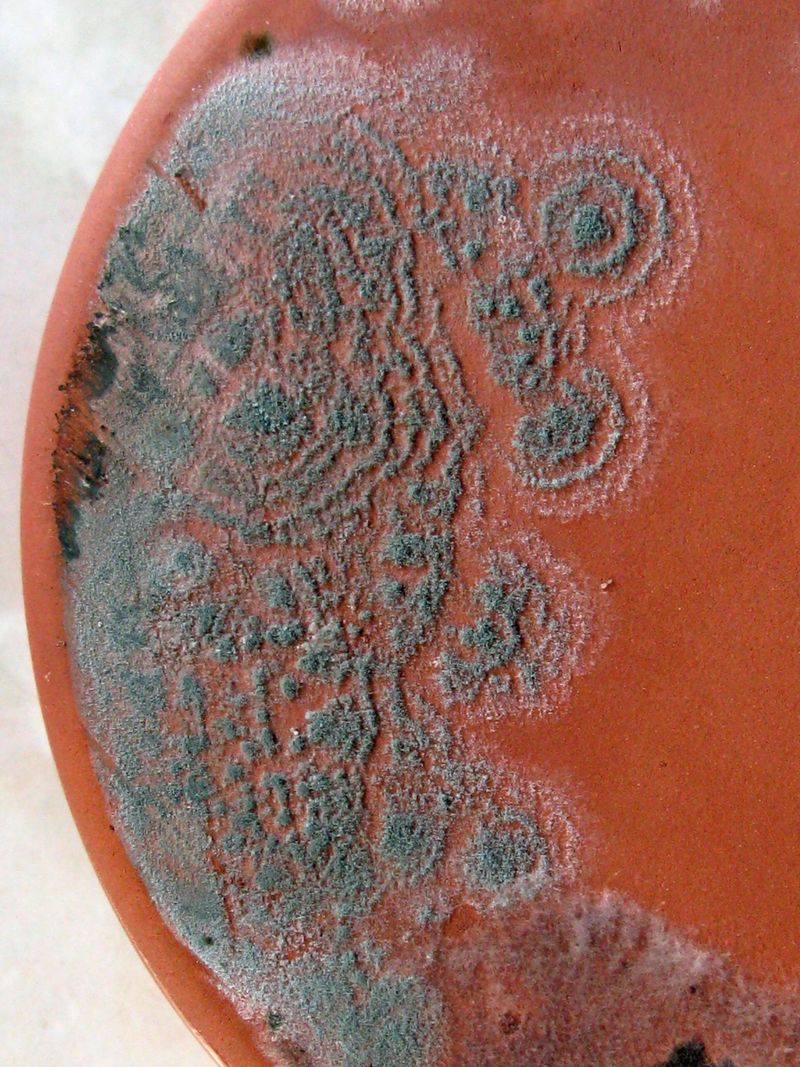
Your body sends signals before a full reaction sets in. Catching those early signs makes a real difference in how quickly you can get relief.
Itchy eyes right after a storm is one of the first clues. If your eyes water and burn within an hour of going outside post-storm, airborne particles are likely the cause.
A scratchy throat that appears suddenly, without fever or body aches, is another red flag. Mold and pollen fragments irritate the throat lining almost immediately upon contact.
Persistent sneezing fits, especially in the morning after a stormy night, point to overnight spore exposure. Sleeping with a window cracked during storm season can let particles build up in your bedroom by dawn.
Fatigue is one of the sneakiest symptoms. When your immune system fights off a constant stream of allergens, it burns through energy fast, leaving you exhausted for no obvious reason.
Skin reactions like hives or a sudden rash can also follow heavy spore exposure. Some mold species trigger contact reactions when particles land on exposed skin.
If you notice a pattern where symptoms flare after storms and improve on dry days, that pattern is telling you something important. Tracking your symptoms alongside local weather reports can help your doctor identify the exact trigger.
Storm season in Alabama is long, so building that awareness early protects you all season long.
Why Humid Fronts Make This Worse Each Summer
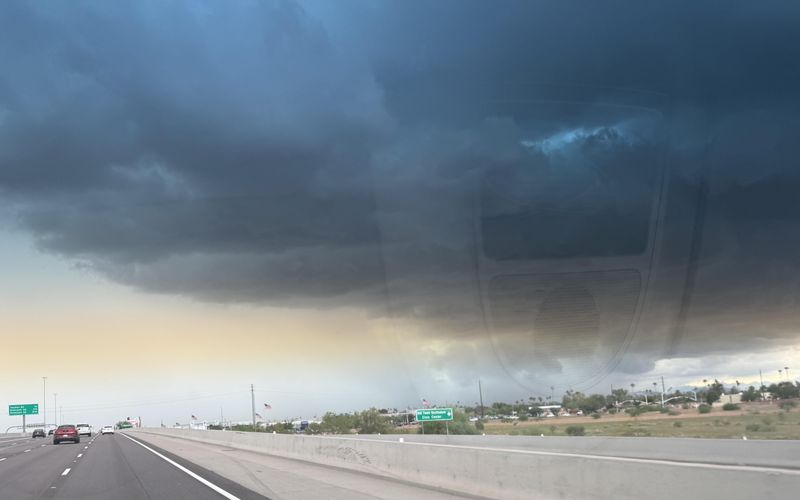
Humidity is the secret weapon that makes storm-related spore problems so stubborn in the South. When relative humidity stays above 60 percent, mold colonies on outdoor surfaces grow fast and reproduce constantly.
Summer in this region regularly pushes humidity well past comfortable levels by mid-morning. That means spore production is running at full speed before most people have even finished their coffee.
Humid air also keeps spores suspended longer. In dry climates, particles fall to the ground quickly. In thick, moist air, they float and drift for hours.
Warm fronts that push up from the Gulf of Mexico bring a fresh wave of moisture every few days during peak season. Each new front recharges the moisture that outdoor mold colonies need to thrive.
This creates a compounding effect across the summer months. Spore counts do not reset between storms because the humidity never drops low enough to slow growth.
Homes without proper ventilation trap that humid air inside. Once indoor humidity climbs above 50 percent, mold can begin growing on walls, window sills, and even inside HVAC ducts.
A dehumidifier running in high-moisture areas of your home cuts off the fuel supply that mold needs indoors. Keeping indoor humidity between 35 and 50 percent makes a measurable difference in air quality.
Summer storm patterns in Alabama are not going anywhere, but managing humidity gives you real control over your exposure.
Steps To Protect Your Home And Health
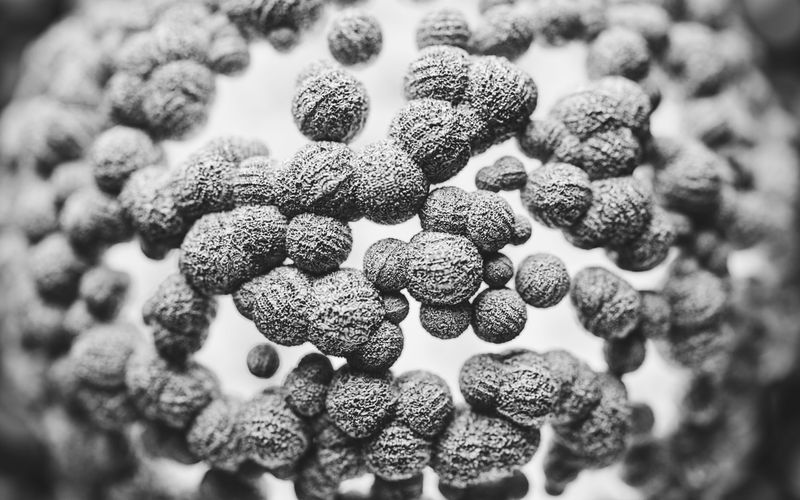
Protecting yourself starts with the air you breathe indoors. A HEPA air purifier in your bedroom filters out particles as small as 0.3 microns, which covers most mold spores and pollen fragments.
Replace your HVAC filter every 30 to 60 days during storm season. A clogged filter stops catching new particles and can actually push trapped spores back into your living space.
Check window seals before each storm season begins. Gaps in caulking around windows and doors let humid outside air seep in, raising indoor moisture levels without you noticing.
After any significant storm, do a quick walk-around of your home exterior. Look for standing water near the foundation, clogged gutters, or damp spots on siding where mold can begin forming within 24 to 48 hours.
Indoor plants are lovely, but overwatered soil is a prime mold growing spot. Water plants only when the top inch of soil feels dry, and avoid leaving trays full of standing water beneath pots.
Showering and changing clothes after spending time outside during high-spore days removes particles from your skin and hair before they spread through your home. This one habit makes a surprisingly big difference.
Stock up on antihistamines before storm season peaks. Having them on hand means you can treat symptoms quickly instead of enduring a full reaction while waiting for a pharmacy run.
When These Storm Patterns Peak In Alabama
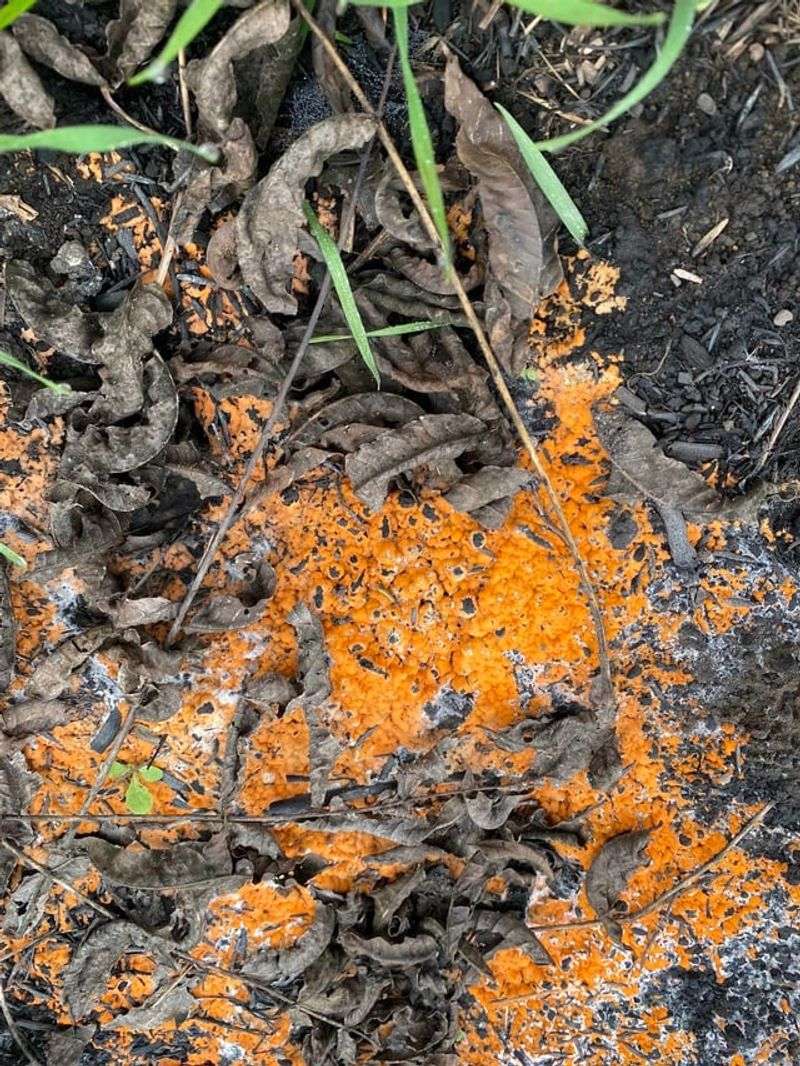
Timing matters when it comes to managing storm-related spore exposure. Knowing when conditions are worst helps you plan outdoor activities and protect your household more effectively.
April and May bring the first major storm clusters of the year. Warm air surging north from the Gulf collides with cooler systems still lingering from winter, generating powerful squall lines across the state.
June through August is when heat and humidity team up to keep mold counts consistently high between storms. Even on days without rain, spore levels stay elevated because the moisture never fully clears.
September often brings a second active storm period tied to late-season tropical systems moving inland. These slower-moving storms drop enormous amounts of rain, soaking soil and vegetation for extended periods.
Local air quality apps and the National Allergy Bureau both publish daily mold and pollen count data. Checking those numbers takes about 30 seconds and can shape your entire plan for the day.
Morning hours tend to carry the highest outdoor spore counts. Spores tend to release most actively in the early morning hours, so scheduling outdoor exercise for the afternoon can help reduce your exposure.
Storm season in Alabama stretches across several months of the year for most residents. Building simple habits around these peak windows keeps you one step ahead of the invisible passenger those storms keep delivering to your door.