Pumpkin Florals Are Popping Up On Alabama Porches, And Here’s How To Make Them
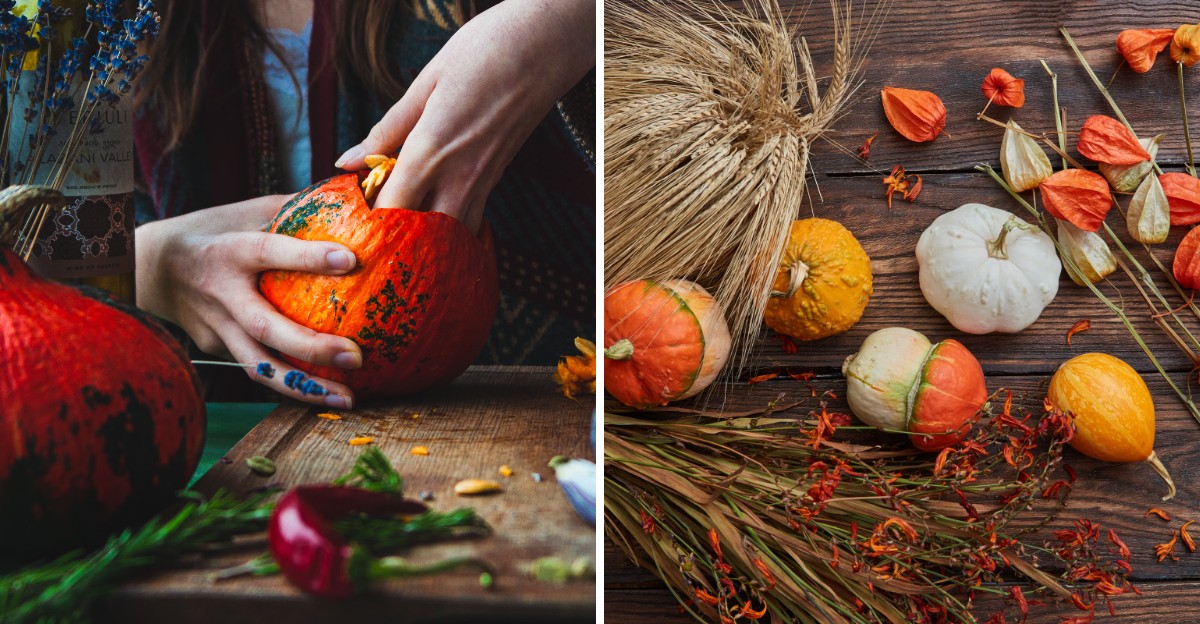
Your neighbors hid a secret inside hollowed pumpkins, and you just drove past it. Across Alabama, you will spot orange planters spilling roses, sunflowers, and trailing ivy.
Meanwhile, your porch holds a lone mum in serious need of backup. You can fix that today. Carve a lid, scoop out the seeds, and slip a nursery pot inside. That pot shields the flesh from moisture, so your display holds up longer.
Alabama’s October lets you enjoy color later into the season than cooler regions allow. Costs stay low when you cut fresh blooms from your own yard.
Pick a pumpkin with a flat bottom so your arrangement stays steady on the steps. Set that potted mum inside the pumpkin, and you reuse a plant you already own. Squirrels will test your design, so try the cayenne trick that often deters them.
1. Choose A Sturdy Pumpkin Base
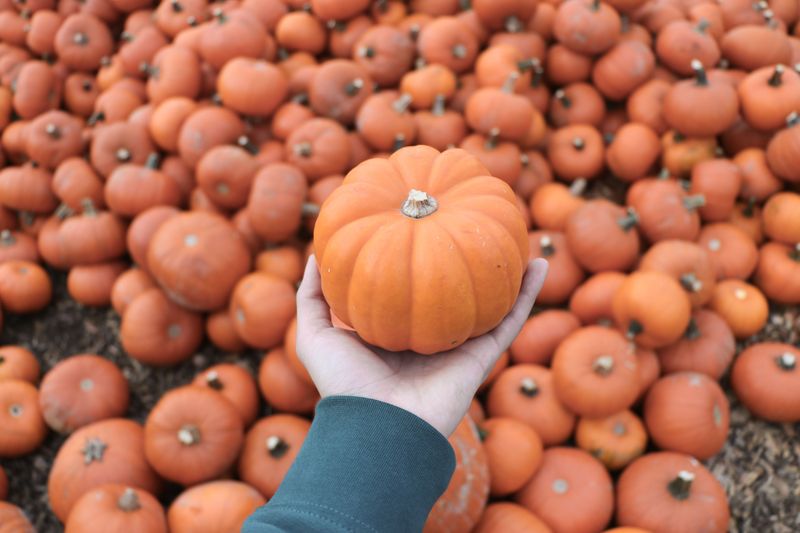
Picture a pumpkin patch outside Cullman on a Saturday morning, kids sprinting and parents squinting. Somewhere in that chaos sits a sturdy vase, and it happens to be orange.
Look for a pumpkin with a flat bottom so it sits steady on your steps. A wobbly base can tip a pretty arrangement over on a windy afternoon.
Size matters here more than you might expect. Medium pumpkins, about the size of a basketball, give flowers enough room without needing a bucket of blooms.
Press gently on the skin with your thumb before buying. Soft spots or bruises mean the pumpkin will start to rot faster in our warm October weather.
Check the stem too, since a firm, intact stem usually signals a healthy pumpkin. A cracked, loose, or mushy stem often means trouble.
Color is your playground, so think beyond basic orange. White Lumina, blue-gray Jarrahdale, and deeply ribbed Cinderella pumpkins all make striking bases for flowers.
Faux pumpkins from craft stores are worth considering if you want a keepsake. They last for years, and you can swap the flowers each season without any mess.
Farm stands across Alabama often sell pumpkins for less than large retailers do, though prices vary. Plus, chatting with the farmer might earn you tips on which varieties hold up best.
Buy one extra pumpkin if your budget allows it. Practice runs help, and a spare can sit beside your finished piece as a cozy accent.
2. Gather Your Floral Supplies First
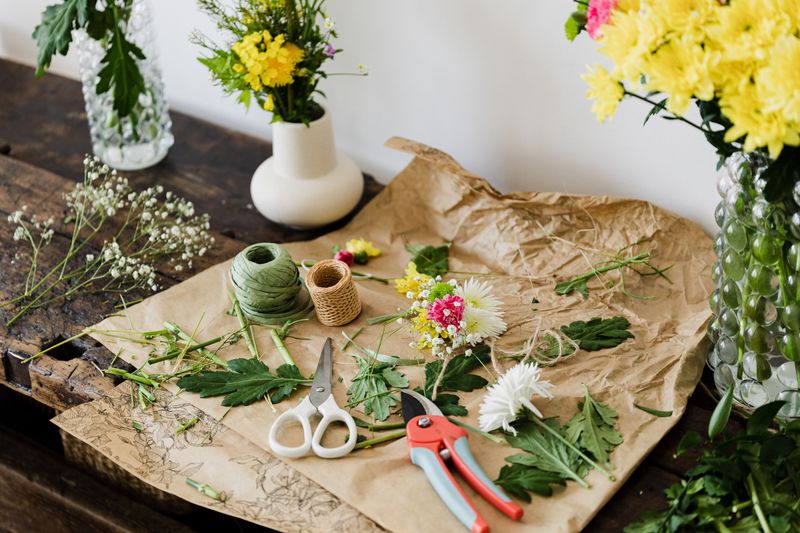
Realizing your floral foam is still at the store can slow any craft project. Gathering supplies first saves extra trips.
Start with a sturdy carving kit or a serrated kitchen knife. A large metal spoon or ice cream scoop works wonders for scraping out the stringy insides.
Floral foam is a common tool for pumpkin arrangements, though chicken wire or a water-filled jar works as a reusable alternative. Soak foam in water until it sinks on its own, which takes about a minute.
You will also need a plastic container that fits inside your pumpkin. A deli tub or cut-down water bottle keeps moisture away from the pumpkin walls.
Your Alabama Garden Changes Every Week. Your Plan Should Too.
Gardening in Alabama changes quickly throughout the season. Every Friday you’ll receive a simple weekly plan showing exactly what to plant, prune, fertilize, harvest, and protect so you never miss the right timing.
Grab sharp floral snips or garden pruners for clean stem cuts. Dull scissors crush stems, which makes it harder for flowers to drink water properly.
Wooden skewers and floral picks are handy for propping up heavier blooms. They also help attach small gourds, berries, or pinecones to your design.
Lay down old newspaper or a trash bag before you begin working. Pumpkin pulp is slippery and sticky, and it clings to porch boards.
Keep a spray bottle of water nearby to mist flowers as you go. Fresh blooms wilt quickly in Alabama sunshine, even during cooler fall days.
Gloves are a smart addition, especially if kids are helping out. Pumpkin pulp can irritate sensitive hands.
Finally, set everything on a sturdy table in a shady spot. A comfortable workspace makes the whole project feel relaxing rather than rushed.
3. Hollow Out The Pumpkin With Care
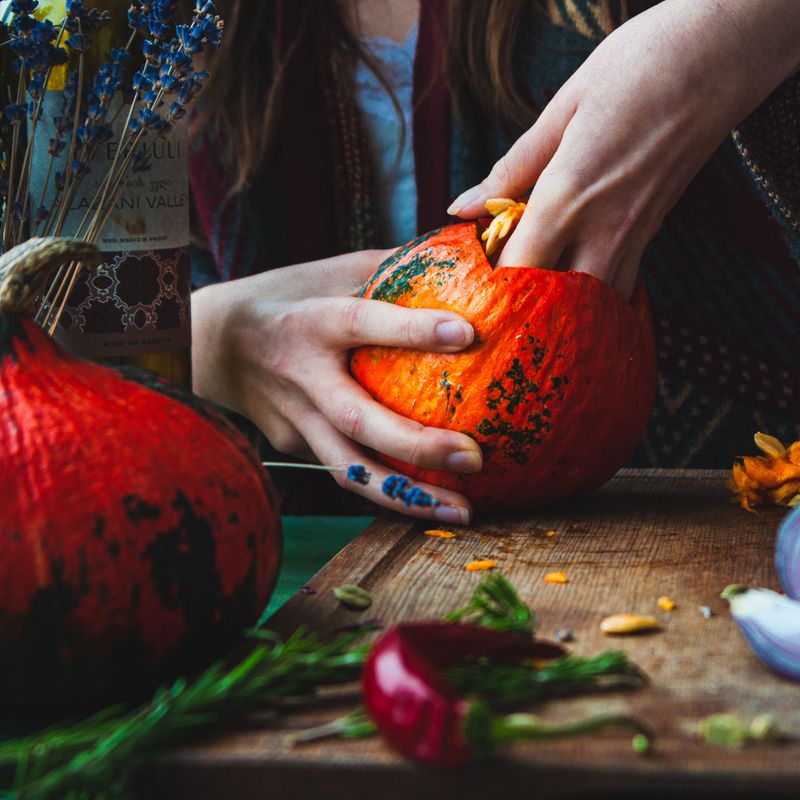
Some folks treat pumpkin carving as a careful craft, and for good reason. A careful hand now means your flowers will have a happy home for a week or two.
Cut a wide circle around the stem, angling your knife inward as you go. Make the opening wide enough for your container to slip inside, with its rim resting on the edge.
Scoop out the seeds and stringy pulp until the inside walls feel smooth. Scrape a little extra from the bottom so your container sits nice and level.
Save those seeds for roasting with a pinch of salt and butter. Your family will thank you, and the snack disappears faster than you can say crunchy.
Wipe the inside with a paper towel to remove extra moisture. A damp pumpkin interior invites mold, especially on warm afternoons.
Some crafters spray the inside with diluted bleach water, about one tablespoon per quart. Wear gloves, ventilate the area, and let the pumpkin dry fully. The simple step slows mold and bacteria.
Let the pumpkin air dry for about an hour before adding anything. Patience feels hard here, but rushing leads to soggy foam and slipping stems.
Prefer to skip the knife altogether? Simply set a shallow bowl on top of an uncarved pumpkin and hot glue moss around the edges.
Uncarved pumpkins can last much longer, often a month or more in cool, dry conditions. That makes them a clever choice if you plan to keep decorations up well into November.
Using a potted mum? Skip the foam, set the nursery pot inside the pumpkin, and tuck moss around the rim.
4. Choose Flowers That Love Alabama Fall
My grandmother swore that zinnias could handle an Alabama October. She was mostly right, and her porch proved it each fall.
Our state’s fall weather swings from chilly mornings to warm, sticky afternoons. Picking flowers that handle that roller coaster keeps your arrangement looking lively longer.
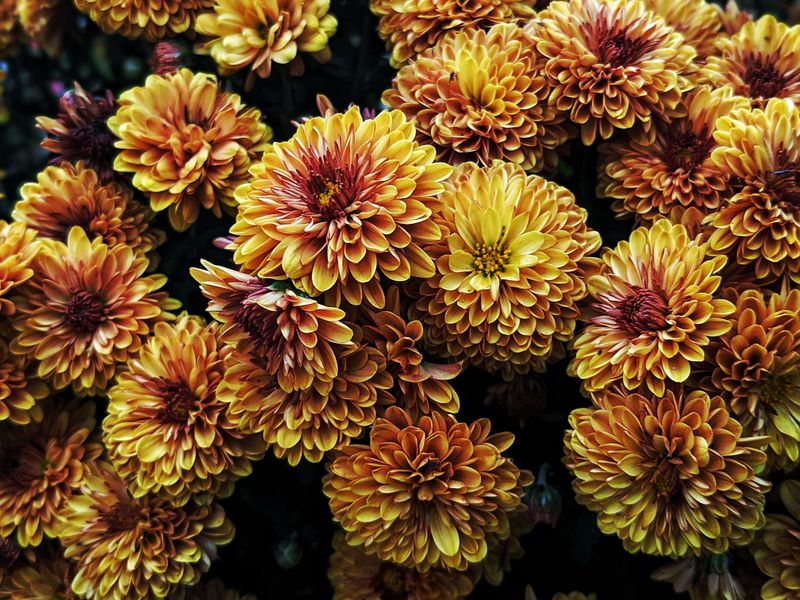
Mums are the classic choice, and for good reason. Their tight blooms last a long time and come in rusty reds, golds, and soft creams.
Sunflowers bring instant cheer and look right at home against orange pumpkin skin. Smaller varieties like Teddy Bear fit better than giant dinner plate types.
Zinnias keep blooming in many Alabama gardens well into October. Snip a handful from your yard, and you have free flowers bursting with color.
Roses in deep burgundy or peach add a touch of elegance. Grocery store bunches work fine and stretch surprisingly far when mixed with other blooms.
Celosia, sometimes called cockscomb, has velvety textures that look almost like coral. Kids love touching it, and it holds its shape for days without drooping.
Goldenrod grows wild along Alabama roadsides and pastures this time of year. Ask permission before picking, and shake it well to send hitchhiking bugs packing.
Try to choose flowers in warm shades that echo autumn leaves. Oranges, mustard yellows, and plum purples pair beautifully with nearly any pumpkin color.
Avoid delicate blooms like hydrangeas unless your porch stays shaded. They wilt fast in direct sun and can look tired by the second day.
5. Build The Arrangement From Big To Small
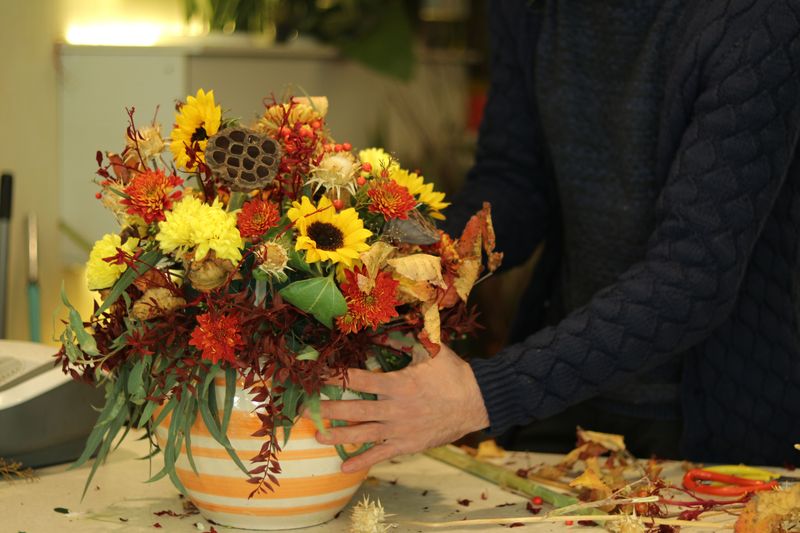
A common florist guideline is to start big and finish small. Following it turns a random pile of flowers into something that looks store bought.
Place your largest bloom slightly off center to create a natural focal point. A big sunflower or a cluster of mums works beautifully in that spot.
Next, add medium flowers in a loose triangle around your focal bloom. Triangles guide the eye around the arrangement and make it feel balanced.
Cut stems at a sharp angle before pushing them into the foam. Angled cuts slide in easier and soak up more water than flat ones.
Vary the heights as you work instead of keeping everything level. Taller stems in back and shorter ones in front give your design depth.
Let some flowers spill over the pumpkin’s edge for a relaxed look. Tight, rigid arrangements can feel stiff, while trailing pieces seem more welcoming.
Turn the pumpkin often while you build so every side looks finished. Porch displays get viewed from the street, the walkway, and the front door.
Odd numbers tend to look more pleasing than even ones. Groups of three or five blooms feel natural, almost like they grew there on purpose.
Step back every few minutes and look at your work from across the room. Gaps and lopsided spots become obvious from a distance.
Fill any holes with smaller blooms rather than cramming in big ones. Crowding causes stems to snap and makes the whole piece look messy.
6. Add Southern Textures And Fillers
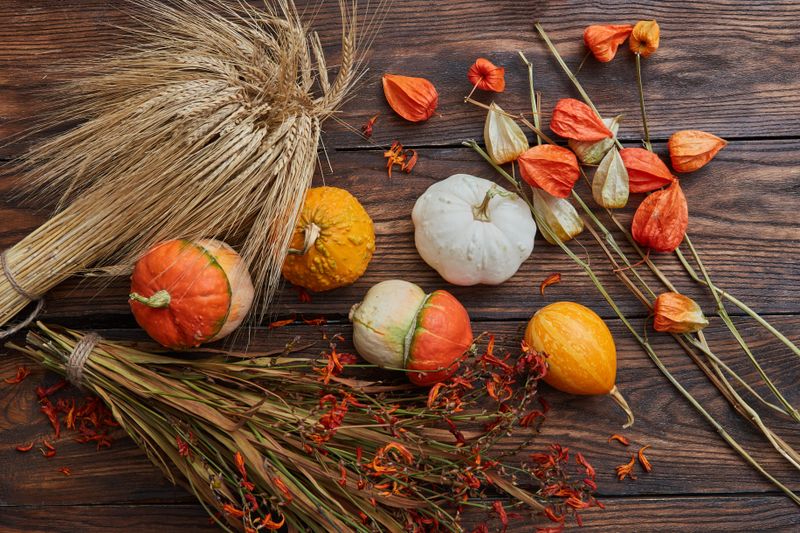
Flowers alone are lovely, but fillers are where the real personality sneaks in. Think of them as the finishing touches on a well-set table.
Cotton stems are a regional favorite and look stunning tucked between blooms. Our state grows plenty of cotton, so local craft shops often stock dried stems in fall.
Magnolia leaves bring glossy green on one side and fuzzy brown on the other. Flip a few to show off both colors for a rich, layered effect.
Wheat stalks and dried grasses add movement that catches every passing breeze. They also give the arrangement a harvest feel without costing much money.
Tiny gourds and mini pumpkins can perch on skewers like little party guests. Kids get a kick out of choosing the bumpiest, strangest ones available.
Store-bought orange berry sprigs add pops of color around the edges. Skip Oriental bittersweet, which is invasive across much of the eastern U.S., and keep all berries away from curious pets.
Pinecones gathered from your yard cost nothing and look charming nestled near the base. Brush off loose dirt first, then attach them with floral wire or glue.
Eucalyptus smells fresh and holds up well for nearly two weeks. Its silvery color softens bright oranges and gives the design a calming balance.
Mums and eucalyptus can upset pets if chewed, so keep the display out of their reach. Try not to overload the arrangement with every filler you own. Two or three textures usually look polished, while seven can feel like a yard sale.
Ribbon in burlap or plaid makes a sweet finishing touch. Tie a loose bow around the stem area, and let the tails flutter freely.
7. Keep The Display Fresh Longer
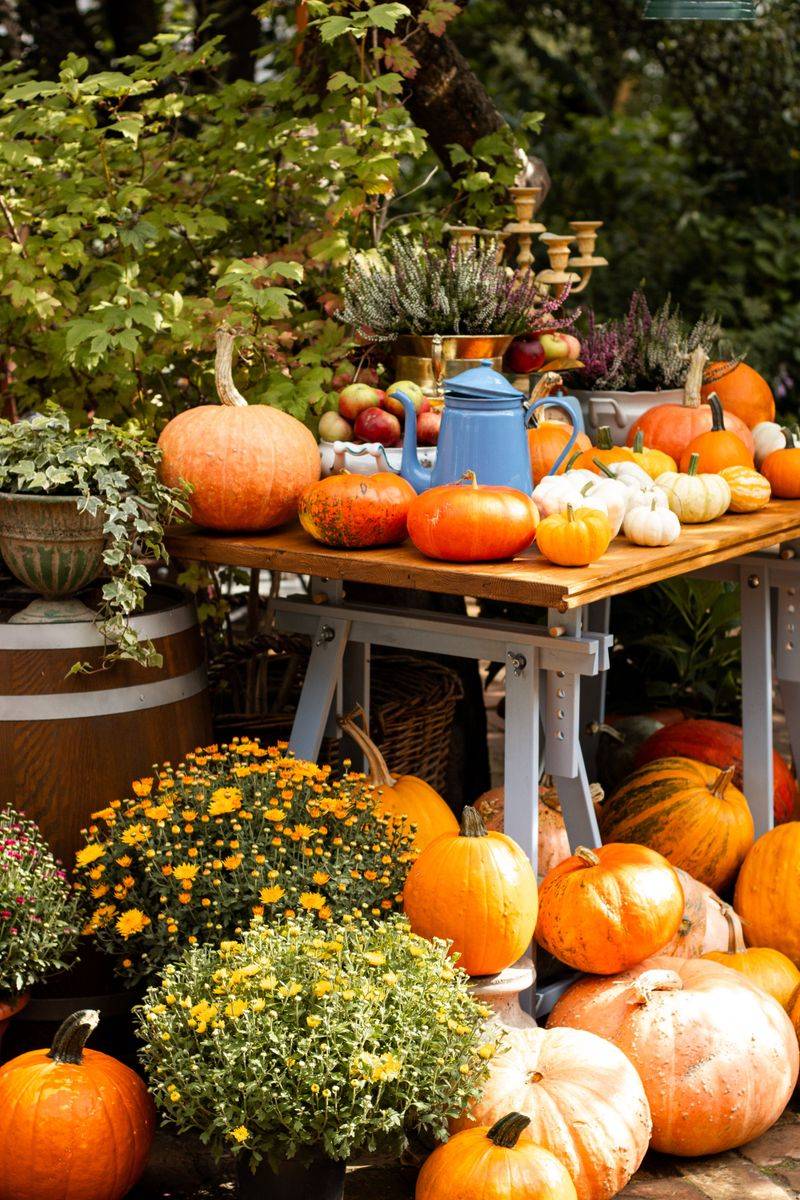
Alabama sunshine stays strong in October, and your pumpkin will feel it. A few smart habits can help your display last a week or two.
Check the foam every morning by pressing a finger into it. If it feels dry, slowly pour water in until it looks dark and soaked.
Mist the flowers lightly with cool water during warm afternoons. A quick spritz keeps petals perky and helps them handle the dry breeze.
Move the arrangement into shade whenever possible, especially from noon to late afternoon. Direct heat speeds up rot inside the pumpkin and fades flower colors.
Rub petroleum jelly along the cut edges of a carved pumpkin. The simple trick seals in moisture and slows shriveling around the opening.
Squirrels in Alabama often nibble porch pumpkins. A light dusting of cayenne pepper on the outside can send them looking elsewhere, but rain washes it off, so reapply it.
Swap out wilted blooms as soon as you spot them. Pulling one tired flower keeps the rest looking fresh and slows decay.
Bring the pumpkin inside on cold nights if a hard freeze shows up in the forecast. North Alabama sometimes sees frost by late October, and a hard freeze can damage the pumpkin.
Trim stems a little every few days to help flowers keep drinking. Fresh cuts open up the stems like clearing a clogged straw.
Expect a carved display to last about a week, sometimes two. Uncarved pumpkins with a bowl on top can often last well into November in cool weather.
8. Style The Porch Around Your Creation
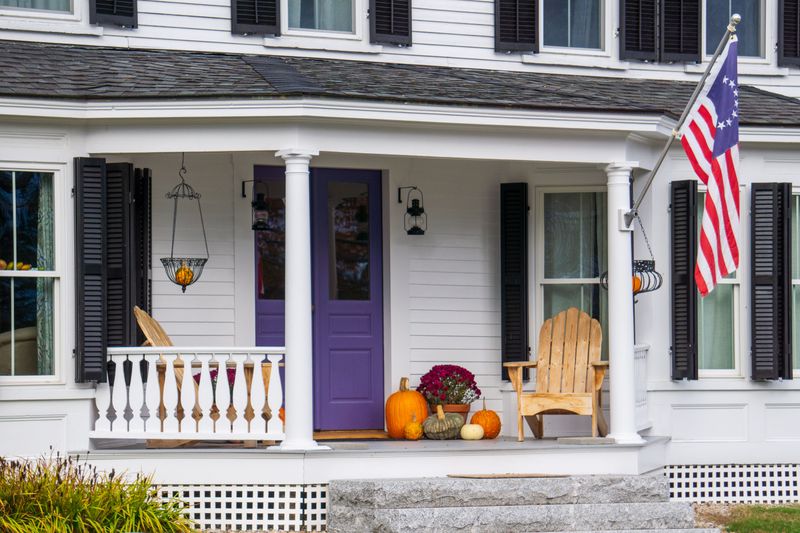
Walk past porches in Mountain Brook or Fairhope this month, and you may spot pumpkin planters on the steps. Many polished porches treat their pumpkin florals as the star of a bigger show.
Place your arrangement at eye level when you can, like on a small table or bench. Steps work too, but raising it a bit makes guests notice it first.
Group pumpkins in different sizes around the base for a layered look. Mixing tall, short, round, and squat shapes keeps the display interesting and lively.
Hay bales add a farmhouse touch that fits right in across rural Alabama. Even one small bale gives your flowers a cozy stage to sit on.
Lanterns with battery candles make the whole scene glow after sunset. They are safer than real flames, especially near dry leaves and hay.
Consider a matching wreath on the front door using similar flowers and colors. Repeating shades ties everything together and looks thoughtfully planned.
A cozy plaid throw draped over a rocking chair invites people to linger. Porches in the South invite sitting, so make yours feel friendly.
Do not forget your doormat, since it frames the entrance like a picture. A simple fall pattern pulls the look together without stealing attention.
Snap a photo once everything is set, then share it with neighbors or friends. Who knows, your porch might inspire the whole street to join the fun.