The Pennsylvania Perennial That Blooms Hardest When The Nights Turn Cool
Most Pennsylvania garden perennials are winding down by the time the nights begin to cool in September. They’ve had their moment through summer, they’re setting seed, and the energy that went into blooming all season is visibly running low.
Most gardeners accept this shift as simply the way a garden moves toward fall. But one Pennsylvania perennial reads that cooling temperature as a starting gun.
While everything else in the garden is transitioning out, this plant responds to cooler nights with a surge of flowering energy that produces some of its best blooms of the entire year.
The lower temperatures that slow and stop most perennials seem to activate something in this one, triggering a late season display that carries real color and pollinator activity well into October.
It’s not a plant most Pennsylvania gardeners have specifically chosen for this quality, because it’s not widely known for it. Which means most people who grow it are discovering the fall performance as a bonus rather than the reason they planted it.
Here’s the Pennsylvania perennial that blooms hardest when the nights turn cool and why it deserves a front row spot in every fall garden.
Aromatic Aster Peaks In Early Fall
Right when most garden flowers start wrapping up for the season, aromatic aster decides it is finally its time to shine.
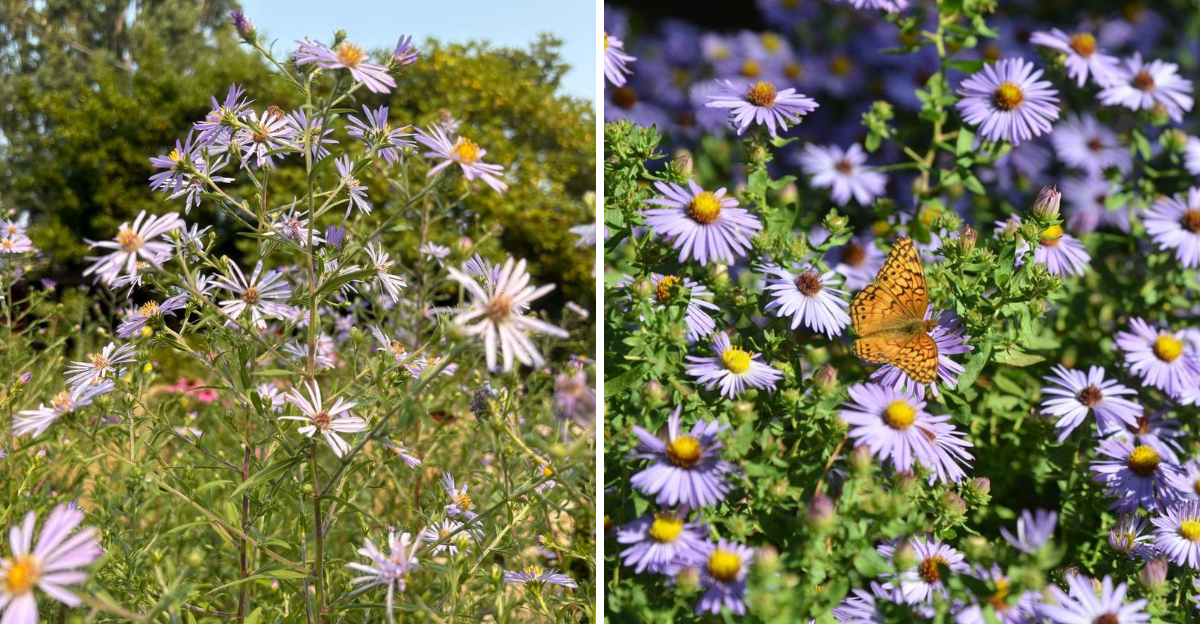
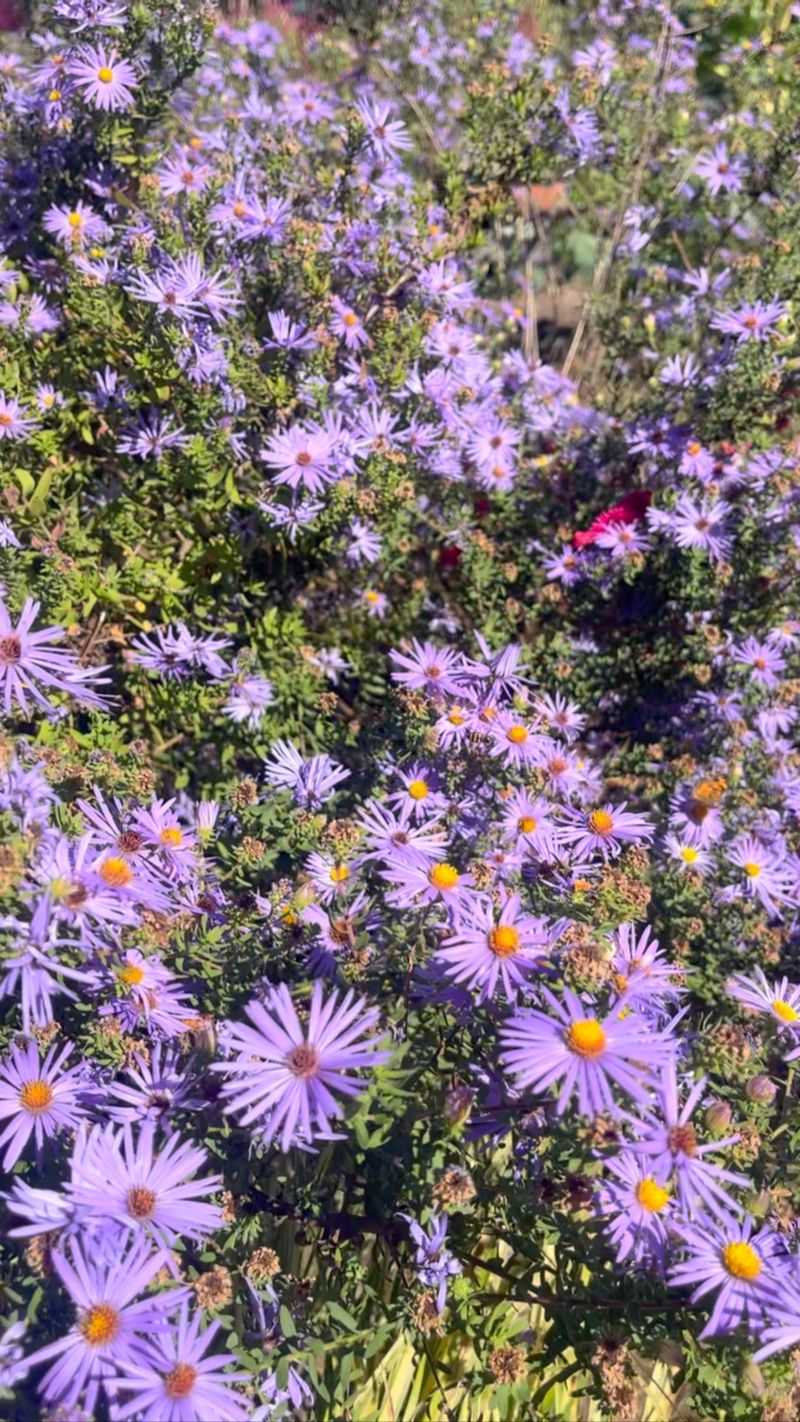
September and October are when this plant truly puts on its best show, covering itself in dozens of small, bright lavender-purple flowers that look like tiny daisies.
The timing feels almost magical, because just as summer color begins fading from the landscape, aromatic aster steps in to fill that gap beautifully.
Each flower has a cheerful yellow center that slowly deepens to a rusty orange as the season moves along. That color shift adds even more visual interest over the weeks the plant stays in bloom.
A single well-established plant can produce so many flowers that the foliage underneath becomes nearly invisible beneath all that color.
What makes early fall blooming so valuable in a Pennsylvania garden is that color becomes genuinely hard to find after August.
Most gardeners are left looking at fading greens and spent flower heads by mid-September. Aromatic aster changes that story completely.
Planting it alongside ornamental grasses or late-season sedums creates a layered fall display that looks intentional and polished. The contrast of soft purple flowers against golden grass plumes is especially striking.
Many gardeners say the plant looks even better in fall than anything they grew all summer long.
Fun fact: aromatic aster gets its name from the pleasant, slightly spicy scent its leaves release when you brush against them.
So not only does it brighten the fall garden visually, it also adds a subtle fragrance that makes working outside in cooler weather even more enjoyable.
Cooler Weather Matches Its Natural Bloom Season
There is something almost perfectly timed about the way aromatic aster responds to fall conditions.
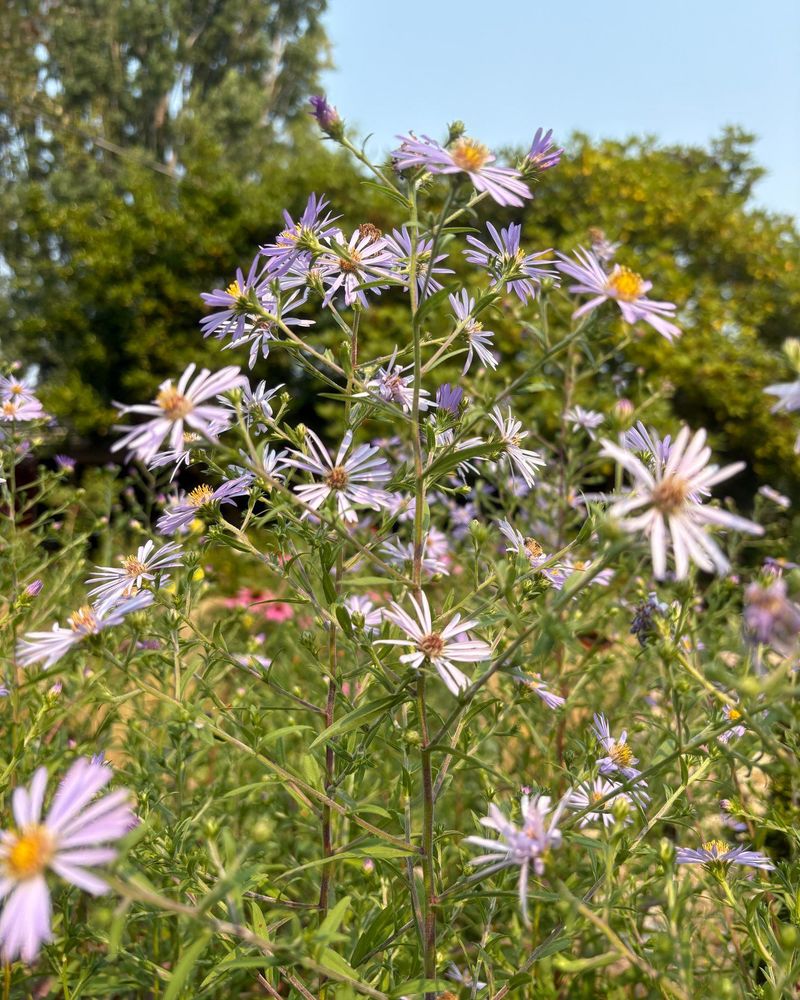
As the days grow shorter and nights dip into the 50s and even the 40s, this plant reads those environmental signals and responds by pushing out wave after wave of fresh blooms.
Your Pennsylvania Garden Changes Every Week. Your Plan Should Too.
Gardening in Pennsylvania changes quickly throughout the season. Every Friday you’ll receive a simple weekly plan showing exactly what to plant, prune, fertilize, harvest, and protect so you never miss the right timing.
Shorter days actually trigger its flowering, making cooler weather its best friend rather than something to survive.
Pennsylvania falls can be unpredictable, with warm spells mixed in between genuinely chilly nights. Aromatic aster handles that variation without complaint.
It stays in bloom through temperature swings that would cause many other flowers to drop their petals early or simply stop producing new buds altogether.
The plant looks its absolute best when nights are consistently cool. Gardeners who pay close attention often notice that the flower color appears richer and more saturated after a stretch of cold nights.
The lavender-purple tones seem to deepen in cool conditions, making the plant look even more vibrant than it did at the start of the bloom season.
Planting aromatic aster where it gets good air circulation helps it stay healthy through fall moisture and morning dew. Good airflow reduces the chance of fungal issues that can sometimes develop during damp fall weather in Pennsylvania.
Another helpful tip is to avoid fertilizing late in the season. Extra nutrients pushed in late summer can encourage leafy growth rather than flower production, which works against what makes this plant so rewarding.
Let the natural shortening of days and the cooling nights do the work, and aromatic aster will reward you with a bloom season that stretches well into October.
It Handles Dry, Sunny Pennsylvania Gardens
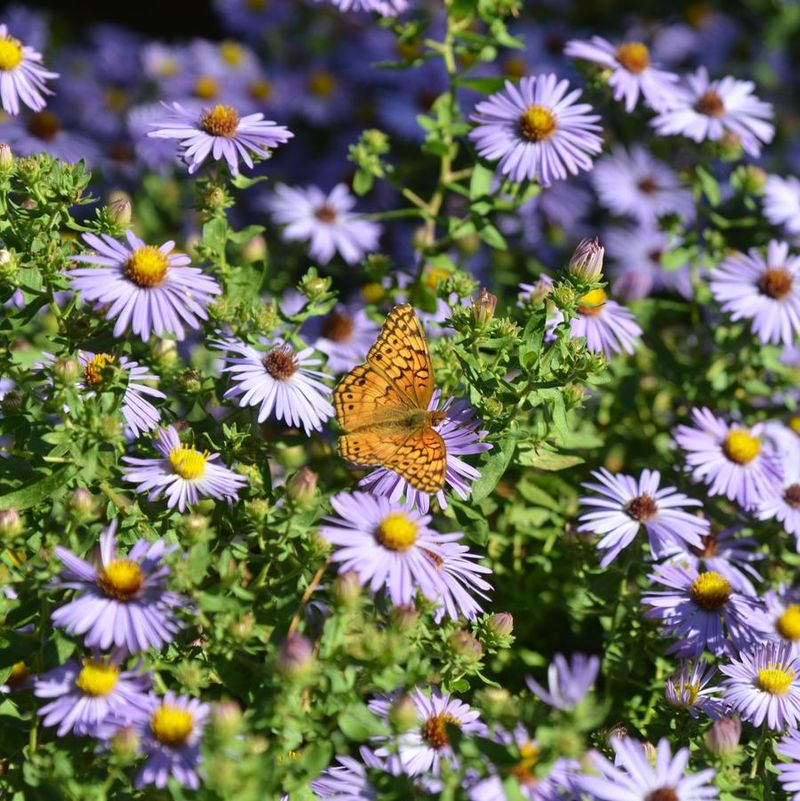
One of the most practical things about aromatic aster is how little water it needs once it settles into your garden. After its first season of establishment, this plant is genuinely drought-tolerant.
That makes it a great choice for Pennsylvania gardeners who deal with dry spells in late summer and fall, especially in areas with sandy or gravelly soil that drains quickly after rain.
Full sun is where aromatic aster truly thrives. Give it at least six hours of direct sunlight each day, and it will reward you with a compact, densely flowered plant that holds its shape well.
Plants grown in shadier spots tend to stretch out and flop over, producing fewer flowers and a less attractive form overall.
Lean soil actually suits this plant better than rich, heavily amended garden beds. Adding too much compost or organic matter can cause it to grow tall and floppy rather than staying in that tidy, mounded shape that makes it so useful in borders and slopes.
Think of it as a plant that prefers to work a little harder rather than being pampered. Well-drained soil is equally important. Aromatic aster does not like sitting in wet or waterlogged conditions, especially during winter.
Good drainage keeps the root system healthy through Pennsylvania’s cold months and sets the plant up for strong regrowth the following spring.
For gardeners who are tired of babying plants through summer dry spells, aromatic aster offers real relief. Once established, it handles heat and drought with quiet confidence, saving you both time and water without sacrificing any of that spectacular fall color.
Pollinators Use The Late Blooms
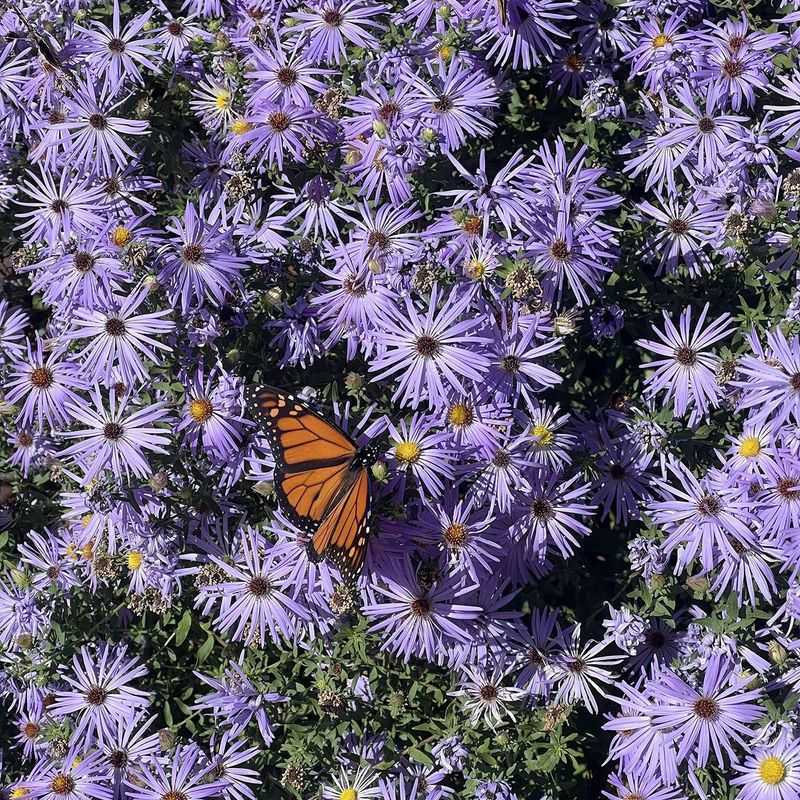
Walk past a blooming aromatic aster on a warm October afternoon and you will hear it before you see the visitors. The soft buzzing of bees moving from flower to flower is a sure sign that something important is happening.
Late-season blooms like these are genuinely valuable to pollinators because most other nectar sources have already finished for the year.
Bumblebees are especially common visitors, and they are often still actively foraging well into October in Pennsylvania. They need late nectar sources to help build up their colonies before cold weather truly sets in.
Aromatic aster provides exactly that, offering accessible flowers that bees can work efficiently even on cooler fall days when their energy reserves matter most.
Butterflies also show up in good numbers. Monarchs passing through Pennsylvania on their southern migration often stop to fuel up on aromatic aster nectar.
Painted ladies, skippers, and sulphurs are other frequent visitors that make the plant feel alive and connected to something larger than just your backyard.
Beyond nectar, the flowers also attract small native bees that are easy to overlook but critically important for local ecosystems.
Some of these bees are specialist species that depend on aster family plants for pollen, making aromatic aster not just a garden plant but a real ecological resource.
Planting a generous patch rather than a single plant multiplies the benefit considerably. A grouping of three or more plants creates a reliable late-season feeding station that pollinators can find and return to consistently.
For anyone interested in supporting local wildlife, few plants deliver as much value in October as aromatic aster does.
Its Compact Habit Fits Smaller Beds
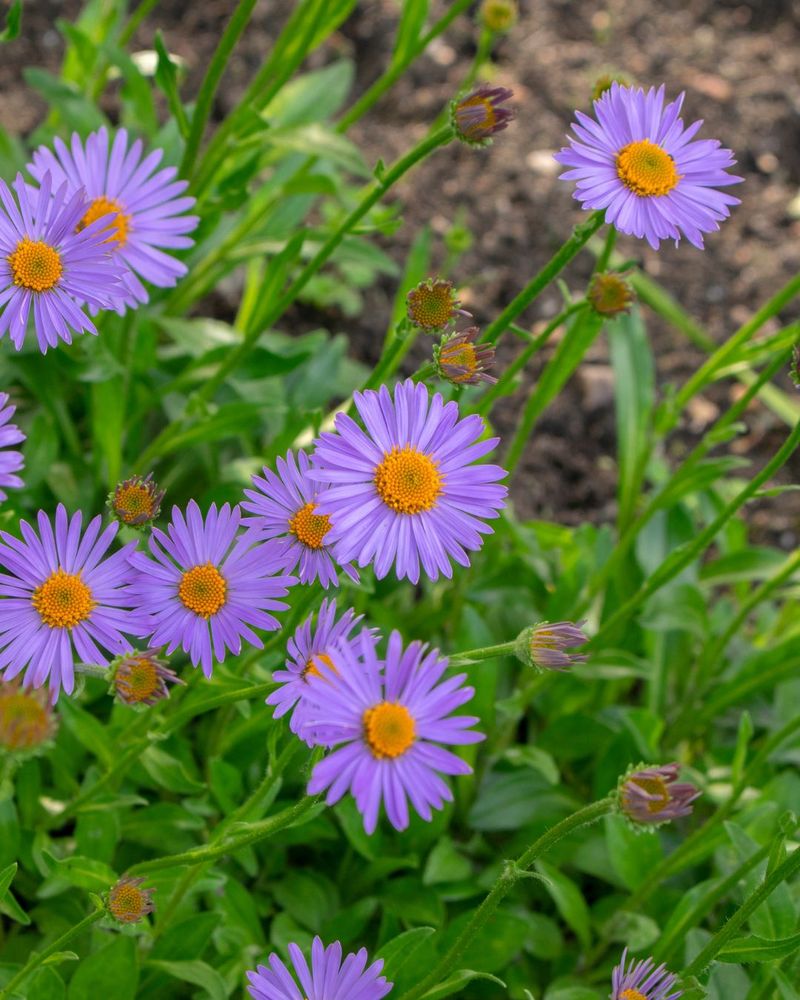
Not every gardener has acres of space to work with, and that is exactly where aromatic aster earns extra points.
Unlike some of the taller aster species that can reach four or even five feet and need staking to stay upright, aromatic aster typically stays between one and two feet tall.
It spreads into a rounded, bushy mound that holds its shape naturally without any help from stakes or cages.
That tidy, low-growing habit makes it incredibly versatile. Along the front edge of a mixed border, it creates a neat, colorful finish that ties the whole bed together in fall.
On slopes where erosion can be a concern, the spreading root system helps hold soil in place while the plant looks attractive above ground. Pollinator garden designs often use it as a reliable anchor plant that blooms reliably every year.
Pairing it with ornamental grasses, coneflowers, or black-eyed Susans creates a layered, naturalistic look that feels intentional rather than accidental.
The purple flowers complement warm yellows and oranges beautifully, making it easy to build a cohesive fall color palette even in a small space.
Spacing plants about 18 to 24 inches apart gives each one enough room to fill out into that characteristic mounded form.
Over time, established clumps may spread gradually through self-seeding, which can actually help fill in gaps in a naturalistic garden design without any extra effort from you.
For container gardening, aromatic aster can also work well in large pots placed on patios or near entryways, bringing fall color right up close where you can enjoy it every day during its peak bloom period.
Leave Some Stems Standing After Bloom
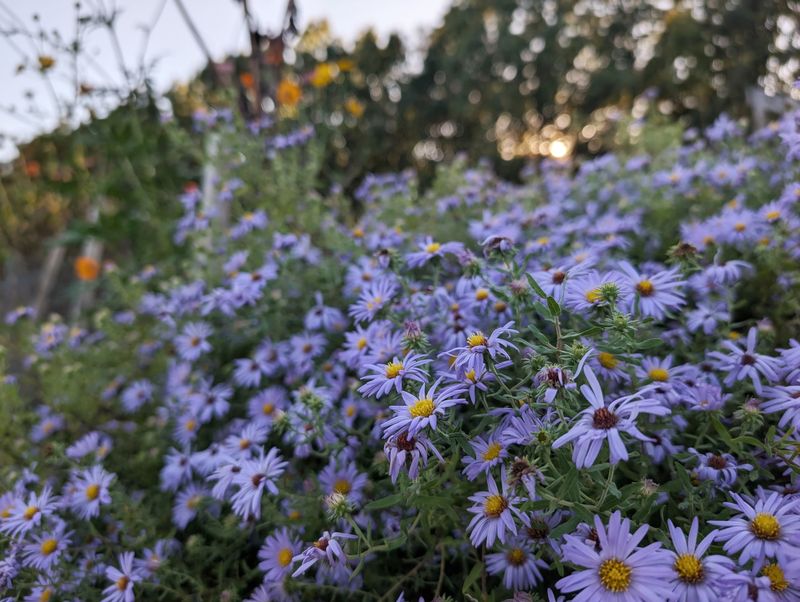
Once the flowers fade and the first hard frosts arrive, many gardeners reach for their pruners out of habit. With aromatic aster, it is worth resisting that urge.
Leaving the stems and seedheads standing through winter adds quiet structure and texture to a garden that might otherwise look bare and forgotten during the coldest months.
The dried seedheads are genuinely useful for wildlife. Goldfinches and other small seed-eating birds pick through them regularly during winter when food sources are scarce.
Watching a bright yellow goldfinch working through a frost-covered aromatic aster clump on a January morning is one of those small garden rewards that makes leaving things standing feel completely worthwhile.
Standing stems also provide shelter for beneficial insects. Many native bees and other helpful insects spend winter tucked inside hollow or pithy plant stems.
Cutting everything down in fall removes that habitat at the exact moment it is most needed. Waiting until late March or early April to cut back allows overwintering insects to emerge naturally when warmer temperatures return.
From a garden design perspective, standing perennial stems catch frost beautifully. A cluster of aromatic aster stems dusted with morning frost creates a delicate, almost sculptural effect that changes the way the winter garden looks and feels.
Pairing it with grasses that also hold their form through winter builds a layered, interesting winter landscape.
When you do cut back in early spring, leave the stems a few inches above ground rather than cutting flush to the soil.
New growth will emerge from the base, and those short stem stubs provide just a bit more insulation and structure as the plant begins waking up for another growing season.