Finish This Arizona Garden Task List Before Fall Planting Begins
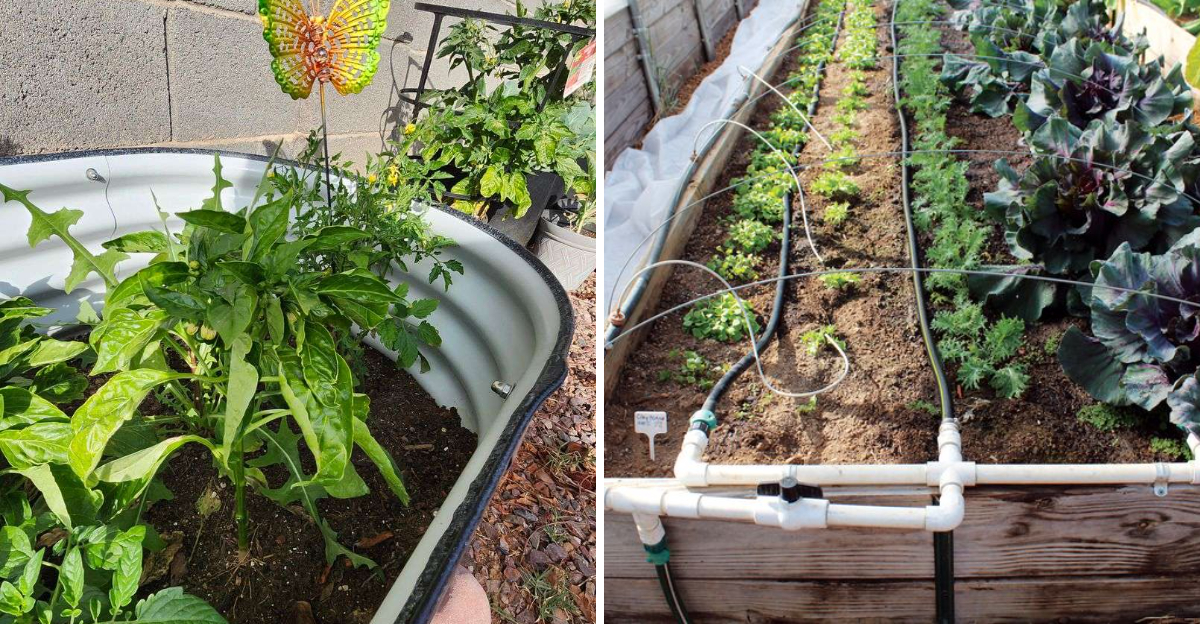
Fall planting season can arrive quickly, and your garden will be easier to manage if the important preparation happens first. September is the perfect time to get several lingering jobs handled.
Arizona gardens have been through months of intense heat, leaving some areas ready for attention before new plants arrive. Check your growing spaces carefully instead of rushing straight into planting.
Focus on getting the garden ready for healthier roots and easier maintenance once temperatures begin dropping. Good preparation now can save plenty of frustration later.
Do not wait until new plants are sitting beside empty beds to notice problems. Getting ahead gives you time to correct anything that summer exposed.
Your fall garden deserves a clean, prepared starting point.
Finish the right tasks first, and planting season can begin with fewer problems waiting underground.
1. Clear Out Plants That Are Finished For The Season
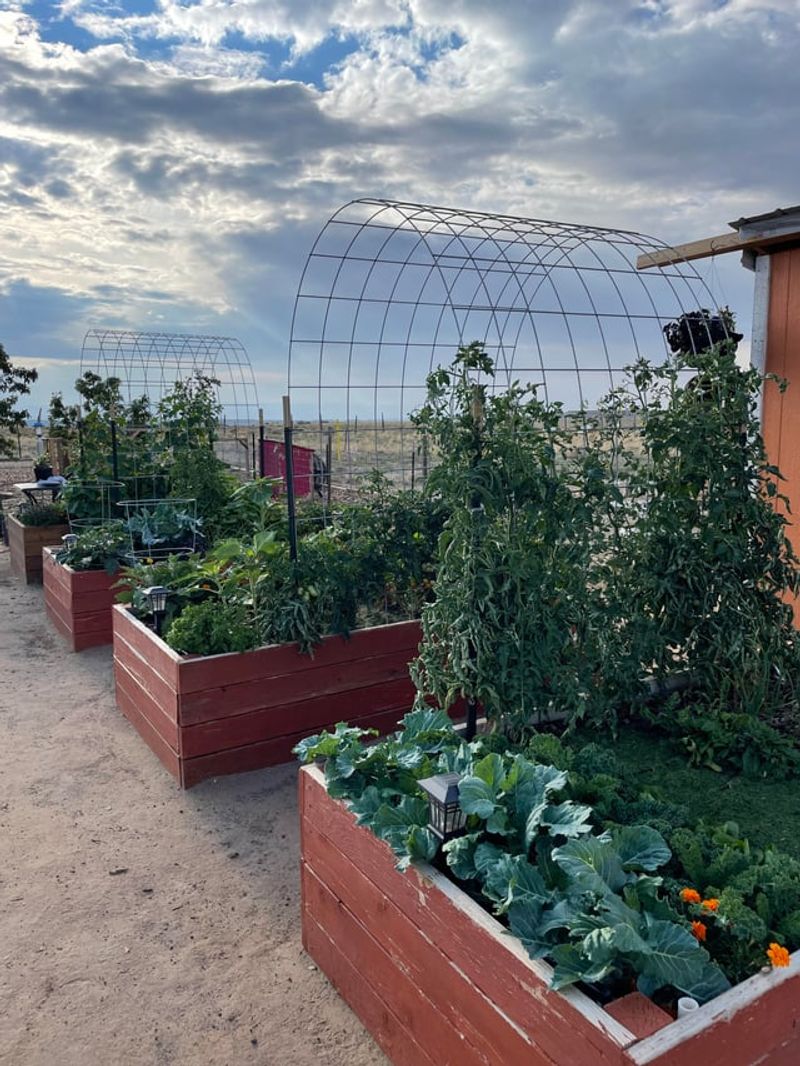
Spent summer plants are taking up space you need. Old tomato vines, overgrown squash, and wilted peppers sitting in your beds are not doing anything useful at this point.
Pulling them out now frees up the soil and gives you a clean slate for fall crops.
Leaving old plant material in the ground can invite pests and fungal issues that may carry into your next growing season. Some summer crops harbor insects that will gladly move onto your new transplants.
Removing them early reduces that risk significantly.
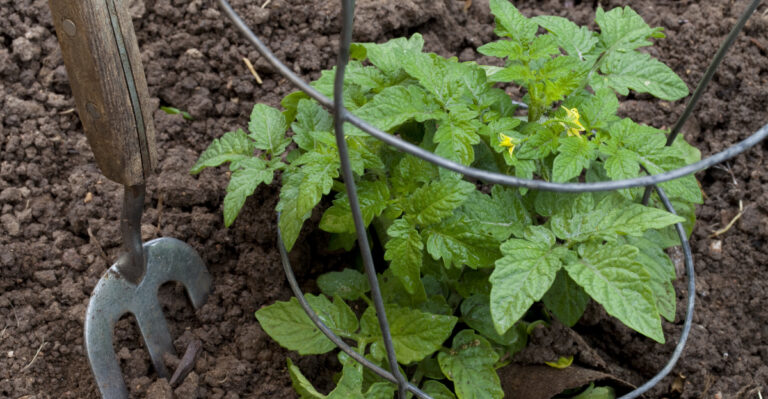
Work through the bed section by section. Cut large stems close to the soil, then loosen the roots with a garden fork.
Shake off as much soil as possible before tossing the plants into your compost pile or yard waste bin.
Healthy plant material without signs of disease can usually go into compost. Anything that looks diseased or heavily pest-damaged should go into the trash instead.
You want your compost to be an asset, not a source of future problems.
Once the beds are cleared, rake them smooth and take a good look at what you have to work with. Bare soil is much easier to amend and prepare than beds still tangled with old roots and stems.
Clearing the bed now also makes it easier to spot weeds, compacted areas, and other problems that need attention before fall planting begins.
2. Pull Weeds Before They Drop More Seeds
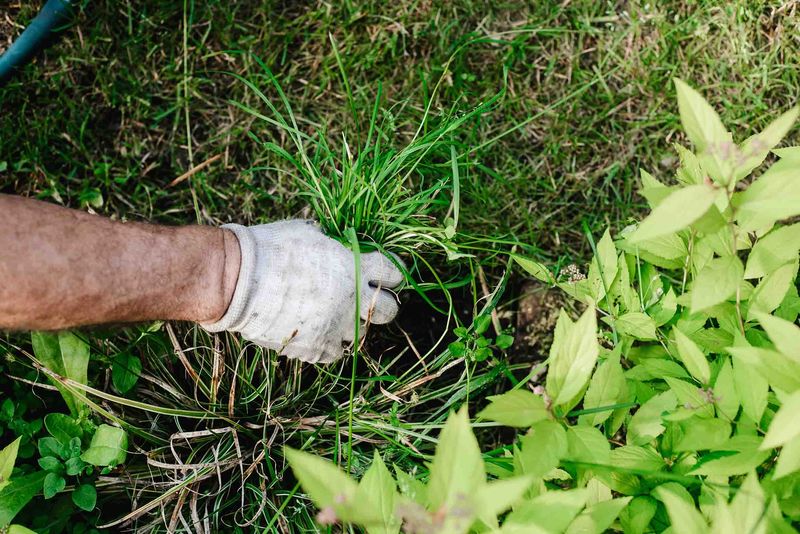
Weeds left standing right now are a ticking clock. Many summer weeds are either already seeding or about to, and every day you wait is another chance for hundreds of seeds to hit your soil.
Pulling them before that happens saves you a lot of work later.
Desert weeds are scrappy. Spurge, puncturevine, and pigweed can spread aggressively under the right conditions.
Once seeds are in the soil, you will be dealing with them for seasons to come. Getting ahead of it now is worth the effort.
Try to pull weeds after a watering or light rain when the soil is a bit softer. Dry, hardened desert soil makes it tough to get the full root out.
Your Arizona Garden Changes Every Week. Your Plan Should Too.
Gardening in Arizona changes quickly throughout the season. Every Friday you’ll receive a simple weekly plan showing exactly what to plant, prune, fertilize, harvest, and protect so you never miss the right timing.
A dandelion digger or narrow hoe works well for stubborn taproots.
Work through the entire bed, including the edges along pathways and borders. Weeds along the perimeter are easy to overlook but will reseed right back into your garden.
Do not skip those spots.
After pulling, lay the weeds on a dry surface in the sun for a day or two before composting. Drying them out first helps prevent any seeds from sprouting in your compost pile.
A little extra caution here goes a long way.
Bag weeds that already have mature seed heads instead of adding them to a home compost pile.
This keeps viable seeds from surviving and finding their way back into your garden beds.
3. Work Aged Compost Into Your Garden Beds
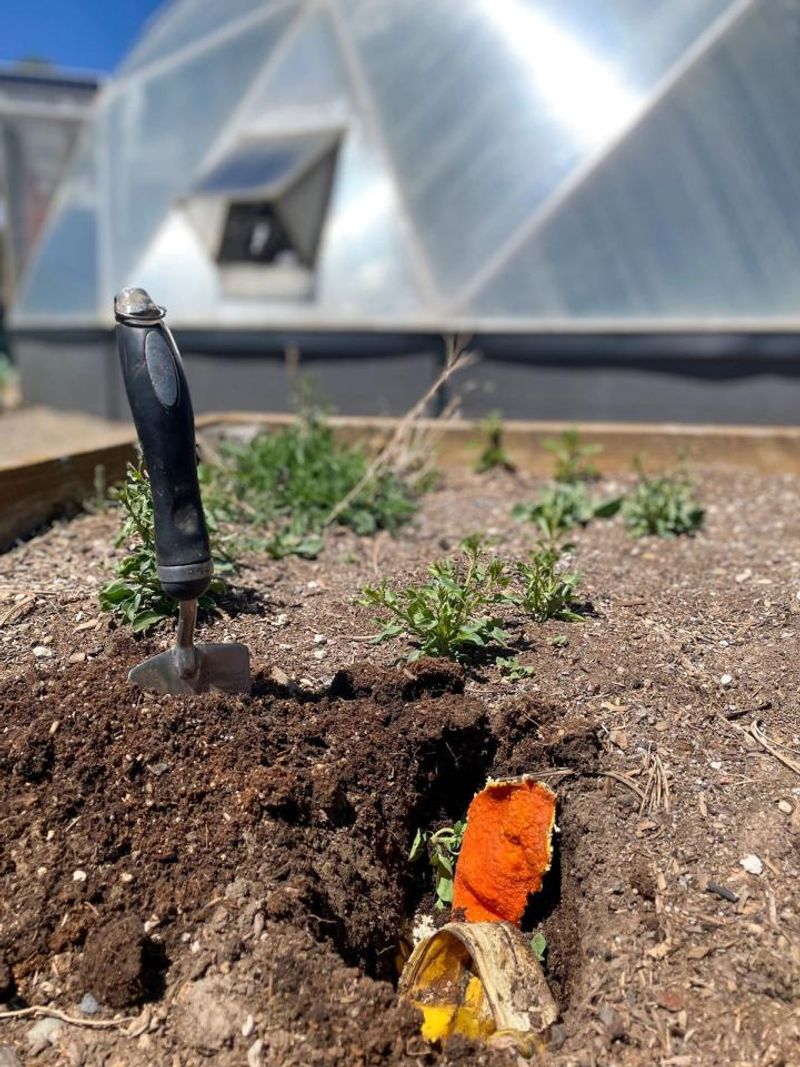
Summer heat in the desert burns through organic matter fast. By the time fall rolls around, your soil likely has far less organic content than it did in spring.
Adding aged compost now helps rebuild what the season took away.
Aged compost improves soil texture, drainage, and the overall nutrient profile. Sandy desert soils especially benefit from regular compost additions because they tend to drain water too quickly and hold very few nutrients on their own.
Spread two to three inches of aged compost across the surface of each bed. Use a garden fork or spade to work it into the top six to eight inches of soil.
Try not to go much deeper than that, since most vegetable roots stay in the upper layer anyway.
Bagged compost from a local nursery or garden center works well if you do not have a homemade supply ready. Look for compost that is fully broken down with a dark color and earthy smell.
Partially composted material can tie up nitrogen in the soil and may slow plant growth.
Mixing in compost before planting rather than after gives it time to settle and begin working into the soil structure. Your fall seedlings and transplants will have a much richer environment to root into from the start.
Water the bed lightly after mixing in the compost so the amended soil can settle before planting.
4. Loosen The Soil Before Fall Planting Begins
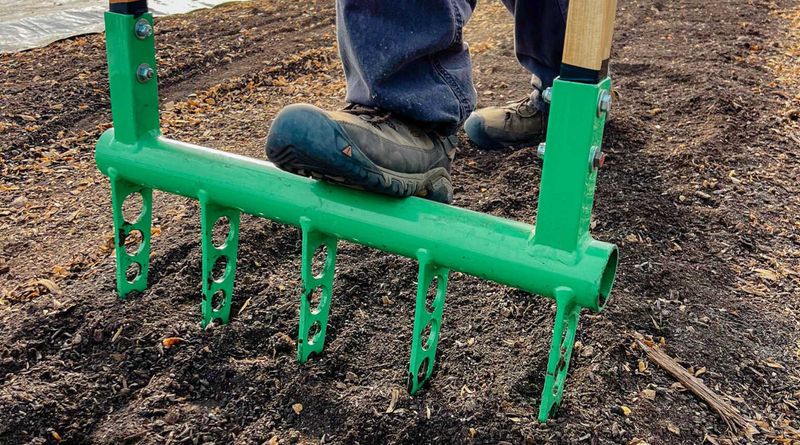
Compacted soil is one of the biggest obstacles for fall crops. After a long summer of heat, irrigation, and monsoon downpours, desert garden soil can pack down hard.
Roots struggle to push through dense, compacted ground, which limits plant growth from the start.
A broad fork or a standard garden fork works well for loosening soil without fully turning it over. Push the tines straight down, rock the handle back slightly, and move forward a few inches before repeating.
Work through the whole bed systematically.
Avoid tilling when the soil is bone dry. Slightly moist soil breaks apart more easily and is less likely to clump into hard chunks.
If needed, run your drip system for a short cycle the day before you plan to work the beds.
Deep loosening helps water penetrate more evenly, which matters a lot in Arizona where surface crusting is common. When water soaks in uniformly, roots follow it deeper and plants anchor more securely.
After loosening, rake the surface smooth before adding compost or other amendments. A level, crumb-textured surface gives seeds good contact with the soil and makes transplanting easier.
Skipping this step often leads to uneven germination and patchy growth across the bed.
Check for any remaining hard spots as you rake, especially in areas that received frequent foot traffic or irrigation.
5. Fix Drip Lines Before Fall Crops Need Water
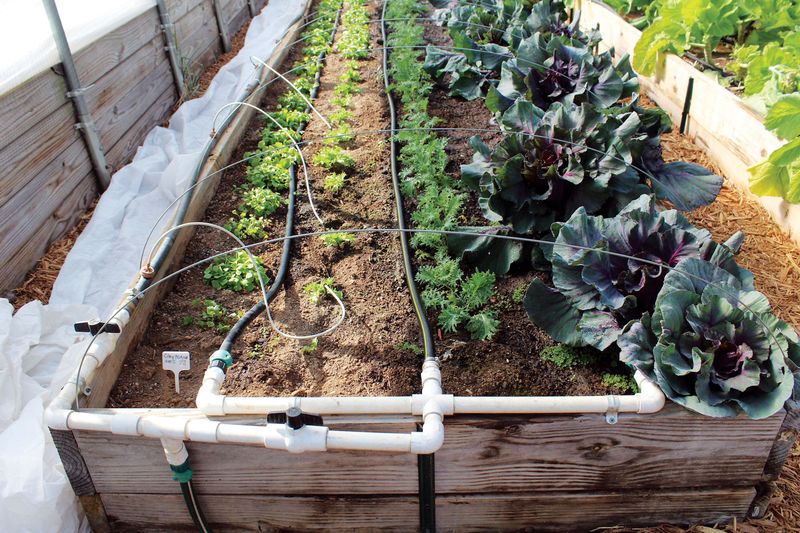
A drip system that worked fine in spring may have taken a beating by now. Monsoon storms can shift lines, clog emitters, and crack fittings.
High summer heat also degrades plastic tubing over time, causing small leaks that are easy to miss.
Walk every inch of your drip lines before fall planting starts. Check each emitter by running the system and watching for uneven flow, dry spots, or pooling water where it should not be.
Clogged emitters are common after a summer of heavy mineral-rich water use.
Replace cracked or clogged emitters right away. They are inexpensive and quick to swap out.
Carry a few spares with you during your inspection so you can fix issues on the spot without making multiple trips.
Check the main line for kinks, splits, or sections that have shifted out of position. Secure any loose tubing with garden staples to keep lines running where you want them.
A line that wanders between plants often leaves some spots over-watered and others dry.
Once repairs are done, run the system for a full cycle and walk the beds again. Look for any spots that seem drier or wetter than expected.
Catching irrigation problems before your fall crops go in saves you from troubleshooting mid-season when it is much harder to fix without disturbing plants.
6. Clean Up Damage Left Behind By Monsoon Storms
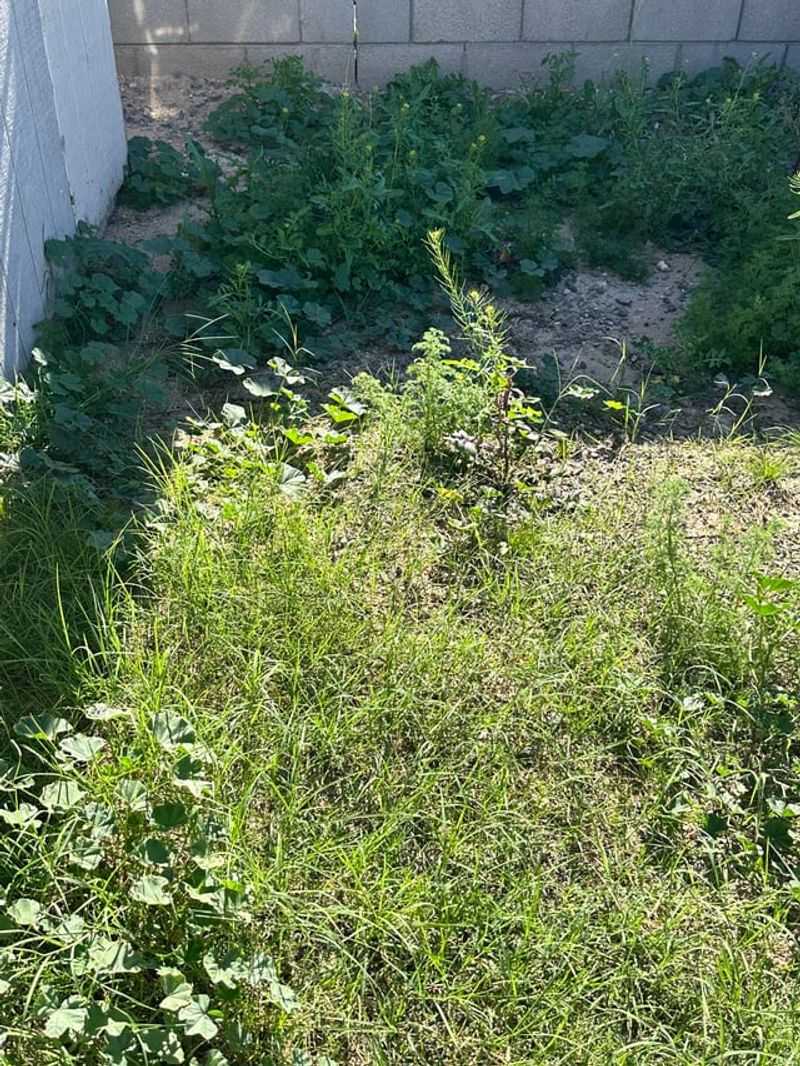
Monsoon season in Arizona can leave a garden looking rough. Heavy downpours, strong winds, and hail all take a toll on beds, borders, trellises, and pathways.
Doing a thorough post-monsoon cleanup before fall planting makes everything easier to manage.
Start by checking raised bed walls and borders for any shifting or cracking. Wood can warp and swell with repeated soaking.
Cinder block or stone borders may have shifted if water ran hard through the yard. Make repairs now before you plant anything new into those beds.
Look at your trellises and plant supports next. Bent or broken supports should be replaced or reinforced before you rely on them for fall crops like peas, beans, or tomatoes.
A trellis that cannot hold weight will cause problems later.
Erosion is another common monsoon issue. Pathways between beds can wash out, and soil from raised beds can spill into walkways.
Rake displaced soil back into beds and re-level any pathways so water drains properly during future rains.
Check your mulch layer as well. Heavy rain often compacts or displaces mulch, leaving bare soil exposed.
Bare soil dries out faster and is more vulnerable to crusting. Replenishing mulch after cleanup helps protect soil moisture heading into the fall growing season.
Clear any storm debris that could block irrigation lines or interfere with drainage around the beds. Taking care of these small repairs now gives your fall garden a cleaner, more stable start.
7. Plan Where Your Cool-Season Crops Will Grow
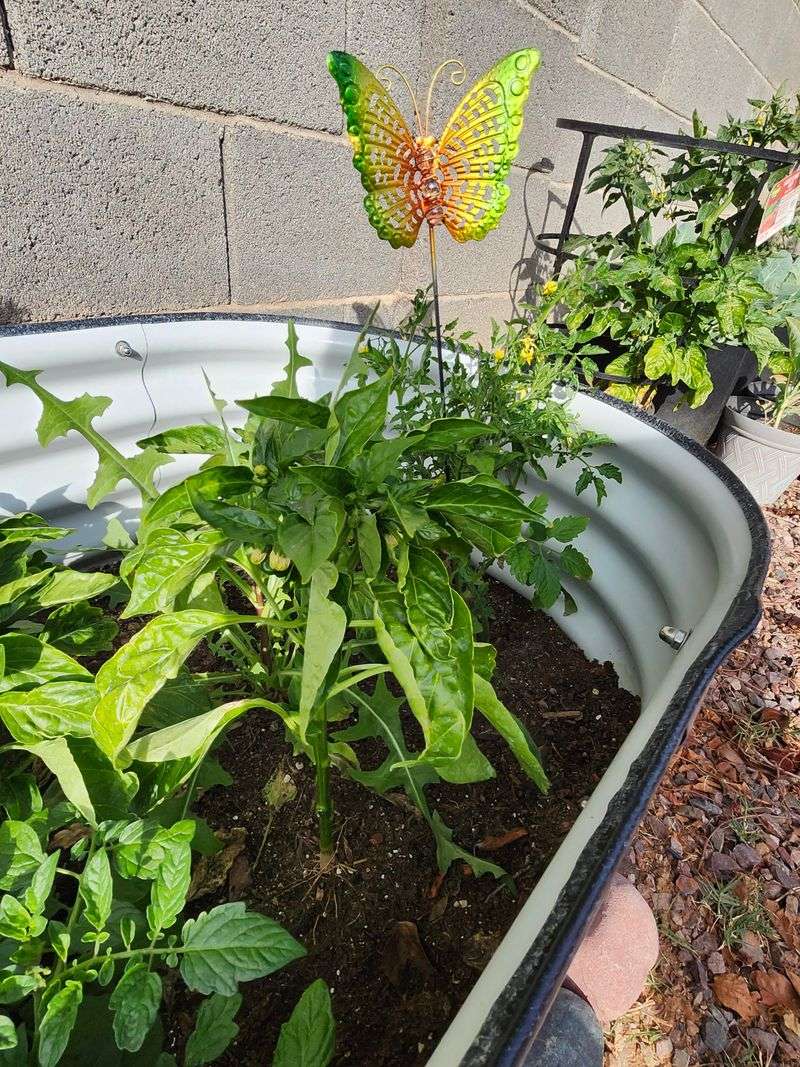
Planting without a plan usually leads to crowded beds, poor spacing, and crops that shade each other out. Taking time to map out your fall garden before seeds go in the ground makes a real difference in how well things grow.
Think about sun exposure first. Most cool-season crops need at least six hours of direct sunlight.
Shorter winter days mean the sun angle shifts, so spots that got full sun in summer may be partially shaded by fall. Observe your yard at different times of day before committing.
Consider crop size and growth habits. Tall plants like broccoli and kale can shade shorter crops like lettuce and spinach.
Placing taller plants on the north side of beds lets shorter ones get more light throughout the day.
Rotate your crops from where they grew last season when possible. Planting the same family of vegetables in the same spot season after season can allow soil-borne issues to build up over time.
Moving crops around helps break that cycle.
Write your plan down or sketch a simple diagram. Even a rough drawing keeps you organized when planting day comes.
Note the spacing requirements for each crop so you do not end up overcrowding beds and cutting off airflow. Good airflow between plants helps reduce fungal problems during cooler, more humid fall weather.
8. Get Your Beds Ready For Seeds And Transplants
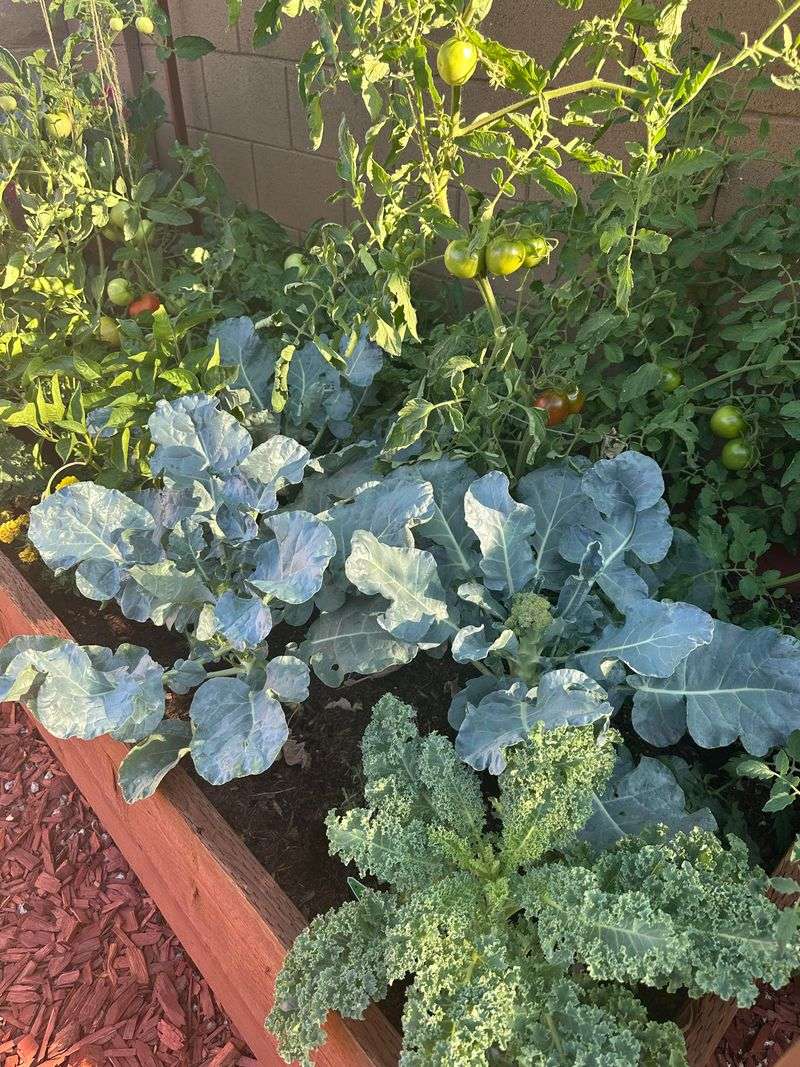
All the prep work you have done comes together in this final step. Cleared beds, loosened soil, added compost, and repaired irrigation all set the stage for what comes next.
Getting beds into planting condition is the last thing standing between you and fall crops in the ground.
Rake the surface one more time before planting. Remove any remaining clumps, pebbles, or debris.
A smooth, fine-textured surface helps seeds make good contact with the soil, which is critical for even germination.
Check soil moisture before seeding or transplanting. Soil that is too dry can stress young transplants right away.
Soil that is waterlogged can cause seeds to rot before they sprout. Aim for moist but not soggy conditions throughout the top few inches.
Mark out rows or planting zones with stakes and string if you want clean, organized beds. This helps with spacing and makes it easier to identify seedlings versus weeds once things start growing.
Labeled rows also help you track what is planted where.
Set up shade cloth if you are planting early in the season while temperatures are still warm. A light shade cloth can reduce heat stress on young transplants during the first week or two after planting.
Once cooler weather settles in, you can remove it and let plants get full sun for the rest of the season.