These Greens Can Still Be Direct-Sown In Georgia This September For Thanksgiving
September does not mean your vegetable garden has to slow down, especially when you still want something fresh for Thanksgiving. Several cool-season greens can go straight into the soil now.
Georgia gardeners have a useful planting window this month, but timing matters when you are growing toward a holiday harvest. Starting soon gives young plants more time to develop.
Skip the idea that every fall crop needs to begin indoors first. Some greens handle direct sowing well and make this process surprisingly simple.
Your location, planting date, and weather can still affect how quickly those seeds grow. Give them good conditions from the beginning.
Choosing the right greens is where the difference really shows.
Plant the right options this September, and your garden provides homegrown leaves for your Thanksgiving table.
1. Mustard Greens Thrive In Cooler Fall Weather
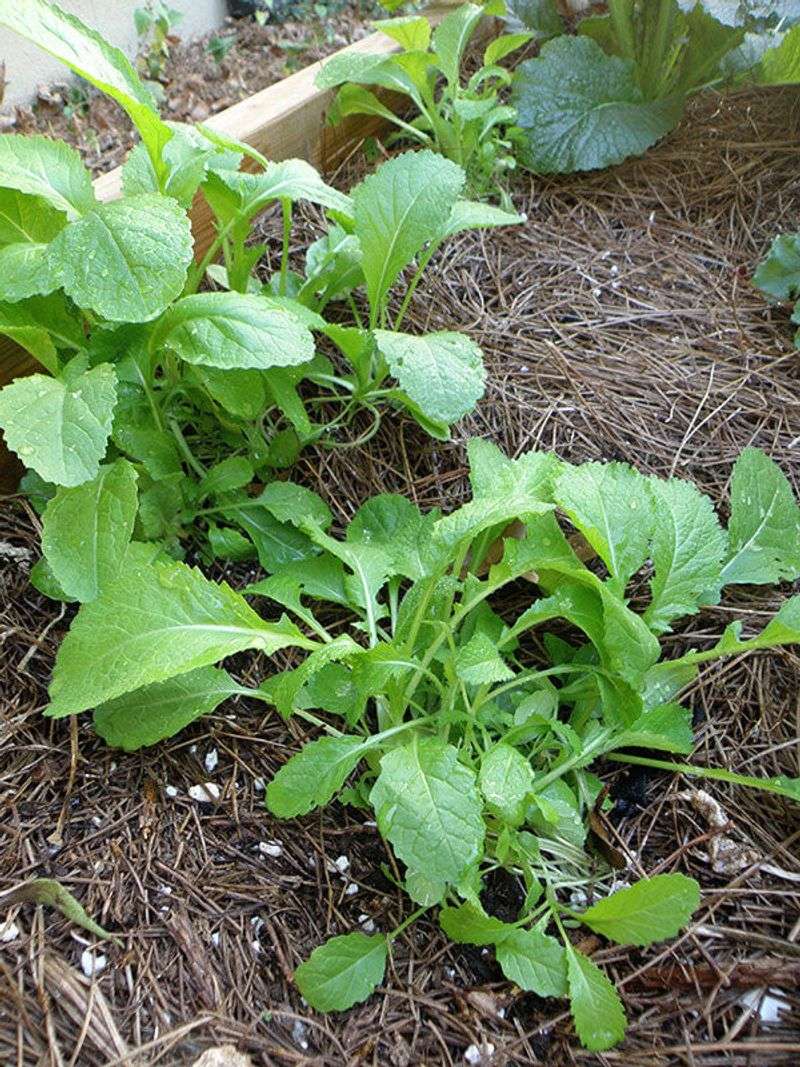
Mustard greens are one of the toughest fall crops you can grow in the South. Sow seeds directly into prepared soil in early September, about a quarter inch deep.
Thin seedlings to around six inches apart once they sprout.
Cool air genuinely improves the flavor of mustard greens. Hot weather makes them sharp and bitter, but fall temperatures mellow that bite into something more pleasant.
Leaves become tender and easier to enjoy raw or cooked.
Germination usually happens within five to seven days under warm September soil. Growth picks up speed as nights cool down through October.
You can expect your first harvest in about four to six weeks from sowing.
Cut outer leaves and let the center keep growing for a longer harvest window. Mustard greens hold up well through light frosts, which can actually sweeten the flavor a bit more.
A raised bed with good drainage gives them the best shot at a strong fall season.
Spacing matters more than most gardeners expect. Crowded plants compete for nutrients and airflow, which can lead to weak growth.
Give each plant enough room and they will reward you with full, leafy bunches right around Thanksgiving.
Keep the soil evenly moist as the plants grow, especially during dry stretches in early fall.
Regular harvesting also encourages the plants to keep producing fresh leaves as temperatures continue to cool.
2. Spinach Gives You Tender Leaves For Fall Harvests
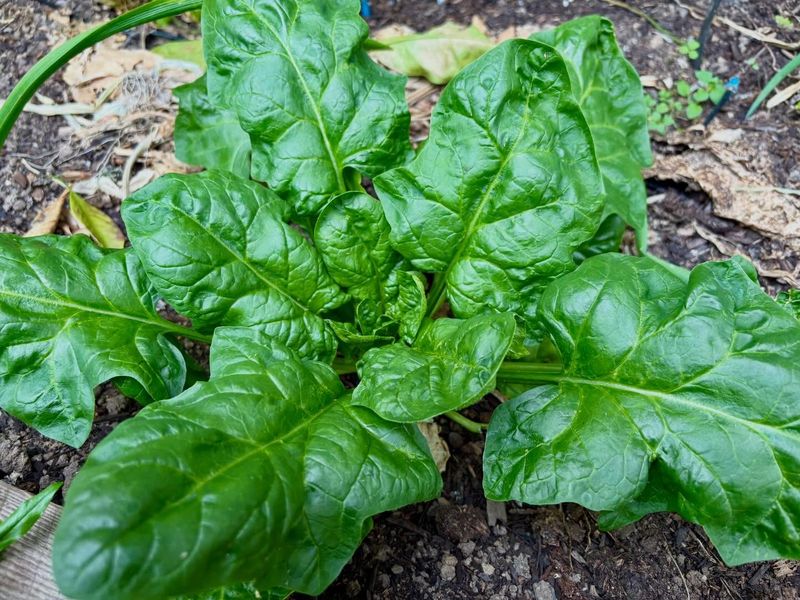
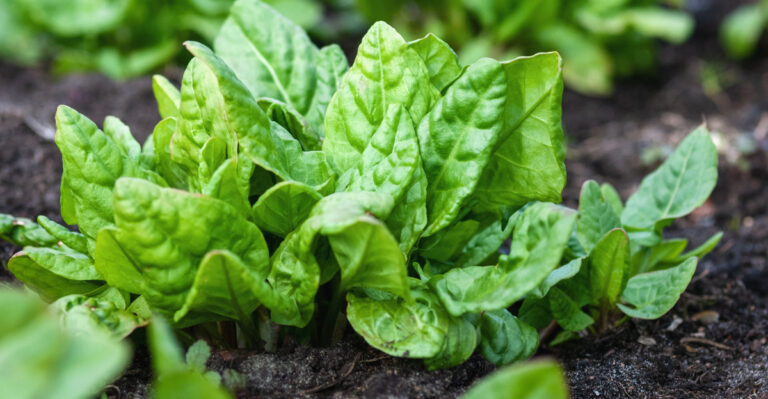
Spinach loves cool weather, and September planting sets it up perfectly for a pre-Thanksgiving harvest. Sow seeds about half an inch deep and keep the soil moist until germination kicks in.
Expect seedlings to appear within seven to fourteen days.
Warm September soil can slow germination slightly. Soaking seeds overnight before planting can help speed things up.
Keeping the soil consistently moist during that first week makes a noticeable difference.
Spinach grows best when daytime temperatures stay below 75 degrees. As October arrives and nights cool, growth picks up and leaves fill out nicely.
Harvest outer leaves regularly to keep new growth coming from the center.
Sandy or loamy soil with good drainage works best for spinach. Heavy clay soil can cause waterlogging, which stresses young plants.
Your Georgia Garden Changes Every Week. Your Plan Should Too.
Gardening in Georgia changes quickly throughout the season. Every Friday you’ll receive a simple weekly plan showing exactly what to plant, prune, fertilize, harvest, and protect so you never miss the right timing.
Mixing in a bit of compost before planting improves both drainage and nutrient availability.
Baby spinach leaves are ready in as little as three weeks. Full-sized leaves take closer to six weeks, putting a mature harvest right around mid-to-late November.
Fresh spinach from your own garden is a satisfying addition to any fall meal, whether raw in a salad or wilted into a warm dish.
Cooler weather can also improve spinach flavor, giving the leaves a sweeter, milder taste. Keep harvesting the largest outer leaves first so younger growth has room to continue developing.
3. Leaf Lettuce Goes Straight Into The Garden
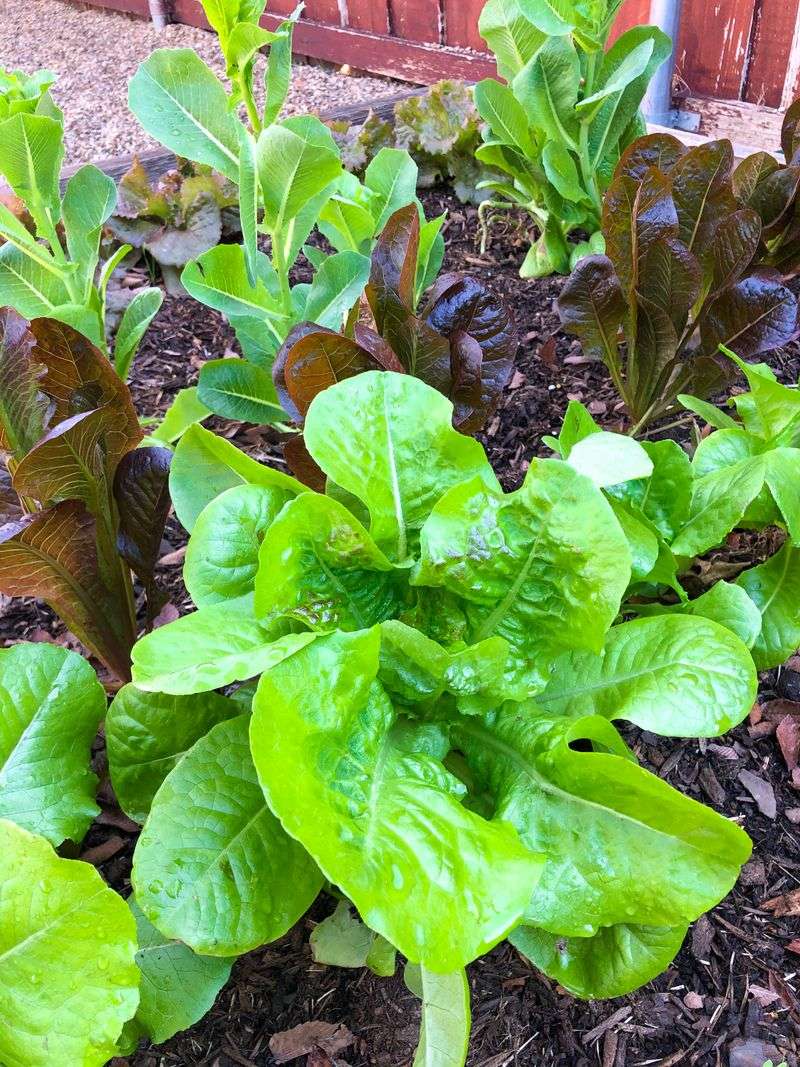
Leaf lettuce is one of the fastest-growing greens you can direct-sow in fall. Scatter seeds thinly across a prepared bed, press them lightly into the soil, and water gently.
Germination happens quickly, often within just four to eight days.
Unlike head lettuce, leaf varieties do not need to fully mature before you start harvesting. You can snip outer leaves as soon as they reach a few inches tall.
The plant keeps producing, giving you a steady supply through November.
Lettuce prefers cooler soil and air, so September planting fits the seasonal shift well. In Georgia, the transition from summer heat to fall cool happens gradually, and lettuce handles that shift better than most gardeners expect.
Just keep seeds moist during the first week.
Red and green loose-leaf varieties tend to perform especially well in fall gardens. They bolt less quickly than spring plantings and hold their texture longer in cool conditions.
Mixing a few varieties adds color and different textures to your harvest.
A light layer of straw mulch around seedlings helps retain moisture and keeps soil temperatures stable. Lettuce roots are shallow, so consistent moisture matters.
With minimal effort, you can have fresh salad greens ready well before the Thanksgiving holiday arrives.
Start harvesting the largest outer leaves first while leaving the center intact to keep producing.
Regular picking can extend the harvest as cooler November weather helps the plants stay productive.
4. Turnip Tops Are Ready Before The Roots
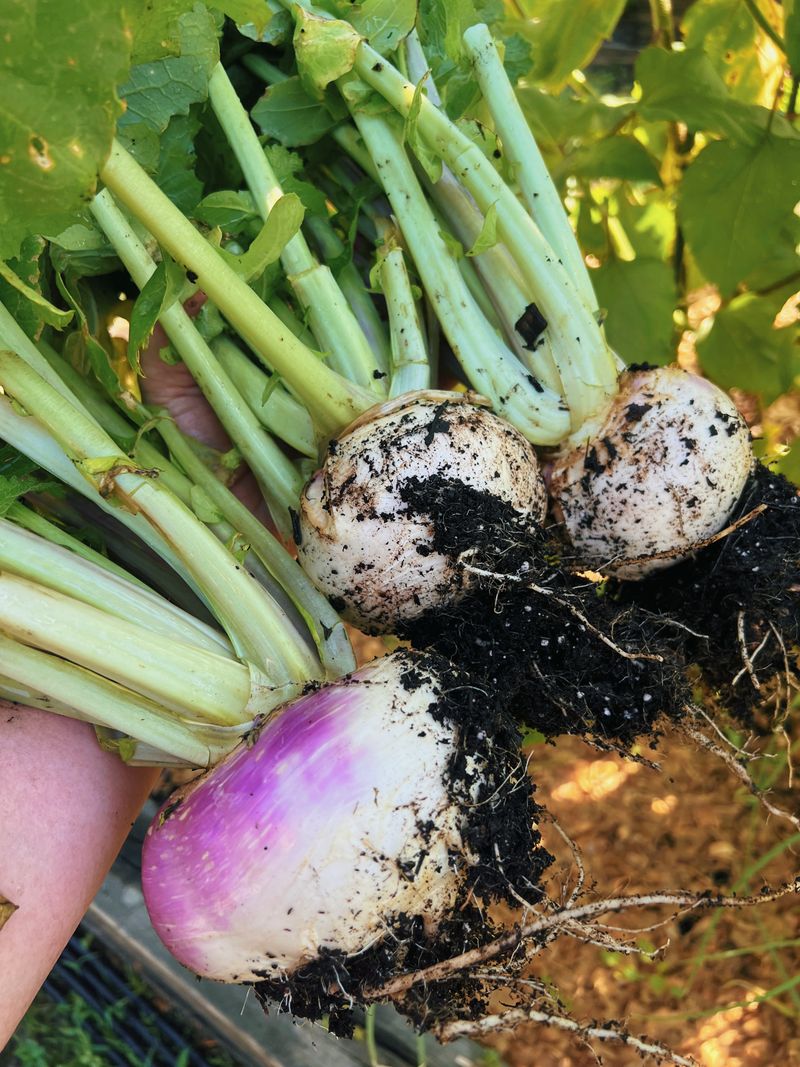
Most gardeners grow turnips for the roots, but the leafy tops are ready weeks before the bulbs mature. Sow seeds directly into the soil about a quarter inch deep in early September.
Thin plants to four to six inches apart once seedlings reach a couple of inches tall.
Turnip greens have a slightly peppery, earthy flavor that softens beautifully after cooking. Southerners have been cooking them with pot liquor and cornbread for generations.
Raw or braised, they bring real depth to a Thanksgiving side dish.
Germination is fast, usually within five to seven days. Greens are typically ready for a first harvest in about three to four weeks.
Cutting leaves from the outside of the plant encourages continued growth without slowing root development.
Turnips are one of the more cold-tolerant vegetables you can grow in a Southern fall garden. Light frost does not hurt the leaves and can actually sweeten both the greens and the roots underneath.
Heavier frosts may slow growth but rarely cause serious damage to established plants.
Well-draining soil with a slightly acidic pH works best for turnips. If your soil is compacted, loosen it at least eight inches deep before planting.
Loose soil lets roots develop properly while the leafy tops keep giving you something to harvest early and often.
Keep the bed evenly moist as the roots develop, since dry soil can reduce quality and slow growth.
5. Collards Get Their Fall Start From Seed
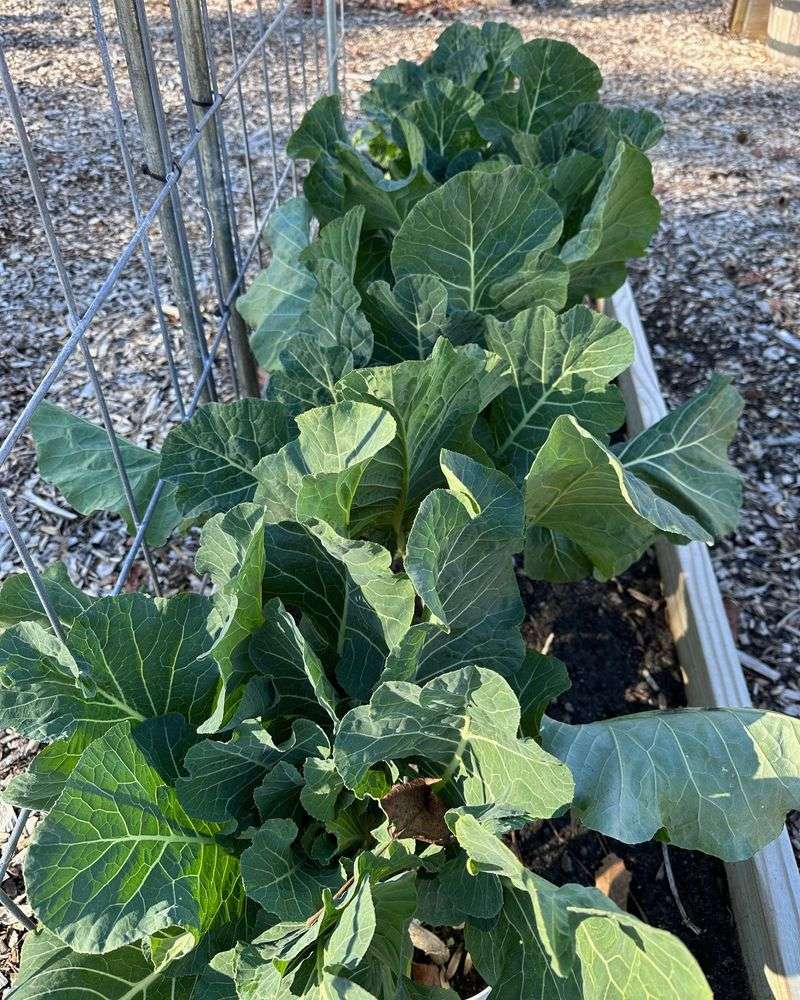
Collards are a staple of Southern cooking, and September is a solid window for direct-sowing them from seed. Plant seeds about a quarter inch deep and space them roughly eighteen inches apart after thinning.
They need room to spread as they mature.
Germination usually takes five to ten days under warm early-September soil. Growth is steady but not fast, so getting seeds in the ground early in the month gives you the best chance of a Thanksgiving harvest.
Patience pays off with collards.
One thing that sets collards apart from other greens is their cold tolerance. A frost does not set them back.
Instead, cold temperatures convert starches in the leaves into sugars, producing a noticeably sweeter, richer flavor that makes fall collards something special.
Collards prefer full sun and consistent moisture. Letting the soil dry out between waterings can cause the leaves to toughen.
Mulching around the base of each plant helps hold moisture and keeps weeds from competing with young plants.
Outer leaves can be harvested once the plant reaches about ten to twelve inches tall. Leaving the center intact allows the plant to keep producing through the fall and even into winter.
Few vegetables deliver as reliably or as deliciously through a Southern fall season as collard greens.
Pick the lower leaves regularly before they become oversized and tough, while allowing the younger center leaves to develop.
6. Radishes Bring Edible Tops Along With Quick Roots
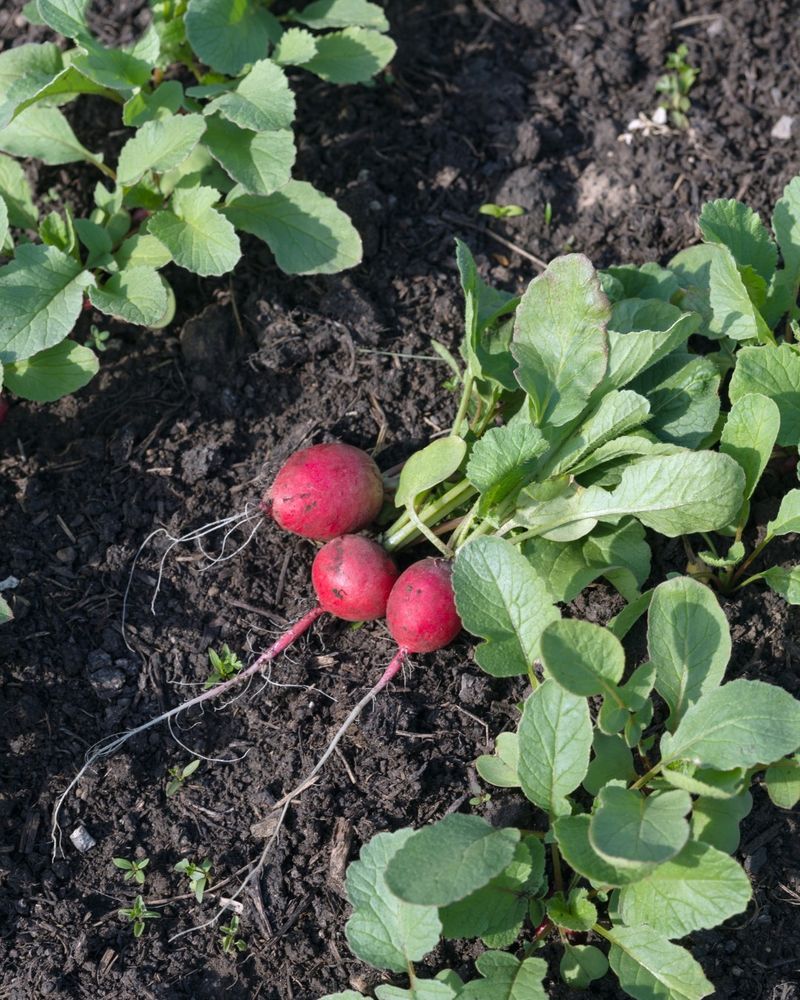
Radishes are probably the fastest crop in the fall garden. Most varieties go from seed to harvest in under thirty days, which makes them an easy win for September planting.
Sow seeds about half an inch deep and one inch apart in rows.
What surprises many gardeners is that the leafy tops are completely edible. Young radish greens have a mild, slightly peppery flavor that works well in salads or as a cooked green.
You get two harvests from one planting, which is a smart use of garden space.
Thin seedlings to about two inches apart once they emerge. Crowded radishes tend to focus energy on tops and produce small, stunted roots.
Giving them a little space makes a real difference in root size and quality.
Radishes prefer cool soil and consistent moisture. Dry conditions can cause roots to become woody and cracked.
Watering regularly and mulching between rows helps keep soil conditions stable as temperatures swing between warm days and cool nights in fall.
For a Thanksgiving harvest of greens, plant a succession of radishes every ten days through September. You will have a continuous supply of fresh tops and roots through November.
Radishes are low-maintenance and rewarding, making them a great choice for gardeners of all experience levels.
Harvest the roots promptly once they reach the expected size for the variety, since leaving them in the ground too long can reduce quality.
7. Kale Produces Tender Leaves During Cooler Weather
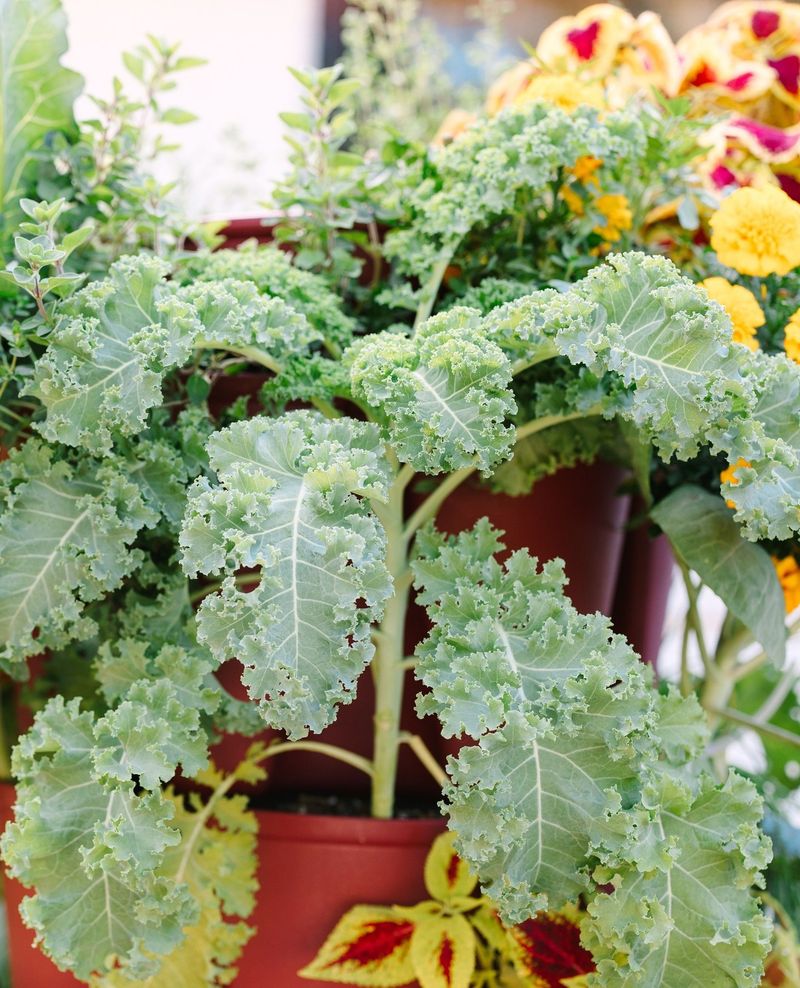
Kale planted in September has time to establish before cooler temperatures arrive. Sow seeds directly into the garden about a quarter inch deep.
Thin seedlings to about twelve inches apart once they are a few inches tall.
Warm-season kale can taste tough and slightly bitter. Cold changes that completely.
As nighttime temperatures drop through October and into November, the leaves become noticeably more tender and develop a mild, almost sweet flavor. Frost is not a problem for kale.
Curly kale and lacinato kale both perform well in fall gardens across the South. Lacinato, sometimes called dinosaur kale, tends to produce large, flat leaves that are especially good for cooking.
Curly varieties are great for salads and chips.
Kale grows best in full sun with well-draining soil. Consistent moisture keeps leaves tender and prevents them from toughening up between harvests.
A layer of mulch around each plant helps with both moisture retention and weed suppression.
Harvest outer leaves regularly to keep the plant producing. Leaving the center growing point intact allows new leaves to form continuously through the fall season.
With proper care, kale started in September can provide fresh greens well past Thanksgiving and into the cooler winter months ahead.
Pick leaves when they are still firm and tender rather than waiting for them to become oversized.
Regular harvesting also gives younger center leaves more room to develop as the plant continues growing.
8. Beet Tops Offer An Early Harvest Before The Roots
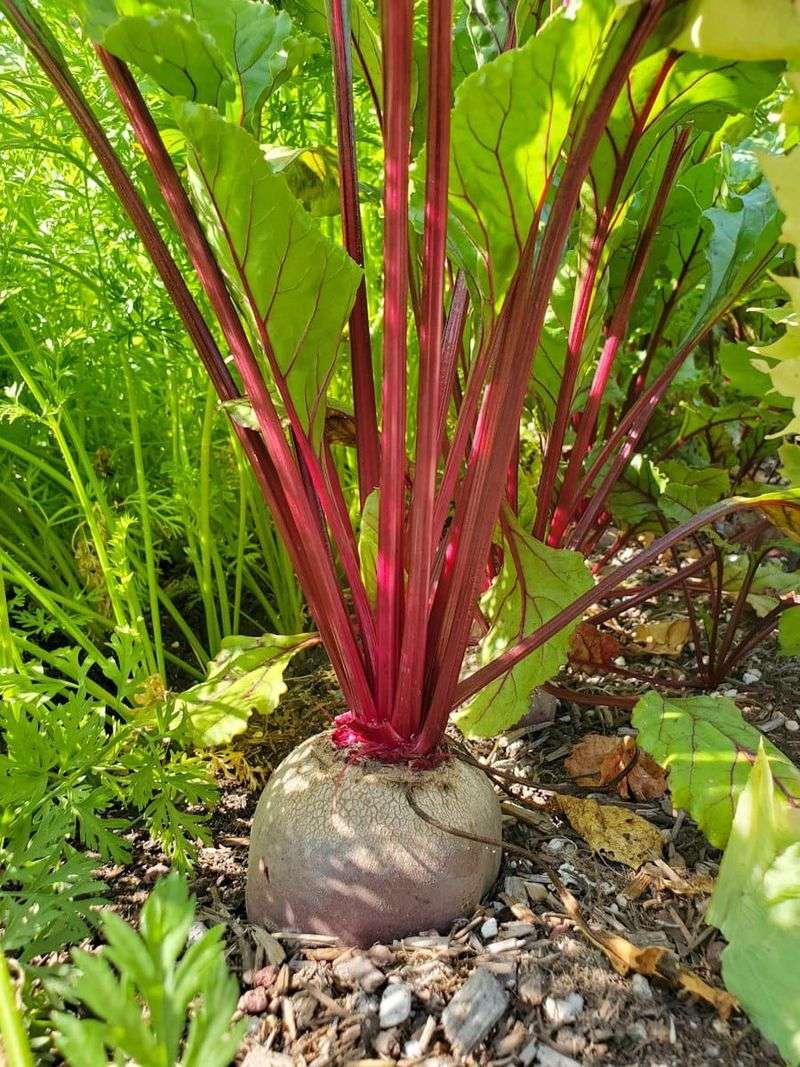
Beets are a two-for-one crop that most fall gardeners overlook. The leafy tops are ready to harvest well before the roots reach full size.
Sow seeds about half an inch deep and keep soil consistently moist until germination occurs.
Beet seeds are actually seed clusters, meaning several seedlings often sprout from one seed. Thin them to about three to four inches apart early on.
Leaving them crowded will result in small roots and weaker overall growth.
Young beet greens have a mild, earthy flavor similar to Swiss chard. They work well in salads when small and tender, or sauteed with garlic when they are a bit larger.
Using the tops early does not significantly slow root development below the soil.
Beets prefer loose, deep soil free of rocks or heavy clay. Hard soil can cause roots to fork or grow misshapen, though the tops will still be perfectly usable.
If your garden soil is dense, work in compost before planting to improve texture.
In Georgia, September-sown beets can produce harvestable greens by mid-October. Roots typically mature in fifty to seventy days, putting full beets right around late November.
Planning your harvest this way means you get multiple uses from one planting before the holiday season wraps up.
Harvest only a few outer leaves at a time if you also want the roots to reach a good size.
Cooler fall temperatures help beets develop steadily while keeping the young greens tender and flavorful.