The Yellow Flower Spreading Through Pennsylvania Garden Beds That Pollinators Depend On In Early Fall
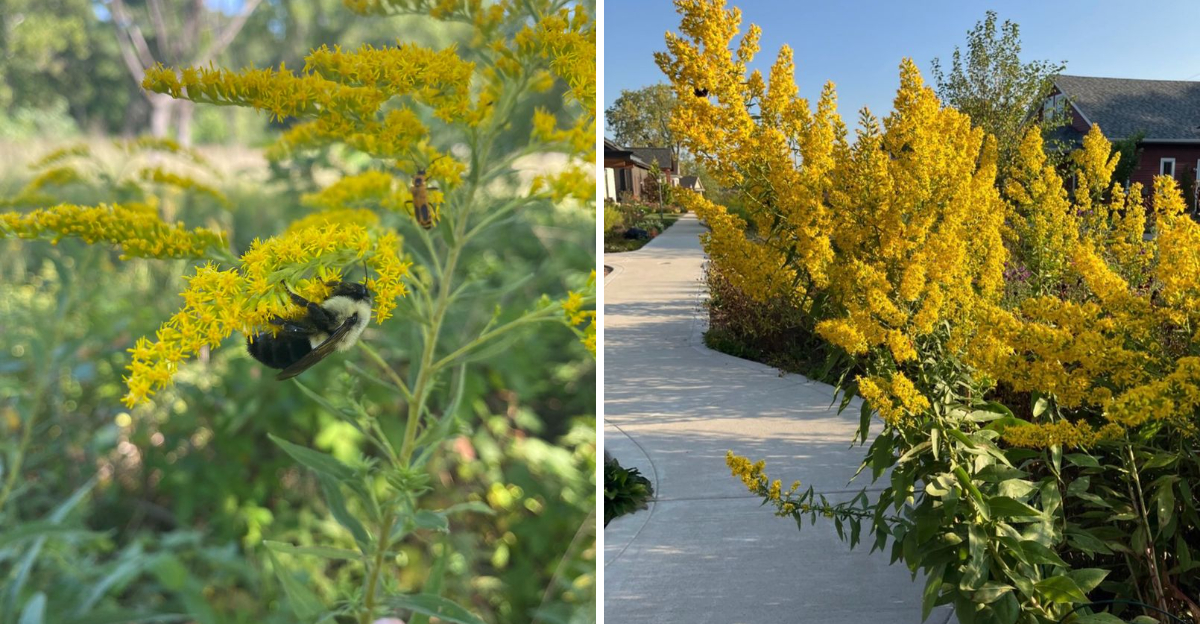
You’ve probably noticed it showing up in your Pennsylvania garden beds without being planted. Small, cheerful yellow flowers on delicate branching stems, appearing in the gaps between established plants, along bed edges, and in the disturbed soil near pathways.
Most gardeners pull it out without a second thought, assuming it’s just another weed working its way into a space where it doesn’t belong. Before you pull the next one, take a moment.
This tiny yellow flower is one of the most important early fall resources for native bees and beneficial insects in Pennsylvania landscapes.
During a period when most garden flowers have finished blooming and reliable nectar sources are becoming genuinely scarce across the broader landscape, this plant keeps going.
Its bloom timing is not accidental. It evolved to fill exactly this gap in the pollinator calendar, and the insects that depend on it in early fall have few alternatives when it’s gone.
What looks like an unwanted weed is actually doing critical ecological work in your garden beds right now.
Canada Goldenrod Comes Alive In Early Fall
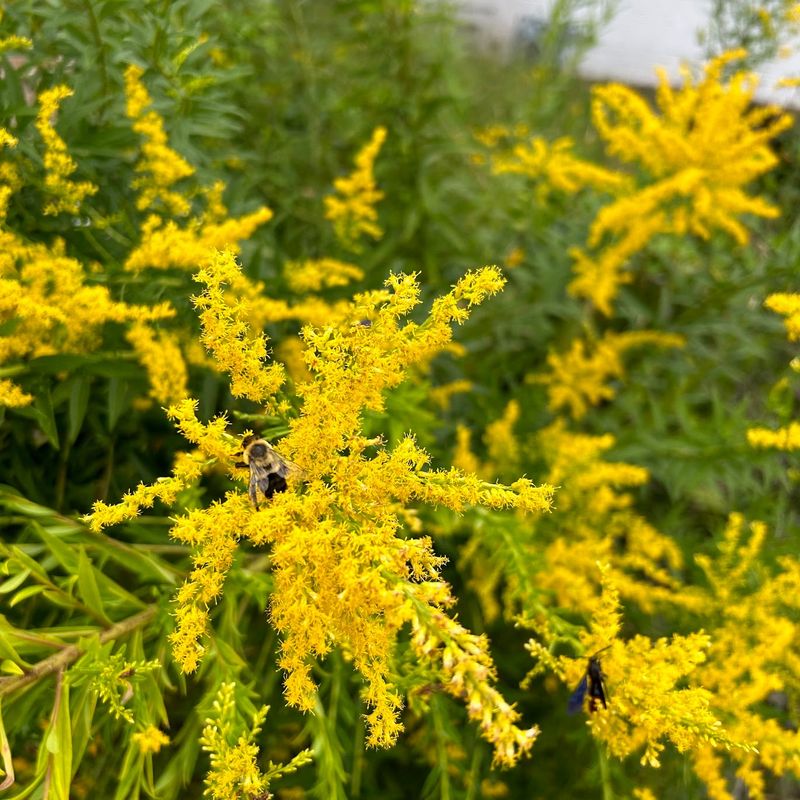
Few plants put on a show quite like Canada goldenrod in September. Walk through any Pennsylvania neighborhood during the first weeks of fall, and you will see those familiar arching stems loaded with tiny yellow flowers catching the morning light.
Canada goldenrod, known scientifically as Solidago canadensis, begins its bloom in late summer and keeps going well into October.
The flower clusters grow in a shape that looks almost like a golden plume or feather. Each cluster is made up of dozens of very small individual flowers packed tightly together on one stem. From a distance, the whole plant looks like a bright yellow cloud floating above the garden.
September is when goldenrod really hits its peak. The flowers open fully, the color deepens, and the plant becomes nearly impossible to miss.
At this point in the season, most spring and summer flowers have already finished blooming. Goldenrod steps in and fills that gap beautifully.
Goldenrod can reach anywhere from two to five feet tall depending on how much sun and water it receives. Plants growing in full sun with decent soil tend to grow taller and produce more flowers.
Even in tougher spots with poor soil, goldenrod still manages to bloom reliably every year. One interesting fact about goldenrod is that it is a native wildflower, not an invasive import. It has grown naturally across North America for thousands of years.
Gardeners who choose native plants often include goldenrod because it supports local ecosystems while requiring very little maintenance from the gardener.
It Spreads Fast Through Open Garden Space
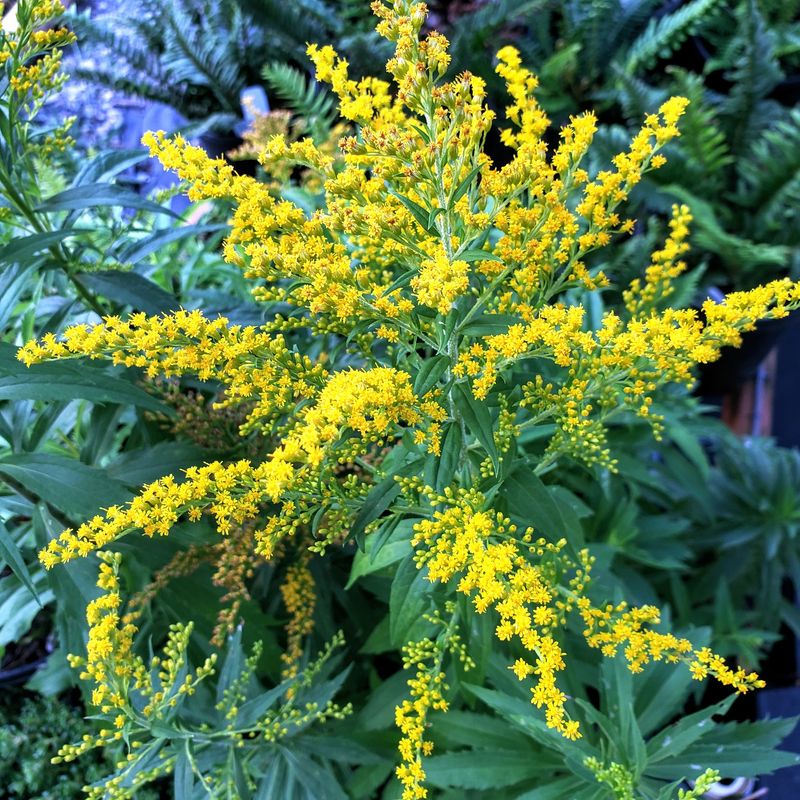
Canada goldenrod has a reputation for being a spreader, and that reputation is well earned. Underground stems called rhizomes grow outward from the base of each plant, sending up new shoots as they travel through the soil.
Over just a few seasons, a single plant can turn into a wide patch that fills an entire garden bed.
Your Pennsylvania Garden Changes Every Week. Your Plan Should Too.
Gardening in Pennsylvania changes quickly throughout the season. Every Friday you’ll receive a simple weekly plan showing exactly what to plant, prune, fertilize, harvest, and protect so you never miss the right timing.
Gardeners who plant goldenrod without a plan often find it moving into spaces they did not intend for it. It creeps into neighboring perennial beds, edges into lawn areas, and can crowd out smaller, less aggressive plants.
Knowing this ahead of time helps you stay ahead of it. The good news is that controlling goldenrod is not complicated. Thinning it out each spring keeps colonies from getting too large.
You can simply dig up sections of the root mass and remove them. Some gardeners use a sharp spade to cut around the edges of a patch and lift out unwanted growth.
Planting goldenrod in a contained area is another smart option. Raised beds with solid sides, or spots bordered by pavement or walls, can slow its spread naturally.
Just keep an eye on it each season and remove new shoots that pop up outside the boundary.
Despite its aggressive spreading habit, goldenrod is not impossible to manage with a little attention. Think of it like mint or bee balm.
Both of those plants spread in similar ways, yet gardeners grow them successfully all the time. Give goldenrod room, check on it regularly, and it will reward you with reliable color and wildlife activity every fall without much fuss.
Pollinators Use It When Other Flowers Are Fading
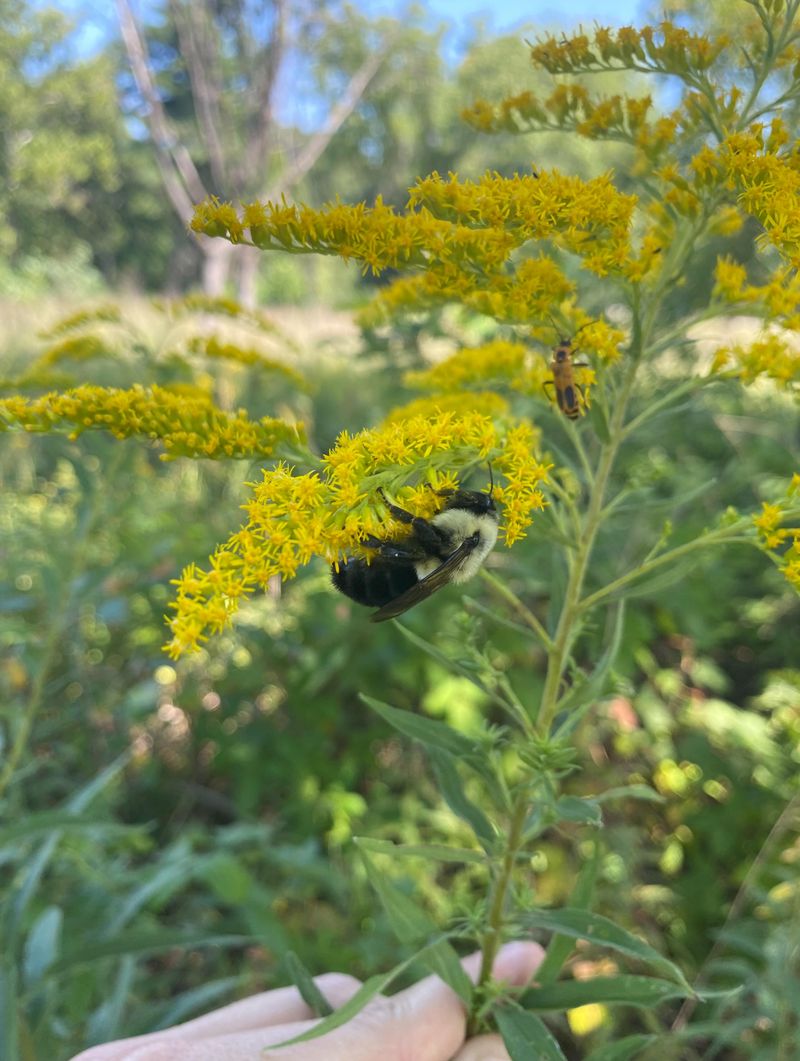
By the time September rolls around, most of the summer flowers that pollinators depend on are gone. Coneflowers have finished.
Black-eyed Susans are fading. Lavender stopped blooming weeks ago. For bees, butterflies, and other insects still searching for food, goldenrod becomes one of the most important plants left standing.
Honeybees visit goldenrod in large numbers during fall. They are actively collecting nectar and pollen to store for the colder months ahead.
Goldenrod gives them a rich, late-season food source that helps colonies stay strong heading into winter. Bumblebees also visit frequently, and you can often spot several species working the same patch at once.
Monarch butterflies use goldenrod during their fall migration south. As they travel through Pennsylvania on their way to Mexico, they stop to fuel up on nectar wherever they can find it.
A garden with goldenrod becomes a rest stop for these incredible travelers during one of the most important journeys in the insect world.
Beyond bees and butterflies, goldenrod attracts wasps, beetles, flies, and moths. Many of these insects are pollinators too, though they often get less attention than bees.
Some wasp species that visit goldenrod also hunt garden pests, so having them around can actually benefit the rest of your garden.
The timing of goldenrod’s bloom is really what makes it so valuable. It flowers at exactly the moment when pollinators need support most.
No other common garden plant fills that same late-season role quite as effectively. Planting even a small patch can make a real difference for local pollinator populations throughout Pennsylvania every fall season.
It Handles Tough Pennsylvania Conditions
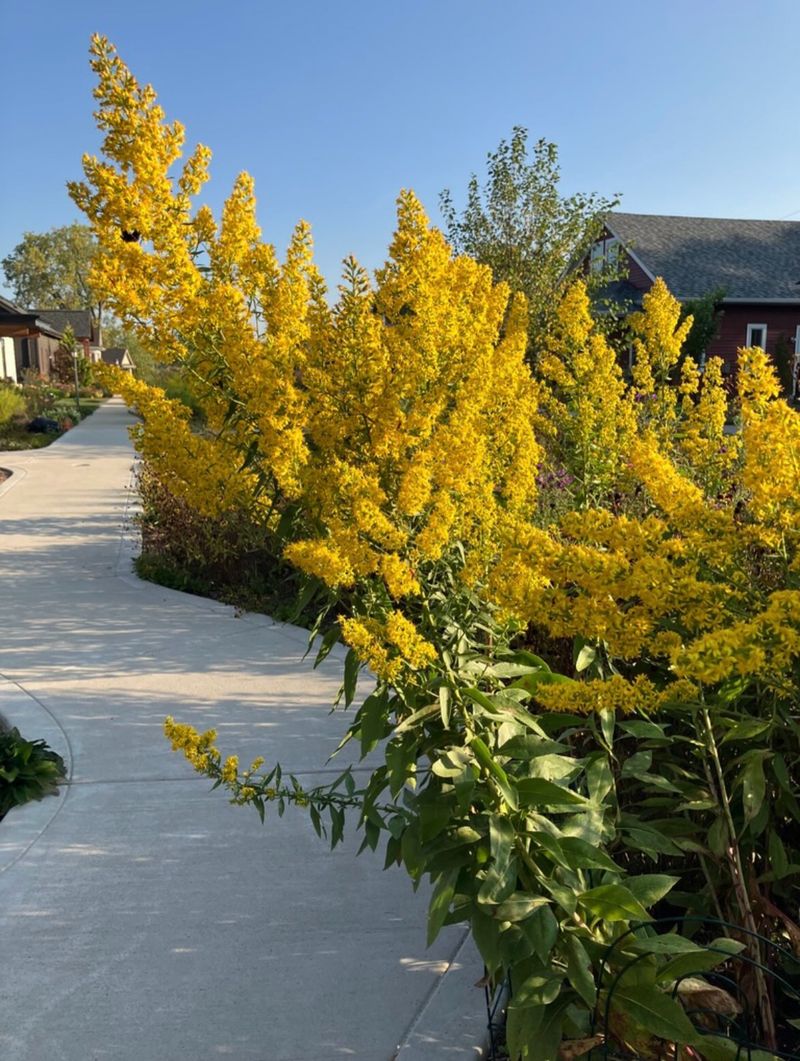
Canada goldenrod did not become one of the most widespread wildflowers in Pennsylvania by being picky. This plant is genuinely tough, and it thrives in conditions that would stress or set back many other garden plants.
If you have a difficult spot in your yard that gets too much sun, dries out fast, or has rocky or clay-heavy soil, goldenrod is worth considering.
Full sun is where goldenrod performs best. It loves open, sunny spaces and produces the most flowers when it receives at least six hours of direct sunlight each day.
That said, it will also grow in partial shade, though the plants tend to be shorter and slightly less floriferous in shadier spots.
Dry spells do not slow goldenrod down much once it is established. Its deep root system allows it to pull moisture from lower in the soil profile.
During hot, dry Pennsylvania summers, goldenrod keeps going while nearby plants may struggle. You may need to water new plants during their first season, but after that, they are largely on their own.
Average garden soil suits goldenrod just fine. You do not need to add compost, fertilizer, or any soil amendments before planting.
In fact, very rich soil can sometimes cause goldenrod to grow too tall and flop over. Lean soil often produces sturdier, more upright plants.
Established goldenrod rarely needs any extra attention. There is no regular fertilizing, no deadheading required, and no special pruning schedule to follow.
For gardeners who want a reliable, low-maintenance plant that supports wildlife and handles real-world yard conditions without complaint, Canada goldenrod fits the role perfectly.
It Works Best In Naturalized Areas
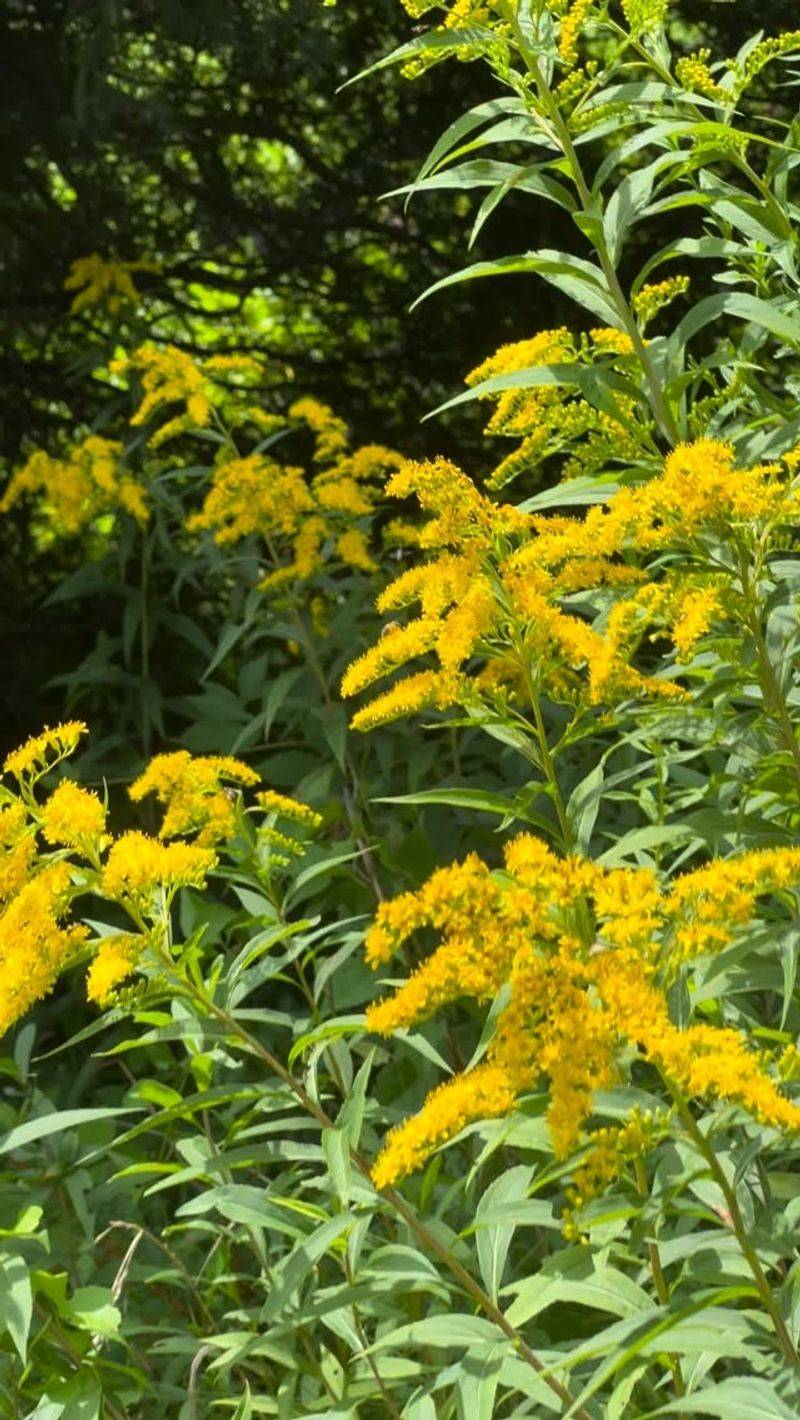
Canada goldenrod is a wildflower at heart, and it tends to look and behave best in settings that match its natural character. Formal, tightly arranged garden beds with precise borders and carefully spaced plants are not really where goldenrod shines.
Put it somewhere with more breathing room, and the results are far more impressive. Meadow edges are a perfect fit. The transition zone between a lawn and a wooded area, or between a garden and an open field, suits goldenrod beautifully.
It looks natural there, blends in with grasses and other native plants, and spreads freely without causing problems for nearby formal plantings.
Pollinator gardens and wildlife habitat beds are another great option. Many Pennsylvania homeowners are creating dedicated spaces for native plants that support bees, butterflies, and birds.
Goldenrod fits right into those spaces and adds height, texture, and late-season color that many other native plants cannot provide.
Larger mixed borders can also work well if you give goldenrod a spot near the back where its height is an asset rather than a problem.
Pair it with other tall natives like joe-pye weed, ironweed, or native asters for a layered, naturalistic look that pollinators will love throughout the fall.
Small, formal beds present more of a challenge. In a tightly managed space, goldenrod’s spreading habit can become frustrating quickly.
If you still want it nearby, try growing it in containers sunk into the ground, which limits how far the roots can travel. With a little creative planning, even gardeners with smaller yards can enjoy goldenrod without losing control of their beds.
Don’t Blame It For Most Fall Allergies
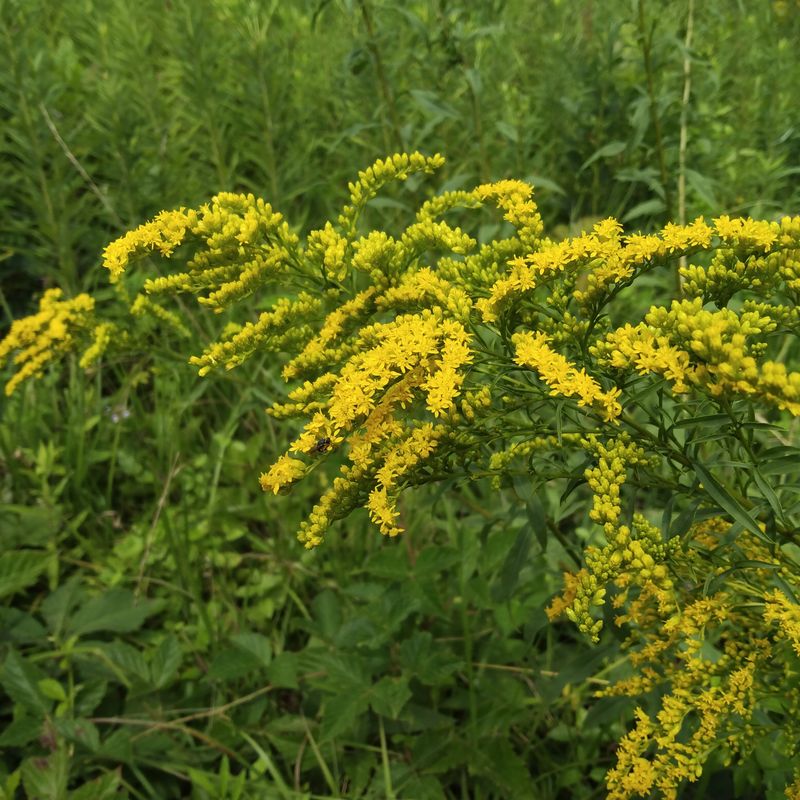
Here is something that surprises a lot of people: goldenrod is almost never the cause of fall allergies.
For years, this cheerful yellow plant has taken the blame for sneezing, watery eyes, and stuffy noses that show up every September. But the real troublemaker is a much less noticeable plant growing right alongside it.
Ragweed is the actual source of most fall allergy misery. It blooms at the exact same time as goldenrod, and its pollen is extremely light and fine.
Ragweed pollen floats easily through the air and travels for miles on the wind. When it lands in your nose, your immune system may react strongly, causing all those familiar allergy symptoms.
Goldenrod pollen works very differently. It is heavy and sticky, designed to cling to the bodies of insects rather than float through the air.
Bees, wasps, and butterflies carry it from flower to flower as they feed. Because it stays close to the ground and attached to insects, goldenrod pollen almost never reaches your nose in amounts large enough to trigger a reaction.
The reason goldenrod gets blamed is simple: it is bright, tall, and impossible to miss when it blooms in fall. Ragweed, on the other hand, is small, greenish, and easy to overlook.
People see the goldenrod, start sneezing, and assume the obvious. But the real culprit is hiding in plain sight nearby.
Knowing the difference between these two plants can change how you think about fall gardening. Goldenrod is safe to plant, safe to stand near, and safe to enjoy up close. Welcome it into your yard without worry, and let the pollinators enjoy it too.