The Native Georgia Groundcover To Plant Instead Of English Ivy This Fall
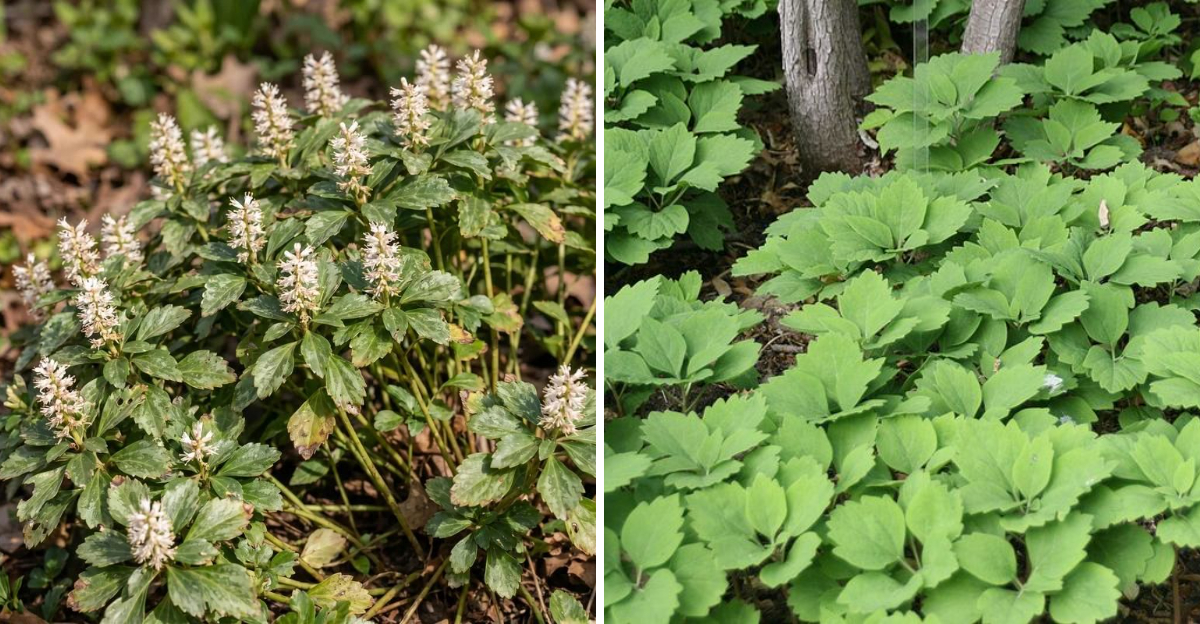
English ivy may seem like an easy answer for covering bare ground, but bringing it into your yard can create years of unwanted work. Fall gives you a chance to choose differently.
Instead of relying on an aggressive introduced vine, consider a native groundcover suited to Georgia growing conditions. The right choice can fill difficult spaces while fitting naturally into the surrounding landscape.
Think about what you actually need from that empty patch before planting anything. Shade, soil moisture, and available space all influence which groundcover will perform well there.
Native does not automatically mean maintenance-free, so choosing the right location still matters. Good placement makes establishing new plants much easier.
Fall conditions can offer an excellent planting opportunity.
One native option delivers attractive coverage without bringing the same concerns associated with English ivy.
1. Shady Ground Does Not Need To Be Covered In Ivy
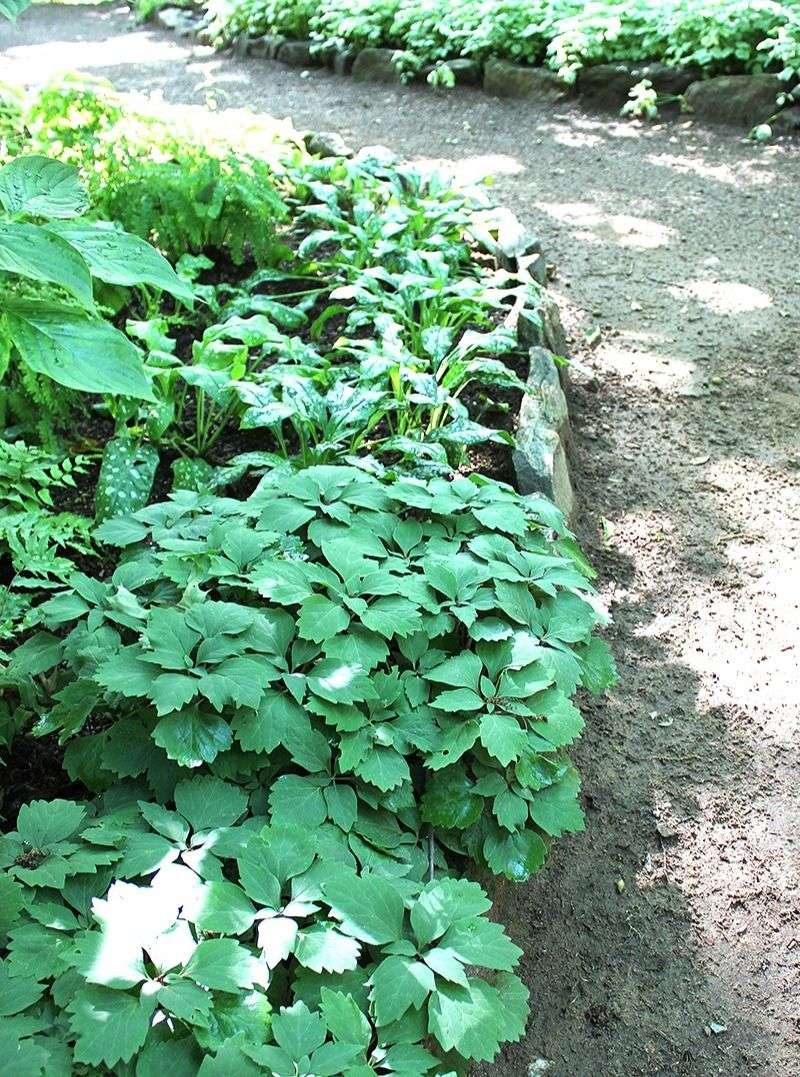
Bare ground under trees is not a problem you have to solve with ivy. Plenty of gardeners reach for English ivy out of habit, but it comes with real downsides that build up over time.
Ivy spreads aggressively. It climbs fences, smothers shrubs, and can take over a yard before you notice what happened.
Once it gets going, pulling it back takes serious effort.
Shaded spots under oaks, maples, or pines can actually support a range of native plants that stay tidy. Those plants feed local insects and birds in ways ivy simply cannot match.
Georgia has a rich mix of native groundcovers suited to low-light conditions. Some stay under six inches tall, spread slowly, and ask for almost nothing once they settle in.
The goal is not to leave ground bare forever. Bare soil erodes and invites weeds.
Covering it with the right plant makes a real difference.
Choosing a native option over ivy is not just about looks. It is about planting something that fits the land and works with the ecosystem rather than against it.
Fall is a good time to start making that swap.
2. Allegheny Spurge Offers A Native Alternative
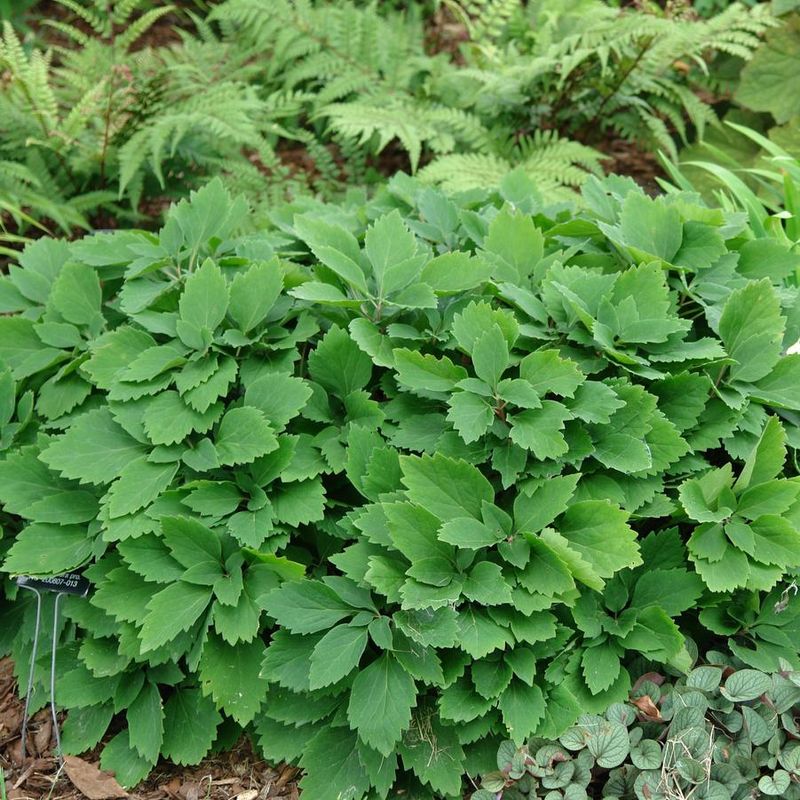
Pachysandra procumbens, commonly called Allegheny spurge, is native to the eastern United States and fits right into Georgia woodland gardens. It is not the same plant as the Japanese pachysandra sold at most big box stores.
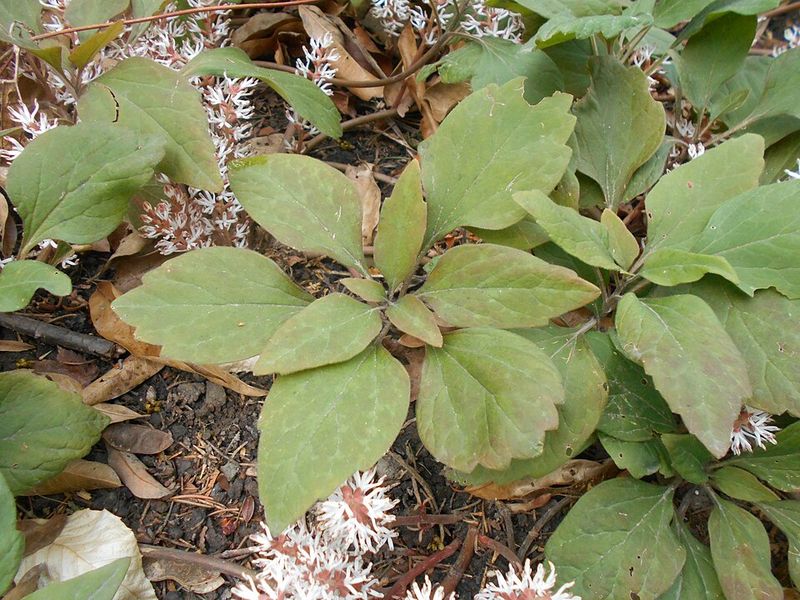
The native version has a softer, more natural look. Leaves are matte green with subtle silver markings and a slightly scalloped edge.
Each leaf has its own character, which gives the groundcover a less uniform appearance than its imported cousin.
It grows low to the ground and spreads by underground stems called stolons. Spread is gradual, which means you are not going to wake up one spring to find it has taken over the flower beds.
Allegheny spurge handles dry shade reasonably well once established, though it does best with some moisture. Sandy or amended soils with good organic matter tend to support it better than heavy clay without improvement.
Wildlife value is modest but real. Early pollinators visit the spring flowers, and the dense foliage provides light ground cover for small creatures moving through the garden.
Your Georgia Garden Changes Every Week. Your Plan Should Too.
Gardening in Georgia changes quickly throughout the season. Every Friday you’ll receive a simple weekly plan showing exactly what to plant, prune, fertilize, harvest, and protect so you never miss the right timing.
Finding it at native plant nurseries is easier now than it was a few years ago. More growers are stocking it as demand for native alternatives grows across the Southeast.
3. Low Growth Helps It Fill Bare Ground
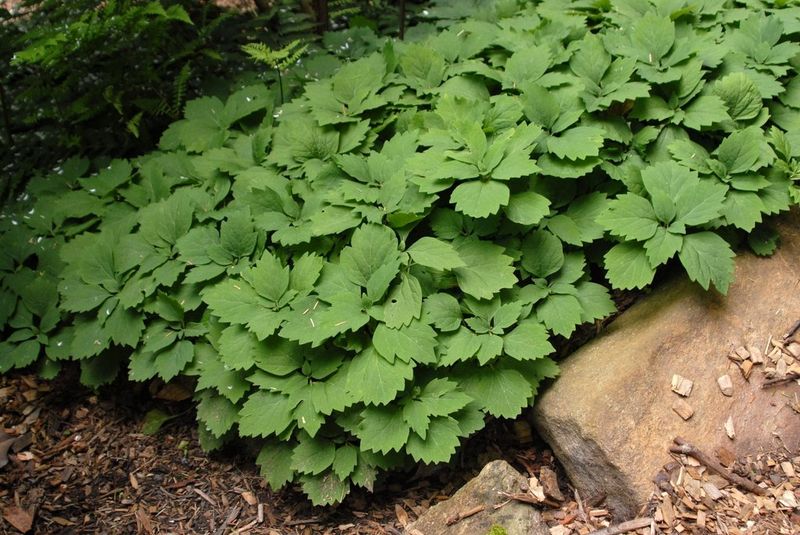
Short plants often do the best work in the garden. Allegheny spurge tops out around six to eight inches tall, which makes it practical under shrubs and along shaded borders where taller plants would look out of place.
Because it stays low, it does not compete with nearby perennials or block light from shorter companions. You can mix it with ferns or native wildflowers without worrying about one plant swallowing the other.
Coverage builds gradually over two to three growing seasons. Patience matters here.
Newly planted spurge focuses energy on root development before spreading outward in earnest.
Spacing plants around eight to twelve inches apart gives each one room to establish without leaving too much bare soil exposed early on. Mulching between plants in the first year helps hold moisture and suppress weeds while the groundcover fills in.
Once a colony forms, maintenance drops significantly. The dense mat shades out most weeds on its own, reducing the need for regular hand-pulling or mulch refresh.
Low-growing natives like this one are genuinely useful in spots where lawn grass refuses to grow.
Under dense tree canopies, along north-facing walls, or in narrow side yards, Allegheny spurge can quietly do the job without demanding much attention in return.
4. Part Shade To Shade Suits It Best
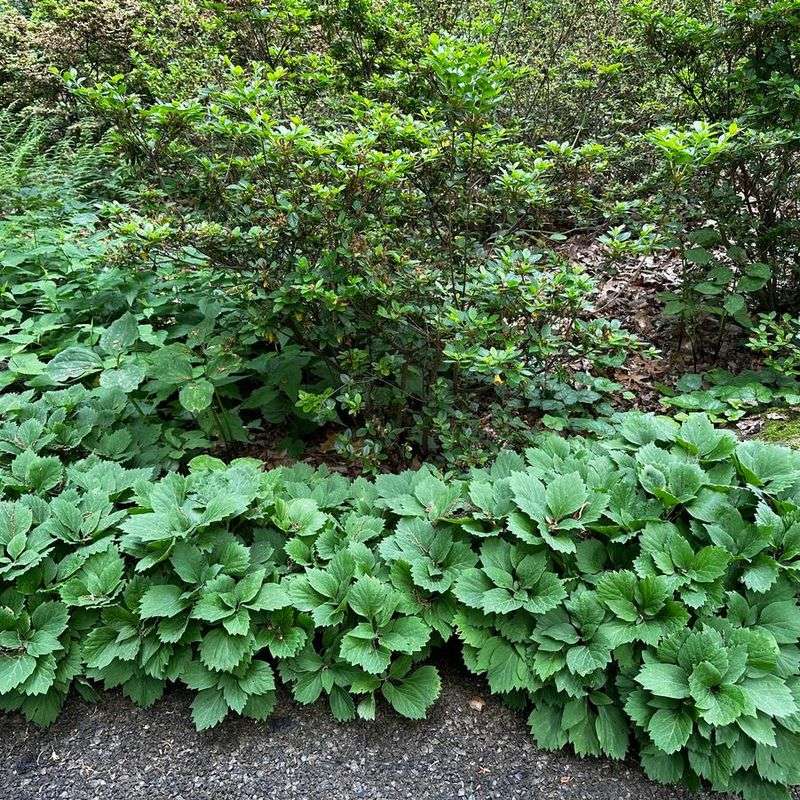
Not every plant wants full sun. Allegheny spurge is built for the spots in your yard where sunlight barely reaches, and that is exactly what makes it useful in wooded Georgia landscapes.
Part shade works well, meaning a few hours of morning sun with afternoon shade. Full shade under dense canopy also suits it, though growth may be a bit slower in deeper darkness.
Afternoon sun in summer can scorch the leaves, especially during heat waves. Planting it on the north or east side of structures or trees gives it natural protection from the harshest light.
Soil moisture matters more in sunnier spots. If you are placing spurge at the edge of a shade area where it catches extra light, make sure the soil does not dry out completely between rains.
In truly shaded spots, it is one of the more reliable native options available. Many groundcovers struggle under heavy tree canopy, but this one tends to hold its own with reasonable care.
Matching a plant to the right light condition saves a lot of frustration.
Rather than forcing a sun-lover into shade or fighting to keep a shade plant alive in full exposure, planting Allegheny spurge where conditions already suit it gives you the best chance at a healthy, lasting groundcover.
5. Spring Flowers Add Interest Above The Foliage
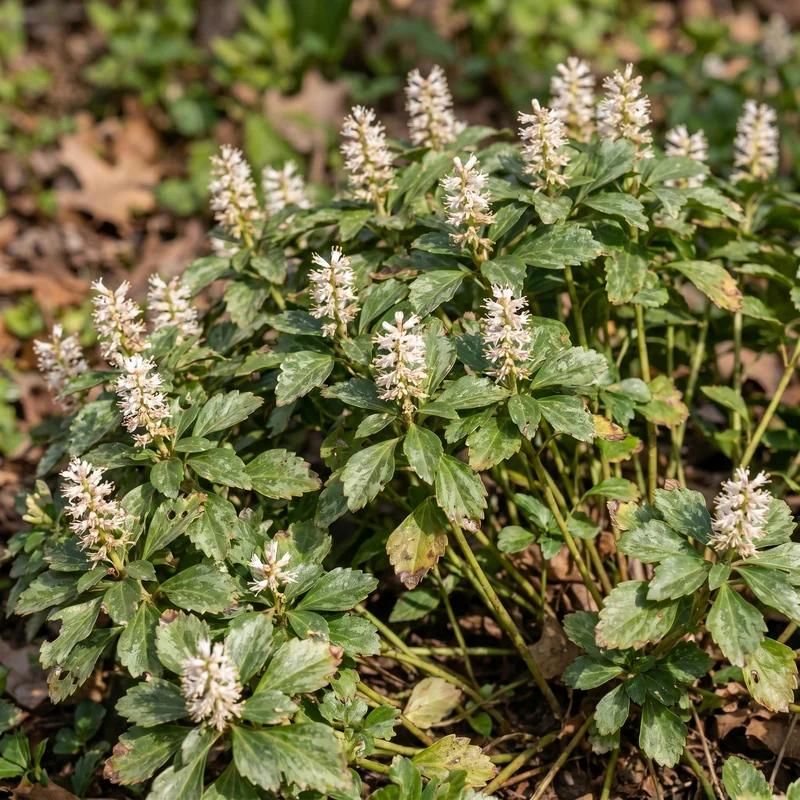
Most people plant groundcovers for coverage, not flowers. Allegheny spurge gives you both, and the blooms appear just when the garden needs them most.
In late winter to early spring, small flower spikes push up from the center of each plant. They are white to pale pink, slightly fragrant, and shaped a bit like a bottlebrush.
Nothing flashy, but genuinely charming up close.
Blooming happens before many other plants have woken up. That timing matters for early pollinators like native bees searching for food sources in late February and March across the Southeast.
The flowers sit just above the foliage, usually reaching four to six inches in height. They do not compete visually with showier spring bloomers, but they add a layer of quiet detail that rewards close attention.
After blooming, the plant settles back into its role as a foliage groundcover for the rest of the season. Leaves remain attractive through summer and into fall without significant browning or decline under typical conditions.
Semi-evergreen is the honest description. In milder winters, the foliage persists.
In colder stretches, some leaf drop may occur, but new growth returns reliably in spring. The combination of seasonal flowers and persistent foliage makes this plant more interesting than a plain green mat.
6. Slow Spreading Growth Makes It Easier To Manage
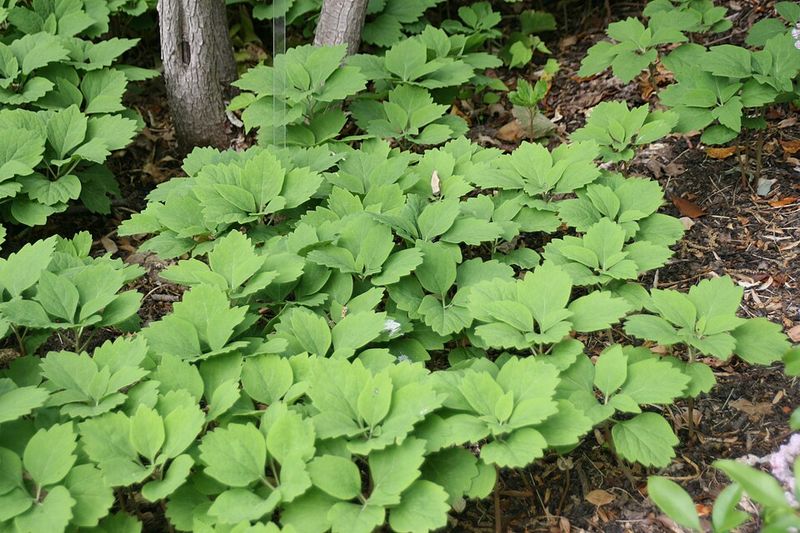
One of the biggest complaints about English ivy is how fast it moves. Allegheny spurge takes the opposite approach, and that restraint is genuinely valuable in a home garden.
Spread happens through underground stolons, but the pace is measured. Under average conditions, a colony expands a few inches per year from each plant.
That gives you time to direct its growth rather than chase it down.
Edging along beds or borders keeps it contained without much effort. A simple spade cut once a year along the perimeter is usually enough to prevent it from wandering into areas you want clear.
Because it does not climb, it poses no threat to trees or fences. Ivy famously works its way up bark and can eventually cause structural problems.
Spurge stays on the ground where a groundcover belongs.
Gardeners who have spent years battling invasive plants tend to appreciate slow spreaders. There is real peace of mind in planting something that grows at a pace you can actually keep up with.
Slow growth does mean patience during establishment. Expect the first season to look sparse.
By year two or three, the coverage becomes noticeably fuller. Starting with more plants per square foot speeds things up if waiting is not appealing.
7. Fall Gives New Plants Time To Settle In
Planting in fall feels counterintuitive to some gardeners, but roots do not stop growing just because the air turns cool. Soil stays warm well into autumn, giving new plants a real head start before winter sets in.
Allegheny spurge planted in September or October has several weeks of mild temperatures to establish roots before growth slows for the season. That root development pays off in spring when the plant pushes new growth early.
Summer heat is brutal in Georgia. New plants put in during July or August face immediate stress from heat and drought, which makes establishment harder.
Fall sidesteps that problem almost entirely.
Watering needs drop in cooler weather, so you are not running irrigation every day just to keep new transplants alive. A good soaking at planting and occasional water during dry spells is usually enough.
Adding a light layer of mulch after planting helps insulate roots during cold snaps. Two to three inches of shredded leaves or bark works well and feeds the soil as it breaks down over winter.
Local native plant sales often happen in fall across the Southeast, making it a practical time to find Allegheny spurge at a reasonable price. Buying locally grown plants gives them the best shot at thriving in your specific conditions.