Why Late-August Aeration Sets Up Connecticut’s September Seeding Window
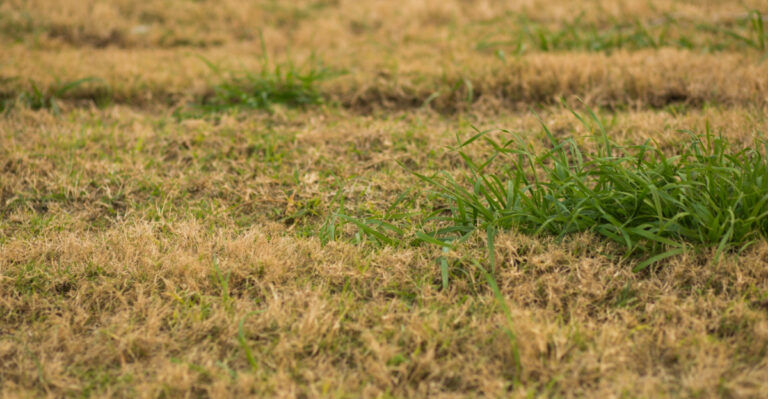
Your lawn is struggling right now, even if it looks fine. Connecticut summers wear grassroots down long before you notice the damage. Compacted soil restricts your roots and blocks water away.
Aeration loosens that restriction and lets your lawn breathe. Timing decides whether your lawn actually grows or stalls. Late August hits the sweet spot your Connecticut lawn craves.
Cooler nights arrive while your soil still holds warmth. That combination pushes your new roots down fast. September seeding then lands in your loosened soil. Grass germinates quicker when roots have room to spread.
Thin patches fade as new growth crowds weak spots. Bare spots fill before winter settles in fully. Winters here test lawns that skip this window. Every single week you wait weakens your results.
Nothing about fall lawn recovery happens by accident. Waiting until spring means starting weaker. Stopping now determines the results this whole season promised.
1. Loosened Soil Lets Seeds Root Deeper

Hard soil makes seed establishment difficult. When ground stays packed tight, new grass seeds sit on top and never get a real chance to anchor down.
Aeration punches small holes across your lawn, giving seeds a place to fall into. Those holes act like little homes where roots can grow straight down without hitting a wall.
Deeper roots mean stronger grass plants overall. A seedling that roots three inches deep survives dry spells far better than one stuck at the surface.
Late-August aeration sets this process in motion at exactly the right moment. By the time September arrives, those holes are ready and waiting for fresh seed.
Some areas of Connecticut have dense, clay-heavy soil, though composition varies significantly by region. That clay makes compaction worse every season, especially in lawns with heavy foot traffic.
Breaking that compaction before seeding is not optional if you want real results. Seeds dropped into aerated ground germinate faster and establish stronger root systems within weeks.
Homeowners who skip this step often wonder why their overseeding fails every fall. The answer is almost always about soil depth and seed-to-soil contact.
Loose soil holds moisture longer too, which seeds need during their first fragile days. That combination of depth, contact, and moisture is what turns scattered seed into a thick, lush lawn by October.
2. Cooler Temps Reduce Stress On Lawns
Summer heat places significant stress on grass. Lawns across Connecticut spend July and August just trying to survive, not thrive.
By late August, temperatures start to drop just enough to change everything. That slight cooldown signals grass to shift from survival mode into active growth mode.
Cool-season grasses like tall fescue and Kentucky bluegrass love temperatures between 60 and 75 degrees. Those conditions show up in September across most of the state.
Aerating during that transition period is smart timing. You are opening the soil right as the lawn is ready to push new growth naturally.
Seeding into stressed, hot soil leads to poor germination rates. Seeds need consistent moisture and moderate warmth, not the scorching ground left behind by an August heatwave.
Your Connecticut Garden Changes Every Week. Your Plan Should Too.
Gardening in Connecticut changes quickly throughout the season. Every Friday you’ll receive a simple weekly plan showing exactly what to plant, prune, fertilize, harvest, and protect so you never miss the right timing.
Late-August aeration gives the soil a chance to cool down and stabilize before seeds go in. That stabilization period, even just a week or two, makes a measurable difference in how well seeds take hold.
Reduced heat also means less evaporation from those aeration holes. Moisture stays in the ground longer, which keeps the seed environment more consistent.
Grass that germinates in cooler conditions grows slower but stronger. Those seedlings build better root systems because they are not rushing to survive the heat, and that strength carries them through their first winter with ease.
3. Compacted Ground Finally Gets Room To Breathe
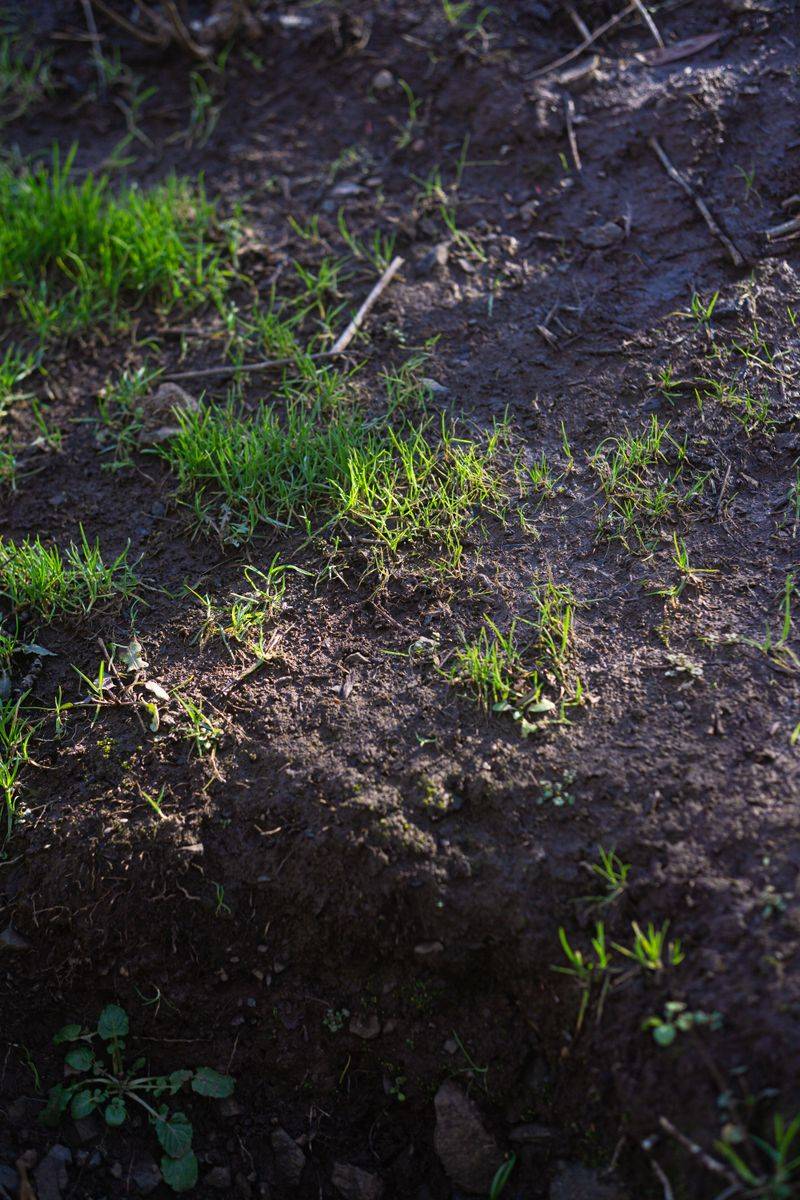
Picture your lawn like a sponge that has been stepped on a thousand times. After months of foot traffic, mowing, and summer storms, the soil below gets crushed into a dense, airless layer.
Compaction is one of the most common hidden problems in American lawns. Most homeowners never see it, but their grass feels it every single day.
When soil particles get pressed together too tightly, water, air, and nutrients cannot move freely. Roots hit that barrier and stop growing, leaving your lawn weak and thin.
Late-August aeration physically removes small plugs of soil from the ground. Those gaps give compressed particles room to expand and reorganize naturally.
The timing matters because late summer compaction is usually at its peak. A season of activity has packed the ground as tight as it gets.
Aerating now means the relief comes just before the September seeding window opens. Seeds dropped into freshly aerated ground find soft, open pathways to push roots through.
Even heavy clay soils respond well to aeration when done at the right time. The holes created in late August stay open long enough for fall rains to wash seeds down into the loosened zone.
Lawns that get aerated annually often show better color and density over time. Giving your ground room to breathe is not a luxury, it is the foundation of everything else you do for your lawn.
4. Improved Airflow Helps Roots Access Oxygen

Roots need oxygen just like the rest of the plant. Most people forget that what happens underground is just as important as what you see above it.
Compacted soil blocks air movement below the surface. Roots in that environment are deprived of oxygen, which shows up as yellowing, thinning, and weak growth above ground.
Aeration punches through that barrier and restores airflow to the root zone. Fresh oxygen reaches depths that were sealed off all summer long.
This oxygen boost triggers a biological response in the soil. Beneficial microbes wake up, organic matter breaks down faster, and the whole underground ecosystem becomes more active.
For September seeding, that active soil environment is exactly what new seedlings need. Germinating grass requires oxygen to fuel cell growth and root development from day one.
Late-August aeration sets up that oxygen-rich environment before seeds ever hit the ground. By the time you spread seed in September, the soil is already primed and ready to support new life.
Improved airflow also prevents anaerobic conditions that invite fungal disease. Lawns with good oxygen circulation below the surface are healthier and more resistant to common fall problems.
Oxygen is not something most homeowners think about when planning lawn care. But understanding its role underground helps explain why aerated lawns consistently outperform non-aerated ones, season after season.
5. Thatch Buildup Breaks Down More Easily

Thatch is that spongy, brownish layer sitting between your grass blades and the soil below. A little thatch is normal, but too much becomes a serious problem.
When thatch builds up past half an inch, it blocks water, nutrients, and air from reaching the soil. Seeds scattered on top of thick thatch rarely make good contact with actual dirt.
Aeration helps break that thatch layer apart. The cores pulled out during aeration bring soil microbes to the surface, and those microbes speed up decomposition of organic debris.
Late August is a perfect time for this process to begin. Cooler nights slow thatch accumulation while microbial activity stays strong enough to break down what is already there.
By September, much of that thatch layer has thinned out. Seeds have a clearer path to reach the soil surface, which dramatically improves germination rates.
Lawns with excessive thatch often look fine from a distance but struggle to hold new seed. Aeration gives you a way to fix that problem without tearing up the whole yard.
Dethatching alone can be aggressive and stressful for lawns. Aeration paired with overseeding is a gentler approach that achieves similar results while also introducing new grass varieties.
Thinning out thatch before seeding is one of those steps that pays off in a very visible way. You will notice better seed germination and a noticeably greener lawn by mid-October.
6. Nutrients Reach Root Zones More Effectively

Feeding a compacted lawn is inefficient because nutrients can’t penetrate the surface. The nutrients sit on top and never reach the roots that actually need them.
Aeration changes that equation completely. Those open holes act as direct channels, letting fertilizer and organic matter travel straight down to the root zone.
Late-August aeration creates the perfect setup for a fall fertilizer application. When you feed your lawn after aerating, the nutrients go where they belong instead of washing away.
Phosphorus and potassium, two key nutrients for root development, become far more accessible after aeration. New seedlings rely heavily on both during their first weeks of growth.
Starter fertilizers applied right after seeding in September work best in aerated ground. The holes carry those nutrients down to the depth where young roots are actively growing.
Soil pH also becomes easier to adjust after aeration. Lime or sulfur applications work faster when they can reach below the surface layer rather than sitting on top of compacted ground.
Many, though not all, Connecticut lawns tend to be naturally acidic due to the region’s soil composition. Correcting that pH before seeding gives new grass a much better chance at survival through the winter months.
Nutrients and seed working together in properly aerated soil create a noticeable improvement in lawn health. Getting the soil ready first is what makes that September feeding window truly count this year.
7. Rainfall Soaks In Without Runoff Waste

September in Connecticut typically brings consistent rainfall, which is one reason it tends to be a strong month for seeding. But if your soil is compacted, that rain does more harm than good.
Water hitting hard ground runs off fast, taking topsoil and seed with it. You end up with puddles at the edges of your lawn and dry patches in the middle.
Aeration solves that problem by creating absorption points across the entire lawn. Rain soaks into those holes instead of sheeting off the surface.
For newly seeded lawns, consistent moisture is everything. Seeds that dry out between rain events often fail to germinate, leaving bare patches that frustrate homeowners every fall.
Late-August aeration sets up your lawn to capture every drop of September rain. That moisture goes directly to the seed bed where it supports germination around the clock.
Reduced runoff also means less erosion on sloped areas of your yard. Seed stays where you placed it instead of washing downhill after the first heavy rain.
Aerated lawns also hold moisture longer between rain events. That buffer period is critical for seedlings during the first two weeks when they are most vulnerable to drying out.
Making the most of rainfall matters when trying to establish new grass. Aeration turns every September shower into a direct investment in your lawn’s long-term health and density.
8. Timing Aligns With Peak Grass Growth Season
Cool-season grasses have two natural growth windows each year. Spring gets all the attention, but many turf specialists consider fall the stronger of the two periods.
September brings the ideal combination of warm soil, cooler air, and longer nights that cool-season grasses love. Late-August aeration sets your lawn up to take full advantage of that window.
Grass seed needs soil temperatures above 50 degrees to germinate reliably. In Connecticut, September soil temps typically hover right in that sweet spot before October brings a sharper chill.
Aerating in late August gives the ground time to settle and stabilize before seed goes down. That two-to-three-week gap between aeration and seeding is not wasted time, it is preparation time.
New seedlings established in September have weeks to root before the first frost arrives. Those roots go into winter with real strength, ready to surge with growth the following spring.
Skipping aeration and seeding in late summer means waiting until next year. By then, bare spots can worsen and weeds may move in over time.
Late-August aeration paired with September seeding is one of the most effective lawn renovation strategies available to homeowners in the Northeast.
This is why late-August aeration sets up Connecticut’s September seeding window so effectively. Smart timing, healthy soil, and strong seed create a lawn that holds its own for years to come.