Why Hundreds Of Birds Are Funneling Into New York Chimneys At Dusk Right Now
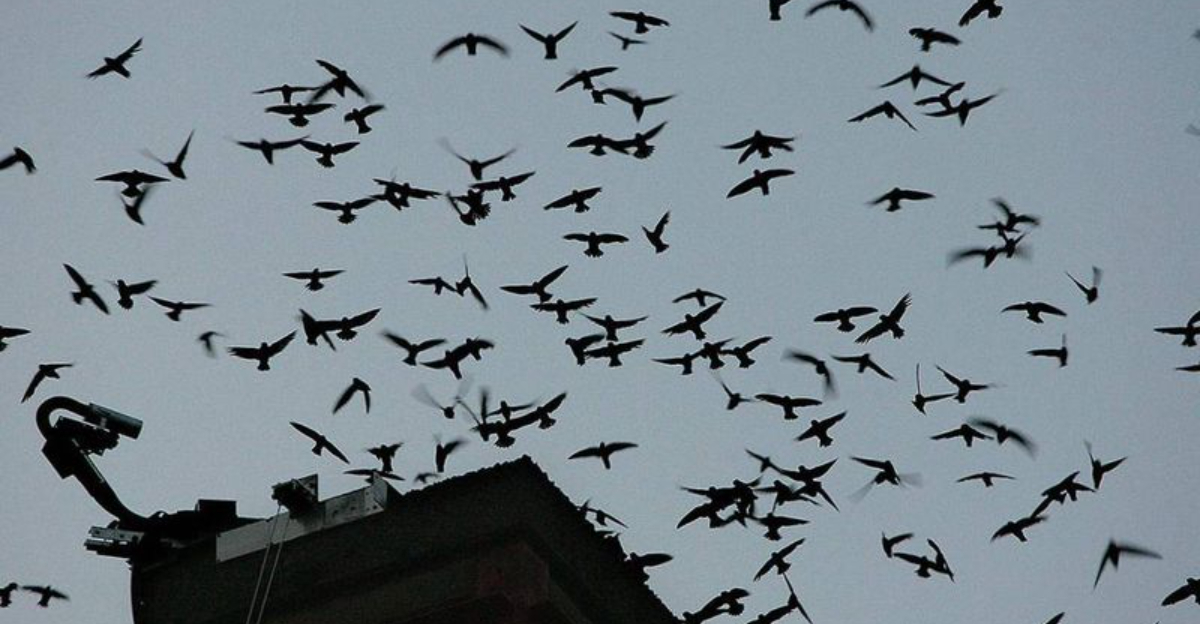
Chimneys across New York have started swallowing entire flocks of birds the moment dusk hits, and yours could be next in line. Watching it happen will change how you see every chimney on your block for good.
Streams of birds spiral downward together, folding their wings tight before dropping straight into brick shafts built for smoke. You can stand on a New York sidewalk at the right hour and watch it unfold without ever spotting where they came from.
Nobody predicted this pattern would concentrate so heavily near where you live, in dense corridors of brick and glass instead of open woodland. Officials have already fielded calls from homeowners near you, all convinced something is trapped inside their walls.
Your own chimney could be next, and the reason these birds choose brick over branches will change how you think about the sky above your street.
Chimney Swifts And Their Pre-Migration Roosts
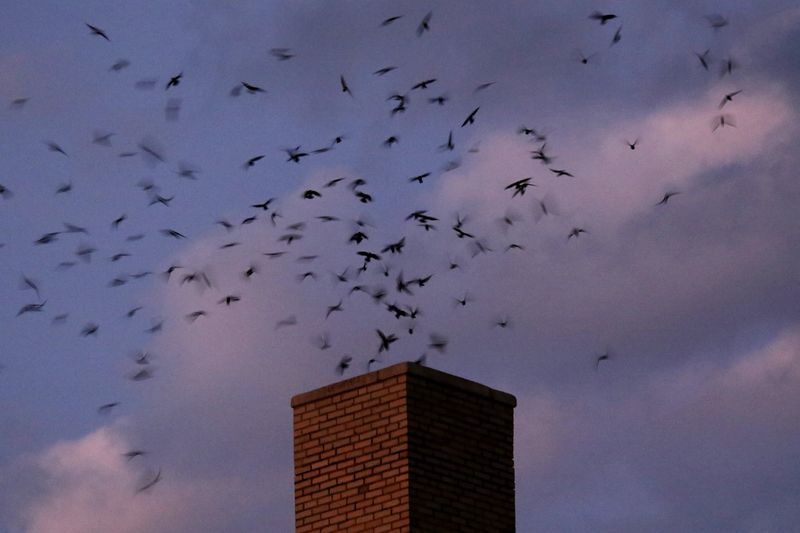
Watch the sky just before dark and you will notice something extraordinary. Hundreds of tiny birds circle a single chimney in a tightening spiral, then pour inside like water down a drain.
These birds are Chimney Swifts, and they are staging one of nature’s most jaw-dropping pre-migration gatherings. This kind of gathering is not a random event, but a carefully timed pattern that happens every late summer.
Swifts are built for the air. Their legs are so small they cannot walk on flat ground, so they cling to vertical surfaces instead.
Inside a chimney, they grip the rough brick walls with tiny curved claws and hang there all night. A single roost can hold anywhere from a few dozen birds to several thousand.
The number swells as August turns to September, because swifts from across the Northeast gather together before heading south. Think of it as a staging area, like an airport terminal before a long flight.
Watching this funnel is almost hypnotic. The birds chatter loudly as they circle, and the sound grows intense right before they drop inside.
If you have never witnessed a swift roost, it is one of the most striking free nature shows the city has to offer. This behavior is also a sign that their southern departure is coming soon.
The Reason Chimneys Replaced Hollow Trees
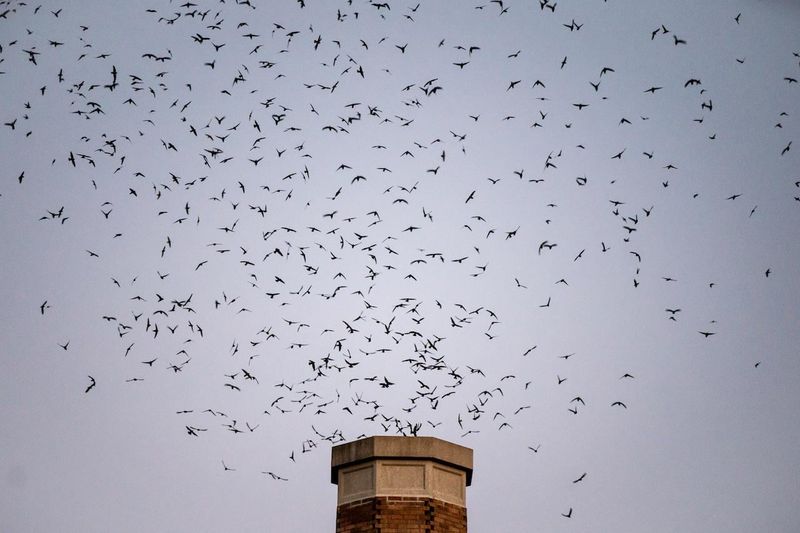
Long before cities existed, Chimney Swifts nested and roosted inside massive hollow trees. Old-growth forests provided towering, hollowed-out snags with wide, dark interiors that felt just like home to these birds.
Then European settlers arrived and cleared most of those forests. The ancient hollow trees disappeared across the eastern United States, leaving swifts with a serious housing shortage.
Luckily, humans were also building something that worked just as well. Brick chimneys turned out to be nearly perfect substitutes.
They are dark, vertical, sheltered from wind, and rough enough for those tiny claws to grip. A swift dropping into a chimney finds a texture and shelter close to what it once found inside a hollow tree trunk.
Swifts adapted quickly to this new architecture. By the 1800s, they were already nesting in chimneys across American towns and cities.
Your New York Garden Changes Every Week. Your Plan Should Too.
Gardening in New York changes quickly throughout the season. Every Friday you’ll receive a simple weekly plan showing exactly what to plant, prune, fertilize, harvest, and protect so you never miss the right timing.
The shift was so thorough that the species was eventually named after the structure it adopted. Old, uncapped masonry chimneys are now critical habitat for these birds.
Modern chimneys with metal liners and tight caps offer almost no grip for those claws, so swifts tend to skip them. The loss of older building stock across New York has quietly reduced the number of available roost sites over the decades.
Understanding why swifts chose chimneys helps explain why protecting old brick structures matters. Every uncapped chimney left standing is a potential refuge for a species that lost its original home centuries ago.
Timing Of The Evening Descent Across New York
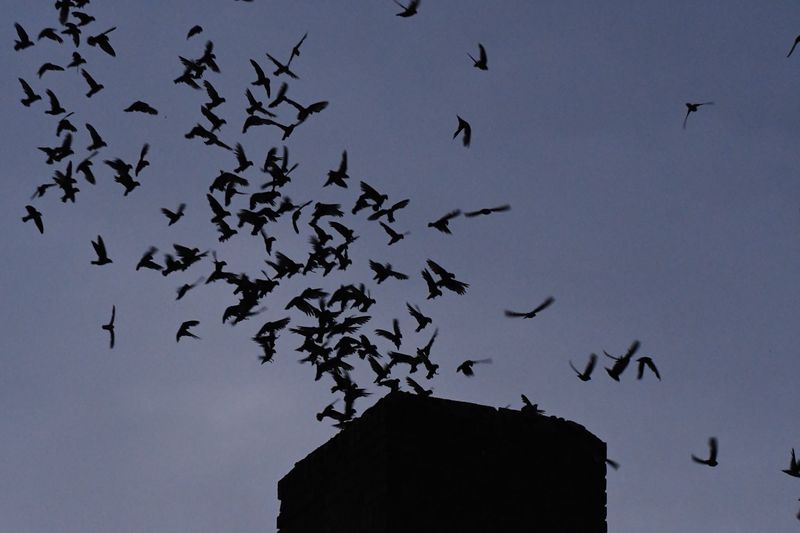
Timing matters a great deal with swift roosts. The funnel almost always begins about 30 minutes before full dark, which shifts earlier each week as summer fades into fall.
Keeping track of local sunset times helps you arrive early enough to catch the full spiral. The birds do not all arrive at once.
A few scouts appear first, circling high overhead in wide loops. Then more join in, and the circle tightens gradually until the whole group begins that iconic funnel descent.
Weather plays a real role in the timing too. On calm, warm evenings the funnel happens quickly and smoothly.
On cool or breezy nights, swifts tend to circle longer before committing to the drop. Across New York, different chimneys host roosts on slightly different schedules depending on local wind patterns and the birds’ travel routes.
Checking with local birding groups can help you find the right spot at the right moment. The entire descent usually lasts about 20 minutes from first arrival to last bird inside.
Missing the first few minutes means missing much of the most dramatic part. Set an alarm, grab a snack, and plant yourself outside early, because this funnel will not wait for latecomers.
Locating An Active Roost Near You
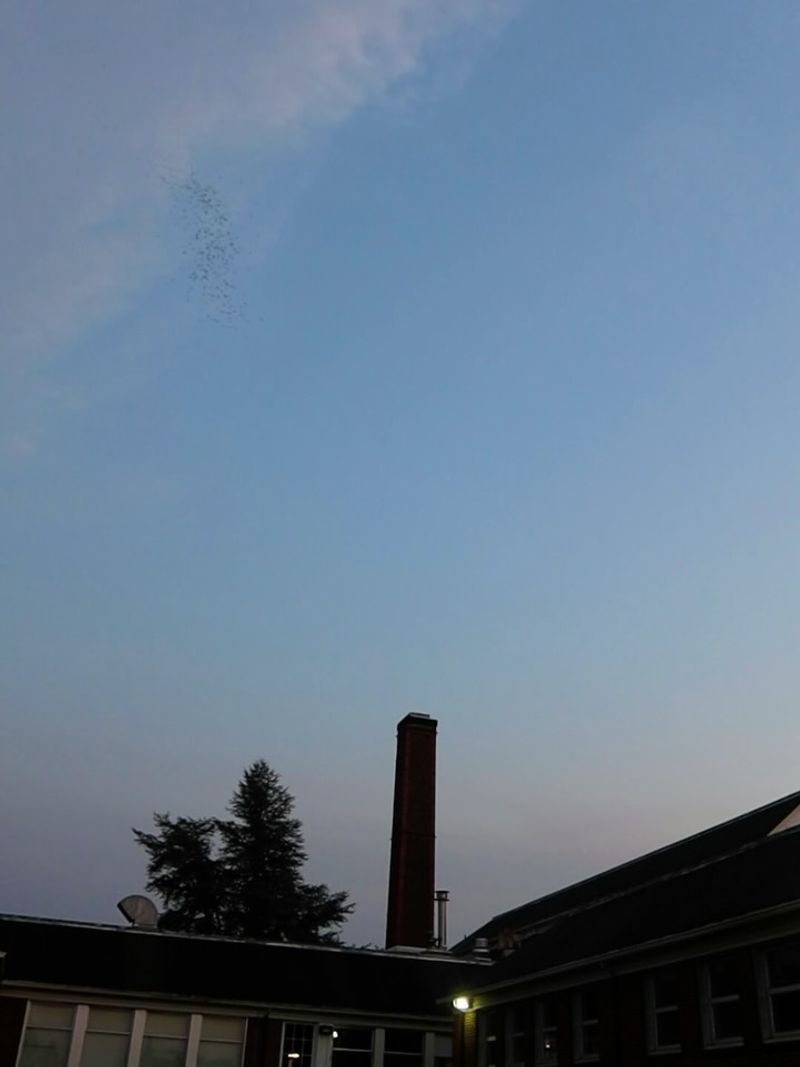
Finding an active swift roost near you is easier than most people expect. Old neighborhoods with pre-war brick buildings are a strong starting point for any search.
Look for tall, uncapped masonry chimneys on schools, churches, factories, or older apartment buildings. These structures tend to have the wide interiors swifts need to roost comfortably in large numbers.
The Audubon Society and local birding clubs often publish roost maps every year. A quick search for your borough or neighborhood plus the words swift roost will usually pull up current sightings from other observers.
Community science apps like eBird are goldmines for this kind of real-time information. You can also just listen.
Swifts make a high-pitched, chattering call that is surprisingly loud when a big group is circling. If you hear rapid, chittering sounds coming from above at dusk, tilt your head back and scan the sky.
Once you spot a swirling group, follow them with your eyes toward the center of the spiral. That center point will lead you directly to the roost chimney.
The birds circle tighter and tighter as they approach the opening, making the chimney easy to identify from a block away. Bring a folding chair and arrive at least 30 minutes early.
A good pair of binoculars will let you appreciate the speed and precision of each bird as it tucks its wings and drops inside. Once you find a roost, you will want to return every evening until the birds head south.
Chimney Care That Protects A Roosting Flock
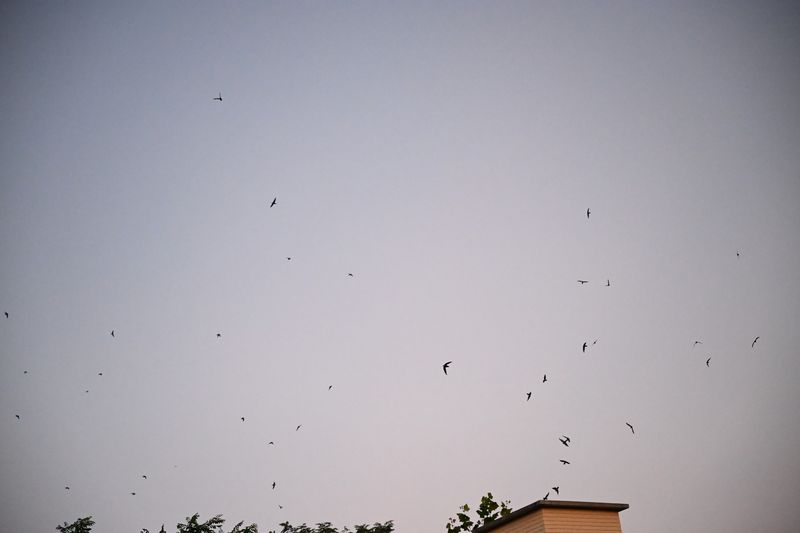
Owning a chimney that hosts swifts is a genuine privilege. It also comes with a few simple responsibilities that can make a big difference for the birds.
The most important rule is straightforward: do not cap or clean the chimney while swifts are inside. Disturbing an active roost can scatter hundreds of birds and may even be illegal under federal law.
Chimney Swifts are protected by the Migratory Bird Treaty Act, which covers their roost sites during nesting and staging seasons. Schedule any chimney maintenance for late October through March.
By then, the swifts will have already left for their wintering grounds in South America. A certified chimney professional can clean and inspect the flue safely during those off-season months.
If you are worried about debris or smell from the roost, know that swift droppings are minimal and break down quickly. The birds eat large numbers of mosquitoes and flying insects each day, which is a genuine bonus for any neighborhood.
A single swift can consume hundreds of flying insects in an evening. Installing a swift tower near your property is another way to support the species.
These purpose-built wooden structures mimic the interior of a hollow tree and give swifts an additional roosting option. Many conservation groups offer free plans and guidance for building one.
A little awareness and seasonal patience from homeowners can protect an entire flock. Your chimney might be the reason a whole roost successfully completes its journey south this fall.
The Departure Window Before The Birds Head South
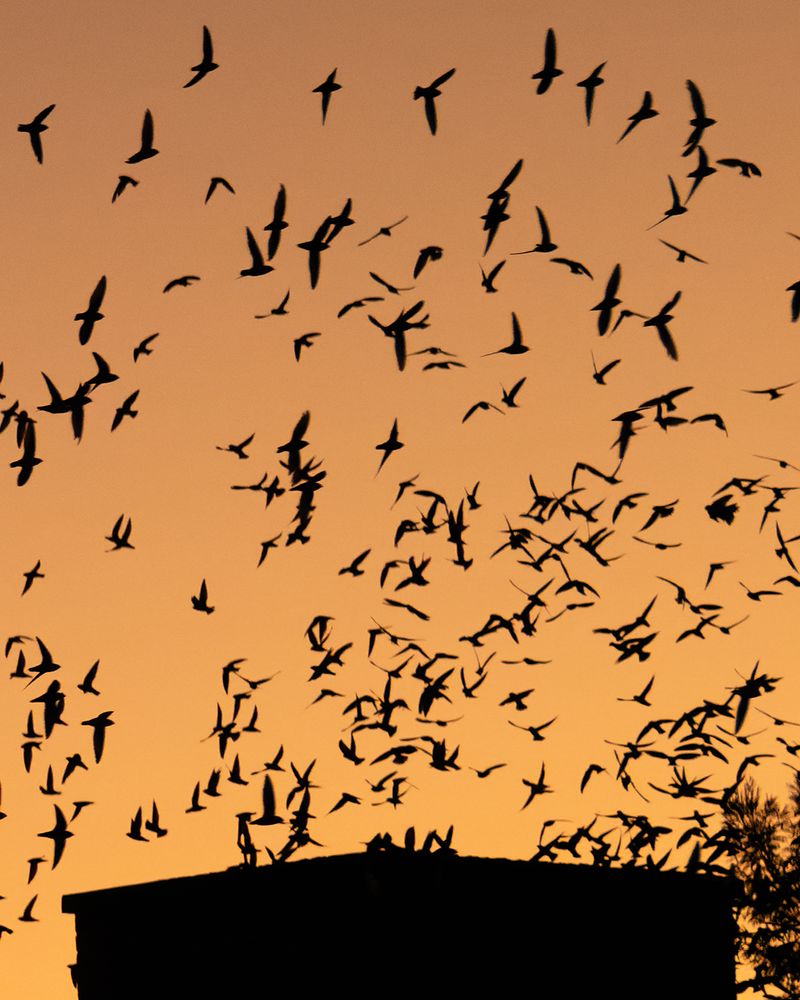
The funnel shows do not last forever. Swifts have a tight departure window, and once it closes, the chimneys go quiet until next spring.
In the New York area, most Chimney Swifts leave between mid-September and early October. The exact date shifts slightly from year to year depending on temperatures and wind patterns.
A strong cold front from the north can trigger a mass departure almost overnight. In the days before they leave, the roost behavior changes noticeably.
The nightly funnel gets larger and louder as birds from outlying areas consolidate into fewer roost sites. Watching a pre-departure roost can feel almost electric, like the whole flock is buzzing with restless energy.
Then one morning you walk outside and the sky is silent. The chimney that hosted hundreds of birds the night before sits empty and still.
That absence hits differently once you have watched the funnel a few times. Swifts travel thousands of miles to reach their wintering grounds in the Amazon basin of Peru.
The journey is long and demanding, which is exactly why the pre-migration roost matters so much. Gathering in large groups lets the birds rest, feed heavily, and build up the fat reserves they need for the trip.
Catching the final nights of the roost season is something birders plan around every fall. The last funnel of the year carries a quiet kind of magic that is hard to describe.