Why New Jersey Hummingbird Feeders Are Still Busy After The Adults Have Left
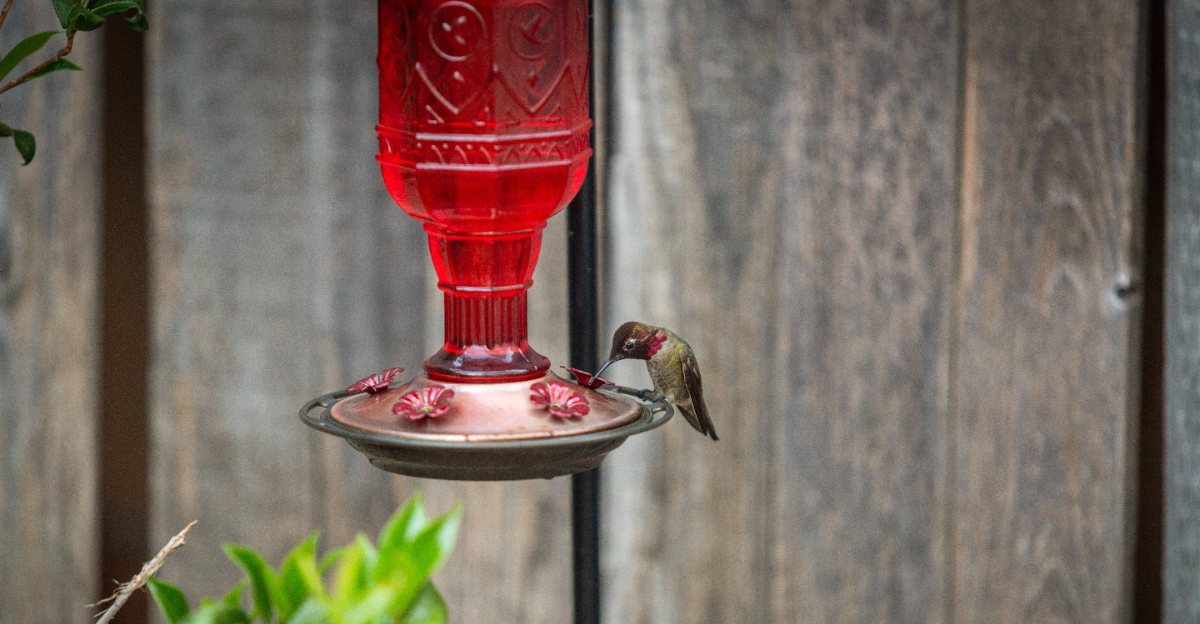
Your feeder should be empty by now. Something keeps draining it anyway. Visitors nobody expected are stalling out in New Jersey yards. Nobody warned you that departure dates leave out the rest of the story.
Traffic at your feeder hasn’t slackened, it has just changed shape. Younger fliers, late migrators, and opportunistic strangers move through long after the regulars are gone.
Each of these travelers runs on its own internal clock, and none of them match the one you expected. Refilling now means feeding an entirely different crowd than you assume.
New Jersey sits along a flight corridor that stays active long after summer fades. Instead of a predictable wave, you get overlapping arrivals with conflicting appetites.
Juvenile Hummingbirds And Their Later Departure
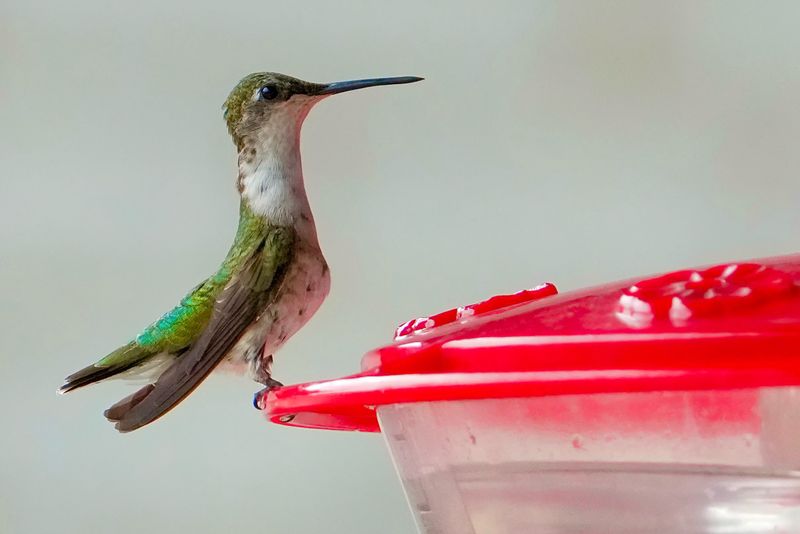
That tiny hummingbird at your feeder in mid-September? It is probably a juvenile, not a straggler adult.
Young ruby-throated hummingbirds hatch in late June or July across New Jersey. They spend their first weeks learning to fly, feed, and survive on their own, with no help from either parent.
Unlike many bird species, juvenile hummingbirds do not migrate with their parents. They figure out the journey south entirely by instinct, which is honestly remarkable for a bird the size of a ping-pong ball.
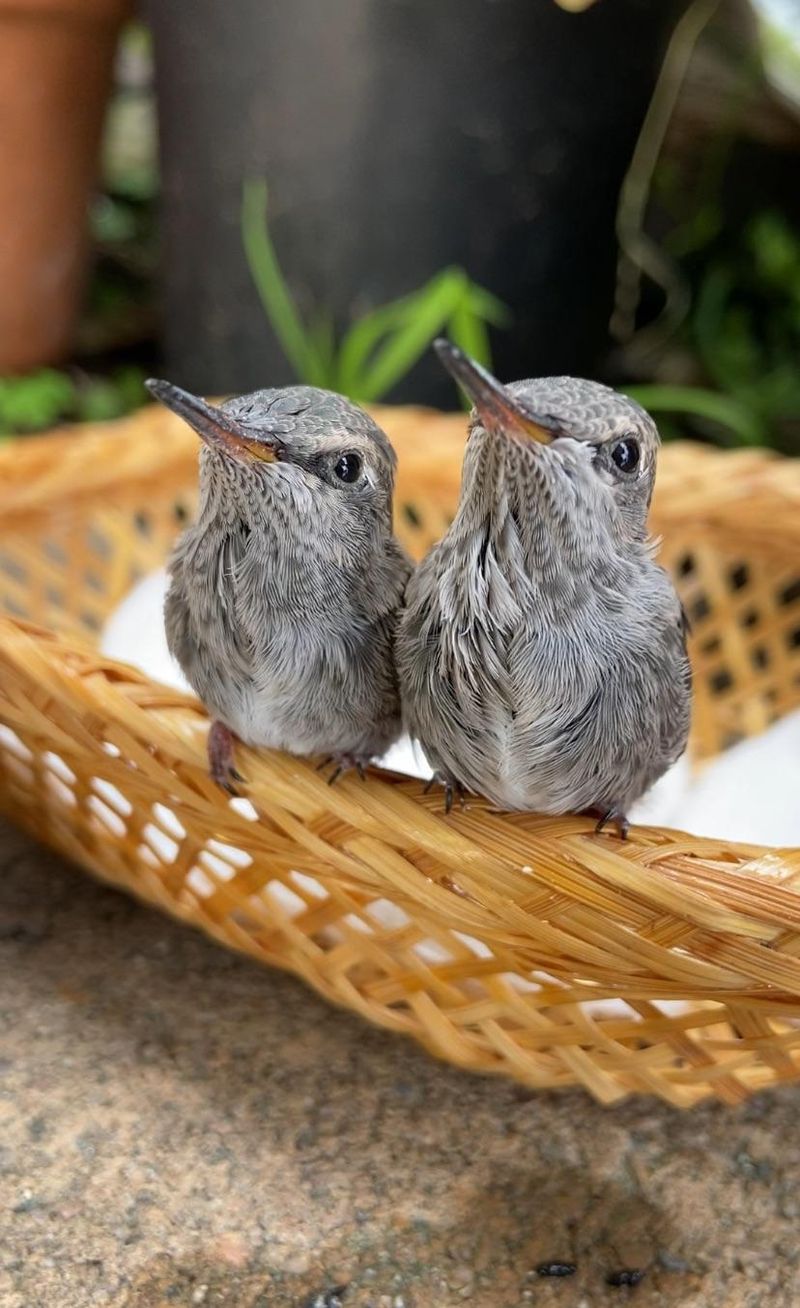
Juveniles look slightly different from adults. Young males lack the brilliant red throat patch their fathers sport, showing instead a faint speckle or just a hint of color along the chin.
Young females look nearly identical to adult females, making them tricky to tell apart without close observation. Both have the classic green back and white belly that ruby-throated hummingbirds are known for.
Because juveniles hatch later in the season, their internal clock pushes migration back by several weeks. They simply need more time to build fat reserves before tackling a journey that can span over a thousand miles.
Keeping your New Jersey hummingbird feeder stocked in September gives these youngsters a critical energy source. Every sip of nectar helps them pack on the fuel they need for the long flight ahead.
Watching a juvenile hummingbird figure out a feeder for the first time is genuinely entertaining. They hover awkwardly, miss the ports, and circle back with stubborn determination until they get it right.
The Order In Which Males, Females And Young Migrate
Adult male ruby-throated hummingbirds are the first to leave each year. They typically depart New Jersey by mid-August, sometimes even earlier in warm years.
Males have already completed their job for the season. After mating in late spring, they have no further parental duties and head south while the weather is still cooperative.
Adult females follow next, usually departing by late August or the very first days of September. They spend extra time at feeders and flowers before making their move south.
Females need to recover from the energy demands of nesting, incubating eggs, and raising chicks alone. That recovery time explains why they linger a bit longer than the males do.
Juvenile hummingbirds are the last group to leave, often staying in New Jersey well into September and occasionally into early October. Their departure depends heavily on their individual development and fat accumulation.
Your New Jersey Garden Changes Every Week. Your Plan Should Too.
Gardening in New Jersey changes quickly throughout the season. Every Friday you’ll receive a simple weekly plan showing exactly what to plant, prune, fertilize, harvest, and protect so you never miss the right timing.
This staggered departure works in your favor as a backyard feeder owner. It means your hummingbird feeder stays active for weeks longer than you might expect after spotting that last adult male.
Think of migration like a relay race with three separate runners. The males hand off the baton first, then the females, and finally the juveniles carry it across the finish line heading south.
Understanding this order helps you plan your feeder season with confidence. Knowing that juveniles are still passing through keeps you motivated to maintain fresh nectar well past Labor Day weekend.
Feeder Traffic Through September In New Jersey
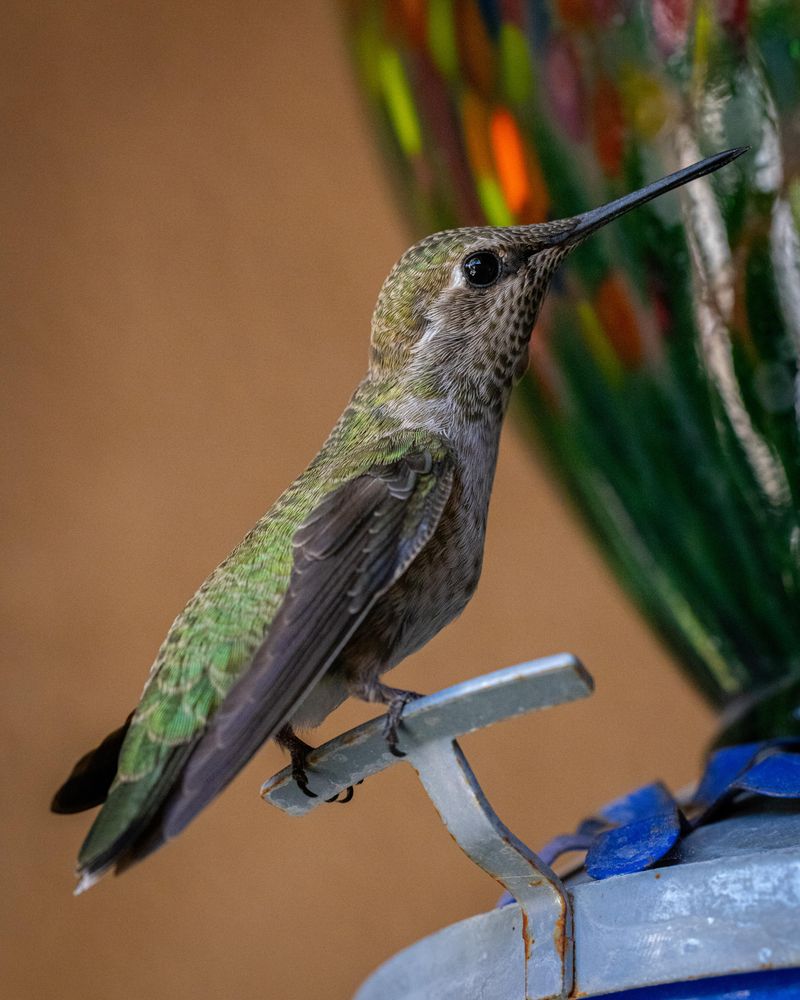
September is genuinely one of the most exciting months to watch your hummingbird feeder in New Jersey. Traffic picks up in a surprising way as migrants from farther north pass through on their way south.
Hummingbirds breeding in Canada and northern New England funnel through the Mid-Atlantic region during fall migration. New Jersey sits right in that corridor, making your yard a potential pit stop for birds you never raised.
Peak feeder activity in the Garden State typically falls in the first half of September. During that window, you might see more hummingbirds in a single afternoon than you saw all of August.
These migrating visitors are fueling up fast, sometimes doubling their body weight before crossing large stretches of open land or water. Your nectar feeder is essentially a highway rest stop with free fuel.
Cooler temperatures in September actually slow how fast nectar spoils, which is a hidden bonus for feeder maintenance. Your sugar water stays fresh longer, meaning slightly less frequent cleaning compared to the brutal heat of July.
Hummingbirds are creatures of habit during migration. Once a bird finds your feeder reliable, it may return to the same spot on subsequent migration years, a behavior called site fidelity.
Placing your New Jersey hummingbird feeder near native plants like cardinal flower or jewelweed adds extra appeal. Migrating birds use visual landmarks and flower scent to locate food sources along their route.
September feeder watching rewards patience with remarkable close-up views. These birds are focused on feeding, not fleeing, which means longer observation windows for you.
Nectar Ratio And Cleaning Schedule For Warm Weather
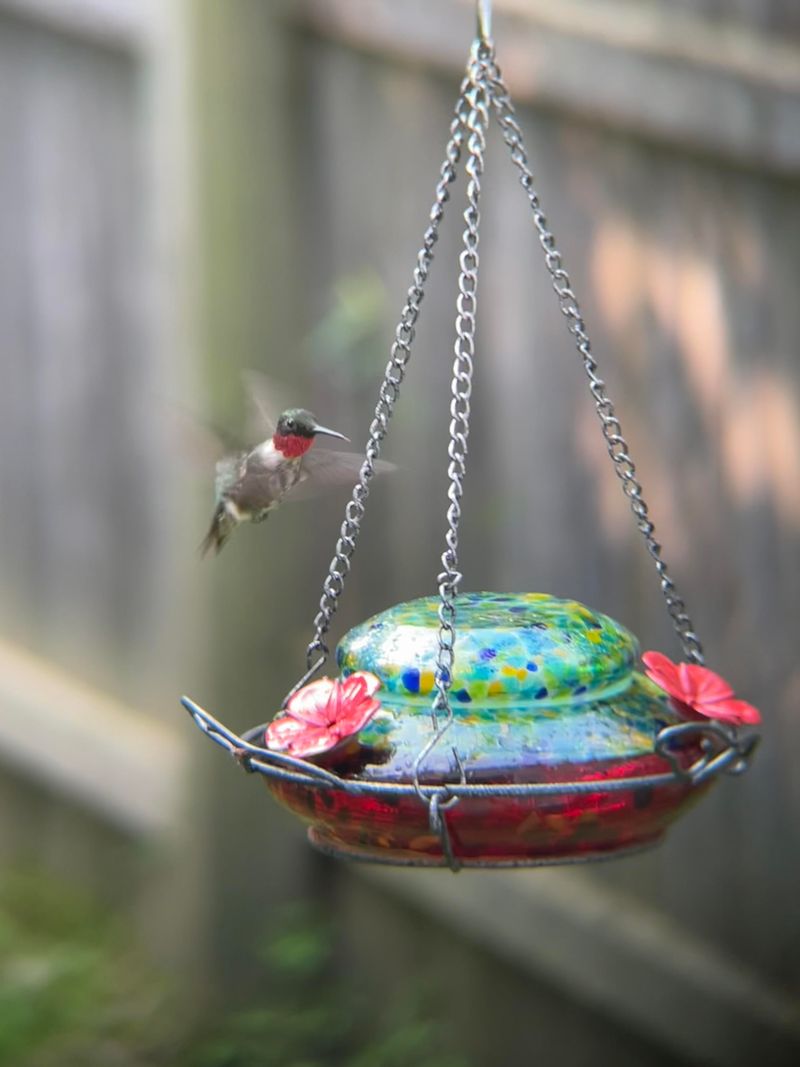
Warm September days mean nectar can still spoil faster than you think. Keeping the right sugar-to-water ratio is the single most important thing you can do for late-season visitors.
Stick with the classic four-to-one ratio: four parts water to one part plain white granulated sugar. This mimics natural flower nectar and gives hummingbirds exactly the energy density they need.
Avoid honey, brown sugar, powdered sugar, or artificial sweeteners in your feeder. These alternatives can cause digestive problems and may harbor dangerous mold faster than plain white sugar does.
Red food coloring is unnecessary and potentially harmful. The red color on your feeder itself is enough to attract hummingbirds without adding any dye to the nectar solution.
In temperatures above 80 degrees Fahrenheit, change your nectar every two days. When daytime highs drop below 75, stretching to every three or four days is generally safe.
Cleaning your feeder properly matters as much as the nectar itself. Rinse all parts with hot water and scrub with a bottle brush to remove any cloudy or sticky residue.
Avoid dish soap if possible, as residue can linger and deter sensitive birds. A diluted white vinegar rinse followed by a thorough water flush works beautifully for routine cleaning.
Black mold spots inside a feeder are a serious warning sign. If you see dark spots that scrubbing does not remove, it is time to replace that feeder entirely.
Fresh nectar and a clean feeder through September keeps migrating hummingbirds healthy and your yard busy. That small effort pays off in spectacular ways.
The Myth About Feeders Delaying Migration
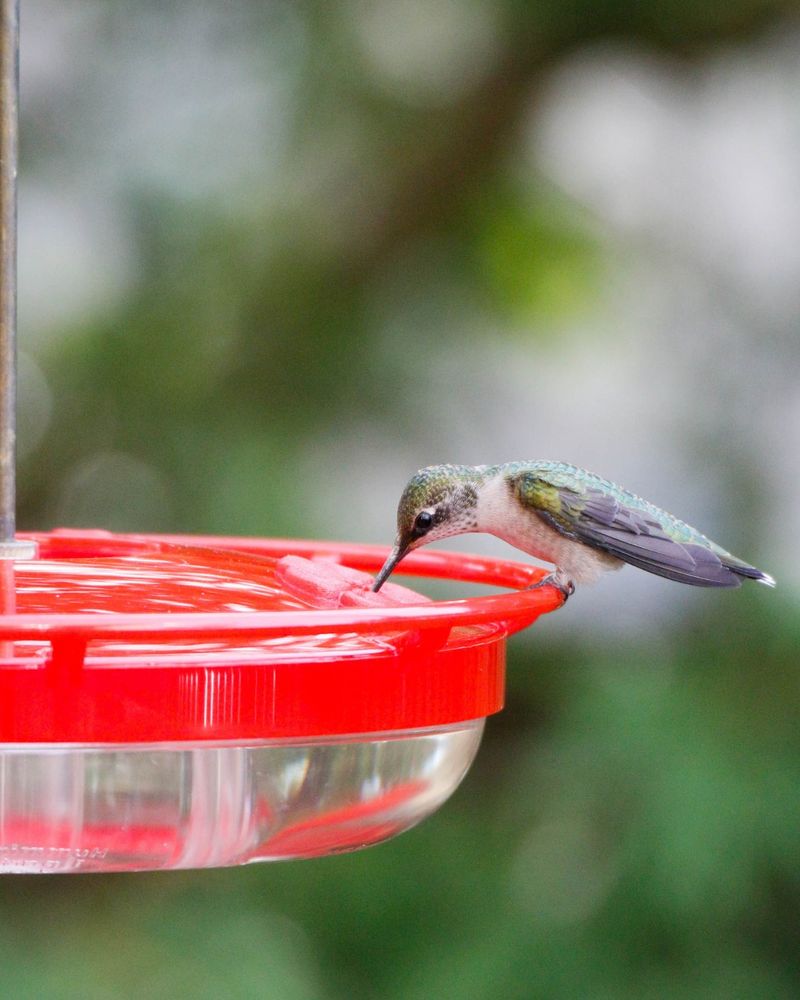
One of the most persistent myths in backyard birding is that leaving your feeder up will convince hummingbirds to skip migration. This idea sounds logical but has no scientific support.
Hummingbird migration is driven by changing day length, not food availability. As days grow shorter in late summer, an internal biological clock triggers the urge to fly south.
No amount of free nectar overrides that instinct. A hummingbird will leave when its body tells it to leave, regardless of how full your feeder is or how perfectly maintained it looks.
Researchers have studied this pattern for decades and found consistent results. Food supply simply does not delay departure timing in ruby-throated hummingbirds under natural conditions.
What keeping your feeder up actually does is support birds that are already in migration mode. It gives them a reliable fuel stop, not a reason to abandon their journey south.
Think of it this way: leaving a gas station open does not convince road-trippers to cancel their vacation. It just helps them travel more comfortably and efficiently along the way.
This myth causes many well-meaning New Jersey homeowners to pull feeders down too early. They worry they are doing harm when they are actually providing a valuable ecological service.
Spreading the word about this misconception helps the whole community of backyard birders. When neighbors keep feeders up through September, migrating hummingbirds have more support across a wider area.
Your New Jersey hummingbird feeder is a gift to passing migrants, not a trap. Keep it up with confidence and enjoy every last visit.
Timing For Taking Feeders Down
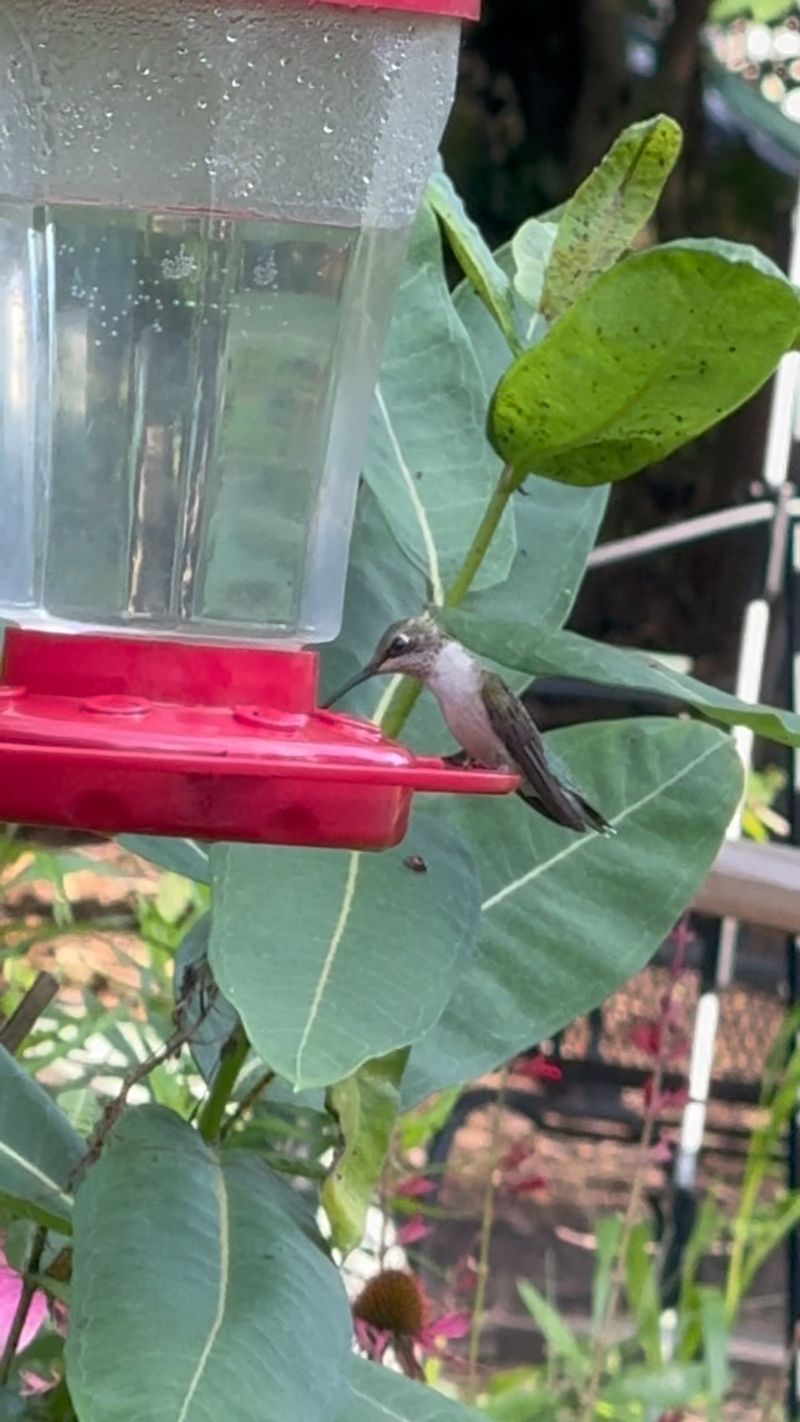
So when should you actually take your feeder down? Most experienced New Jersey birders follow a simple rule: wait two weeks after you see your last hummingbird visit.
For most of the state, that puts the take-down date somewhere between late September and mid-October. Northern counties may see their last birds a bit earlier than coastal or southern areas.
Leaving your New Jersey hummingbird feeder up through this window ensures late migrants and stragglers have access to fuel. Missing one tired juvenile on a cold October morning feels like a real loss once you know what is at stake.
Occasionally, a rare western hummingbird species wanders into New Jersey during fall. Rufous hummingbirds, which breed in the Pacific Northwest, sometimes show up unexpectedly at East Coast feeders in October.
Keeping your feeder out a little longer gives you a chance to spot one of these rare visitors. Birders travel long distances for a rufous sighting, and yours could be right in your own yard.
Once you decide it is time, clean the feeder thoroughly before storing it. Leftover sugar residue can attract ants, bees, and mold during the off-season if the feeder is stored dirty.
Store feeders indoors in a dry location through winter. Inspect all seals, ports, and glass or plastic components before putting them away so they are ready to go in May.
Taking your feeder down at the right time is the final act of a great hummingbird season. Do it thoughtfully, and next spring will feel even more rewarding when those first wings appear at your New Jersey hummingbird feeder again.