The September Florida Native-Garden Project Worth Checking Your HOA Rules Before You Start
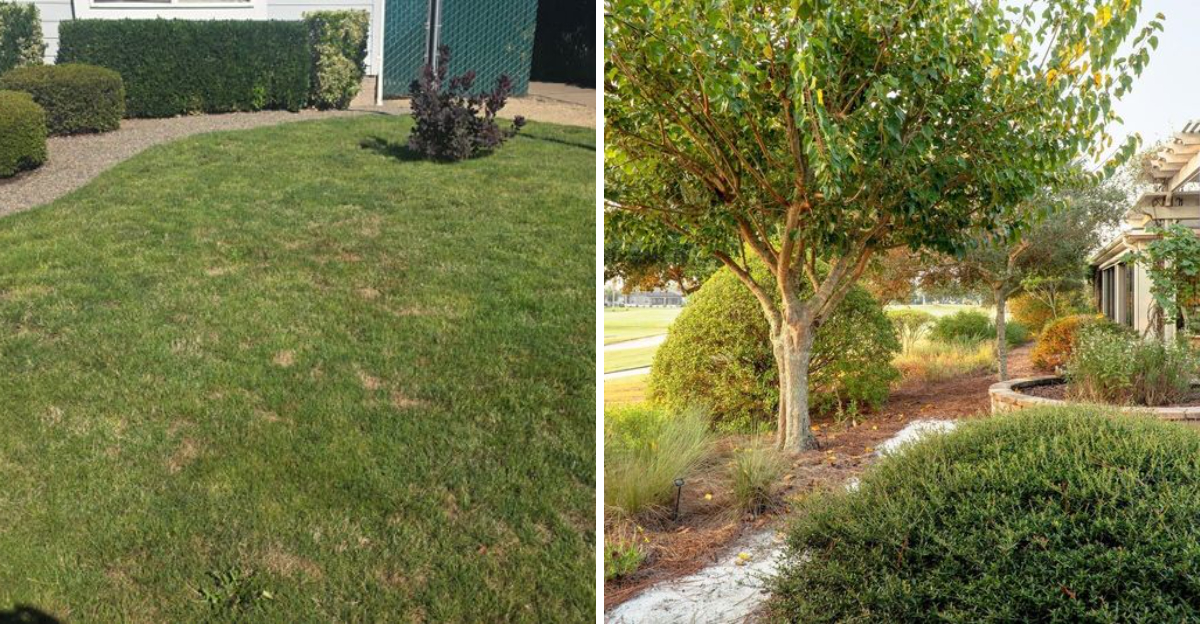
A Florida yard filled with native plants can look natural, beautiful, and completely different from the lawns surrounding it. That is exactly why more homeowners are rethinking traditional landscapes and creating spaces that support birds, butterflies, and local wildlife.
September is an appealing time to start, with warm soil and the growing season still active. But there is one detail that can stop a project before the first plant goes in the ground.
Some neighborhoods have rules about what can be planted, how beds should look, and how much of the traditional lawn must remain. The surprise is that a landscape change meant to benefit the environment can still create questions at the property level.
Before you remove grass, expand planting areas, or bring home a collection of Florida natives, check what your community allows. A little planning can save you from redoing a garden you just finished creating.
1. Turn A Strip Of Lawn Into A Native Planting Bed
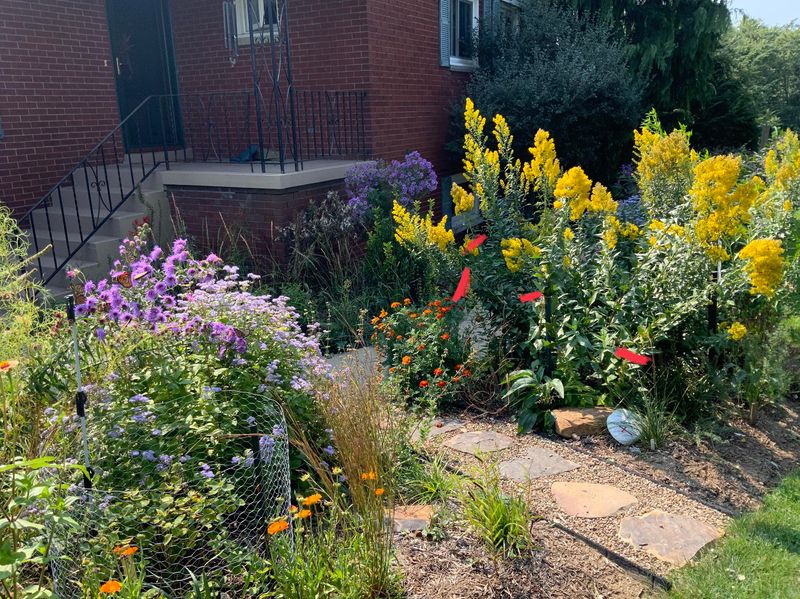
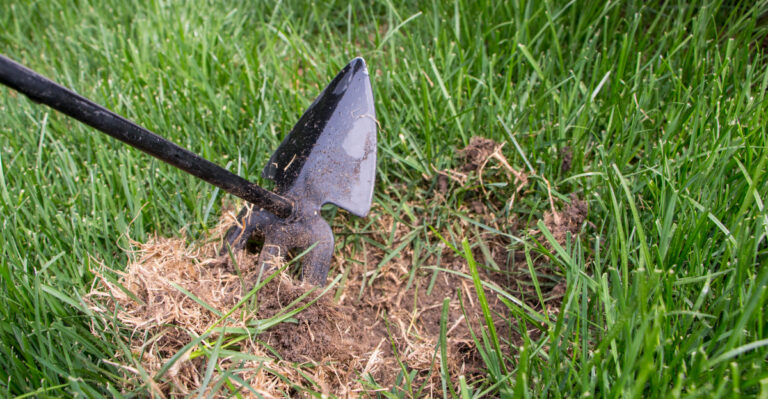
A strip of turf about four to six feet wide along a driveway or walkway edge is one of the most manageable places to start a native bed conversion. Removing that defined section is far less overwhelming than tackling an entire lawn at once.
Enlarging an existing bed by a few feet can be just as rewarding and even easier to plan.
Swapping out that strip for native shrubs, grasses, or perennials adds texture and movement that mowed turf simply cannot offer. Pollinators find the flowers.
Birds use the seed heads and cover. Lizards and small beneficial insects move in quickly once diverse plantings replace a monoculture.
A defined bed also has clear edges, which makes ongoing maintenance predictable. You know exactly where the mulch goes, where the edging sits, and how the plants should fill in over time.
That clarity matters both for your own schedule and for meeting community appearance expectations.
September in Florida still delivers warmth and often some rainfall, which can support new plant establishment. Cooler nights will arrive in the weeks ahead, giving roots time to settle before winter.
Planning the conversion now, with a clear bed shape and a short list of suitable plants, sets the project up for a strong start rather than a scramble.
2. Florida-Friendly Does Not Mean Approval-Free
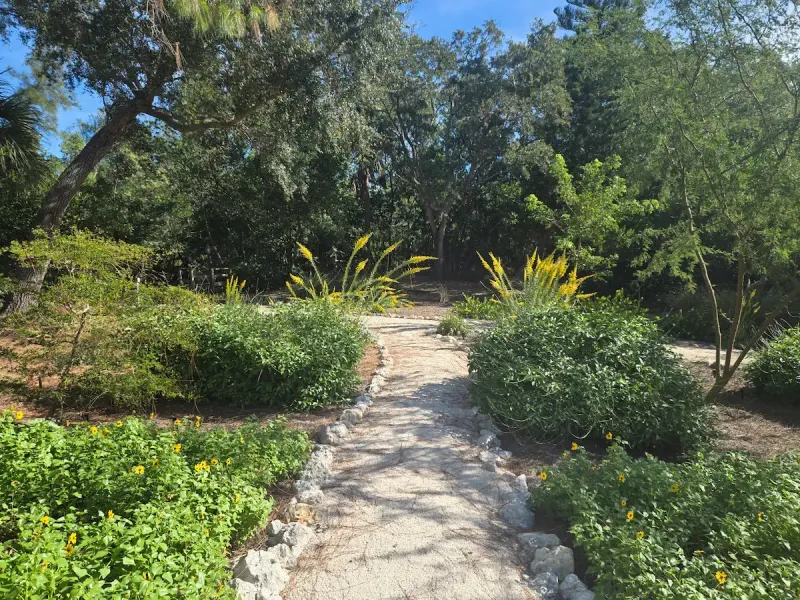
An HOA document sitting on a kitchen table deserves a careful read before any landscape project begins. Current Florida law does limit an association’s ability to outright prohibit Florida-Friendly Landscaping practices, and that protection is meaningful.
However, it does not erase the procedural steps many associations require before any landscape change is made.
A homeowner may still need to submit a landscape application, get architectural-review approval, or meet specific design criteria outlined in the governing documents.
Those steps exist separately from the question of whether native or Florida-Friendly plants are allowed at all.
Skipping required procedures can create conflict even when the plants themselves would have been approved.
Associations are not automatically hostile to thoughtful landscaping changes. Many communities have updated their documents in recent years and are more flexible than older rules suggest.
Your Florida Garden Changes Every Week. Your Plan Should Too.
Gardening in Florida changes quickly throughout the season. Every Friday you’ll receive a simple weekly plan showing exactly what to plant, prune, fertilize, harvest, and protect so you never miss the right timing.
Reading the most current version of the CC&Rs and any landscape guidelines is the only reliable way to know what your specific association allows.
If a landscaping dispute arises between a homeowner and an association, consult an attorney familiar with the community association law. This helps ensure you receive guidance specific to your situation.
This article does not provide legal advice, and general information is no substitute for guidance tailored to a specific situation and the most current statutes.
3. Native And Florida-Friendly Are Not The Same Thing
Plenty of gardeners use the terms interchangeably, but mixing them up can lead to real confusion when talking to an HOA reviewer or a nursery staff member.
Florida-Friendly Landscaping is built around a set of principles developed through the University of Florida IFAS Extension program.
Those principles include right plant, right place, water efficiency, appropriate fertilization, and reduced environmental impact.
A Florida-Friendly landscape does not have to contain only native plants. Well-adapted non-native species that use water efficiently, require minimal inputs, and do not become invasive can fit squarely within Florida-Friendly guidelines.
The program is about how a landscape is managed as much as what it contains.
Native plants, on the other hand, are species that occurred in a region before European settlement. They evolved here, and many provide irreplaceable value to local wildlife.
But placing a native plant in the wrong soil type, the wrong moisture level, or a spot with too little light does not guarantee success. Site suitability matters as much as origin.
Knowing the difference between the two concepts helps homeowners have clearer conversations with their associations and make smarter choices at the nursery.
A plant label that says native does not automatically mean it belongs in your specific bed, and Florida-Friendly approval does not require every plant to be native.
Both frameworks have real value when applied correctly.
4. Front Yard Rules Can Get Surprisingly Specific
Flipping through an HOA’s landscape guidelines for the first time can be eye-opening. Some documents are brief and general.
Others run to several pages and address details most homeowners never considered before starting a project. Knowing what categories of rules to look for helps you read those documents more efficiently.
Turf percentage requirements appear in some communities, setting a minimum amount of lawn that must remain in the front yard. Planting-bed size limits, bed shape rules, and restrictions on plant height near sidewalks or streets are also common.
Approved or prohibited plant lists show up in certain associations, and those lists should be compared against any plants you plan to buy.
Visibility from the road is another factor some documents address. A bed that looks tidy from the front may still need to meet sightline standards near driveways or corners.
Specialty garden categories, such as rain gardens or butterfly gardens, sometimes require a separate review process from a standard landscape change.
None of these examples apply to every community. Some associations have few restrictions and a simple notification process.
Others have layered review steps. Relying on what a neighbor remembers from a meeting three years ago is not a reliable substitute for reading the most current governing documents yourself.
Rules get amended, and the current version is the one that applies to your project today.
5. A Designed Bed Is Easier To Defend Than A Random Patch
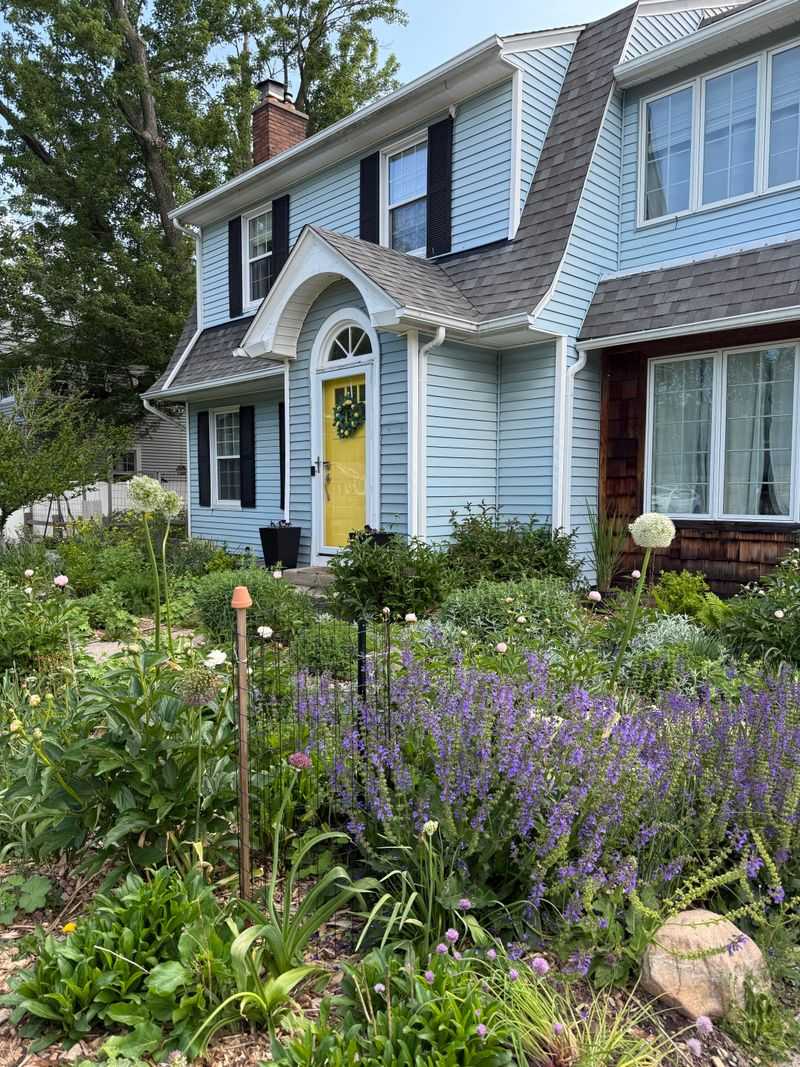
Freshly pulled sod surrounded by a few scattered plants does not read as a landscape plan. A clearly defined bed with consistent edging, layered plant heights, and a recognizable shape sends a very different message to neighbors, reviewers, and anyone driving past.
Intentional design communicates that the change was thought through.
Defined edging, whether metal, concrete, or a clean cut edge, separates the planting area from remaining turf in a way that looks deliberate.
Grouping plants in odd-numbered clusters rather than spacing them out individually creates a fuller, more cohesive appearance as they grow in.
Repeating one or two plant species across the bed ties the design together visually.
Height layering adds structure. Taller plants placed toward the back or center of the bed, mid-height plants in the middle, and lower-growing groundcovers or grasses along the front edge create a composition that looks planned from the street.
Mulch applied evenly across the bed surface reduces weeds and reinforces the sense of an organized planting area.
None of this requires the bed to look stiff or formal. Native gardens can have a relaxed, naturalistic feel and still appear clearly intentional.
The goal is not to shear every plant into a box shape. The goal is to show, through design choices, that the space was created with purpose and will be maintained with care going forward.
6. Match The Native Plants To The Spot Before Buying Them
A nursery cart full of attractive plants can turn into an expensive lesson if those plants go into the wrong spot. Before purchasing anything, spend time observing the actual conditions of the bed you plan to create.
Note how many hours of direct sun it receives, whether the soil drains quickly after rain or stays wet, and what the mature space dimensions actually allow.
Sandy, well-drained soil in a full-sun front yard calls for completely different species than a shadier bed with heavier soil or seasonal standing water. A plant that thrives in a dry scrub environment may struggle in a yard that holds moisture after summer storms.
Matching the plant’s natural habitat preferences to your site conditions is more reliable than relying on the native label alone.
Mature size is another factor that catches homeowners off guard. A shrub described as reaching six feet tall and wide may seem small at the nursery but could quickly crowd a narrow bed or block sightlines.
Check mature dimensions against your bed size and any HOA rules about plant height near the street or sidewalk.
Regional cold tolerance matters too. North, Central, and South region have meaningfully different winter conditions.
A plant suited to the warmer southern part of the state may not handle a North region freeze reliably. University of Florida IFAS Extension resources organized by region are a practical starting point for narrowing down appropriate species before you buy.
7. Get The Plan Approved Before The Sod Comes Out
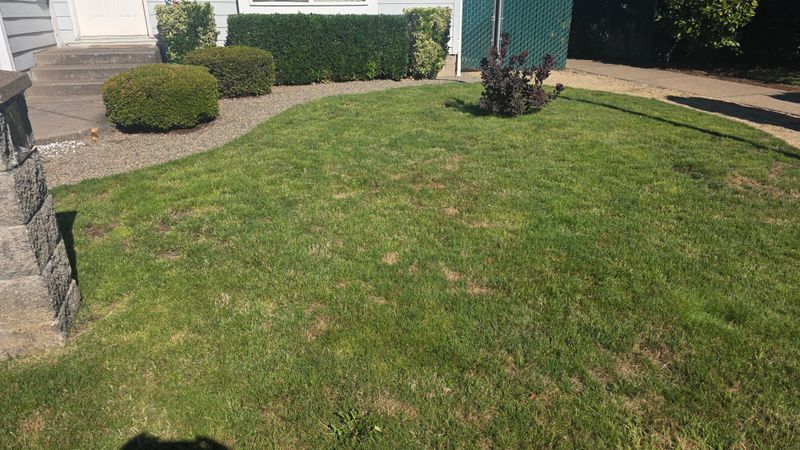
A landscape sketch drawn on graph paper can do a surprising amount of work.
Submitting a clear plan before removing any sod shows an association reviewer exactly what is proposed, which tends to move review processes along more smoothly than a vague description or a verbal conversation at a meeting.
A useful submission typically shows the bed location on the property, the dimensions of the area being converted, the amount of turf being removed, and the names of the plants going in.
Including mature heights and widths for each species helps a reviewer understand what the bed will look like once plants are established.
Noting the edging material and any major existing features like trees or utilities adds useful context.
Approval is never guaranteed, and no plan guarantees a specific outcome. The purpose of submitting before starting is to avoid making an irreversible change while a required review is still pending.
Removing sod and planting before approval is granted can result in a required removal, which wastes both time and money.
Some associations have a formal application process with specific forms and fees. Others require only written notice to the board.
A few have no review requirement at all for routine landscape changes. Checking the governing documents tells you which category your association falls into.
Following the correct process from the beginning keeps the project moving without creating unnecessary friction with the community.
8. September Planting Still Needs An Establishment Plan
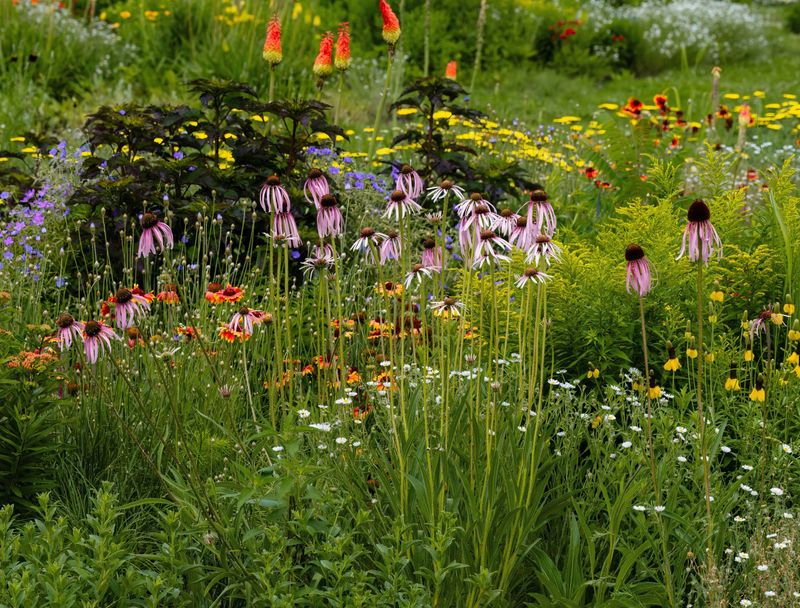
Newly removed sod and freshly planted natives in September do not take care of themselves, even in a month that often brings afternoon rain. Weather across the state varies considerably.
North region can see cooler, drier stretches in September. Central and South region may still be deep in the wet season with heavy afternoon storms.
Neither pattern eliminates the need for an active establishment plan.
New plants need consistent soil moisture around their roots while they settle in, even species that will eventually handle dry periods well on their own.
Rainfall monitoring helps you decide when supplemental watering is needed and when the rain has already done the work.
Overwatering newly planted natives in a site with poor drainage can cause root problems just as readily as underwatering in a dry stretch.
A two to three inch layer of mulch helps retain soil moisture, moderate soil temperature, and reduce weed pressure during establishment. Keep mulch pulled back a few inches from plant stems to allow airflow.
UF/IFAS Extension guidance recommends monitoring new plantings regularly during the first growing season rather than setting an irrigation timer and walking away.
September is a reasonable time to plant in much of the state, but it is not a universally ideal month everywhere or in every weather year. Check the bed, monitor the plants, and adjust watering based on what is actually happening in your yard.
Then enjoy watching a thoughtfully planned, properly approved native bed take root.