Mosquito-Repelling Plants Pennsylvania Homeowners Can Grow Near Patios
Mosquitoes near a Pennsylvania patio are one of those warm weather problems that most homeowners manage rather than solve.
Sprays work briefly, candles create atmosphere but limited protection, and plug in devices cover a range that never quite extends to where everyone is actually sitting.
Most people spend entire summers fighting mosquitoes reactively, swatting and retreating, rather than reducing the problem at its source. But the right plants change the dynamic entirely.
Certain plants produce natural compounds that mosquitoes genuinely avoid, and positioned thoughtfully near a patio, they create an environment that is significantly less welcoming to the insects that ruin otherwise perfect Pennsylvania evenings outside.
They work passively, all season long, without any effort after planting, and several of them happen to be beautiful, fragrant additions that improve the outdoor experience in multiple ways at once.
Pennsylvania summers may be shorter than Texas, but the mosquito pressure during them is very real, and these plants are well suited to the climate and growing conditions the state provides.
Citronella Grass
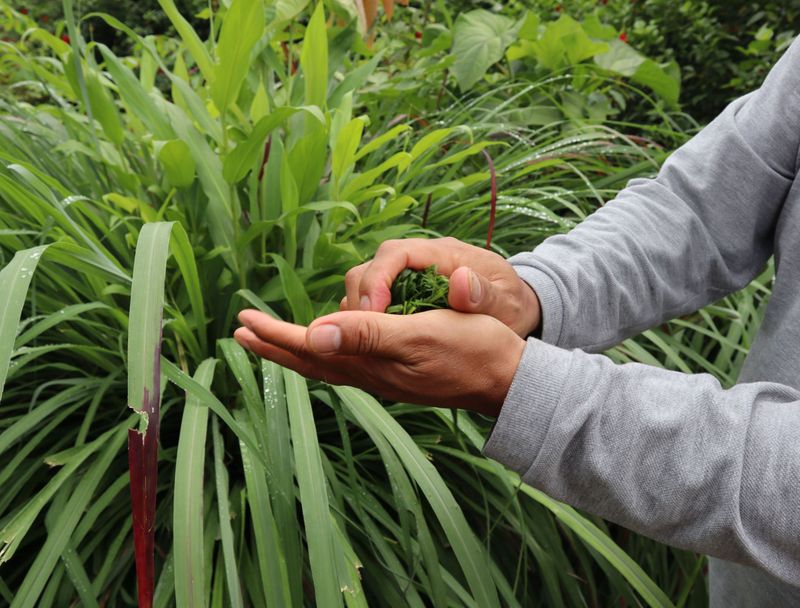
You have probably seen citronella listed on the label of candles, bug sprays, and outdoor torches. That familiar lemony scent actually comes from the natural oils found in citronella grass, and those oils are widely used in plant-based mosquito repellents.
Having the real plant growing near your patio means you get a living, breathing version of that protection right at home.
Citronella grass (Cymbopogon nardus or Cymbopogon winterianus) is a tall, clumping tropical grass that can grow several feet high during a warm Pennsylvania summer. It thrives in full sun and needs well-drained soil to stay healthy.
Because it is a tropical plant, it does not survive Pennsylvania winters outdoors, so growing it in a large container is the smartest move. You can move the pot to a sunny indoor spot before the first frost hits in fall.
To get the most mosquito-repelling benefit, brush or rub the leaves gently with your hand as you pass by. This releases more of the plant’s natural oils into the air around you.
Place the container near seating areas or at patio entry points for the best effect. Water it regularly during dry spells, and feed it with a balanced fertilizer once a month during the growing season.
Citronella grass grows quickly, so you may need to repot it into a bigger container by midsummer. With just a little care, this bold and fragrant plant can be one of the most rewarding additions to your Pennsylvania patio setup all season long.
Peppermint
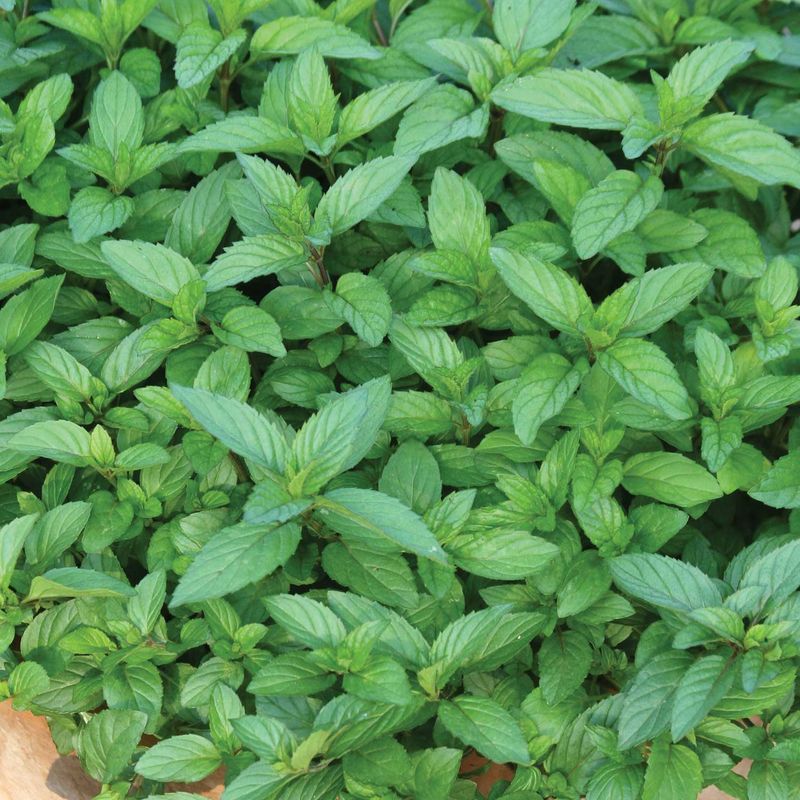
Few plants pack as much punch as peppermint. That bold, cooling scent you recognize from gum and toothpaste is the same thing that sends mosquitoes in the other direction.
Research has shown that peppermint oil has real insect-repellent activity, making this easy-to-grow herb a smart choice for any Pennsylvania patio gardener looking for a natural solution.
One of the best things about peppermint is how little effort it takes to grow. It loves moist soil, partial to full sun, and regular watering.
Your Pennsylvania Garden Changes Every Week. Your Plan Should Too.
Gardening in Pennsylvania changes quickly throughout the season. Every Friday you’ll receive a simple weekly plan showing exactly what to plant, prune, fertilize, harvest, and protect so you never miss the right timing.
It will grow quickly and produce plenty of fragrant leaves throughout Pennsylvania’s warm months. However, here is one thing every gardener should know before planting mint in the ground: it spreads aggressively.
Mint sends out underground runners that can take over a garden bed surprisingly fast. Keeping peppermint in a container is the easiest way to enjoy it without the headache of controlling its spread.
A medium-sized pot with good drainage works perfectly. Set it near your favorite patio chair or close to a door where you and your guests spend the most time.
Pinch off flower buds as they appear to keep the plant bushy and producing more fragrant leaves. You can also crush a few fresh leaves and rub them on your skin as a quick natural bug deterrent before heading outside.
Peppermint is also handy in the kitchen for teas, desserts, and drinks. So beyond keeping mosquitoes away, this plant earns its spot on your patio in more ways than one.
It is truly a hardworking little herb with big benefits.
Basil
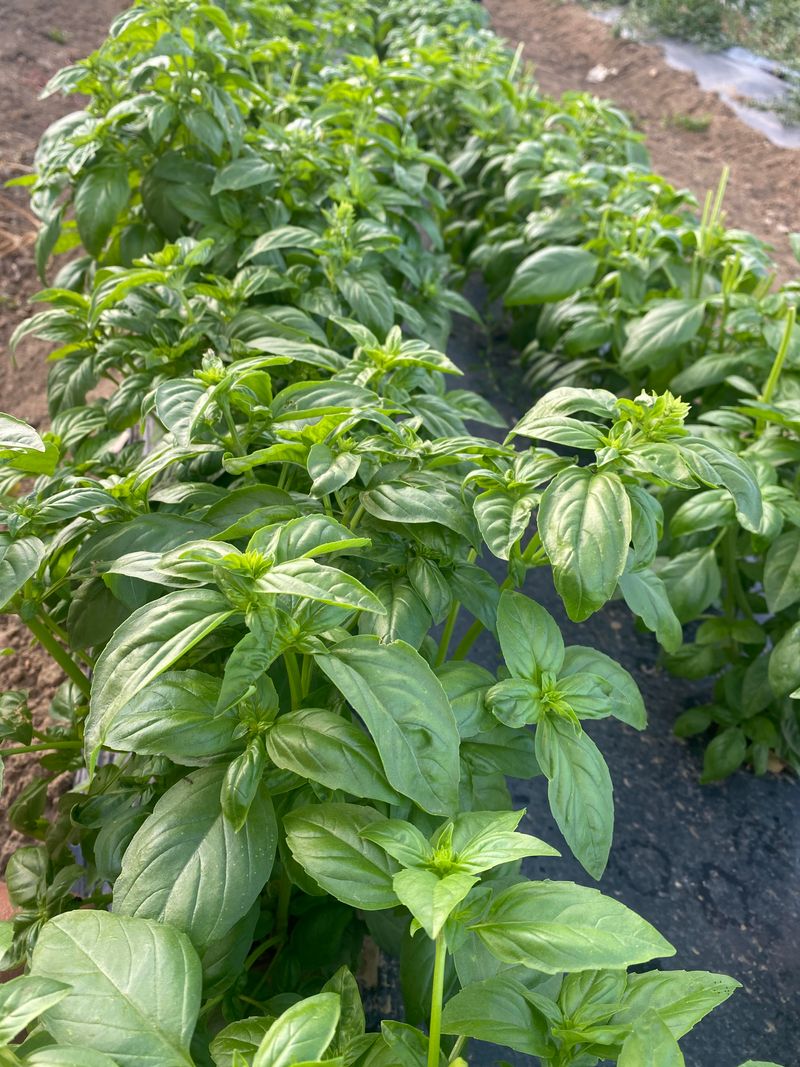
Basil is probably already on your grocery list, but it deserves a spot on your patio too. Beyond its famous role in pasta sauces and salads, basil contains aromatic oils that have shown real mosquito-repellent activity in scientific studies.
That strong, spicy-sweet scent that makes your mouth water is exactly what keeps certain insects from getting too comfortable near you.
Growing basil in Pennsylvania is straightforward during the warmer months. It loves heat, full sun, and regular watering.
Plant it in a pot or a raised bed near your patio once nighttime temperatures stay consistently above 50 degrees Fahrenheit, which is usually from late May onward. Basil does not like cold nights, so if a surprise cool snap comes through early in the season, bring the pot inside temporarily.
Choose varieties like lemon basil or cinnamon basil for even stronger fragrance, which may boost the repellent effect around your outdoor space.
Keep the soil moist but never waterlogged, and pinch off any flower spikes that appear. When basil starts to flower, the leaves lose some of their aromatic intensity, so staying on top of that small task matters.
You can place several pots of basil around the perimeter of your seating area to create a fragrant barrier that mosquitoes prefer to avoid. As a bonus, you will always have fresh herbs within arm’s reach for cooking.
Basil is one of those rare plants that serves double duty beautifully, helping your patio smell amazing while also keeping your kitchen well stocked all summer long.
Rosemary
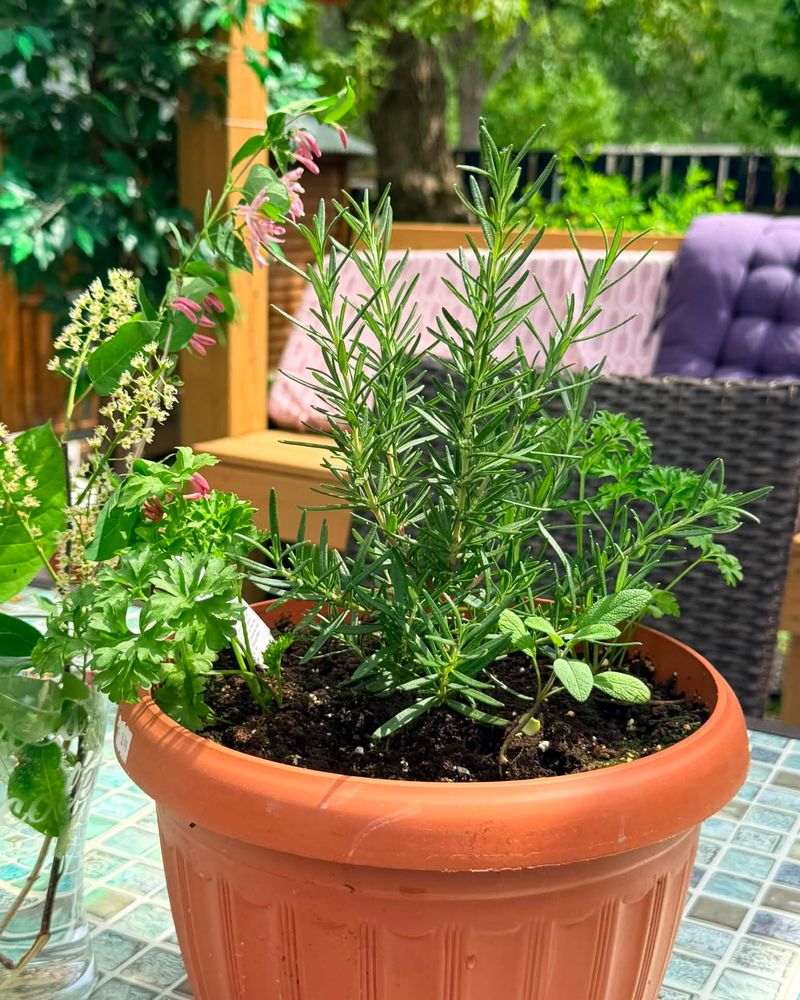
Rosemary has been a beloved herb for centuries, and gardeners across the world have long appreciated its bold, piney fragrance. What many people do not realize is that this same strong scent is the reason rosemary shows up in botanical insect-repellent research.
Its aromatic oils are potent enough to make mosquitoes think twice about hanging around your patio furniture.
In Pennsylvania, rosemary grows best in full sun with well-drained soil. It is actually quite drought-tolerant once established, which means it can handle a few missed waterings without much fuss.
The key challenge with rosemary in Pennsylvania is winter. Rosemary is not reliably cold-hardy in most parts of the state, especially in zones 5 and 6, where temperatures can drop well below freezing.
Growing it in a container solves this problem neatly. When fall arrives and frost becomes a threat, simply move the pot to a sunny indoor windowsill or a bright heated garage until spring returns.
During summer, place your rosemary container near the edges of your seating area or beside a grill where the heat can help release more of its aromatic oils into the air. You can also toss a few fresh sprigs onto hot coals when grilling to create a natural mosquito-discouraging smoke with a pleasant herbal aroma.
Rosemary grows slowly compared to other herbs, so a little patience goes a long way. Over time, it can grow into a beautiful, woody shrub that adds structure and fragrance to your patio year after year with proper overwintering care.
It is a long-term investment worth making.
English Lavender
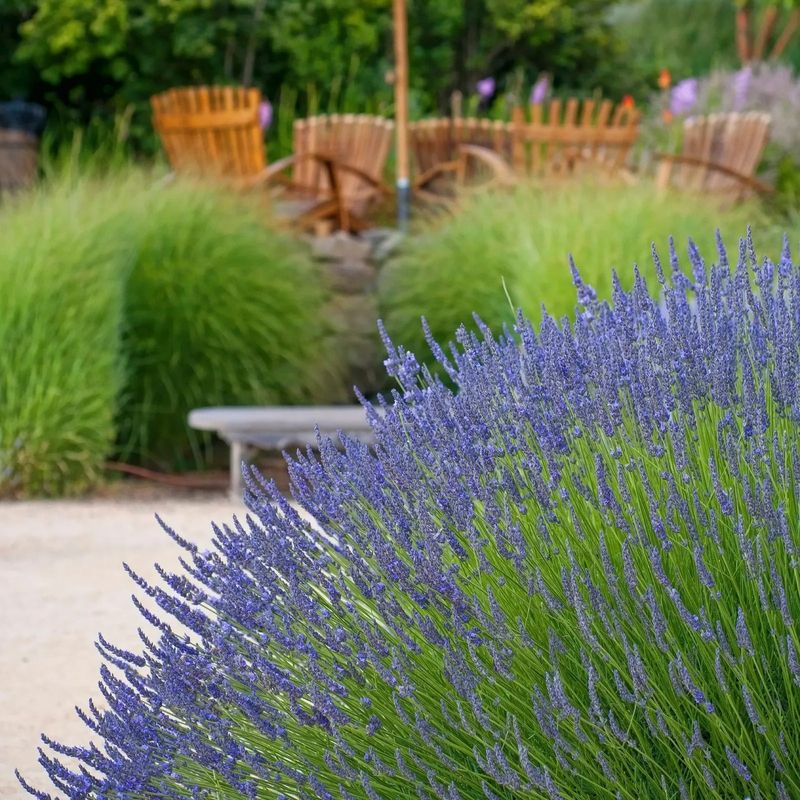
There is something almost magical about a lavender plant in full bloom. Those tall purple flower spikes look stunning, smell incredible, and serve a very practical purpose near your patio.
Lavender oil has well-documented insect-repellent properties, and the flowers are also beloved by bees and butterflies, making this plant a win on every level for Pennsylvania gardeners who want beauty and function in one package.
Not all lavender varieties handle Pennsylvania’s climate equally well. English lavender (Lavandula angustifolia) is the most cold-tolerant type, and specific cultivars like ‘Hidcote’ and ‘Munstead’ are especially well-suited to Pennsylvania’s variable weather.
Both are compact, hardy, and reliably return each year in zones 5 through 7, which covers most of Pennsylvania. Plant them in a spot with full sun and excellent drainage.
Lavender strongly dislikes wet feet, so avoid heavy clay soil or areas where water tends to pool after rain.
Once established, lavender is surprisingly low-maintenance. It handles dry spells well and rarely needs fertilizer.
Trim the plants back lightly after the first flush of blooms fades to encourage a second wave of flowers later in summer. You can also harvest the flower spikes and dry them to make small sachets that repel insects indoors.
Place fresh sprigs near patio seating or in decorative pots along walkways to maximize the repellent effect outdoors. Lavender also pairs beautifully with other plants on this list, like rosemary and thyme, creating a fragrant herb garden that does double duty as a natural mosquito barrier around your outdoor living area all season long.
Thyme
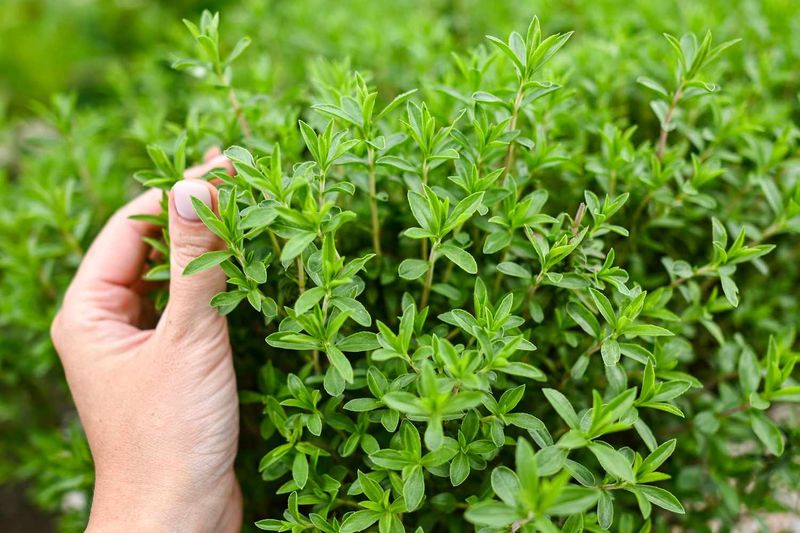
Small but seriously powerful, thyme is one of those plants that surprises people with how much it brings to the table. Most folks know it as a kitchen staple, but thyme contains aromatic oils, particularly thymol, that have demonstrated real insect-repellent activity in scientific studies.
Planting it around your patio is a clever, low-cost way to add both fragrance and function to your outdoor space.
Thyme is well-suited to Pennsylvania’s climate and thrives in sunny, dry, well-drained spots. It is actually one of the more drought-tolerant herbs you can grow, which makes it ideal for patio containers or rocky garden edges where soil tends to dry out quickly.
Common thyme (Thymus vulgaris) is the most widely available variety and works great for both cooking and mosquito deterrence. Lemon thyme is another excellent option with a bright citrusy scent that many people find especially pleasant outdoors.
Both are hardy enough to survive Pennsylvania winters in many areas, particularly in zones 6 and warmer.
Plant thyme in a pot or tuck it into cracks between patio stones where it can spread low and release its fragrance when stepped on lightly. It pairs beautifully with other herbs like rosemary and lavender in a mixed container garden.
Keep the soil on the drier side and avoid overwatering, which is the most common mistake people make with thyme. Prune it lightly after flowering to keep it tidy and productive.
With very little effort, thyme can become one of the most reliable and hardworking plants in your patio garden from spring all the way through late fall.
Scented Geranium
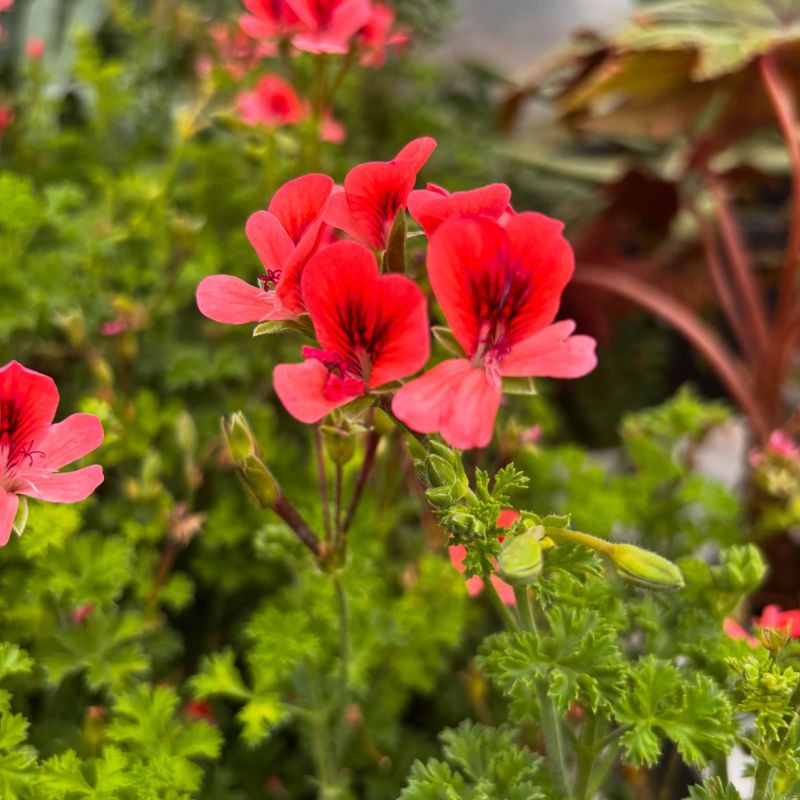
Scented geraniums are a bit of a hidden gem in the world of mosquito-repelling plants. Unlike regular garden geraniums grown mainly for their showy flowers, scented geraniums are prized for their intensely aromatic leaves.
Geranium oils, particularly from the rose-scented variety (Pelargonium graveolens), appear in some commercial plant-based insect-repellent products, giving these pretty plants real credentials beyond their good looks.
Scented geraniums come in a surprising range of fragrances, including rose, lemon, mint, coconut, and even chocolate. The lemon-scented varieties are especially popular for mosquito deterrence because of their strong citrusy aroma.
These plants love warmth and sunshine, making Pennsylvania’s summer months a great time to grow them outdoors on a patio. They do best in containers with well-drained potting mix and regular but moderate watering.
Avoid letting the soil stay soggy, as root problems can develop quickly in overly wet conditions.
Because scented geraniums are tropical plants, they cannot survive a Pennsylvania winter outside. Container growing is the obvious and practical solution here.
When temperatures start dropping in September or October, bring the pots indoors to a bright, sunny window. With enough light, they will stay healthy through the winter and be ready to go back outside the following spring.
You can also take cuttings in late summer to propagate new plants easily. Rub the leaves gently when guests are sitting nearby to release the fragrance into the air.
Scented geraniums are easygoing, beautiful, and wonderfully useful plants that deserve a permanent spot in any Pennsylvania patio garden setup.