This Overlooked Pennsylvania Native Wildflower Creates A Natural Tick Barrier In Your Lawn
Most Pennsylvania lawns are managed in ways that make them relatively inhospitable to wildflowers and fully hospitable to ticks, and changing that dynamic rarely comes up in the same conversation.
There is a native Pennsylvania wildflower that challenges both of those norms at once, growing comfortably in lawn conditions while producing properties that ticks actively avoid.
It is not a plant that takes over or requires special treatment to establish. It moves into mown areas naturally, stays low enough to coexist with grass without disrupting the overall lawn appearance, and does its tick-deterring work continuously through the months when tick activity in Pennsylvania is highest.
Most people who have this plant growing in their lawn have no idea it is there or what it is doing, which makes it one of the more quietly useful things a Pennsylvania yard can contain.
Knowing it by sight and choosing to keep it rather than remove it is one of the simpler and more practical decisions a Pennsylvania homeowner can make this season.
Pennsylvania Sedge Creates A Natural Tick Barrier In Your Lawn
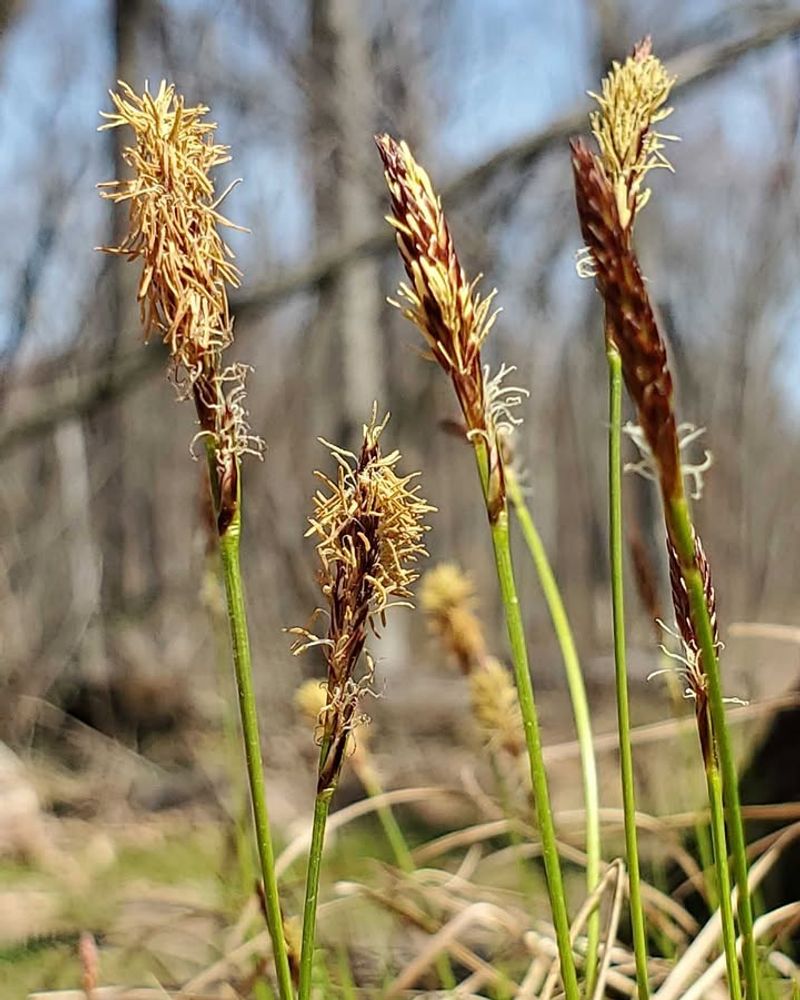
Tucked beneath towering oaks and along the shaded edges of Pennsylvania backyards, Pennsylvania Sedge (Carex pensylvanica) has been quietly growing for centuries without asking for much attention.
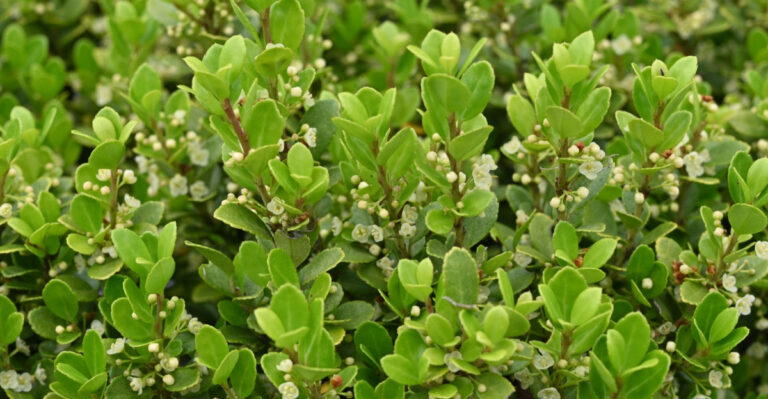
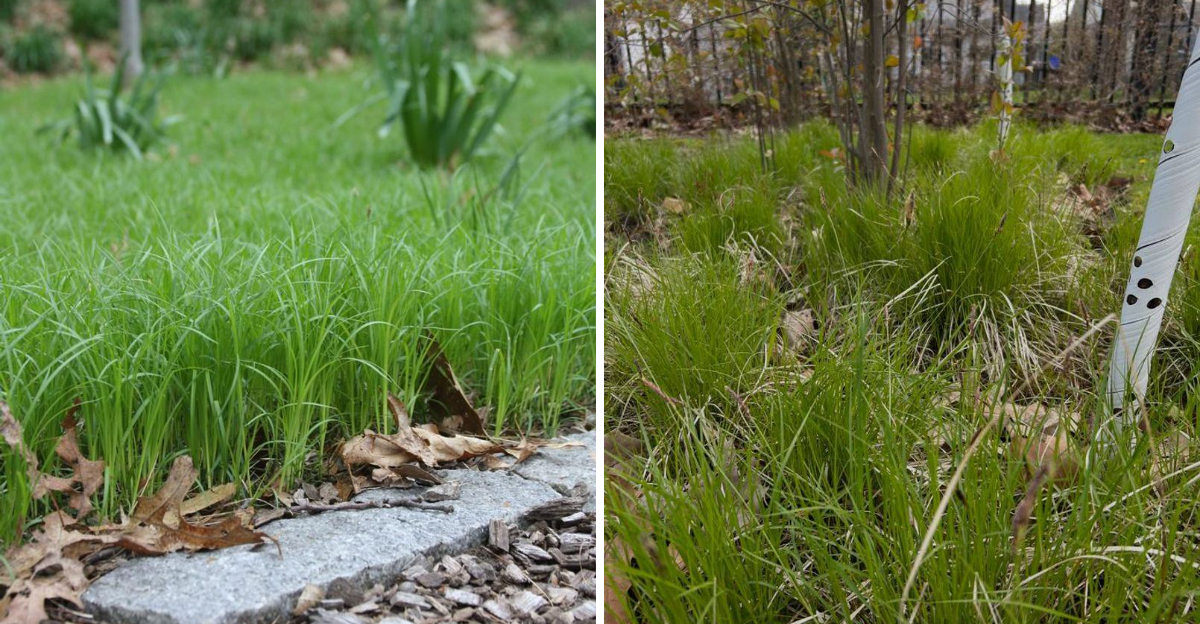
It is a low-growing, native perennial groundcover that rarely reaches more than six to eight inches tall.
Its fine, arching leaves give it a soft, grass-like look that blends naturally into almost any landscape.
Unlike many trendy garden plants, Pennsylvania Sedge has deep roots in the region. It evolved right here in the northeastern United States, which means it already knows how to survive Pennsylvania winters, dry summers, and everything in between.
Gardeners who discover it often wonder why they did not plant it sooner. One of the most appealing things about this plant is how naturally it fills in over time.
It spreads slowly through underground rhizomes, forming thick colonies that cover bare soil without becoming invasive. You plant it once, and it quietly takes care of the rest.
Pennsylvania Sedge works especially well under trees where grass struggles to survive. The shade that causes regular lawn grass to thin out and look patchy is exactly the kind of environment where Pennsylvania Sedge thrives best.
It handles dry, compacted soil under tree canopies without complaint. Homeowners looking for a low-effort, eco-friendly lawn alternative have started paying more attention to this plant in recent years.
Native plant societies and conservation groups across Pennsylvania now regularly recommend it.
Once you understand what Pennsylvania Sedge can do for your yard, it is hard not to get excited about adding it to your landscape.
Dense, Tick-Deterring Growth
Here is something most people do not realize about ticks: they need specific microhabitats to survive. Ticks prefer loose, moist leaf litter, tall grassy patches, and areas where the soil surface is exposed and shaded.
These spots give them the humidity and hiding places they need to wait for a host to walk by.
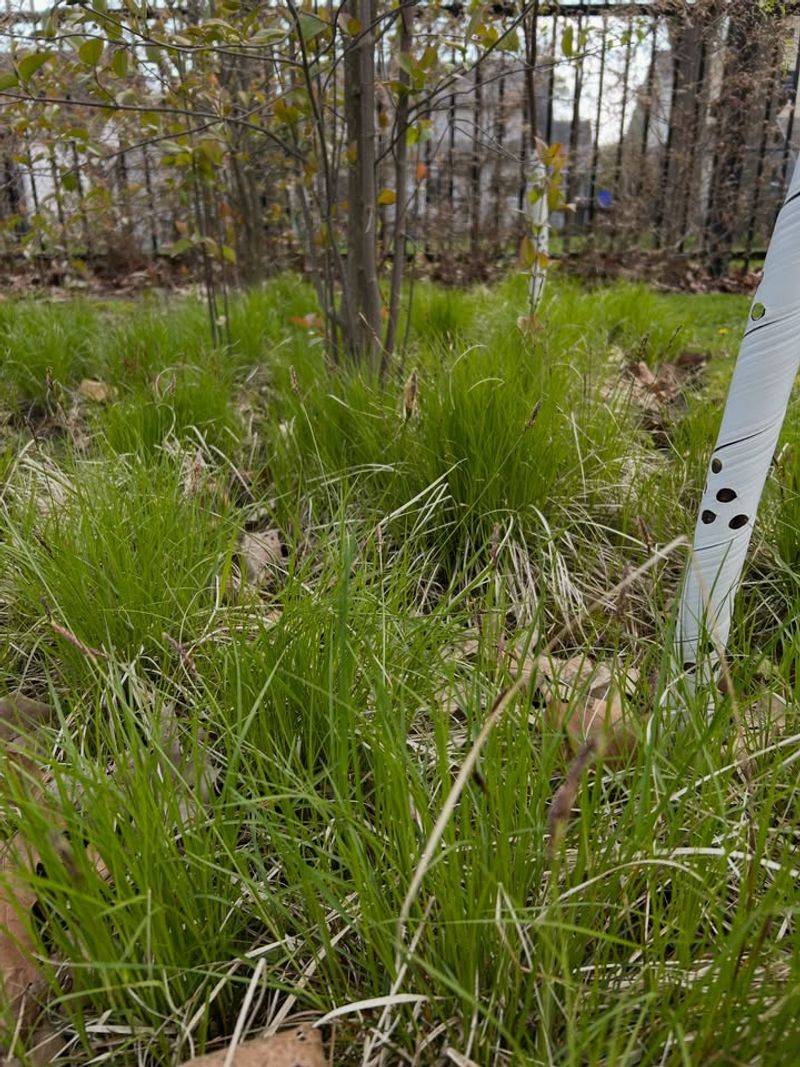
Pennsylvania Sedge disrupts that setup in a surprisingly effective way. When it grows in dense clusters, it forms a tight, low mat that covers the soil surface almost completely.
Your Pennsylvania Garden Changes Every Week. Your Plan Should Too.
Gardening in Pennsylvania changes quickly throughout the season. Every Friday you’ll receive a simple weekly plan showing exactly what to plant, prune, fertilize, harvest, and protect so you never miss the right timing.
There is very little loose, open space at ground level for ticks to settle into comfortably. The plant essentially crowds out the kind of environment ticks prefer.
Research on native groundcovers and tick habitats suggests that reducing leaf litter and covering bare soil can meaningfully lower tick activity in a given area. Pennsylvania Sedge does both.
Its thick growth keeps fallen leaves from accumulating in deep piles, and its mat-like form leaves almost no exposed soil underneath.
For families with children or pets who spend time in the yard, this kind of natural coverage is a real advantage. You are not spraying chemicals or setting traps.
You are simply replacing an open, tick-friendly environment with a dense, well-covered one that ticks find far less hospitable.
Along garden borders, under trees, and beside walking paths, Pennsylvania Sedge creates a living barrier that works around the clock.
It is not a guaranteed solution, but combined with other tick-prevention habits, it adds a meaningful layer of protection that your yard would otherwise be missing.
Adapted To Pennsylvania Conditions
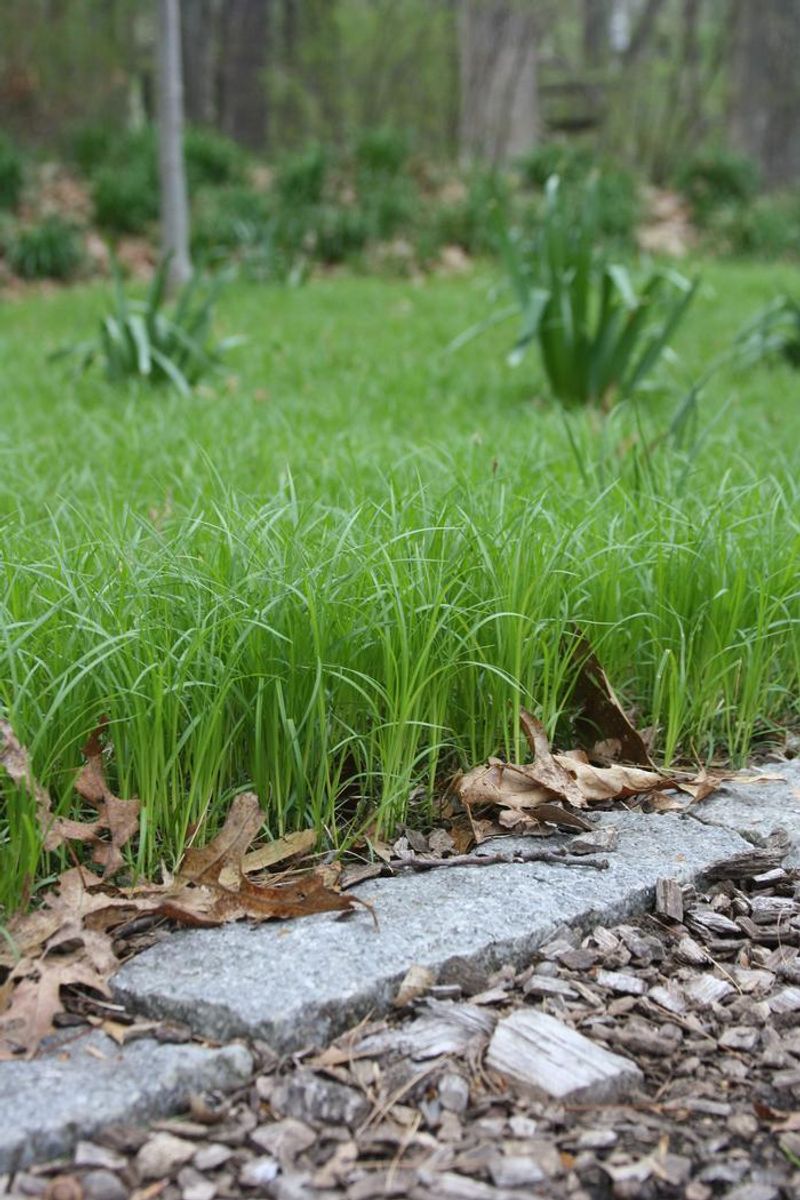
Plenty of plants promise to thrive in tough spots, but not all of them deliver once you actually put them in the ground. Pennsylvania Sedge is different because it did not need to be engineered or bred for local conditions.
It evolved here naturally, which gives it a built-in advantage that imported plants simply cannot match. Dry soil under a tree canopy? No problem. Pennsylvania Sedge handles it without extra watering. Partial shade along the north side of a fence?
It grows there happily. Even in spots that receive only an hour or two of filtered sunlight each day, this plant holds its color and keeps spreading steadily.
It performs best in partial to full shade and tolerates a wide range of soil moisture levels, from dry to moderately moist.
That flexibility makes it useful in the tricky transitional zones that every yard seems to have, like the strip between a garden bed and a lawn, or the sloped area under a deck where nothing else will grow.
Pennsylvania summers can get hot and dry, and that is when many groundcovers start to look stressed and brown. Pennsylvania Sedge handles summer heat better than most alternatives, especially when it is planted in a shaded location.
Its deep root system helps it pull moisture from the soil even when the surface looks completely dry.
For Pennsylvania homeowners specifically, choosing a plant that is already in tune with local rainfall patterns, soil types, and seasonal temperature swings is a smart long-term investment.
Pennsylvania Sedge does not fight the environment. It works with it, and that makes all the difference in the world.
Low-Maintenance And Durable
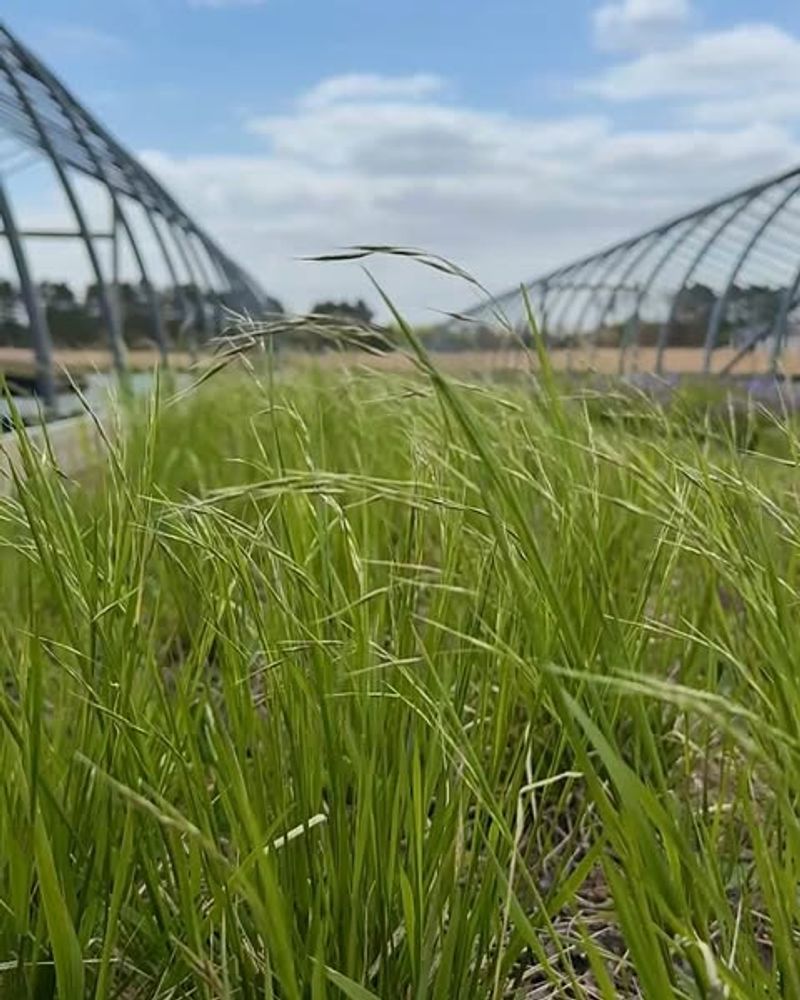
Imagine a lawn that you almost never have to mow, water, or fertilize. That might sound too good to be true, but Pennsylvania Sedge comes remarkably close to that description once it is fully established in your yard.
Most homeowners who switch to it report spending far less time on maintenance compared to traditional turf grass.
Once the plant gets its roots settled in, usually after the first full growing season, it becomes largely self-sufficient. It does not need regular watering except during extreme drought.
It does not need fertilizer because it is adapted to the naturally lean soils of Pennsylvania woodlands. And because it stays short on its own, many gardeners mow it only once or twice a year, or skip mowing entirely.
Durability is another strong point. Pennsylvania Sedge is naturally resistant to the common pests and fungal diseases that plague traditional lawns.
You will not need to reach for pesticides or fungicides to keep it looking healthy. Its tough, fibrous leaves are not particularly appealing to most lawn-damaging insects.
Foot traffic tolerance is moderate, which means it holds up well in low to medium-traffic areas but may thin out in spots that get heavy daily use.
For pathways and play areas, you can simply leave stepping stones or mulched paths to protect it while still enjoying the coverage it provides around the edges.
Over the years, a well-established patch of Pennsylvania Sedge actually gets better and thicker. Older clumps spread outward steadily, filling gaps and building a stronger mat over time. It rewards patience with a landscape that genuinely takes care of itself.
Additional Garden Benefits
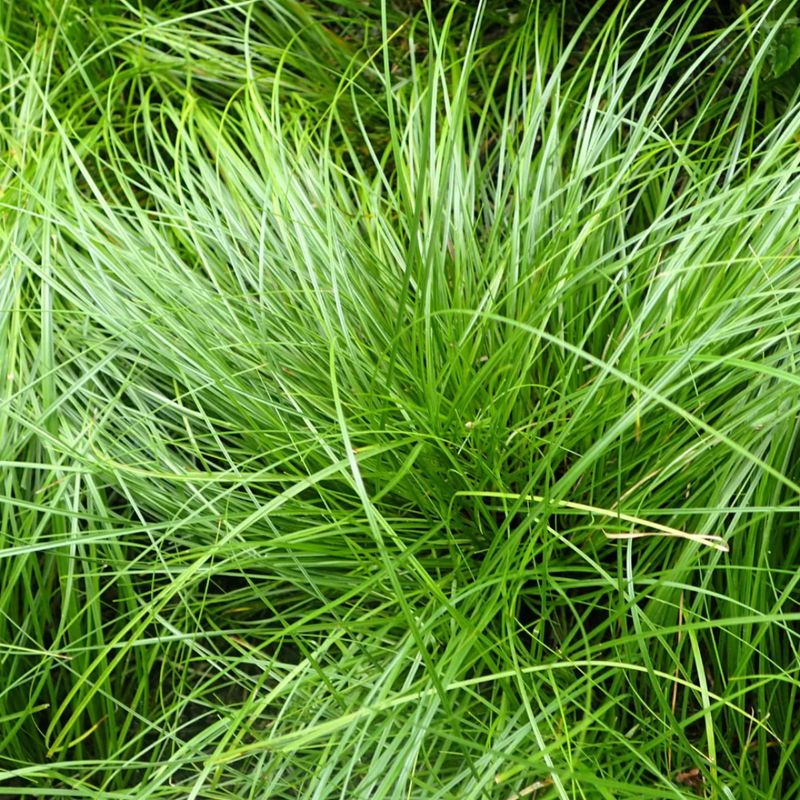
Beyond its tick-deterring qualities, Pennsylvania Sedge brings a whole list of bonus benefits to your yard that most homeowners do not expect from a simple groundcover.
It quietly supports the local ecosystem in ways that ripple outward through your entire garden.
Native bees, beetles, and other beneficial insects use Pennsylvania Sedge as shelter and a microhabitat for parts of their life cycles.
Some moth and butterfly caterpillars feed on native sedges, which means planting it helps support pollinators that your flowering plants depend on. A healthy insect community in your yard creates a more balanced, resilient garden overall.
Small wildlife also benefits from the dense coverage Pennsylvania Sedge provides. Ground-nesting birds and small mammals appreciate the low, sheltered spaces it creates near the soil surface.
In a yard where every patch of ground is mowed flat and bare, there is very little room for wildlife to feel at home. Pennsylvania Sedge changes that in a gentle, natural way.
From a purely visual standpoint, the plant adds a soft, fine-textured quality to the landscape that is hard to replicate with other groundcovers.
Its arching, bright-green blades catch light beautifully in the morning and create a flowing, meadow-like appearance even in small spaces. It looks polished and intentional without requiring constant grooming.
Along borders, beneath ornamental trees, or in naturalized garden areas, Pennsylvania Sedge ties everything together visually. It fills awkward gaps, softens hard edges, and gives the landscape a lush, layered look.
For homeowners who want their yard to feel more like a living ecosystem than a maintenance project, this plant is a genuinely exciting find.
Planting And Care Tips
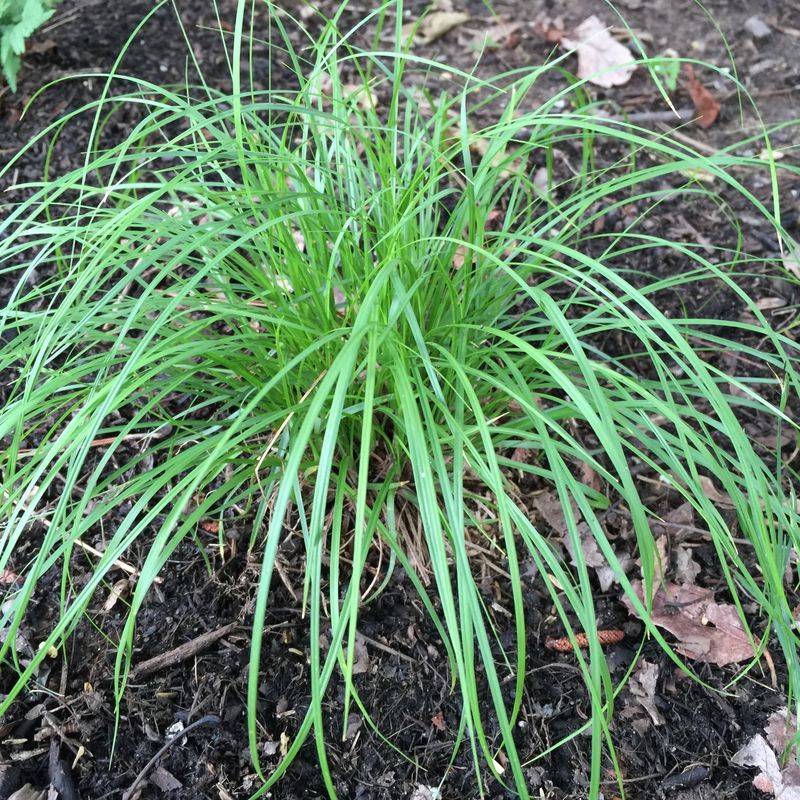
Getting Pennsylvania Sedge established successfully comes down to a few simple but important steps. Start by planting it in dense clusters rather than spreading individual plants far apart.
Spacing plugs about six to eight inches apart encourages the plants to knit together faster, forming that tight, tick-deterring mat you are aiming for.
The best time to plant is in early spring or early fall when temperatures are cooler and rainfall is more reliable. Avoid planting during the hottest weeks of summer, as young plants need a little extra moisture while their roots are getting established.
Water new plantings consistently for the first few weeks, then step back and let the plant do its thing.
Applying a thin layer of mulch around new plantings helps retain soil moisture and keeps weeds from competing while the sedge fills in.
Keep the mulch layer light, no more than an inch or two, so the sedge can spread freely across the soil surface without being smothered. Heavy mulch can slow the spreading process significantly.
Every three to five years, it is a good idea to divide established clumps to keep them vigorous and growing outward. Simply dig up a section of the mat, split it into smaller pieces with a shovel or garden fork, and replant the divisions in new areas.
This is a great way to expand your coverage without spending money on new plants. One final tip: resist the urge to over-fertilize. Pennsylvania Sedge actually performs better in lean, low-nutrient soil conditions.
Too much fertilizer encourages floppy, weak growth instead of the dense, resilient mat that makes this plant so valuable in your yard.