The Meaning Behind Seeing Deer In Your Pennsylvania Yard Right Now
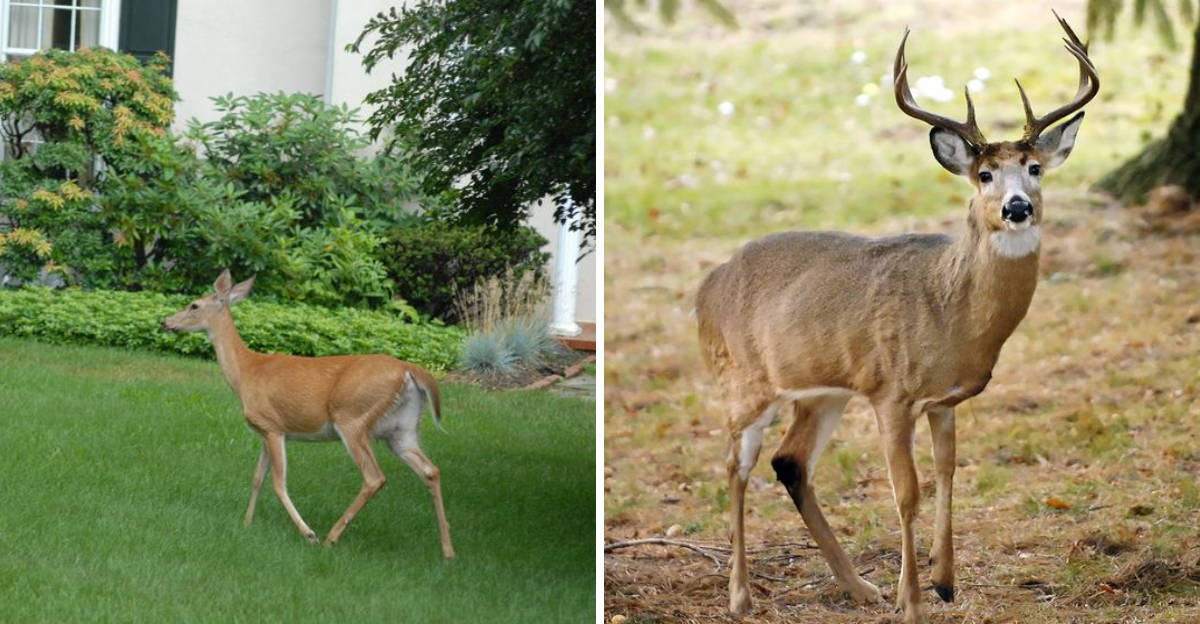
Deer moving through a Pennsylvania yard feel different depending on the season. A deer in early summer, cautiously picking through the garden at dusk, carries a certain quiet beauty that most people pause to watch before checking what it got into.
A deer in September moving through your yard with increasing frequency and increasing boldness carries a different energy entirely, and it usually comes with a different set of questions.
Why now? Why more of them? And what does it mean for the garden and the yard in the weeks ahead?
Deer behavior in Pennsylvania shifts meaningfully in September, driven by biological changes, food availability, and seasonal pressures that are happening in the landscape right now.
The deer showing up in your yard at this time of year are not the same animals behaving the same way they were in July.
They’re operating under a different set of motivations, and understanding what those are gives you a real advantage in anticipating what’s coming and protecting what matters. Here’s what deer appearing in your Pennsylvania yard right now is really telling you.
1. Your Yard Has Become A Reliable Food Source
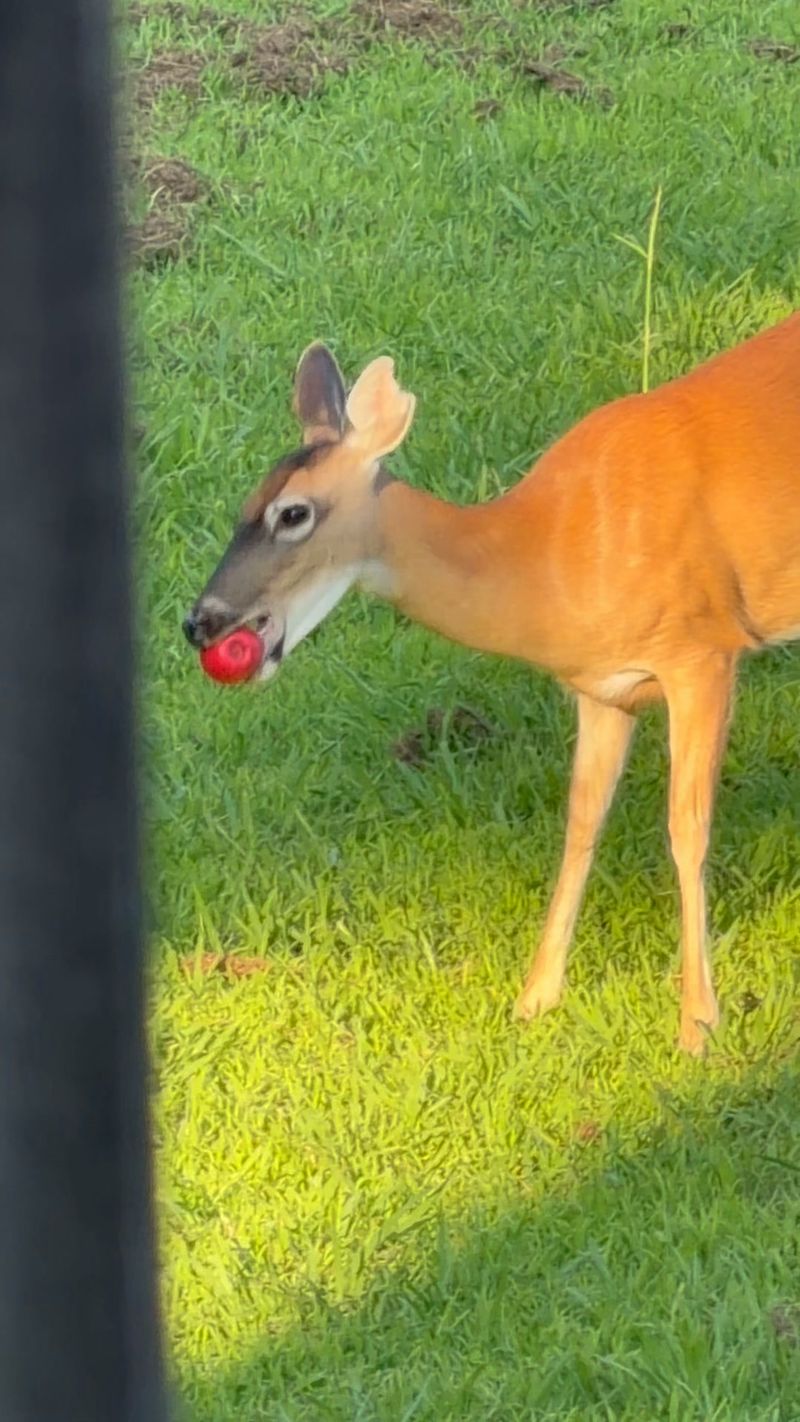
Deer are not picky eaters, and your yard might be offering them a buffet they simply cannot resist. Tender garden plants, young shrubs, hostas, fallen apples, and ornamental grasses are all favorites.
If your yard has any of these, deer have likely added your property to their regular feeding route.
Repeated visits are a strong sign that food is easy to find on your property. Deer have excellent memory for locations where they found meals before.
Once they know your yard delivers, they will keep coming back, sometimes bringing others with them.
You may notice bite marks on low-hanging branches or missing leaves on your flower beds. Deer tend to feed in the early morning or at dusk, so you might not always catch them in the act.
Look for tracks and droppings near your garden as clues. If you want to reduce deer visits, consider removing or protecting the plants they love most. Fencing around garden beds can be very effective.
You can also try deer-repellent sprays on plants you want to keep safe. Choosing deer-resistant plants like lavender, yarrow, or boxwood can also make your yard less appealing as a food stop.
Small changes can make a big difference in how often deer choose your yard for a meal.
2. They May Be Preparing For Seasonal Changes
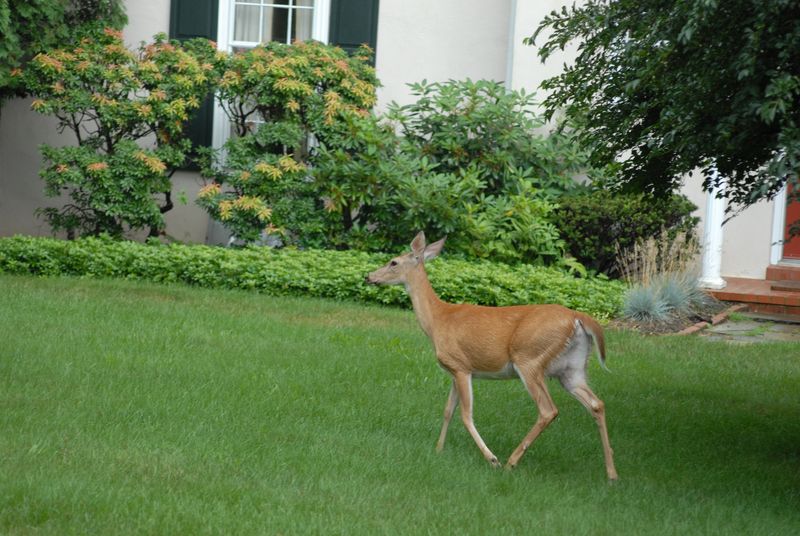
As fall rolls in across Pennsylvania, deer shift into a kind of survival mode. Their bodies know that colder months are coming, and they need to store up as much energy as possible.
This means they spend more time eating and covering more ground to find food. If you are seeing deer more often lately, the season might be the reason.
White-tailed deer naturally increase their activity in late summer and early fall. They are driven by instinct to bulk up before food becomes harder to find.
Your Pennsylvania Garden Changes Every Week. Your Plan Should Too.
Gardening in Pennsylvania changes quickly throughout the season. Every Friday you’ll receive a simple weekly plan showing exactly what to plant, prune, fertilize, harvest, and protect so you never miss the right timing.
Yards with lush vegetation become prime targets during this time because the food is easy to reach and plentiful.
Weather changes also play a role. Cooler temperatures and shorter days signal to deer that winter is approaching.
This triggers hormonal changes that increase their appetite and restlessness. You might notice they seem more focused and less easily startled during feeding because their drive to eat is so strong.
Understanding this seasonal pattern can help you plan ahead. If you know deer activity picks up in fall, you can take steps to protect your garden before the heavy feeding begins.
Cover vulnerable plants early, set up motion-activated lights, or use scent-based repellents to discourage visits. Staying one step ahead of the seasonal shift makes it much easier to protect your landscaping without much stress.
3. Your Landscape Provides Good Cover
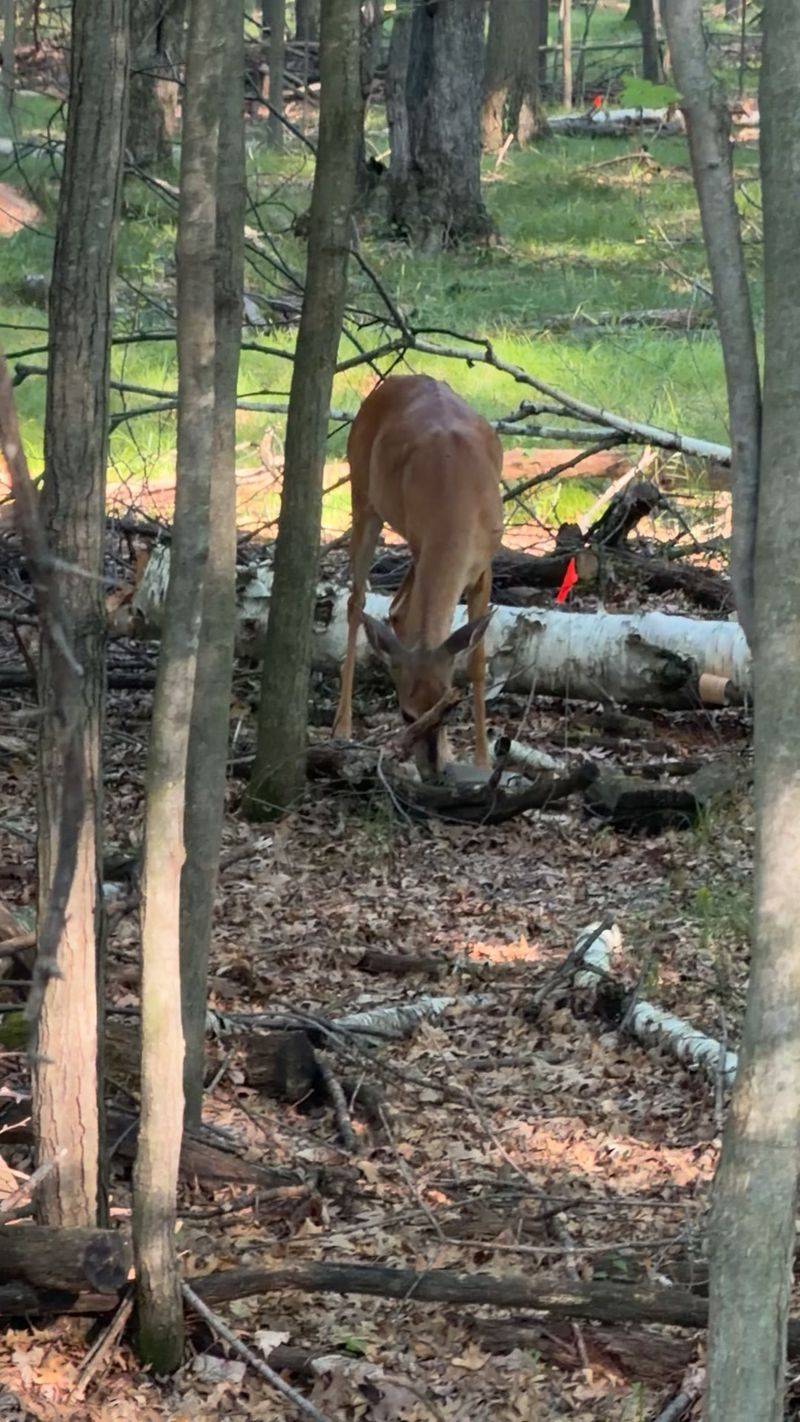
Not every deer visit is about food. Sometimes, your yard just feels safe. Dense shrubs, tall ornamental grasses, thick hedges, and wooded edges give deer the shelter they are always looking for.
If your property backs up to a forest or has a lot of natural cover, deer may be using it as a resting spot.
Deer are prey animals, which means they are always on alert. They prefer spaces where they can blend in, stay hidden, and feel protected from threats.
A yard with plenty of vegetation and natural cover checks all the right boxes for a comfortable rest stop during the day or night.
Properties near state forests, game lands, or rural areas in Pennsylvania see more frequent deer activity for this exact reason.
Deer travel corridors often run through neighborhoods that border natural land. Your yard may simply be part of a larger path they use regularly.
If you prefer to keep deer from settling into your yard as a lounge spot, trimming back overgrown areas can help. Removing thick brush piles and keeping shrubs well-maintained makes the space feel less sheltered.
You do not have to clear out all your landscaping, but reducing the densest hiding spots can discourage deer from treating your yard like their personal retreat.
Adding motion-sensor lights near wooded edges is another easy trick that can make deer feel less comfortable lingering on your property for long periods.
4. Mating Season Is Getting Closer
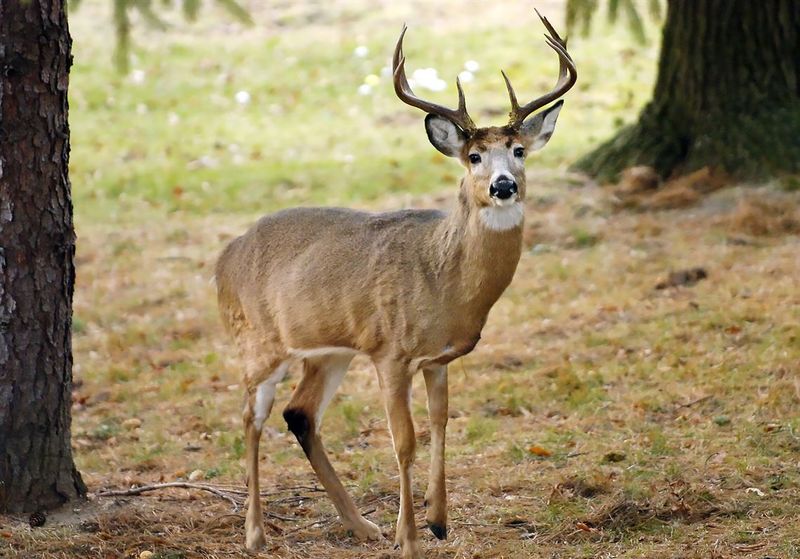
When fall arrives in Pennsylvania, something changes in the deer world. Bucks, which are male deer, start moving more frequently and covering larger areas.
This behavior is tied to the approaching breeding season, locally known as the rut. If you are suddenly seeing bucks in places you never noticed them before, the rut is likely the reason.
During this time, bucks can travel several miles a day searching for does. They follow scent trails and mark their territory by rubbing their antlers on trees and scraping the ground.
You might notice broken branches, scraped bark on young trees, or patches of disturbed soil in your yard. These are all signs of buck activity connected to mating season.
Does also behave differently as the rut approaches. They may appear more restless and move around at unusual times of day.
Seeing deer in your yard during broad daylight in fall is more common during this period because both bucks and does are less cautious than usual.
This is also one of the busiest times for deer-vehicle collisions in Pennsylvania, so be extra careful when driving near wooded roads in October and November. In your yard, watch for increased deer traffic and be mindful of your pets if they spend time outdoors.
The rut is a fascinating natural event, but it does bring more deer movement through neighborhoods and residential areas across the state. Knowing it is coming helps you stay prepared and aware.
5. Your Garden May Reveal Deer Preferences
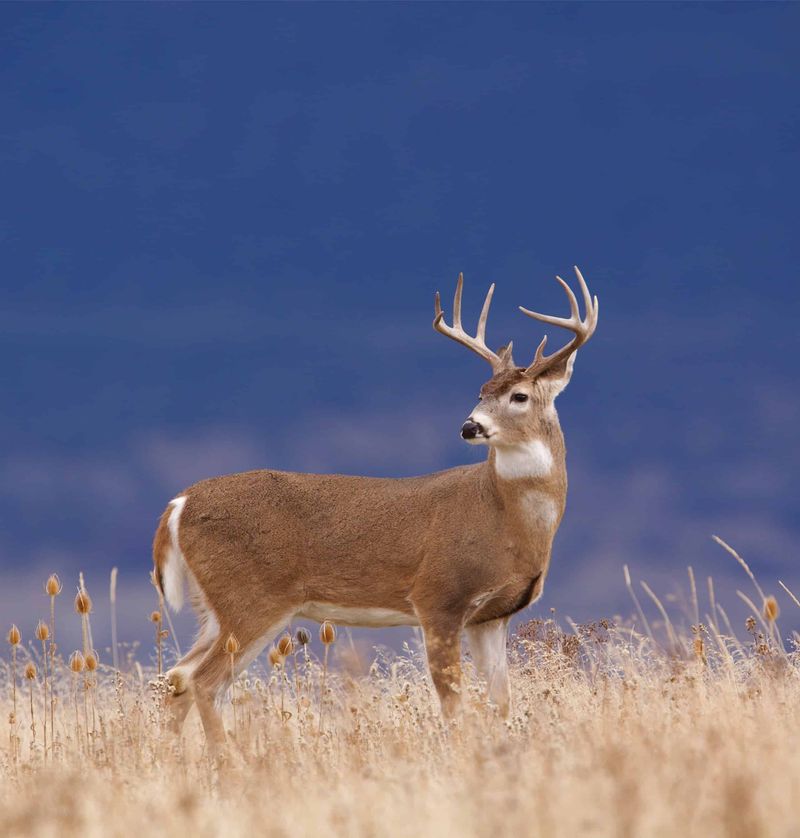
Your garden is basically a record of every deer visit you have had. Browsed leaves, clipped stems, and missing flower heads are all clues left behind by hungry deer.
Unlike insects or other animals, deer tend to tear leaves rather than cut them cleanly, leaving jagged edges on stems and branches. Learning to read these signs can tell you a lot about deer habits on your property.
Pay close attention to which plants are being targeted most. Hostas, tulips, daylilies, impatiens, and arborvitae are among the most popular deer snacks in Pennsylvania gardens.
If certain plants keep getting damaged while others are left alone, that pattern reveals exactly what the deer in your area prefer to eat.
Once you know what they are going after, you can start making smarter plant choices. Replacing heavily browsed plants with deer-resistant varieties saves you time, money, and frustration in the long run.
Plants like Russian sage, catmint, coneflowers, and ornamental grasses are far less likely to attract deer attention.
You can also use the damage patterns to figure out where deer are entering your yard. If the worst damage is always near a specific corner of your fence or along a particular garden bed, that tells you where to focus your protection efforts.
Installing a simple barrier or applying repellent spray in those specific spots can be much more effective than treating the entire yard. Working with the information your garden gives you makes protecting your outdoor space a whole lot easier and smarter.
6. It Does Not Always Mean Deer Are Overpopulating Your Yard
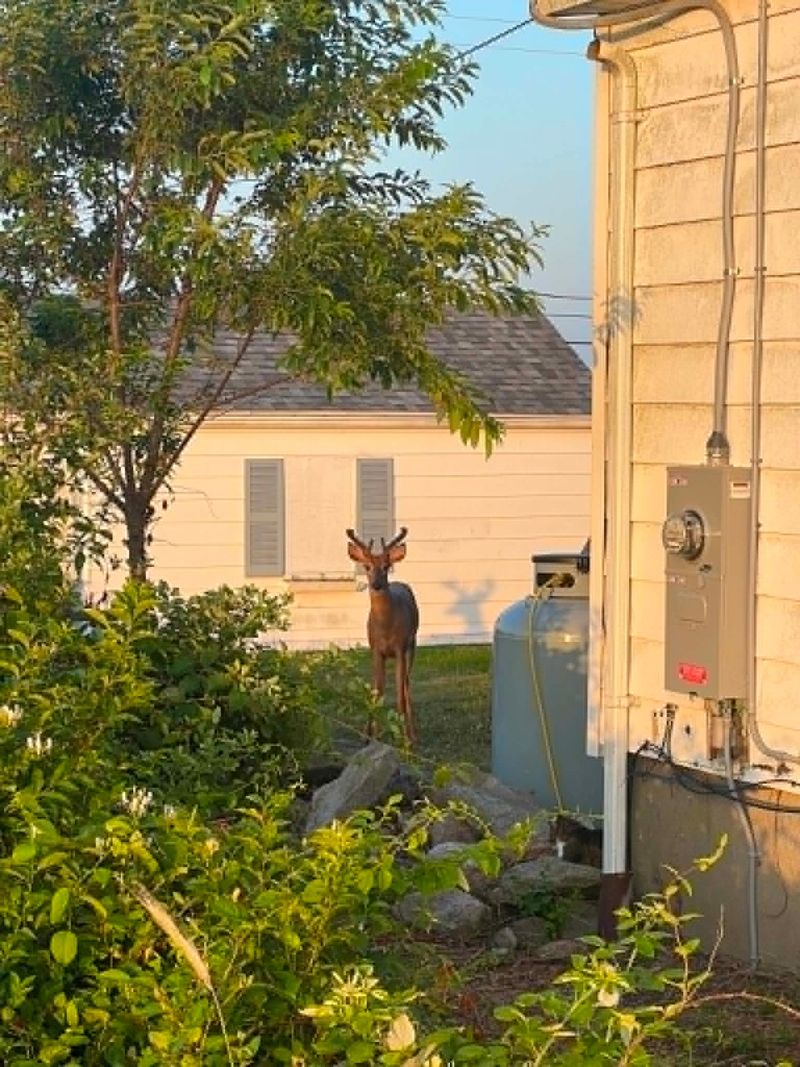
Seeing a deer in your yard can feel like a sign of a bigger problem, but one or two visits does not mean your neighborhood is being overrun. Many deer are simply passing through on an established travel route.
Your yard might sit right along a path they use regularly to move between feeding areas, water sources, and resting spots.
Pennsylvania has a healthy white-tailed deer population, and deer do roam widely across both rural and suburban areas. But a single deer or a small group moving through your yard is completely normal behavior.
It does not automatically mean there is an overpopulation issue in your specific neighborhood.
That said, if you are seeing large groups regularly, or if the damage to your plants is becoming severe, it may be worth taking some protective steps. Fencing is one of the most reliable solutions for keeping deer out of specific areas.
A fence that is at least eight feet tall works best since deer are strong jumpers. For smaller garden beds, a shorter fence or wire cage around individual plants can work well too.
Repellents are another helpful option. Scent-based repellents that contain predator urine or strong-smelling ingredients can discourage deer from lingering.
Reapplying them after rain is important to keep them effective. Choosing deer-resistant plants for your landscaping is also a long-term solution that requires less ongoing effort.
The goal is not to eliminate every deer from your neighborhood but to find a comfortable balance that works for both your garden and the local wildlife sharing your space.