More Orb Weaver Spiders Are Showing Up In Arizona Gardens This September
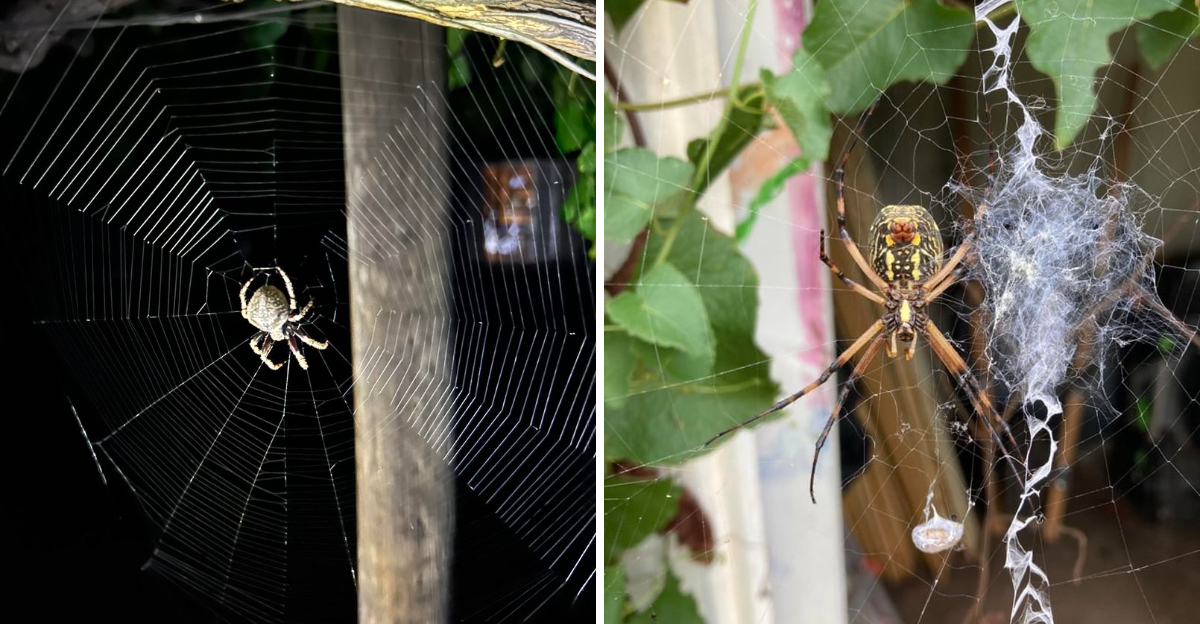
Those huge circular webs suddenly appearing around your garden are hard to ignore. September is when orb weavers can become especially noticeable around plants, fences, and patios.
Some webs seem enormous compared with what you noticed earlier in the season. Their growing size can make it feel like these spiders appeared from nowhere.
Before removing a web, pay attention to the spider sitting nearby. Its intimidating appearance does not tell the full story of its role outdoors.
Orb weavers found around Arizona gardens spend their nights catching insects in carefully constructed webs. By morning, their impressive work may stretch across surprisingly wide spaces.
This seasonal increase in visibility has a simple explanation tied to their life cycle. Knowing it can change how you view these visitors.
See why September puts orb weavers in the spotlight around your garden.
1. September Makes Large Orb Webs Much Easier To Notice
Right around September, something shifts in the garden. Overnight temperatures cool just enough to leave moisture on webs, making them catch the morning light in a way that is hard to miss.
Orb weaver webs can stretch several feet wide. Placed between shrubs, fence posts, or garden stakes, they become almost impossible to walk past without noticing.
Earlier in the summer, younger spiders build smaller webs closer to the ground. Those webs go unnoticed by most people.
By September, spiders have grown considerably and their webs grow right along with them.
Web placement also shifts as plants fill out. Fuller, taller garden plants give spiders more anchor points to work with.
Bigger anchor points mean bigger webs.
Morning is usually the best time to spot them. Webs built overnight stay intact through the early hours before heat and wind start breaking them apart.
If you want a good look at an orb weaver setup, step outside shortly after sunrise.
Noticing more webs does not mean the spider population has exploded overnight. Spiders were likely present all summer.
September just makes their presence much more visible due to size, moisture, and light conditions working together at once.
2. Many Orb Weavers Become Adults By Late Summer And Fall
Spiders do not grow the same way mammals do. They go through a series of molts, shedding their outer layer each time they get bigger.
By late summer, most orb weavers have completed enough molts to reach full adult size.
Reaching adulthood takes most of the warmer months. Eggs hatch in spring, spiderlings scatter, and then spend weeks growing through multiple stages.
September is roughly when that process wraps up for many species found in Arizona.
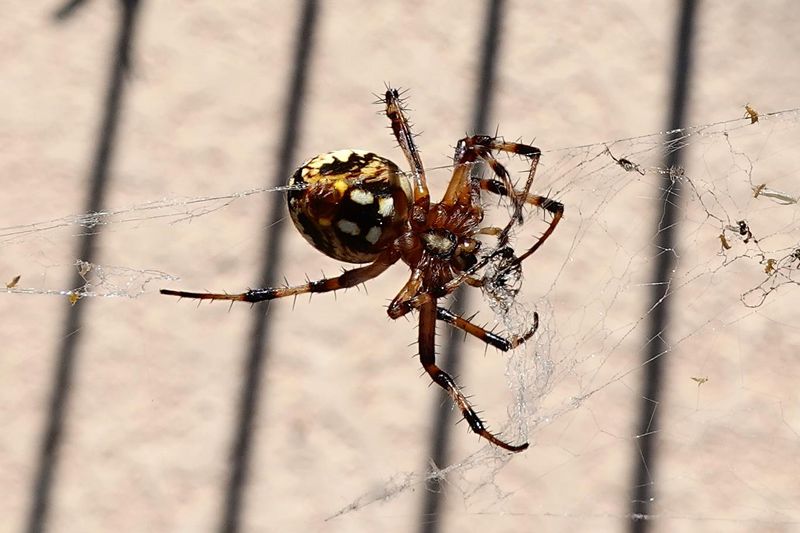
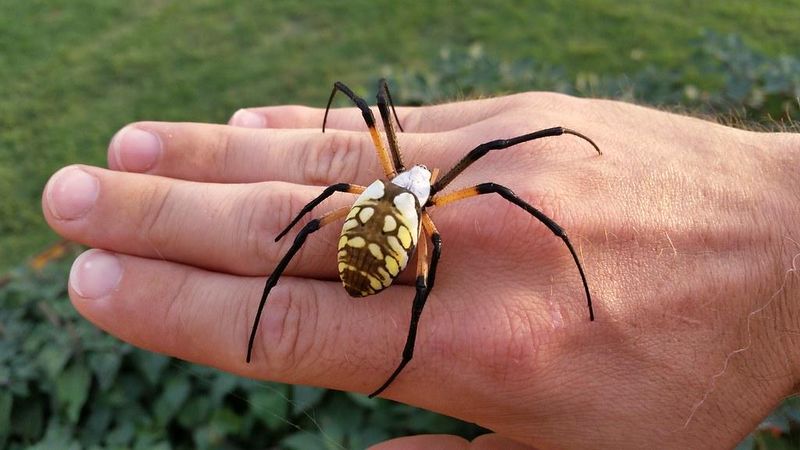
Adult orb weavers are noticeably larger than juveniles. Species like the black and yellow garden spider, also called Argiope aurantia, can reach over an inch in body length when fully grown.
That size is part of what makes them so striking.
Larger bodies need larger webs to catch enough food. Adult spiders also tend to stay in one spot longer than younger ones do.
Juveniles move frequently. Adults tend to commit to a location once they find a productive spot.
Your Arizona Garden Changes Every Week. Your Plan Should Too.
Gardening in Arizona changes quickly throughout the season. Every Friday you’ll receive a simple weekly plan showing exactly what to plant, prune, fertilize, harvest, and protect so you never miss the right timing.
Seeing a big spider in your garden in September is a sign the season is progressing normally. It reflects a healthy life cycle playing out right in your backyard.
Adult orb weavers are generally at their most active and visible during this window before cooler weather sets in for good.
3. Garden Plants Give Them Good Places To Stretch Their Webs
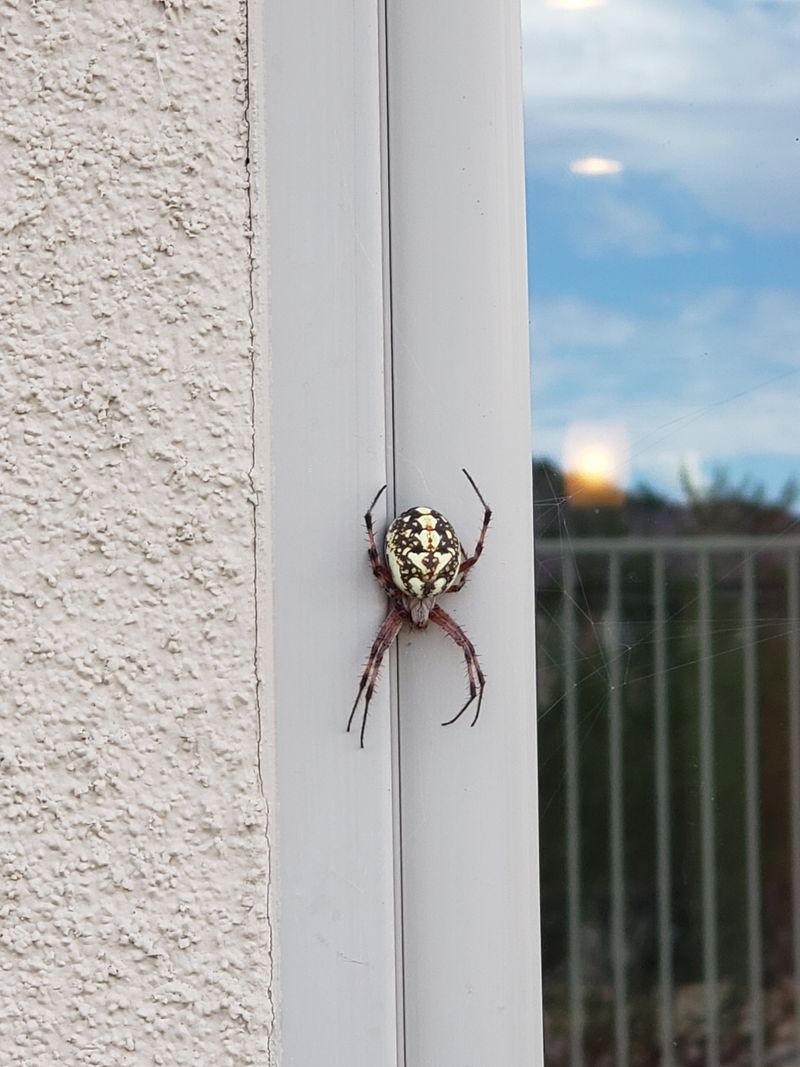
A well-planted garden is practically an invitation for orb weavers. Vertical structures, dense foliage, and varied plant heights give spiders exactly what they need to anchor a large web securely.
Tomato cages, sunflower stalks, bean poles, and tall ornamental grasses are all popular anchor points. Spiders look for gaps between structures where flying insects are likely to pass through.
A web placed in a natural flight corridor catches far more prey than one tucked into a corner.
Raised garden beds with multiple plant types tend to attract more orb weavers than bare or sparse plantings. More plant variety means more insects visiting, and more insects means a better food supply for web-building hunters.
Spiders do not damage plants in any way. Webs attach to leaves and stems temporarily but cause no lasting harm.
Gardeners sometimes worry about this, but orb weavers are not parasites. Plants stay completely unaffected by a web attached to a branch.
If a web blocks a garden path you use frequently, gently relocating the spider is an option. Use a long stick to guide the spider onto a nearby plant.
Orb weavers are not aggressive and rarely bite unless handled roughly.
Keeping plants healthy and well-watered through September supports the entire food chain in your garden, spiders included.
4. Flying Insects Keep These Web-Building Hunters Busy
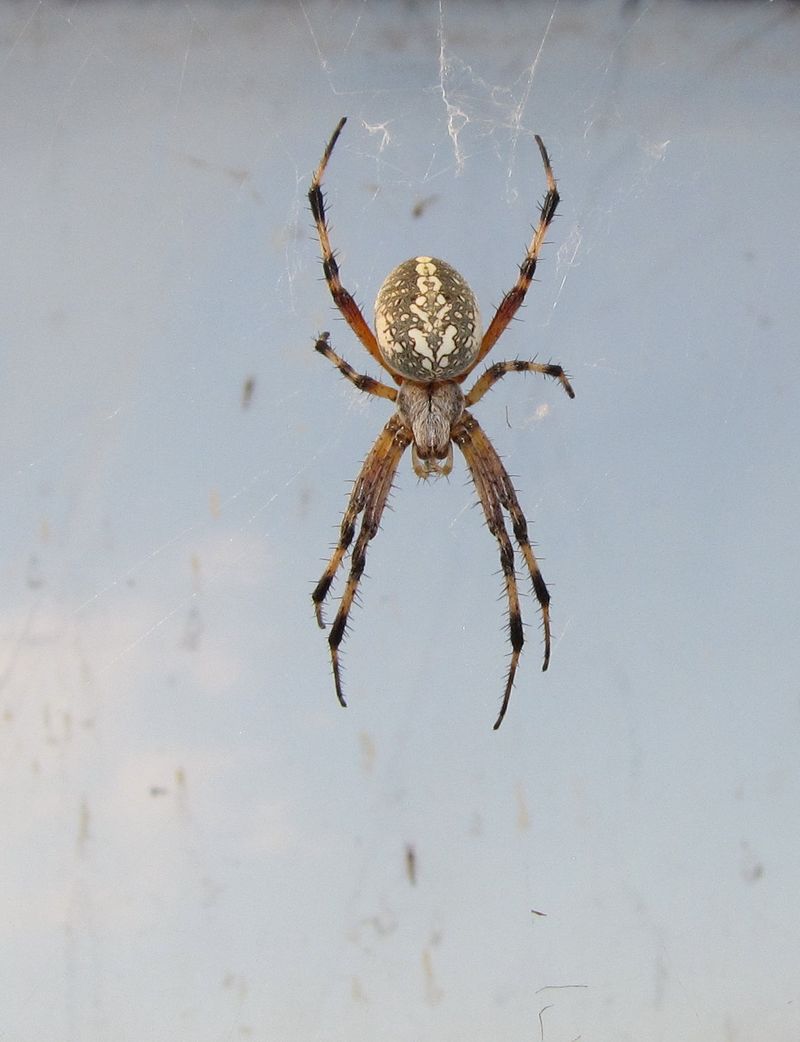
An orb weaver without flying insects nearby would have a very rough time surviving. Webs are designed specifically to intercept prey moving through the air, including moths, gnats, flies, and small beetles.
September gardens in warm climates tend to still have plenty of insect activity. Warm days keep pollinators and pest insects moving around well into fall.
Orb weavers time their peak activity to overlap with this window.
When an insect hits the sticky spiral threads of a web, the vibration travels instantly to the spider waiting at the center or edge. Orb weavers respond fast.
They rush to the caught insect and wrap it in silk before it can struggle free.
Gardens with flowering plants attract more pollinators, which in turn attract more orb weavers. Zinnias, marigolds, and native wildflowers all bring in insects that end up becoming spider meals.
Letting some flowers go to seed can extend that activity into October.
Pest insects like whiteflies and aphid-eating gnats also get caught in webs. Orb weavers are not picky about what lands in their trap.
Gardeners who want natural pest management sometimes find orb weavers genuinely useful in that role.
Webs placed near outdoor lighting tend to collect insects very efficiently after dark, which leads directly into another reason these spiders thrive in yards.
5. Outdoor Lights Can Attract Prey After The Sun Goes Down
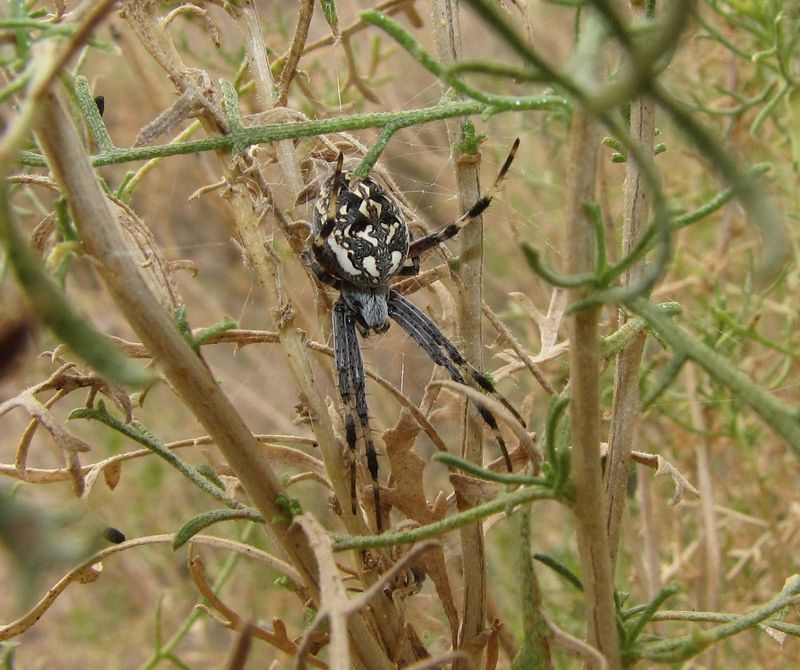
Porch lights and garden path lights do something most homeowners never think about. They pull flying insects in from a surprisingly wide area, creating a concentrated feeding zone right outside your door.
Orb weavers figured this out long ago. Spiders that build webs near light sources tend to catch more prey per night than those building in dark spots.
Over time, individual spiders learn which locations produce results and stick with them.
Moths are especially drawn to artificial light. A single porch light on a warm September night can attract dozens of moths within a few hours.
Orb weavers positioned nearby intercept many of them before they even reach the bulb.
Switching to yellow or amber bulbs can reduce insect attraction if you prefer fewer spiders near entryways. Standard white or blue-tinted LED lights attract the most insects and, as a result, tend to bring in more web builders.
Spiders near lights are not a sign of infestation. It is simply a behavioral response to available food.
Orb weavers are solitary and do not form colonies. Each web belongs to one spider working independently.
Leaving a porch light spider alone through September is a reasonable choice for most gardeners. It handles a portion of nighttime insect control without any effort on your part.
6. Some Orb Weavers Build Fresh Webs Again And Again
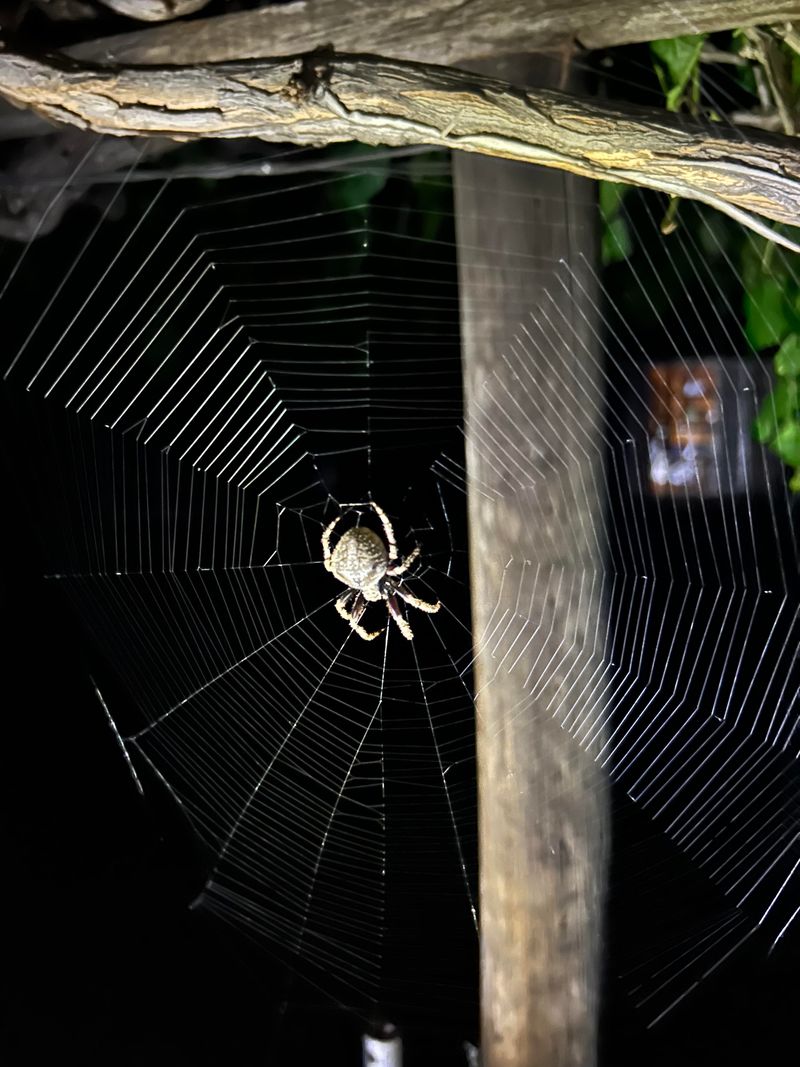
Watching an orb weaver rebuild its web is genuinely one of the more impressive things you can observe in a garden. Some species tear down and reconstruct their webs on a near-nightly basis.
Webs collect debris, lose stickiness, and sustain damage from wind and struggling prey throughout the day.
Rather than patch a worn web, many orb weavers consume the old silk, recycling the protein, and then spin an entirely fresh web before the next night begins.
Web building usually happens in the early morning hours or just after dark depending on the species. Constructing a full orb web can take under an hour for an experienced adult spider.
Younger spiders tend to take longer and produce less symmetrical results.
Seeing a web in a slightly different position each morning does not mean a new spider moved in. Often it is the same spider adjusting placement based on where prey traffic was most active the night before.
Not every orb weaver rebuilds nightly. Some maintain and repair the same web for several days before replacing it.
Behavior can vary between species and also depends on how much food the spider is catching.
In Arizona gardens, where warm September nights stay active with insects, web rebuilding tends to happen more frequently than in cooler regions. Fresh webs simply catch more prey.
7. Fall Is Also An Important Time For Egg Sac Production
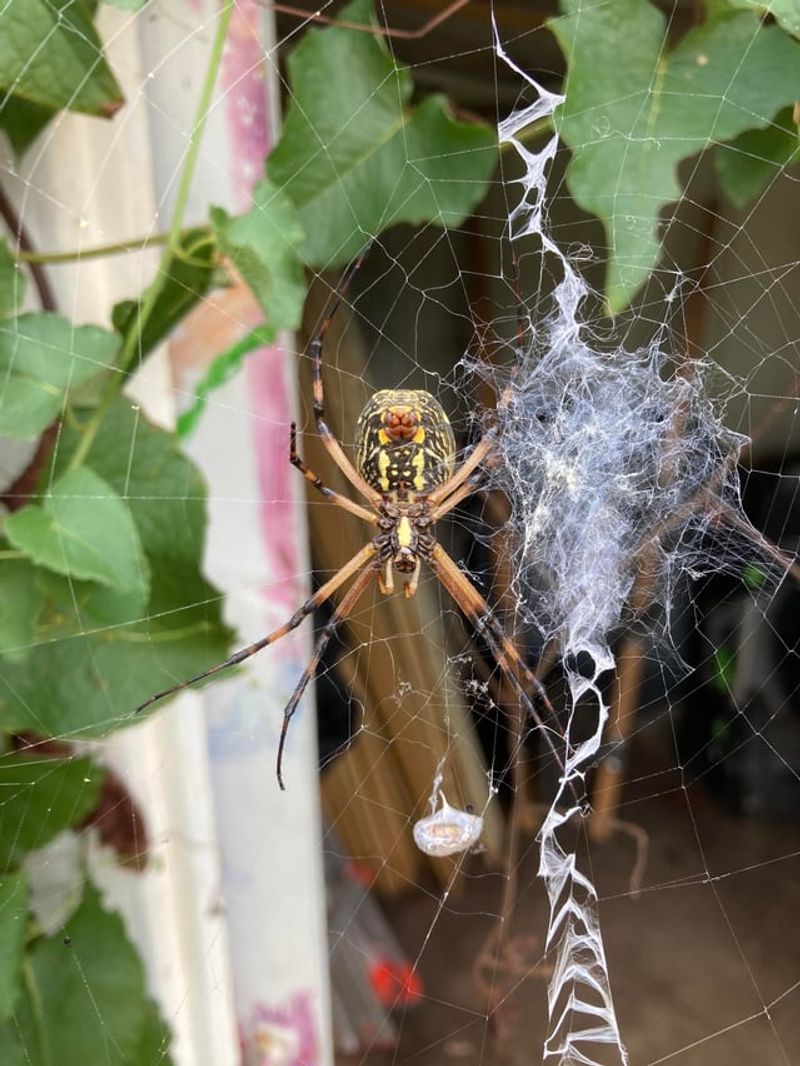
September is not just about feeding. For female orb weavers, it is also about preparing for the next generation.
Mated females begin producing egg sacs in late summer and into fall.
Egg sacs are papery, round, or oval cases that hold anywhere from a few dozen to several hundred eggs depending on the species. Females attach them to nearby plants, fences, or structures close to the web.
A single female may produce more than one egg sac before the season ends. Each sac is carefully wrapped in layers of silk to protect the eggs from weather and predators.
Females often guard the sacs closely.
Eggs typically overwinter inside the sac and hatch in spring. Spiderlings emerge when temperatures warm up and food becomes available again.
Leaving egg sacs undisturbed through winter gives next season’s population a healthy start.
Finding an egg sac in your garden is a sign the orb weaver completed a successful season. It signals that the web worked, prey was plentiful, and mating occurred.
Gardeners who appreciate natural pest management may want to leave sacs in place.
Removing egg sacs is an option if placement is inconvenient. Moving them to a sheltered spot nearby, like under a leaf or behind a fence post, can preserve them without disrupting your garden space.
Crushing them is not necessary.