How To Keep Hummingbirds Coming Back To Ohio Yards Before They Migrate
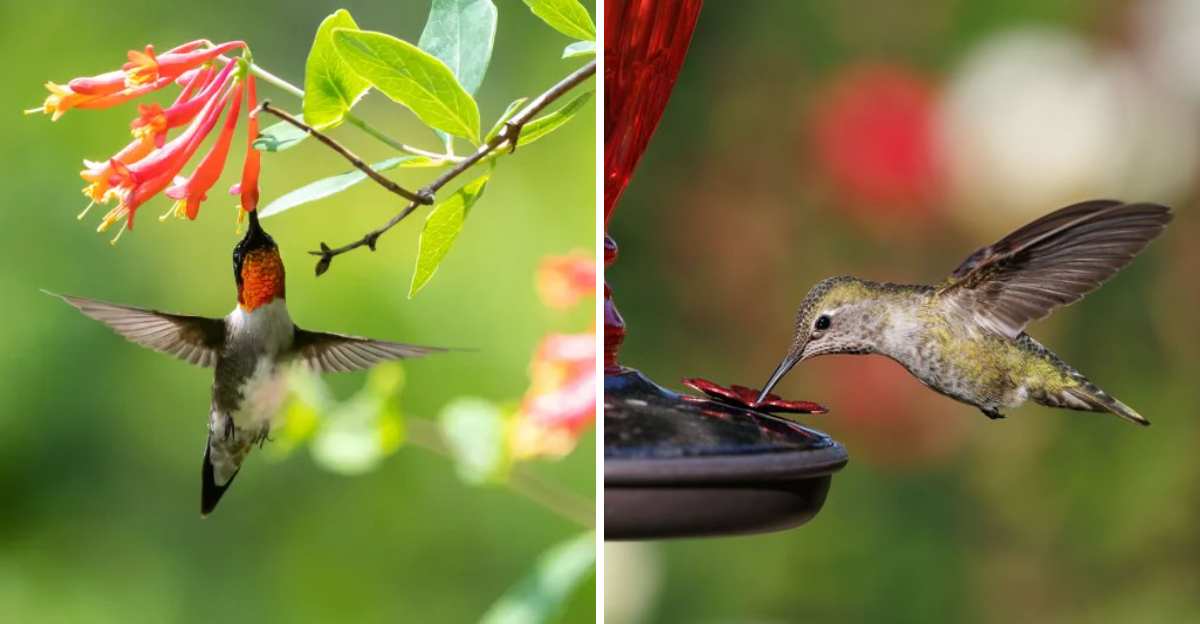
Three grams. Less than the nickel in your pocket. That is the traveler stopping in your yard right now, and it happens to be working against a deadline.
Sometime in the next few weeks, it leaves. The route runs a long way south, and stretches of it offer very little in the way of a rest stop.
So a question sits with you. Does your yard actually help, or does it just look pleasant from the kitchen window?
Many Ohio gardeners assume the answer involves a feeder. That covers part of the story, though only part.
The rest involves things almost nobody connects to hummingbirds. A damp shady corner. A patch of stems that never got cut back. A vine growing on the wrong fence.
Late summer is when these details begin to matter. Small choices now may decide whether birds treat your yard as a dependable stop or skip it entirely.
Some of what helps takes an afternoon of work. Some of it involves doing less, not more. Curious which piece your yard has been missing?
1. Keep Late Blooming Flowers Available Longer
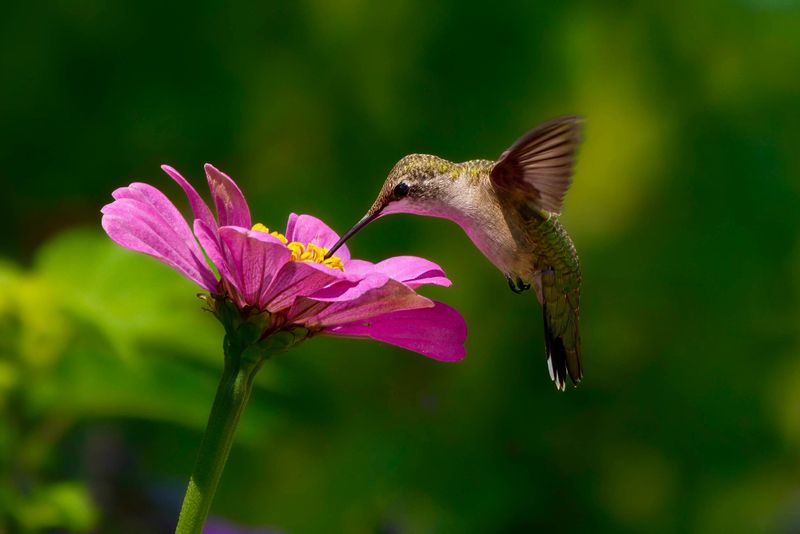
Late summer can look sleepy in the garden while hummingbirds are working hard.
Migration approaches, and steady nectar matters daily. Ohio yards holding fresh blooms tend to become useful stopover spots as birds build energy for long flights.
Flowers that carry into early fall pull real weight, since many summer favorites slow down by August. Bee balm, salvia, zinnias, asters, and obedient plant are all worth a spot for that reason.
A few habits stretch the bloom season further. Deadhead spent blossoms, water during dry stretches, and hold off on heavy late pruning that removes developing buds.
Clustering makes a noticeable difference. A group of the same flower is easier for a hummingbird to spot from the air, and larger patches allow feeding without much wasted travel between scattered blooms.
Sunlight deserves attention too. Most flowering plants perform best when matched to the light level on their label, so a shade lover in blazing afternoon sun rarely delivers its full display.
Mix heights and colors across beds, borders, and containers. Nectar spread through different layers of the garden gives birds more places to work.
Ruby-throated hummingbirds are the species Ohio gardeners usually see, and they return to productive locations across seasons. A yard that stays in bloom late may earn repeat visits.
Keep the flowers coming and the garden essentially runs its own roadside diner, no menu required.
2. Plant Cardinal Flower For Late Season Nectar
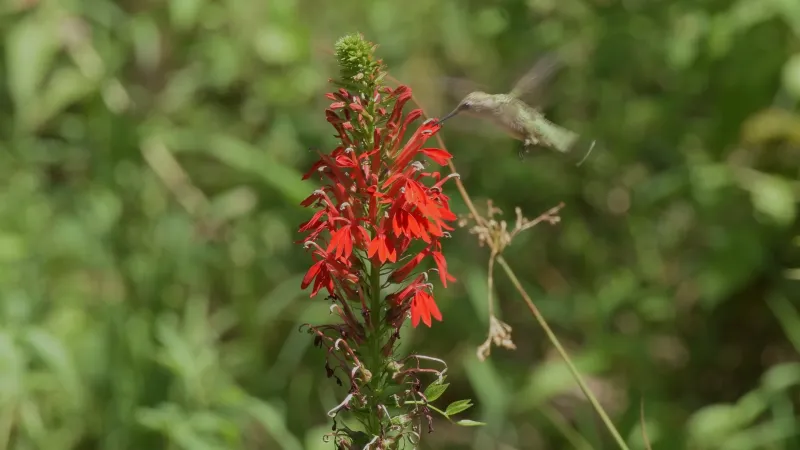
Few native perennials command attention like cardinal flower, with tall spikes of deep red blooms.
That color helps. Hummingbirds have good sensitivity to red, and they also learn quickly which flowers reward a visit.
The tubular shape suits their bills well. Birds sip easily while pollen brushes onto their heads and travels to the next bloom.
Moisture is the main requirement. Cardinal flower prefers consistently moist soil and does well in full sun through part shade in most Ohio settings.
Your Ohio Garden Changes Every Week. Your Plan Should Too.
Gardening in Ohio changes quickly throughout the season. Every Friday you’ll receive a simple weekly plan showing exactly what to plant, prune, fertilize, harvest, and protect so you never miss the right timing.
Rain gardens, low spots, pond edges, and evenly watered beds all suit it. Dry, sandy ground tends to shorten its life considerably, so placement matters more than fertilizer here.
Put it somewhere visible from a window or patio, since visits often last only seconds. Grouping several plants creates a stronger signal for passing birds and gives you a bolder display at the same time.
Mulch keeps roots cooler and slows moisture loss during dry weather. A light mulch layer over the crown through winter may improve survival in colder parts of the state.
Given the right site, cardinal flower sometimes reseeds gently. Individual plants can be short lived, so those volunteers help keep the patch going without much effort from you.
Native, dramatic, and popular with the target audience. Cardinal flower is the plant that shows up dressed for the occasion and still does the work.
3. Add Jewelweed Near Shady Garden Areas
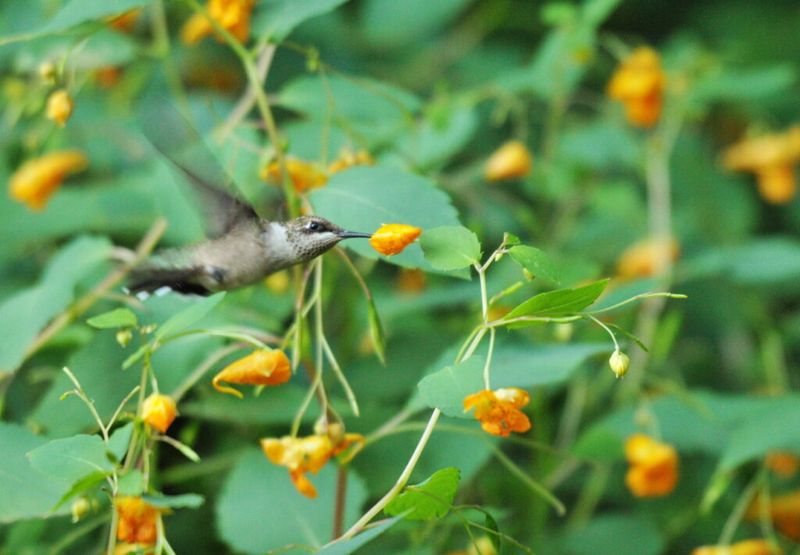
Along a shady fence or a damp forgotten corner, jewelweed starts to look like a small discovery.
Orange spotted flowers dangle like tiny lanterns. Hummingbirds visit them regularly in late summer when woodland edges still hold nectar.
This Ohio native grows naturally in moist, partly shaded ground. That makes it useful in places where sun loving flowers usually disappoint.
Consider spots beside downspouts, near a stream, under taller shrubs, or along a tree line. Those areas often sit empty in home landscapes for no good reason.
The flower shape holds nectar deep inside, which limits access for some larger insects. Hummingbirds handle it easily and pollinate the plant while feeding.
An annual that reseeds heavily, jewelweed spreads by seed and behaves informally. Give it room and expect a relaxed look rather than tidy edges.
A rain garden or tucked away border suits it better than a formal bed. Moisture matters most, since plants wilt fast in dry soil.
One detail tends to delight both kids and adults. Ripe seed pods pop open when touched, which explains the common name touch-me-not.
You may also hear jewelweed recommended for poison ivy relief. Evidence for that use is mixed at best, so the nectar and cover remain its most dependable contributions.
Shade, damp soil, and a plant that asks for neither sun nor supervision. Sometimes the neglected corner turns out to be the best real estate on the property.
4. Grow Trumpet Honeysuckle Instead Of Invasive Vines
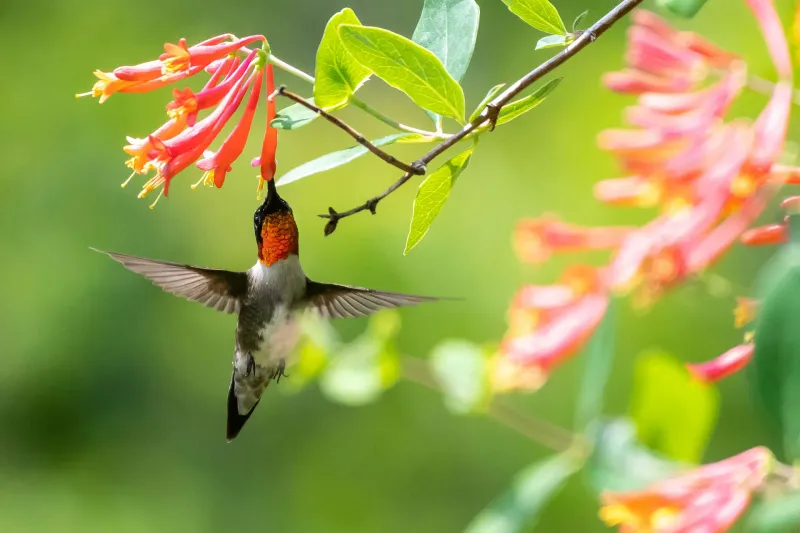
A climbing vine can turn a plain fence into a feeding station, and trumpet honeysuckle handles that job well.
Native to much of the eastern United States, it offers long tubular flowers in red to orange shades. Blooms open over an extended season rather than one short burst.
Hummingbirds visit often because the flower shape fits their feeding style. A mature vine also concentrates many blossoms in one findable place, which saves birds some searching.
Full sun to light shade both work, with support from a trellis, arbor, or sturdy fence. Regular watering helps young plants settle in during the first season or two.
Now the part worth emphasizing. Several non-native honeysuckle vines and shrubs have become invasive across Ohio, spreading into woodlands and crowding out native plants.
Japanese honeysuckle is the vine most often confused with this one. Reading the botanical name on the tag, Lonicera sempervirens, avoids a costly mix-up.
Light pruning after flowering handles shaping. Stripping the vine bare removes feeding spots and cover, so restraint pays off.
Aphids sometimes appear on new growth. A strong spray of water usually manages them, and beneficial insects often handle the rest.
Swap a problem vine for this one and everybody comes out ahead. The fence gets flowers, the birds get nectar, and the woods down the road stop paying for your landscaping choices.
5. Keep Feeders Clean During Migration Season
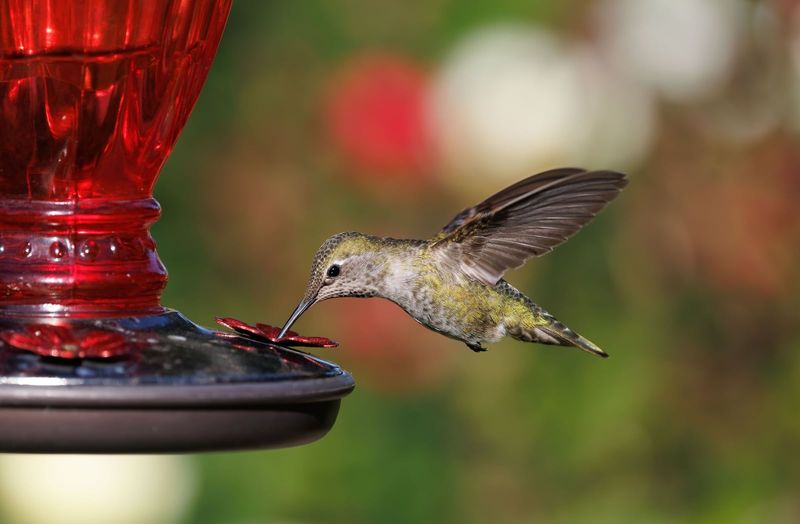
Sometimes the quickest way to help migrating hummingbirds involves nothing more than a well maintained feeder.
Flowers fade, weather shifts, and a reliable feeder gives birds an extra energy stop during busy travel weeks.
The recipe stays simple. Plain white sugar and water at roughly four parts water to one part sugar matches natural flower nectar reasonably well.
Skip the extras. Red dye serves no nutritional purpose, honey may encourage mold growth, and artificial sweeteners provide no usable energy.
Cleaning is where most feeders fail. Warm weather can spoil sugar water within a day or two, especially in direct sun.
Wash feeders with hot water frequently, scrub the ports, and refill every few days. Hot spells and heavy traffic call for shorter intervals.
Mold, sticky residue, and clogged holes discourage visits even when the recipe is correct. Birds may simply move along to a cleaner option nearby.
Multiple feeders help when one bird guards the whole setup. Ruby-throated hummingbirds are famously territorial, so spacing feeders out of sight of each other reduces the squabbling.
Shade extends nectar freshness noticeably. A spot with afternoon protection cuts your cleaning schedule and keeps the food safer.
Leaving feeders up through fall does not delay migration, since day length primarily drives the timing. A late feeder may instead support stragglers passing through.
Tiny birds, high standards. Run a clean operation and the reviews come back excellent.
6. Provide Safe Perching And Shelter Spots
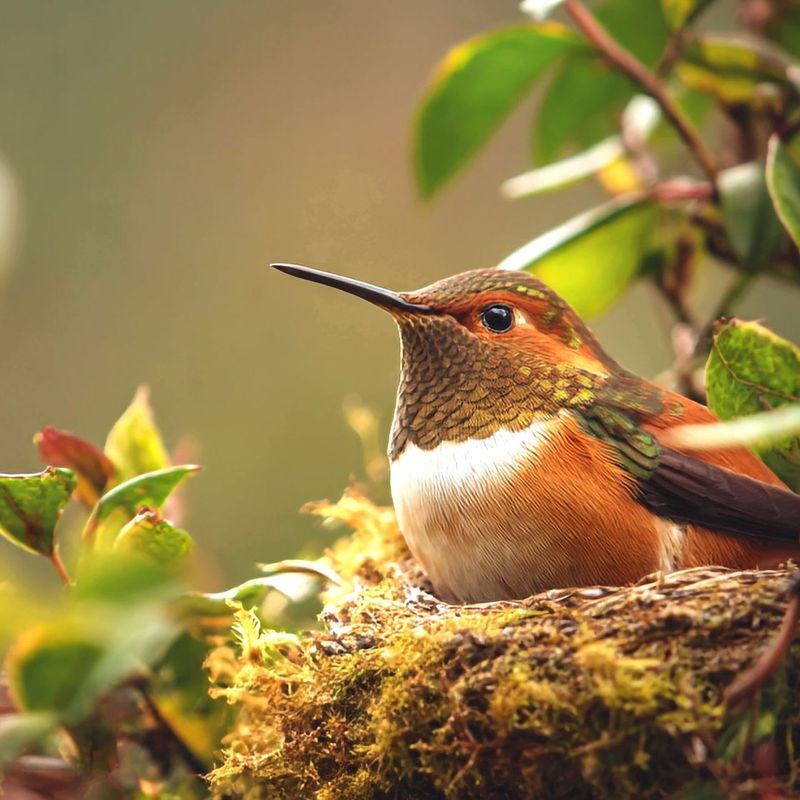
Hummingbirds spend a surprising share of the day perched rather than in flight.
Between trips to flowers and feeders, they rest, preen, and keep watch. Those breaks conserve energy that migration will demand later.
Small branches, open shrubs, and lightly layered trees serve well because they offer clear launch points. Birds can sun themselves or guard a favorite feeder without much effort.
Native shrubs add cover and structure at the same time. Dogwood, viburnum, and serviceberry species all fit Ohio gardens and support other wildlife too.
Evergreens contribute during rough weather. Dense branches give birds somewhere calmer to tuck in when wind or heavy rain sweeps through.
Garden structures often work just as well. An arbor, a wire, or a clothesline may become a favored lookout, particularly near nectar sources.
Distance affects how much a perch gets used. Shelter placed close to feeding areas means less energy spent traveling between meals and rest.
Heavy trimming during peak migration is worth postponing where possible. Cutting everything back at once removes hiding places right when birds rely on them.
Bare yards feel exposed even with excellent flowers, since predators and weather both factor into where small birds feel comfortable feeding.
Shelter is the quiet half of hummingbird gardening. Provide fuel plus a decent place to sit, and your yard starts functioning less like a drive-through and more like a proper rest area.
7. Avoid Removing Seed Heads Too Quickly
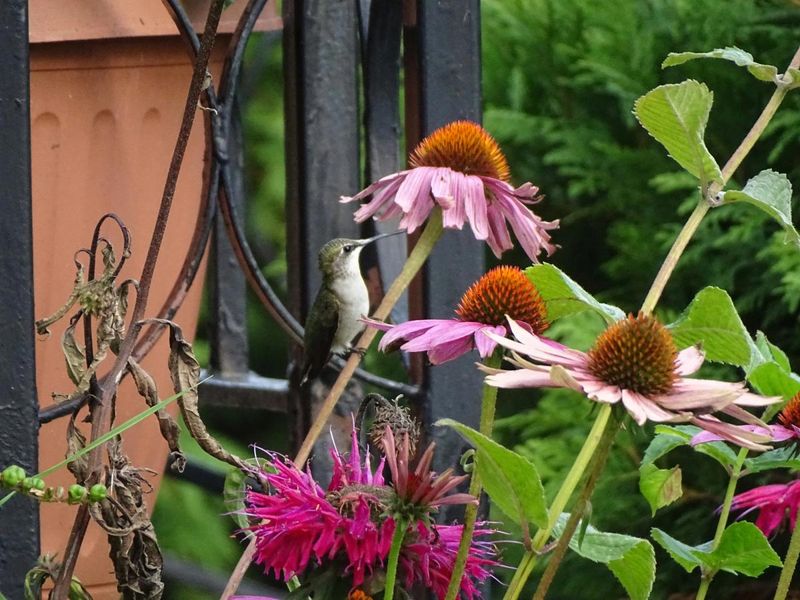
The fall tidying can wait a few weeks, and hummingbirds may come out ahead when it does.
Nectar covers only part of their diet. Small insects and spiders supply protein, and hummingbirds hunt them regularly.
Standing plant material supports more of that small life. Stems, seed heads, and fading foliage hold insects that birds can pick off while passing through.
Coneflowers, black-eyed Susans, and bee balm keep contributing long after petals drop. Dried tops add texture and feed seed eating birds through winter.
There’s a soil benefit worth mentioning too. Stems slow splashing rain, catch leaves, and offer some insulation over root zones during temperature swings.
Many native bees and other insects overwinter inside hollow stems. Leaving material standing into spring supports that cycle, which in turn feeds birds later.
Nothing here requires abandoning your standards. Choose a few patches to leave standing, particularly near nectar plants, shrubs, and bed edges.
Trim the rest in stages if the look bothers you. Front beds can stay neat while a back border goes shaggy for a season.
Diseased foliage is the exception. Clearing that material still makes sense, since standing infected stems may carry problems into next year.
Slowing down cleanup gives the garden a gentler slide into winter. It also gives you a legitimate reason to sit on the porch instead of raking, which seems like a reasonable trade.
8. Create A Migration Friendly Backyard
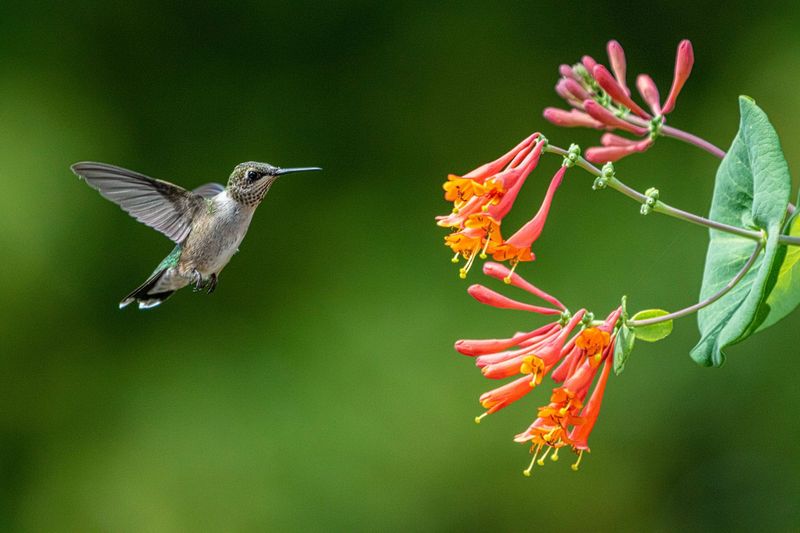
The best hummingbird yard rarely depends on a single feature.
Food, shelter, water, and native plants work together. Combined thoughtfully, the whole space becomes more useful during the weeks before migration.
Layers make the difference. Flowering beds, a clean feeder, nearby shrubs, and a bare branch or two give birds several options within a short flight.
Water helps in a specific form. Hummingbirds rarely use standard birdbaths, though misters, drippers, and fine spray across leaves give them somewhere to bathe.
Native plants deserve to anchor the design. They generally fit local soil and weather, and they support a wider range of insects than most ornamentals.
Mix bloom times deliberately. Early, midseason, and late flowers keep nectar available as conditions shift through the season.
Pesticides work against the whole plan, since hummingbirds depend on insects as well as nectar. A lighter chemical approach keeps the backyard food web functioning.
Window collisions are worth addressing too. Placing feeders either very close to glass or well beyond three feet from it reduces the risk, and decals or screens help further.
Cats outdoors add pressure that no amount of good planting offsets. Keeping them inside protects small birds considerably.
Get the pieces working together and hummingbirds tend to notice. Build the full package, and your yard graduates from roadside snack bar to genuine destination.