Got Clematis? 8 Urgent Things Arizona Gardeners Must Do This Fall To Keep It Climbing
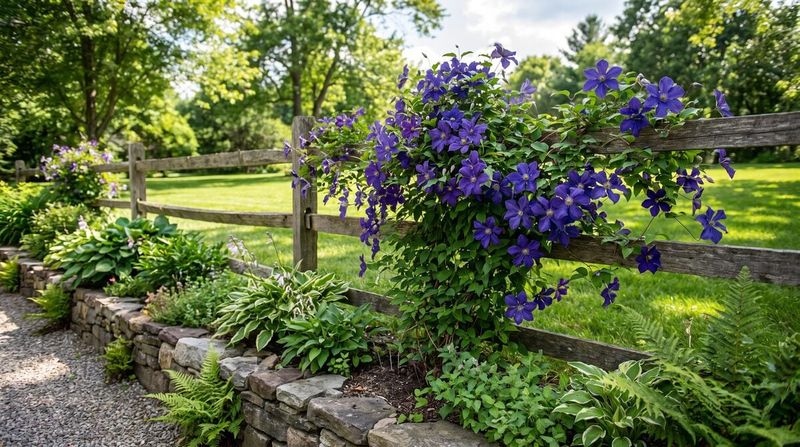
Clematis is a beautiful climbing vine, but growing it in Arizona’s hot, dry desert takes some extra smarts. Fall is the perfect time to give your vine the care it needs before winter and next year’s growth.
A few simple steps now can mean the difference between a struggling plant and one that climbs strong. Here are eight things you should do this fall to keep your clematis happy and climbing.
1. Shade the Roots of Your Clematis in Arizona
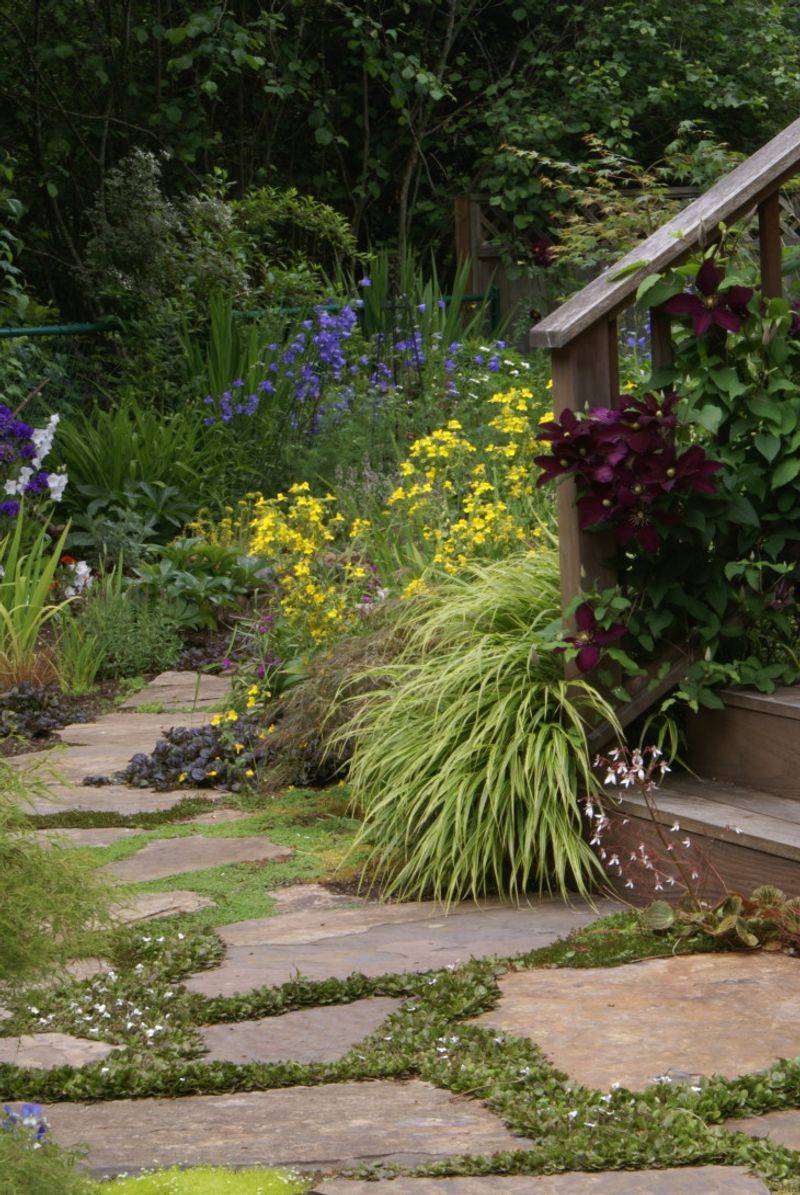
Gardeners have a saying about clematis: heads in the sun, feet in the shade. That old rule matters even more here, where the low-desert sun can bake the ground long after summer ends.
The vine loves plenty of light on its leaves, but its roots want to stay cool and comfortable. When the soil around the base heats up, the whole plant can wilt, stress, and slow its growth just when you want it thriving.
You can solve this easily in fall. Tuck low-growing plants around the base, lay flat stones over the soil, or place a small shrub nearby to cast shade on the roots.
Even a thick clump of mulch works to block the direct sun.
Keeping those roots shaded helps regulate soil temperature and holds moisture longer, which is a huge win in Arizona’s dry climate. Your clematis will reward the effort with steadier growth and stronger climbing.
A little ground-level protection now sets the vine up to push upward with energy once the weather cools and spring arrives.
2. Adjust Your Watering Schedule for Arizona Fall
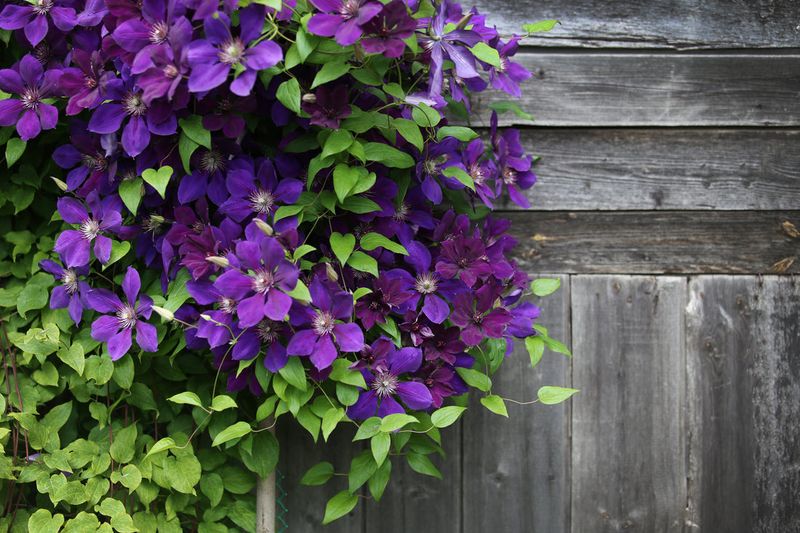
Summer in the desert means constant watering, but fall changes the game. As temperatures drop across Arizona, your clematis simply does not drink as much as it did in July.
Cutting back too little can leave roots soggy, while cutting back too much invites drought stress. The goal is finding that steady middle ground where the soil stays consistently moist but never waterlogged.
A good habit is to check the top two to three inches of soil with your finger. If it feels dry down there, it is time to water again.
If it is still damp, wait a day or two.
Deep watering beats frequent sprinkles every time. Slow, thorough soaking encourages roots to grow downward, reaching for cooler and moister soil deep in the ground.
Shallow watering only trains lazy surface roots that dry out fast.
During dry spells or windy stretches, keep a closer eye on things, since Arizona air pulls moisture out quickly. Adjusting your routine as the season shifts helps your vine store energy and stay healthy right through the mild desert winter.
3. Spread a Thick Layer of Mulch Around Your Arizona Clematis
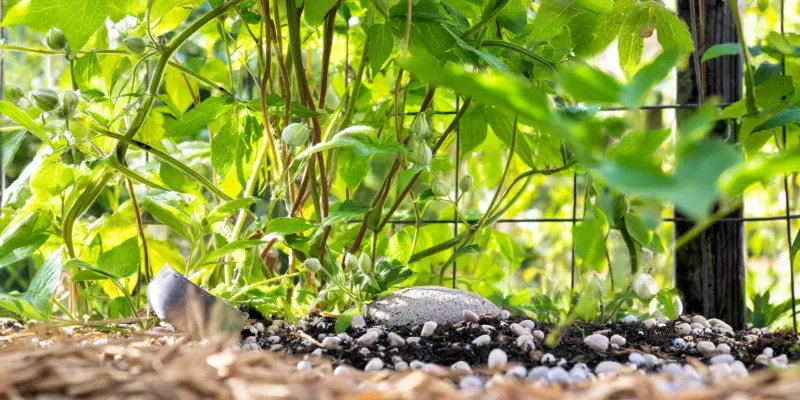
Think of mulch as a cozy blanket that also feeds your plant. For clematis in the desert, it does double duty by locking in precious moisture and shielding roots from wild temperature swings.
Arizona fall days can still turn warm, while nights cool off fast. That back-and-forth stresses roots, but a good mulch layer keeps the soil temperature far more even and comfortable.
Your Arizona Garden Changes Every Week. Your Plan Should Too.
Gardening in Arizona changes quickly throughout the season. Every Friday you’ll receive a simple weekly plan showing exactly what to plant, prune, fertilize, harvest, and protect so you never miss the right timing.
Reach for organic materials like compost, aged bark, or hardwood mulch. As these break down, they slowly release nutrients into the soil, giving your vine a gentle feeding without any harsh chemicals.
Apply a generous layer, around two to three inches thick, spreading it out over the root zone. The wider you go, the more soil you protect from the drying desert sun.
One important trick: keep the mulch a few inches away from the stems themselves. Piling it right against the base traps moisture there and can cause rot or invite pests.
With mulch in place, you will water less often and worry less about the soil overheating, which makes it one of the simplest fall moves you can make.
4. Amend Arizona’s Alkaline Soil for Healthier Clematis
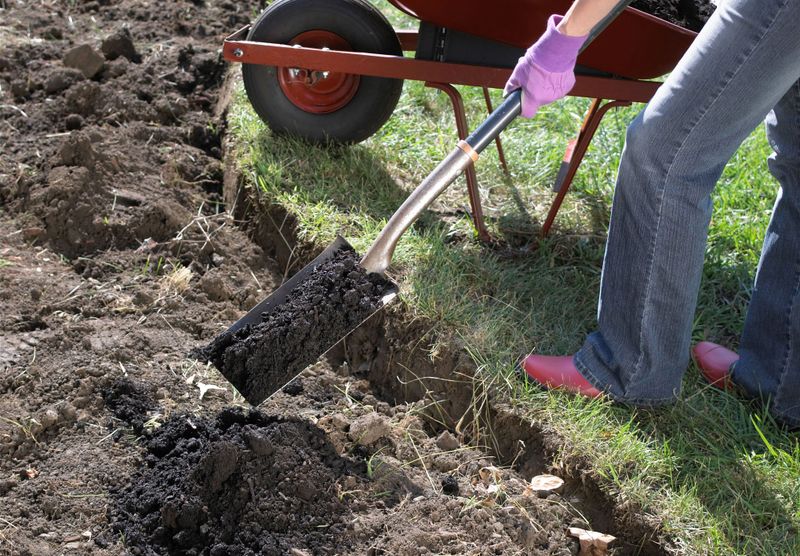
Desert soil throws clematis a curveball. Much of Arizona’s ground is alkaline and packed with caliche, that hard, chalky layer that blocks drainage and frustrates plant roots.
Clematis actually tolerates a slightly alkaline pH, somewhere between 7.0 and 8.5, so you do not need to fight the desert entirely. What you do need is better fertility and drainage so roots can breathe and feed properly.
Fall gives you the perfect window to work on the soil. Cooler weather means less stress on the plant while you dig and mix in improvements around the root zone.
Grab a bag of quality compost or well-aged manure and gently blend it into the top layer of soil around your established vine. Take care not to slice through the roots as you work.
These organic additions loosen tight desert dirt, feed helpful microbes, and help water soak in evenly instead of running off. Over time your clematis develops a stronger root system.
Improving the ground now pays off next spring, when the vine wakes up hungry and ready to climb. Good soil is the quiet foundation behind every thriving desert clematis.
5. Prune Your Clematis by Type in Arizona
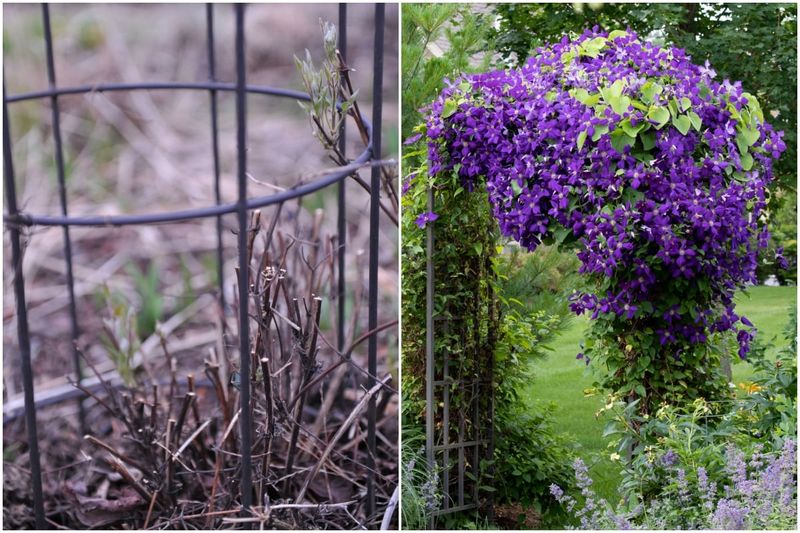
Grab the wrong pruning approach and you might accidentally snip away next year’s flowers. With clematis, the secret is knowing which pruning group your vine belongs to before you cut a single stem.
Type 3 varieties, like Sweet Autumn Clematis, bloom on brand new growth in summer or fall. These are the easy ones to prune hard.
For Type 3 plants, cut the stems back significantly after flowering or in late winter, trimming them down by a third to half and leaving roughly six to twelve inches above the ground. That firm cut sparks vigorous, healthy new growth come spring.
Type 1 and Type 2 clematis are a different story. They bloom on older wood, so heavy fall pruning would remove the very stems that carry next season’s blossoms.
For those types, keep your cuts light. Focus only on snipping away dead, damaged, or weak stems, and leave the healthy vines alone.
Since Arizona’s climate already tests these plants, matching your pruning to the variety keeps them from wasting energy. When in doubt, prune less rather than more, and watch how your vine responds through the seasons.
6. Inspect and Secure Support Structures in Arizona
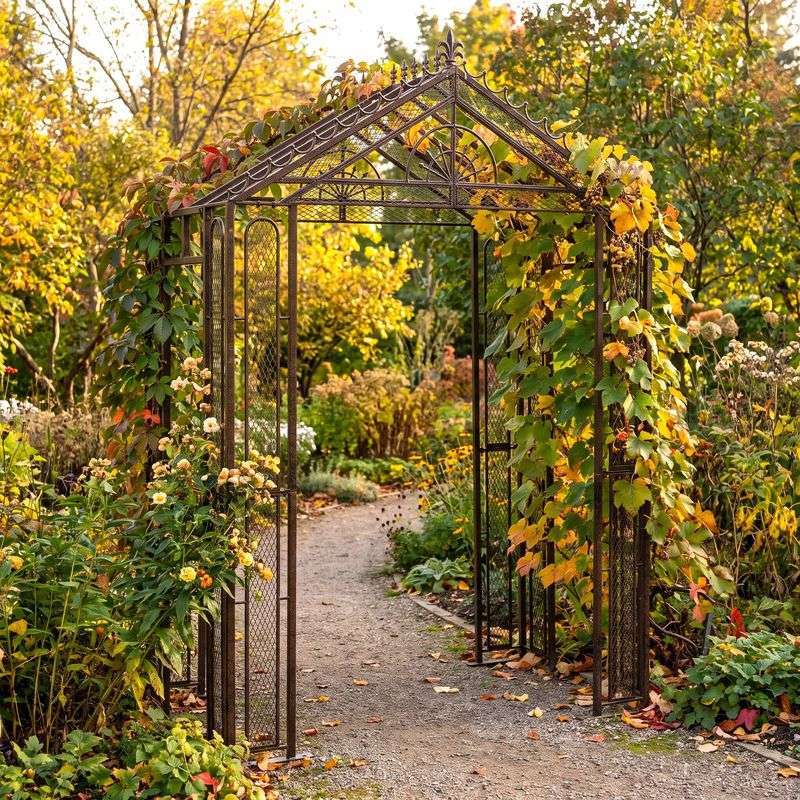
A clematis is a climber at heart, and it counts on its trellis or arbor to hold it steady. When that support fails, the whole vine can end up tangled on the ground, damaged and vulnerable.
Fall in Arizona often brings gusty winds that whip through gardens. A vine loaded with foliage acts like a sail, tugging hard on whatever it is attached to.
Take a walk around your clematis and give its support a good once-over. Wiggle the trellis, check the arbor legs, and look for any wobbly posts, loose ties, or rusted connections.
Reinforce anything that feels shaky. Drive stakes deeper, tighten hardware, add fresh plant ties, or replace worn sections before the weather turns.
It is far easier to fix now than after a windstorm topples the whole thing.
Gently guide any loose stems back onto the structure and secure them with soft ties that will not cut into the growing vine.
A solid, sturdy support keeps your clematis upright and protected through the cooler months. Come spring, the vine has a safe framework ready to climb, instead of starting the season sprawled across your yard.
7. Monitor for Pests and Diseases on Your Arizona Clematis
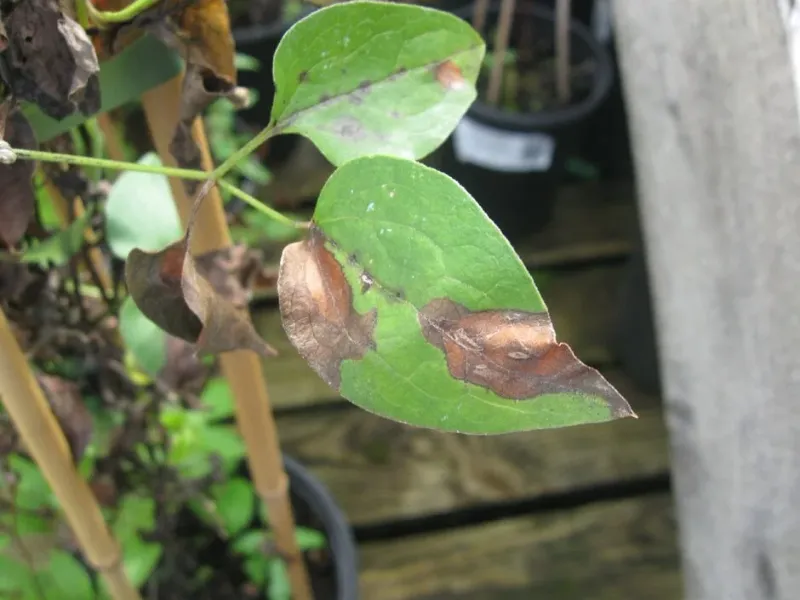
Catching trouble early is half the battle with any garden plant. A quick fall check-up on your clematis can stop small problems from becoming big headaches.
Slow down and really look at your vine. Turn over a few leaves, peek at the stems, and scan for chewed edges, sticky residue, discolored spots, or tiny crawling insects hiding in the foliage.
Common troublemakers include aphids, spider mites, and slugs, along with fungal issues that can show up as wilting or dark blotches. In the dry desert, mites especially like to sneak in during warm, dusty stretches.
Spotting an issue quickly means you can act while it is still manageable. A blast of water knocks off many pests, and removing affected leaves helps stop disease from spreading.
Healthy, well-watered plants naturally resist problems better, so all your other fall care already gives the vine an edge. Good airflow around the plant also discourages fungus from taking hold.
Make inspection a habit each time you water or walk the garden. A few minutes of watching now keeps your clematis stronger and gives it the best shot at climbing vigorously when spring rolls back around.
8. Know Your Clematis Variety’s Needs in Arizona
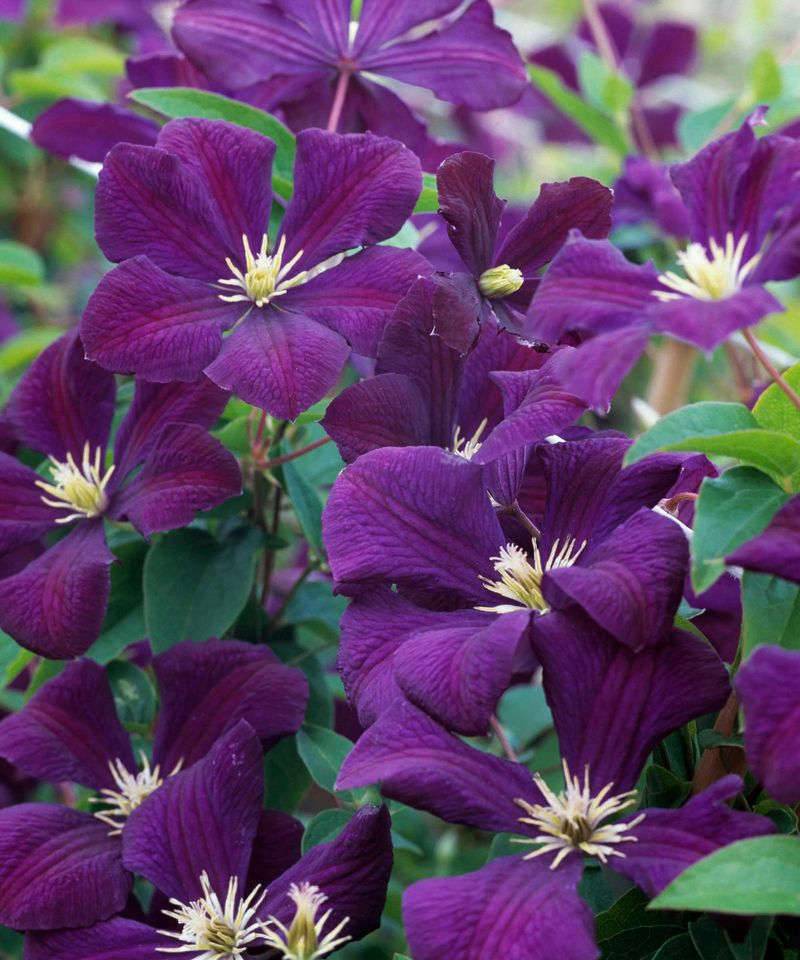
Here is the truth many desert gardeners learn the hard way: not every clematis belongs in Arizona. The low desert’s brutal heat sends plenty of varieties into a tailspin, no matter how much you water.
Knowing exactly which clematis you have changes everything. Once you can name the variety, you can look up its heat tolerance and figure out whether it truly stands a chance in your yard.
Some types cope far better with intense sun and high temperatures. Clematis viticella hybrids are known for their toughness, and the native Clematis drummondii is naturally suited to the Southwest environment.
Identifying your pruning group matters just as much. Whether your vine is Type 1, 2, or 3 tells you when and how to cut it, which we covered earlier in this list.
Dig out that old plant tag, snap a photo for a plant-identifying app, or ask a local nursery for help pinning it down. Every detail you gather lets you tailor your care instead of guessing.
Matching the right variety with smart, informed care is the biggest secret to keeping any clematis climbing happily through Arizona’s challenging seasons.