The Tennessee Creature That Calls Underground Rivers Home
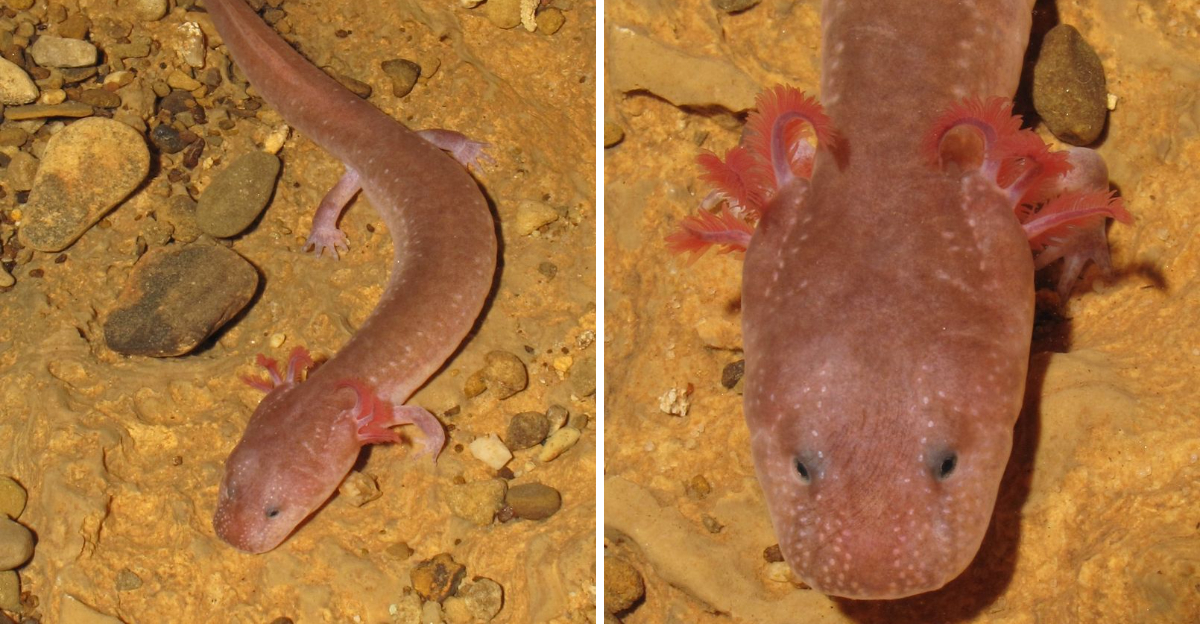
You are standing above a hidden world right now. Tennessee shelters an unusual, secretive animal. Beneath your boots, nearly sightless salamanders drift through cool, dark water. Your eyes could never adjust to their constant darkness.
These animals breathe through feathery gills their whole lives. Darkness shaped every inch of their pale, translucent skin. Cave walls trap moisture that never truly disappears.
Few caves on your planet shelter such a species. Groundwater carries both its survival and its greatest threat. Underground streams shift constantly, testing its narrow tolerance.
Farmers, builders, and cavers all share its secret territory. Nobody fully grasps how delicate this balance actually is. Every ripple above ground reaches its hidden world below. Losing it would erase part of Tennessee’s living history.
Scientists keep discovering strange new details about its habits. Curiosity alone cannot protect a species already at risk. There is more worth knowing about this creature.
A Salamander With a Tiny Home Range
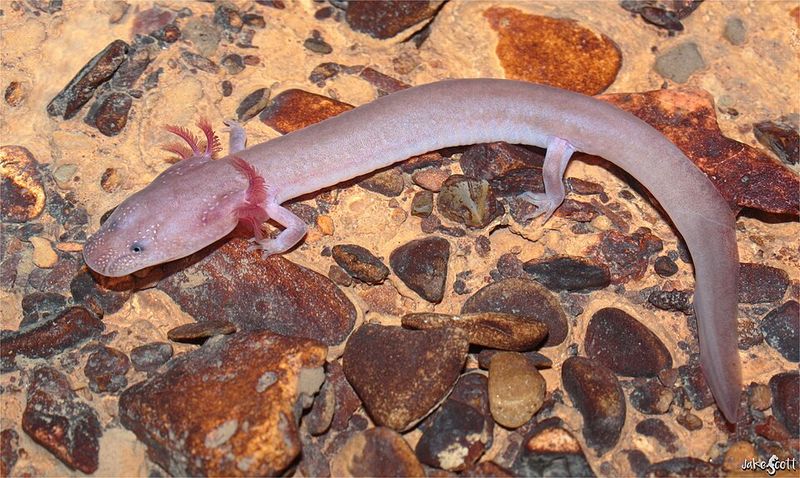
Imagine spending your whole life in a place small enough to fit inside a map corner. That is the story of the Tennessee cave salamander, a rare amphibian found in only a handful of counties in Tennessee and nearby areas.
Its range is so limited that a problem in one cave system can affect a large part of the population.
Unlike animals that roam across forests, fields, or rivers, this salamander depends on a narrow chain of caves, springs, and underground streams. Many of those places connect through limestone rock, which slowly dissolves and forms hidden passages.
Because the species needs cool, clean water and steady cave conditions, it cannot simply move anywhere else when trouble appears.
A small home range makes the animal special, but it also makes it fragile. Pollution from roads, farms, broken septic systems, or trash can spread through groundwater and reach cave habitats quickly.
Even changes above ground, like building projects or careless land clearing, may disturb the places where it feeds and breeds.
Knowing that the Tennessee cave salamander lives in so few counties helps people understand why every site matters. One protected spring, one healthy cave stream, or one careful decision by a landowner can make a real difference.
When a species lives in such a tiny area, local action is not a small thing. It is the heart of survival for future generations there.
Life in Dark Limestone Caves
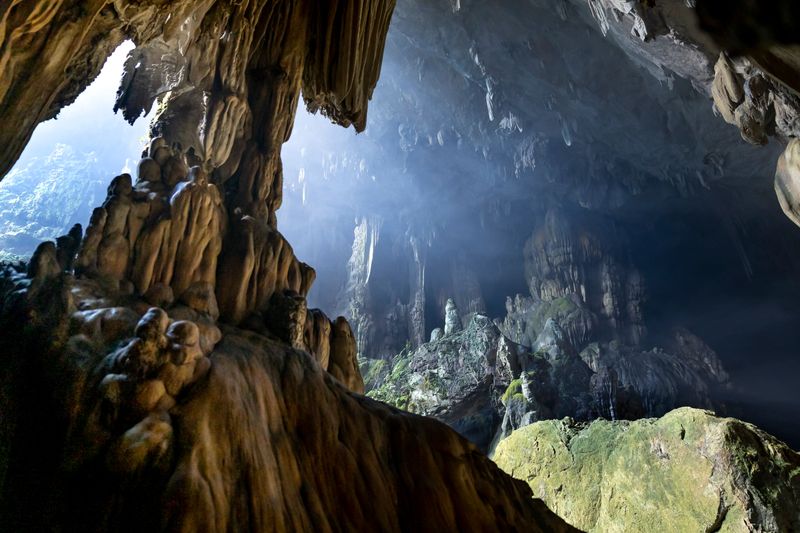
Step inside a Tennessee cave, and the world changes fast. Sunlight fades, sounds soften, and cool air hangs over wet stone. For the Tennessee cave salamander, that dark, damp setting is not spooky at all. It is home.
Most of its life centers on cave streams, springs, and other underground waters. Limestone caves are especially important because water can travel through cracks and tunnels in the rock.
Those hidden pathways create the moist shelter the salamander needs, along with small spaces where it can hide from danger and rest during the day.
Your Tennessee Garden Changes Every Week. Your Plan Should Too.
Gardening in Tennessee changes quickly throughout the season. Every Friday you’ll receive a simple weekly plan showing exactly what to plant, prune, fertilize, harvest, and protect so you never miss the right timing.
Living underground comes with challenges. Food is not as easy to find as it is in a pond or forest creek, and cave conditions stay fairly stable year-round.
That steady environment helps the salamander survive, but it also means the animal is sensitive to change. A sudden drop in water quality or flow can upset the balance of the whole habitat.
Caves also protect the salamander in useful ways. Wet rock keeps its skin from drying out, and narrow cracks offer cover from predators.
Because amphibians breathe partly through their skin, clean water matters every hour of every day.
People sometimes think caves are empty places, yet they are full of quiet life. The Tennessee cave salamander is one of the best examples.
Its underground world may seem hidden from view, but it is connected to what happens above ground. Healthy forests, careful farming, and protected springs all help keep that cave home stable and safe for years ahead.
Clues That Help You Recognize It
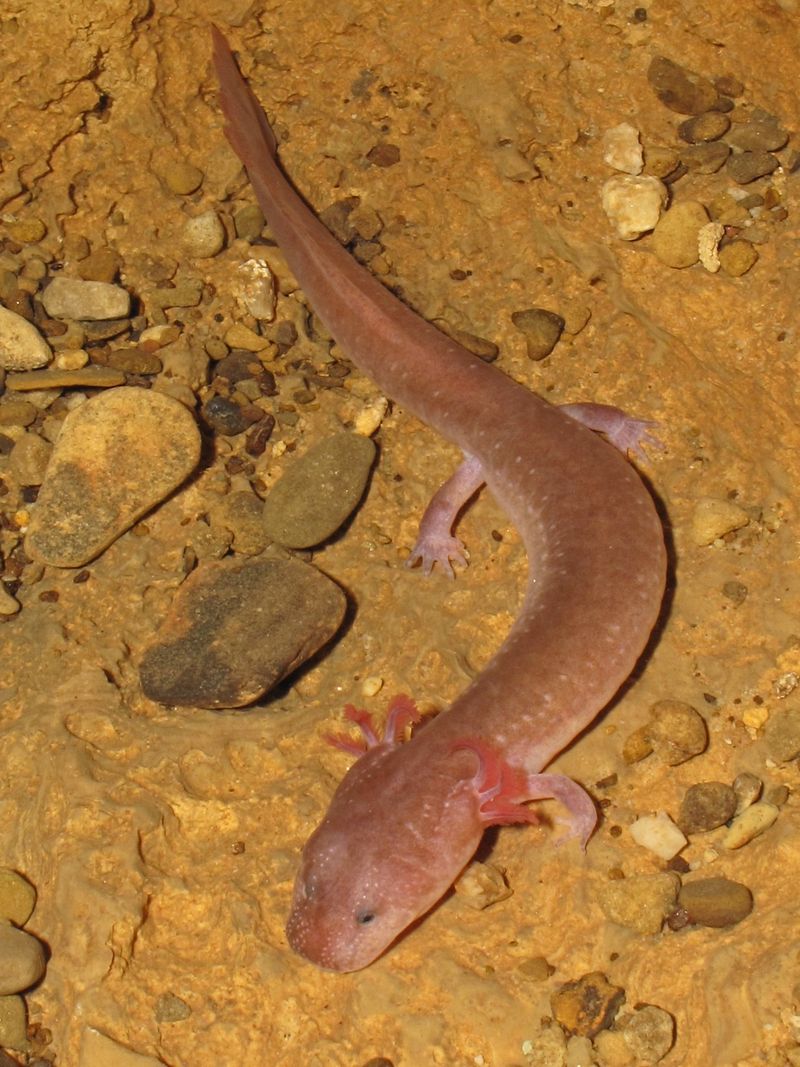
At first glance, the Tennessee cave salamander can look like a small, slippery streak of color against wet stone. Look closer, and a few details stand out.
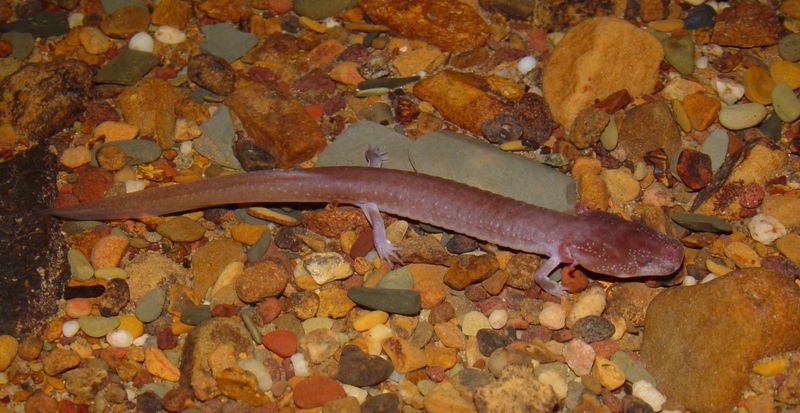
It often has an orange, yellow-orange, or pinkish body with dark speckles or spots, giving it a bright look compared with the gray and brown cave walls around it.
The body is slender, the tail is long, and the skin stays moist, as you would expect from a salamander that spends so much time near water. Adults are not huge, so patient eyes help.
In dim cave light, colors may seem softer, which is one reason trained observers move slowly and use care when identifying cave wildlife.
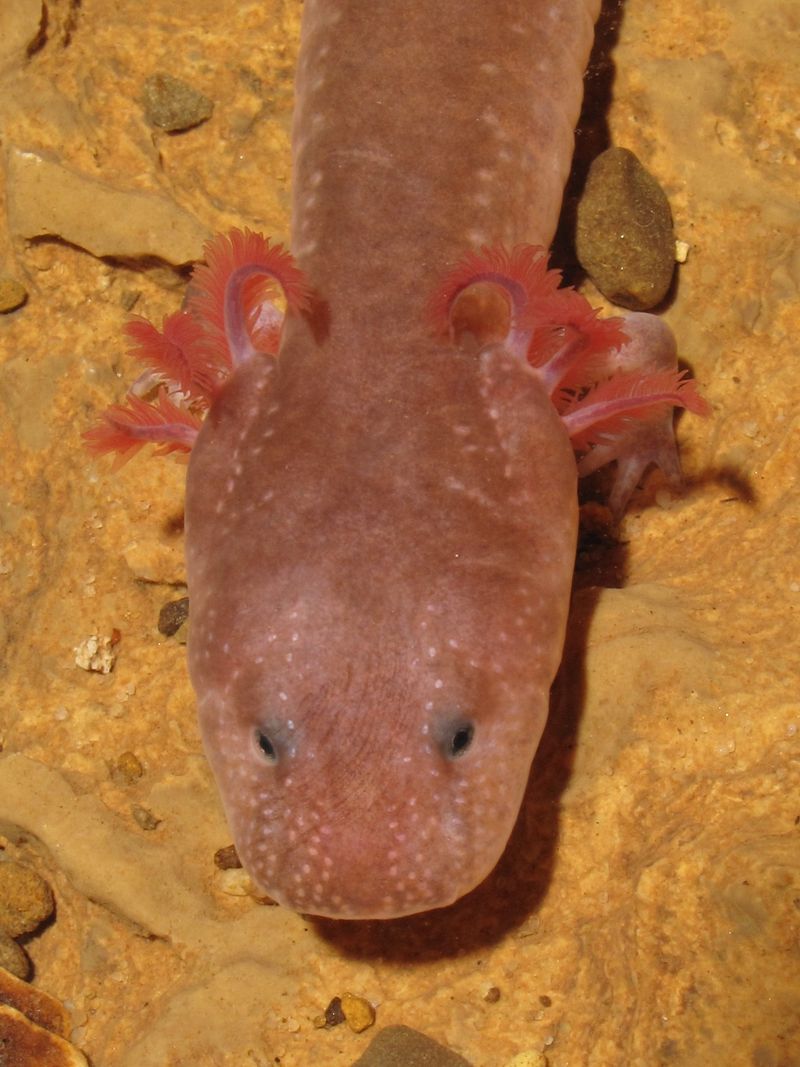
Young salamanders can add another interesting twist. Larvae have external gills, feathery structures that stick out from the sides of the head and help them breathe in water.
Unlike most salamanders, this species usually keeps its gills into adulthood, since most individuals never fully leave the water to live on land.
Still, spotting one should never turn into grabbing one. Salamanders have delicate skin, and oils or chemicals from human hands can harm them.
Flashy photos, loud movement, or blocking a stream can also create stress in a place where calm conditions matter.
A better way to recognize the species is by observing from a distance and learning from trusted wildlife guides.
The more people understand its shape, color, and habitat, the easier it becomes to notice why it belongs only in special underground places and why those places deserve gentle treatment from every visitor.
Why Only Certain Counties Matter
A county line may seem like a human idea, but for the Tennessee cave salamander, county locations can tell a survival story.
The species is known from only a small number of counties, which means each one holds a big piece of the puzzle. Lose enough habitat in those places, and the map of where it can live shrinks even more.
Not every county has the right mix of geology and water. The salamander depends on areas with limestone, springs, sinkholes, and caves that connect to underground streams.
Counties with those features act like safe neighborhoods, while places without them are simply not suitable homes.
That is why local decisions matter so much. A road project, quarry work, polluted runoff, or poor waste management in one county can affect cave water below the surface.
Groundwater does not stop at property lines, and what happens above a cave may travel farther than people expect.
County-based conservation can be practical and powerful. Local leaders can support clean water rules, careful land use, and education about sensitive cave systems.
Schools, parks, and community groups can also help people understand that rare wildlife is living beneath their feet, even if they never see it.
Thinking county by county makes protection feel more real. Instead of treating the salamander as a faraway science topic, residents can see it as a neighbor with a very small address.
When only a handful of counties support a species, every community inside that range becomes part of the team keeping it alive for the future.
What It Eats Beneath the Surface
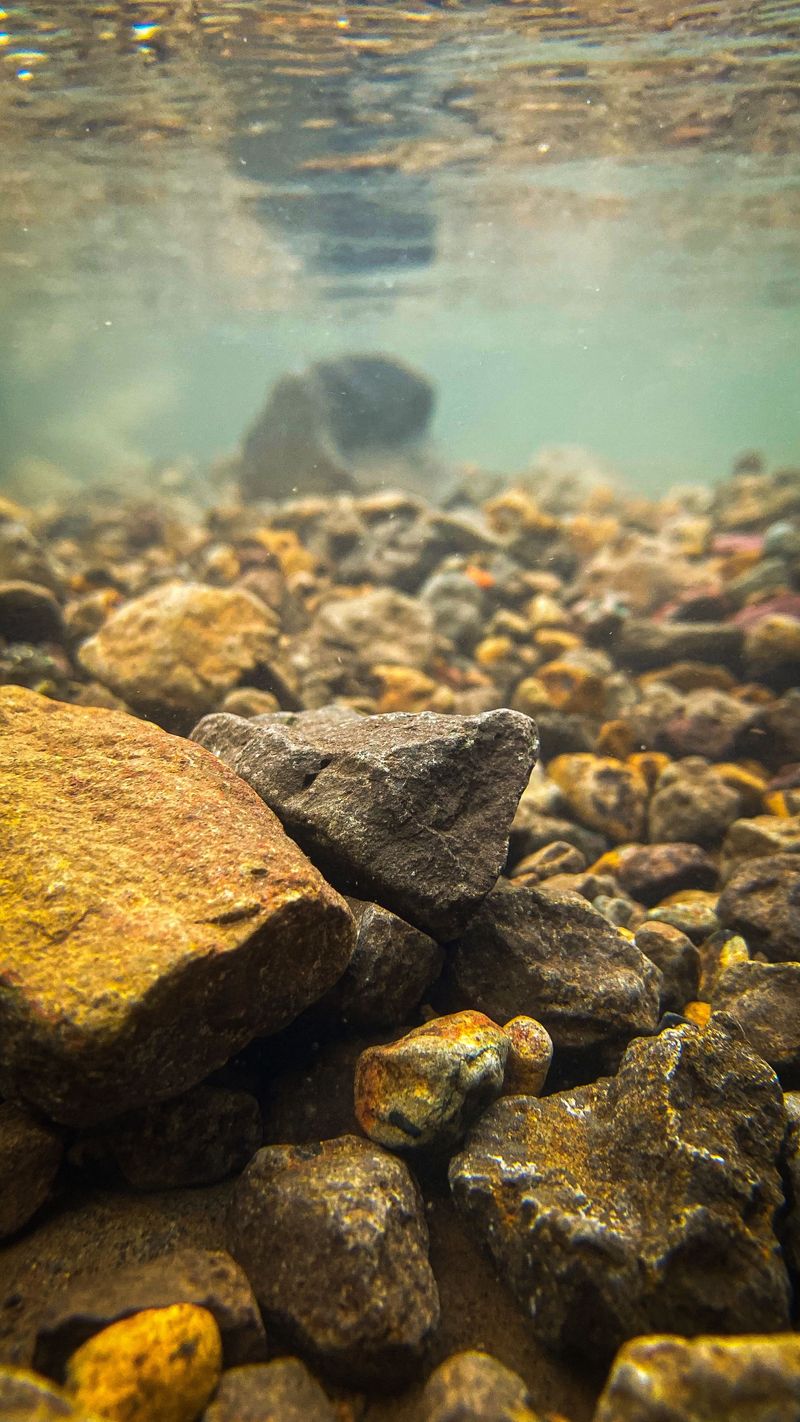
Meals in a cave do not come with much variety, so every bite counts. The Tennessee cave salamander feeds on small creatures it can find in or near underground water. Tiny insects, aquatic invertebrates, and other small prey help fuel its quiet life in the dark.
Because caves are low-energy places, food can be harder to find than in sunny ponds or busy creeks. Organic matter may wash in from the surface, carrying nutrients that support the food web.
Small animals living in cave streams then become prey for the salamander, linking the outside world to the hidden one below.
Hunting underground likely depends on movement, scent, and close-range sensing more than long-distance sight.
A salamander may wait near rocks, slip through shallow water, or search crevices for edible creatures. That patient style fits a habitat where wasting energy is not a smart plan.
Clean water matters here again. If pollution harms insects and other tiny stream life, the salamander can lose part of its food supply even when the cave still looks wet and normal.
A stream that appears fine to people may already be struggling if the small prey animals are disappearing.
Learning about diet helps explain why the species needs an entire healthy system, not just a patch of water. Protecting the salamander means protecting what it eats, what its prey eats, and the flow of nutrients into the cave.
In a hidden habitat, survival is built on small connections that are easy to miss but difficult to restore once damaged.
Surface Activities That Affect The Species
The biggest dangers to a cave animal often start far from the cave itself. This pattern is common in cave ecosystems, including for the Tennessee cave salamander.
Trouble above ground can move through soil and limestone, then reach the underground water the species depends on.
Pollution is one major threat. Runoff from farms, chemicals from roads, leaking septic systems, litter, and other waste can enter groundwater and lower water quality.
Since salamanders have sensitive skin and need clean, oxygen-rich moisture, even a small amount of contamination can cause serious problems over time.
Habitat damage is another concern. Construction, quarrying, heavy land clearing, and careless cave visits can change water flow, disturb shelter spaces, or harm delicate cave features.
In places where the species lives in only a few counties, there is not much backup habitat waiting nearby.
Climate shifts may add stress as well. Changes in rainfall can affect spring flow and underground stream levels.
Longer dry periods or intense storms can upset the stable conditions cave species rely on, making life harder for animals adapted to narrow environmental limits.
Human curiosity can become a problem too, even when people mean well. Entering caves without guidance, touching wildlife, or trampling stream edges can disturb the salamander and other cave organisms.
Good intentions still need careful action. The hopeful part is that many threats can be reduced. Cleaner water practices, smarter development, protected cave entrances, and public education all help.
Because the Tennessee cave salamander lives in such a small area, local choices matter quickly. Harm can spread fast, but so can protection when communities decide to act.
Ways People Can Help It Survive
Saving a rare salamander can sound like a job only scientists can do, but regular people have a role too. The Tennessee cave salamander lives so close to human activity that everyday choices matter.
Clean water, careful land use, and respect for caves can all support its survival. Landowners in cave regions can help by protecting springs, limiting chemical runoff, fixing septic problems, and leaving natural vegetation near waterways.
Plants and roots act like a filter, slowing pollution before it reaches groundwater. Even small buffer areas can make a useful difference over time.
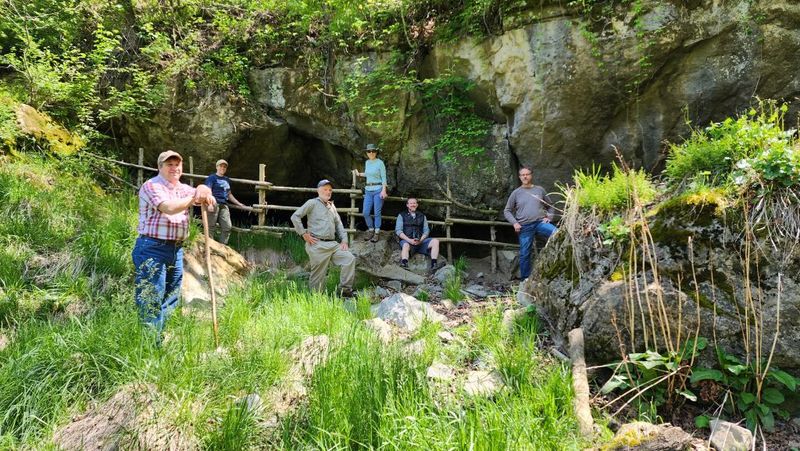
Cave visitors can help by following posted rules, staying on safe paths, and never touching wildlife. Flash, noise, and disturbance may seem minor to people, yet cave animals live in a world where stability matters.
If a cave is closed or access is restricted, that usually means the habitat is sensitive and needs space.
Students, teachers, and families can also support local conservation groups and wildlife agencies. Learning about karst landscapes, springs, and groundwater teaches people why hidden habitats deserve attention.
Sharing correct information is better than spreading myths that caves are empty or unimportant.
Community leaders have a part as well. Strong water protections, smart zoning, and careful planning near sensitive cave systems can reduce harm before it starts. Prevention is often cheaper and more effective than trying to repair damage later.
The Tennessee cave salamander may be small, but it represents a much larger story about clean water and healthy ecosystems.
Helping it survive means caring for the underground world connected to towns, farms, and forests above. Protecting one rare species can improve the landscape for many others, including people.