The Underrated Texas Houseplant That Makes Spiders Less Welcome Indoors
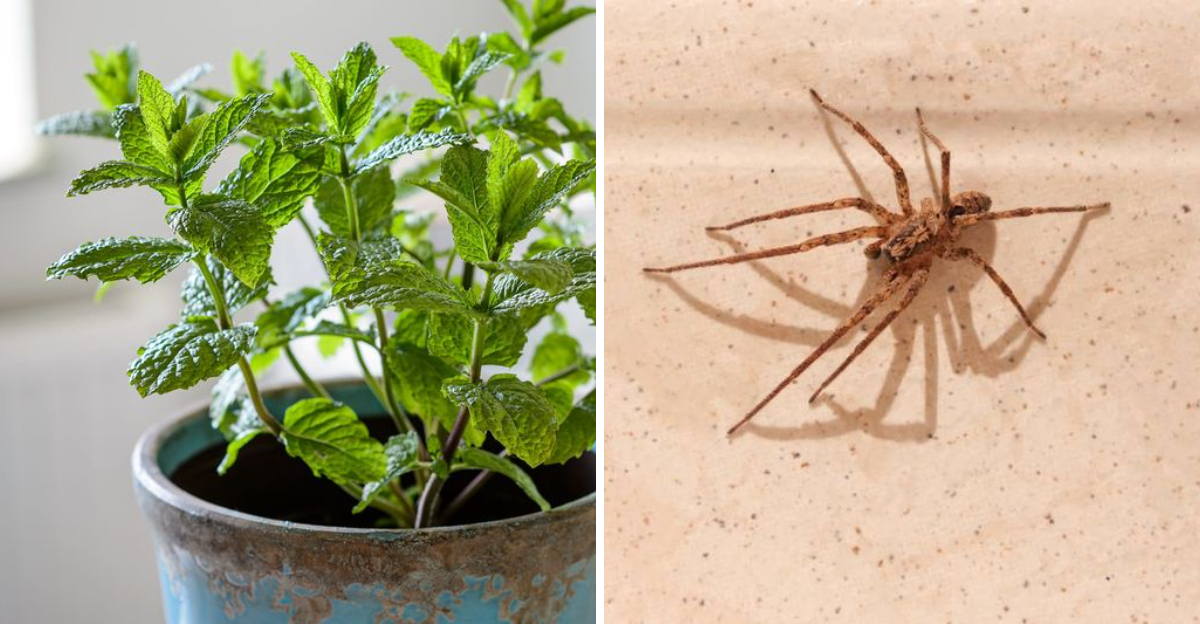
Spiders showing up in Texas homes tend to appear without warning and in exactly the spots you’d prefer they didn’t. Chemical sprays work but carry a load most people would rather avoid indoors, and sticky traps feel like a temporary fix to a recurring problem.
Most homeowners never think to look at their houseplants as part of the solution. But one underrated houseplant has been quietly earning a reputation for making indoor spaces significantly less welcoming to spiders.
It produces natural compounds that spiders find genuinely off putting, and kept in the rooms where spider activity tends to concentrate, the difference is noticeable.
It also happens to be one of the more attractive and low maintenance options available, thriving in Texas indoor conditions without demanding much in return.
A houseplant that improves your space visually while discouraging spiders from settling in is exactly the kind of practical beauty most homeowners didn’t know they needed.
The Strong Scented Plant Spiders Avoid
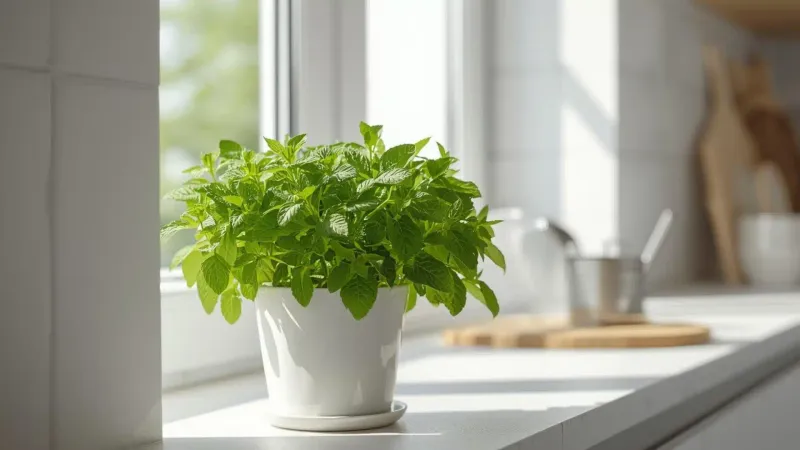
Spiders explore the world using tiny sensors on their legs, and strong smells throw them off big time. Peppermint puts out a sharp, cool scent that most people find refreshing but bugs find overwhelming.
The magic comes from a natural oil called menthol. When peppermint leaves release this oil into the air, spiders tend to steer clear because their bodies read it as a warning sign. They would rather find a calmer, plainer spot to build a web.
In Texas, where warm homes can invite all sorts of crawlers, this natural barrier is handy. Placing peppermint near windows or doors may help discourage spiders from settling nearby, especially when the leaves are releasing their aroma.
You do not need a jungle of plants to see results. A peppermint plant on a windowsill adds a strong scent that some homeowners use as part of a natural pest-deterrence approach.
Brushing the leaves gently with your hand releases more scent, giving the plant a little boost when you want extra protection.
Keep in mind that peppermint works best as a helper, not a total shield. It lowers how welcome your home feels to spiders without harming them or you.
Fun bit of history: menthol has been pulled from mint plants for hundreds of years to freshen breath and soothe stomachs. The same feature that makes gum taste minty is the thing that sends spiders packing.
Growing peppermint means you get a pleasant aroma for yourself and a subtle bug blocker at the same time. That is a pretty sweet deal for one small pot of green.
Easy To Grow In Hot Texas Weather
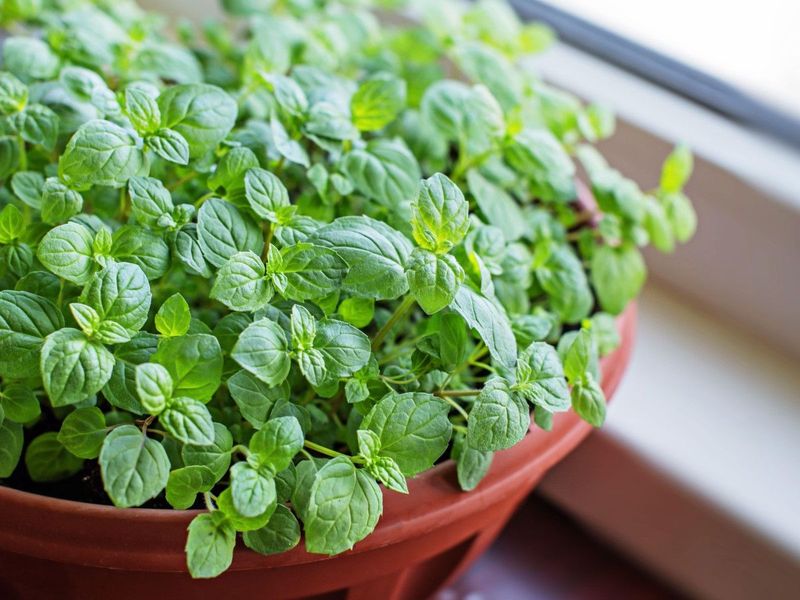
Texas gardeners know the struggle of keeping plants happy when the thermometer climbs. Peppermint handles the heat like a champ, which makes it a friendly choice for beginners and busy folks alike.
This plant is famous for being tough. Give it a pot, some soil, and steady water, and it will spread its roots quickly.
Peppermint actually grows so eagerly that many people keep it in containers just to stop it from taking over the whole garden bed.
Your Texas Garden Changes Every Week. Your Plan Should Too.
Gardening in Texas changes quickly throughout the season. Every Friday you’ll receive a simple weekly plan showing exactly what to plant, prune, fertilize, harvest, and protect so you never miss the right timing.
Partial shade is its sweet spot during the hottest Texas afternoons. Morning sun with a break in the harsh midday glare keeps the leaves green and fresh instead of crispy. A spot near an east-facing window works great indoors.
Watering is simple. Peppermint likes moist soil but not soggy roots, so a good drink every few days usually does the trick. Stick your finger in the dirt, and if the top inch feels dry, it is time to pour.
One reason peppermint thrives is its shallow, spreading root system that soaks up water fast. That same trait means you can snip stems often, and the plant bounces right back with new growth.
Because it forgives small mistakes, peppermint is a confidence builder for anyone new to gardening. Forget to water once?
It usually perks up after a drink. Too much sun one day? Move it and watch it recover.
Growing something that fights spiders and survives Texas summers feels like a small win every time you walk past that green, leafy pot on your counter.
A Natural Choice Over Harsh Chemical Sprays
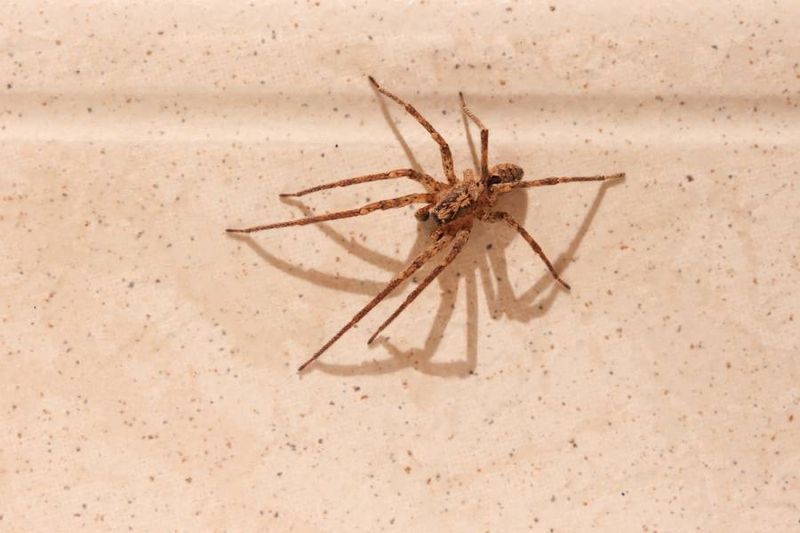
Bug sprays get the job done, but they often leave behind smells and residue nobody wants floating around the kitchen. Peppermint offers a gentler path for people who prefer natural options at home.
Families with little kids or curious pets especially appreciate skipping the chemical cans. A plant on the shelf does not come with warning labels or fumes you have to air out afterward.
The scent from peppermint fills a room in a soft, pleasant way. Instead of that sharp store-bought spray smell, you get a fresh aroma that reminds folks of candy canes and clean air.
You can stretch the plant’s power even further. Crush a few leaves and rub them along windowsills or door frames where spiders like to sneak in. This spreads the minty oil to the exact spots that matter.
Another trick is making a simple peppermint mist. Steep fresh leaves in warm water, let it cool, then dab it on corners and baseboards with a cloth. It costs almost nothing and uses stuff you already have.
Going natural also means less waste. A single plant keeps producing leaves for months, so you are not tossing empty aerosol cans into the trash every few weeks.
Of course, peppermint is not a magic force field. Heavy infestations may still need extra help.
But for everyday prevention, this leafy option lowers how many spiders wander in without filling your home with strong products.
Choosing a plant over a spray feels good, smells good, and keeps your space a little more natural. That trade is easy to love in a busy Texas household.
Fresh Leaves For Cooking And Drinks
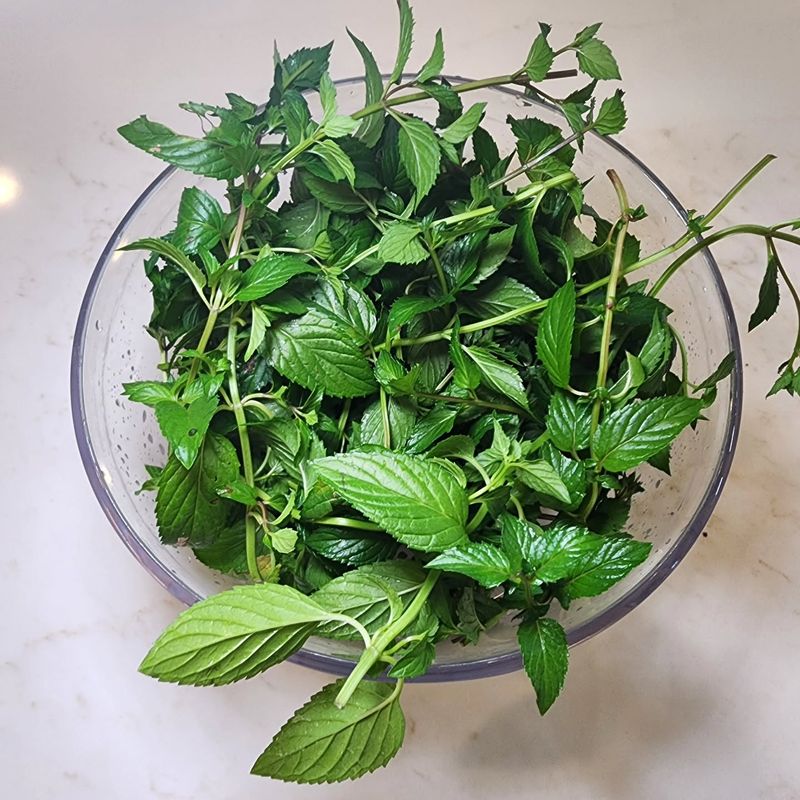
Here is a bonus most bug sprays cannot offer: you can eat peppermint. The same plant guarding your windows also flavors your snacks and sips.
Texans love their iced tea, and a few peppermint leaves dropped into a tall glass make it taste extra cool and refreshing. On a scorching afternoon, that little touch of mint feels like a mini vacation.
Cooks toss peppermint into all sorts of dishes. Chopped leaves brighten up fruit salads, lamb, and even simple yogurt bowls. The fresh flavor wakes up food without much effort.
Baking fans get in on the fun too. Peppermint pairs beautifully with chocolate, so homemade brownies or cookies get a festive twist with a hint of mint folded in.
Drinks are where peppermint really shines. Muddle some leaves into lemonade, blend them into smoothies, or steep them for a soothing hot tea that settles an upset tummy.
Harvesting is a breeze. Snip a stem, rinse the leaves, and use them right away for the freshest punch of flavor. The plant keeps growing more, so your supply rarely runs low.
Because you grew it yourself, you know exactly what went into it. No mystery ingredients, no long trips to the store, just fresh green leaves within arm’s reach.
Having a plant that fights spiders and feeds your family is a rare combo. Most houseplants just sit there looking pretty.
Peppermint pulls its weight in the kitchen while quietly keeping crawlers at bay. That kind of hard-working greenery earns its spot on any Texas countertop.
Perfect For Small Spaces And Apartments
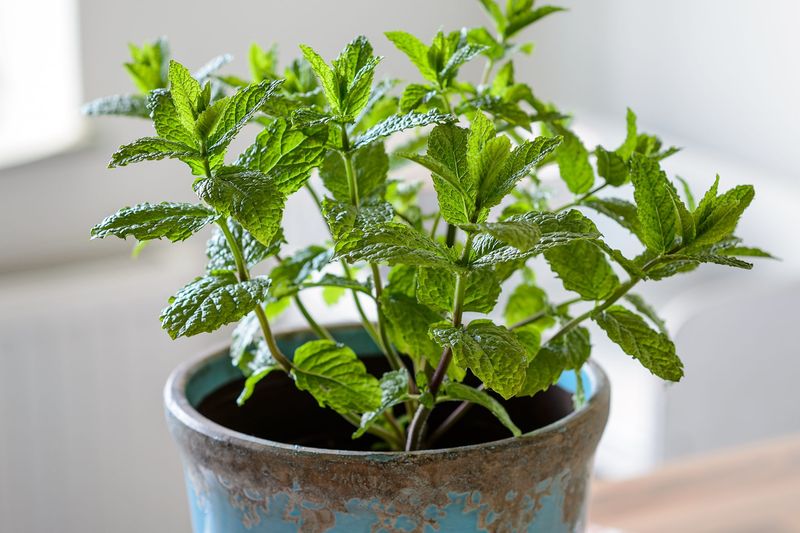
Not everyone in Texas has a big backyard, and that is totally fine for growing peppermint. This plant is happy in tight spaces where other greenery might struggle.
Apartment dwellers love how little room peppermint needs. A single pot fits on a balcony rail, a kitchen windowsill, or even a sunny corner of a small studio.
Because it grows well in containers, you stay in full control. Move the pot around to catch better light or to guard whichever window spiders keep testing.
City living often means more bugs sneaking in through shared walls and vents. Peppermint gives renters a simple defense that does not require permission or any messy setup.
Container growing also keeps peppermint from spreading like it does in open ground. In a pot, it stays neat and manageable instead of sprawling everywhere.
Small living spaces can feel stuffy, and here is another perk: peppermint freshens the air with its clean scent. Walking into a room with a healthy mint plant just feels crisp and welcoming.
Care stays light even in cramped quarters. Water it, give it some sun, and pinch off stems now and then to keep it bushy. That is about all the attention it asks for.
Renters who cannot make permanent changes appreciate a plant they can pack up and take when they move. Peppermint travels well in its pot to the next home.
For anyone squeezed into a compact Texas apartment, peppermint proves you do not need lots of space to grow something useful. One little pot delivers fresh air, tasty leaves, and fewer spider visitors all at once.
Where To Place It For The Best Results
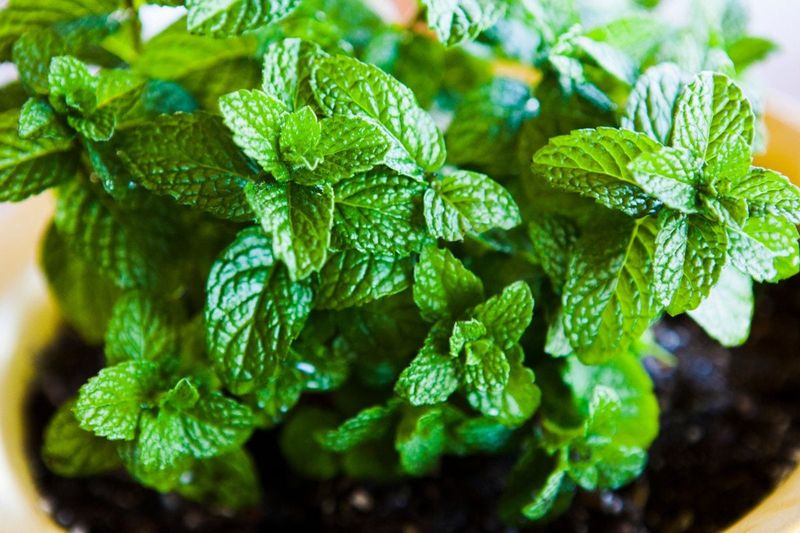
Growing peppermint is only half the battle. Putting it in the right spots is what turns a pretty plant into a real spider blocker.
Entry points matter most. Spiders slip in through doors, windows, and tiny cracks, so parking a pot near these openings creates a scent wall right where they try to enter.
Windowsills are prime real estate. The sunlight keeps the plant thriving, and its position blocks one of the most common paths crawlers use to get inside your Texas home.
Do not forget quiet corners. Spiders love still, undisturbed areas to spin their webs, so a mint plant tucked near those shadowy spots discourages them from settling.
Kitchens and bathrooms often attract bugs because of moisture. Setting peppermint in these damp rooms adds protection where spiders and other pests like to gather.
For extra strength, spread a few plants around instead of relying on just one. Several pots covering different rooms give your whole home a lighter, minty layer of defense.
Remember to refresh the scent now and then. Gently brushing or pinching the leaves releases more oil into the air, boosting the effect right when you want it.
Rotate the plants toward the light every week or so. This keeps them growing evenly and strong, which means more leaves and more of that spider-blocking aroma.
Placement is really about thinking like a spider. Guard the doors, cover the windows, and watch the corners, and you cut down the routes bugs use to sneak in.
With smart positioning, one humble peppermint plant becomes a quiet guardian, making your Texas home a place where spiders feel far less welcome.