Why Pennsylvania Pumpkins Should Be Harvested Before Cool Wet September Weather Sets In
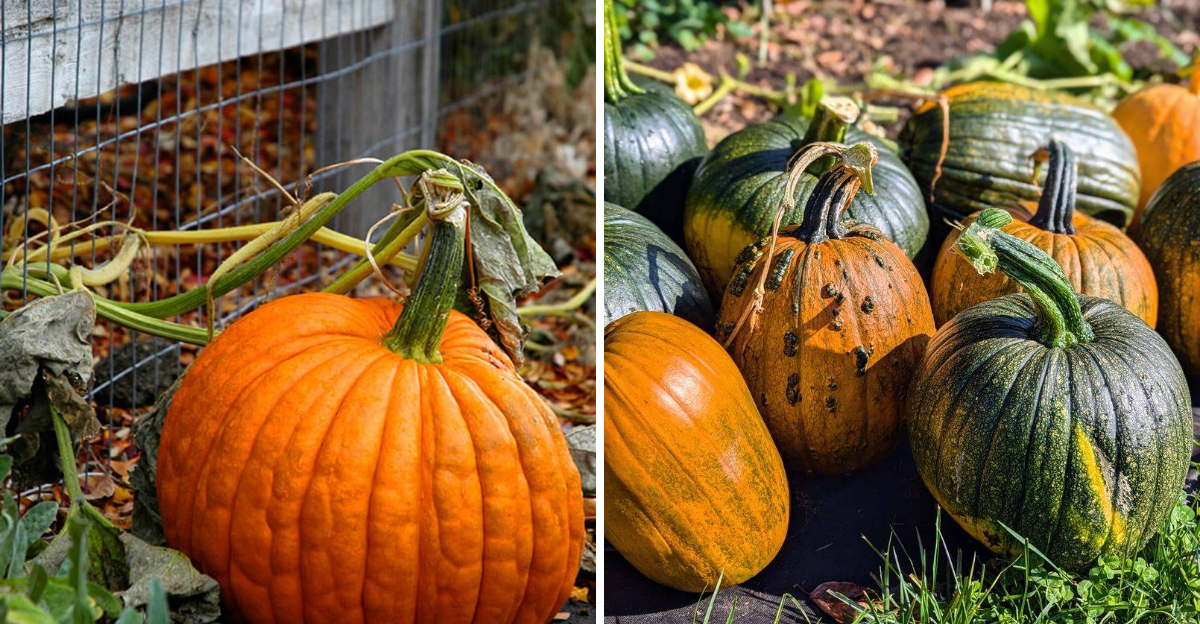
Pumpkin harvest timing is one of those decisions most Pennsylvania growers make by looking at the calendar rather than the pumpkin. Waiting until October feels traditional, even inevitable.
But in Pennsylvania, where September can turn cool and persistently wet with very little warning, that wait often comes at a real cost. Cool wet conditions and ripe pumpkins are not a good combination.
Once pumpkins are fully mature and moisture starts working on them, deterioration happens faster than most growers expect.
What looked like a perfect specimen in the garden can develop soft spots, mold, and compromised skin within days of sustained wet weather, shortening the display life of fruit you waited all season to grow.
Getting your Pennsylvania pumpkins out before the cool wet September weather arrives is a decision worth making now. Here’s how to know when they’re actually ready and why the timing matters more than most people realize.
1. Damp Soil Encourages Rot On The Bottom
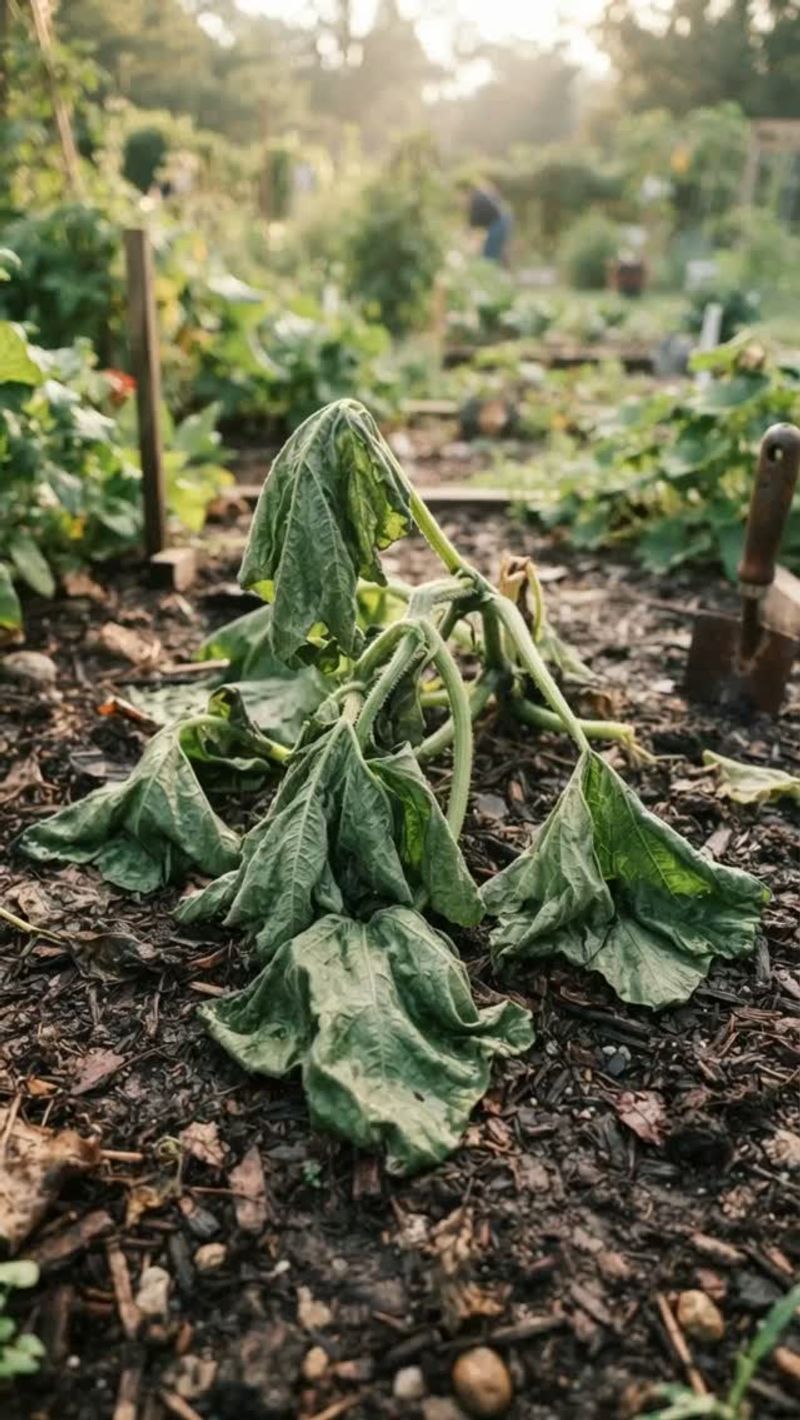
Ever flipped over a pumpkin and found a mushy brown spot on the bottom? That soggy surprise usually comes from fruit sitting on cool, wet ground for too long.
When September rains soak into Pennsylvania fields, the soil holds moisture like a sponge. Pumpkins resting directly on that damp earth start to soften where they touch the ground. The underside is the last place air can reach, so it stays wet the longest.
Harvesting before heavy rains gives you a chance to save that lower section. Once rot begins, it can spread across the whole fruit surprisingly fast. A pumpkin with a soft spot rarely lasts through October decorating season.
If you want to leave pumpkins in the field a bit longer, slide a board or thick layer of straw underneath each one. That barrier lifts the fruit off the muddy surface and lets air move around it. Many growers do this trick during unpredictable weather stretches.
Still, the safest move is bringing them in when the ground turns steadily damp. You can finish any ripening indoors on a dry shelf or table. Dry storage keeps the bottom firm and blemish free.
Check your field after each rainy spell and gently lift a few pumpkins. If the undersides feel cool and moist, that is your signal to start harvesting.
Waiting an extra week during a wet stretch often means losing part of your crop. Your future self, carving a smooth firm pumpkin, will thank you for acting early.
2. Fungal Diseases Thrive In Cool Moisture
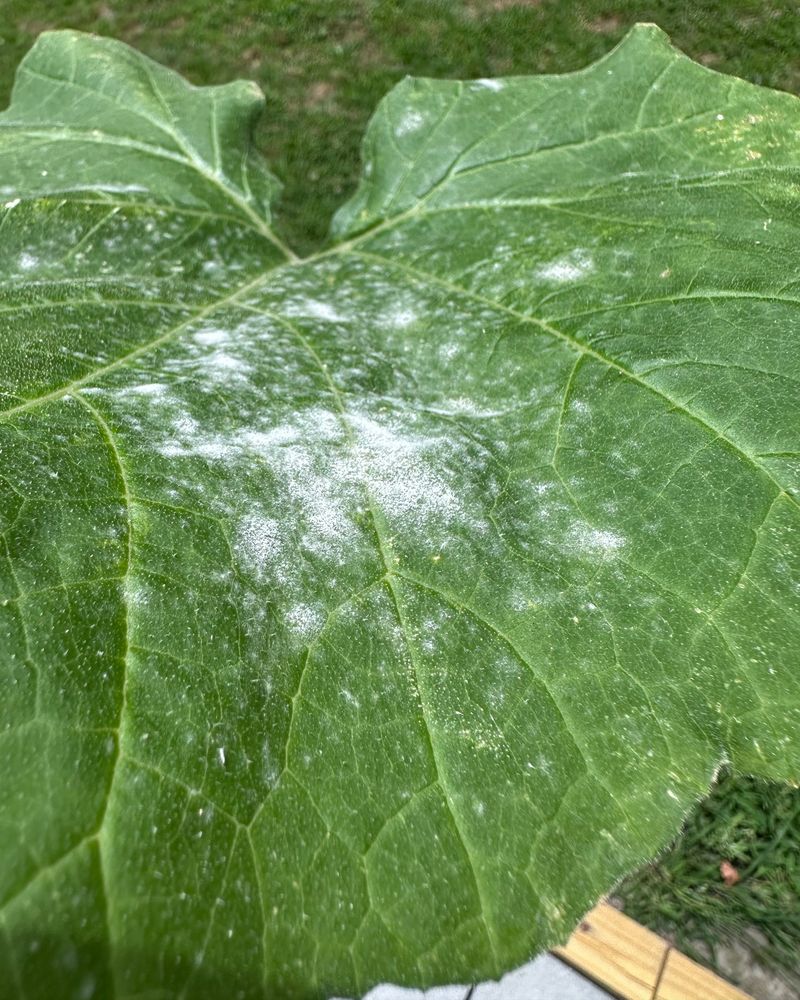
Fungus loves a party, and cool wet September weather sends out the invitations. Those tiny spores wake up fast when the air turns muggy and the leaves stay damp overnight.
Pennsylvania gardens often see powdery mildew and other funky growths creep across pumpkin vines late in the season. Once the foliage gets coated, the plant struggles to feed the fruit properly.
Weak vines mean weaker pumpkins that store poorly. Moisture that clings to the pumpkin skin also opens the door for surface mold. You might notice fuzzy patches or dark blotches appearing after a rainy week.
Your Pennsylvania Garden Changes Every Week. Your Plan Should Too.
Gardening in Pennsylvania changes quickly throughout the season. Every Friday you’ll receive a simple weekly plan showing exactly what to plant, prune, fertilize, harvest, and protect so you never miss the right timing.
These spots are more than ugly, they signal decay working its way inward. Bringing your crop in early sidesteps a lot of this drama. A dry, airy spot indoors slows fungal growth to a crawl.
Your pumpkins get to sit pretty instead of fighting off invaders. Before you store them, wipe each pumpkin with a cloth dipped in a mild water and vinegar mix. That simple step removes surface spores that could cause trouble later.
Let them air dry fully before stacking or shelving. Give harvested pumpkins some breathing room too. Crowding them together traps humidity and helps mold spread from one to the next. Space them out on a shelf or table with good airflow.
Watching the forecast becomes part of smart gardening in fall. When several damp days line up in a row, treat it as your cue to harvest. Beating the fungus to the punch keeps your pumpkins looking fresh far longer.
3. Frost Risk Sneaks Up Faster Than Expected
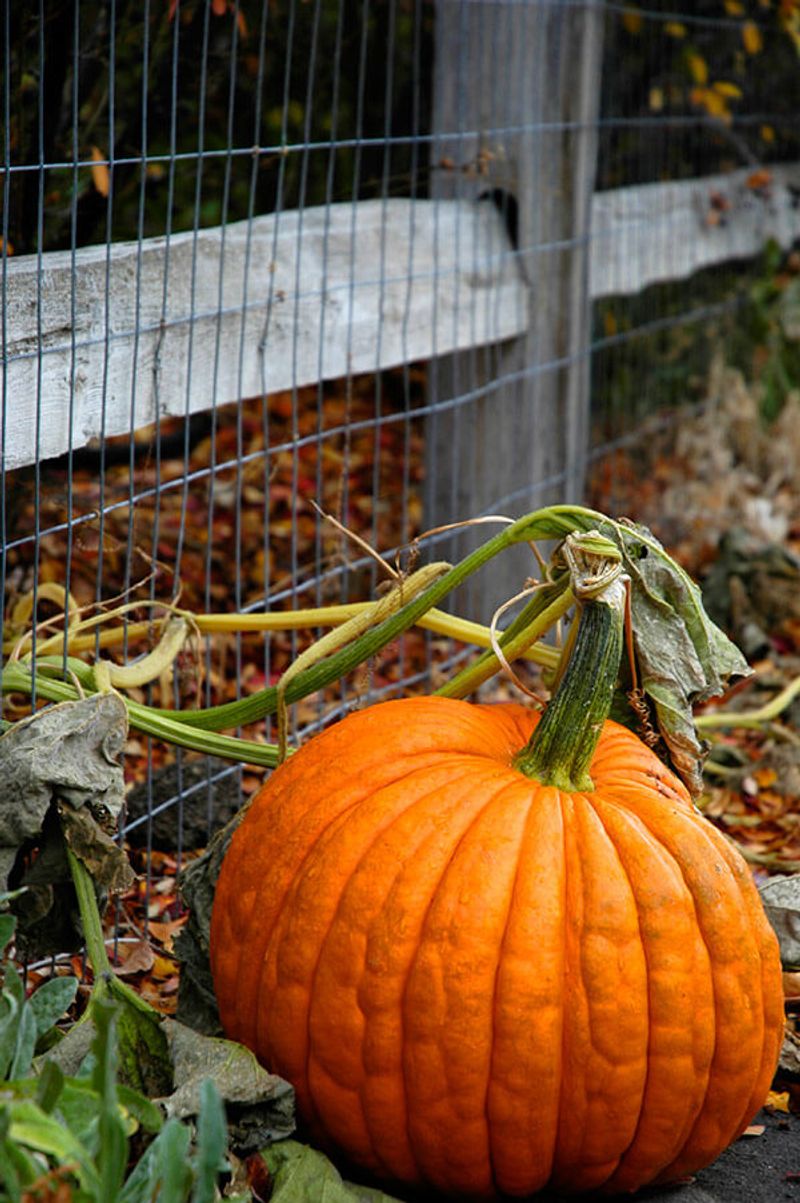
One clear cold night can flip your whole plan upside down. Pennsylvania autumns are famous for surprise chilly evenings that catch gardeners off guard.
When temperatures dip near freezing, pumpkin skins can suffer damage even if the fruit looks fine at first. A light frost softens the flesh and creates weak spots that shorten storage life.
Sometimes the harm does not show until days later.
Northern and mountain areas of the state cool down earlier than the valleys. If your garden sits in a low pocket, cold air settles there and frost arrives sooner.
Knowing your local microclimate helps you plan the right harvest window.
Rather than gambling on the thermometer, many growers pick their pumpkins once nights start feeling sharp. Getting them off the vine before that first hard chill protects all your hard summer work.
It is easier than covering an entire field with sheets.
Keep an eye on evening forecasts as September rolls along. When a low near freezing shows up, treat it as a firm reminder to gather your fruit.
A single missed night can undo weeks of growing effort.
Cured pumpkins stored in a cool but not freezing space handle cold weather much better. A basement, garage, or shed usually works well as long as it stays above freezing.
Check the space with a thermometer before the season turns.
Timing your harvest around frost keeps your pumpkins firm and carve ready. A little planning now saves a lot of disappointment when Halloween arrives.
4. Ripe Color Locks In Before The Light Fades
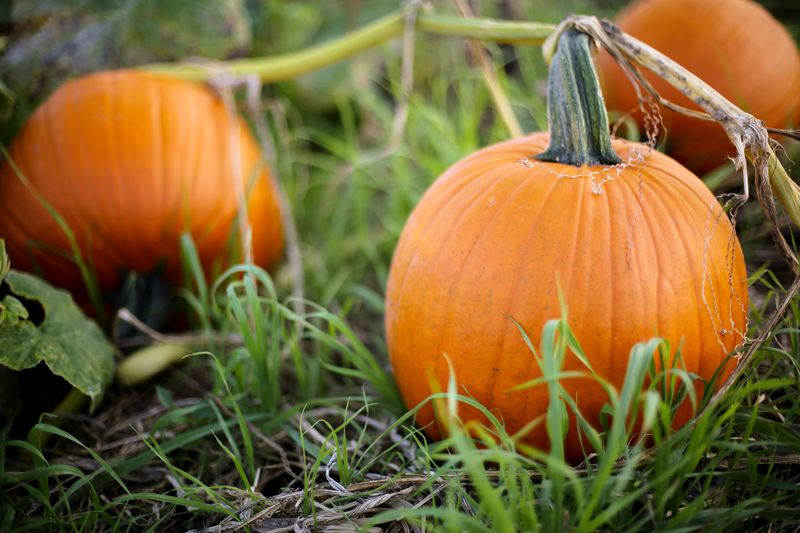
That rich pumpkin orange we all love comes from plenty of warm sunshine. As September clouds roll in, the days grow shorter and dimmer across Pennsylvania.
Pumpkins need sunlight to develop their full deep color and firm rind. When gray, wet weather takes over, the ripening process slows way down.
Fruit left on the vine during cloudy stretches often stays pale and patchy.
Once a pumpkin reaches a solid orange shade, its skin toughens up nicely. That hardened rind is what protects the fruit during storage and handling.
Harvesting at peak color gives you the best looking and longest lasting pumpkins.
If your pumpkins are mostly orange with a few green patches, you can still bring them in. Set them in a sunny window or warm room to finish coloring up.
This indoor trick works surprisingly well over a week or two.
Waiting for green pumpkins to fully ripen outdoors during a wet spell rarely pays off. The extra field time exposes them to rot and cold without much color gain.
Indoor ripening is safer and gives you more control.
Check the skin firmness by pressing gently with your thumbnail. A ripe pumpkin resists the pressure instead of leaving a mark.
That toughness tells you the rind is ready for the road ahead.
Harvesting while color is locking in captures your crop at its prettiest moment. You end up with vibrant pumpkins perfect for porches, pies, and photos.
Beating the gloomy weather means brighter results all around.
5. Longer Storage Life Starts With Dry Picking
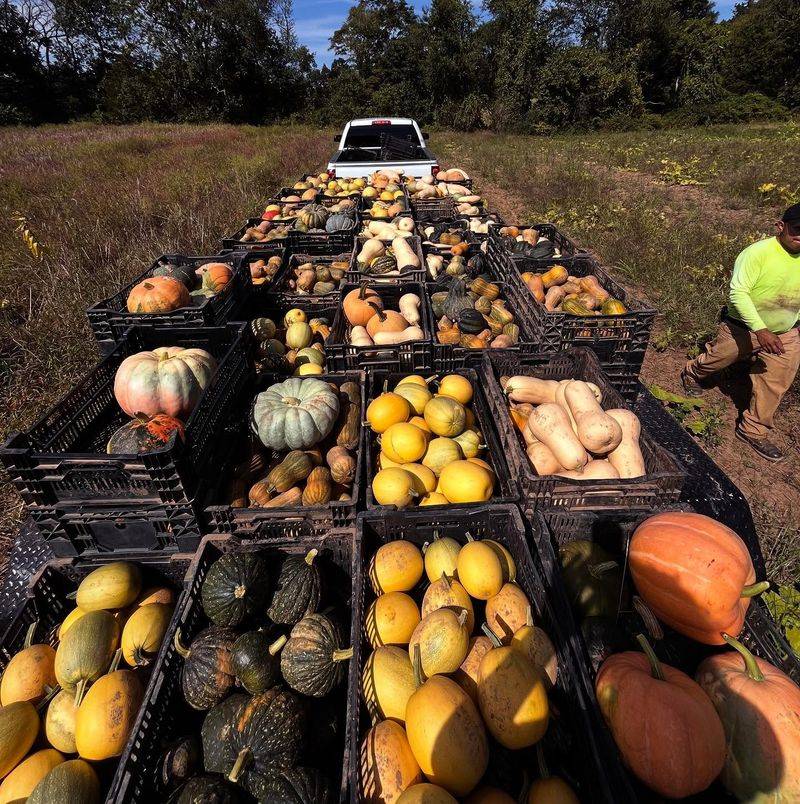
Here is a little secret every seasoned grower knows: dry pumpkins keep the longest. Picking during a dry window sets your whole storage season up for success.
A pumpkin harvested in wet conditions carries extra moisture on its skin and stem. That dampness invites mold and softening while the fruit sits in storage. Dry fruit, by contrast, settles into a nice long rest.
Pennsylvania growers often aim to harvest during a stretch of clear afternoons. Warm dry air helps the skin toughen and the stem seal up naturally. A well cured pumpkin can last for months on a shelf.
After picking, let your pumpkins cure in a warm spot for about a week or two. Temperatures around eighty degrees with good airflow work beautifully for this step. Curing hardens the rind and heals small scrapes.
Leave a nice long stem on each pumpkin when you cut it. That handle helps the fruit stay sealed and resist entry points for decay. Never carry a pumpkin by the stem, though, since a broken one invites trouble.
Once cured, move your pumpkins to a cool dry space for the season. A steady temperature and low humidity keep them firm and cheerful. Check them now and then and remove any that start to soften.
Timing your harvest for dry days is one of the simplest wins in pumpkin growing. It costs nothing extra and rewards you with a longer display season. A dry start truly makes all the difference down the line.
6. Pests Move In When The Weather Turns
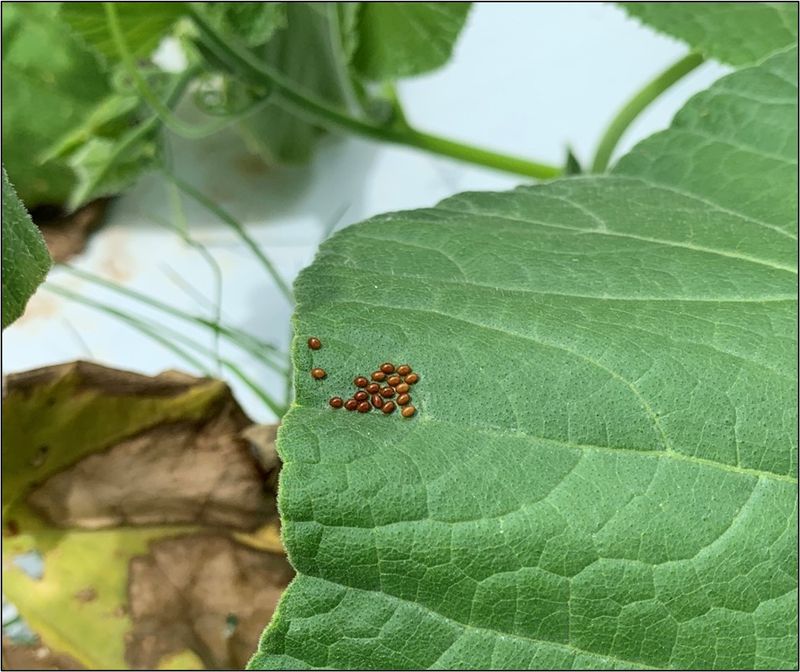
Bugs do not read calendars, but they sure notice when conditions shift. As September dampness arrives, several garden critters go looking for a cozy final feast.
Squash bugs, vine borers, and hungry beetles often step up their activity in late season. Weakened vines from cool wet weather make an easy target for these pests. Once they settle in, they can chew into fruit and stems quickly.
Slugs also love the moist ground that September rains create in Pennsylvania. These slippery visitors leave holes and slimy trails across pumpkin skins. Their damage opens fresh wounds where rot can slip inside.
Harvesting before pest pressure peaks keeps your pumpkins looking clean. Pulling the fruit off the vine removes it from the buffet line entirely. Indoor storage puts a solid barrier between your crop and the bugs.
Before bringing pumpkins inside, give each one a quick inspection. Look for small holes, chew marks, or clusters of eggs on the skin.
Wiping them down removes hitchhikers that might follow you indoors.
Clearing away drying vines and leaves after harvest helps too. That cleanup removes the hiding spots pests use to overwinter in your garden. Next spring you will face fewer of these hungry guests.
Keeping your harvested pumpkins in a tidy, dry area discourages new invaders. A clean shelf with airflow is not very appealing to bugs. Acting early on the harvest means fewer chewed spots and happier pumpkins.
Beating the pests to the punch is another reason to gather your crop before the wet weather truly settles.
7. Stems Stay Strong For Handling And Display
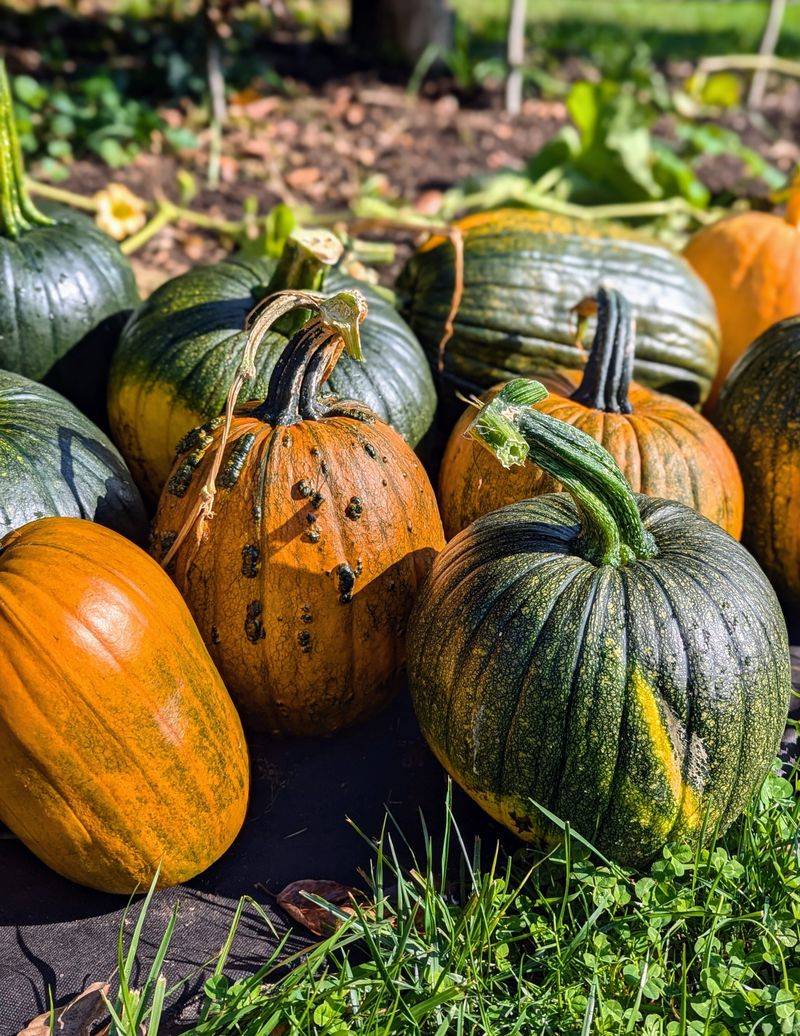
A good stem is like a pumpkin’s handle and crown rolled into one. That sturdy little top matters more than most people realize at harvest time.
When pumpkins sit through cool wet September weather, their stems can soften and shrink. A mushy stem breaks off easily and leaves an open wound on top. That gap becomes a fast track for mold and decay.
Picking your pumpkins while the stems are still firm keeps them looking their best. A strong green or tan stem adds charm to any porch display. It also tells buyers and neighbors that the fruit is fresh.
Use a sharp knife or pruners to cut the stem cleanly a few inches from the fruit. Tearing it off by hand often damages the connection point. A clean cut heals better and seals up during curing.
Try to handle pumpkins by cradling the body rather than gripping the stem. Even a firm stem can snap under the weight of a large fruit.
A broken stem shortens storage life no matter how healthy the pumpkin looks.
Dry Pennsylvania weather during harvest helps the stem cure and toughen naturally. That hardened handle resists the softening that wet conditions cause. A well cured stem can last through the whole decorating season.
For anyone selling pumpkins, stem quality often decides the sale. Shoppers reach for the ones with proud, sturdy tops every time.
Harvesting early protects that eye catching feature. Strong stems are a small detail that make a big difference in how your pumpkins last and look.