The 9 Ohio Native Flowers That Take Over Just When Summer Gardens Start Fading
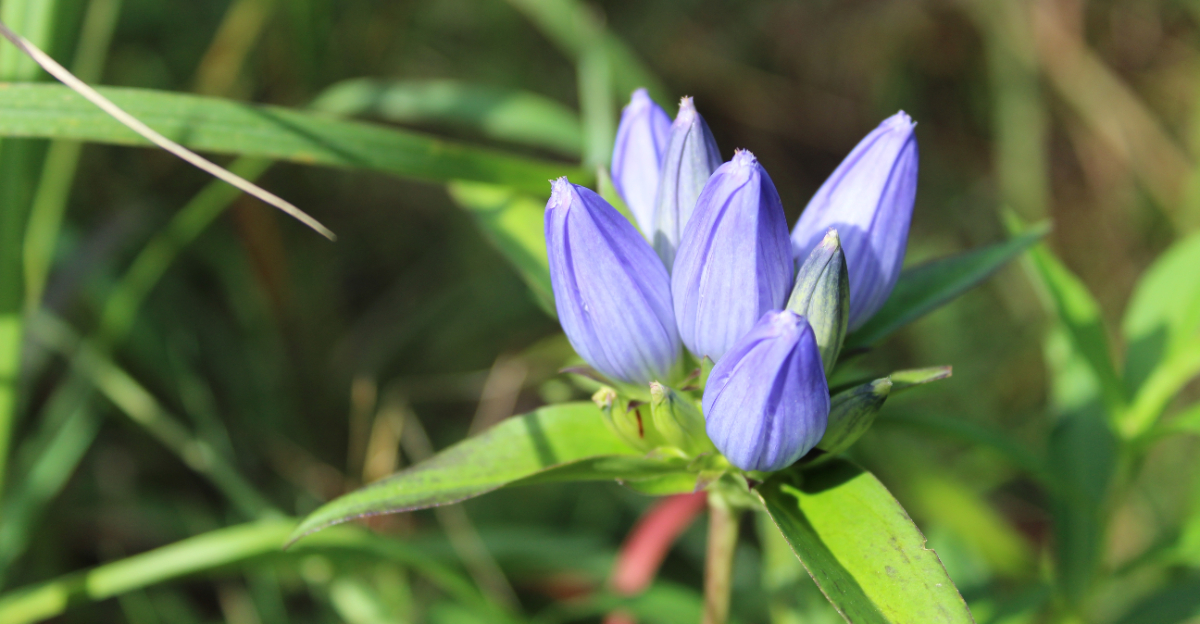
Just when the summer garden starts losing its sparkle, a whole new wave of color begins to appear. While many flowers are fading away, Ohio’s native plants are stepping into the spotlight with bold blooms, buzzing visitors, and plenty of personality.
These late-season flowers do more than brighten up a tired-looking yard. They provide important food for bees, butterflies, and other wildlife when fewer plants are still offering nectar and seeds.
The best part? Many of these native beauties are tough, dependable, and perfectly suited to Ohio’s changing seasons.
They can handle local conditions while bringing your garden a fresh burst of life right when you need it most. A few carefully chosen plants can transform the final stretch of the growing season into one of the most colorful times in your yard.
1. Bottle Gentian Is The Blue Fall Flower That Keeps Its Secret Locked Away
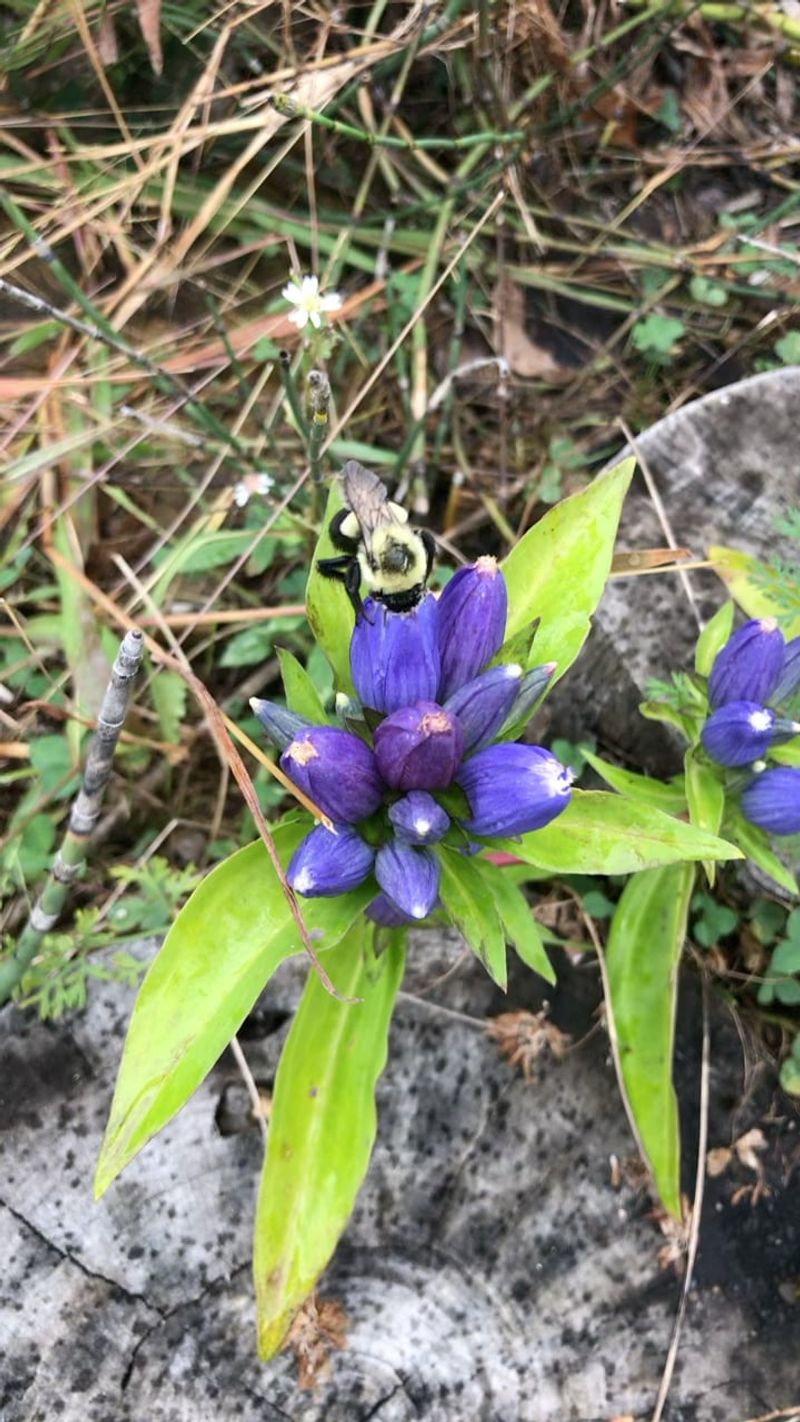
Imagine a flower so shy it never fully opens, keeping its petals sealed like a tiny closed bottle. That is the Bottle Gentian, one of Ohio’s most unusual native wildflowers.
The deep blue blooms start showing up in August, but they really strut their stuff in September and October. Their rich color stands out against the browns and golds of the fading garden, giving your yard a jewel-like pop right when other plants are quitting.
Bumblebees adore this plant, and watching them is a treat. Because the flowers stay shut, only strong bees can push their way inside to reach the nectar.
It is like a secret door that only certain guests can open.
Bottle Gentian likes moist soil and does well in spots that stay a little damp. Plant it in partial shade or full sun, and give it a season or two to settle in before expecting a big show.
Once established, it needs very little fuss from you. This plant is happiest when left alone to do its own thing.
If you want something that surprises visitors and supports native bumblebees, this quiet blue beauty deserves a corner in your fall garden.
2. Cardinal Flower Is The Scarlet Showstopper That Brings Hummingbirds Flying In
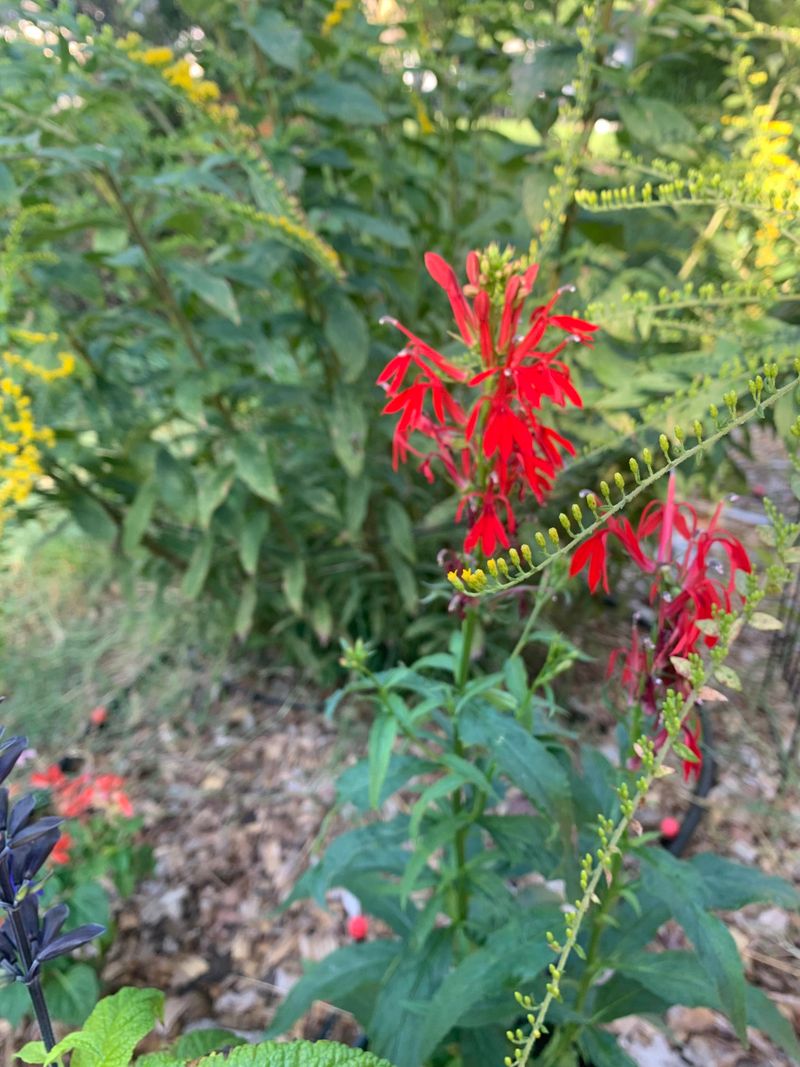
Few flowers grab your attention quite like the Cardinal Flower, with its blazing red spikes shooting up toward the sky. The color is so vivid it almost looks like it is glowing.
Blooming in late summer and lasting until the first hard frost, this native gives your garden weeks of fiery color. Hummingbirds go absolutely wild for it, zipping from bloom to bloom to sip the sweet nectar hidden deep inside.
Cardinal Flower loves moisture, so it thrives near ponds, rain gardens, or any low spot that stays damp. If your soil dries out fast, plan to water it during hot spells to keep it happy.
Plant it in full sun or partial shade for the best flower display. The tall stalks can reach three or four feet, making them a striking backdrop for shorter plants.
Here is a fun bit of history: the plant got its name because its red color matched the robes worn by Roman Catholic cardinals long ago.
Your Ohio Garden Changes Every Week. Your Plan Should Too.
Gardening in Ohio changes quickly throughout the season. Every Friday you’ll receive a simple weekly plan showing exactly what to plant, prune, fertilize, harvest, and protect so you never miss the right timing.
Since it can be short-lived, let some seeds drop naturally so new plants pop up each year. That way your fiery show keeps going season after season without much extra effort on your part.
3. White Turtlehead Is The Quirky Native Bloom That Loves Ohio’s Damp Spots
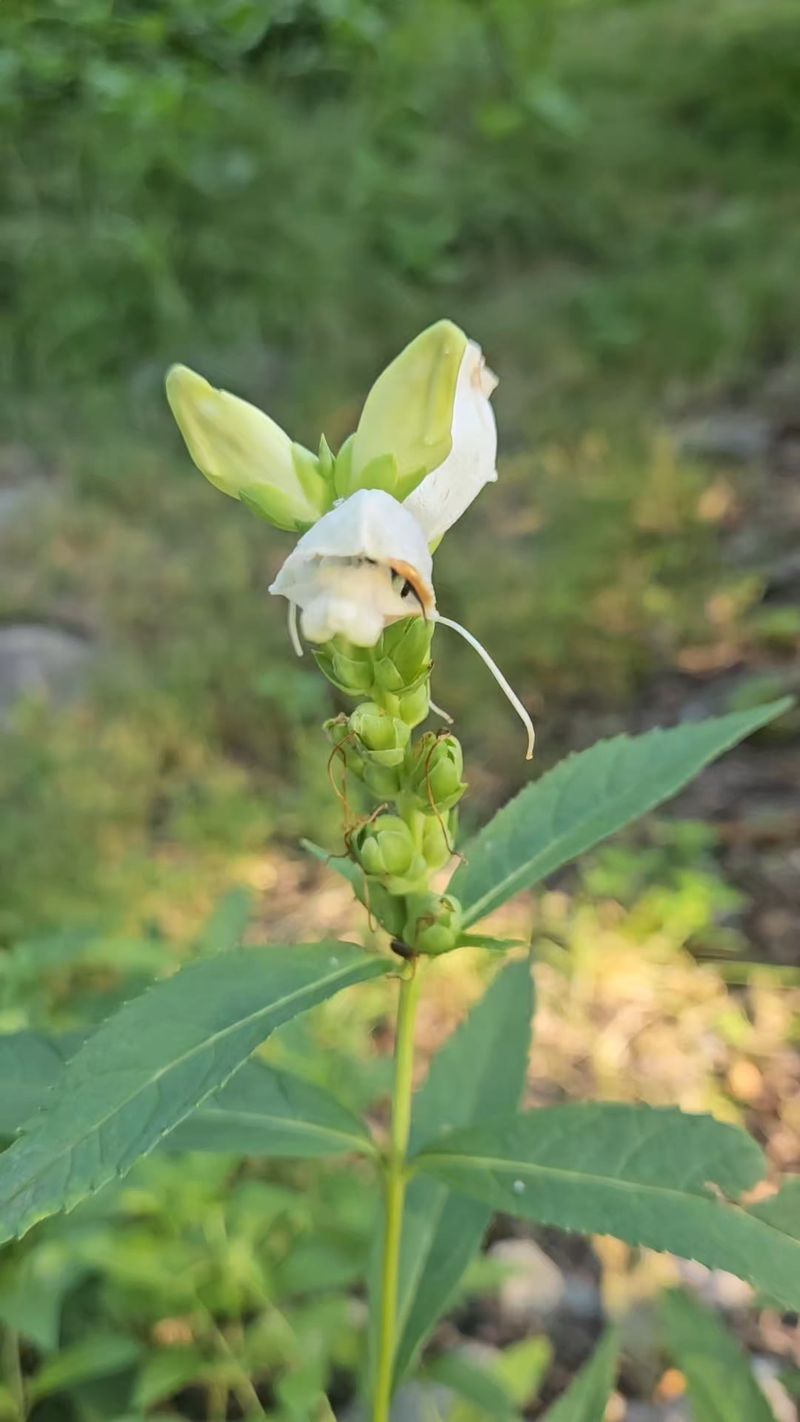
Ever seen a flower shaped like a turtle poking its head out? The White Turtlehead earns its silly name because each bloom really does look like a tiny turtle with its mouth slightly open.
These charming white flowers, sometimes brushed with a hint of pink, appear from late summer through fall. They pop up in moist woods and swampy areas, so they are perfect for the soggy spots where other flowers refuse to grow.
Pollinators, especially fat bumblebees, love climbing right inside the turtle-shaped blooms to reach the nectar. It is oddly satisfying to watch a bee wiggle its way in and back out again.
White Turtlehead also serves as a host plant for the Baltimore checkerspot butterfly, meaning caterpillars munch on its leaves. Planting it helps support the full life cycle of these beautiful insects.
Give it rich, damp soil and some shade, and it will reward you with sturdy, low-maintenance growth. It rarely gets bothered by pests or disease.
If you have a rain garden, a stream bank, or a shady wet corner that always seems tricky, this whimsical native could be your perfect problem-solver. Plus, guests always smile when you explain how it got its name.
4. Eastern Purple Coneflower Is The Tough Purple Favorite That Keeps Going Strong
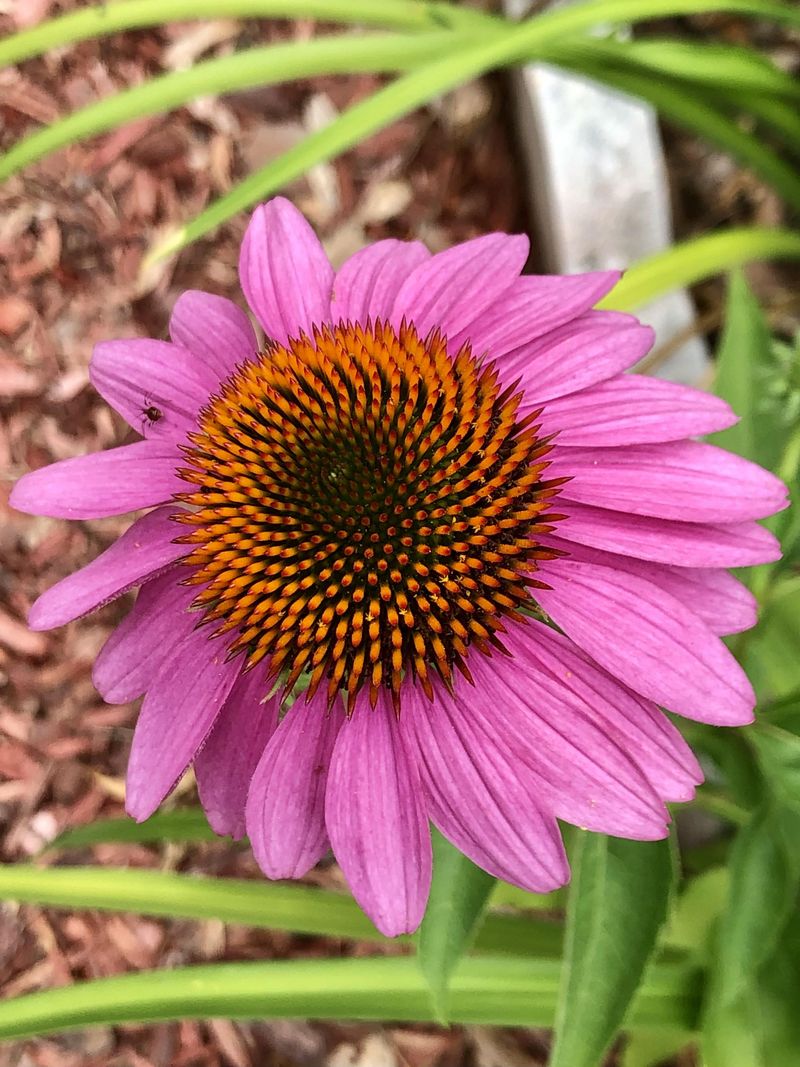
Sturdy, cheerful, and impossible to ignore, the Eastern Purple Coneflower is a true garden workhorse. Its purple-pink petals droop gently around a spiky orange center that looks a bit like a tiny sea urchin.
Blooming from July through September, it bridges the gap between summer’s peak and fall’s arrival. Butterflies flock to the flat, open blooms, using them as landing pads while they sip nectar in the sunshine.
Later in the season, the flowers dry out and their seed heads become a favorite snack for goldfinches. Leaving those spent blooms standing gives birds a free winter buffet.
This coneflower shrugs off heat, drought, and poor soil like a champ. Plant it in full sun, water it now and then when it is young, and it will basically take care of itself for years.
People have used echinacea, another name for this plant, in traditional remedies for a very long time. You have probably seen it listed on cold and immune supplements at the store.
Because it spreads and reseeds, one small patch can grow into a lively colony over time. If you want a dependable native that feeds pollinators, brightens the yard, and asks for almost nothing in return, this classic belongs in your garden.
5. Black-Eyed Susan Is The Golden Garden Sunshine That Carries Summer Into Fall
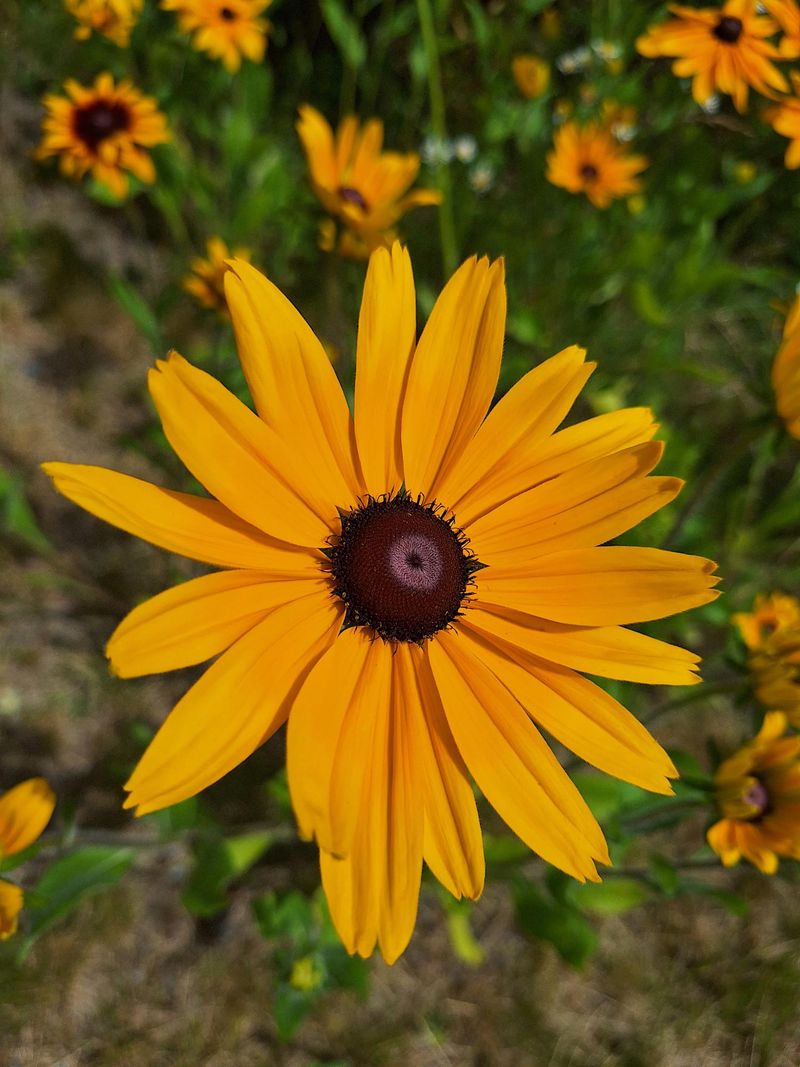
Bright as a handful of sunshine, Black-Eyed Susans light up gardens with their golden-yellow petals and dark chocolate centers. They are one of Ohio’s most beloved native flowers, and it is easy to see why.
These cheerful blooms start in mid-summer and keep going strong well into October. That long stretch means your garden stays colorful even as cooler weather creeps in.
Bees, butterflies, and other pollinators visit constantly, and songbirds later feast on the seeds. A single plant becomes a busy little diner for wildlife across many weeks.
Black-Eyed Susans are famously easygoing. They tolerate dry soil, hot sun, and neglect, making them a smart pick for beginners who want big rewards without a lot of work.
Plant them in full sun and give them room to spread, because they love to multiply. Before long, you may have a happy golden crowd where you once planted just a few.
Here is a neat fact: this flower is the state flower of Maryland, though it grows wild across much of the eastern United States, including right here in Ohio.
Pair them with purple asters or coneflowers for a knockout autumn color combo. Few plants offer this much joy for so little effort.
6. Asters Are The Tiny Fall Stars That Feed Pollinators When Others Fade
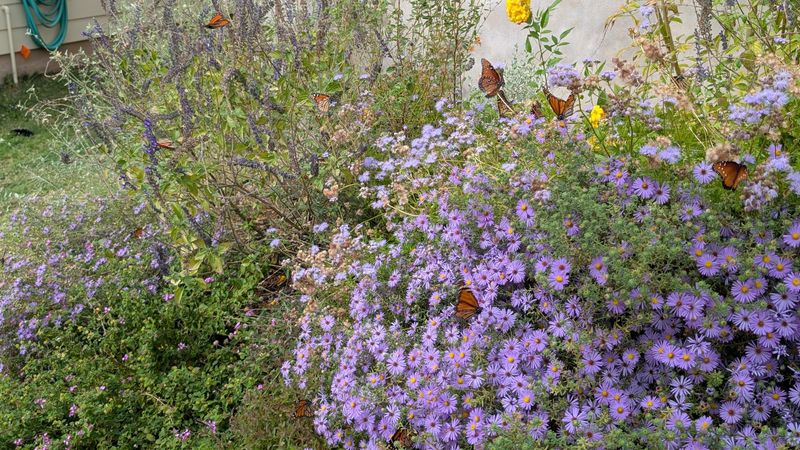
Just when you think the growing season is over, asters burst onto the scene like a grand finale. Their starry blooms come in shades of purple, blue, pink, and white, scattered across the plant like confetti.
Ohio has several native aster species, including the Heart Leaved Aster, Heath Aster, and Late Purple Aster. Each one keeps flowering deep into fall, stretching your garden season far past the summer flowers.
These late bloomers are a lifesaver for pollinators. As other food sources disappear, bees and migrating butterflies, especially monarchs, depend on asters to fuel up before winter.
The word aster comes from the Greek word for star, which makes perfect sense once you see the delicate, ray-like petals up close. It is a name that fits beautifully.
Asters are not fussy and grow well in average soil with full or partial sun. Some varieties can get tall and floppy, so a light trim in early summer keeps them bushy and neat.
Mixing different aster species gives you weeks of overlapping color and a steady stream of visiting insects. Plant a few near goldenrod for a purple-and-gold display that looks like nature designed it on purpose.
Honestly, it kind of did.
7. Goldenrod Is The Misunderstood Yellow Native That Owns Ohio Fall
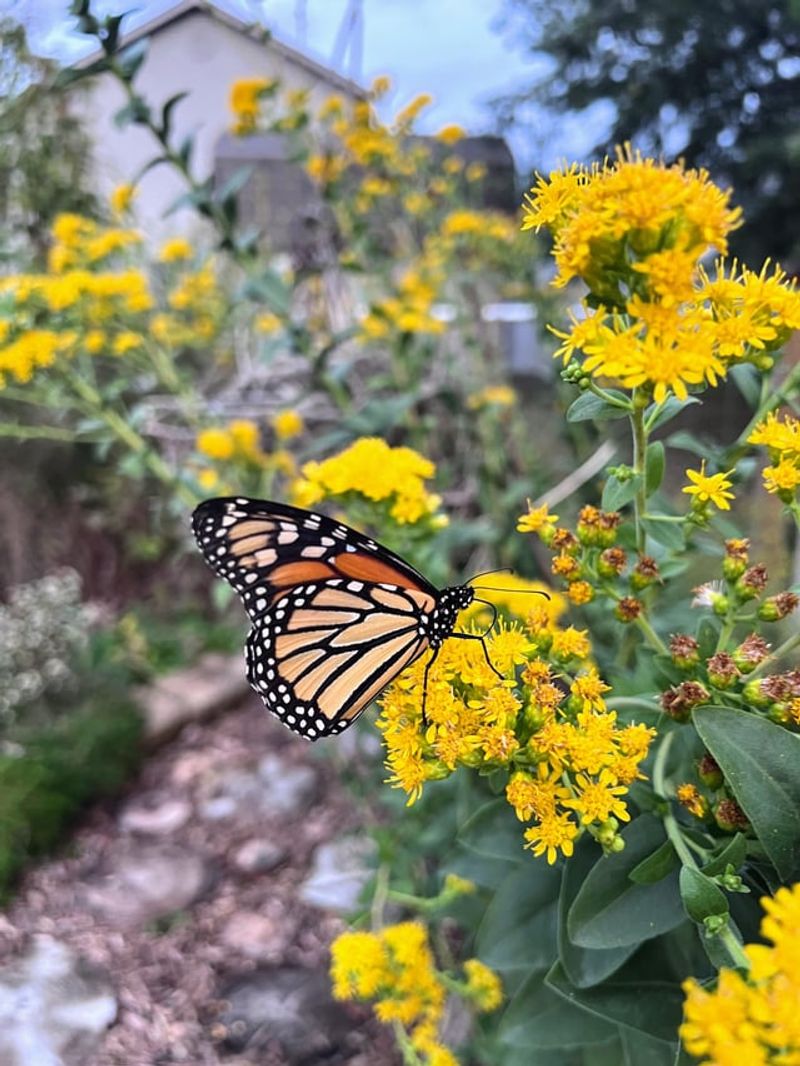
Poor goldenrod gets blamed for fall allergies, but it is actually innocent. The real culprit is ragweed, which blooms at the same time.
Goldenrod just happens to be the showy one everyone notices.
With its fluffy plumes of golden-yellow flowers, this native lights up meadows and gardens across Ohio in autumn. Species like Gray Goldenrod offer late-season color when almost everything else has faded away.
Pollinators absolutely swarm goldenrod. Bees, wasps, butterflies, and beetles all gather on the bright blooms, making it one of the most valuable plants for fall wildlife.
Since its pollen is heavy and sticky, it clings to insects instead of floating through the air. That is exactly why it does not cause the sneezing fits people wrongly blame it for.
Goldenrod thrives in full sun and handles dry, poor soil without complaint. Some types spread quickly, so choose clump-forming varieties if you want it to stay in one tidy spot.
Its warm yellow color pairs perfectly with the purples of asters and ironweed, creating a rich autumn palette. Beyond looks, it supports countless creatures during a tough time of year.
Give this cheerful, misunderstood native a chance, and it will thank you with buzzing, colorful life all season long.
8. Tall Ironweed Is The Towering Purple Giant That Steals The Fall Spotlight
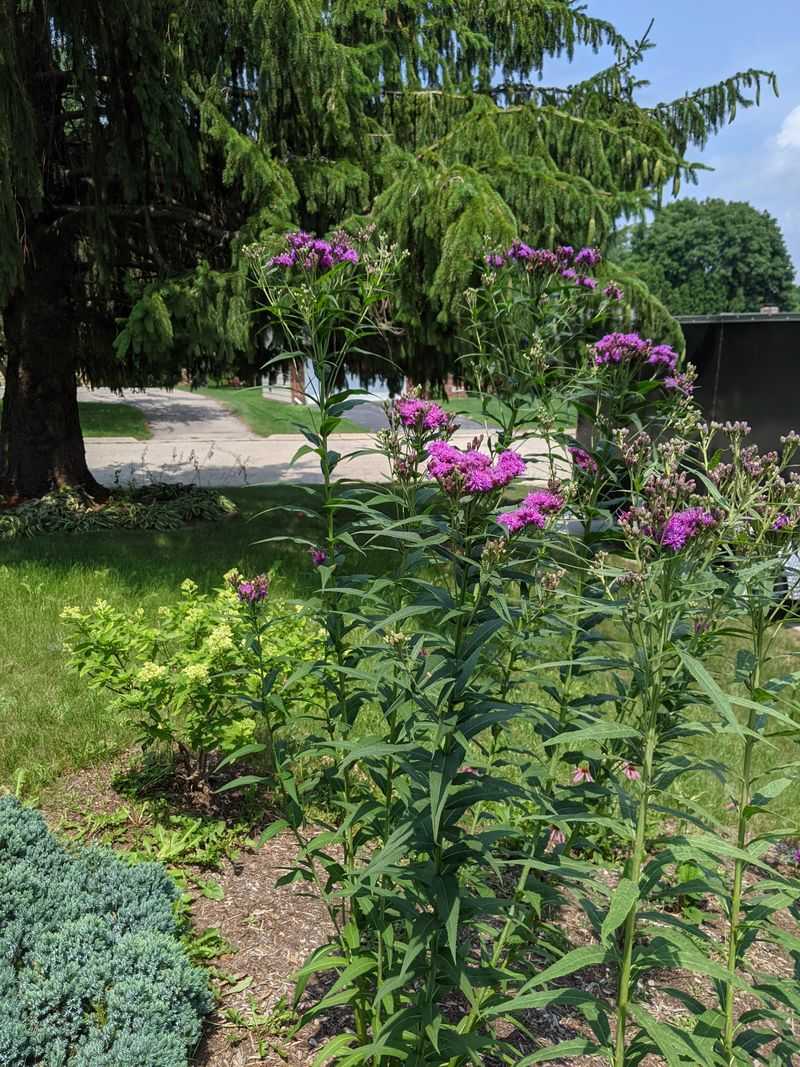
Standing head and shoulders above much of the garden, Tall Ironweed makes a bold statement with its clusters of deep purple flowers. Some plants shoot up six feet or more, so they are hard to miss.
The rich, almost royal purple color arrives as a fall bloomer, right when your garden could use a splash of drama. Against a blue autumn sky, those blooms look absolutely stunning.
Butterflies, especially swallowtails and monarchs, treat ironweed like a favorite restaurant. The tall flower clusters give them a big, easy target to feed on during their busy fall travels.
The name ironweed comes from its tough, sturdy stems that stand strong even in wind and rain. This plant does not flop over or give up easily.
It grows best in full sun and moist soil, making it great for meadows, borders, or the back of a flower bed where its height won’t block shorter plants. Once settled in, it handles heat and neglect just fine.
Because of its dramatic height, ironweed works beautifully as a living backdrop for goldenrod, coneflowers, and asters. If you want a native that adds vertical punch and feeds pollinators late in the year, this towering purple beauty delivers in a big way.
9. Joe Pye Weed Is The Pink Pollinator Magnet That Ends The Season Beautifully
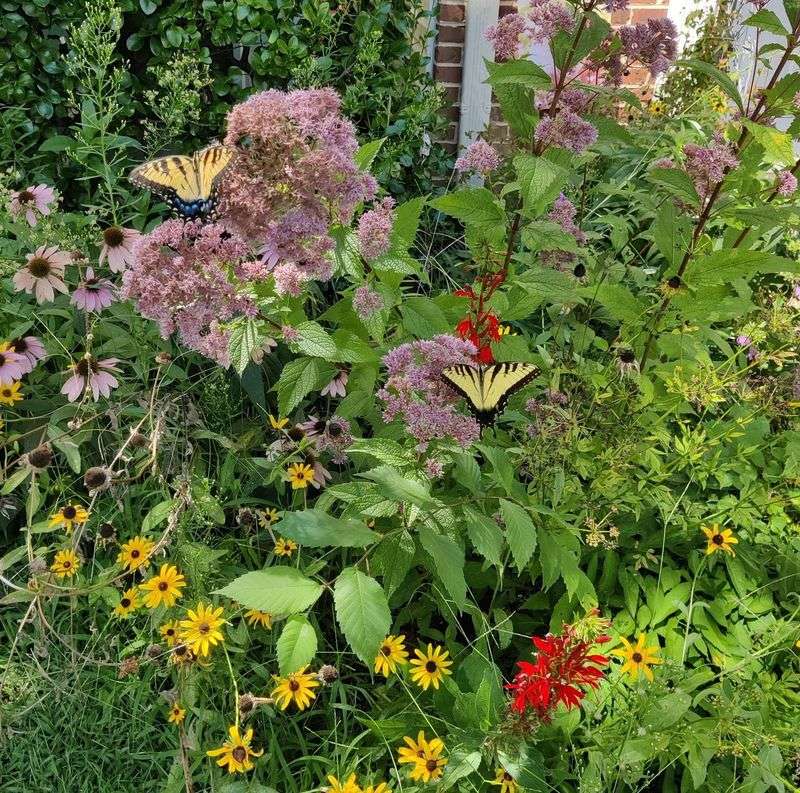
Despite having weed in its name, Joe Pye Weed is anything but a nuisance. This gorgeous native produces huge, dusty-pink flower clusters that look like soft pink clouds floating above the garden.
Blooms usually begin in late July and carry on into the fall, offering serious late-season interest. The plant can grow quite tall, adding a lush, dreamy backdrop to any flower bed.
Butterflies find it irresistible. On a sunny afternoon, you might spot a dozen tiger swallowtails and monarchs feasting on one plant, turning it into a fluttering spectacle.
The plant’s name is linked to stories about a healer named Joe Pye, though the exact history behind the name remains uncertain. That bit of history gives the flower an extra layer of charm.
Joe Pye Weed loves moist soil and full or partial sun, thriving in rain gardens and along stream edges. If your yard has a damp spot that never quite dries out, this plant will feel right at home.
Its tall, fluffy blooms mix wonderfully with ironweed, asters, and goldenrod for a full, layered fall garden. Plant it once, and you will have a pollinator magnet and a soft pink showstopper returning faithfully year after year.