These Pennsylvania Perennials Bloom Multiple Times A Year
Most perennials bloom once and coast for the rest of the season. These ones don’t. They bloom in spring, take a breath, and come back swinging in fall with a second flush that makes them worth every inch of garden space they occupy.
Some even manage a third round if the season cooperates. In a Pennsylvania climate that swings between late frosts, summer humidity, and crisp fall nights, plants that perform more than once a year are genuinely worth seeking out.
More color across more of the calendar. Less replanting every spring. More return on every square foot of garden space you’ve invested time and money into.
Several of these multi season performers are native or well adapted to Pennsylvania conditions, meaning they handle whatever the weather throws at them without demanding much in return.
Here are the Pennsylvania perennials that bloom multiple times a year and exactly why every garden should have at least a few of them.
1. Reblooming Daylily
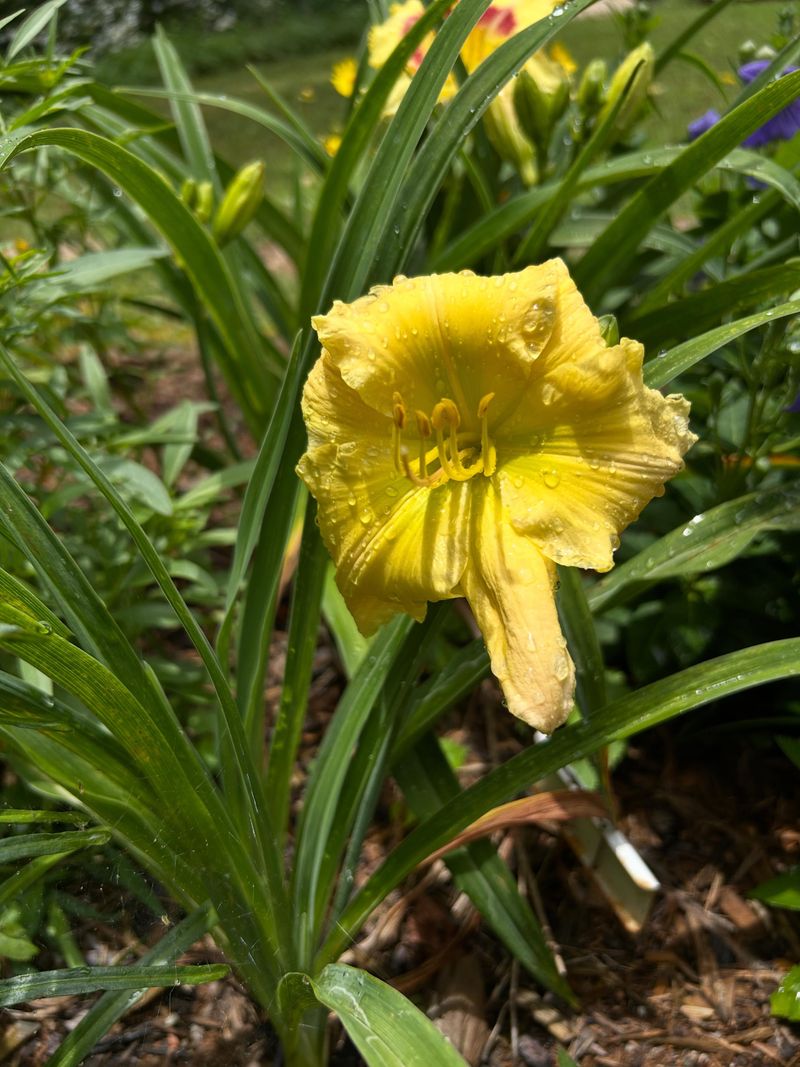
Few plants pull their weight quite like the cheerful Stella de Oro daylily. Its sunny gold blossoms seem to appear out of nowhere and then simply refuse to stop.
Gardeners across Pennsylvania love this variety because it flowers in late spring, takes a short breather, and then bursts back into color through summer and into early fall.
Each individual bloom lasts just one day, but the plant produces so many buds that you barely notice the turnover.
Care stays refreshingly simple. Give it full sun to light shade, water it during dry spells, and snip off spent flower stalks to encourage the next round.
The strappy green leaves stay tidy and form a neat clump, so even when the plant pauses between flushes, it still looks pulled together. That makes it a smart pick for borders, walkways, and mailbox beds.
Stella de Oro handles Pennsylvania winters without complaint, coming back reliably year after year. It also shrugs off heat and poor soil better than fussier flowers.
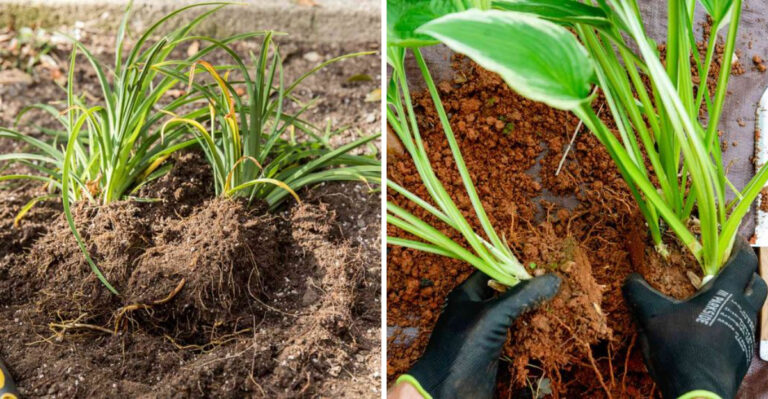
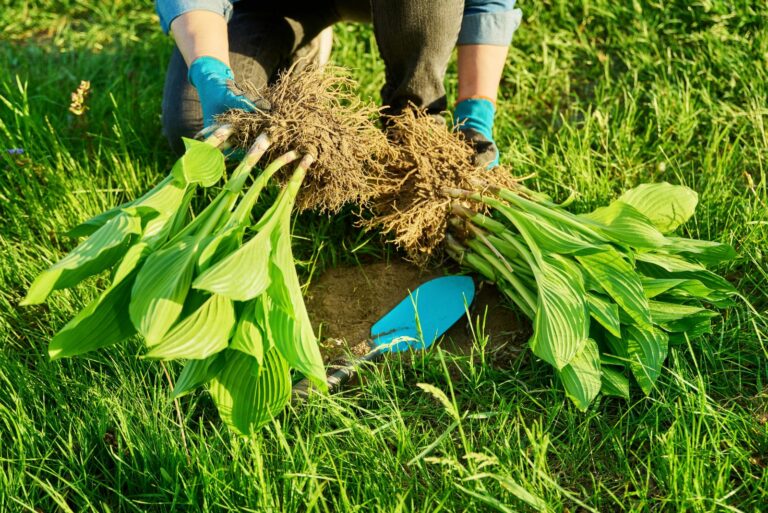
If your clump gets crowded after a few seasons, dig it up in early spring and divide it. You will get free plants to spread around the yard or share with neighbors.
Pollinators enjoy the blooms too, so expect a few visiting bees during peak flowering. Deer, sadly, may nibble, so a repellent spray can help in tricky spots.
Did you know Stella de Oro was introduced back in 1975 and quickly became one of the most planted daylilies in the country? Its lasting popularity says everything about its easygoing charm and steady performance.
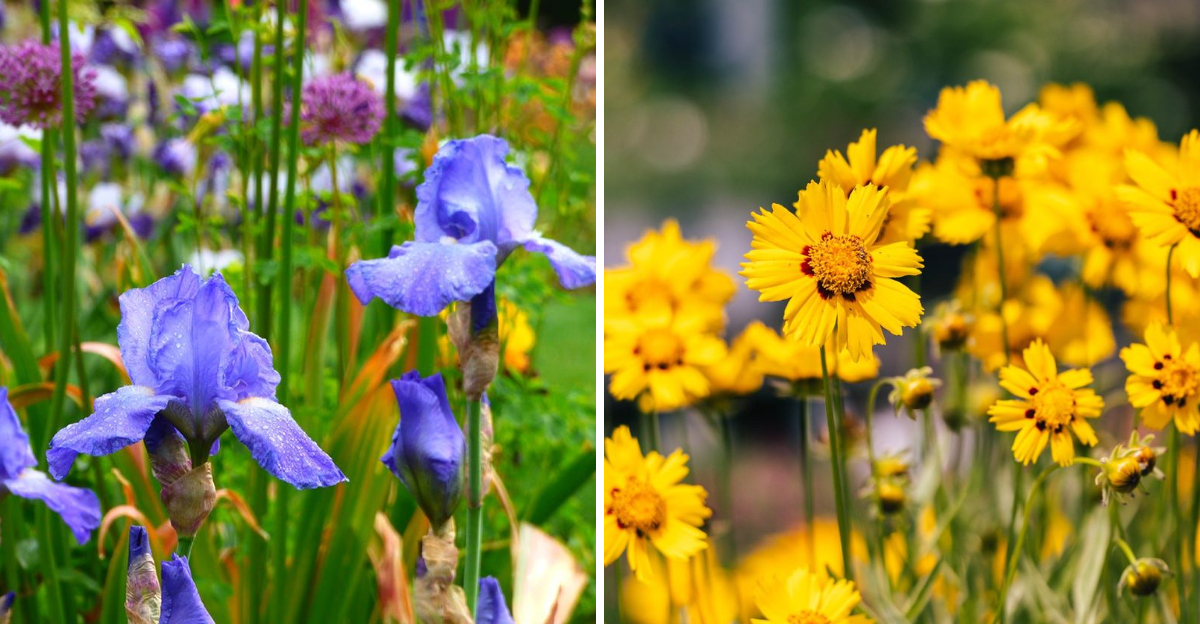
2. Reblooming Bearded Iris
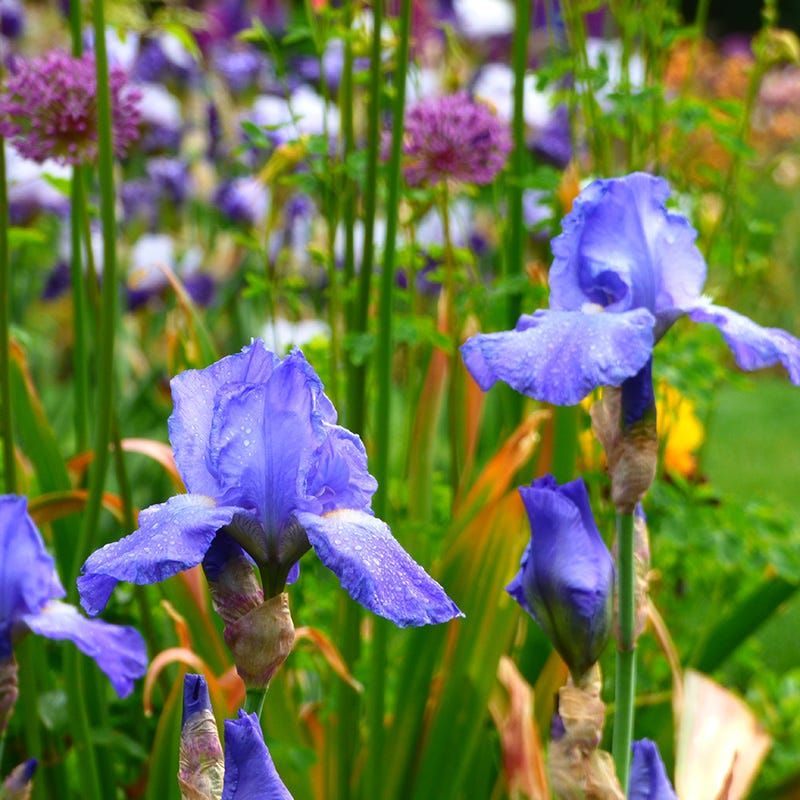
There is something almost regal about a bearded iris, with its ruffled petals standing tall like little flags. The reblooming types add a twist by returning for an encore in late summer or fall.
Most irises flower once in spring and then rest, but reblooming varieties break that rule. After their May show, many send up fresh stalks again when the weather cools, giving you two seasons of drama.
These plants grow from thick underground stems called rhizomes. Plant those rhizomes shallowly, with the top just peeking above the soil, because burying them too deep discourages flowering.
Your Pennsylvania Garden Changes Every Week. Your Plan Should Too.
Gardening in Pennsylvania changes quickly throughout the season. Every Friday you’ll receive a simple weekly plan showing exactly what to plant, prune, fertilize, harvest, and protect so you never miss the right timing.
Full sun is the secret to strong rebloom. Pick a spot that bakes in at least six hours of light and drains well, since soggy roots invite trouble.
After the first bloom fades, trim off the flower stalk down low and feed the plant lightly. That little boost helps fuel the second round of buds later on.
Colors run the full rainbow, from deep purple and buttery yellow to soft peach and crisp white. Mixing a few shades creates a border that shifts and surprises through the year.
Every three or four years, dig up crowded clumps in summer and separate the rhizomes. Replanting the healthy pieces keeps the flowering generous.
Pennsylvania winters pose no problem for these tough perennials. They emerge each spring ready to perform without much coaxing.
Fun bit of history: irises got their name from the Greek goddess of the rainbow, a nod to the incredible range of colors they show off across the garden.
3. Catmint
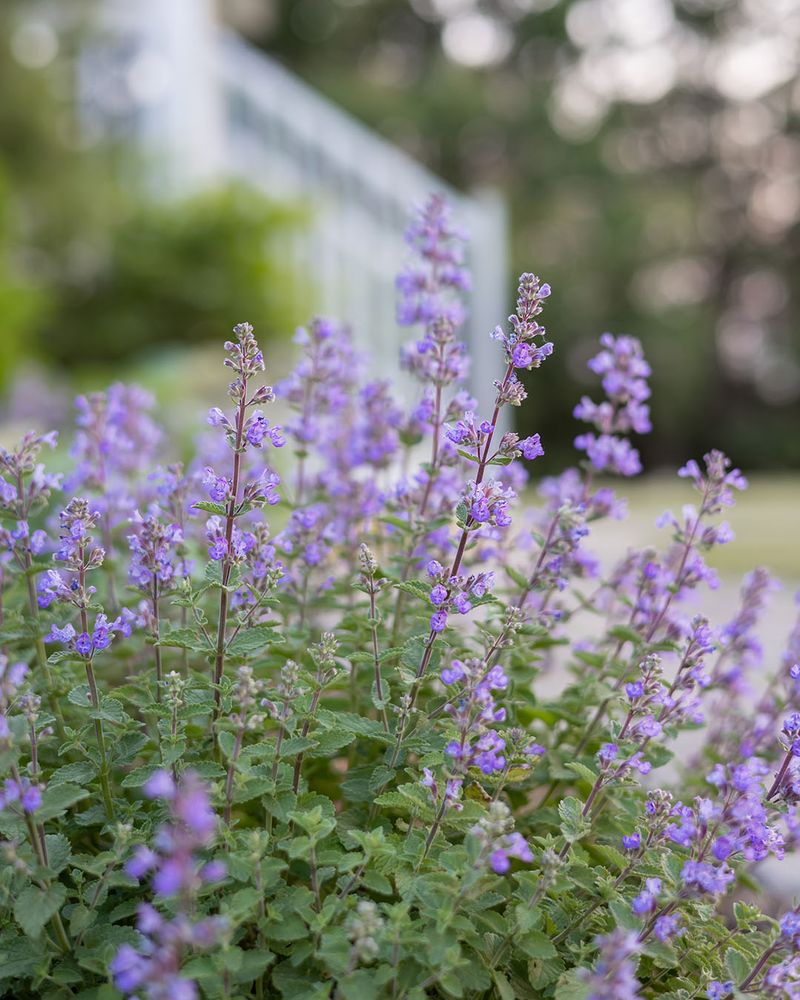
Picture a soft cloud of lavender-blue haze drifting along your garden path, humming with bees. That dreamy scene comes courtesy of catmint, one of the most forgiving perennials around.
Catmint opens its first wave of tiny flowers in late spring and keeps them coming through early summer. When the show starts to fade, a quick shearing brings on a whole second flush that lasts into fall.
The gray-green leaves carry a pleasant minty scent when brushed, and they stay attractive even between bloom cycles. That means the plant earns its spot all season, not just during peak flowering.
Pennsylvania gardeners appreciate how little fuss it demands. Plant it in full sun, give it decent drainage, and it practically takes care of itself after that.
Drought rarely bothers established catmint, so it suits busy folks or spots the hose never quite reaches. Overwatering actually causes more harm than skipping a week.
To trigger that reliable second bloom, cut the whole plant back by about a third once the first flowers brown. Within a couple weeks, fresh growth and buds appear.
Pollinators adore it, and you will spot bees and butterflies working the blossoms all day long. Deer and rabbits, on the other hand, usually leave it alone thanks to the aromatic foliage.
It pairs beautifully with roses, softening their stiff form with its loose, billowy shape. Many gardeners tuck it in front of taller plants as a flowering skirt.
Quirky note: catmint is a cousin of catnip, though it drives felines far less wild than its rowdier relative.
4. Coreopsis
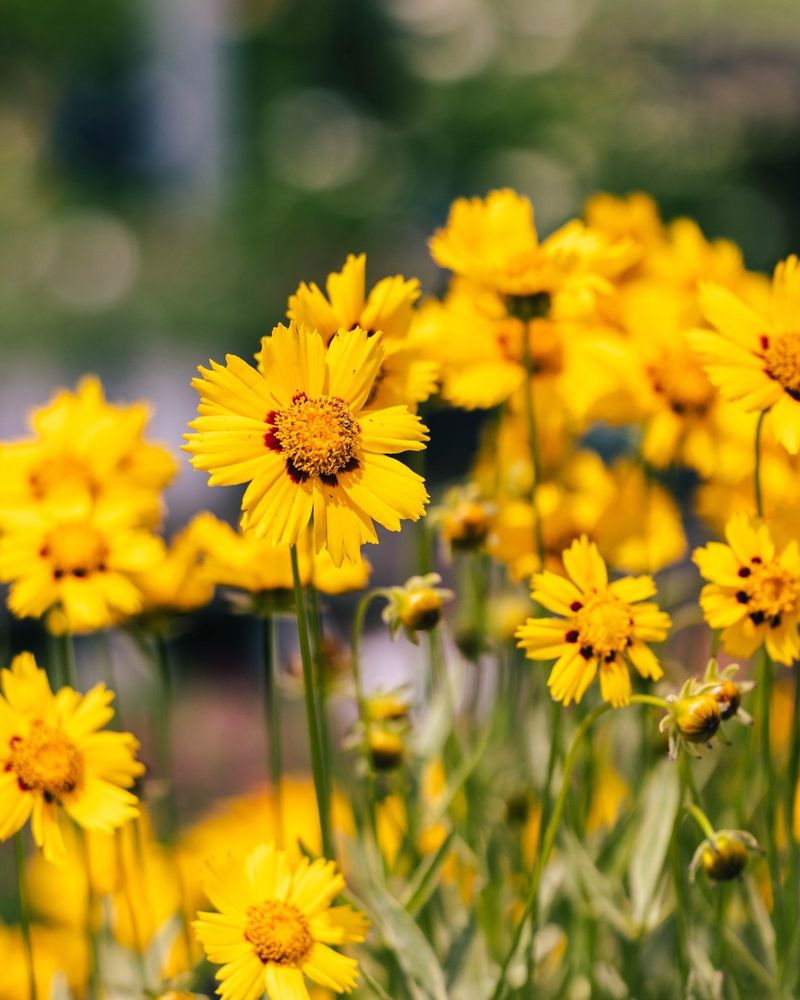
If sunshine had a plant form, it might look exactly like coreopsis. These bright, daisy-shaped blooms scatter cheerful color across a bed like confetti.
Known commonly as tickseed, coreopsis starts flowering in early summer and simply keeps at it through fall if you give it a hand. Removing faded blooms, a habit called deadheading, keeps fresh buds forming week after week.
Most varieties glow in shades of golden yellow, though newer types offer pink, red, and creamy tones. That range lets you build a border that feels warm and lively all season.
Sun is the main requirement here, and lots of it. Plant coreopsis where it gets full afternoon light, and it rewards you with a nonstop parade of flowers.
The plant handles poor, dry soil surprisingly well, making it a lifesaver for tricky slopes or sandy patches. Rich, wet soil actually leads to floppy growth, so lean conditions work in your favor.
Around midsummer, if the plant starts looking tired, shear it back by a third. It bounces back quickly with a burst of new blooms that carry it toward the first frost.
Butterflies flock to coreopsis, and later in the season finches enjoy pecking at the seed heads. Leaving a few spent flowers gives the birds a little snack.
It comes back faithfully each spring in Pennsylvania gardens, spreading slowly into fuller clumps. Dividing those clumps every few years keeps them vigorous.
Fun fact: the name tickseed comes from the tiny seeds, which some folks thought resembled little ticks clinging to a surface.
5. Reblooming Coneflower
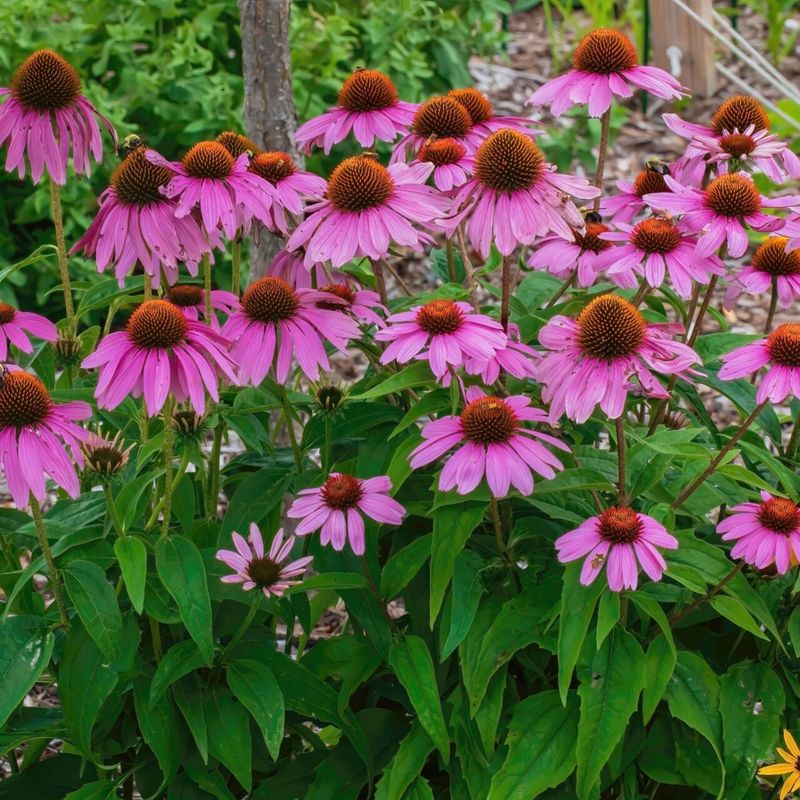
Sturdy, upright, and buzzing with life, the coneflower feels like the dependable friend every garden needs. Its raised, cone-shaped centers give it a look you cannot mistake.
Traditional coneflowers bloomed just once, but modern reblooming varieties stretch the color from midsummer well into fall. Snipping off finished flowers encourages the plant to push out fresh ones instead of setting seed too early.
Colors have exploded beyond the classic purple-pink in recent years. You can now grow orange, coral, white, and even green-tinged blooms that keep your beds looking fresh.
These natives thrive in Pennsylvania because they evolved to handle the region’s summers and winters. Plant them in full sun and average soil, and they settle in without complaint.
Once established, coneflowers laugh off dry spells, drawing on deep roots to find moisture. That toughness makes them ideal for low-maintenance and pollinator-friendly gardens.
Butterflies, bees, and other helpful insects swarm the blooms all summer. If you leave the last flowers standing in fall, goldfinches will drop by to feast on the seeds.
To keep the rebloom going, cut spent stalks back to a set of leaves rather than the ground. New side branches then form and produce another round of buds.
Every three or four years, dividing crowded clumps in spring keeps them healthy and gives you extra plants. The pieces transplant easily and bloom the same year.
Here is a neat tidbit: coneflowers belong to the same plant family as sunflowers and daisies, which explains their bold, sun-loving personalities and their knack for attracting so many winged visitors.
6. Salvia
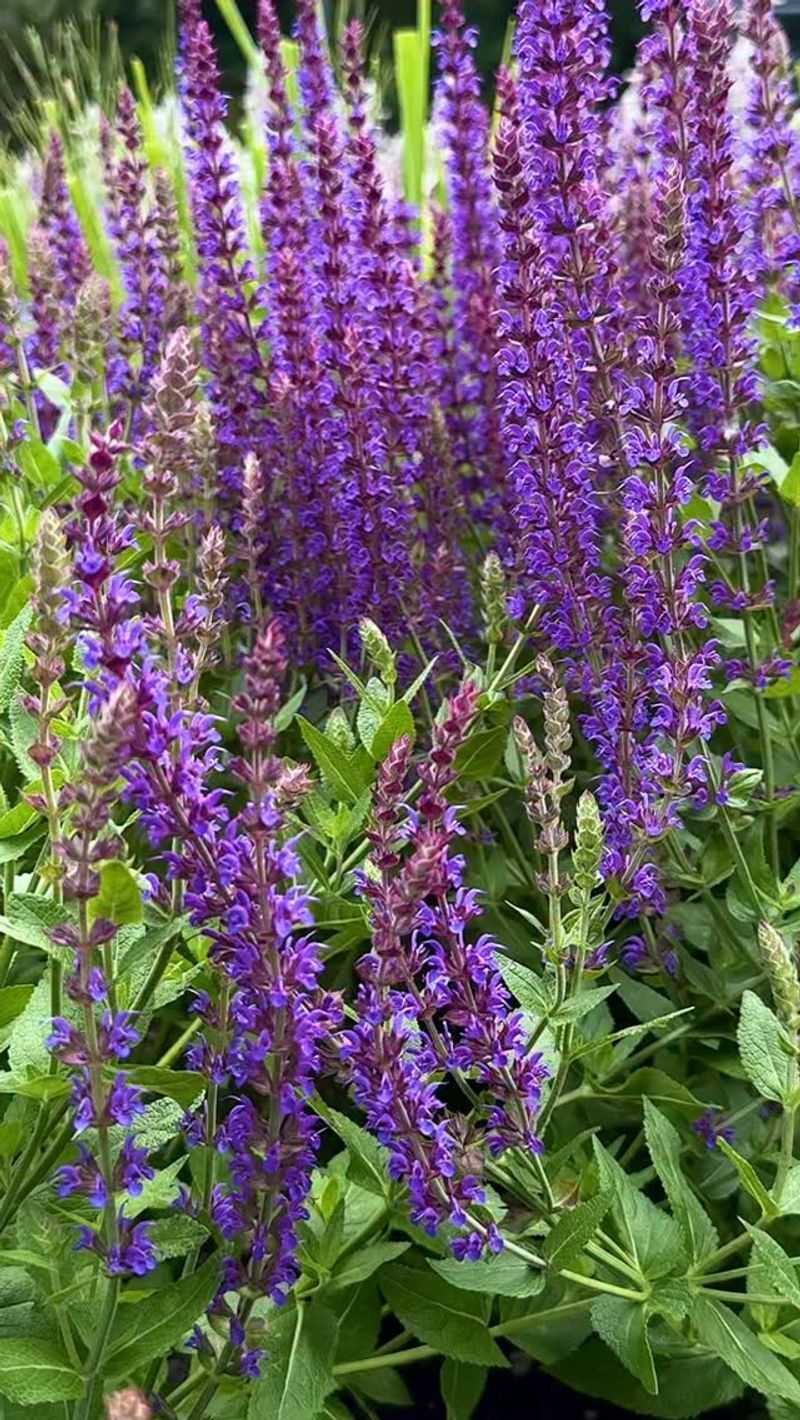
Tall purple spikes shooting up like little rockets? That is salvia, and it brings both height and steady color to any Pennsylvania bed.
This hardy sage kicks off blooming in late spring with dense flower spikes packed with tiny blossoms. After the first flush winds down, a good trim sends up a fresh set that carries the display into fall.
The flowers usually appear in rich shades of violet, blue, and purple, though pink and white types exist too. Their vertical shape contrasts nicely with rounded plants like coreopsis or catmint.
Full sun keeps salvia at its best, encouraging strong stems and heavy flowering. It also prefers soil that drains freely, since standing water can weaken the roots.
Once it settles in, salvia handles drought like a champ and needs little pampering. That makes it a favorite for gardeners who want big impact without constant chores.
To spark rebloom, cut the finished spikes down after their first show. Within a couple weeks, new shoots emerge loaded with buds ready to open.
Hummingbirds and bees find salvia irresistible, hovering around the spikes throughout the warm months. Deer and rabbits, thankfully, tend to pass it by because of its scented leaves.
It returns dependably each spring, forming fuller clumps over time. A light feeding as growth begins gives it extra energy for a long season.
Interesting note: salvia belongs to the mint family, which is why brushing the leaves releases a pleasant, herby aroma. That same family tie explains its rugged, easygoing nature in the garden.
7. Reblooming Roses (Knock Out)
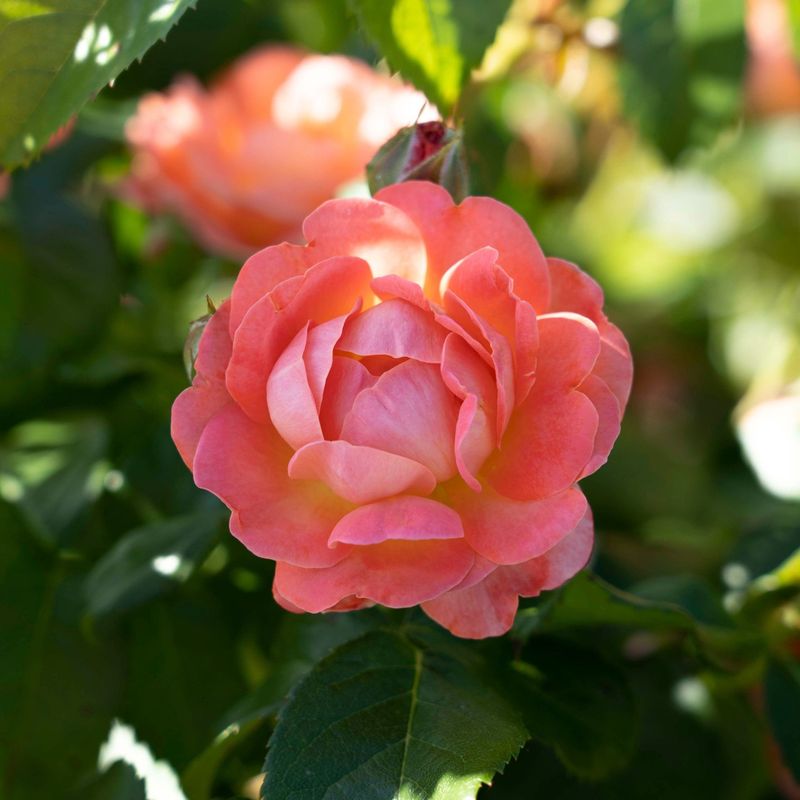
Roses have a reputation for being fussy, but the Knock Out rose flips that idea on its head. It flowers with wild generosity and asks for almost nothing in return.
From late spring straight through fall, this shrub rose produces wave after wave of blossoms. It reblooms on its own about every five or six weeks, so the color barely takes a break.
You will find them in red, pink, coral, and soft yellow, often on the same tidy, rounded bush. The plants stay compact enough for foundation beds yet full enough to make a statement.
Pennsylvania weather suits them well, since they tolerate cold winters and humid summers with ease. They also resist the leaf diseases that plague older rose types.
Give them full sun and decent soil, and they practically thrive on neglect. Unlike traditional roses, they even drop their spent blooms without needing you to deadhead.
A once-a-year pruning in early spring keeps the shrub shapely and encourages fresh growth. Cut it back by about a third and watch it fill out fast.
Bees and butterflies visit the open flowers, adding movement to the garden all season. The blooms are not strongly scented, but their sheer number more than makes up for it.
They work beautifully as a low hedge, a single focal shrub, or a cheerful border. Mass a few together and you get a river of continuous color.
Fun fact: the Knock Out rose was introduced in 2000 and became one of the best-selling roses ever, largely thanks to how forgiving it is for beginners.