Don’t Prune These Florida Shrubs In September Or You Could Lose Next Year’s Flowers
September can feel like the perfect time to grab the pruning shears. Summer growth has taken over, shrubs may look uneven, and a quick trim seems like an easy way to make the landscape look refreshed before fall arrives.
But before you start cutting, take a closer look. Many popular flowering shrubs are already preparing for their next big display.
Hidden flower buds may already be forming along branches, waiting for the right season to arrive. A few quick cuts in September can remove those future blooms before they ever have a chance to open.
For Florida gardeners, timing matters just as much as technique. UF/IFAS recommends pruning shrubs based on their growth habits and flowering cycles because many spring-flowering plants develop their next season’s buds months before the flowers appear.
Instead of reaching for the trimmers this month, take a moment to identify what is growing in your yard. These eight shrubs are worth leaving alone in September if you want the best flower show later.
1. Azalea
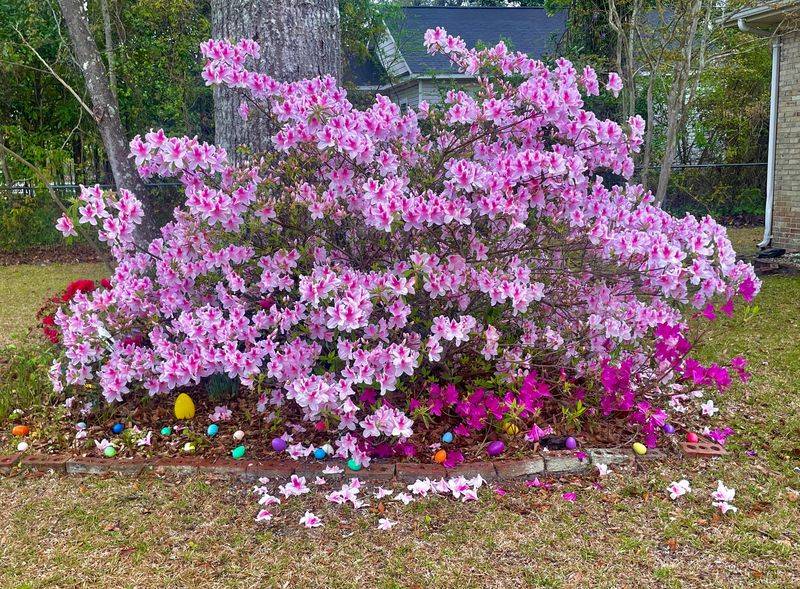
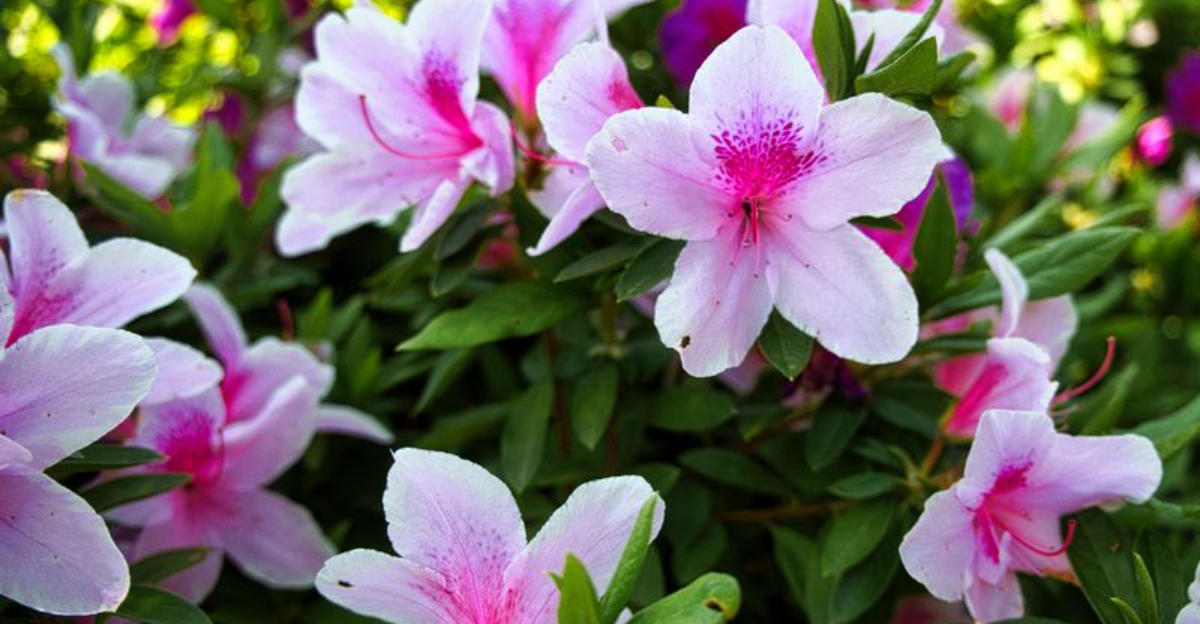
Azaleas are one of the most recognizable flowering shrubs in Florida landscapes. Their colorful blooms can transform shady corners, entryways, and garden beds into eye-catching displays.
The tricky part is that azaleas work ahead of schedule.
By September, many azalea varieties have already started developing flower buds for the following bloom season. Those tiny buds are often tucked near the ends of branches, exactly where many gardeners make their cuts when shaping a shrub.
That means a simple fall cleanup can remove the very growth responsible for spring color.
UF/IFAS recommends pruning azaleas shortly after flowering finishes because the plant needs time to produce new growth and prepare future flower buds. Pruning too late in the season can interfere with the next bloom cycle.
If your azalea looks a little wild in September, avoid giving it a full makeover. Instead, focus only on small corrections.
Remove branches that are damaged, growing in an awkward direction, or creating a problem in a walkway.
The best-looking azaleas are usually not the ones that are constantly shaped. They are the ones allowed to keep their natural form.
A little patience now can mean a much more impressive flower display when spring arrives.
2. Camellia
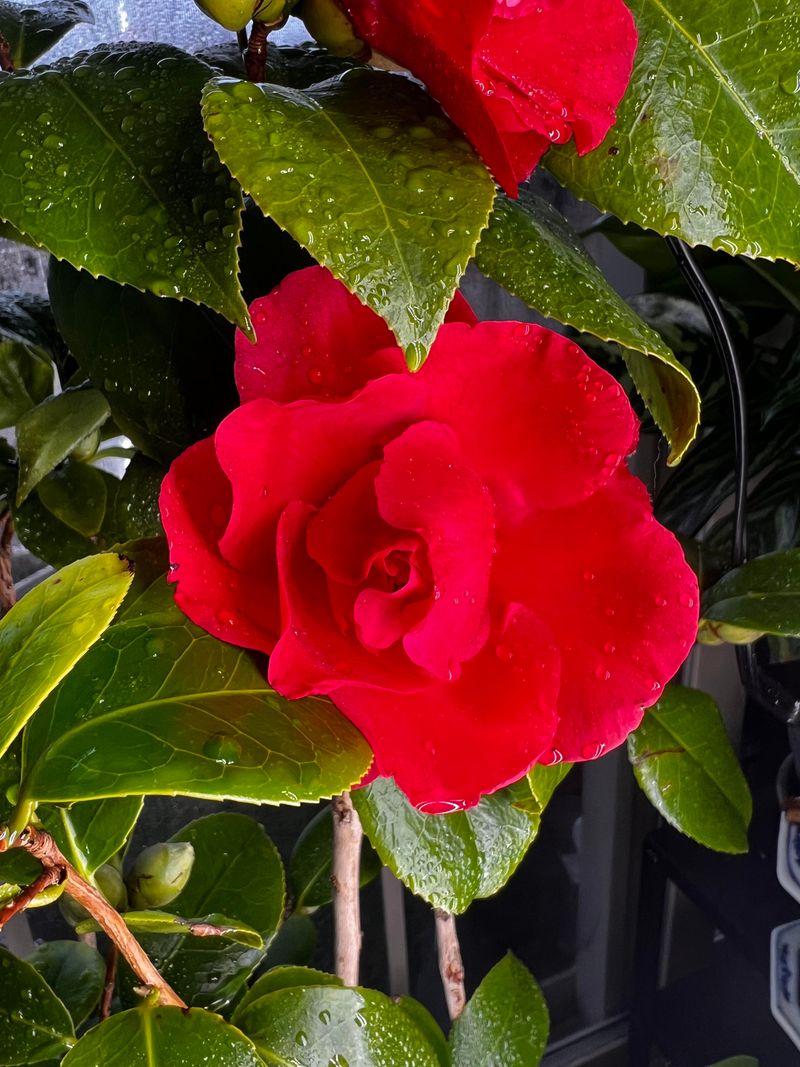
Camellias bring a special kind of beauty to Florida gardens. Their glossy leaves provide year-round interest, while their elegant flowers add seasonal color during cooler months when many other landscape plants are quiet.
Because camellias stay attractive even without flowers, many gardeners are tempted to trim them whenever they look slightly overgrown.
September is usually not the time for that.
Many camellias begin preparing their flower display well before the blooms appear. Those developing buds are forming along existing branches, and pruning at the wrong time can remove some of the flowers you are hoping to enjoy.
Instead of shaping your camellia now, let it continue growing naturally. If you notice a branch that needs attention, make a careful selective cut rather than removing large sections of the shrub.
Your Florida Garden Changes Every Week. Your Plan Should Too.
Gardening in Florida changes quickly throughout the season. Every Friday you’ll receive a simple weekly plan showing exactly what to plant, prune, fertilize, harvest, and protect so you never miss the right timing.
UF/IFAS pruning guidance emphasizes that flowering shrubs should be trimmed according to when they bloom, with many spring-flowering plants best pruned after their flowers have finished.
For Florida gardeners, this is especially important because warm temperatures can keep shrubs actively growing for much of the year. A fall haircut may seem harmless, but it can interrupt the plant’s natural preparation for the next season.
Wait until after flowering for major shaping. Your camellia will reward you with a healthier appearance and a better flower display.
3. Gardenia
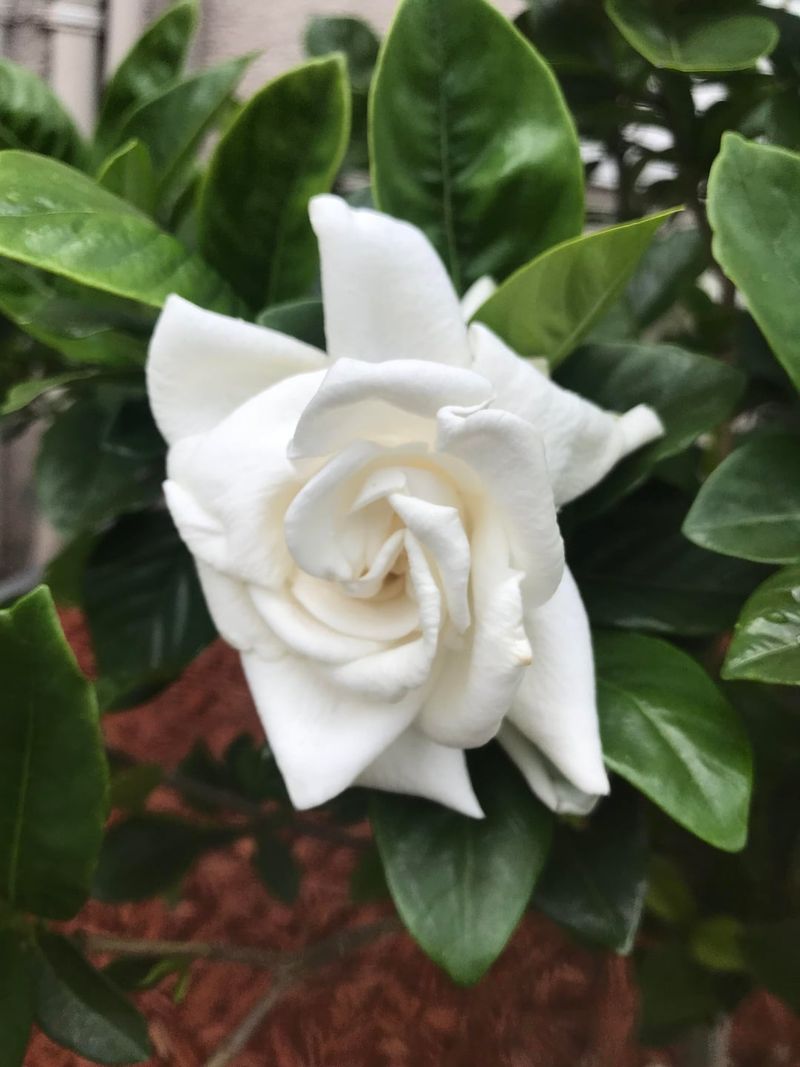
Few shrubs create the same garden experience as a gardenia. The rich green leaves, elegant white flowers, and unforgettable fragrance make gardenias a favorite near patios, windows, and entryways.
However, gardenias can be sensitive to poor pruning timing.
A September trim may remove growth that contributes to future flowers. Gardenias can produce blooms on new growth, but heavy pruning at the wrong point in their growth cycle may reduce the upcoming display.
Instead of cutting back your gardenia now, focus on maintenance. Keep watering consistent, especially during dry periods, and watch the plant’s overall condition.
Florida weather can create challenges because periods of heavy rain may be followed by hot, dry stretches. Gardenias respond better to steady care than frequent unnecessary trimming.
If your plant only needs minor attention, remove small problem areas rather than reshaping the entire shrub.
A good rule is to avoid turning a healthy gardenia into a project just because September arrives. Sometimes the best gardening decision is knowing when to leave a beautiful plant alone.
With proper care and good timing, gardenias can continue providing the fragrance that makes them one of the most loved shrubs in southern landscapes.
4. Oakleaf Hydrangea
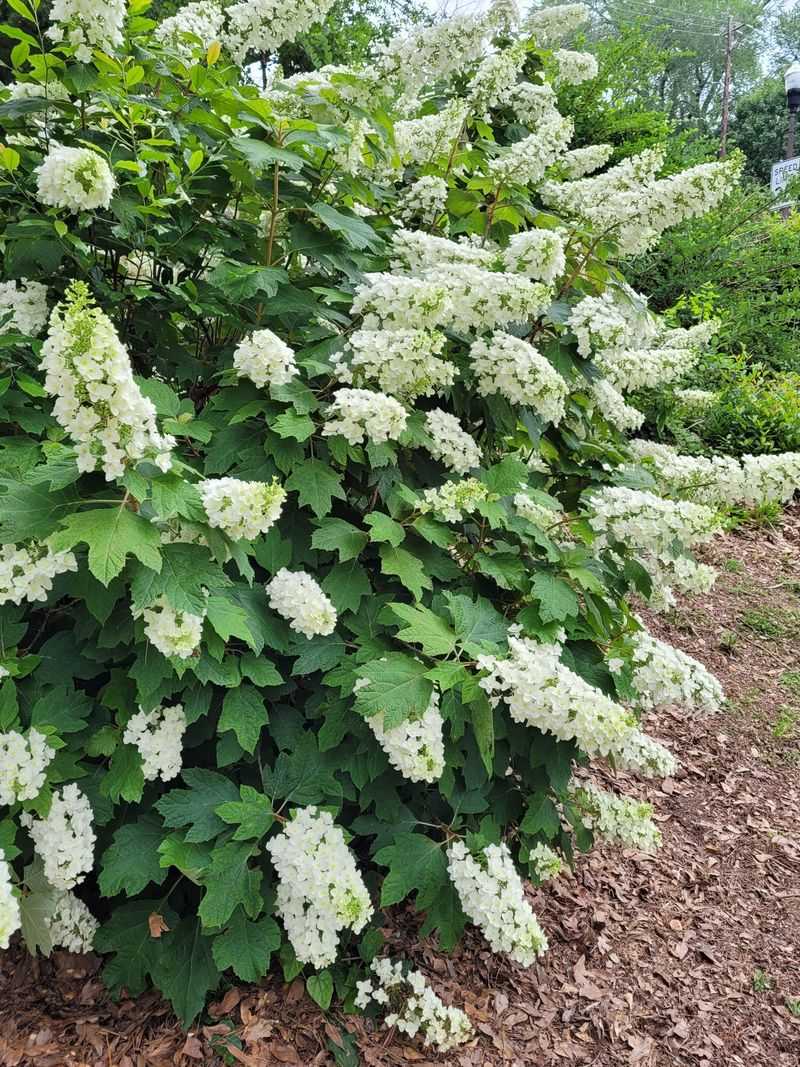
Oakleaf hydrangea is a standout shrub with large, textured leaves and beautiful cone-shaped flower clusters. It brings a woodland feeling to shaded gardens and continues to add interest even after its flowers have faded.
But this shrub has one important rule: timing matters.
Oakleaf hydrangeas form flowers on older stems. Those branches growing in your garden now may already contain the buds needed for next year’s blooms.
Cutting them back in September can reduce the number of flowers that appear later.
This is why fall pruning is usually a mistake for this type of hydrangea.
Instead of cutting it into shape, allow the shrub to continue its natural growth pattern. The dried flower clusters can provide texture through the cooler months, and the foliage adds seasonal beauty.
When pruning is needed, wait until after flowering and make selective cuts rather than removing large portions of the plant.
Oakleaf hydrangeas are especially valuable in Florida gardens because they add a different look from traditional evergreen shrubs. Their bold leaves and relaxed shape create a natural appearance that does not require constant trimming.
Sometimes the most attractive garden plants are the ones allowed to show their personality.
5. Bigleaf Hydrangea
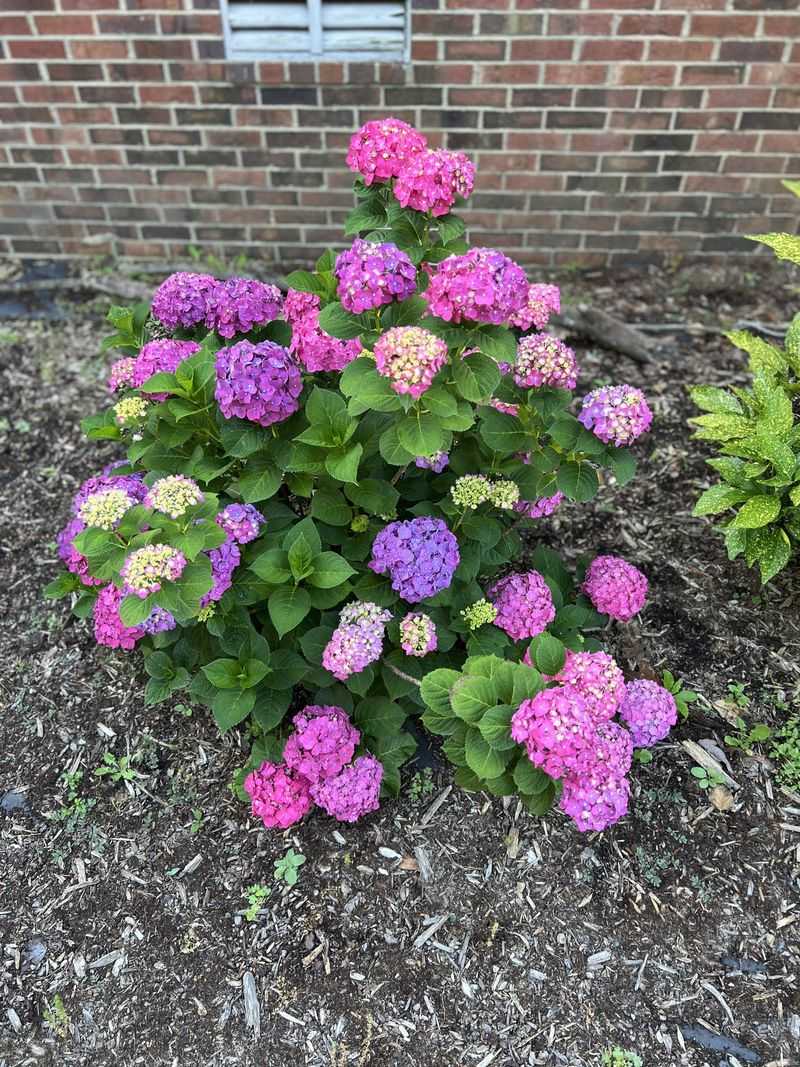
Bigleaf hydrangeas can be one of the most rewarding shrubs in a garden, but they can also be one of the easiest to prune at the wrong time.
Those large mophead and lacecap flowers create a dramatic summer display, and many gardeners assume a September cleanup will help the plant look better.
Unfortunately, a major trim at this time can remove the branches that are already preparing for future blooms.
Bigleaf hydrangeas commonly produce flowers on older stems. This means the growth you see in late summer and early fall may already contain next season’s flower potential.
Removing too much of that growth can leave you with a healthier-looking shape but a disappointing flower season later.
UF/IFAS notes that hydrangea pruning depends heavily on the type of hydrangea because different varieties flower on different types of growth. Careful timing is important to protect future blooms.
In September, resist the urge to cut the shrub back simply because it looks large or uneven. Instead, focus on gentle maintenance.
Remove damaged sections if needed, clear away debris around the base, and make sure the plant has good growing conditions.
Bigleaf hydrangeas also appreciate a little patience. Their natural shape often adds charm to shaded garden spaces, and those dried flower clusters can continue adding texture after the main bloom season.
When it is finally time to prune, selective cuts are usually better than a heavy reduction. A few carefully chosen cuts can maintain the plant’s shape while preserving the beautiful flowers gardeners look forward to.
6. Indian Hawthorn
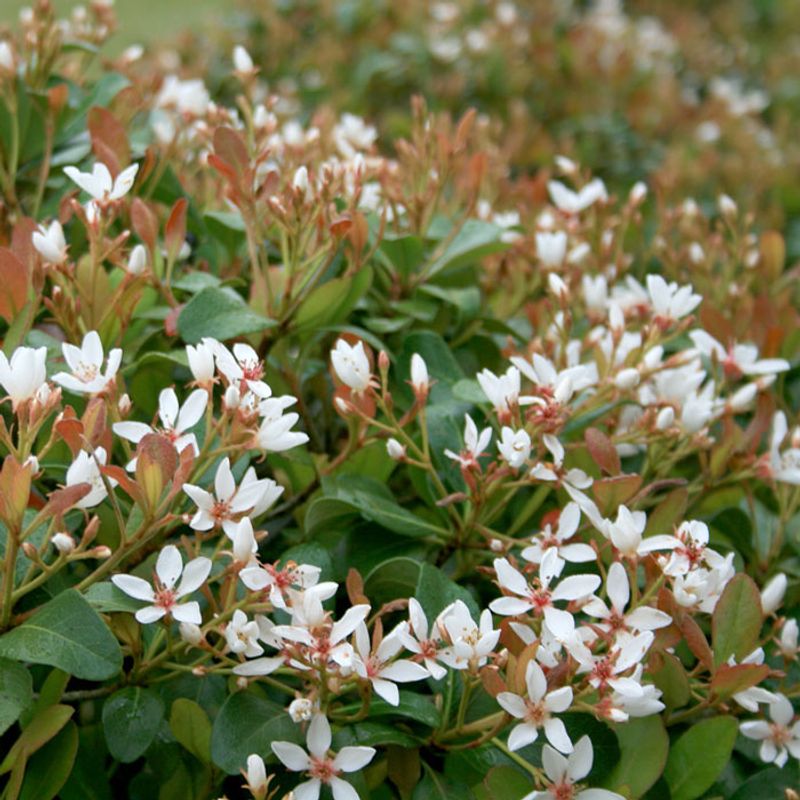
Indian hawthorn is a familiar sight in many Florida landscapes. It works well as a foundation shrub, border plant, or low-growing accent because it stays relatively compact and produces attractive spring flowers.
Because it handles regular landscape conditions so well, many homeowners treat it like a hedge and reach for the shears whenever growth appears uneven.
September is a month to be careful.
Indian hawthorn develops flowers on growth that has already formed before spring arrives. A heavy fall trimming session can remove branches that would have contributed to the next flowering period.
A freshly shaped shrub may look neat for a few weeks, but that quick improvement may come at the expense of future color.
Instead of shearing the entire plant, look for specific areas that need attention. Remove branches that cross, grow into walkways, or disturb the shrub’s natural form.
Florida landscapes often benefit from a softer approach to pruning. Many shrubs look healthier and more attractive when they are guided rather than constantly forced into a specific shape.
UF/IFAS pruning recommendations generally encourage homeowners to consider each plant’s flowering cycle before making cuts. Spring-flowering shrubs are often best pruned after they finish blooming so gardeners do not remove developing flowers.
Let your Indian hawthorn enjoy its September growth. When spring arrives, you will appreciate allowing those branches to remain in place.
7. Loropetalum
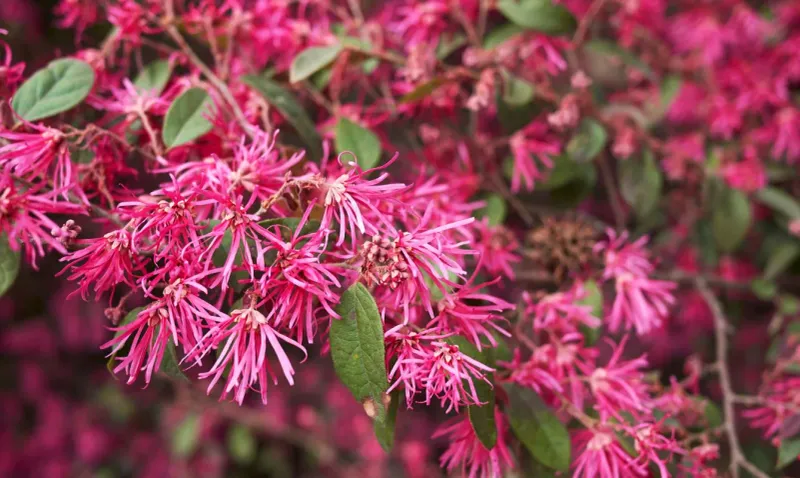
Loropetalum has earned a favorite spot in many Florida yards because it brings so much personality to the landscape. Between its colorful foliage, quick growth, and delicate fringe-like flowers, it can become a standout feature in garden beds.
That fast growth, however, is exactly what makes many gardeners want to prune it frequently.
When September arrives, it can be tempting to grab the trimmers and shape loropetalum into a perfect mound. But repeated heavy shearing can work against the plant’s natural beauty and reduce the spring flower display.
Loropetalum generally performs best with selective pruning. Instead of cutting every branch back evenly, choose specific stems that need correction or removal.
This approach helps maintain airflow, keeps the shrub looking natural, and prevents the dense outer layer that often develops when plants are repeatedly clipped into formal shapes.
In Florida, where warm temperatures encourage long growing seasons, it is easy to feel like shrubs always need attention. Sometimes the best maintenance decision is simply waiting.
If your loropetalum has grown larger than expected, save major reshaping for after flowering. That timing allows you to control the size while protecting the seasonal show that makes this shrub so popular.
A little restraint in September can mean a much more colorful spring garden.
8. Viburnum
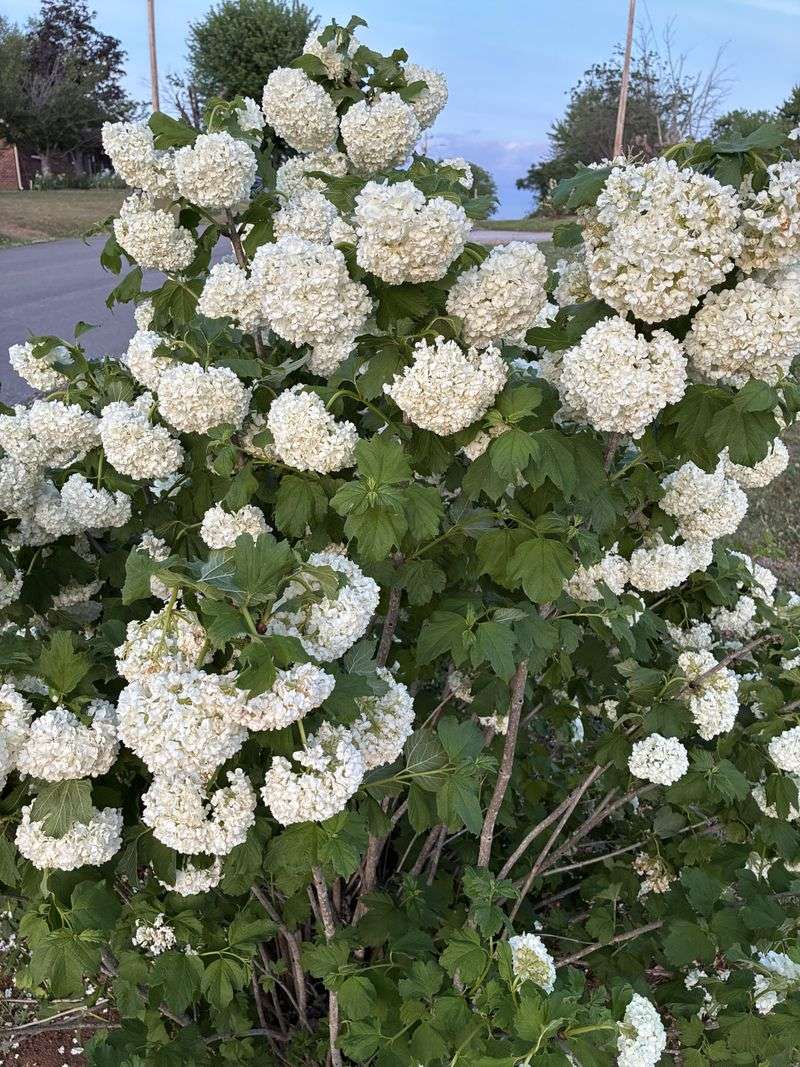
Viburnums are hardworking landscape shrubs that bring flowers, structure, and seasonal interest to many gardens. Depending on the species, they can provide everything from fragrant blooms to attractive berries later in the year.
Because there are many different viburnum types, pruning needs can vary. However, many flowering viburnums follow the same general rule: avoid major trimming before their flowering season.
A September haircut may remove branches that are carrying future flower buds. While a few small cuts may not make a noticeable difference, removing large sections of the shrub can reduce the overall display.
Before pruning a viburnum in fall, step back and look at the whole plant.
Does it truly need shaping?
Are there branches causing a problem?
Or does it simply need time to continue growing?
Often, the best choice is to wait.
Selective pruning is usually the better option. Remove only branches that are damaged, crossing, or affecting the plant’s structure.
Save larger size adjustments until after flowering, when you can see exactly how the shrub performed.
For Florida gardeners, viburnums are valuable because they provide dependable landscape interest while requiring relatively little attention when planted in the right location.
A natural-looking viburnum can become a beautiful anchor in the yard. Letting it keep its growth through September helps protect the flowers that make it special.