Why North Carolina Gardeners Are Waiting Until This Weekend To Plant Shrubs
There’s a certain electricity in the air across North Carolina gardens right now, the kind that makes you stop and notice something is changing even before you can name it.
You can almost smell the shift coming, that first hint of cooler mornings mixed with the last warmth of summer soil.
Seasoned growers keep glancing at the calendar and smiling to themselves, quietly aware of something the weekend warriors are just now starting to figure out.
The soil underfoot is still warm, but the harshest stretch of heat is finally loosening its grip, and that small change makes a surprisingly big difference for young, developing roots.
Stick around, because the first weekend in September has quietly become the moment plenty of experienced gardeners have been circling on their calendars all summer, waiting patiently for it to finally arrive.
1. Cooler Air Finally Eases The Stress On Young Plants
Summer in North Carolina can feel like standing next to an open oven, and shrubs feel it too. By the first weekend in September, daytime highs often start slipping into the more comfortable upper 70s and 80s across much of the state.
That drop matters more than it seems. When air temperatures relax, a freshly planted shrub loses less moisture through its leaves. It can settle in without fighting the heat every single hour.
Gardeners notice that plants tucked in during a scorching July afternoon tend to wilt and sulk. The same shrub planted in early September usually perks right back up within a day or two.
Lower stress also means the plant spends its energy building roots instead of just trying to survive. That head start pays off big when spring rolls around.
Another bonus is comfort for the gardener. Digging holes and hauling mulch is far more pleasant when you aren’t drenched by mid-morning.
Many folks across the Piedmont and coastal plain treat this weekend as a green light. The oppressive stretch is fading, but the growing season still has plenty left.
If you want to time it right, watch the forecast for a run of milder days. Plant on a cloudy morning if you can, so the shrub gets an even gentler welcome.
Waiting just a little longer than August often rewards you with healthier, happier plants. Patience here really does turn into stronger shrubs later.
2. Soil Stays Toasty Enough For Roots To Race Ahead
Here’s a neat trick of nature: soil holds onto its warmth long after the air begins to cool. In North Carolina, ground temperatures in early September are still cozy from the long summer.
Roots absolutely love warm soil. Even while the leaves take a break from the heat, the underground part of the plant keeps growing at a steady clip.
Think of it like a marathon runner who finally hits a comfortable pace. The shrub can push out new roots for weeks before the ground eventually chills down in late fall.
The Cooperative Extension folks across the state often point out that fall planting gives woody plants a strong root system before winter. Those established roots make spring growth much smoother.
Your North Carolina Garden Changes Every Week. Your Plan Should Too.
Gardening in North Carolina changes quickly throughout the season. Every Friday you’ll receive a simple weekly plan showing exactly what to plant, prune, fertilize, harvest, and protect so you never miss the right timing.
By planting on this first September weekend, you catch that sweet overlap. The soil is warm, the air is milder, and the plant gets the best of both worlds.
Compare that to spring planting, when the soil is still cold and slow. A September shrub often has a full head start by the time April arrives.
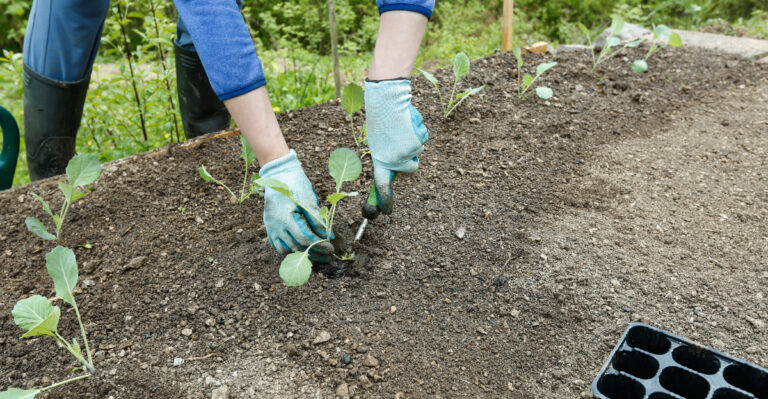
To help things along, water the root ball well and add a few inches of mulch. That mulch keeps the soil warmth locked in a bit longer.
Avoid packing the dirt too tightly, since loose soil lets tender roots spread freely. Give them room, and they’ll reward you.
Warm ground plus a young shrub is a quiet partnership that sets up years of healthy growth.
3. Autumn Rains Are Right Around The Corner
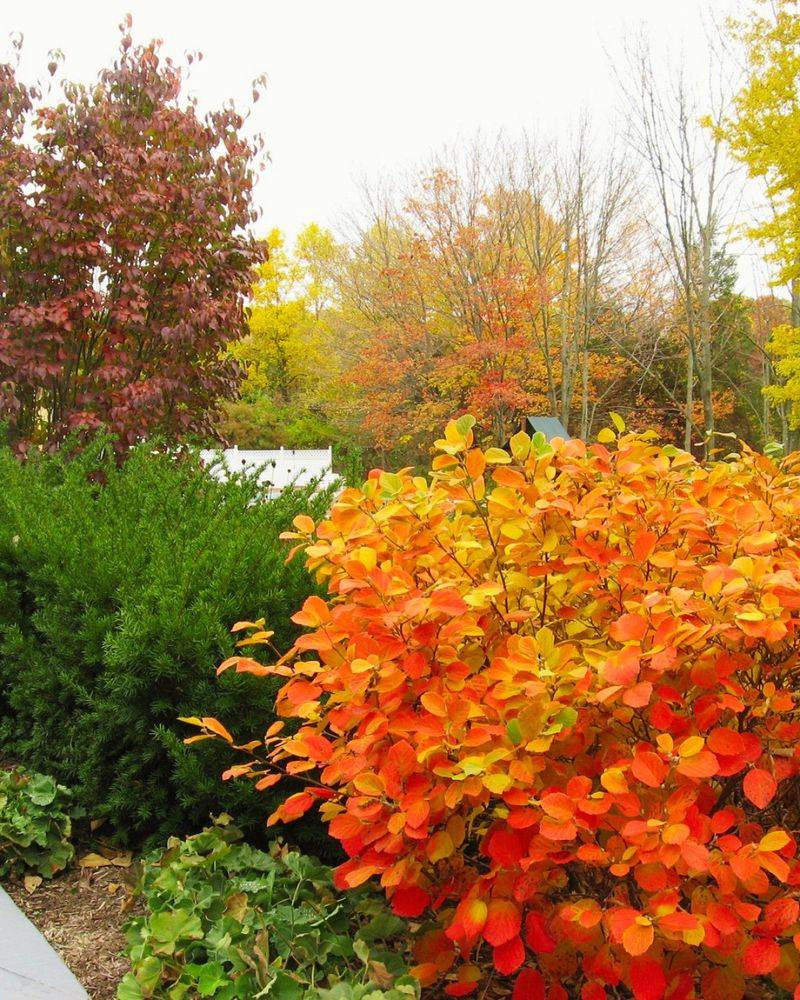
Summer rain in North Carolina can be dramatic, showing up as a quick thunderstorm and then vanishing for days. Fall brings a friendlier, more reliable pattern of soaking rains.
Steady moisture is a gift for new shrubs. Instead of you dragging the hose out every afternoon, the sky often chips in and does part of the work.
The first weekend in September sits right at the doorway of that shift. Gardeners plant now so their shrubs can drink up the wetter weeks ahead.
Consistent water helps roots settle without the boom-and-bust cycle of summer downpours. Plants that get even moisture tend to look fuller and greener.
Of course, you shouldn’t count on rain alone during those first couple of weeks. Give each shrub a deep drink at planting time so it starts off well hydrated.
A simple rain gauge in the yard helps you keep track. If a week passes without much rainfall, top things off yourself with a slow, deep soak.
Mulch again plays a starring role here. It traps that autumn moisture around the roots instead of letting it evaporate.
Coastal and mountain gardens may see slightly different timing, so watch your local forecast. Even so, most of the state trends toward gentler, more frequent rain as September unfolds.
Lining up your planting with nature’s watering schedule means less effort for you and a smoother start for the plant. It’s teamwork with the weather.
4. Beat The Fall Garden Center Rush And Snag The Best Plants
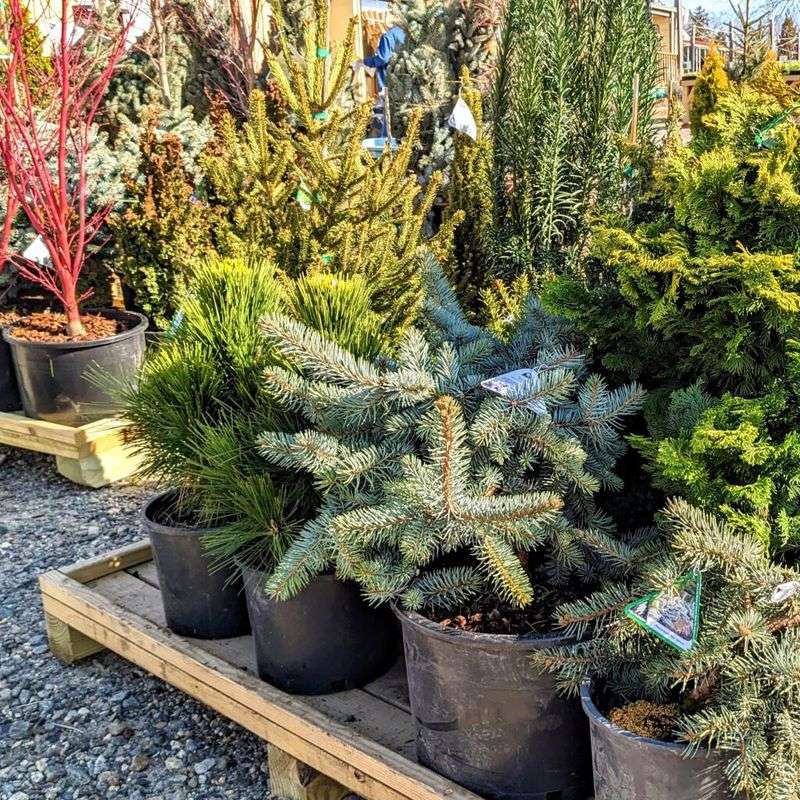
Garden centers across North Carolina roll out fresh shrub shipments as fall approaches. The first weekend in September is when the shelves are stocked and the selection is at its finest.
Shop early and you get the pick of the litter. Wait too long and the healthiest, fullest plants often disappear into someone else’s cart.
Many nurseries also start offering end-of-season deals around this time. You can find quality shrubs at friendlier prices if you show up before the crowds.
There’s a rhythm to it that regulars know well. The savvy shoppers arrive on this weekend, coffee in hand, ready to load their trunks.
Buying in early September also gives you time to plant right away. A shrub that sits in its pot for weeks can get root-bound and stressed.
When you’re browsing, look for plants with firm stems and healthy leaves. Peek at the bottom of the pot to make sure roots aren’t circling out the drainage holes.
Ask the staff which varieties do well in your part of the state. A friendly nursery worker can steer you toward shrubs suited to your soil and sunlight.
Loading up now means you match the great weather with great plant choices. Both pieces of the puzzle line up at once.
Timing your shopping trip with the fresh fall inventory is a simple move that pays off. You walk away with better shrubs and often a lighter bill.
5. Pesky Summer Bugs Start To Fade Away

Anyone who gardens through a North Carolina summer knows the bug parade never seems to stop. Beetles, aphids, and other hungry critters treat tender new leaves like a buffet.
As the calendar flips toward September, many of these insects begin winding down their most active season. Their numbers thin out as temperatures ease.
Fewer pests means a young shrub can settle in without constant nibbling. New leaves get a chance to grow strong instead of getting chewed to lace.
That’s a big reason patient gardeners hold off until now. They’d rather plant when the bug pressure is easing than during the peak feeding frenzy.
A less stressed plant also defends itself better. When a shrub isn’t already fighting heat, it has more energy to shrug off the occasional insect that does show up.
You’ll still want to keep an eye out, since a few pests linger into autumn. Check the undersides of leaves now and then for any early signs of trouble.
Simple steps go a long way here. A strong spray of water can knock off many soft-bodied insects without any chemicals at all.
Healthy soil and proper spacing help too, since crowded plants tend to attract more problems. Give your shrubs breathing room.
Planting as the summer bug rush fades gives your new shrub a calmer welcome. It can focus on rooting in rather than playing defense against a swarm. That quieter window is exactly what a fresh transplant needs.
6. Roots Get A Long Head Start Before Winter Arrives
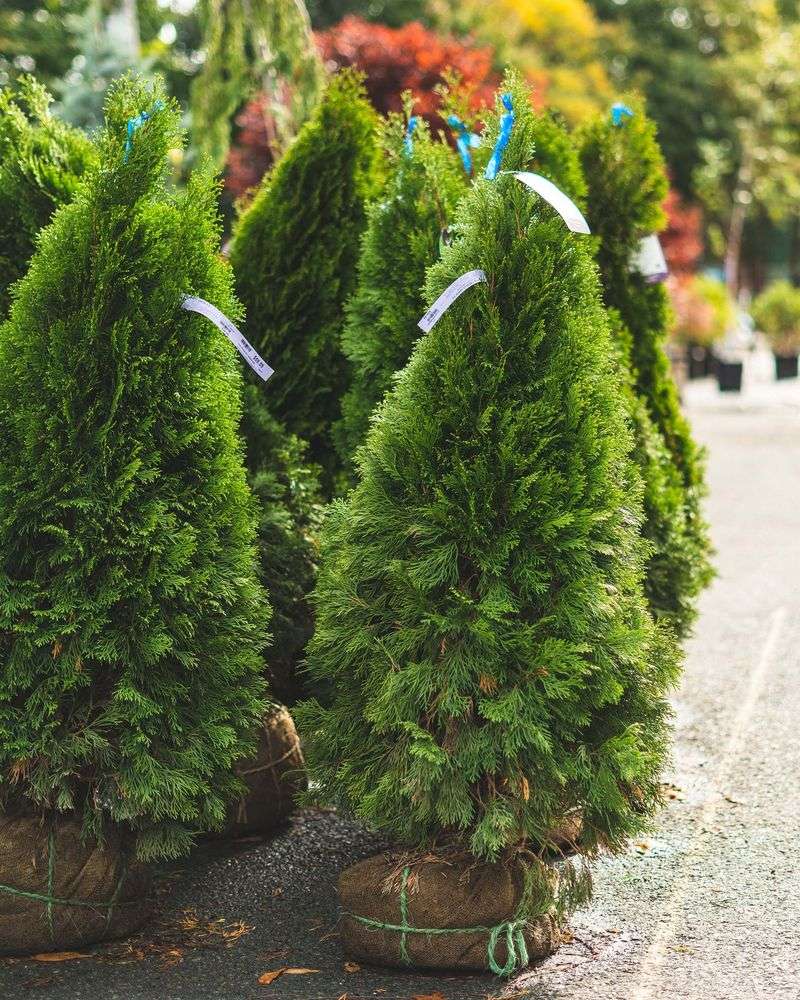
Winter in most of North Carolina is fairly mild, which is a lucky break for fall-planted shrubs. The ground rarely freezes deep or for very long across much of the state.
That gives roots months of quiet growing time. From September all the way through the cool weeks ahead, a shrub keeps stretching its roots underground.
By the time the first weekend of September rolls around, gardeners know the runway is wide open. There’s plenty of season left before any real cold sets in.
Roots that get this long head start anchor the plant firmly. Come spring, the shrub can pour its energy into leaves and flowers instead of scrambling to establish itself.
Picture two identical shrubs, one planted in September and one in May. The September plant usually looks fuller and more settled by the following summer.
The mild winters here really are the secret sauce. In colder states this trick wouldn’t work nearly as well, but North Carolina’s climate makes it a smart bet.
To protect that root growth, add a few inches of mulch around the base. Keep it slightly away from the main stem so it doesn’t hold moisture against the bark.
Water occasionally through dry winter spells, since roots still sip even when the top looks quiet. A deep drink during a warm January week helps.
Giving roots this generous head start is the whole point of fall planting. It’s a low-effort move with a big spring payoff.
7. The Weekend Timing Lines Up Perfectly With Your Schedule
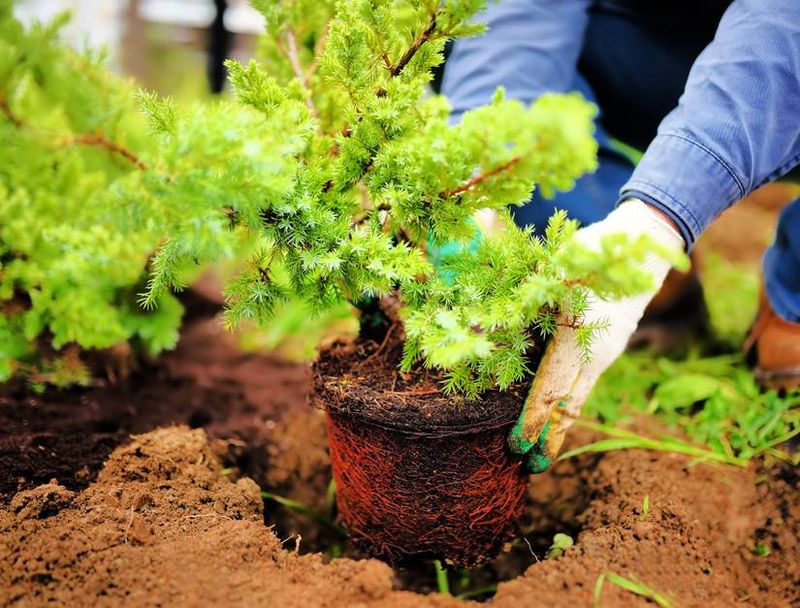
Labor Day weekend often lands right at the start of September, giving many North Carolina families an extra day off. That bonus time turns out to be perfect for garden projects.
Planting shrubs takes a little muscle and a little patience. Having a full weekend, sometimes stretched by a holiday Monday, makes the whole job far less rushed.
Weekend warriors love this window for practical reasons. You can shop for plants on Saturday, dig and plant on Sunday, and still have time to tidy up.
Spreading the work over a couple of days means you won’t wear yourself out. It also gives you room to do each step carefully instead of racing the clock.
The pleasant early-September weather makes the outdoor time genuinely enjoyable. Working in the yard feels like a treat rather than a chore when the heat has backed off.
It’s also a great chance to get the whole household involved. Kids can help drop plants into holes and spread mulch, turning chores into shared memories.
Plan your weekend by making a simple list first. Know how many shrubs you need, where they’ll go, and what tools you’ll grab.
Prep the holes before you even buy the plants if you can. That way the actual planting goes quickly once you’re home from the nursery.
Matching the right weather with a free weekend is why this particular date keeps drawing gardeners outside. Everything simply clicks into place at once.