The September Task That Decides If Your North Carolina Peonies Bloom Next Spring

The air over the Piedmont finally loses its wet-blanket weight in September. Mornings smell like cut grass and cooling clay, and the garden exhales.
Most flower beds look tired by now, and it is tempting to shut the shed door until March. That would be a mistake, because one plant is quietly making decisions right now.
Underground, buds for next May are already forming, and they respond to what you do in the next few weeks. Get the timing right and you get armloads of blooms. Get it wrong and you get leaves, leaves, and more leaves.
So before the leaves start dropping and football takes over Saturdays, grab your gloves. What follows is the short list of moves that separates a shy bed from a show-stopping one.
Check How Deep The Eyes Are Sitting
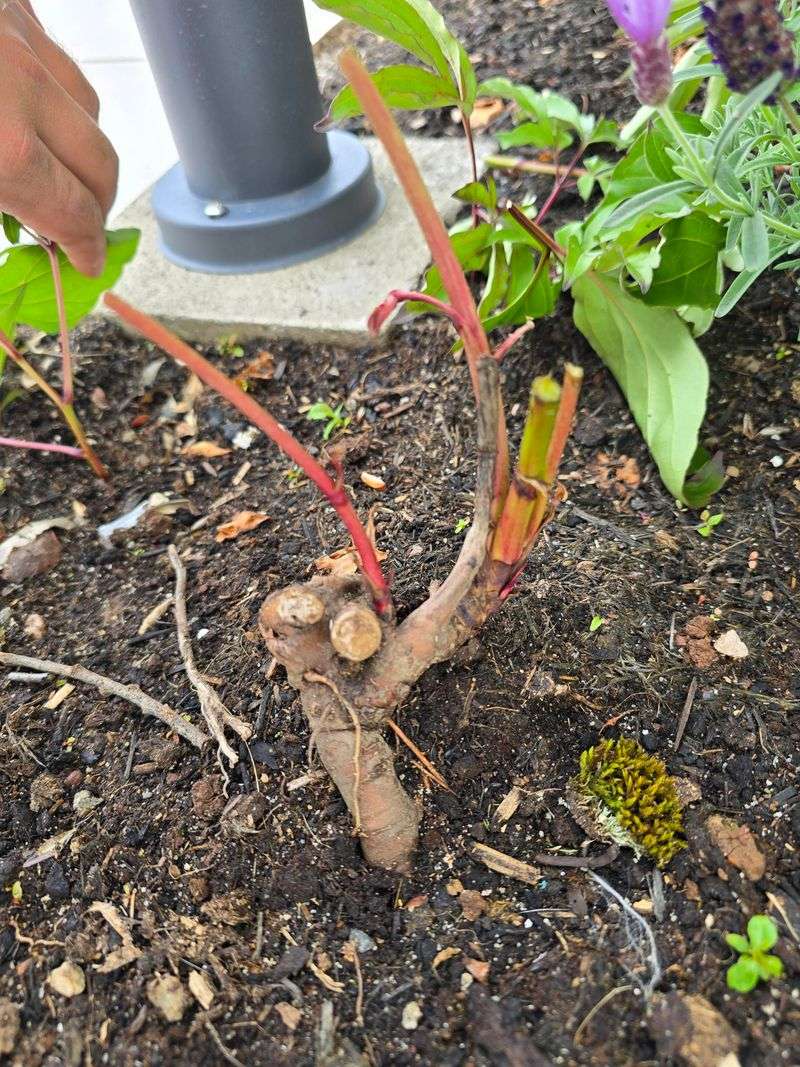
Here is the single biggest reason peonies sulk in the South: they end up buried too deep in the ground. Those little pink bumps on the crown, called eyes, need a real stretch of chilly air each winter to trigger next spring’s flowers.
Soil piled too high over them muffles that cold signal, so the plant keeps growing leaves without ever getting the cue to bloom. This is not a one-time planting mistake either, since it can creep up on a bed that started out just fine.
Mulch breaks down into the soil, rain washes clay downhill, and small layers add up year after year without anyone noticing. A crown that sat at a perfectly good depth when it went in the ground can end up several inches under a decade later.
September is the right time to catch this, while the plant is dormant on top but the ground is still workable below. A quick scrape near the base tells you almost everything you need to know before the weather turns.
The upside is that this problem is fixable once you know it is there, and it does not require replacing the plant. It just takes checking the number, adjusting it if needed, and giving the crown a season or two to settle back in.
The next few sections walk through exactly what depth to aim for here, how to check it properly, and how to reset a crown that has drifted too low.
Signs Your Peony Was Planted Too Deep
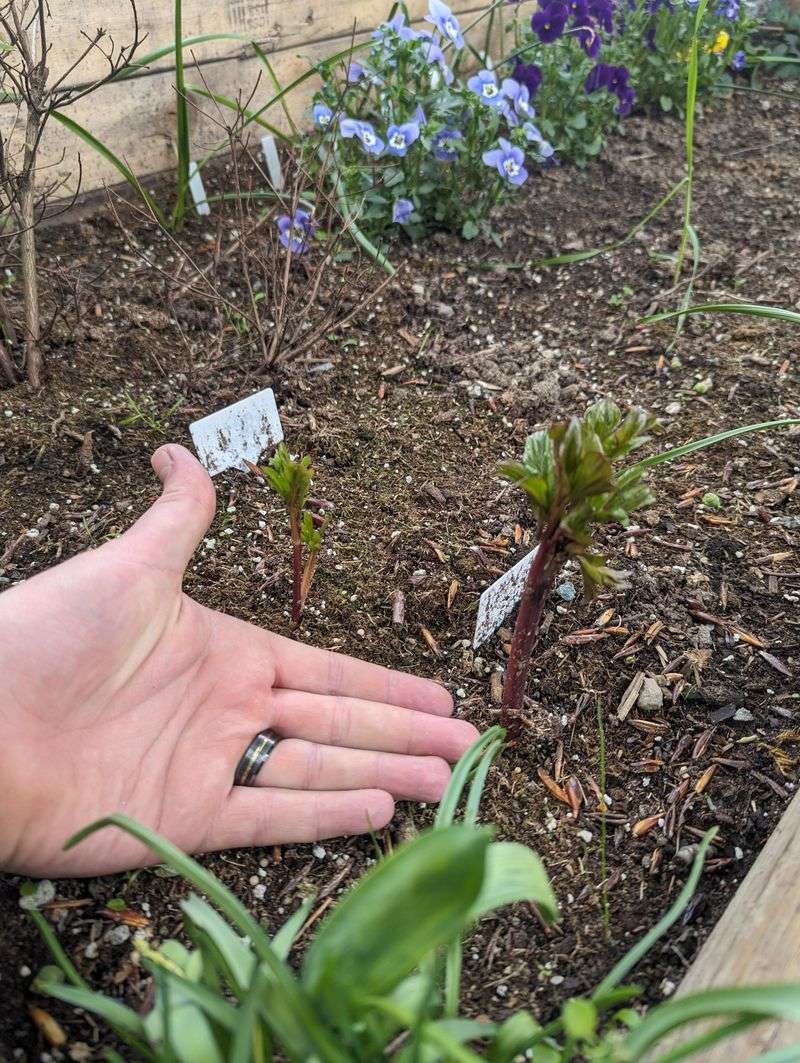
A peony that grows plenty of green leaves but skips flowering year after year is one of the clearest signs of a depth problem. Gardeners often blame the variety or the weather, when the real issue is sitting quietly underground the whole time.
The pattern usually shows up every spring, when neighboring peonies push out buds on schedule and yours stays leafy and bare. Stems on a too-deep plant also tend to look shorter and more crowded than a healthy clump nearby.
Soil settling is the most common cause in North Carolina’s clay-heavy yards, where rain packs the ground down season after season. A few years of fall mulch piled a little too generously can quietly add to that buried depth.
Your North Carolina Garden Changes Every Week. Your Plan Should Too.
Gardening in North Carolina changes quickly throughout the season. Every Friday you’ll receive a simple weekly plan showing exactly what to plant, prune, fertilize, harvest, and protect so you never miss the right timing.
A fast way to confirm the issue is scraping back about an inch of soil near the base stems in September. If the pink eyes sit noticeably lower than that, depth is very likely behind the missing blooms.
Older clumps carry the highest risk, particularly ones planted more than five years ago without ever being lifted or checked. A plant only a season or two in the ground rarely has time to settle that far down.
Newer gardeners sometimes assume a slow bloomer just needs more time, but checking depth early saves years of guessing. Five minutes with a trowel in September answers the question faster than another disappointing May.
The Ideal Depth For North Carolina Soil
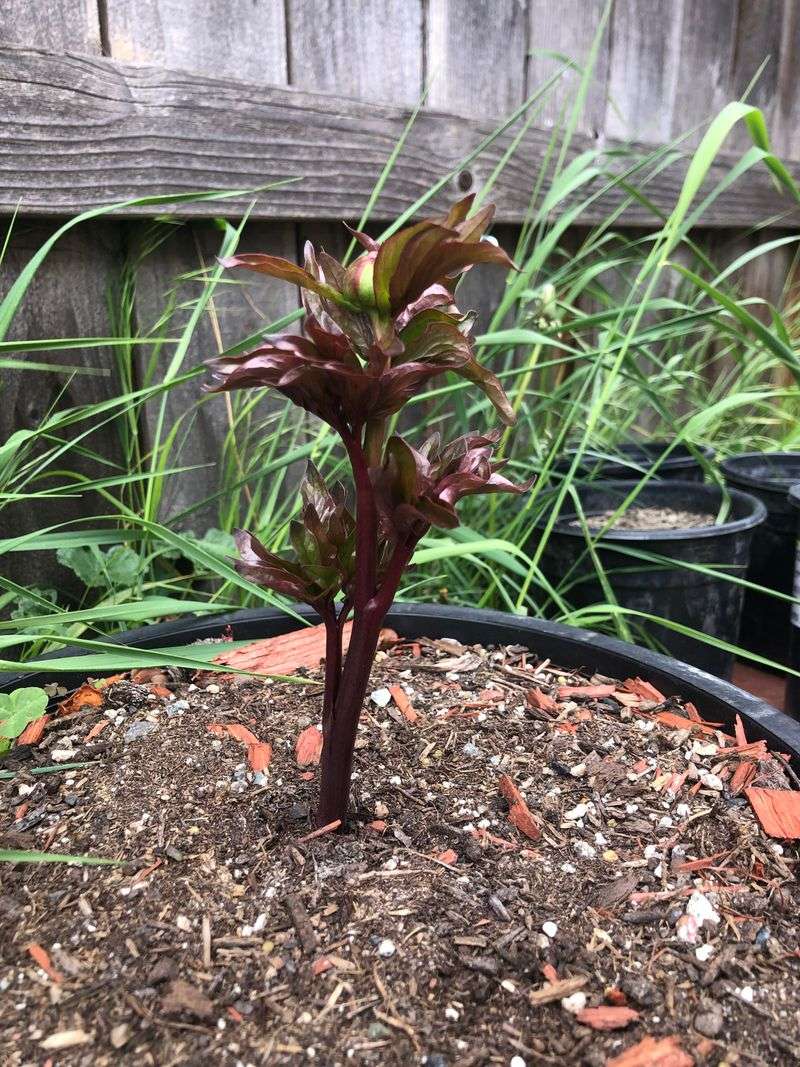
North Carolina gardeners get one number wrong more than any other, and that number is depth. In the Piedmont and Coastal Plain, peony eyes belong roughly half an inch to one inch below the soil surface, not deeper.
That is shallower than the planting charts many people follow, which were written for colder Northern gardens. Up in Minnesota or Ohio, growers bury eyes two inches down for winter insulation against hard freezes.
Our winters rarely reach that same severity, so the extra soil meant to protect Northern crowns ends up blocking Southern blooms instead. Eyes need a real stretch of cold air to trigger flower formation, and too much soil on top mutes that signal.
Mountain gardens in Asheville or Boone can lean toward the deeper end of that range, closer to a full inch. Warmer spots east of Raleigh, including much of the Coastal Plain, do better staying closer to half an inch.
Sandy soil also drains and settles differently than heavy clay, so a light check each September helps confirm the number still holds. A tape measure or a marked stick works better than guessing by eye, since half an inch makes a real difference here.
Getting this number right the first time saves years of watching a healthy-looking plant produce nothing but leaves. It is worth writing the exact depth on a garden tag so future soil work does not undo the fix.
Tools And Steps For Checking Depth
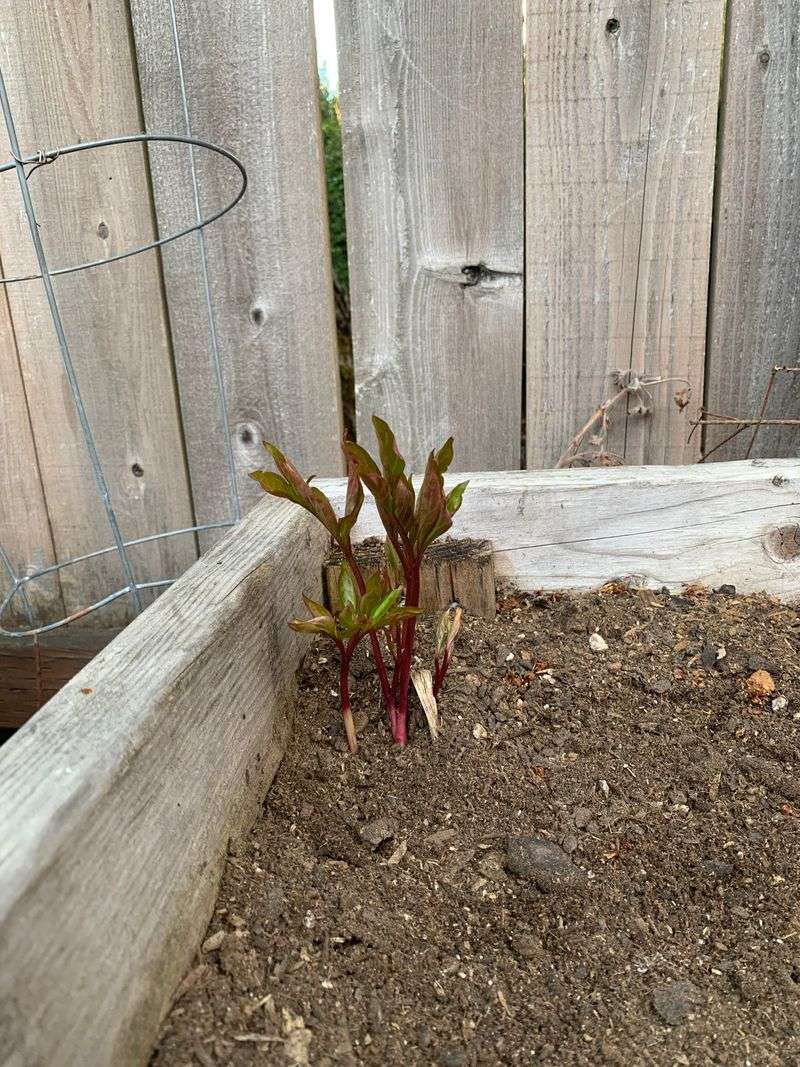
Checking peony depth does not call for anything fancy, just a few tools most gardeners already own. A hand trowel, a soft brush, and a ruler or tape measure are enough to get an accurate reading.
Start by clearing away any mulch sitting on top of the crown before touching the soil itself. Mulch can hide an inch or more of buildup, which throws off any measurement taken before it is moved.
Use the trowel to gently scrape soil away from one side of the crown rather than digging straight down. Working from the side protects the brittle eyes, which snap easily if a blade catches them directly.
Switch to the soft brush once you get close, since bristles reveal the eyes without nicking them. A paintbrush works well here and keeps the search gentle around such a fragile part of the plant.
Once the eyes are visible, set the ruler flat against the soil surface and read straight down to the buds. Check two or three spots around the crown, since depth is rarely perfectly even on all sides.
Take the measurement on a dry day, since wet soil compacts differently and can throw the reading off. A garden fork nearby is handy too, in case the check reveals a crown that needs lifting right away.
Jot the number down before recovering the crown, so you have a clear record to compare against next September.
Resetting A Crown Without Harming The Eyes
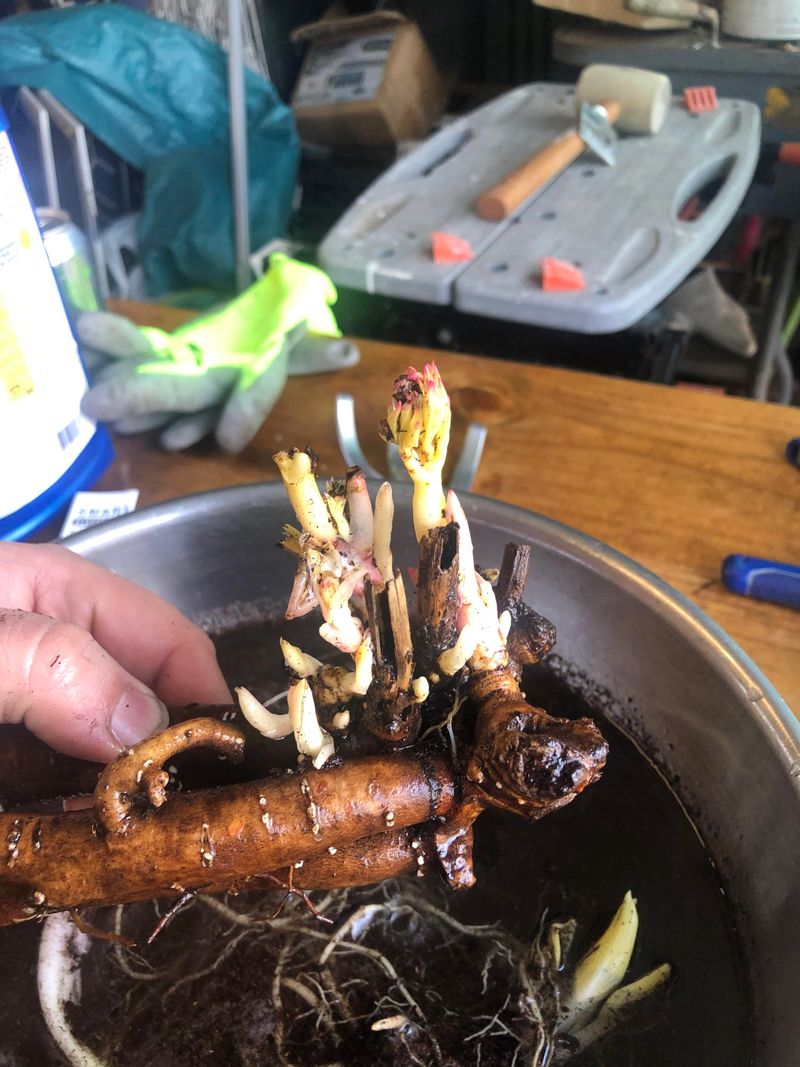
Once a crown is confirmed too deep, lifting it out is the only real fix, and September gives the job good timing. Slide a spading fork into the soil about a foot away from the stems, angled slightly toward the crown.
Rock the fork gently rather than prying hard, since the roots underneath are brittle and snap under pressure. Work your way around the full circle before attempting to lift, freeing the roots evenly on every side.
Once loose, lift the clump straight up and set it on a tarp so soil does not scatter across the bed. Rinse the roots with a garden hose to see the eyes clearly through the clinging red clay.
Dig the planting hole a little wider and shallower than feels natural, since the instinct is usually to go too deep. Set the crown so the eyes end up half an inch to one inch below the finished soil line.
Backfill in stages, firming gently with your hands rather than pressing the soil down hard around the eyes. Water slowly right after replanting, letting it settle the soil naturally around the roots without any packing.
Skip piling mulch directly over the crown, and keep it in a loose ring a few inches out instead. A stake nearby marks the spot clearly, so no one disturbs the reset plant while it settles in.
Give the whole area a final look before walking away, checking that no eyes ended up exposed at the surface.
What To Expect After A Depth Correction
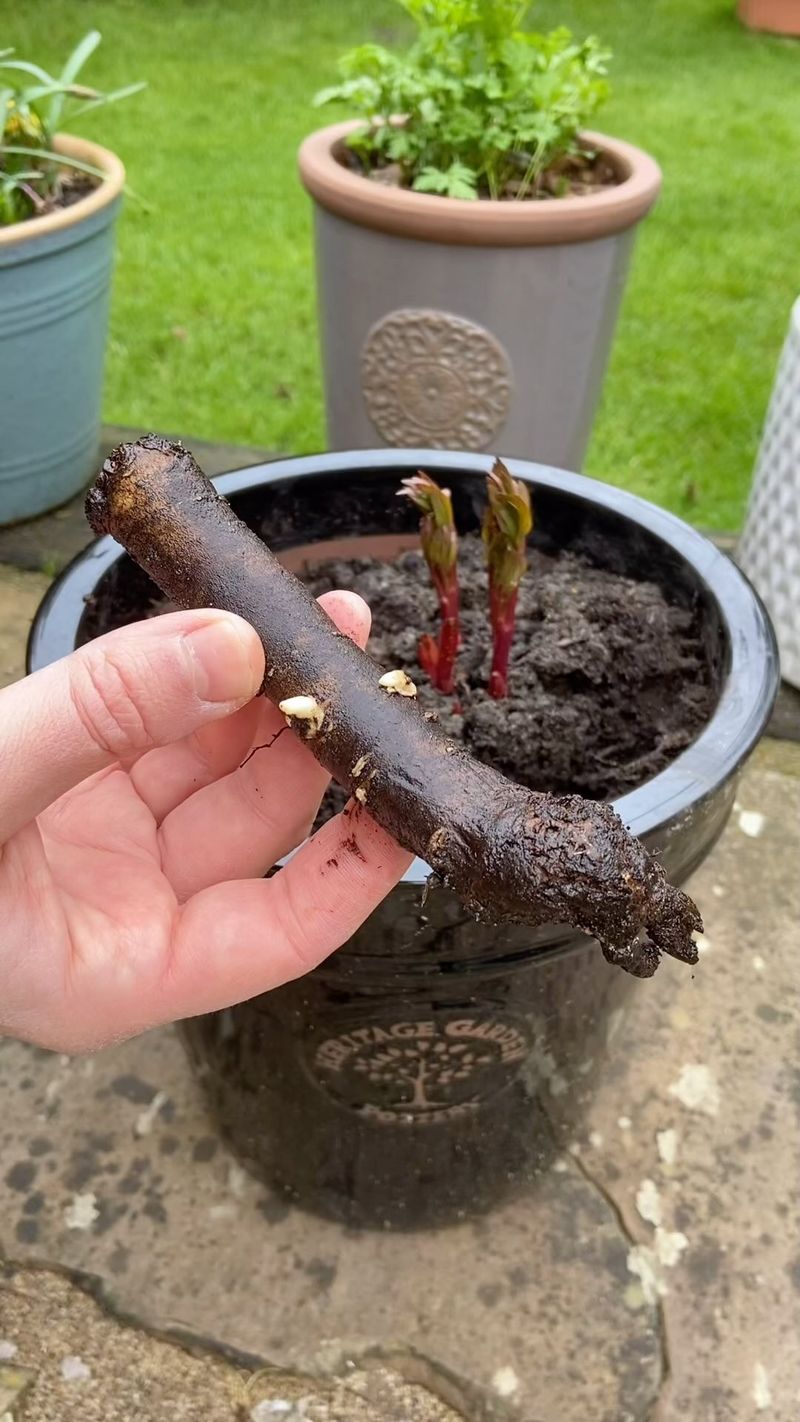
A freshly reset peony rarely puts on a show the following spring, and that pause is a normal part of the process. The roots spend that first year rebuilding the fine feeder hairs lost during lifting and replanting.
Expect mostly leaves in year one, with maybe a single small bloom if the plant settled in well. Year two usually brings a modest handful of flowers, a clear sign the crown is adjusting properly.
By year three, a correctly reset peony should be back to a full, generous flush of blooms. Patience matters more here than any extra feeding or attention during that adjustment window.
Resist the urge to fertilize heavily during the first spring, since pushing growth too fast can stress a settling crown. A light feeding in fall, once the plant is dormant again, supports the roots without forcing new leaves.
Watch the eyes each September during this period, since soil can shift again while the plant is still establishing. A quick check with a ruler confirms the depth is holding steady from one year to the next.
Keep a simple note of the date and depth each time you check, so the pattern is easy to track. Once the clump settles into its corrected depth, it typically holds that position for a decade or longer.
That long stretch of reliable blooming is exactly why the September check is worth the effort now.