Why Praying Mantis Egg Cases Are Suddenly Showing Up On Tennessee Porches And Fences
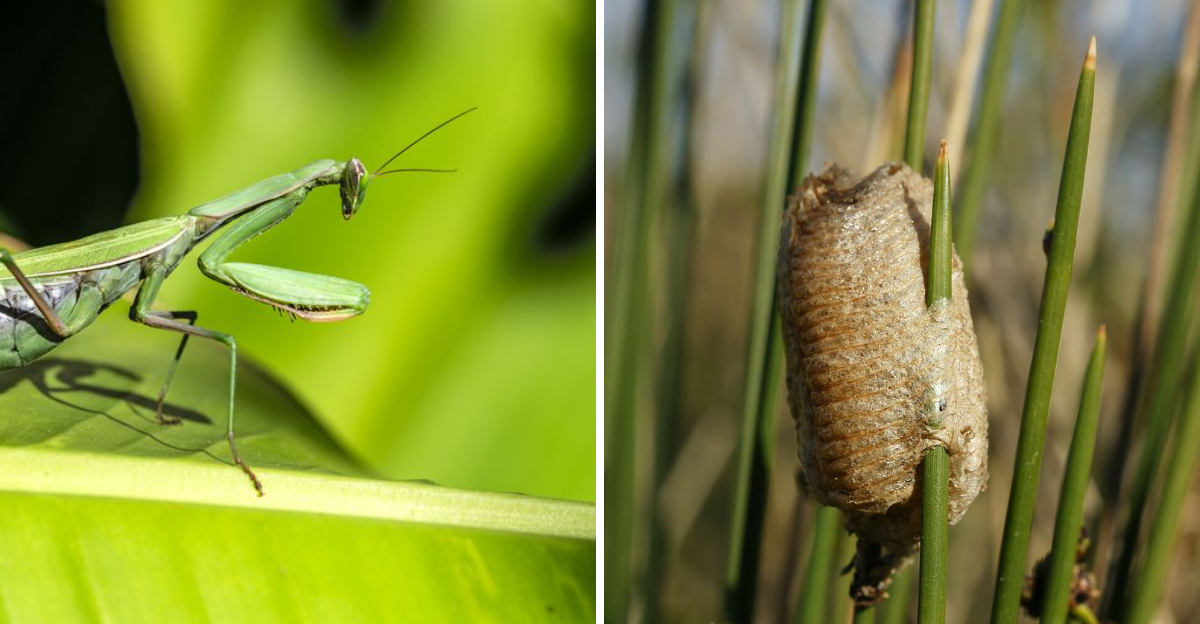
Brown lumps are multiplying on porches, and nobody warned you first. You spot a lump stuck to the rail beside your coffee. Another shows up on the fence post days later. Tennessee residents keep finding these blobs on siding and gutters.
Grill covers and patio chairs are not safe either. Removing them feels tempting, yet curiosity often stops your hand. These clusters resemble hardened marshmallow foam, tan and lumpy. Inside, something is quietly forming, building toward a reveal.
July skies held no trace of them anywhere nearby. Now Tennessee porches wear them, and the timing matters. Neighbors debate whether to brush them off or wait. Each choice carries weight, and patience changes the outcome.
That story starts with warmth, humidity, and busy insects. Understanding what actually causes this strange invasion changes how you handle your entire porch permanently. Here’s exactly what’s crawling toward your porch, and why it matters.
1. Cooler Nights Push Females Toward Warm Surfaces

Late September in Tennessee has a certain feel to it. Mornings turn crisp, afternoons still warm up, and insects start behaving differently.
Female mantises spend the season hunting in tall grass and shrubs. As temperatures drop, they search for spots that hold heat and stay dry through winter.
Wood railings, vinyl siding, and metal fence posts soak up afternoon sun and release it slowly. To a mantis carrying a heavy load of eggs, that warmth reads like a safe nursery.
Vegetation, by comparison, gets soggy and collapses under snow. A porch beam stays put, stays above the mud, and rarely floods.
Tennessee weather swings hard between mild spells and sudden cold snaps. Egg cases attached to buildings ride out those swings better than ones stuck to a bending weed stem.
You may notice the cases sitting on the south or west side of your house. Those walls catch the most afternoon sun, and mantises seem to pick up on that pattern.
Height matters too. Most cases show up at a modest height off the ground, high enough to avoid standing water and hungry ground crawlers.
If you have been finding several in one small area, the same female may have laid two or three batches over a few weeks. She can produce more than one case in a single autumn.
Understanding the heat-seeking habit takes the mystery out of the sightings. Your porch simply looks like a great winter apartment to a mantis with eggs to protect.
2. Late-Season Mantis Populations Peak Right Around Fall
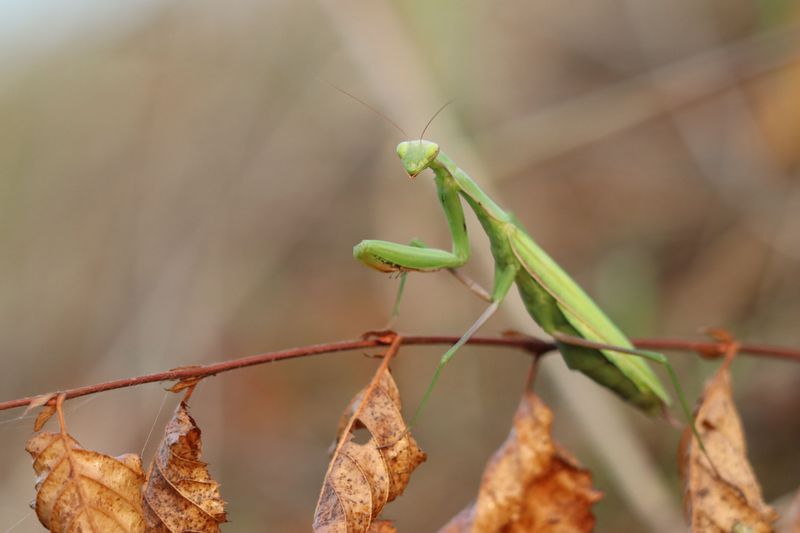
Here is a bit of insect math that surprises most people. Mantises hatch by the dozens in spring, but only a handful reach full size.
Those survivors spend all summer eating, growing, and shedding their skin. By September and October, they are as big as they will ever get.
A full-grown female in Tennessee can stretch three to four inches long. She is also the most visible she has ever been, which is why sightings spike in fall.
Mating happens in late summer, and egg-laying follows within weeks. Every mature female is looking for a place to leave her legacy at roughly the same time.
Your Tennessee Garden Changes Every Week. Your Plan Should Too.
Gardening in Tennessee changes quickly throughout the season. Every Friday you’ll receive a simple weekly plan showing exactly what to plant, prune, fertilize, harvest, and protect so you never miss the right timing.
That synchronized timing creates the illusion of a sudden invasion. In truth, the population has been building quietly since April.
Warm, wet summers help too. More rain means more plants, more plant-eating bugs, and more food for hungry young mantises trying to survive.
Wetter growing seasons in Tennessee may have contributed to higher insect numbers overall. Predators like mantises benefit from that abundance.
Another factor is simple visibility. Once leaves start thinning out, egg cases that would have been hidden behind foliage suddenly stand out against bare wood and siding.
You are probably not seeing more mantises than usual. You are seeing them at the peak of their yearly cycle, in the one month when they are easiest to notice.
Fun detail: a single case can hold well over a hundred eggs, with exact numbers varying by species.
3. Chinese Mantis Populations Have Spread Across Tennessee
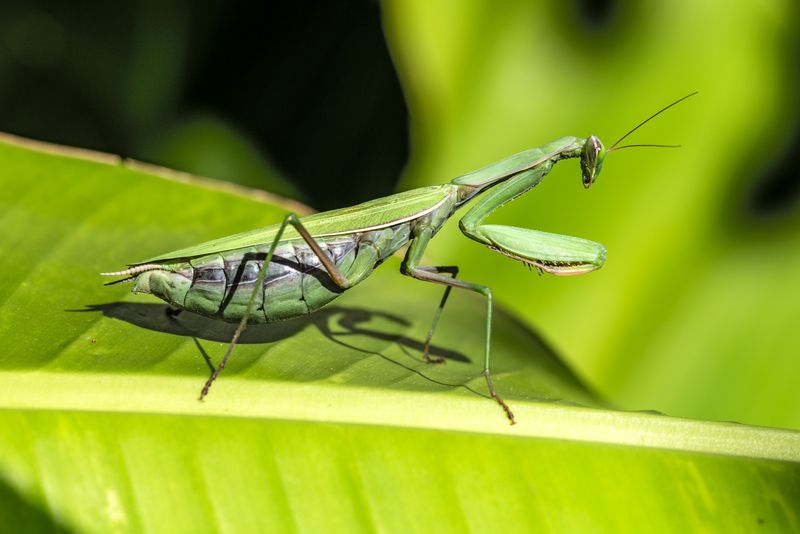
Not every mantis in your yard is a Tennessee native. The big one on your fence is likely a Chinese mantis, an import that arrived in the United States back in 1896.
Nurserymen near Philadelphia are credited with the accidental introduction. The species took to American gardens and spread steadily south and west.
Chinese mantises are larger than our native Carolina mantis, and they lay bigger, rounder egg cases. That size difference is why the blobs on your porch look so noticeable.
Carolina mantis cases are flatter and longer, almost like a narrow ridge of gray foam. Chinese cases look puffy and tan, roughly the shape of a squashed golf ball.
Gardeners also bought Chinese mantis egg cases by the thousands for decades, hoping to control garden pests. Many of those released mantises established local populations.
Once a female matures, she does not travel far. Neighborhood populations tend to stay put and grow year after year.
Suburban yards suit them well. Ornamental shrubs, flower beds, and mulch offer cover, while porch lights draw in moths and beetles for easy meals.
Native Carolina mantises still live here, though they are smaller and blend in better with dry stems. You may have both species in the same yard without realizing it.
Telling them apart is a fun backyard project. Grab a photo, compare the egg case shape, and you will usually have your answer within a minute or two.
4. Porch Lights Turn Your Home Into A Praying Mantis Hunting Ground

Turn on a porch light in August and watch what happens. Moths, beetles, lacewings, and midges swirl in within minutes. Mantises figured out this trick a long time ago. Where prey gathers, hunters follow.
A female that spends weeks feeding near your entryway has little reason to wander off when it comes time to lay eggs. She uses the surface right in front of her.
That explains why so many cases show up near doors, garage lights, and window frames. The steady insect traffic made your walls a prime hunting ground.
Screen doors and window screens are especially popular. The mesh gives a mantis something to grip while she works, and the overhang keeps rain off.
If you want fewer cases near the front door, swapping to warm amber or yellow bulbs helps a great deal. Those wavelengths attract far fewer flying insects.
Motion-sensor lights are another easy fix. Fewer hours of light means fewer moths and fewer reasons for a mantis to set up shop.
Some folks go the opposite direction on purpose. If you enjoy watching mantises, a bright porch light basically guarantees front-row seats all summer.
Either way, the connection is worth understanding. Egg cases are not random, and they are not a sign that something is wrong with your house.
Your lighting choices shaped the whole scene. A small bulb change in spring can quietly redirect next year’s mantises back into the shrubs where they blend in.
5. Mild Tennessee Winters Improve Egg Case Success
Weather records tell part of this story. Tennessee winters have generally trended milder in recent decades.
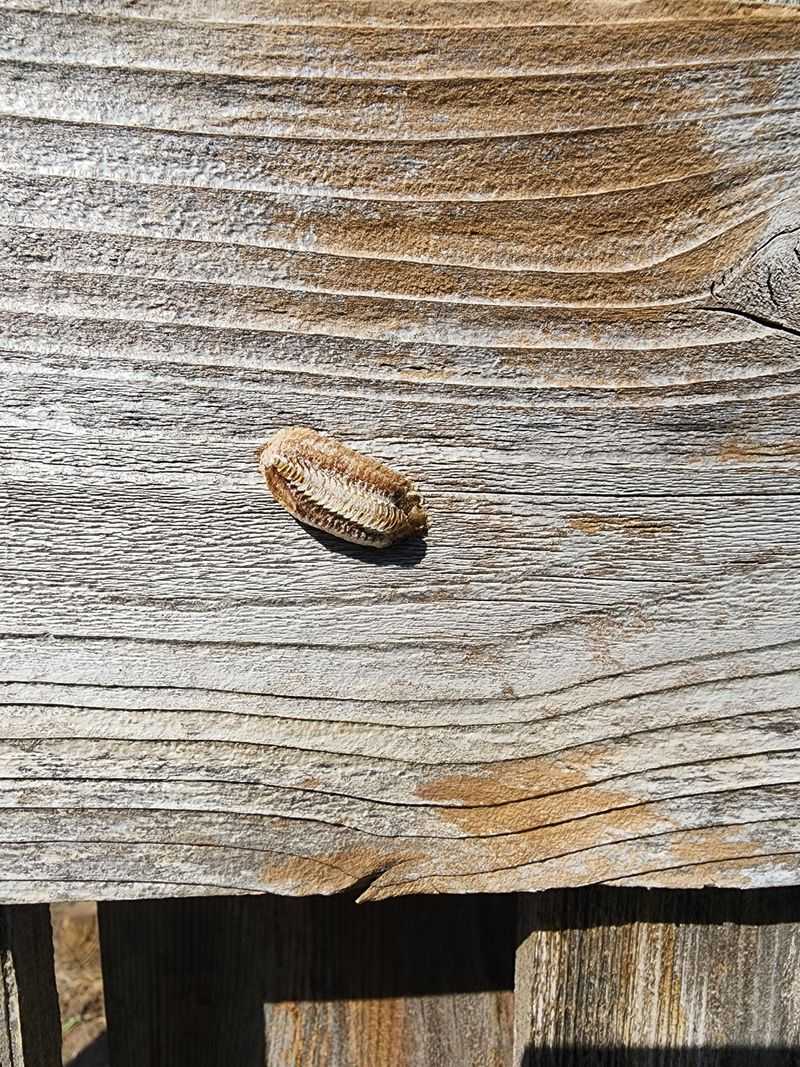
Egg cases handle freezing temperatures well, thanks to a foam shell that hardens into a tough, insulating crust. Still, severe cold and repeated freeze-thaw cycles take a toll.
Gentler winters mean a higher share of eggs make it to spring. More hatchlings in April translates to more adults the following fall.
Over several seasons, that adds up. A neighborhood that saw one or two cases a few years back might notice a dozen now.
The foam itself is remarkable stuff. A female whips it up as she lays, and it hardens within a short time into a papery material.
Scientists call the case an ootheca, which is just a fancy word for egg container. The chambers inside are stacked in neat rows like tiny apartments.
Snow cover can help insulate cases on lower fence rails, while cases higher on a wall face more wind exposure but tend to stay drier.
Tennessee’s mix of humidity and mild cold sits in a comfortable middle range for these insects. Not so wet that mold takes over, not so cold that the eggs are damaged.
None of this means mantises are taking over. It simply means conditions have been favorable, and you are seeing the result stuck to your fence. Give it a colder winter or two, and numbers will settle back down.
6. Gardeners Buying Egg Cases Online Boosts Local Numbers
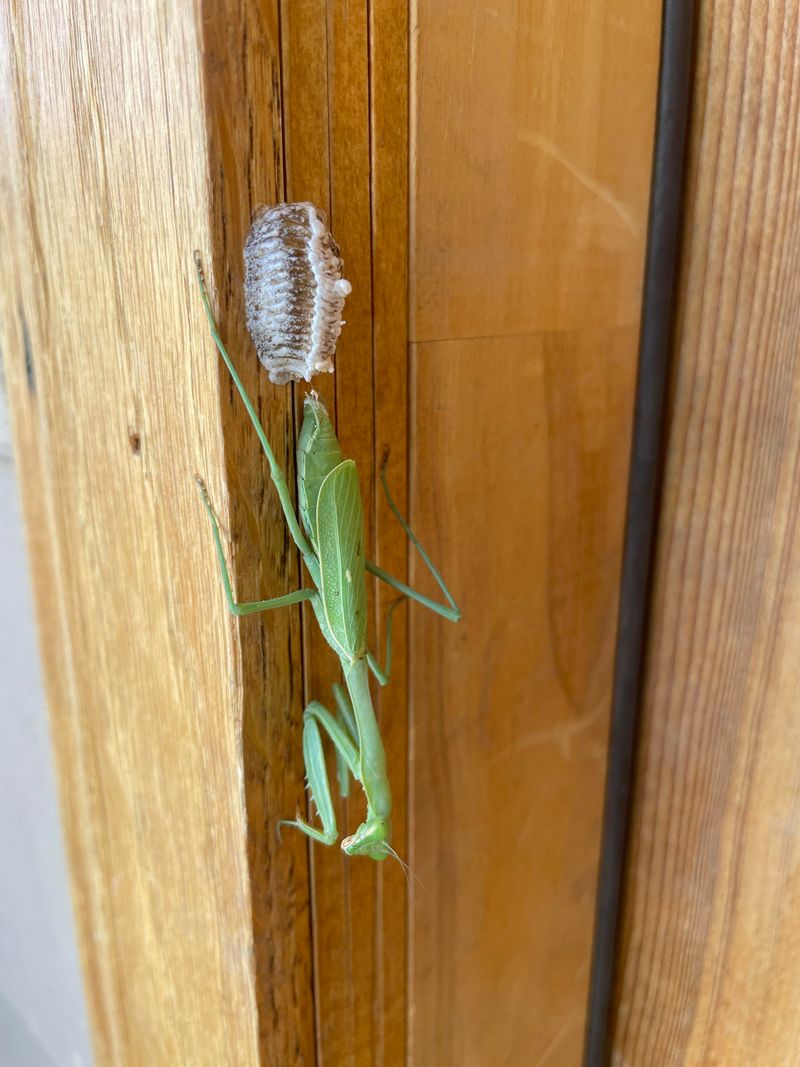
Walk through any garden center in March and you will spot small mesh bags holding tan egg cases. Organic gardeners have been buying them for generations.
The pitch is simple: release beneficial predators, skip the sprays. Plenty of Tennessee gardeners have taken that route.
Each purchased case can release well over a hundred nymphs. Most get eaten by birds and spiders, but a few always slip through.
Those survivors grow up, mate, and lay their own cases nearby. One bag bought at a garden shop can seed a whole street over a couple of seasons.
Online ordering made the practice even more common. Cases now ship to doorsteps across the state every spring, often in bundles of three or more.
School science classes get in on it too. Kids hatch mantises indoors, then release them into schoolyards and backyards around town.
Add up the hobby gardeners, the classrooms, and the folks who just think mantises are cool, and you get a steady release of insects into suburban Tennessee.
Researchers do caution that mantises eat indiscriminately. Aphids and cabbage worms are on the menu, but so are pollinators and other helpful bugs.
If you release cases, hanging them in shrubs away from flower beds gives native insects a better shot. Placement makes a real difference.
So when a case turns up on your fence, there is a fair chance its great-grandparents arrived in a cardboard shipping box.
7. How To Tell An Egg Case From Something Else

Plenty of odd things stick to houses in fall. Wasp nests, spider sacs, mud dauber tubes, and bagworm cases all cause confusion.
A mantis ootheca has a distinct look once you know it. Picture stiff beige foam, roughly walnut-sized, with a raised ridge running down the center.
The texture resembles hardened marshmallow or dried spray foam. Fresh ones feel slightly soft and look creamy; older ones turn tan or gray and feel like stiff paper.
Chinese mantis cases are rounded and chunky. Carolina mantis cases are slimmer and stretched out, often clinging tight along a stem or board.
Wasp nests, by contrast, have visible hexagonal cells and a papery gray finish. Spider egg sacs look silky and smooth, not foamy or ridged.
Mud dauber nests are exactly what the name suggests, hardened mud tubes lined up side by side. Nothing about them resembles foam.
Bagworm cases hang loose and have bits of leaf or needle woven onto the outside. Mantis cases stay firmly cemented in place. Give it a gentle tap. An ootheca feels solid and does not crumble or flake apart easily.
Snapping a clear photo and comparing it online takes about two minutes. University extension websites in Tennessee have good reference pictures.
Correct identification saves you from removing something harmless or ignoring something that actually needs attention. A quick look usually settles it.
8. What To Do When You Find One On Your House
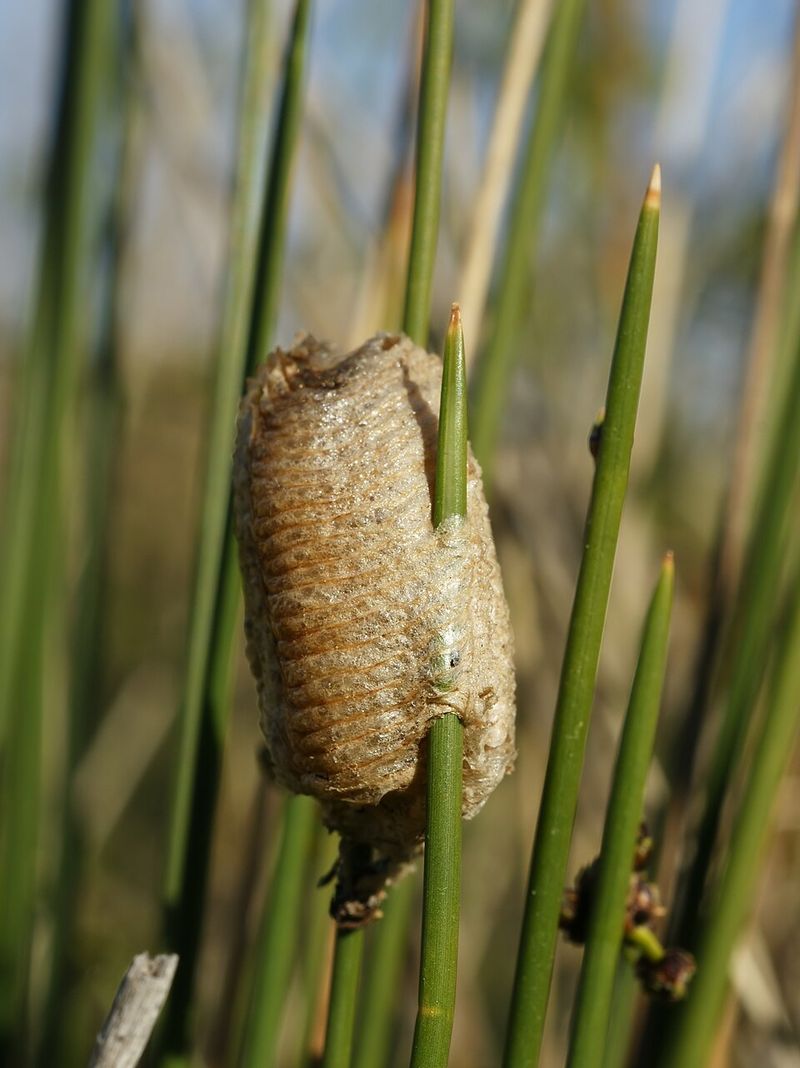
Good news first: nothing about an ootheca threatens your home. The eggs will not damage wood, siding, paint, or anything structural.
Leaving it alone is a solid choice. Come late spring, tiny nymphs emerge, scatter into the yard, and start eating garden pests.
If the case sits somewhere inconvenient, like a door frame or grill cover, relocation is easy. Slide a putty knife or an old butter knife under the base and lift gently.
Attach it to a shrub branch or fence post a few feet off the ground. A twist tie or a bit of string holds it in place fine.
Timing helps. Moving cases in late fall or winter, while everything is dormant, causes the least disruption.
Keep them outdoors. A case brought inside will hatch early in the warmth, and hundreds of nymphs indoors can be difficult to manage.
Aim for a spot with some sun and shelter from strong wind. Near a garden bed works nicely, since food will be close by for the hatchlings.
If you have several cases in one area, spread them out. Nymphs will eat each other when crowded, so distance improves survival odds.
Watching a hatch can be an interesting experience. Hundreds of pinhead-sized mantises emerge over a few minutes, and many children find it engaging.
Mark your calendar for May and check the case now and then. You might catch the whole show.