Why Texas Scorpions Start Moving Inside More Aggressively In September
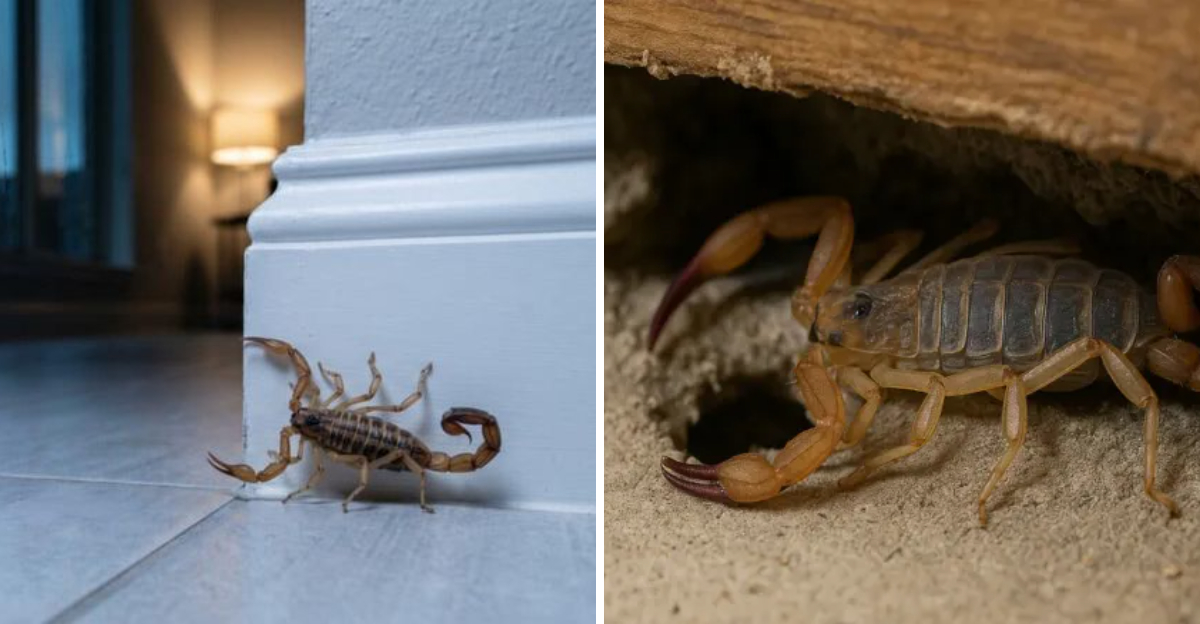
Texas homeowners who managed scorpion encounters through summer with reasonable success often get caught off guard in September. The precautions that seemed sufficient through the hotter months suddenly feel less reliable.
Indoor sightings increase. Scorpions start appearing in places they haven’t been all season. The situation that felt manageable begins to feel like it has shifted. It has. And there are specific reasons why.
Scorpion behavior changes meaningfully in September, driven by cooling temperatures, shifting prey activity, and biological pressures that push these animals toward warm, sheltered interiors with more persistence than they showed through summer.
Understanding what’s driving that movement is more useful than simply intensifying the same precautions that weren’t quite working anymore.
This shift happens every year at roughly the same point in the season. Knowing it’s coming and understanding why gives Texas homeowners a real advantage in staying ahead of it.
1. Cooling Temperatures Push Them Toward Warmth
Texas summers roar with heat, but September starts easing those triple-digit days into cooler nights. Scorpions feel that shift long before we grab a light jacket.
These creatures are cold-blooded, meaning their body temperature matches their surroundings. When outdoor air drops, they search for spots that hold steady warmth.
Your home becomes a cozy target. Walls trap heat, and appliances give off gentle warmth that scorpions find inviting.
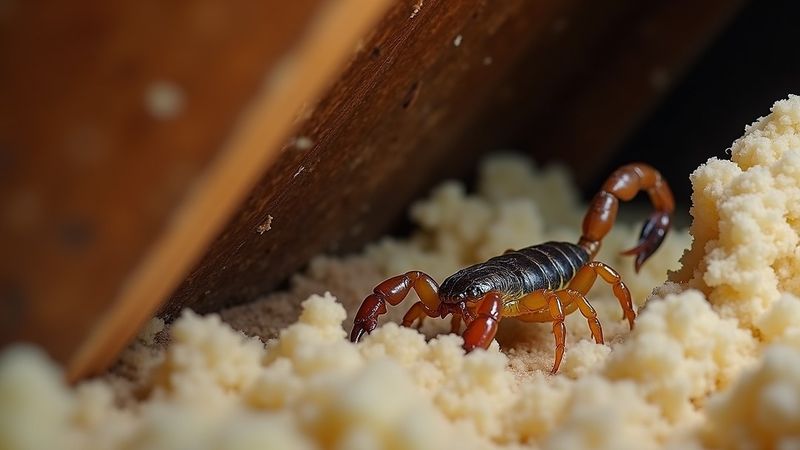
The striped bark scorpion, one of the most widespread scorpion species in Texas, is especially good at squeezing into tight, warm gaps. A crack the width of a credit card is plenty of room.
Nighttime is when they roam most. As evenings cool faster in September, they move indoors looking for a comfortable resting place.
Attics, garages, and wall voids stay warmer than the yard. That temperature gap grows sharper as fall settles across the state.
You can slow them down by sealing gaps around doors and windows. Weather stripping does double duty by keeping heat in and scorpions out.
Check where pipes and wires enter your walls. Those hidden openings are like open invitations during this cooler stretch.
Keeping firewood and clutter away from your foundation also helps. Scorpions love to hide in warm piles close to the house before slipping inside.
The change is gradual, so you might notice more sightings over a few weeks rather than all at once. That slow creep is simply them following the warmth.
Once you understand this temperature chase, the timing feels far less mysterious. They are just chilly guests trying to warm up.
2. Late Summer Rains Flood Their Outdoor Homes
September often brings scattered storms across much of Texas. Those rains soak the ground where scorpions usually live.
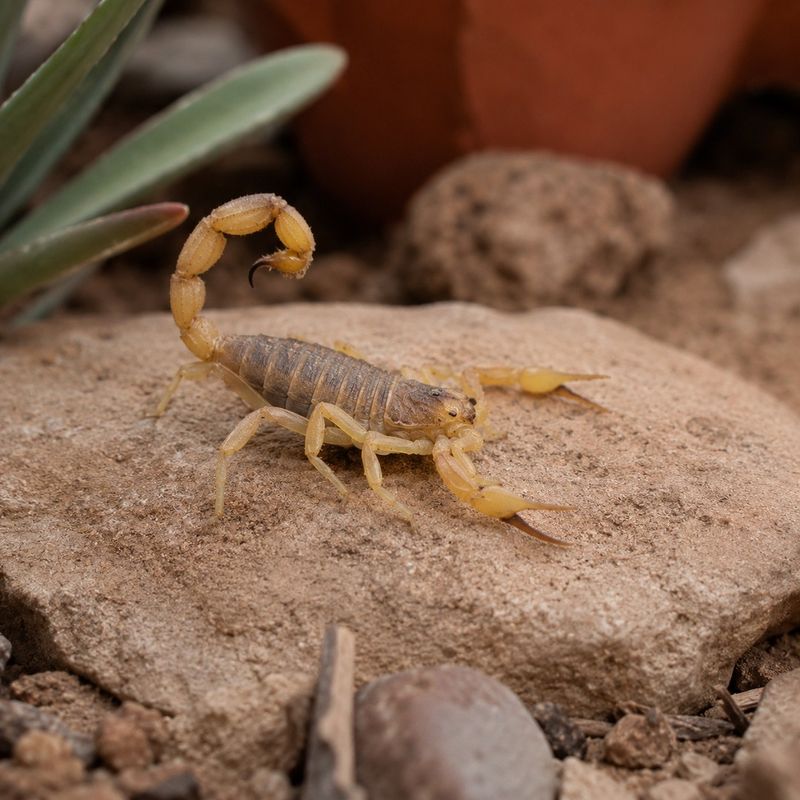
Scorpions dig burrows or hide under rocks, logs, and mulch. When water fills those spaces, they have to leave in a hurry.
Picture your favorite hiding spot suddenly turning soggy. You would head for higher, drier ground too.
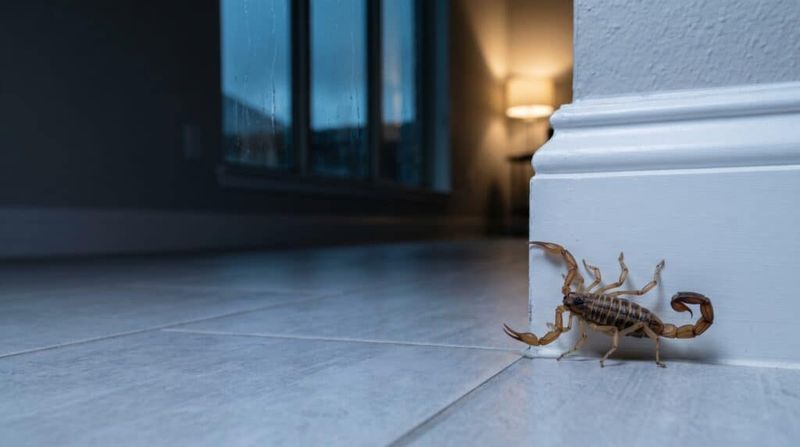
For a scorpion, the nearest dry shelter might be the space beneath your front door. That damp escape route leads straight into your home.
Your Texas Garden Changes Every Week. Your Plan Should Too.
Gardening in Texas changes quickly throughout the season. Every Friday you’ll receive a simple weekly plan showing exactly what to plant, prune, fertilize, harvest, and protect so you never miss the right timing.
Heavy downpours can push dozens of them out of the soil at once. This explains why sightings sometimes spike right after a storm rolls through.
Foundations and slab edges become gathering points. Water runs off the yard and settles near the house, driving scorpions toward the walls.
Good drainage around your property makes a real difference. Sloping soil away from the foundation gives storm water somewhere else to go.
Clearing gutters helps too. Overflowing gutters dump water right where scorpions least want it, nudging them closer to your entry points.
Reducing thick mulch beds near the house lowers the number of soggy hideouts. Gravel borders tend to be less appealing to them.
After a rainy stretch, take a quick look around your doorways at night with a flashlight. Scorpions glow under ultraviolet light, which makes spotting them easier.
The connection between rain and indoor visitors is strong in early fall. Once the ground dries, the rush usually eases back down.
Knowing this pattern lets you stay a step ahead after each September shower.
3. Hunting For Insects That Also Move Inside
Scorpions are hunters, and they follow their food. In September, many insects start drifting indoors, and the scorpions trail right behind them.
Crickets, roaches, and small spiders make up a big part of a scorpion’s menu. Where the prey goes, the predator follows.
Fall triggers many bugs to seek shelter as the season changes. Your warm, food-filled home is a buffet for them and, in turn, for scorpions.
Think of it like a food chain sneaking through your walls. Fix the bottom of that chain, and the top loses interest.
Crickets are a favorite target. Texas sees plenty of them in late summer, and their numbers help draw scorpions closer.
Reducing insects is one of the smartest moves you can make. Fewer bugs means fewer reasons for scorpions to visit.
Keep kitchen crumbs cleaned up and store food in sealed containers. A tidy kitchen quietly cuts down the insect crowd.
Outdoor lights near doors attract flying bugs at night. Switching to yellow bulbs or moving lights away from entries lowers that gathering.
Sealing cracks blocks both the insects and the scorpions chasing them. Every gap you close breaks part of the food trail.
Regular sweeping in garages and along baseboards removes hidden snacks. Scorpions lose interest when the pantry runs bare.
Watching the insect activity around your home gives you clues. A rise in crickets often hints that scorpions may not be far behind.
Handle the bug problem, and the eight-legged hunters tend to wander elsewhere for their meals.
4. Seeking Moisture During Dry Spells
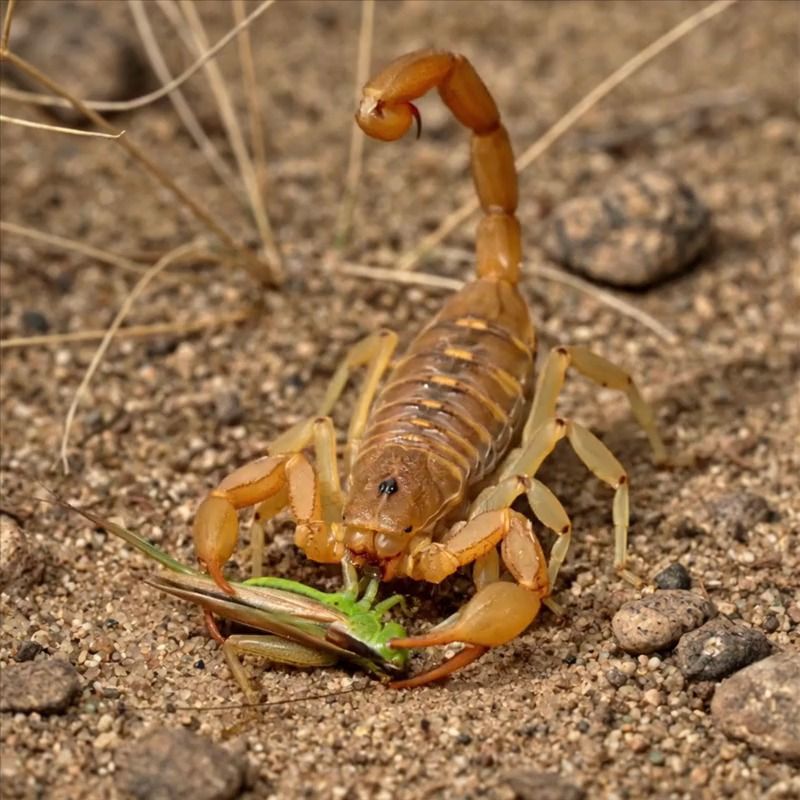
Not every September in Texas is rainy. Some stretches turn bone-dry, and that thirst sends scorpions searching for water.
These creatures can go a long while without a meal, but they still need moisture. Dry soil pushes them toward damp places.
Bathrooms and kitchens become prime targets. Sinks, drains, and tubs hold the humidity a scorpion craves during a dry spell.
Ever found one curled up in a bathtub? That is often a scorpion that climbed in for water and could not scale the slick sides back out.
Laundry rooms attract them too. The moisture around washing machines feels like an oasis when the yard turns to dust.
Fixing leaky faucets removes an easy water source. A slow drip may seem harmless, but to a thirsty scorpion it is a welcome sign.
Wiping down sinks before bed helps as well. Less standing water means fewer reasons for them to linger in your bathroom.
Check under sinks for hidden dampness. Cabinets with slow leaks can become quiet hideouts you never think to inspect.
Running a dehumidifier in muggy rooms lowers the appeal. Scorpions prefer spots where moisture collects easily.
Covering drains overnight can block a common entry path. During a dry September, indoor humidity becomes a magnet. Balancing that moisture makes your home far less tempting.
Pay attention to the weather forecast. Long rainless periods often line up with more indoor scorpion visits looking for a drink.
5. Mating Season Sparks Restless Wandering
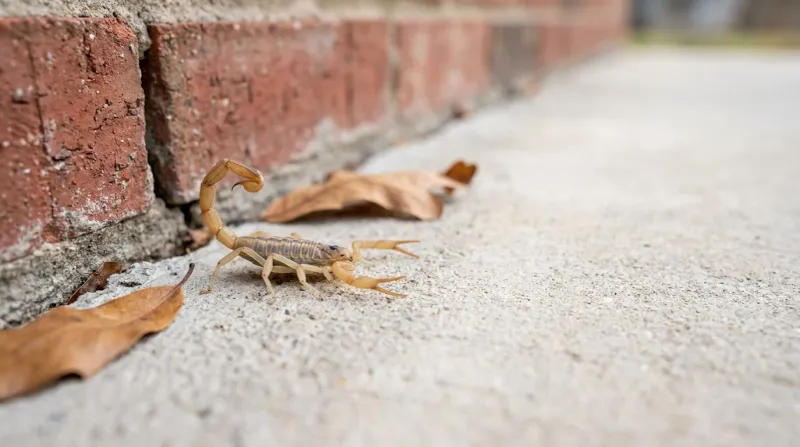
Late summer and early fall stir up romance in the scorpion world. September falls within a stretch when many of them roam to find mates.
Male scorpions especially tend to wander during this time. Their search for a partner sends them traveling farther than usual.
All that movement raises the odds of one stumbling into your home. A restless scorpion covers a lot of ground in a single night.
Think of it as their busy travel season. More wandering simply means more chances to cross paths with a doorway.
The striped bark scorpion is active in warm months and stays busy well into fall. That extended activity keeps them on the move.
Female scorpions may also be carrying young during this period. A single one slipping indoors can feel like an unwelcome surprise.
Reducing outdoor hiding spots near your home lowers the traffic. Trimmed shrubs and cleared debris give wandering scorpions fewer stops.
Keeping your Texas yard tidy makes the journey less inviting. Scorpions prefer routes lined with shelter and shade.
Motion during their active hours peaks after dark. Late-night flashlight checks around the foundation can reveal how many are roaming.
Sealing entry points matters even more during this restless stretch. One wandering scorpion needs only a tiny gap to slip inside.
Knowing that fall stirs their travel habits helps explain the timing. They are not targeting your home on purpose.
They are simply busy explorers, and your house happens to sit along the path. A little prevention keeps their journey outdoors.
6. Shorter Days Change Their Active Hours
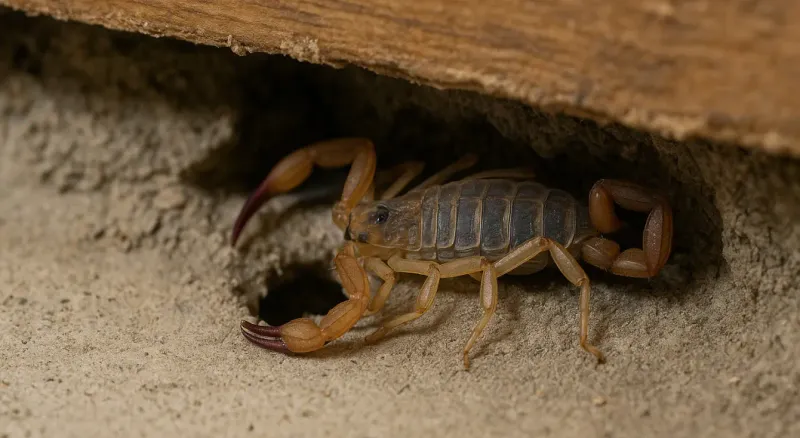
As September rolls on, daylight gets noticeably shorter. That shift nudges scorpions to adjust when they come out to hunt.
Scorpions are mostly night creatures. With darkness arriving earlier, their active window starts sooner in the evening.
You might spot them at times you never did in midsummer. Dusk becomes prime scorpion hour as the season changes.
Longer nights give them more time to explore. Extra roaming hours raise the chance of one wandering toward your porch.
The change in light also affects their prey. Insects shift their schedules too, and scorpions follow along.
Evening becomes a busy stretch around doorways. Porch lights glowing at dusk draw bugs, which in turn attract hungry scorpions.
Adjusting your outdoor lighting habits helps. Keeping bright lights off near entries during early evening lowers the crowd.
A blacklight flashlight is a handy tool now. Scorpions glow bright under it, making dusk patrols surprisingly effective.
Checking your Texas home earlier in the evening catches them before they settle in. Timing your sweeps to their new schedule works better.
Sealing gaps stays important as their hours stretch. More active time means more attempts to find a way indoors.
Kids and pets often play outside at dusk in fall. Teaching them to watch shady corners keeps everyone safer.
The link between shorter days and scorpion timing is easy to miss. Once you notice it, the earlier sightings make perfect sense.
Adapting your routine to their schedule gives you a real edge this month.
7. Preparing For Winter Shelter Ahead
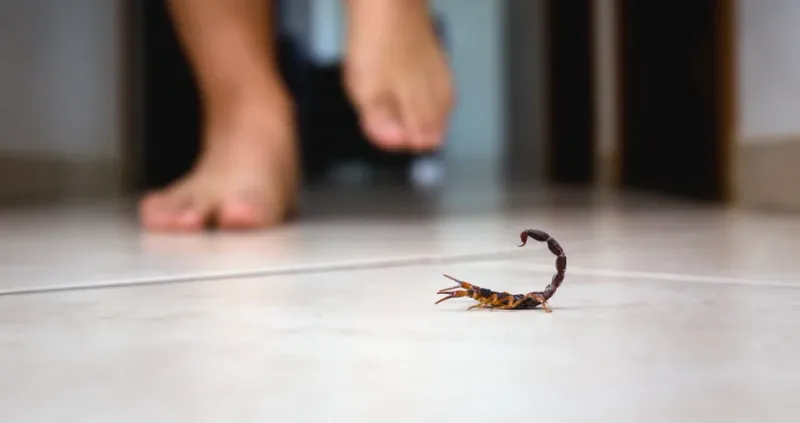
Winter in much of Texas stays mild, but scorpions still plan ahead. September marks the start of their search for a safe cold-season retreat.
Even in warmer regions, chilly snaps happen. Scorpions look for sheltered spots to wait out the cooler weeks to come.
Your home offers steady, protected conditions. Wall voids and attics stay comfortable no matter what the outside does.
Think of it as booking a room early. Scorpions scout out cozy spots before the real cold arrives.
Groups sometimes cluster together in these shelters. Finding one scorpion in fall can hint that others are tucked nearby.
Garages and storage areas are common choices. Boxes, corners, and rarely disturbed piles make appealing winter hideouts.
Decluttering these spaces removes the shelter they seek. Fewer hiding spots means fewer scorpions settling in for the season.
Sealing attic vents and foundation cracks blocks their move indoors. Early fall is the perfect time to close those gaps.
Shaking out stored items before bringing them inside helps. Boxes left in the garage can carry a hidden hitchhiker.
Checking shoes and clothing that sit undisturbed is smart. Scorpions favor quiet, tight spaces that mimic natural crevices.
Because they settle in early, prevention now pays off all winter. A sealed home in September stays calmer through the cold months.
Their forward planning is impressive for such small creatures. Matching their timing with your own preparation keeps them where they belong, outside. A little effort this month spares you many surprises later.