7 Pruning Secrets That Give Arizona Tomatoes, Chilies And Cucumbers Bigger Fall Harvests
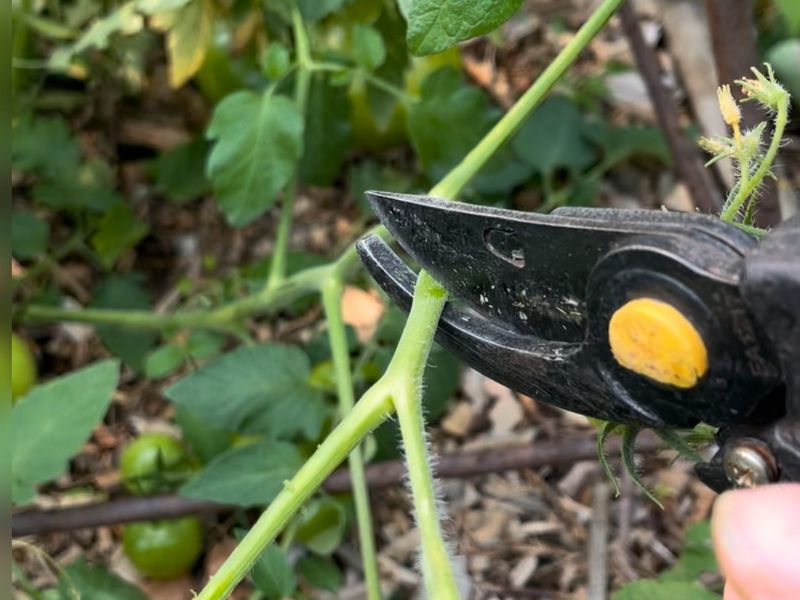
Arizona summers are brutal on tomatoes, chilies, and cucumbers, leaving many plants looking crispy and worn out by September. The good news is that a few smart pruning cuts can wake those plants back up and set you up for a huge fall crop.
When the monsoon rains fall and nights start cooling off, your garden gets a second chance. Here are seven pruning tricks tuned to the low desert that will help you fill your basket this fall.
1. Arizona Tomato Revival: Reviving Over-Summered Plants for a Fall Comeback
Believe it or not, that sad, fried-looking tomato plant hanging on through August is often still very much alive. Once monsoon moisture arrives and Arizona nights finally dip cooler, dormant buds wake up and push out fresh green shoots.
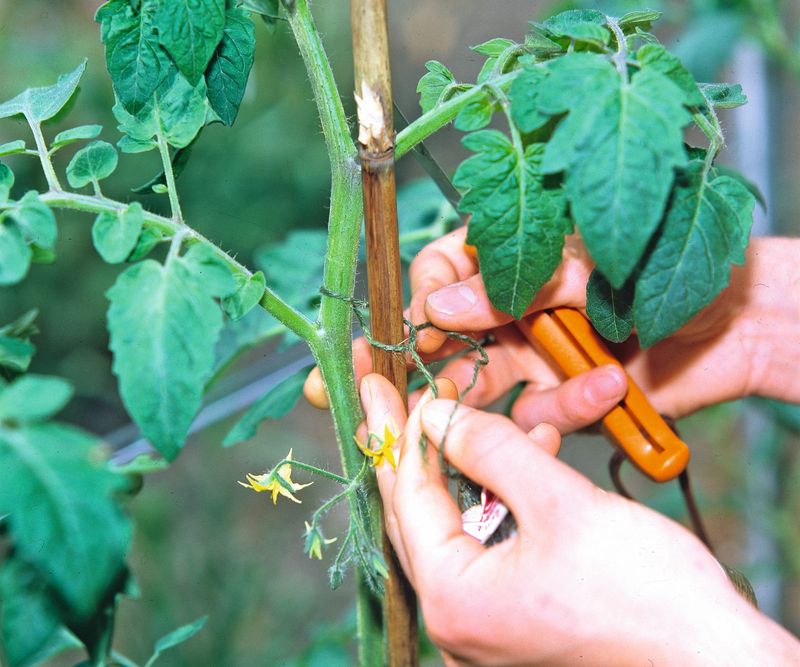
Before you grab the shears, look closely for healthy new growth low on the plant. If you spot bright green leaves emerging, your tomato is worth saving and can bounce back for a fall run.
Take it slow when temperatures are still high. Prune no more than one-third of the plant at a time so you don’t shock it in the heat.
Focus on cutting away the crispy, sun-scorched, and yellowing leaves along with dead branches above that new growth. Removing this exhausted material redirects the plant’s energy into the healthy parts, giving you a stronger comeback and a more productive Arizona fall harvest.
2. Arizona Tomato Suckers: Strategic Removal and Better Airflow
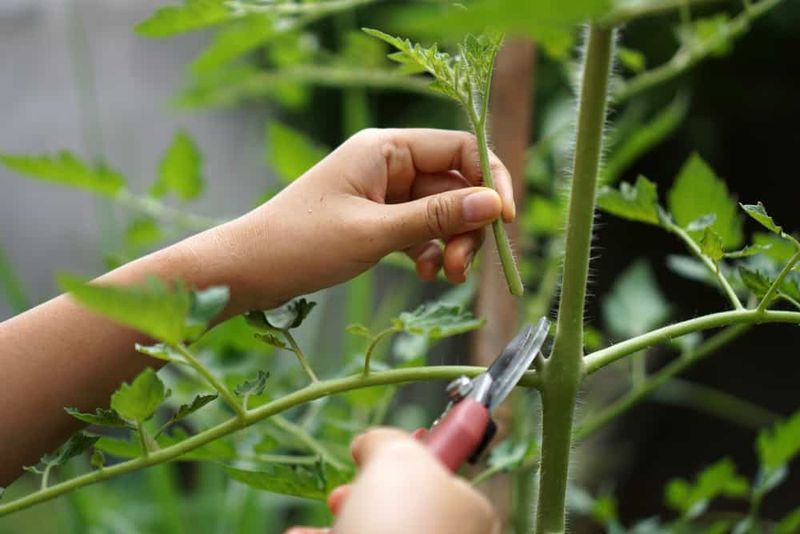
Tomato plants love to grow leafy side shoots called suckers, which pop up in the little armpit where a leaf branch meets the main stem. Left alone, they steal energy that could be going into fruit.
Pinch these suckers off regularly so your plant pours its strength into bigger, more plentiful tomatoes instead of a jungle of foliage. If you grow determinate Arizona varieties, only remove suckers below the first flower cluster and leave the rest.
Our desert sun can be merciless on exposed fruit, so try the Missouri pruning trick in warmer spells. Pinch off just the tip of the sucker while keeping its two lowest leaves, giving developing tomatoes a little shade against sunscald.
Thinning suckers also opens the plant up to better airflow, which matters a lot when growth gets dense. Clear leaves up to 12 to 18 inches from the ground too, since that lowers the risk of soil-borne disease splashing up onto your plant.
3. Arizona Tomato Topping: Speeding Up Fall Ripening
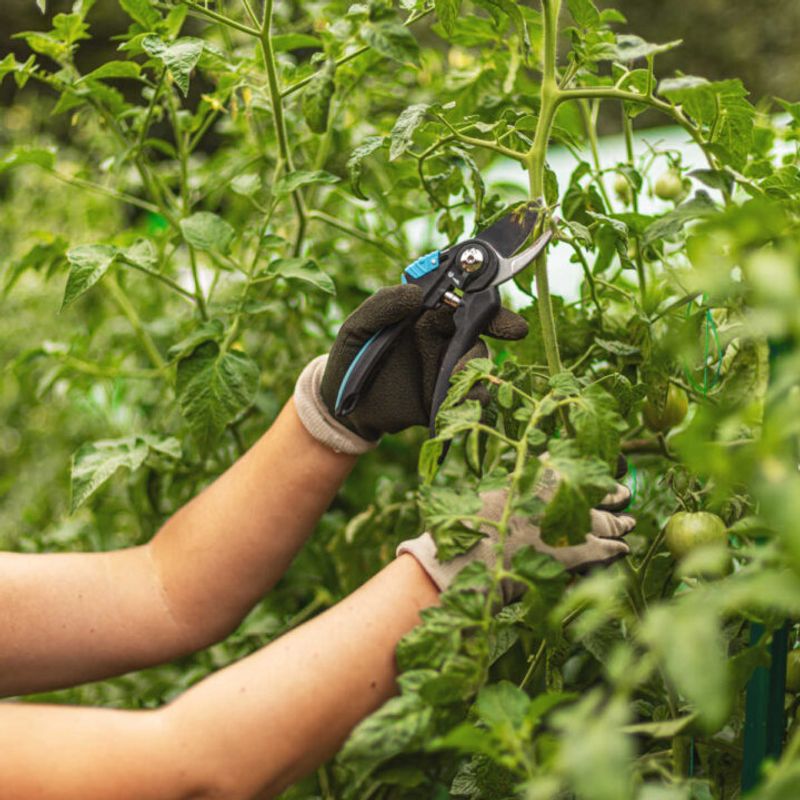
There comes a point in fall when your tomato needs to stop dreaming about new fruit and finish what it already started. That moment is when topping earns its place on this list.
Roughly 30 days, or two to three weeks, before Arizona’s first expected fall frost, snip off the growing tip of each main stem. Cutting that tip halts new flowering, which pushes all the plant’s sugars and energy straight into the fruit already on the vine.
While you’re at it, pinch away any late flowers and tiny green fruits that simply won’t have time to mature. They only drain resources that your bigger tomatoes need to ripen.
Your Arizona Garden Changes Every Week. Your Plan Should Too.
Gardening in Arizona changes quickly throughout the season. Every Friday you’ll receive a simple weekly plan showing exactly what to plant, prune, fertilize, harvest, and protect so you never miss the right timing.
The payoff is faster, fuller ripening before cooler weather slows everything down, so you harvest ripe fruit instead of a bunch of green tomatoes that never finish.
4. Arizona Chili Perennial Care: Pruning for Extended Harvests
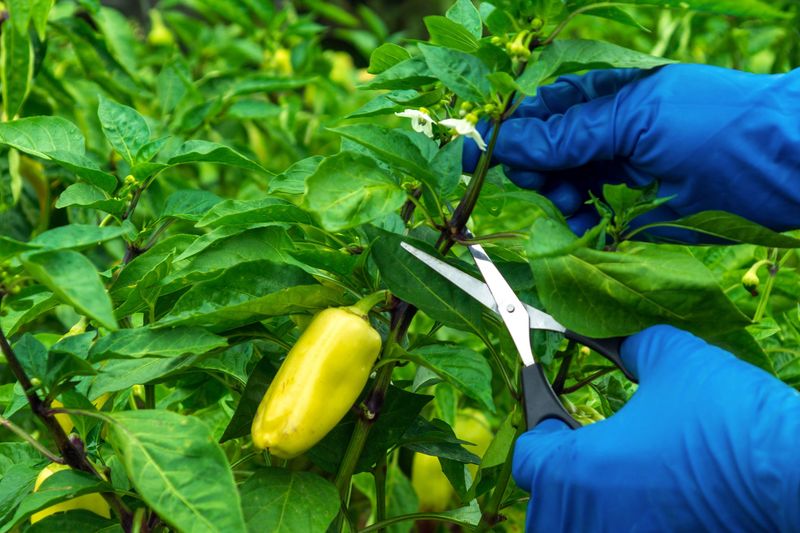
Here’s a fun perk of gardening in the low desert: chili peppers act like perennials in our warm climate, coming back to produce for several years instead of dying off each season. That makes smart pruning a long-term investment.
The best window to prune chilies is early fall, once the punishing summer heat eases and fresh new growth starts to appear. Trimming at this time keeps the plant healthy and sets it up for a longer, more generous run of peppers.
Timing matters, though. Skip heavy pruning during extreme heat or right before a frost, since both can stress and damage your Arizona chili plants at the worst possible moment.
When done right, pruning can boost yields by as much as 50 percent. Encouraging bushier growth means more branches, more flowers, and ultimately more peppers filling your kitchen.
5. Arizona Chili Topping and Hard Pruning for Peak Production
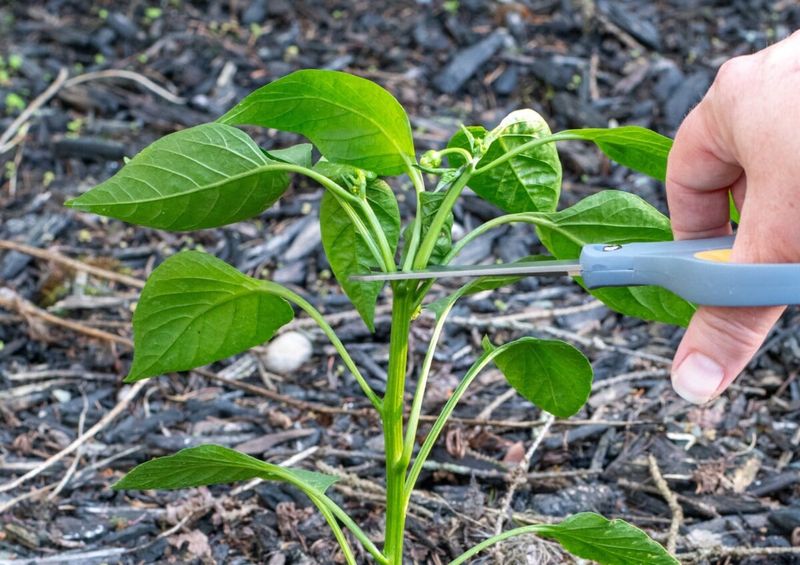
Young chili plants respond beautifully to an early haircut. Once a seedling grows about six to eight sets of true leaves, cut the main stem roughly a quarter inch above its Y-shaped junction.
That single cut, called topping, nudges the plant into bushier growth with more fruiting sites, giving you a sturdier and more productive pepper. Pinching off the very first flowers helps too, letting the plant pour energy into building a strong root system before it fruits.
Later in the Arizona season, the game changes to helping existing peppers ripen. Strip away foliage that shades the fruit so more sunlight reaches it.
For the final push, a hard prune works wonders. Cut back excess stems and leaves, trim fruit-bearing stems by about six inches or just above the fruit, and remove all remaining flowers.
This funnels every bit of the plant’s resources into ripening peppers for a big finish to your Arizona fall harvest.
6. Arizona Cucumber Varieties: Knowing When and How to Prune
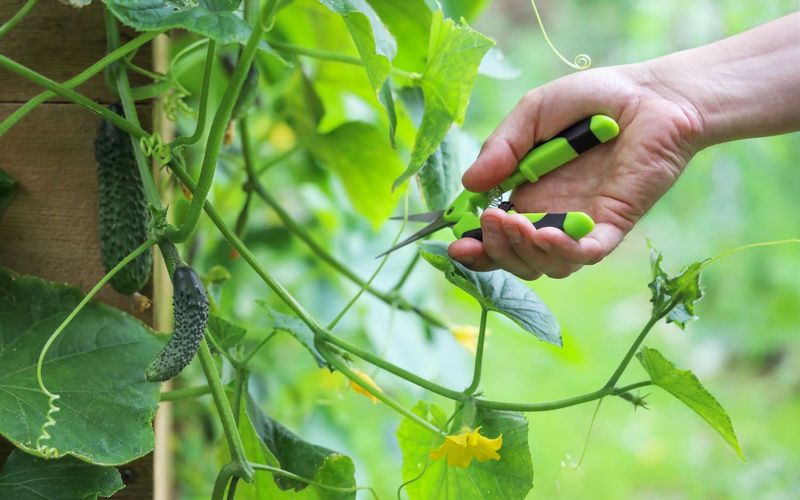
Not all cucumbers want the same treatment, and knowing your variety saves you a lot of guesswork. The right pruning approach in Arizona depends entirely on whether you’re growing vining or bush types.
Vining cucumbers grow fast and love to sprawl into tangled, dense mats. Left unchecked, that thick growth traps humidity and rolls out the welcome mat for disease, so regular pruning keeps them healthy and productive.
Bush varieties are a different story. Compact by nature, they usually need little to no pruning unless they start crowding their neighbors.
When seedlings first send out suckers at their leaf nodes, pinch those off to steer energy into one strong main vine. Removing the first few blooms works the same way, letting the plant build sturdy stems and leaves now so it can crank out more cucumbers later in the Arizona season.
7. Arizona Cucumber Airflow: Focusing Energy on Fruit
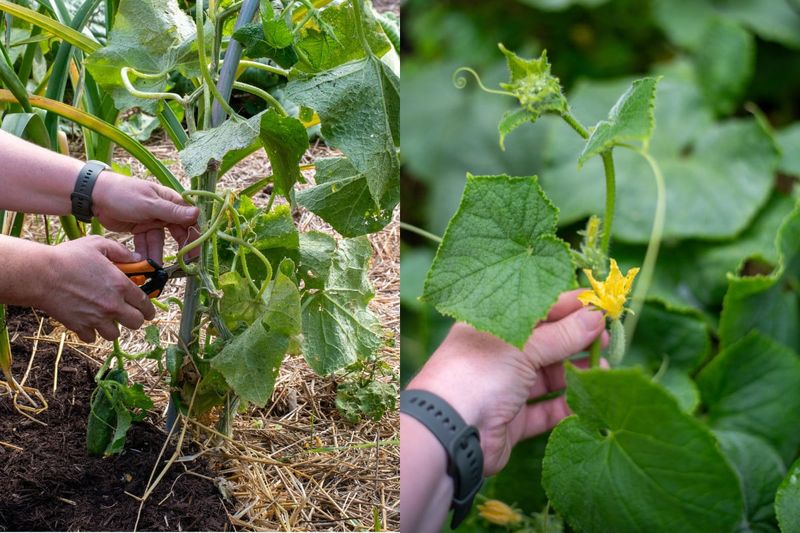
Powdery mildew is the enemy of a good cucumber crop, and airflow is your best defense. Opening up the plant with thoughtful pruning lets light and breeze move through, which keeps that fungal trouble at bay.
Start by removing shaded leaves, especially those in the bottom six to eight inches or any touching the soil. They barely get light and are the first to catch disease anyway.
For vining types, train them up a trellis and trim back excess side growth. Going vertical encourages climbing and fruiting rather than a messy sprawl across your Arizona garden bed.
As fall nears, about a month before the first autumn frost, pinch off new flowers and top the central vine. This tells the plant to stop starting new projects and finish ripening the cucumbers it already has.
Keep picking ripe ones regularly, too, since harvesting signals the plant to keep the fruit coming.