Propagating Arizona Hydrangeas from Cuttings: What Fall Really Offers and What to Expect
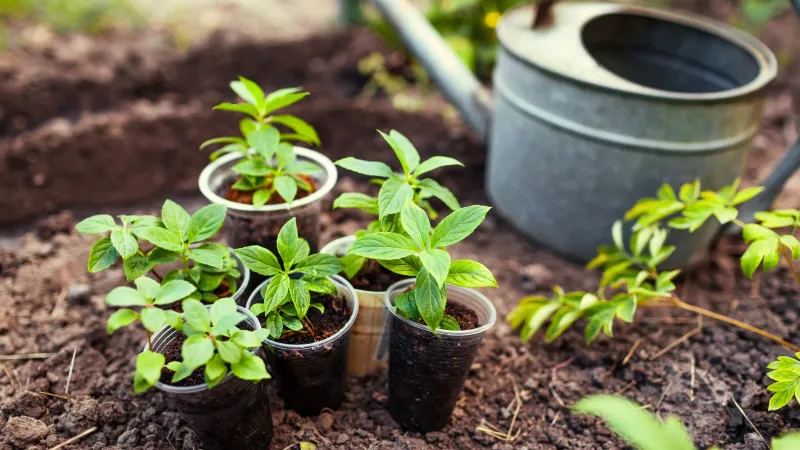
Snipping a stem from your hydrangea and coaxing it into a brand-new plant costs almost nothing and can gradually expand your garden without a trip to the nursery. For Arizona gardeners, the idea sounds especially appealing once brutal summer heat finally backs off and cooler air starts to feel possible again.
The catch is that not every pruning makes a reliable cutting, and fall is not a guaranteed sweet spot for every type of hydrangea. Understanding a few key differences before you reach for the shears can save you time, protect next year’s flowers, and give your cuttings a real shot at surviving Arizona’s particular challenges.
What Fall Hydrangea Cuttings Can—and Cannot—Promise in Arizona
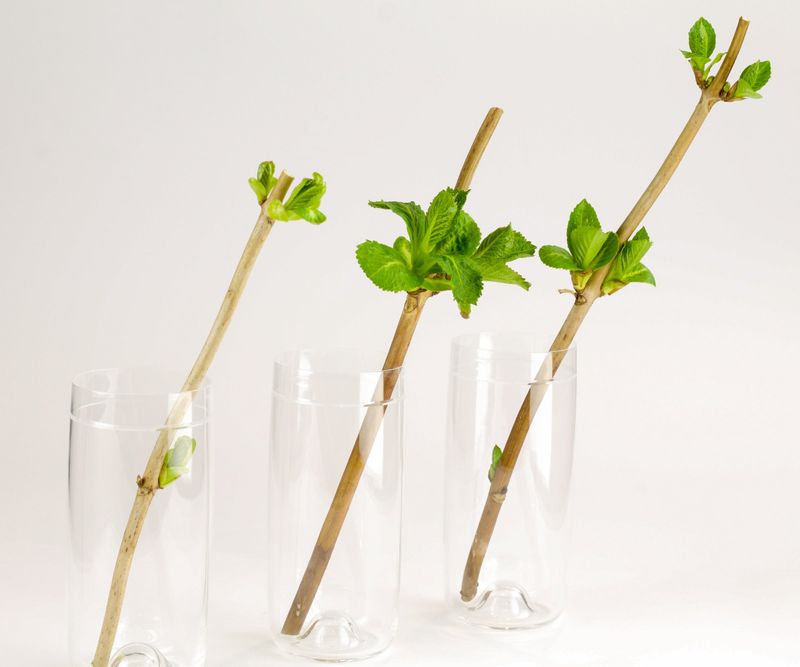
Hydrangea propagation from stem cuttings is a legitimate home gardening technique, but the promise of unlimited new plants from any fall pruning does not hold up for Arizona gardeners. The number of usable cuttings is limited by the parent plant’s size, health, and how much growth it can safely spare.
More importantly, whether a given stem will actually root depends on the type of hydrangea you have, the maturity of the stem at the time you cut it, and the conditions you can provide afterward in Arizona’s dry, often unpredictable fall climate.
Stem cuttings fall into three broad categories based on maturity. Softwood cuttings come from young, flexible new growth taken earlier in the growing season and tend to root the fastest.
Semi-hardwood cuttings are firmer stems from later in the season, and dormant hardwood cuttings are fully mature stems taken after a plant has gone dormant. University of Georgia Cooperative Extension propagation guidance places the primary cutting windows for smooth hydrangea, bigleaf hydrangea, and panicle hydrangea in May through July, when softwood material is available and rooting conditions are more predictable.
A general fall method should not be treated as equally reliable across all species.
For Arizona specifically, taking cuttings after extreme summer heat has eased can be a practical option when suitable semi-hardwood stems are available and you have a protected, shaded, humidity-controlled setup ready. University of Arizona Cooperative Extension planting guidance notes that new transplants establish best when conditions are not too hot and dry, which supports waiting for Arizona’s heat to genuinely subside before attempting propagation.
This is a risk-management approach, not a proven Arizona optimum.
Before anything else, identify your hydrangea if possible. Then confirm the parent plant is healthy, well-watered, free of insects, and free of disease.
Stressed or diseased stock is far more likely to produce cuttings that fail, and it can pass problems directly into whatever new plants you manage to root.
Do Not Sacrifice Next Year’s Flowers for Propagation Material
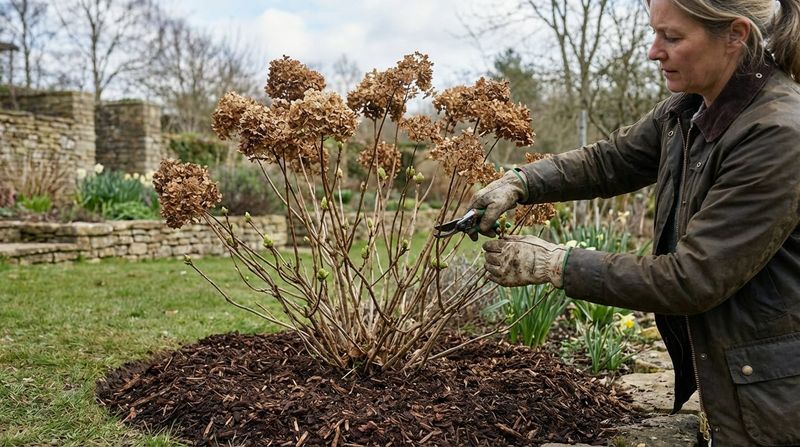
Pruning and propagation are two separate decisions, and conflating them can cost you an entire season of blooms. Grabbing cuttings from your Arizona hydrangea without knowing how that particular species sets its flower buds is one of the most common ways gardeners accidentally prune away next year’s flowers before they ever open.
Your Arizona Garden Changes Every Week. Your Plan Should Too.
Gardening in Arizona changes quickly throughout the season. Every Friday you’ll receive a simple weekly plan showing exactly what to plant, prune, fertilize, harvest, and protect so you never miss the right timing.
Bigleaf hydrangeas and oakleaf hydrangeas typically form next season’s flower buds on older wood from the current year. In Arizona, where getting a bigleaf hydrangea to perform well already takes careful siting and consistent watering, losing a full bloom cycle to an unnecessary pruning is a frustrating setback.
Smooth hydrangeas and panicle hydrangeas operate differently. They flower on new growth produced in the current season, so their pruning tolerances are more forgiving.
Penn State Extension guidance on pruning deciduous shrubs reinforces that timing and technique vary by species, making it essential to know what you are growing before making any cuts for any reason.
The practical rule for Arizona gardeners is to take cuttings only from stems the plant can genuinely spare, never from growth that is carrying or likely to carry next year’s buds. University of Georgia propagation guidance recommends selecting a healthy stem without a flower bud when possible.
Beyond bud concerns, skip any stem that shows signs of disease, insect damage, or severe heat stress, and avoid stems that have already flowered or are noticeably dried out. A cutting taken from weak material is unlikely to root, and it is not worth sacrificing the parent plant’s future performance for a propagation attempt that starts with compromised stock.
Build a Clean, Cool Propagation Station
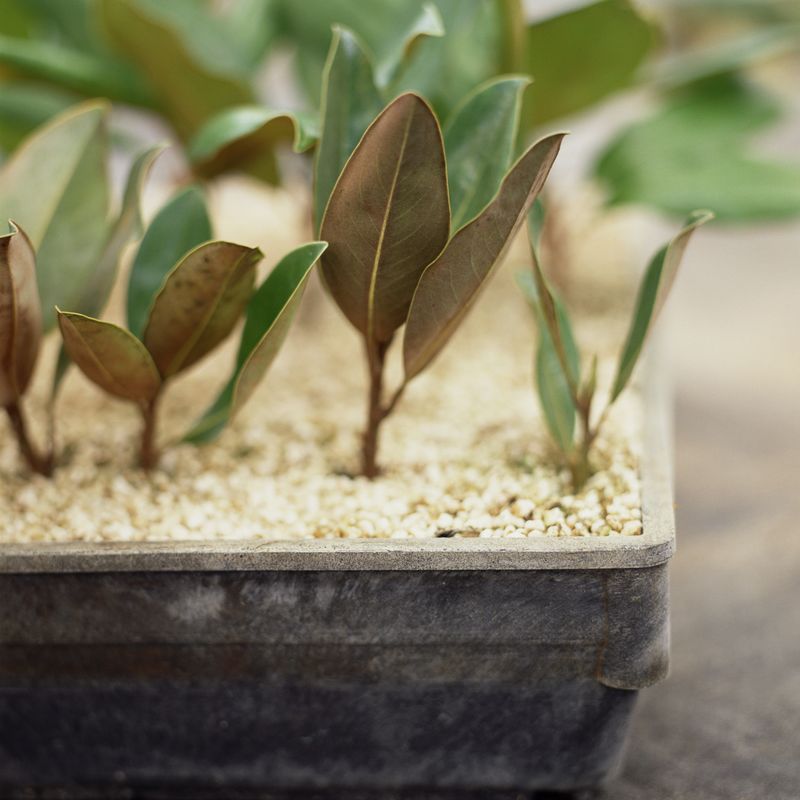
Getting your Arizona propagation setup right before you cut a single stem saves a lot of trouble later. The two biggest threats to cuttings in Arizona are heat and contamination, and both are easier to prevent than to fix once a cutting is already in the medium.
Start with clean tools. University of Georgia Cooperative Extension recommends sanitizing used containers with a 1-to-9 bleach-to-water solution, followed by thorough rinsing, and using disease-free stock with sterile propagation media.
Sharp, sanitized snips or pruning shears make a cleaner cut and reduce the chance of introducing pathogens at the wound site. In Arizona, where plant virus diseases can move from stressed or infected parent material into cuttings, sanitation is a genuine protective step rather than optional housekeeping.
Choose a sterile, porous propagation medium rather than scooping soil from your Arizona yard. Native desert soil can be compacted, poorly aerated, high in alkalinity, and loaded with weed seeds or soil pathogens.
A commercial sterile propagation mix, or a blend of peat and perlite, gives cuttings the drainage and aeration they need to develop roots without drowning or introducing disease. Fill clean containers with the damp medium before you take your cuttings so everything is ready to go.
Rooting hormone is optional but commonly used for hydrangea cuttings. It may improve rooting speed or root quality for some stems, but it does not override poor stem condition, wrong humidity, or temperature problems.
If you use it, follow the product label exactly. Place your propagation containers in bright indirect light or light shade.
Direct Arizona sun will overheat the medium, dry out the cuttings, and likely kill them before roots have any chance to form.
Prepare Each Cutting Around a Leaf Node
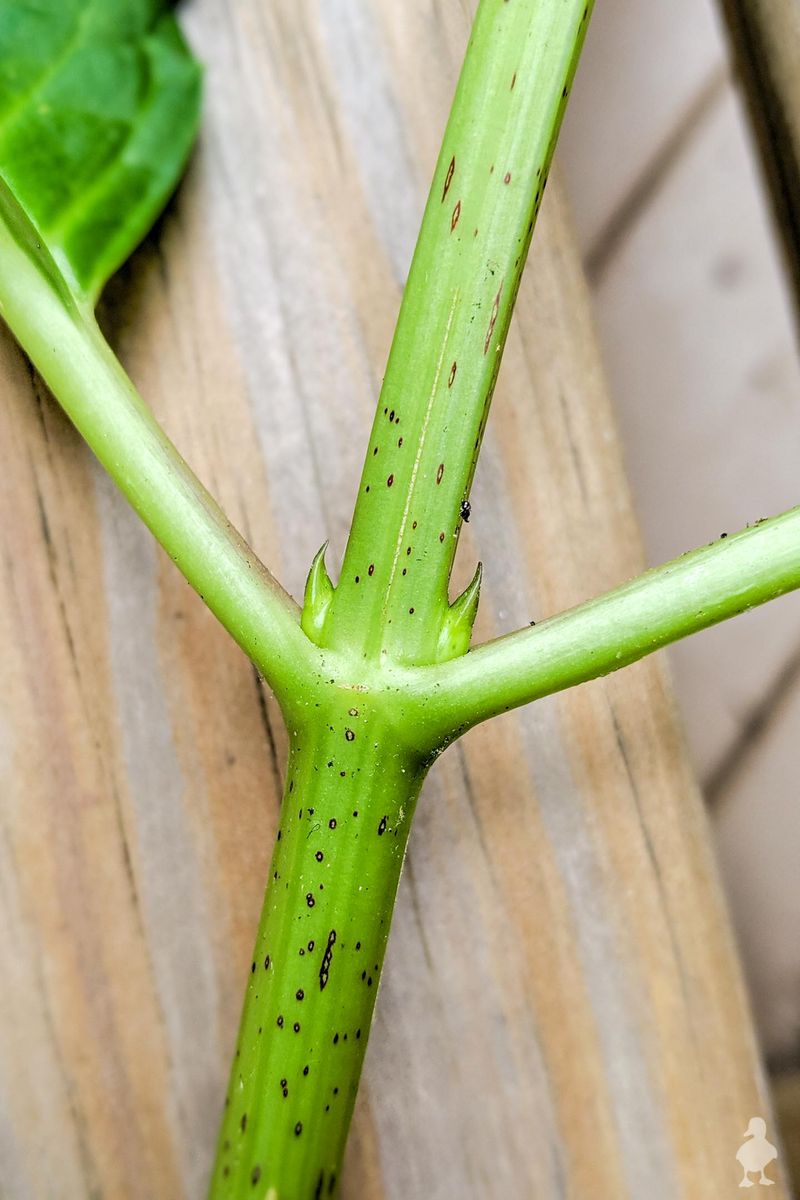
Choosing the right spot on the stem is where propagation either gets a fair chance or gets set up to fail. A leaf node, the point where leaves attach to the stem, is where root initiation is most likely to occur.
Your cut should land just below one of these nodes, using a clean, sharp blade to avoid crushing or tearing the tissue.
Select a healthy stem without an active flower bud when possible. Remove the leaves from the lower portion of the stem so no foliage is buried in the propagation medium, where it would rot and invite disease.
Keep a small number of leaves at the top to allow the cutting to photosynthesize and sustain itself. In Arizona’s dry air, large hydrangea leaves lose water fast, so cut any oversized leaves roughly in half to reduce that loss without stripping the cutting entirely.
Cutting length is a range, not a single rigid rule. University of Georgia’s general propagation procedure works with a prepared cutting of about 2 to 3 inches.
A separate approach described in University of California Agriculture and Natural Resources hydrangea guidance starts with a roughly 6-inch stem and inserts 2 to 3 inches of it into the medium. Both approaches can be appropriate depending on the growth available and the stem’s maturity, so work with what your plant offers rather than forcing a single measurement.
If you are using rooting hormone, dip the cut end lightly and tap off any excess before inserting the cutting into the pre-moistened medium. Make a small hole in the medium first so the hormone coating stays intact rather than being scraped off on the way in.
Rooting hormone is a possible aid, not a guarantee, and a well-prepared cutting in the right conditions can root without it. Once the cutting is in place, firm the medium gently around it so it stands upright without wobbling.
Balance Humidity With Airflow
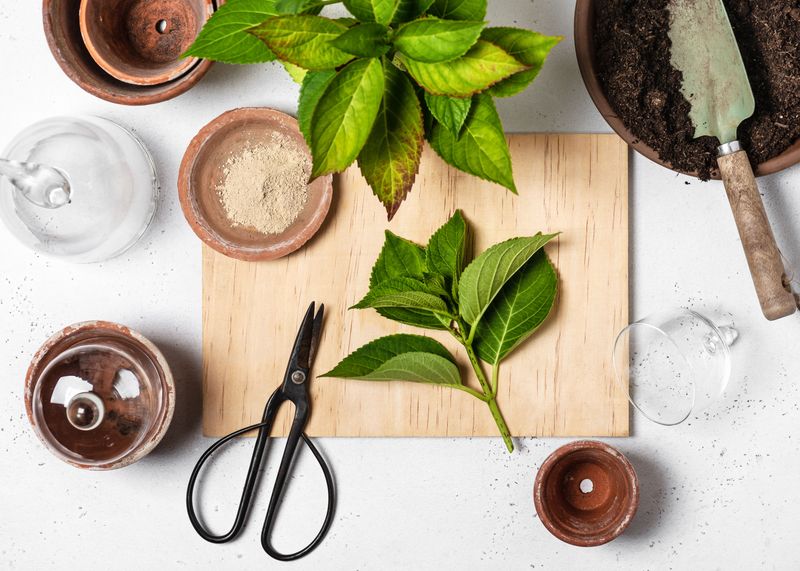
Arizona’s low humidity is one of the hardest conditions for unrooted cuttings to survive. A stem that has been cut from its water supply wilts quickly in dry air, and wilting before roots form usually means the cutting is lost.
Creating a small humid environment around the cutting buys the time it needs, but the way you manage that environment matters as much as setting it up.
A clear plastic bag, a cut plastic bottle placed over the container, a covered bin, or a commercial humidity dome all work by trapping moisture near the cutting and slowing water loss. University of Georgia Cooperative Extension propagation guidance supports using a covered chamber to maintain humidity while cuttings develop roots.
In Arizona, this step is not optional for most gardeners, given how quickly the surrounding air pulls moisture from both the medium and the cutting itself.
The balance to maintain is between enough humidity to protect the cutting and enough airflow to prevent rot. A sealed, stagnant chamber with constantly wet medium is a reliable way to grow fungal problems rather than roots.
Keep the propagation chamber in bright indirect light or light shade. Direct Arizona sun will heat the enclosed space to damaging temperatures and accelerate moisture loss faster than any cover can compensate.
Check the medium every few days by feeling it, not by following a fixed watering schedule. If it feels dry below the surface, add a small amount of water.
If condensation has pooled heavily inside the cover, vent it briefly. The goal is consistently moist, not wet, and consistently humid, not stagnant.
Treat the Rooting Timeline as an Estimate
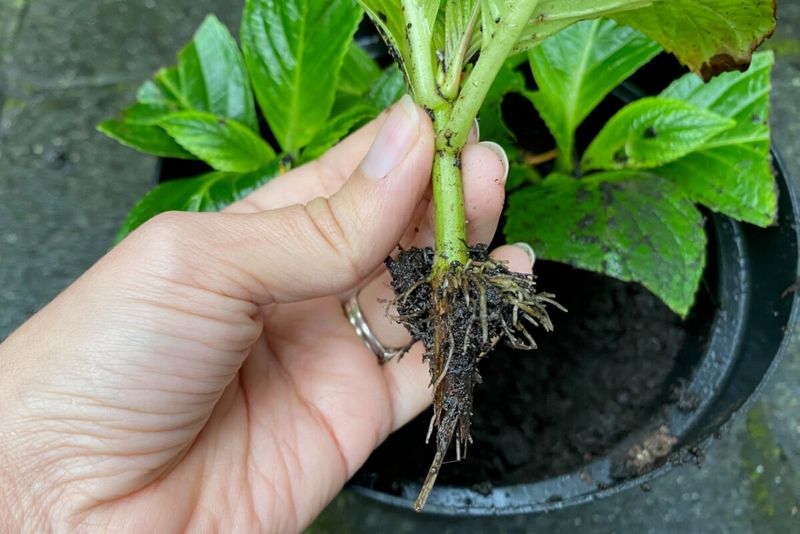
Extension sources report that several hydrangea types can root in roughly three to five weeks under suitable propagation conditions. That range is useful context, but it is not a timetable you can count on in Arizona.
Treating it as a deadline leads gardeners to discard cuttings that might still root, or to rush the hardening-off process before the plant is ready.
A range of variables can push rooting well beyond five weeks or prevent it entirely. Cooler fall temperatures slow the process.
Low ambient humidity, even inside a chamber that is not sealed perfectly, can stress the cutting faster than roots develop. Poor stem maturity, meaning a stem that was already too old or too young for the method being used, reduces the chance of success regardless of how well everything else is managed.
Species differences matter too: University of Georgia propagation guidance places different hydrangea species in different cutting windows, and a stem taken outside the most favorable window for that species may simply not perform as reliably.
University of Georgia Extension plant propagation resources describe gradually opening and removing the propagation chamber as cuttings root and new growth appears. In Arizona, this gradual venting step is especially important because the gap between the protected chamber and the surrounding dry air is large.
Moving too fast from a humid enclosure to open Arizona air can wilt and kill a cutting that was otherwise on its way to becoming a healthy plant.
Check for rooting by gently tugging the cutting after several weeks. Resistance suggests roots are anchoring the stem.
New leaf growth is another encouraging sign, though it does not always mean rooting has occurred. If a cutting collapses, darkens at the base, or shows mold, remove it promptly so it does not affect others sharing the same container or space.
Some failure is normal, and starting with a few extra cuttings gives you better odds of finishing with at least one viable plant.
Harden Young Plants Before Arizona Exposure
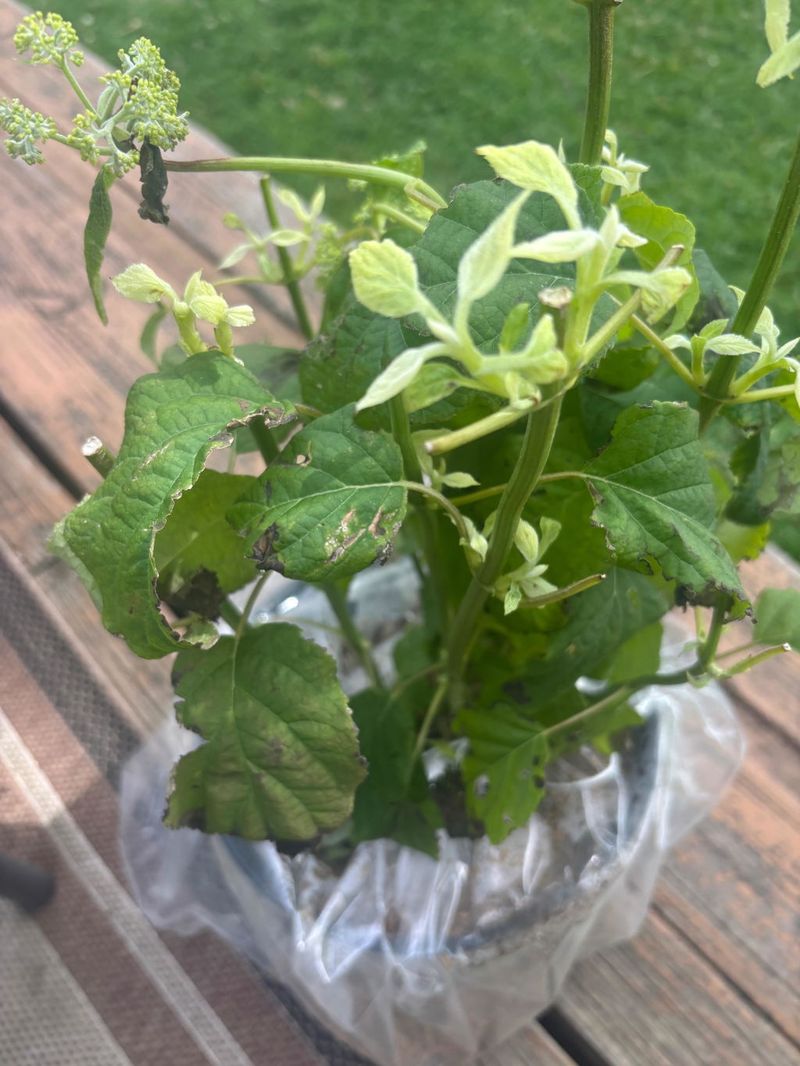
A cutting that has developed roots is not ready for Arizona’s open garden. Moving a young rooted plant directly into exposed caliche, compacted native soil, or a spot that gets full afternoon sun is one of the fastest ways to lose what you worked several weeks to grow.
The transition from a protected propagation chamber to a permanent outdoor site needs to happen in stages.
Keep rooted cuttings in containers or a sheltered location initially. University of Arizona Cooperative Extension planting guidance recommends transplanting when temperatures are above freezing and no longer excessively hot and dry, and it advises preparing planting areas specifically for drainage problems caused by caliche or hardpan.
Neither of those conditions is automatically met in Arizona fall, particularly at higher elevations or during warm spells that extend into November.
Frost timing in Arizona varies significantly by location. University of Arizona frost protection guidance identifies average first frost in Maricopa County ranging from around November 21 in Buckeye to December 12 in central Phoenix.
Tucson and higher-elevation communities can see frost earlier. A rooted cutting with actively growing new tissue is vulnerable to frost damage, so protection from early cold snaps is a real concern, not a remote one.
University of Arizona guidance on Arizona climate zones reinforces that planting decisions should match local elevation and microclimate rather than a single statewide recommendation. When you do move a hardened plant toward a permanent spot, choose a location that gets morning sun and afternoon shade, has workable drainage, and allows for consistent supplemental watering.
Amend or break through caliche where needed, and plan to water regularly through the establishment period. University of Georgia propagation guidance notes that gradual hardening off is essential before any young plant faces outdoor conditions, a step that applies with particular force in Arizona’s variable fall and winter climate.
Set Realistic Limits for Water, Time, and Plant Rights
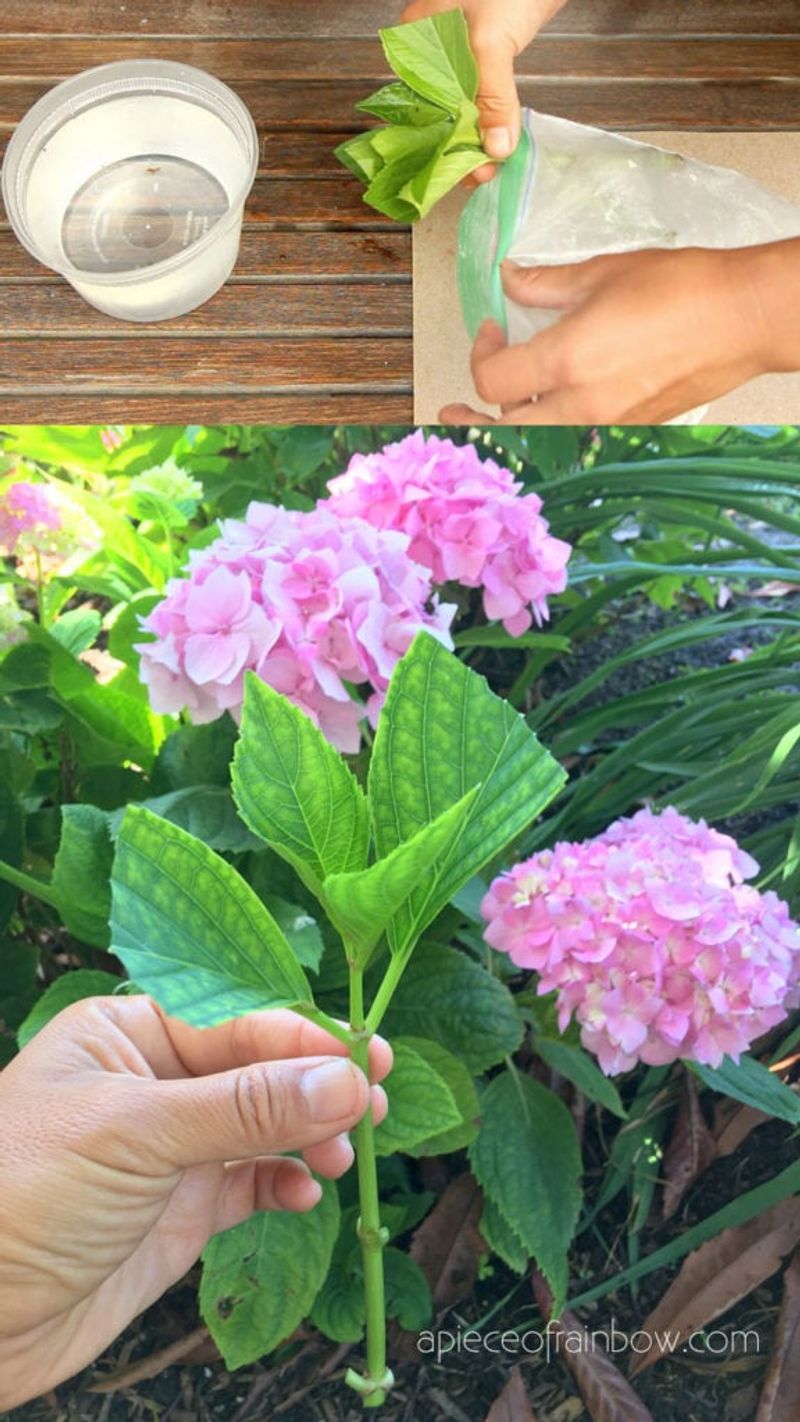
Every cutting you attempt should come from a stem the parent plant can genuinely spare, and every attempt should be treated as a trial with an uncertain outcome. Some cuttings root cleanly, some fail without obvious cause, and the difference often comes down to stem maturity, timing, humidity management, and a degree of luck.
Planning for a few failures from the start is more realistic than expecting every stem to become a new shrub.
A rooted cutting is not a mature plant. It will need a growing season or more to develop a root system capable of supporting strong growth and flowering.
University of Arkansas Extension hydrangea guidance makes clear that bigleaf hydrangeas in particular require consistent moisture and are not drought tolerant. In Arizona, that means regular supplemental watering through establishment and beyond, not occasional deep soaks.
Hydrangeas should not be framed as water-wise desert plants, because they are not.
Arizona’s alkaline soils add another layer of challenge. University of Arizona WaterWise plant selection guidance notes that most Arizona soils are alkaline and recommends containers with appropriate potting soil for acid-loving plants.
Bigleaf hydrangeas grown in high-pH conditions can develop iron-deficiency symptoms and may show altered flower color. Soil amendments should be based on a soil test rather than casual additions of sulfur or aluminum sulfate.
Before sharing or selling any rooted cuttings, check the plant tag on your parent shrub. U.S.
Patent and Trademark Office plant patent guidance recognizes rooting cuttings as asexual reproduction, and University of Georgia’s propagation guide specifically cautions against propagating patented, PPAF, or trademarked cultivars for distribution or sale. Propagating for your own garden is one thing; passing plants along without checking the tag is a legal risk worth avoiding.
The best outcome from this whole process is a healthy, established plant that earns its place in your Arizona garden over time.