The Underrated Arizona Native Shrub That Turns Your Yard Border Into A Tick Barrier
Most Arizona homeowners have never heard of desert hackberry, but this tough, thorny native shrub has been quietly doing real work along property edges across the Sonoran Desert for years. Ticks are a genuine concern in Arizona, and it is tempting to believe that one plant could solve the problem at the border.
The truth is more useful: no single shrub keeps ticks out, but the right combination of a thorny screen, a dry separation zone, open sunlight, and consistent maintenance can reduce the conditions ticks prefer around your home.
The Arizona Border Plant Is Not the Tick Barrier the Title Implies
University extension experts are direct on this point: there is no reliable evidence that planting any single shrub species repels ticks in an Arizona landscape. Ask Extension’s review of plants and tick repellency found no good science supporting the idea that a particular plant keeps ticks away from a yard.
That is worth stating plainly before anything else in this article, because the title implies something the plant cannot deliver on its own.
A thorny shrub along an Arizona property line can make crossing uncomfortable for people, pets, and some larger wildlife. What it cannot do is stop ticks.
Ticks travel into yards on dogs, rodents, deer, birds, and people, and they can move through or around any living plant.
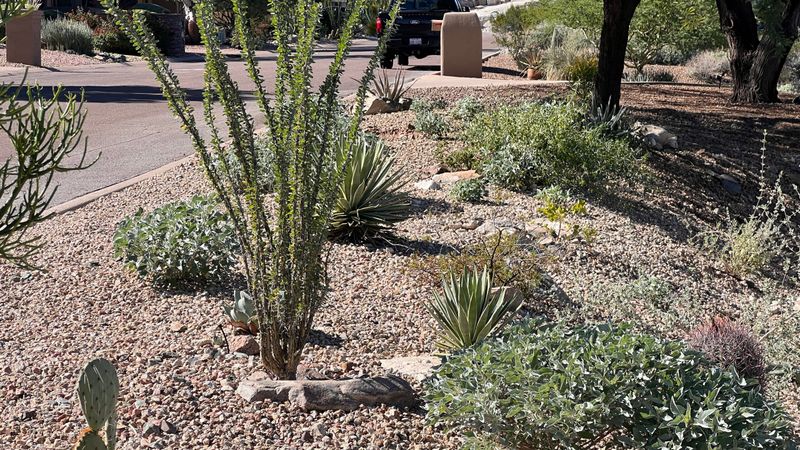
The defensible version of this article’s premise is a managed Arizona yard edge: a thorny native screen, a roughly 3-foot dry separation zone made of gravel or wood chips, open sunlight, removed leaf litter and debris, and consistent upkeep.
Desert hackberry earns a real place in that picture, but as a drought-tolerant thorny screen with wildlife value, not as the mechanism that reduces tick exposure. The maintenance and design decisions around the shrub carry the actual risk-reduction work.
Keep that distinction in mind through every section that follows, because conflating the two leads to false confidence and skipped precautions.
Why Desert Hackberry Fits Some Arizona Borders
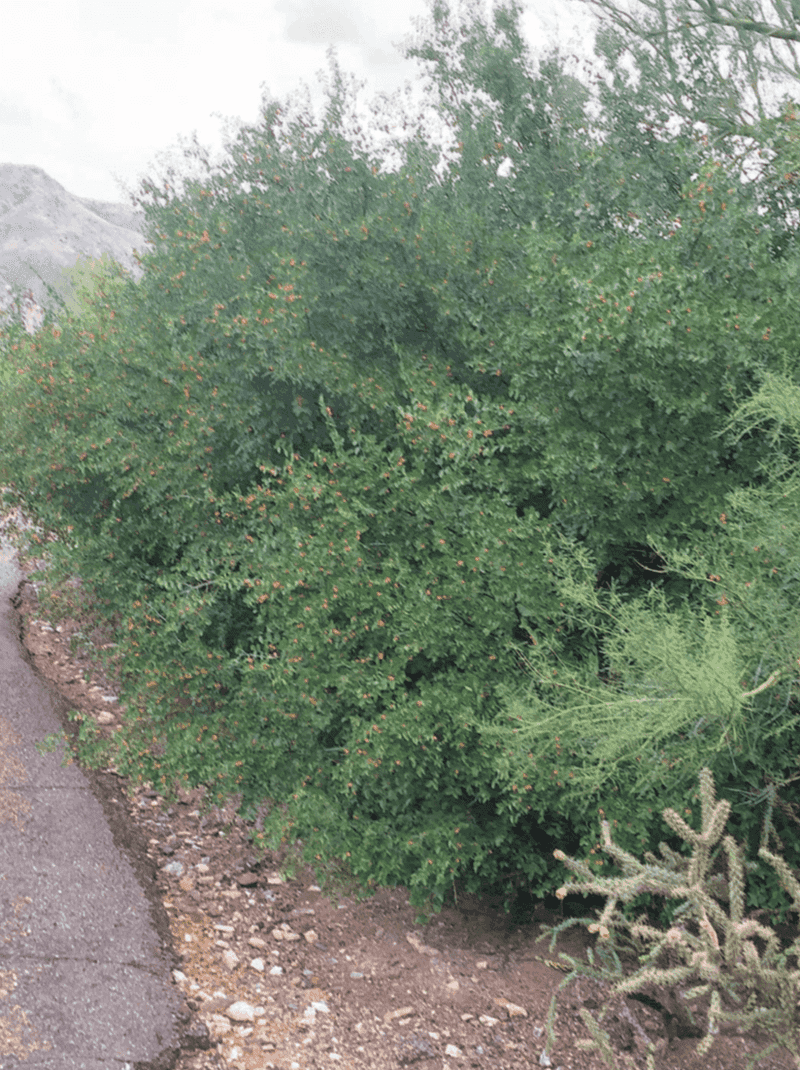
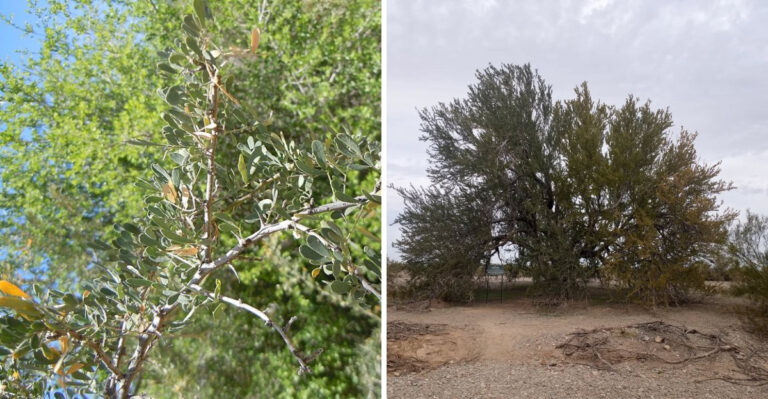
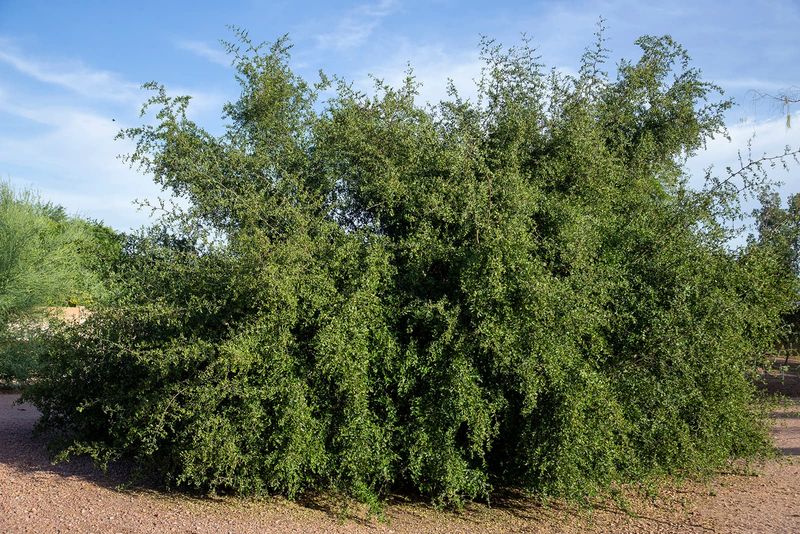
Desert hackberry, known scientifically as Celtis ehrenbergiana and formerly listed widely as Celtis pallida, is a Sonoran Desert native that grows across low-desert Arizona in rocky slopes, arroyos, and disturbed edges. The University of Arizona Campus Arboretum profile describes it as a dense, thorny shrub with branches that can make crossing the plant genuinely unpleasant, thorns that may approach an inch in length, and small orange to red fruit that attracts birds and other wildlife.
Those traits make it a practical choice for an Arizona border planting where a physical screen matters.
Drought tolerance is one of its clearest advantages for low-desert Arizona yards in Phoenix and Tucson. Once established, desert hackberry requires very little supplemental irrigation, which fits the region’s water constraints far better than many ornamental alternatives.
The shrub’s wildlife value adds another layer of usefulness. Birds that eat the fruit also use the dense interior branches for cover and nesting, and the thorny structure provides shelter for smaller desert animals.
Your Arizona Garden Changes Every Week. Your Plan Should Too.
Gardening in Arizona changes quickly throughout the season. Every Friday you’ll receive a simple weekly plan showing exactly what to plant, prune, fertilize, harvest, and protect so you never miss the right timing.
For an Arizona homeowner who wants a border that contributes to the yard’s ecology, desert hackberry offers fruit, cover, and a physical screen without demanding regular watering.
None of those traits change tick behavior. The thorns do not produce a chemical that repels ticks, the fruit does not attract predators that reliably reduce tick populations, and the shrub’s native status does not grant it pest-suppression properties.
Plant desert hackberry in a suitable Arizona location for its screening and habitat function, and build the tick-risk reduction strategy around the broader edge design rather than around the plant itself.
Build a Dry Separation Zone Between Living Space and Brush
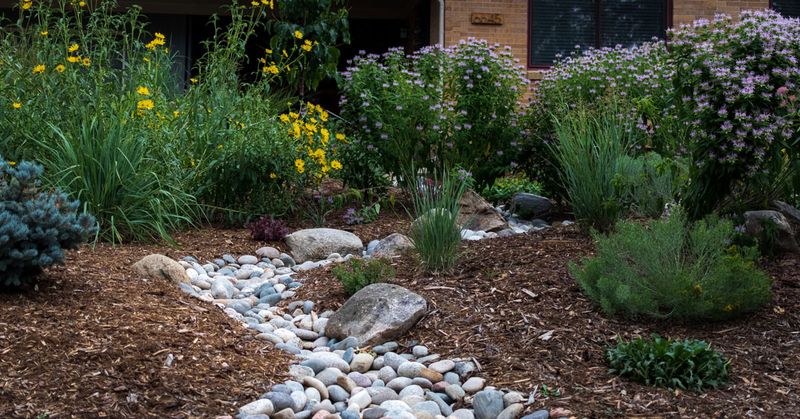
A roughly 3-foot strip of gravel, wood chips, or similar dry landscaping material placed between your lawn or patio and brushier habitat is one of the more practical tools in an Arizona tick-reduction strategy. CDC tick-management guidance describes this kind of separation zone as potentially reducing tick movement or abundance on lawn areas under some conditions.
The word “potentially” matters here: this is a risk-reduction feature, not a wall that ticks cannot cross.
Ticks prefer moist, shaded, leaf-covered ground where they can wait for a passing host. A dry, exposed gravel or wood-chip strip creates conditions that ticks find less hospitable to cross.
Pair the strip with open sunlight along the edge, and you shift the microclimate of the transition zone away from what ticks need to survive. That combination changes habitat conditions rather than tick biology, which is why the design works better with good maintenance than it does on its own.
A separation zone that sits under a shading tree, fills with windblown leaves every monsoon season, or runs alongside a wood pile loses much of its value quickly.
Results also vary by site. Low-desert Phoenix and Tucson yards differ from higher-elevation Arizona woodlands, riparian corridors, and northern grasslands in tick species, humidity, host animals, and vegetation density.
A separation zone that performs well in one Arizona setting may do little in another. Treat it as one component of a broader edge strategy, maintain it consistently, and do not expect it to compensate for a yard that has dense, shaded brush close to the house, active wildlife corridors, or pets that roam off-property.
Maintain the Arizona Edge Instead of Relying on the Plant
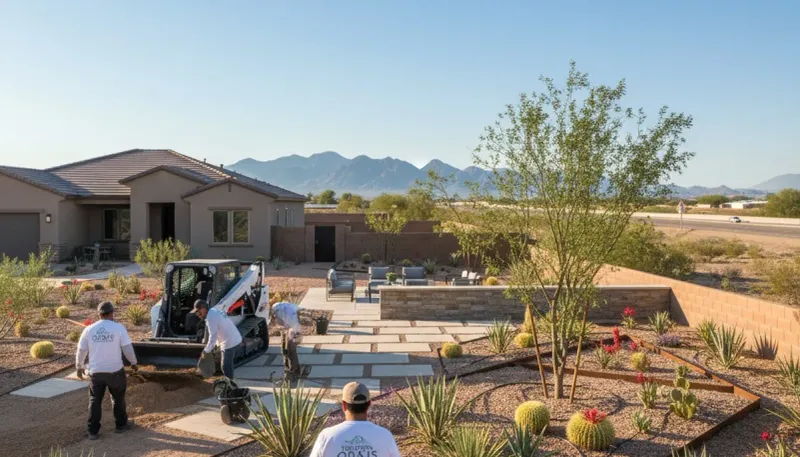
Planting desert hackberry along an Arizona property line and walking away does not reduce tick exposure. Maintenance is where the risk-reduction actually happens, and the sequence matters.
Mow lawn areas regularly, remove leaf litter and debris promptly, clear brush and woodpiles away from doors, patios, and play areas, and keep dense vegetation trimmed back so sunlight reaches the ground along the edge.
University of Arizona Cooperative Extension’s pest-proofing guidance recommends opening dense tree and shrub growth specifically to increase sunlight, because ticks and their hosts favor shaded, humid conditions that closed canopy encourages. An Arizona yard edge that stays sunny and dry through maintenance is a less favorable environment than one that goes unmanaged for a season.
The goal is not to strip the yard of all plants or remove wildlife habitat entirely. A more useful target is a deliberately managed transition: denser, wilder habitat placed farther from high-use spaces, with a clear and maintained dry edge closer to the house.
Debris removal deserves special attention during and after Arizona’s monsoon season. Windblown leaf litter, downed branches, and accumulated organic matter from summer storms can quickly fill a separation zone or build up against a shrub border, recreating the moist, shaded conditions the design was meant to avoid.
A fall walk-through after the monsoon and before winter is a practical Arizona maintenance checkpoint. CDC materials on tick habitat management consistently frame these steps as exposure reduction rather than eradication, which is the honest framing for any Arizona homeowner to carry into the yard.
Place Thorny Hackberry Safely Around an Arizona Home
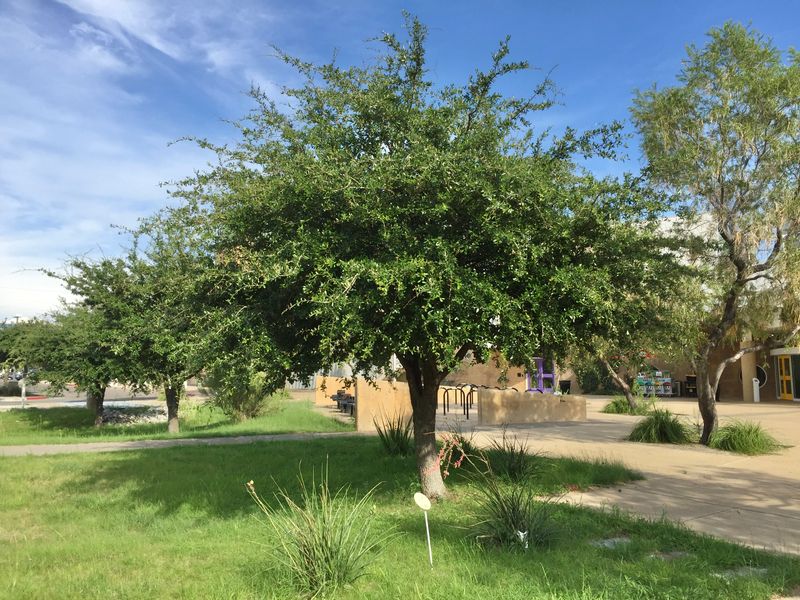
Desert hackberry’s thorns are part of what makes it useful as a screen, but they also make placement critical in any Arizona yard. Keep thorny branches well away from walkways, gates, pool access points, doors, and any route that pets or children use regularly.
A plant that catches clothing or skin every time someone walks past creates a hazard rather than a benefit, and thorns near pet runs can cause injuries that go unnoticed until they become infected.
The University of Arizona Campus Arboretum describes desert hackberry as a plant with dense branching and thorns that can reach approximately an inch in length, which means it needs adequate clearance from structures and traffic paths. Give the shrub room to mature without crowding walls, fences, or outbuildings, and plan for periodic trimming to keep branches from extending over paths or connecting with adjacent vegetation.
Dense, unpruned hackberry planted too close to a structure or allowed to grow into neighboring plants can create exactly that risk. Follow defensible-space principles for your specific Arizona location and local fire code.
Fall planting timing varies across Arizona. Pima County Cooperative Extension’s October gardening guide recommends planting trees and shrubs in early October for the Tucson area, gradually reducing irrigation frequency as new plants establish.
That guidance applies to Pima County and serves as a useful local example for the Tucson metro. Phoenix homeowners and those in other parts of Arizona should check with their local cooperative extension office and adjust timing to current weather, soil temperature, and species-specific establishment needs rather than borrowing Tucson-area timing directly.
Protect Arizona Pets and People Beyond the Yard Edge
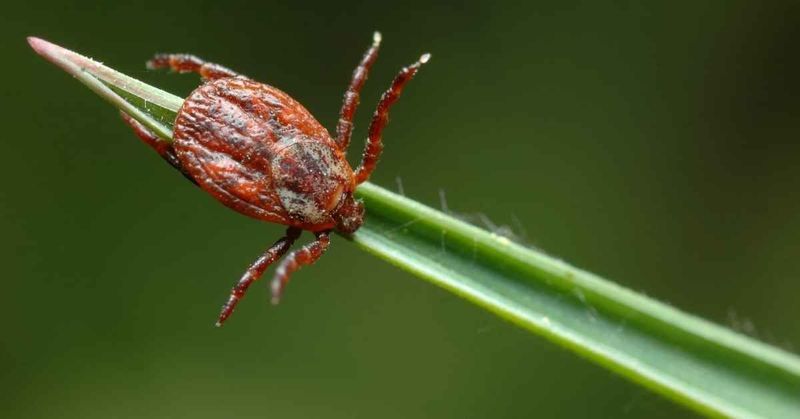
No amount of Arizona landscape design removes the need for daily tick checks on pets. The brown dog tick is particularly relevant for Arizona homeowners because, unlike many other tick species that stay primarily outdoors, it can infest dogs and move into indoor spaces including furniture, kennels, and wall crevices.
CDC guidance on preventing ticks on pets recommends veterinarian-recommended tick prevention products used consistently throughout the year in Arizona, not just during peak warm months. Run a thorough check on dogs after any time outdoors, paying attention to ears, between toes, around the collar, and under the tail.
A pet that roams off-property even occasionally can bring ticks back into a yard that otherwise has good edge management.
Personal protection matters whenever you are working along an Arizona yard border, walking in brush, or spending time near dense vegetation. Wear long pants and tuck them into socks, choose long sleeves, and apply EPA-registered repellents exactly as the product label directs.
University of Arizona Cooperative Extension’s pest-proofing guidance includes these personal protection steps as part of a complete Arizona tick-prevention approach.
Do not apply it to skin unless a product label explicitly permits that application. After spending time in any Arizona brush or tall vegetation, check your entire body carefully, including the scalp, behind the ears, and behind the knees.
Prompt tick removal and attention to any symptoms that follow a bite are steps that a well-designed yard edge cannot replace.
Choose the Shrub for Screening and Build Risk Reduction Around It
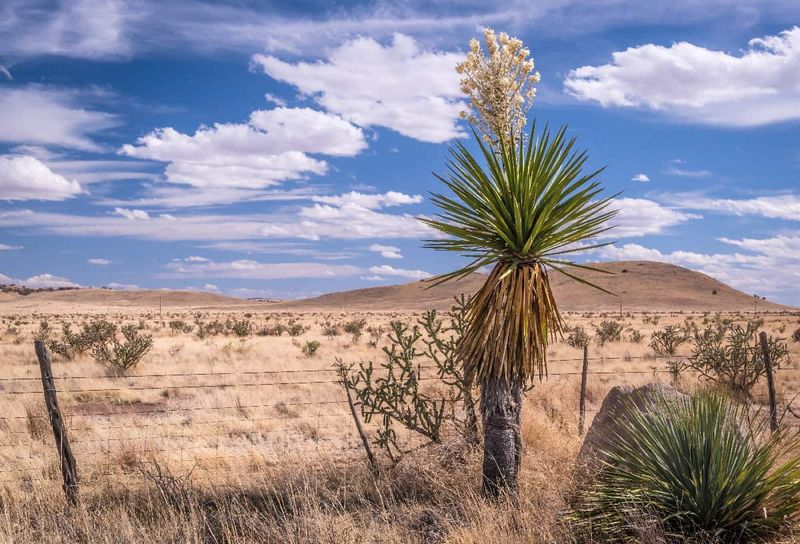
Desert hackberry earns its place in a suitable Arizona yard as a low-water, thorny screen that provides wildlife cover and a physical boundary. University of Arizona Campus Arboretum records confirm its drought tolerance, dense thorny branching, and habitat value for the Sonoran Desert region.
Plant it for those qualities in a location that fits Arizona fire-wise spacing and keeps thorns away from high-traffic areas.
The risk-reduction work happens in everything around the shrub. A roughly 3-foot dry separation zone of gravel or wood chips, open and sunny yard edges, consistent debris removal after monsoon season, cleared brush near living spaces, veterinarian-recommended pet tick prevention, daily pet checks, and personal protection when entering brush are the measures with credible support.
University of Arizona Cooperative Extension and CDC tick-management guidance frame all of these as exposure reduction under some conditions, not as a tick-proof guarantee.
The corrected version of this article’s title is a practical instruction: use desert hackberry to shape the Arizona border, and build a maintained, sunny, dry edge around it to reduce the conditions ticks prefer. Pet and personal tick prevention remain necessary regardless of how good the yard edge looks.
A well-chosen shrub in a well-maintained Arizona yard is a useful combination, but the shrub is the screen and the maintenance is the strategy.