Illinois Homeowners Have A Narrow Window To Scrape Something Off Their Trees
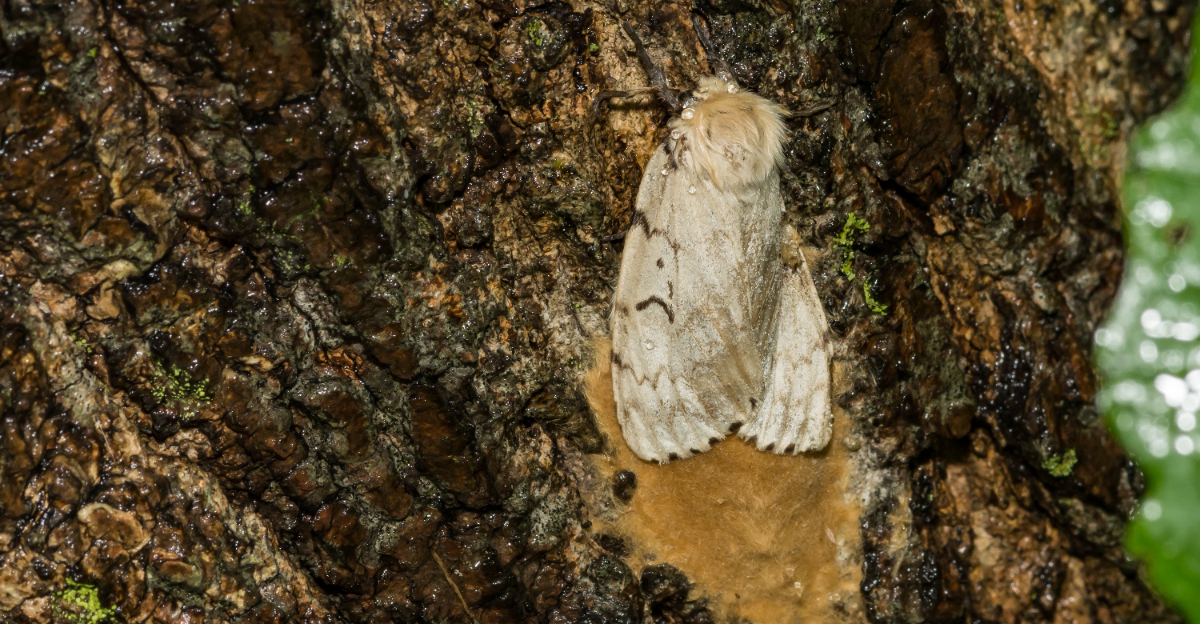
Scrape one egg mass off an oak in February and you may have saved that tree an entire summer of chewing. Scrape it in May and you have saved it nothing.
I’ll admit it, I used to walk right past those fuzzy tan patches in the bark. They looked like scraps of felt, harmless and a little bit silly. Then one June, the tall oak at the corner of my yard stood nearly bare, and the lawn underneath crunched with falling droppings.
Those patches hold hundreds of eggs each, and they sit quietly through fall and winter until the first warm spell wakes them up. Here in Illinois, hatching starts around late April, and by then the easy window has already closed.
So what are those little tan lumps really telling you about your tree? And why does a ten-minute scrape now save you a ruined summer later?
Feel For The Fuzzy Tan Patches On Your Bark
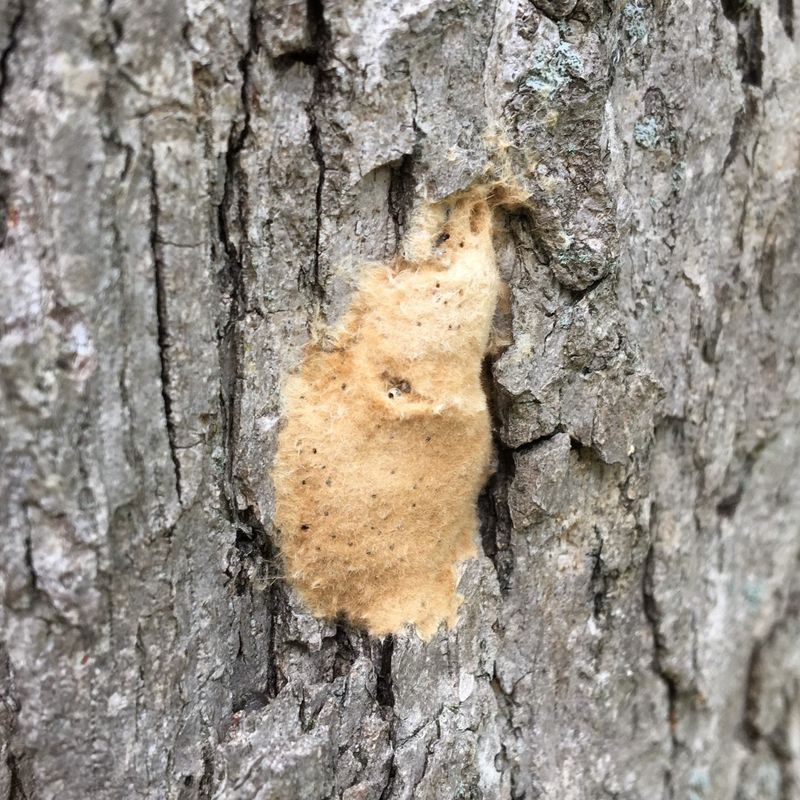
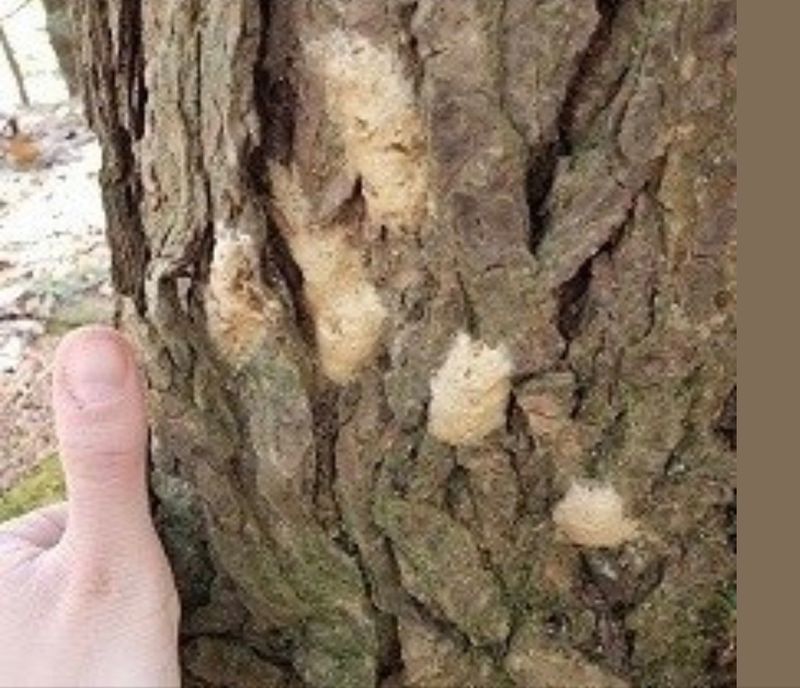
Run your hand along an oak trunk right now and you may feel something strange, like a scrap of felt glued to the bark. That velvety lump, tan or buff colored and about the size of a large gummy bear, an inch or more long, is a spongy moth egg mass.
Each patch can hold several hundred eggs, and some hide close to a thousand. A female moth lays them in mid to late summer, then covers the pile with tiny hairs from her own body for insulation.
Texture gives it away faster than color does. Fresh masses feel firm and slightly springy under a fingertip, while spent ones from an earlier season look papery, flat, and faded. A pencil eraser is enough to test one, and you will see the difference right away.
Northern Illinois counties such as Lake, McHenry, Cook, and DuPage report the heaviest numbers, though the insect keeps drifting south and west. Extension offices track it every year, so a quick call can tell you what your township is seeing.
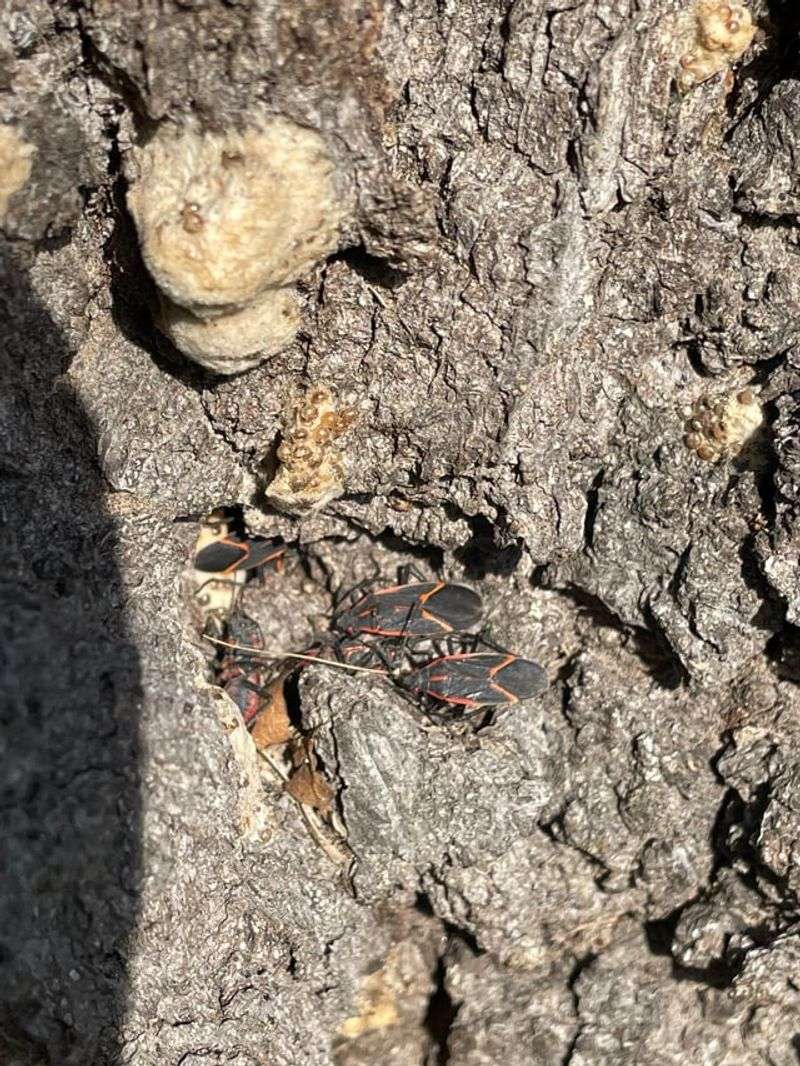
Once your eyes learn the shape, you notice the masses everywhere. Check bark furrows, the underside of low limbs, the joint where a branch meets the trunk, and the shaded side of the tree.
Fun bit of history: the species arrived in Massachusetts in 1869 after an amateur silk experiment went sideways, and it has been wandering west ever since. Knowing what you are looking at is the first half of the job. The second half is timing, and that clock is already ticking.
Cold Months Give You The Best Shot
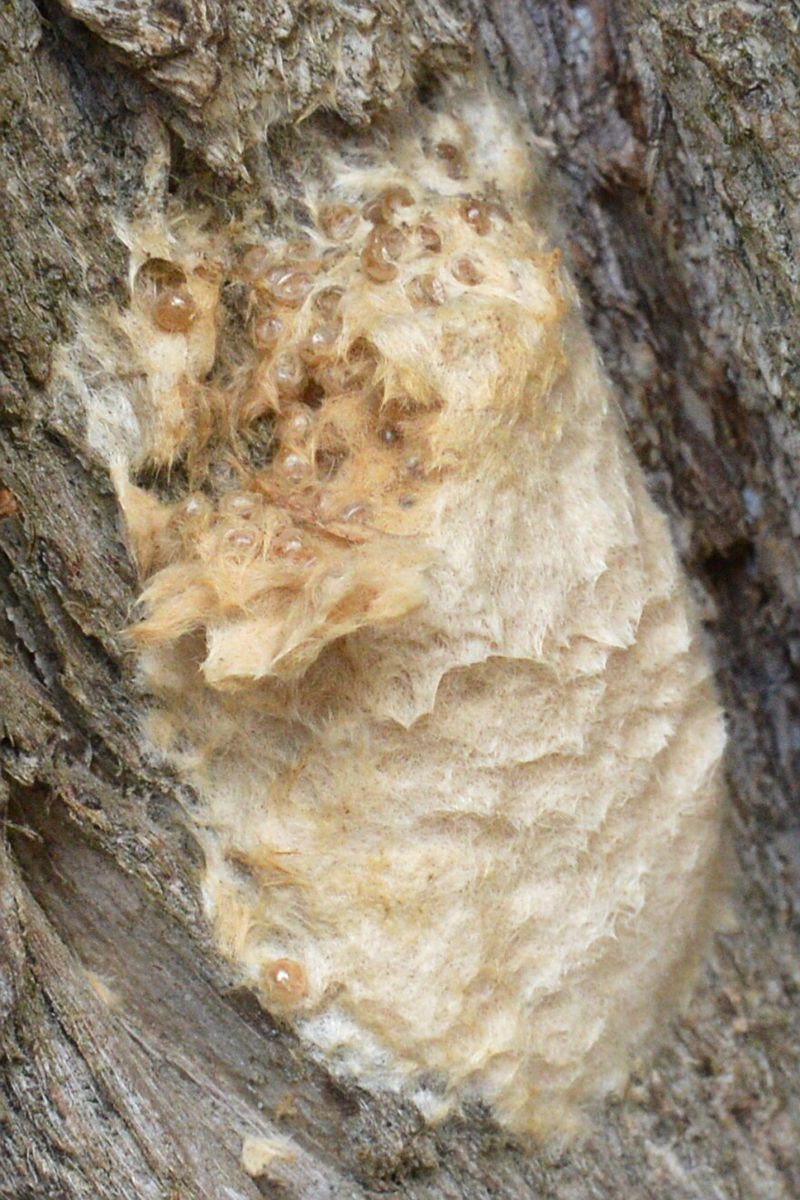
Timing is where most homeowners lose the game. The masses you see now were laid this past summer, and they sit dormant through fall and winter, which is exactly what makes them easy targets.
In much of Illinois, hatching begins around late April into early May, roughly when oak buds break and lilacs bloom. Warmth is the trigger, so a mild spring can nudge the schedule earlier by a week or more.
Practical translation: October through early April is your removal season. Late winter is the sweet spot because branches are bare, snow reflects light onto the trunk, and you are not fighting mosquitoes or poison ivy.
Waiting until May flips the job upside down. Once the tiny caterpillars leave the mass, scraping the empty shell accomplishes nothing, and the young larvae climb toward the canopy where they are hard to reach.
Mark a weekend on the calendar, maybe the same one you sharpen mower blades or clean gutters. Two hours of steady work in March can spare a tree weeks of chewing in June. Growing degree day trackers from local extension programs can fine tune the date if you like precision.
Neighbors matter here as well. Insects do not respect property lines, so a block that scrapes together in the same month sees far better results than one lone yard doing all the work.
Set a reminder on your phone for early March each year. The chore is small, the payoff shows up in leafy shade months later, and your window reopens every winter.
Fences, Grills, And Firewood Hide Egg Masses Too
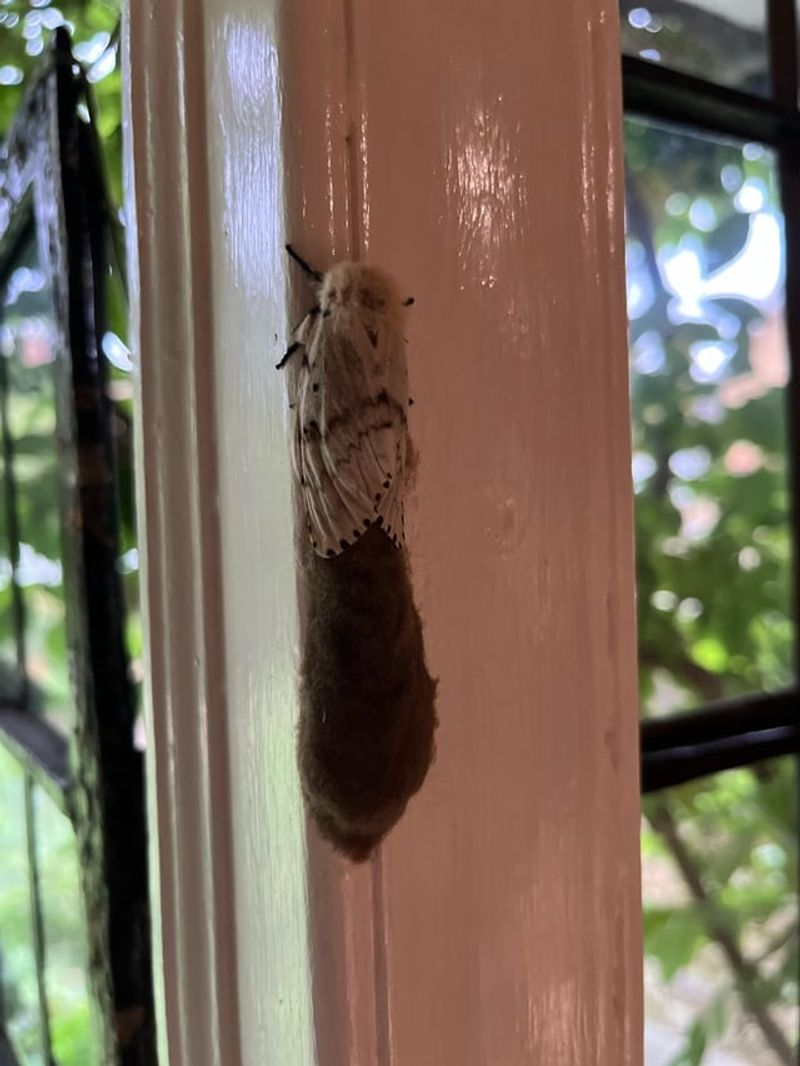
Bark is the obvious place, though these clusters treat almost any sheltered surface as fair game. Check fence rails, deck undersides, house eaves, siding seams, and the shady back of the garage.
Grill covers, patio umbrellas, playsets, birdhouses, and stacked lawn chairs all show up on inspection lists. Anything that sat still in your yard this summer is worth a look.
Vehicles and trailers deserve special attention. Wheel wells, camper roofs, boat covers, and firewood loads move egg masses to new counties faster than the insect could travel on its own.
Illinois has a quarantine that limits moving certain wood and outdoor items out of infested areas, and firewood is the classic culprit. Buy wood where you burn it, and leave leftover bundles behind rather than hauling them to a cabin downstate.
Bring a flashlight even in daylight. Angled light throws shadows across bark ridges and makes the raised patches pop out, especially on rough-barked oaks.
Look high and low. Masses appear on trunks at eye level, on the underside of limbs, tucked behind loose bark, and up in the crown where a pole tool or an arborist can help.
Keep a simple tally as you go. Writing down counts and locations helps you compare year to year and decide if a professional is worth calling.
One more spot people forget: the mailbox post and the fence line along the alley. Those quiet edges of a yard often hold more clusters than the trees themselves, and a five-minute sweep of the perimeter pays for itself.
Scraping The Right Way, Step By Step
Grab a plastic putty knife, a bucket, and a squirt of dish soap, and you have everything the job requires. Fill the bucket with warm, soapy water and hold it directly under the mass before you touch anything.
Scrape downward with steady pressure so the whole patch drops into the water instead of onto the lawn. Eggs that land on the ground can still hatch, which turns tidy work into wasted effort.
Let the scrapings soak for a couple of days, then bag them and put the bag in household trash. Soapy water breaks down the protective coating, so a long soak is the part that actually finishes the job.
Go easy on the bark. A metal blade dug in at a sharp angle can wound living tissue, and open wounds invite trouble, so keep the tool nearly flat and let the edge do the work.
Gloves and long sleeves are smart. The fine hairs woven into each mass irritate sensitive skin, and some people react with an itchy rash after a morning of scraping.
Safety glasses help when you are working overhead. Flakes of bark and bits of fluff drift straight down toward your face.
Skip the ladder if the mass sits far above your head. A pole-mounted scraper handles most reachable heights, and anything in the canopy is a good reason to phone a certified arborist.
Work one tree at a time and circle the whole trunk. One easy spot to miss is the shady north side of the trunk.
Tools Worth Keeping In The Bucket
Veteran scrapers carry a kit that looks a bit like a fishing tackle box. Nothing in it is expensive, and most of it probably lives in your garage already.
Start with a plastic putty knife or an old butter knife, both blunt enough to spare bark. A stiff nylon brush cleans out bark crevices where the last stubborn flecks hide.
A lidded five-gallon bucket beats an open one, since it will not slosh when you carry it across the yard. Add warm water and a generous squirt of dish soap before you start.
A spray bottle of the same soapy mix lets you soak a mass in place when it sits on siding or a fence rail. Wait a minute, then scrape, and the whole patch peels off in one piece.
An extension pole with a scraper head buys you another eight or ten feet of reach. Pair it with a headlamp for early evening work in late winter, when daylight fades before dinner.
Some homeowners use a horticultural oil product labeled for egg masses, which coats them where they sit and disrupts their development. Read the label closely, mind the temperature range, and remember that certain trees and shrubs react poorly to oil.
Toss in nitrile gloves, safety glasses, and a small notebook. Photos on your phone work too, and they make it easy to ask an extension expert whether you found the real thing.
Keep the kit assembled in one place. Chores that take five seconds to start tend to actually get done.
Trees Most Likely To Host A Crowd
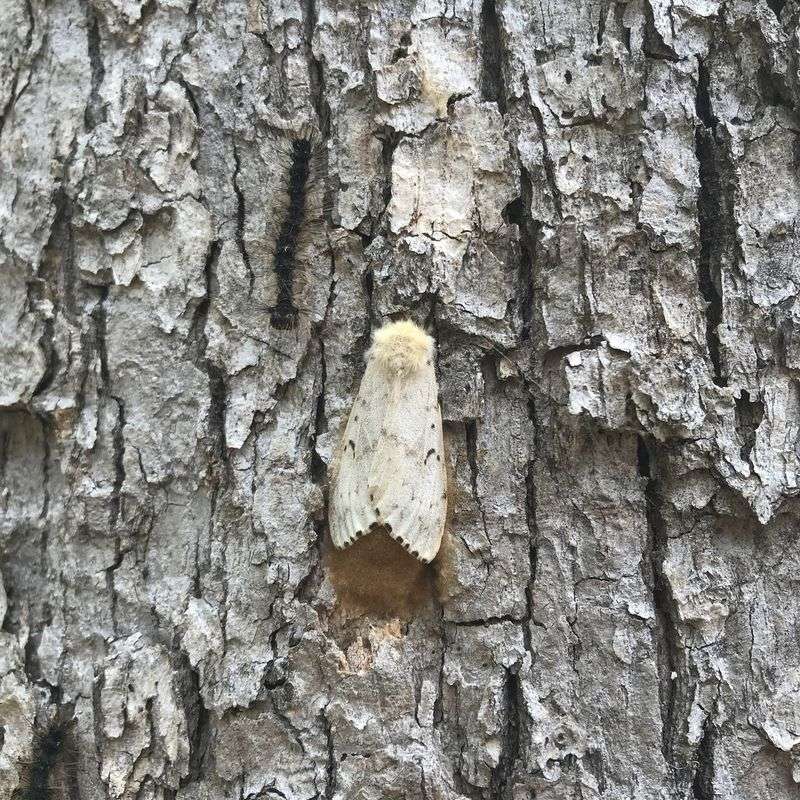
Oaks sit at the top of the menu, and in Illinois that covers a lot of ground. White oak, bur oak, and red oak neighborhoods draw the heaviest egg laying, so scout them first.
Crabapple, birch, aspen, willow, linden, hawthorn, and basswood round out the favorites list. If your parkway tree is one of those, add it to the winter walk-through.
Less preferred species still get visitors during heavy years. Hungry older caterpillars will move onto maple, hickory, and even garden shrubs once the choice leaves run out.
Conifers deserve a mention because they play by different rules. Spruce, pine, and hemlock struggle to push out a second set of needles, so damage there lingers longer than on a leafy oak.
Healthy hardwoods usually releaf by midsummer after a rough chewing season. Repeat visits, drought, or root damage stack the stress, and that combination is what weakens a mature shade tree.
Big old oaks are worth extra effort for another reason. Rough, deeply furrowed bark hides masses beautifully, so run your fingers along the ridges instead of trusting a quick glance.
Watering during dry stretches helps more than people expect. A slow soak once a week in July supports a tree that spent June regrowing its canopy, and mulch out to the drip line keeps roots cool.
Skip the fertilizer reflex. Feeding a stressed tree heavily can push soft new growth instead of the root strength it actually needs, so ask an arborist first.