Plant These Pennsylvania Natives In September For A Yard That Comes Alive This Fall
Most Pennsylvania gardeners treat September as the beginning of the end. The season is winding down, the big planting push feels like it belongs to spring, and putting new plants in the ground when everything else is shutting off doesn’t quite fit the mood of the month.
But September is one of the best planting months Pennsylvania offers. And native plants know it. Fall is when Pennsylvania natives do some of their most important work below the surface.
Root systems establish through the cooler weeks ahead, the soil still holds summer warmth, and plants put in now arrive next spring already settled and ready to perform rather than spending half the season getting established.
The result is fall color and interest right now and a yard that comes alive faster and fuller when spring returns.
1. New England Aster
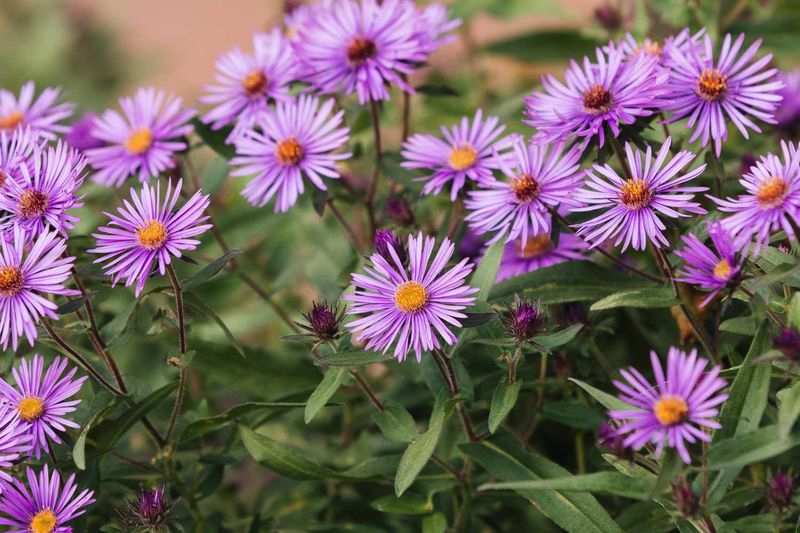
Few plants throw a bigger late-season party than the New England aster. Its purple petals seem to glow when most other flowers have called it quits.
Native across Pennsylvania, this hardy bloomer feeds bees and migrating monarchs when nectar is hard to find. Planting it in September gives the roots time to settle before winter.
Give it full sun and moist, well-drained soil for the happiest results. It can stretch three to six feet tall, so tuck it toward the back of a bed.
If you want bushier plants with more flowers, pinch the stems back in early summer. That little trick keeps them from flopping over in a heavy rain.
Butterflies treat these blooms like a fuel stop on their long trip south. On a warm October afternoon, you might count a dozen visitors at once.
The flowers range from deep violet to soft lavender, often with cheerful yellow centers. Pair them with goldenrod for a color combo that lights up the yard.
Water new plants regularly through their first fall so the roots grow strong. Once established, this aster shrugs off dry spells with ease.
Deer tend to leave it alone, which is a bonus in many Pennsylvania neighborhoods. That means fewer nibbled stems and more blooms for you.
Come spring, cut back the old stalks to make room for fresh growth. The plant returns year after year, spreading slowly into a lovely clump.
Fun bit: this aster once carried the scientific name Aster novae-angliae, honoring New England, though it grows happily here too.
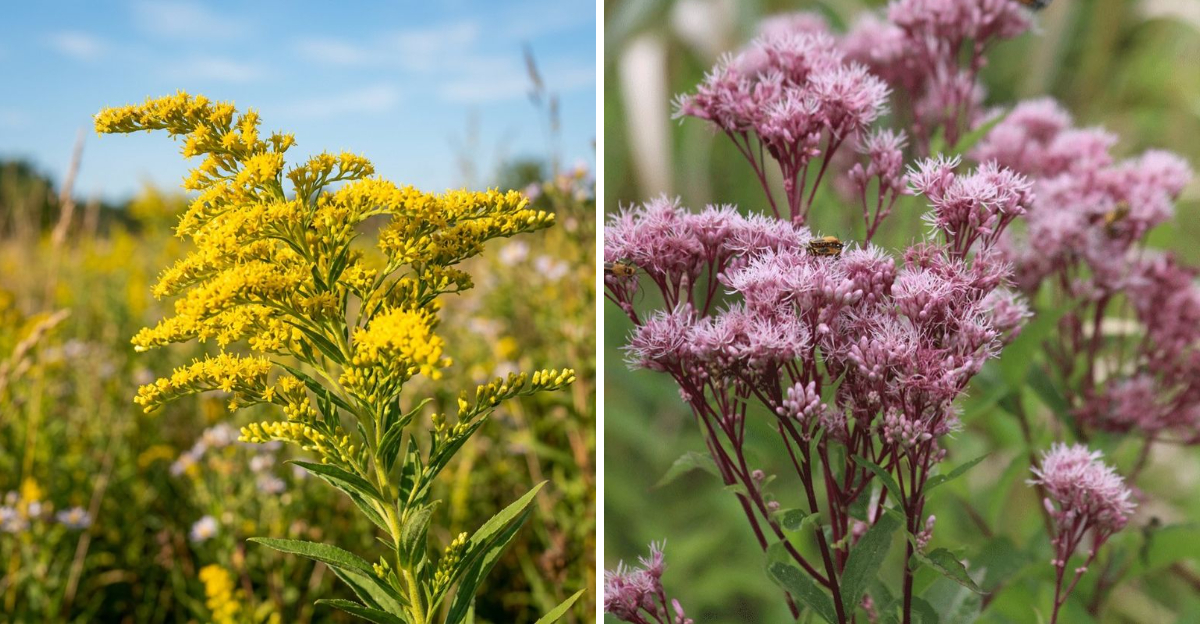
2. Goldenrod
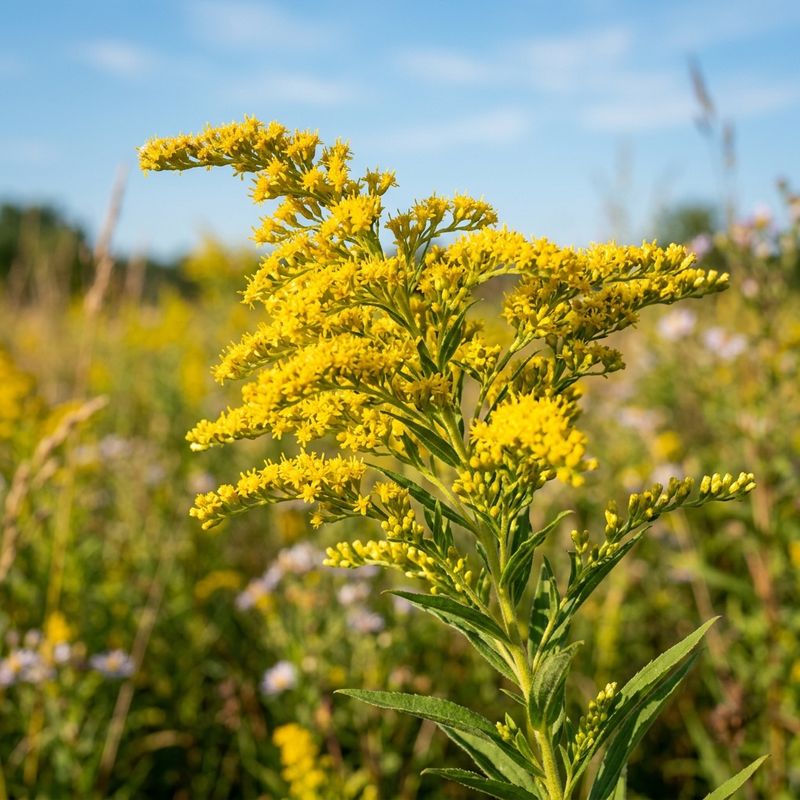
Goldenrod gets blamed for autumn sneezes, but that reputation is unfair. The real culprit is ragweed, which blooms at the same time.
This golden native is actually a superstar for pollinators across Pennsylvania. Its bright plumes feed bees, wasps, and beetles right up to frost.
Plant it in September in a sunny spot with average soil. It is not fussy and handles poor ground better than many fancy garden flowers.
Several species grow well here, including showy goldenrod and blue-stemmed goldenrod. Choose one that fits your space, since sizes vary quite a bit.
Some types spread by underground roots, so give them room or a container. Others stay in tidy clumps that behave nicely in a flower bed.
Your Pennsylvania Garden Changes Every Week. Your Plan Should Too.
Gardening in Pennsylvania changes quickly throughout the season. Every Friday you’ll receive a simple weekly plan showing exactly what to plant, prune, fertilize, harvest, and protect so you never miss the right timing.
The arching yellow sprays look stunning next to purple asters. That pairing shows up naturally in fields all over the state.
Songbirds later pick through the dried seed heads for a snack. Leaving the stalks standing through winter helps feed them.
Water your new plants during their first dry stretches to help roots settle. After that, goldenrod mostly takes care of itself.
Beneficial insects that eat garden pests also gather on these blooms. So planting goldenrod can quietly protect your other plants too.
Cut spent stems back in late winter or early spring. New shoots will push up as the weather warms again.
Did you know goldenrod is one of the most valuable late nectar sources in the eastern United States? That is a lot of good packed into one sunny plant.
3. Little Bluestem
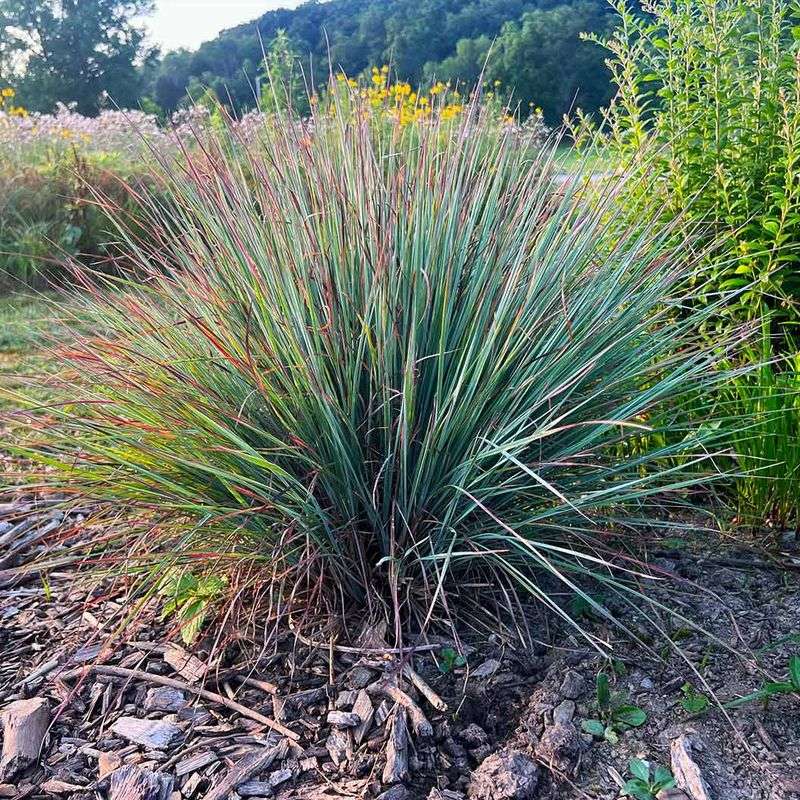
Grasses rarely get the spotlight, but little bluestem earns it every fall. Its blue-green blades shift to warm copper and rust as the season turns.
This tough native grass grows naturally in Pennsylvania meadows and open ground. September planting lets it anchor its deep roots before the cold arrives.
It thrives in full sun and dry, lean soil where other plants struggle. Rich, soggy ground actually makes it flop, so keep things on the dry side.
Standing two to four feet tall, it adds height and movement to a bed. The slightest breeze sends its fluffy seed heads shimmering.
Those seeds become a winter buffet for sparrows and other small birds. Leaving the grass standing through the cold months helps wildlife hang on.
Little bluestem also shelters caterpillars of several skipper butterflies. That makes it more than just a pretty face in the garden.
Once its roots take hold, this grass laughs at drought and heat. You will rarely need to water it after the first season.
The copper winter color glows beautifully against snow or morning frost. Many gardeners plant it just for that cold-weather show.
Cut the clumps back to a few inches in early spring. Fresh blades emerge quickly as the soil warms.
Space plants about a foot apart if you want a natural, flowing look. Over time they form a soft, waving carpet.
Neat fact: little bluestem is Pennsylvania’s neighbor state Nebraska’s official state grass, yet it feels right at home in our fields too.
4. Aromatic Aster
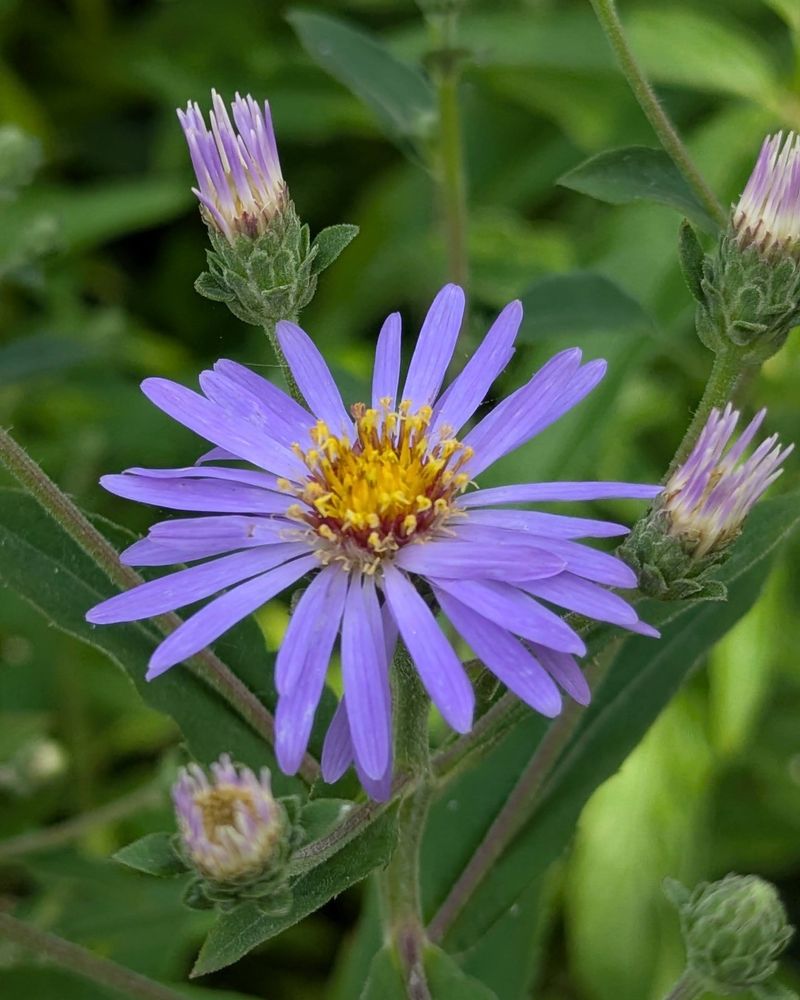
Brush against an aromatic aster and you get a pleasant surprise. Its leaves release a light, minty scent when touched.
This compact native blooms later than almost anything else in the yard. Lavender-blue flowers open just when the garden seems ready to nap.
Well suited to Pennsylvania, it handles clay and dry, rocky spots with grace. Plant it in September so roots settle before frost.
Full sun brings out the most flowers and the tidiest shape. In shade it stretches and blooms far less.
The plant forms a low, rounded mound about one to two feet tall. That neat habit makes it great for edging a walkway.
Late bees rely on these blooms when few other flowers remain open. On mild fall days the plant practically hums with activity.
Its scented foliage helps deer and rabbits decide to munch elsewhere. That is welcome news in gardens where wildlife loves to nibble.
Water it through the first fall, then step back and relax. Established plants shrug off dry weather without complaint.
Pair it with little bluestem for a soft blue-and-copper combination. The contrast looks polished with almost no effort.
Trim old stems back in early spring to keep the mound tidy. It will bounce back fuller each year.
Because it stays small, it also fits nicely in containers on a porch. You get late color right where you can enjoy it.
Little wonder gardeners call this the plant that keeps the party going after everyone else has left the dance floor.
5. Switchgrass
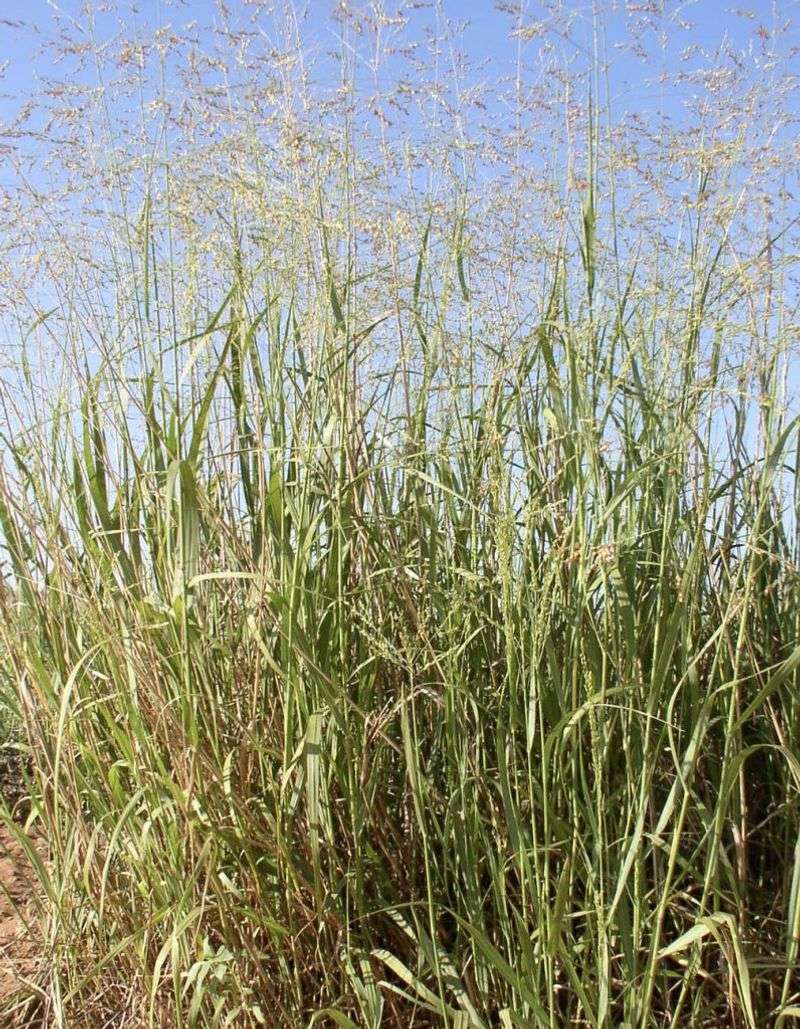
Picture a tall, airy grass that sways like ocean waves in an autumn wind. That graceful mover is switchgrass, a proud Pennsylvania native.
Come fall, its green blades turn shades of gold and burgundy. Delicate seed heads float above like a soft pink mist.
Plant it in September and it will settle its roots deep and fast. Those roots can reach several feet down, making it wonderfully sturdy.
It grows well in almost any soil, from sandy to heavy clay. Full sun keeps it upright, while too much shade makes it lean.
Standing three to six feet tall, it works as a living privacy screen. A row of it can soften a fence or hide a plain wall.
Birds flock to the seed heads for food all winter long. The dense clumps also give small creatures a place to hide.
Switchgrass barely needs watering once it settles in. It handles both soggy spring soil and dry summer heat.
Its strong stems stay standing through snow, adding structure to a bare yard. That winter presence makes the garden feel alive in cold months.
Cut the clumps back to about six inches in early spring. New growth surges up quickly as days lengthen.
Choose named varieties for specific colors or heights if you like. Many stay narrow and neat, perfect for smaller yards.
Interesting tidbit: switchgrass has been studied as a renewable energy crop, thanks to how fast and thickly it grows across our region.
6. Black-Eyed Susan
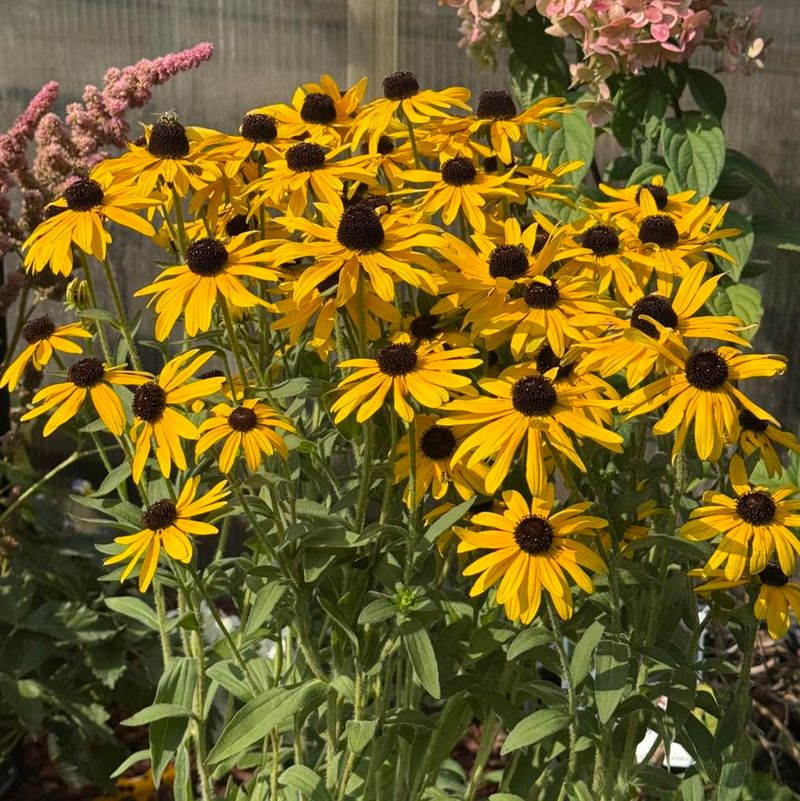
Cheerful and easygoing, the black-eyed Susan feels like sunshine on a stem. Its golden petals circle a dark chocolate-brown center.
This friendly native blooms from late summer well into the fall in Pennsylvania. Planting in September helps roots establish before winter settles in.
It loves full sun and tolerates a wide range of soils. Even in average dirt, it puts on a generous show.
Bees and butterflies visit the flowers all day for nectar and pollen. Later, goldfinches cling to the dried heads to eat the seeds.
Growing one to three feet tall, it fits nicely into most beds. The blooms also make long-lasting cut flowers for the kitchen table.
Some kinds live only a couple of years but reseed themselves freely. That means new plants pop up to keep the display going.
Water young plants during dry spells in their first season. After that, this tough flower rarely asks for much.
It pairs beautifully with purple asters and swaying native grasses. The warm gold against cool purple always looks striking.
Leave some seed heads standing to feed birds through the colder weeks. You can tidy them up in spring instead.
Deer sometimes nibble, but the plant usually recovers and keeps blooming. Its toughness is part of its charm.
Snip faded flowers during summer to encourage even more buds. This simple habit stretches the bloom season longer.
Here is a fun note: the black-eyed Susan is the state flower of Maryland, yet it grows wild across Pennsylvania fields and roadsides too.
7. Joe-Pye Weed
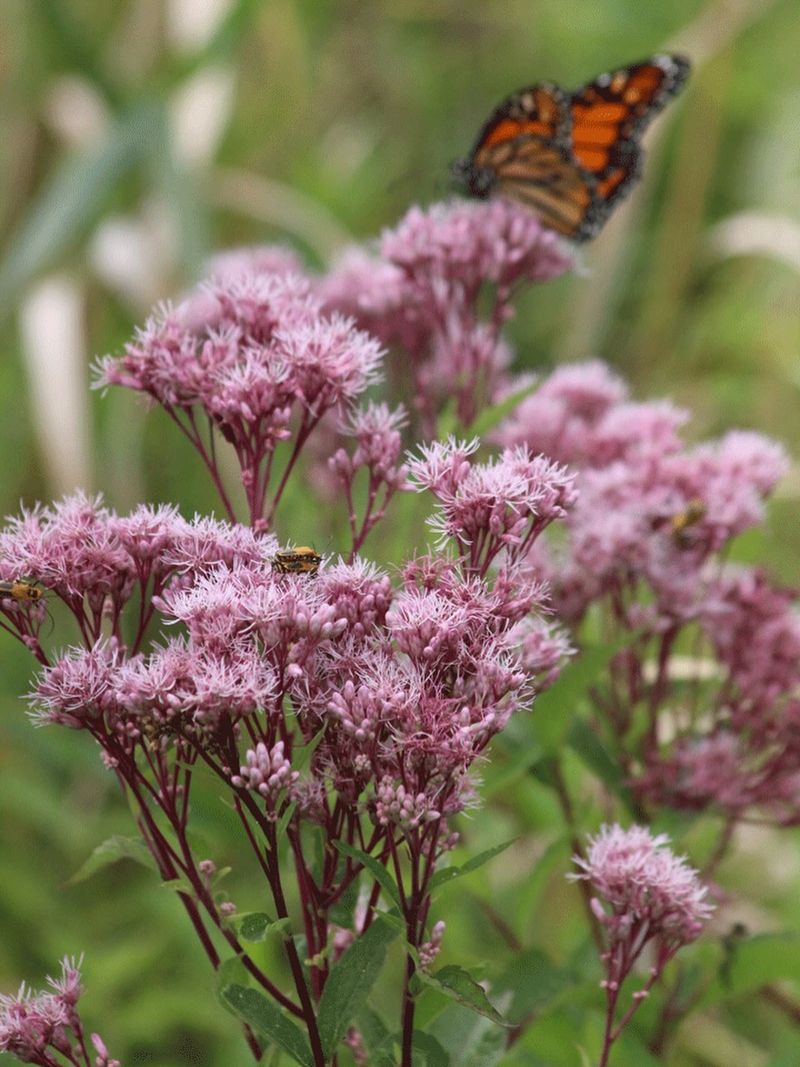
Do not let the word weed fool you. Joe-Pye weed is a towering native beauty that butterflies adore.
Its big, dusty-pink flower clusters rise on stems that can top six feet. In a Pennsylvania yard, it makes a bold, cannot-miss statement.
Plant it in September in a spot that stays a bit moist. It naturally grows near streams and low, damp meadows here.
Full sun to part shade both work, though sun brings more blooms. Give it space, because this plant likes to stand tall and proud.
Swallowtail butterflies gather on the fluffy flower heads in late summer and fall. Watching them drift among the blooms feels like magic.
The plant also draws bees and other helpful insects to your garden. More visitors mean better pollination for nearby flowers.
Water it regularly, especially during dry stretches, since it dislikes drought. A layer of mulch helps the soil hold moisture.
After flowers fade, seed heads provide food and interest into winter. Leaving them standing supports birds during lean months.
Because it grows so large, place it at the back of a bed. There it can anchor the whole planting like a leafy backdrop.
Cut the old stems down in early spring before new shoots appear. The plant returns reliably, often bigger each year.
Look for shorter named varieties if a six-foot giant feels like too much. They offer the same charm in a more manageable size.
Legend says the plant was named after a healer named Joe Pye, adding a bit of folklore to your fall garden.