Got Daylilies? 10 Essential Tasks You Must Do In Arizona This Fall For Bigger Blooms
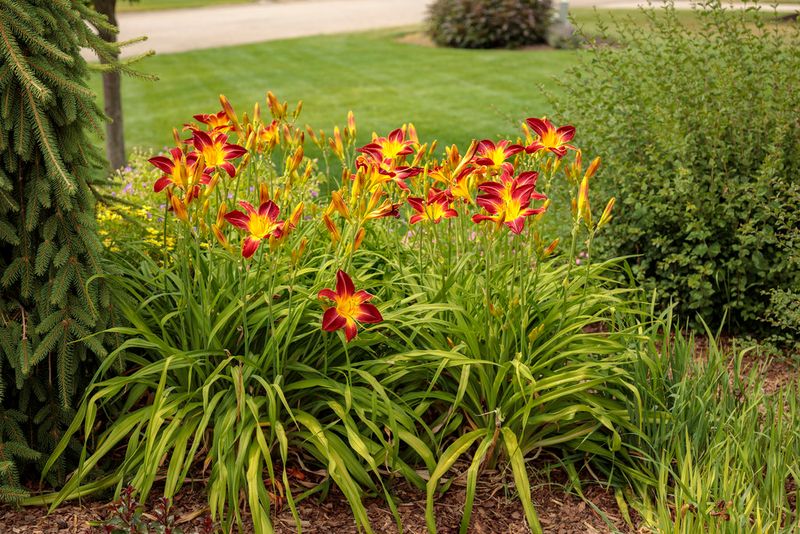
Daylilies can put on a show even in Arizona’s tough low-desert climate, but only if you give them a little help when the weather cools off. Fall is the secret season when smart gardeners set up their plants for a stronger spring.
These ten tasks are built for our alkaline soil, our brutal heat, and our water limits. Roll up your sleeves and get ready for your biggest blooms yet.
1. Cut Back Foliage for Arizona Pest Control and Plant Health
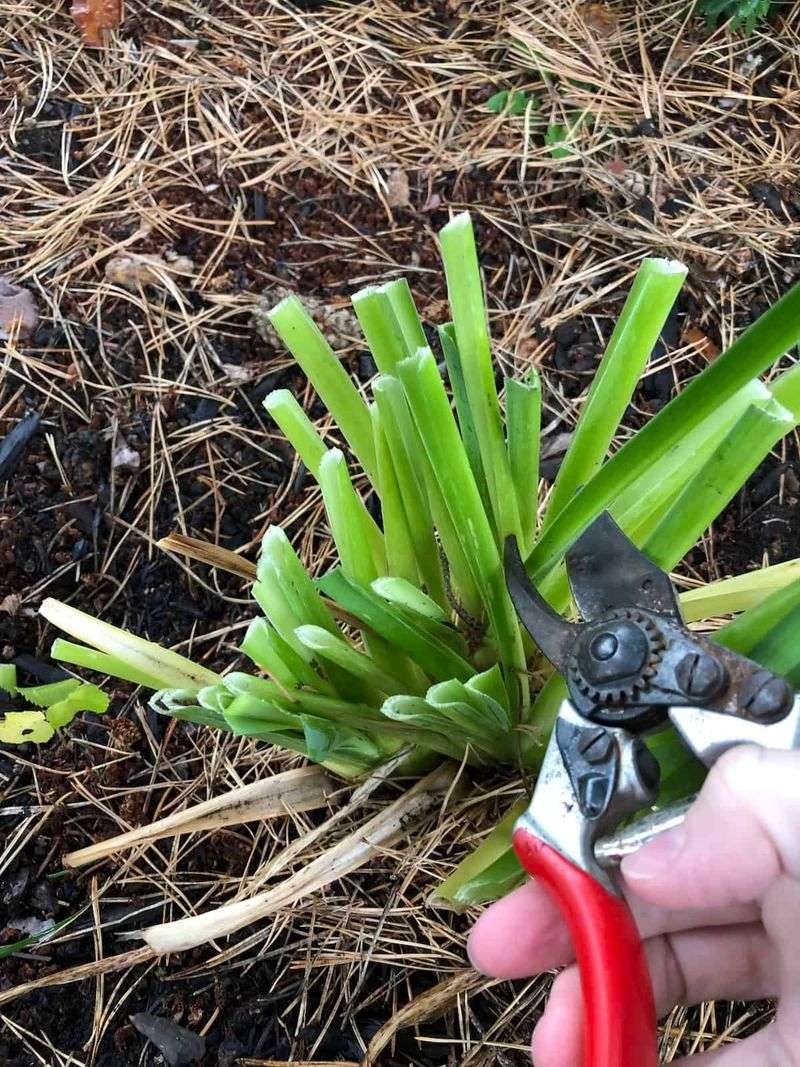
When your daylily leaves start fading to brown as the Arizona nights finally cool down, that is your signal to grab the shears. Snipping away the dying foliage keeps your flowerbed looking tidy, but the bigger win happens out of sight.
Decaying leaves make a cozy hiding spot for unwanted critters. In our region, that means scorpions, beetles, and other pests may find cover and even lay eggs that hatch in spring.
Clearing out the old growth makes the area less inviting to them.
Cutting back also lets the plant stop wasting energy on worn-out leaves. Instead, it sends that fuel straight down to the roots, setting up thicker clumps and more blooms next year across your Arizona garden.
2. Remove Spent Flower Scapes to Boost Future Arizona Blooms
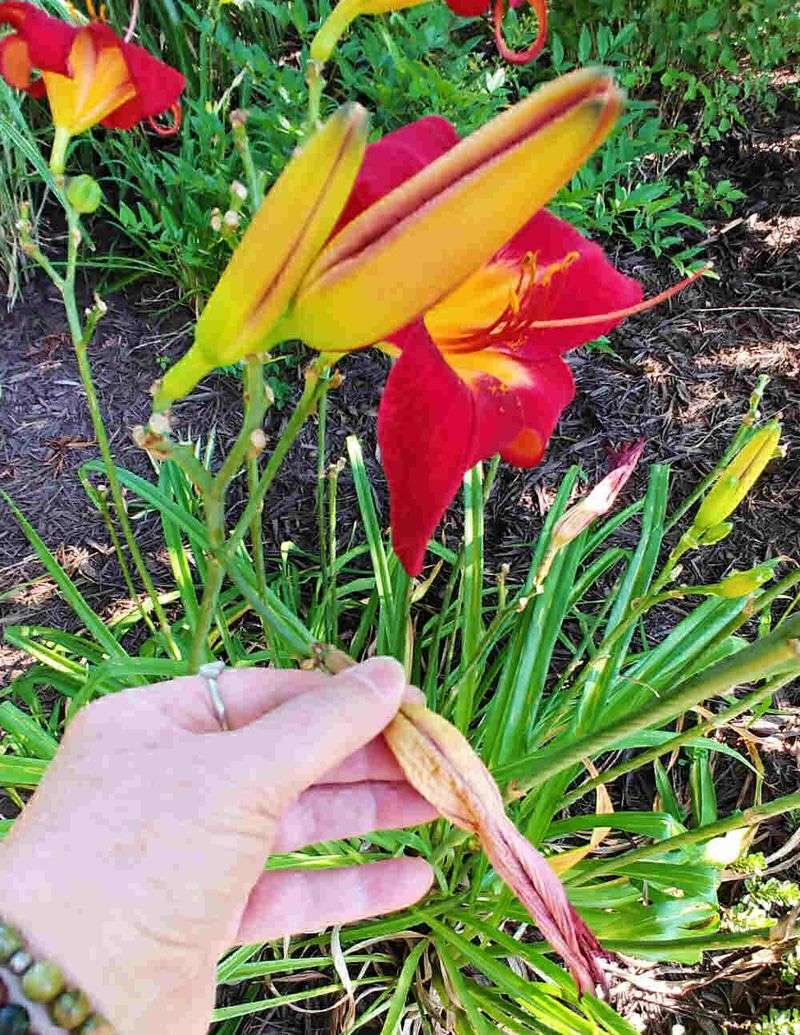
Ever notice those tall stalks left behind after the flowers fade? Those are called scapes, and once they turn yellow or brown and start forming seed pods, they are just draining your plant.
Trimming each spent scape right down near the crown tells the daylily to quit spending energy making seeds. In Arizona’s demanding climate, every bit of saved energy counts, and the plant reroutes it back into the root system.
The payoff shows up when the next growing season arrives. Plants that were not busy making seeds tend to come back with more scapes and fuller, bigger flowers, giving your Arizona yard a brighter display.
3. Divide Overgrown Daylilies in Arizona’s Fall for Rejuvenation
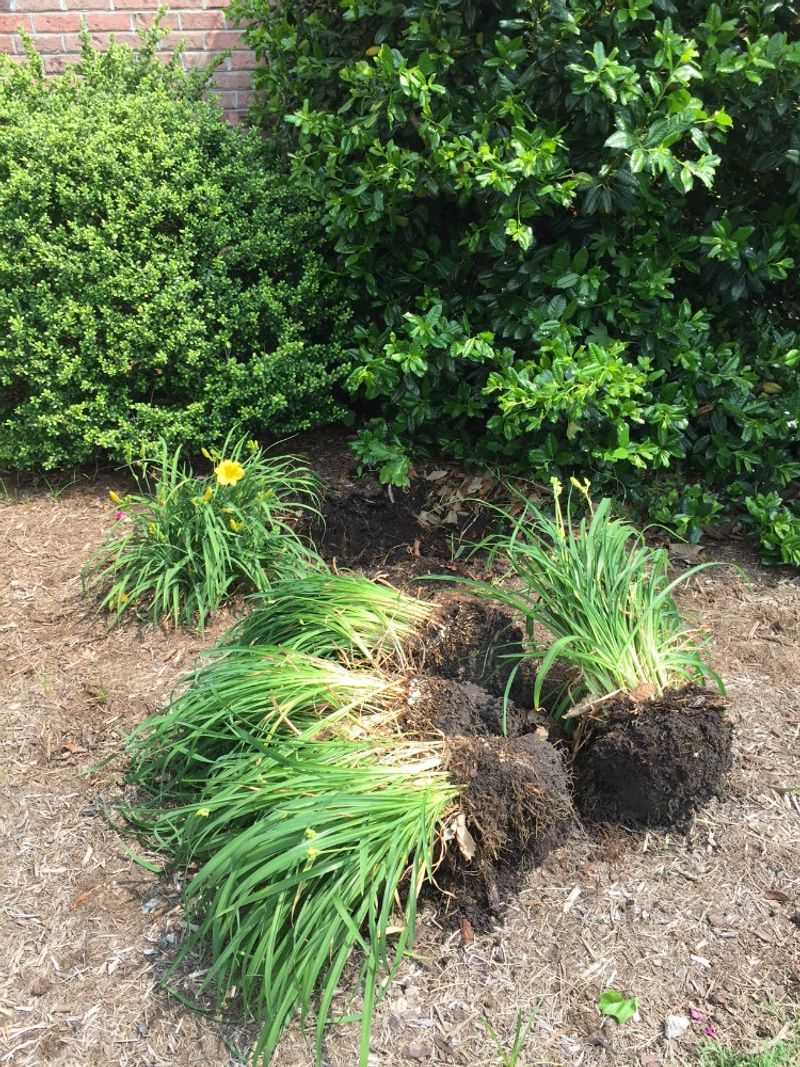
A daylily clump that has been sitting in the same spot for years can get crowded and stingy with its flowers. When you see fewer and smaller blooms, that packed root ball is usually to blame.
Fall, once the vicious summer heat has broken, is the sweet spot for splitting these clumps here in Arizona. Aim to divide every three to five years, gently prying apart the crowns into smaller sections.
Getting divisions in the ground during the cooler months gives each new piece time to grow fresh roots before winter. That head start translates into more vigorous plants and a heavier flush of blooms come spring.
4. Implement Strategic Fall Watering for Arizona Water Conservation
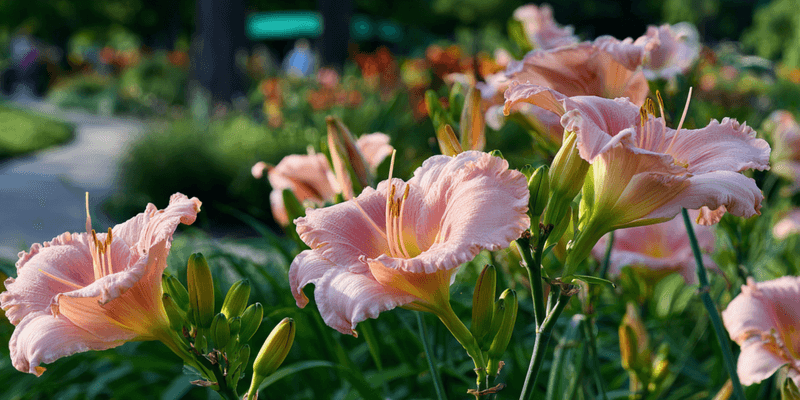
Daylilies earn a reputation for toughing out dry spells once they settle in, yet they still crave a good drink while they are actively growing. Early Arizona fall can stay warm, so do not put the hose away too soon.
Skip the light sprinkling that only wets the surface. Water deeply so moisture soaks down 8 to 10 inches, which encourages roots to dig deeper and become more drought-resilient over time.
Your Arizona Garden Changes Every Week. Your Plan Should Too.
Gardening in Arizona changes quickly throughout the season. Every Friday you’ll receive a simple weekly plan showing exactly what to plant, prune, fertilize, harvest, and protect so you never miss the right timing.
Time your watering for the early morning. Hydrating before the desert sun climbs high keeps the plants strong through the heat of the day and helps you use every drop wisely in water-conscious Arizona.
5. Apply Mulch for Arizona Soil Health and Water Savings
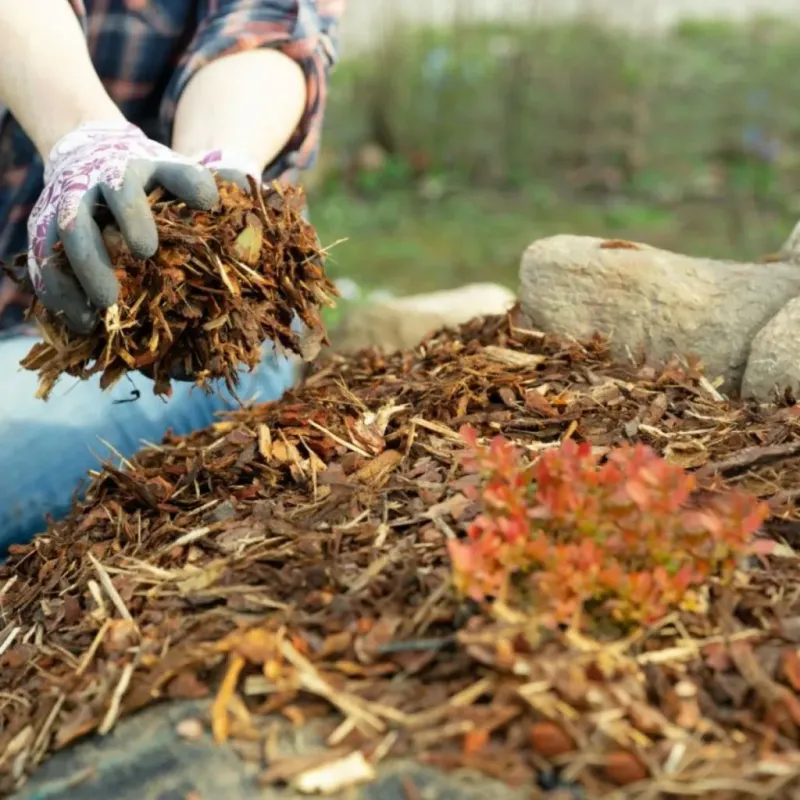
Think of mulch as a blanket and a raincoat rolled into one for your daylilies. Laying a few inches of organic mulch around the base is one of the smartest fall moves you can make in our climate.
The mulch layer traps moisture in the soil, so you water less often. In a place where every gallon matters, that is a real relief for both your plants and your water bill.
Mulch also acts as a buffer against Arizona’s swinging temperatures. It shields tender roots from the lingering heat of early fall and softens the shock of the cooler snaps that follow, all while feeding the soil as it breaks down.
6. Assess and Amend Arizona’s Alkaline Soil for Optimal Growth
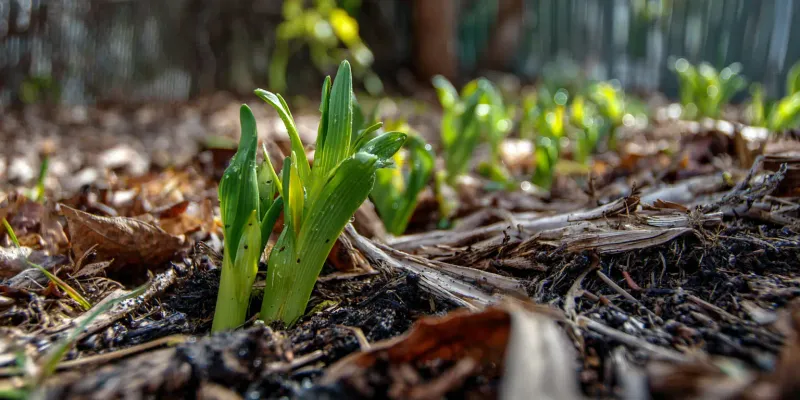
Daylilies are pretty forgiving, but they truly shine in well-draining soil with a pH somewhere between 6.0 and 8.0. Our low-desert dirt often tips past that mark, sitting at 8.0 or higher and leaning heavily alkaline.
Grabbing an inexpensive soil test kit is a smart fall habit. Knowing your actual pH takes the guesswork out and tells you whether your Arizona beds need a little help.
Working in compost or other organic matter does double duty. It loosens up compacted, caliche-heavy ground for better drainage and slowly nudges that stubborn pH toward a friendlier range for robust root growth and abundant flowers.
7. Consider Fall Fertilization with Caution for Arizona Daylilies
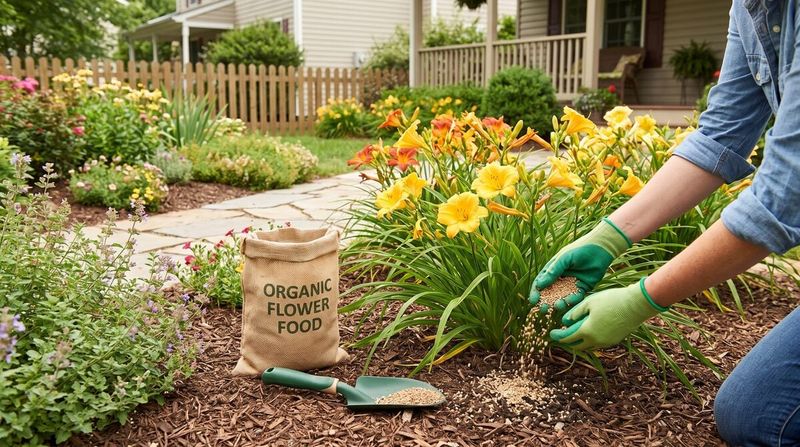
Fertilizing daylilies in fall is one of those topics where the experts do not fully agree, so a careful hand wins the day. Some gardeners like a light dose of balanced granular feed, such as a 10-10-10, a few weeks after the blooms fade to encourage multiplication.
Others caution against feeding too much this late in the year. Heavy fertilizer can push out tender new growth that gets caught off guard by Arizona’s cooler nights.
If you decide to feed, keep it gentle. Reach for a slow-release, low-nitrogen product or plain compost, and always water it in thoroughly so you do not risk burning those precious roots.
8. Ensure Adequate Sunlight and Provide Afternoon Shade in Arizona
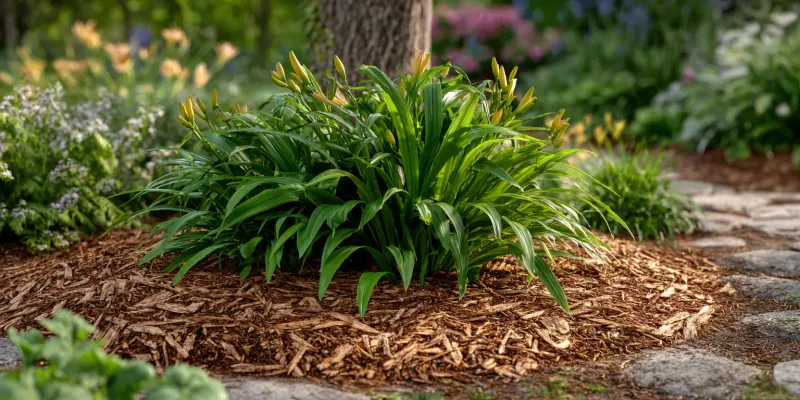
Sunshine is fuel for daylily flowers, and these plants want at least six hours of direct light each day to bloom their best. In most parts of the country that is simple advice, but Arizona plays by different rules.
Our low-desert sun can be downright punishing, especially in the afternoon. A spot that gets morning light and some relief during the hottest stretch keeps your plants from getting scorched.
Darker-colored cultivars especially benefit from that midday break. Positioning them where a mesquite or palo verde casts light afternoon shade helps the flowers hold their rich color instead of bleaching out in the heat.
9. Proactively Monitor for Arizona Pests and Diseases Through Sanitation
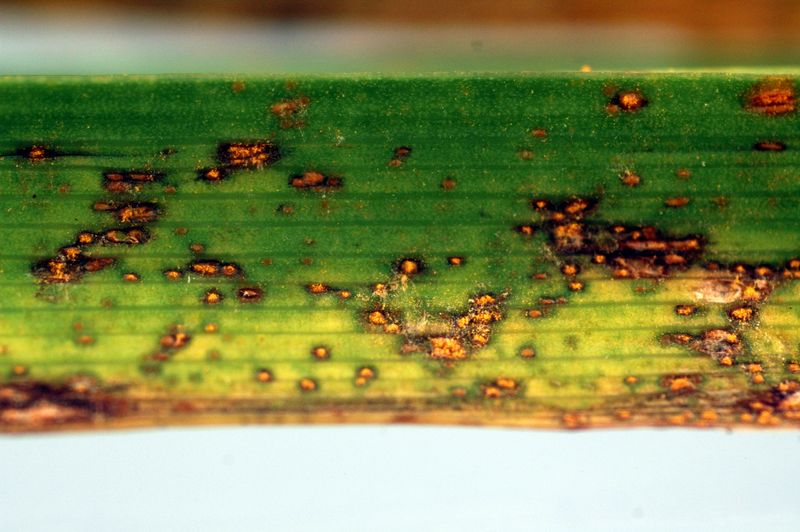
Daylilies are famously sturdy, yet fall cleanup is your golden chance to catch trouble before it settles in for winter. Take a slow walk through your beds and really look at the leaves.
Snip off any foliage showing signs of mildew, black spot, or daylily rust. Getting rid of infected leaves keeps these fungal problems from overwintering and spreading through your Arizona garden come spring.
Toss the diseased clippings in the household trash rather than the compost pile, unless you run a hot municipal composting system that kills pathogens. A clean bed also gives fewer hiding spots to pests looking for a winter home.
10. Plant New Daylilies or Divisions in Arizona’s Ideal Fall Window
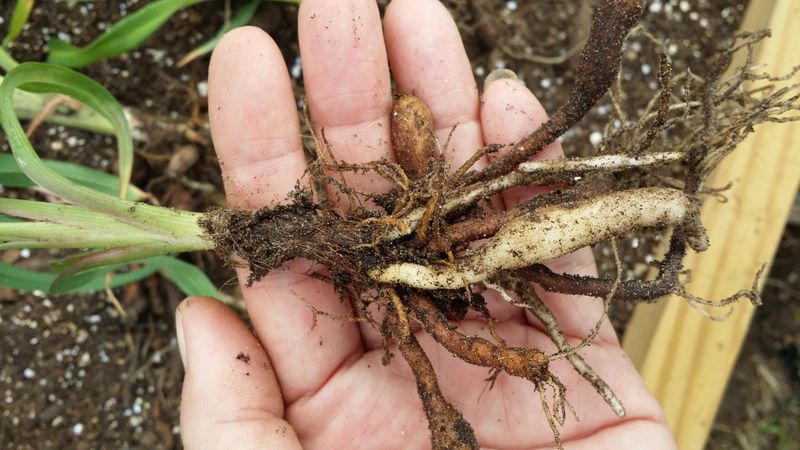
Ready to expand your collection? Fall ranks among the very best times to tuck new daylilies or fresh divisions into the ground here in Arizona.
Planting while the weather is cool, after summer’s scorching temperatures have finally packed up, gives the roots room to grow strong. That established root system is exactly what carries the plant through the stress of next year’s blistering heat.
Timing matters by location. In the Phoenix area, the main window for setting out bare root crowns runs roughly from December into late January, so plan your purchases and prep your beds accordingly for a spectacular bloom show.