Those Little Holes Appearing In Your Florida Lawn Overnight May Mean An Armadillo Found Dinner
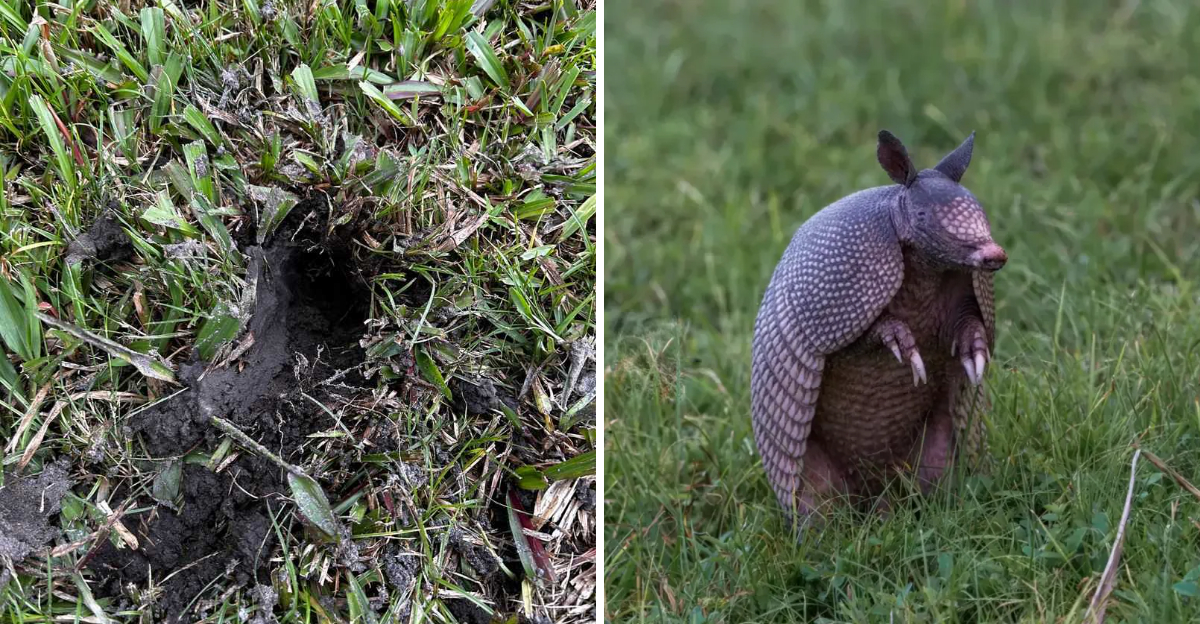
Waking up to a lawn full of small holes that definitely were not there yesterday is one of those Florida homeowner experiences that raises a lot of questions fast. Something was out there overnight, and it was clearly looking for something.
Armadillos are one of the more frequent culprits behind this kind of lawn disturbance, and their nighttime digging habits have a way of making the damage feel sudden and mysterious even when it has been building gradually.
Warm weather and recent rainfall soften the ground and make it easier for these armored foragers to access the insects and soil organisms they are after, which is why certain times of year tend to bring more digging activity than others.
Knowing what armadillo damage actually looks like and how to tell it apart from other wildlife disturbances is a genuinely useful starting point before deciding how to respond.
1. Tiny Craters After Sunrise
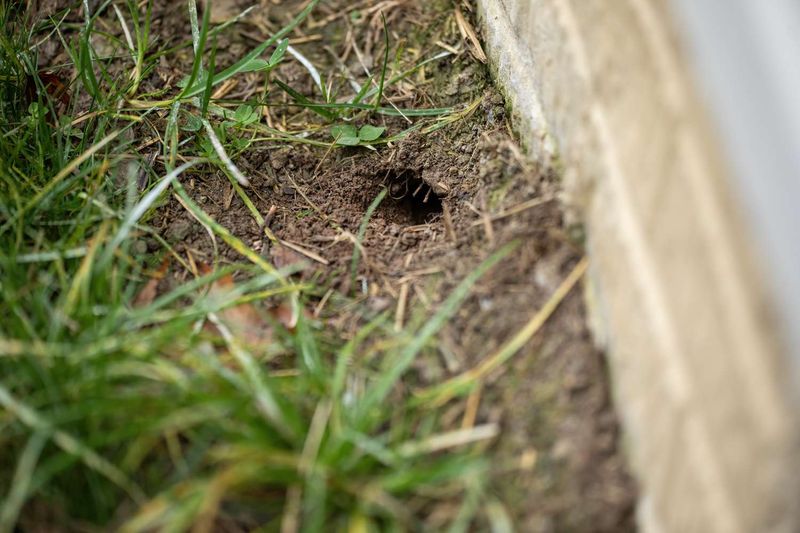
One morning, your Florida lawn can look like a tiny digging crew stopped by during the night.
Small, cone-shaped holes scattered across the grass are one of the more common signs of armadillo activity because these animals dig into the soil while searching for insects and other small invertebrates.
Nine-banded armadillos often create shallow feeding holes as they use their strong claws and sense of smell to locate food beneath the surface.
UF/IFAS notes that these feeding holes are typically shallow, often around 1 to 3 inches deep and several inches wide, although the exact size can vary depending on the soil and what the animal is searching for.
The pattern of the damage can provide useful clues, but it is not a guaranteed identification method. Armadillo feeding usually creates multiple scattered holes rather than one large excavation, while other animals may leave different signs.
Birds may make small pecks while searching for insects, and raccoons or other wildlife can disturb turf while looking for food.
Before repairing the lawn, take a closer look at the damage. Notice whether the holes appear overnight, whether they are concentrated near garden beds or moist areas, and whether new holes continue appearing in the same locations.
A few quick observations can help determine whether an armadillo is likely responsible or whether another animal is creating the disturbance.
The surrounding landscape can also provide helpful clues, since armadillos are more likely to explore areas that offer food, cover, and easier digging conditions.
Taking a few minutes to observe the damage before filling the holes can prevent unnecessary repairs if new activity continues.
2. Why The Damage Shows Up Overnight
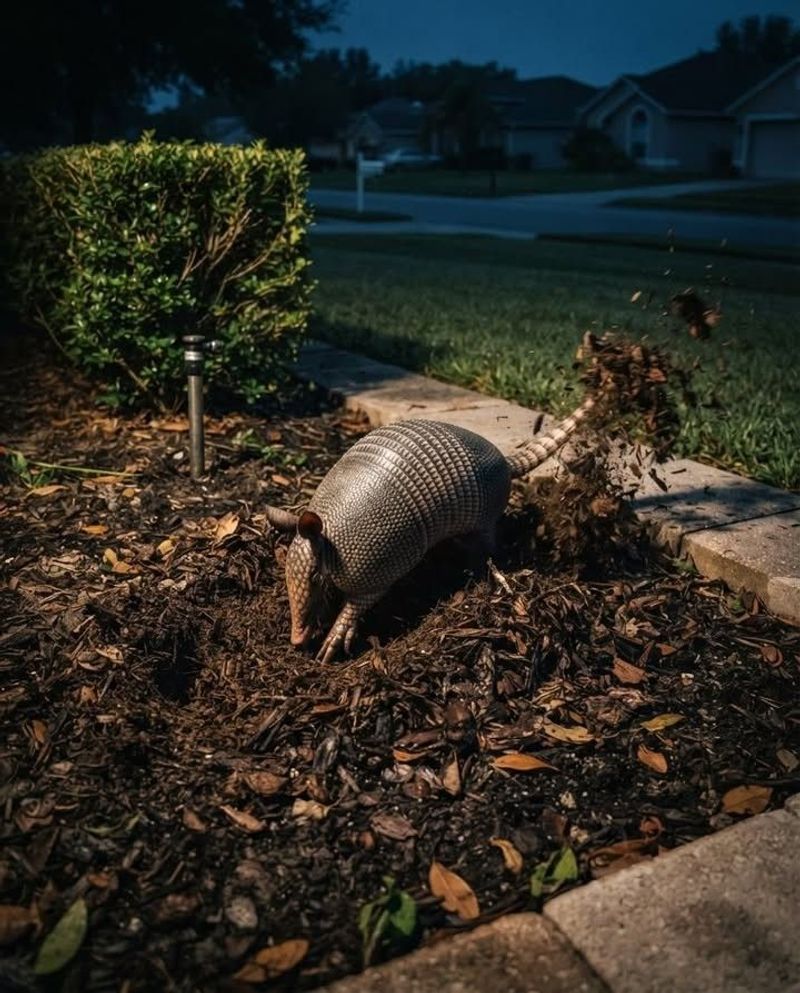
Finding fresh holes in the lawn at sunrise can make armadillo activity seem sudden, but the animal may simply have been working quietly while people were asleep.
Nine-banded armadillos are primarily nocturnal, meaning they are often most active during the evening and nighttime hours.
UF/IFAS notes that armadillos commonly forage at night while searching through soil for insects, larvae, and other invertebrates.
Florida’s warm climate can make nighttime activity especially common because armadillos are more comfortable moving and searching for food when daytime temperatures are lower.
Your Florida Garden Changes Every Week. Your Plan Should Too.
Gardening in Florida changes quickly throughout the season. Every Friday you’ll receive a simple weekly plan showing exactly what to plant, prune, fertilize, harvest, and protect so you never miss the right timing.
Moist soil can also make digging easier, while wetter conditions may bring worms and insects closer to the surface.
This combination can make a lawn more attractive during certain periods, especially after rainfall or irrigation.
Not seeing an armadillo during the day does not necessarily mean it has left the area. These animals can cover a lot of ground while foraging and may only visit a property when conditions are favorable.
Some homeowners notice damage repeatedly because the same yard continues providing food, shelter, or easy digging conditions.
While armadillos are often associated with nighttime lawn damage, they are not intentionally targeting grass itself. The holes are usually a side effect of searching for food beneath the soil.
Understanding that behavior helps homeowners focus on reducing attractive conditions rather than trying to treat the grass as if the lawn itself is the cause of the problem.
Their activity can also vary depending on the season, weather patterns, and local habitat conditions around a property.
Observing when and where new holes appear can help homeowners better understand whether a single animal is passing through or whether the yard is becoming a regular feeding area.
3. What The Armadillo Is Hunting
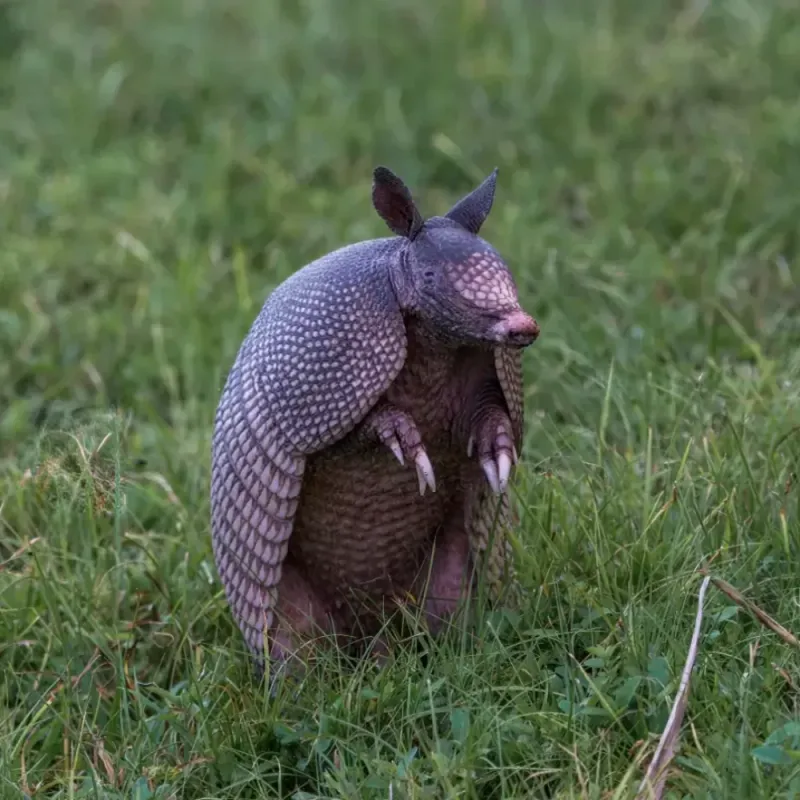
Buried snacks are the main reason an armadillo leaves those mysterious holes behind. In Florida yards, nine-banded armadillos often dig while searching for insects and other small creatures living in the upper layers of the soil.
Their diet includes beetles, grubs, worms, ants, and other invertebrates, which they locate using their strong sense of smell. Their poor eyesight is not a major disadvantage because their nose does much of the work when they forage.
A healthy-looking lawn can still provide plenty of opportunities for an armadillo to search for food. Moist soil, mulch beds, gardens, and areas with active soil organisms can make digging easier and may attract more nighttime activity.
UF/IFAS notes that armadillos prefer digging in moist soil, which is one reason well-maintained lawns and gardens can sometimes become targets.
It is important to understand that armadillos are not eating the grass itself. The damage usually happens because they disturb the soil and turf while trying to reach what is underneath.
Treating the lawn for insects may not completely solve the problem because armadillos are opportunistic feeders and may continue searching in areas that provide suitable conditions.
Instead of assuming every hole means a serious pest problem, look at the bigger picture. Soil moisture, nearby shelter, available food, and surrounding habitat all influence whether an armadillo keeps returning to the same area.
Because armadillos feed on a wide range of soil organisms, removing one possible food source may not completely change their behavior.
Looking at the entire landscape, including nearby wooded areas, gardens, and moist soil conditions, provides a clearer picture of why they may be visiting a particular yard.
4. The Hole Shape Gives It Away
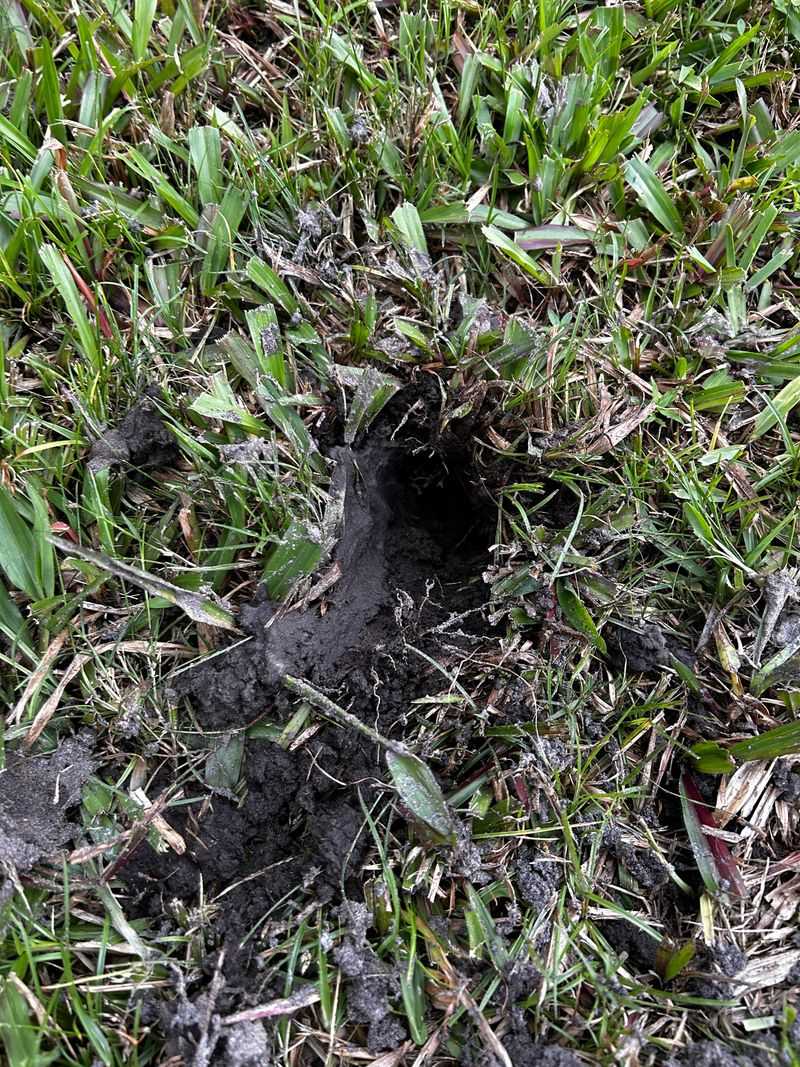
Shape can provide useful clues before you ever see the animal responsible. Armadillo feeding holes are often small, shallow, and cone-shaped because the animal pushes its nose and claws into the soil while searching for prey.
UF/IFAS reports that a single armadillo may create numerous shallow feeding holes while foraging, sometimes digging dozens in one night.
These holes are different from the larger burrows armadillos create for shelter. Feeding holes are usually scattered across the landscape, while burrows are larger openings often found near areas with cover such as brush, stumps, or other protected locations.
Confusing these two types of digging can make the damage seem more mysterious than it really is.
However, hole shape alone does not provide a guaranteed identification. Other wildlife can disturb lawns while searching for food, and birds, raccoons, or other animals may create different types of damage.
Looking at the entire pattern helps provide a better answer.
Pay attention to where the holes appear, how many develop overnight, and whether they are concentrated in certain areas. Armadillos may repeatedly visit the same parts of a yard because the soil is easier to dig or because food sources are available nearby.
Taking photos in daylight can also help track changes over time. A few observations can make it easier to decide whether the problem is likely armadillo activity or something else happening beneath the lawn.
Comparing the size, location, and frequency of the holes over several days can provide a clearer picture than relying on a single sign from one morning.
5. How Lawn Damage Can Get Worse
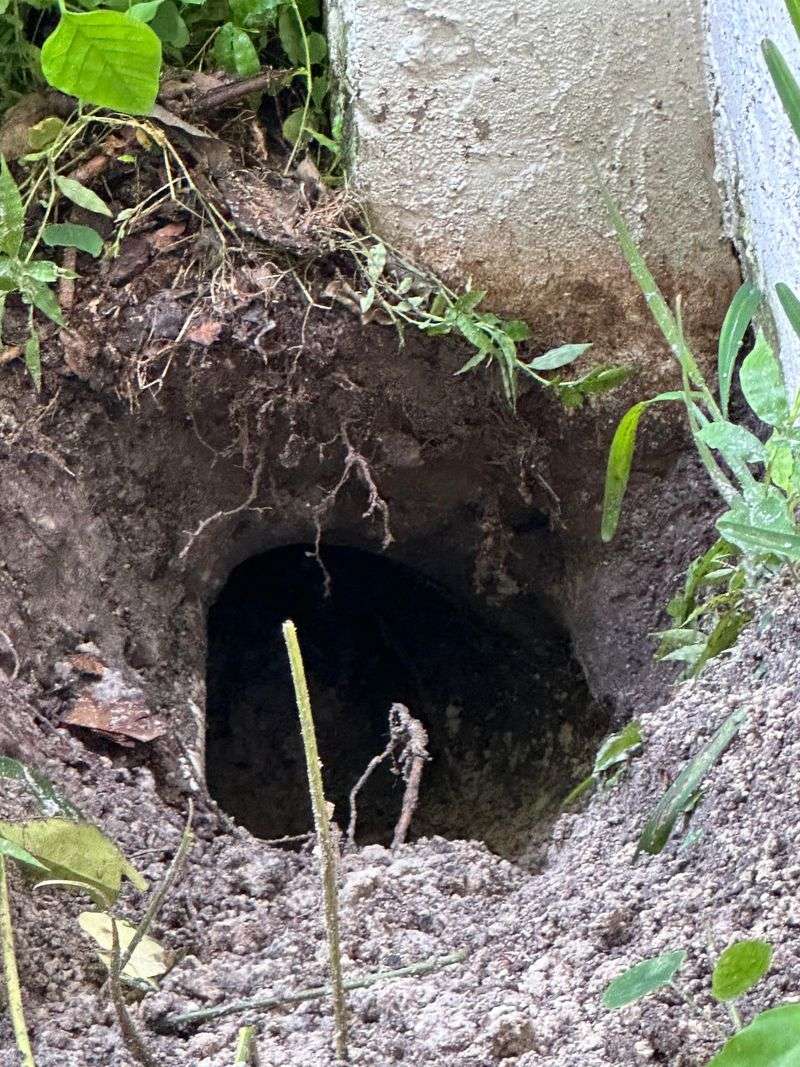
A few small holes in the Florida lawn may seem harmless at first, but repeated armadillo digging can gradually make a yard more difficult to maintain.
As an armadillo returns to search for food, it may create additional shallow holes across turf, garden beds, or mulched areas.
UF/IFAS notes that these feeding holes are one of the most common complaints associated with armadillos because the animals dig repeatedly while searching for insects and other invertebrates in the soil.
The damage is usually not because the animal is eating grass. Instead, the disturbance comes from the digging itself.
Repeated digging can leave uneven areas, expose soil, disturb small sections of turf, and create spots that are harder to mow safely. Holes near walkways, play areas, or frequently used parts of the yard can also become inconvenient hazards.
Freshly watered areas may sometimes receive more attention because moist soil is easier to dig through and can support more active soil organisms. However, watering practices alone are not a reliable way to prevent armadillo activity.
The animal is responding to a combination of factors, including food availability, soil conditions, and habitat.
Repairing holes as they appear helps restore the lawn’s appearance and makes it easier to track whether new activity continues.
If fresh digging keeps appearing night after night, the pattern suggests that the yard is still providing something the armadillo finds useful, rather than the original holes being a one-time event.
Over time, repeated disturbance can make it harder for turfgrass to fill damaged areas naturally, especially if the lawn is already stressed by heat, drought, or other growing challenges.
Checking the surrounding landscape for possible attractants can help homeowners understand why an armadillo keeps returning to the same sections of the yard.
6. Simple Ways To Make Your Yard Less Tempting
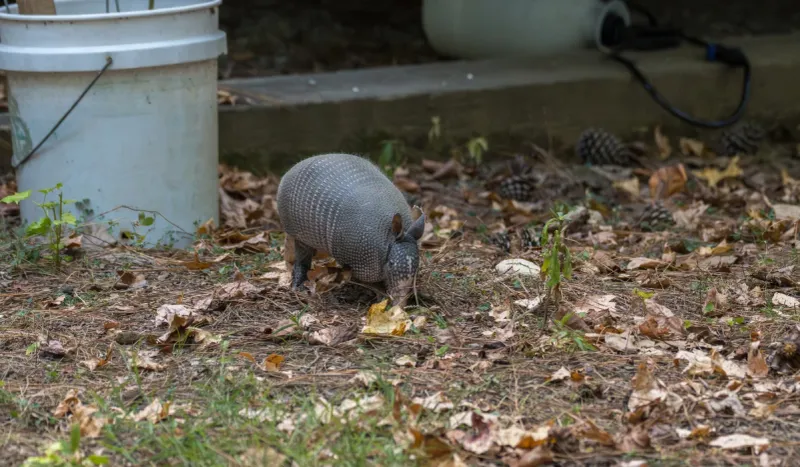
Making a Florida yard less attractive to armadillos usually comes down to reducing opportunities rather than relying on quick fixes. Armadillos visit landscapes mainly while searching for food, shelter, or suitable digging areas.
UF/IFAS notes that more than 90 percent of an armadillo’s diet consists of insects, larvae, and other invertebrates found in soil, but using insecticides to remove soil insects has not been proven to stop armadillo digging.
Keeping areas around the home tidy can help reduce some attractants. Remove fallen fruit when possible, manage compost areas properly, and reduce unnecessary piles of boards, debris, or dense ground cover near structures.
Fallen fruit is one food source that can attract armadillos and other wildlife.
Physical barriers are usually more dependable than repellents. For smaller areas such as vegetable gardens or flower beds, fencing can help exclude armadillos.
UF/IFAS and FWC describe fencing as a possible option when protecting specific areas, with buried portions helping prevent animals from pushing underneath.
Some products and devices are marketed as armadillo deterrents, but many have limited evidence behind them. Motion lights or noise devices may work temporarily in some situations, but wildlife can become accustomed to repeated disturbances.
The most effective approach is usually a combination of habitat management and targeted exclusion rather than trying to make the entire yard unattractive to wildlife.
It is also helpful to remember that armadillos are native wildlife and may continue passing through areas that provide suitable habitat.
The goal is usually to reduce unwanted digging around important areas of the yard while allowing natural wildlife activity to continue nearby.
7. When It Is Time to Call for Help
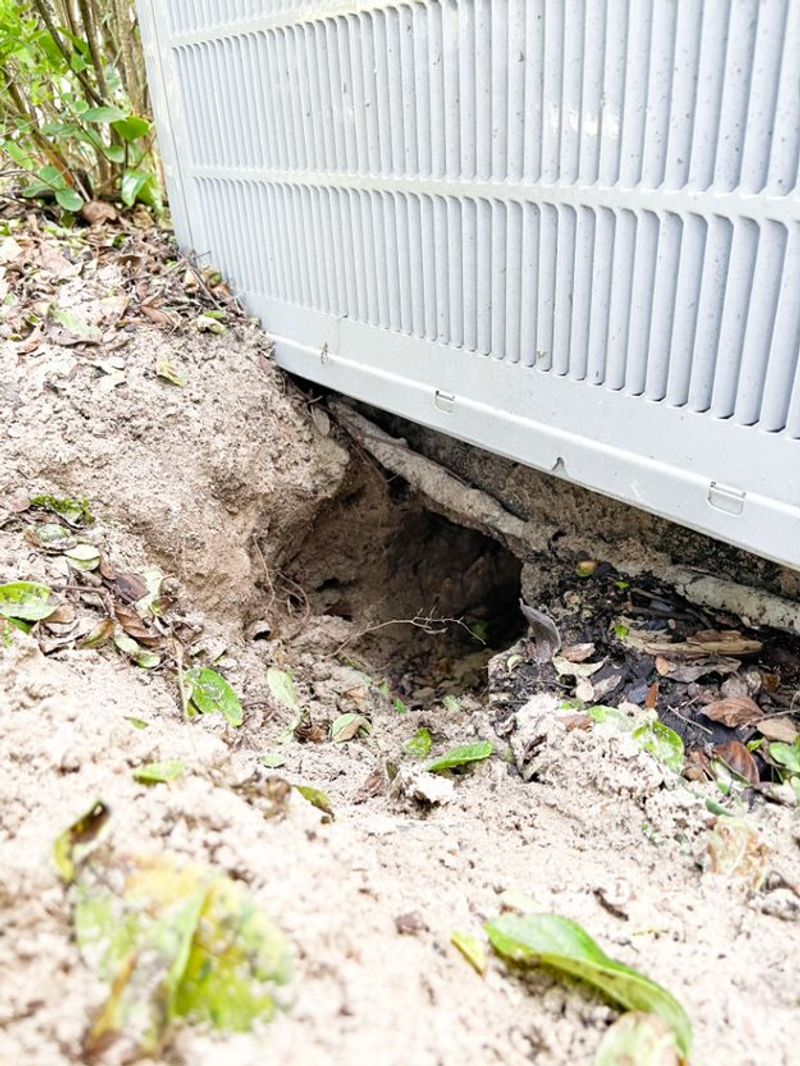
Sometimes the clearest sign of an armadillo problem is not one hole but a pattern that keeps returning.
If new digging appears regularly, especially near foundations, porches, sheds, or other structures, getting advice from a licensed wildlife professional may be the safest option.
UF/IFAS Extension recommends working with trained wildlife control professionals when removal is needed because handling nuisance wildlife requires knowledge of proper methods and regulations.
Armadillos can create burrows as well as feeding holes, and those larger excavations may become a concern when they occur in inconvenient locations. A recurring animal may also continue using the same area if the habitat conditions remain favorable.
Before seeking help, gather a few details about the activity. Note where the holes appear, when they are showing up, whether you have seen an armadillo, and whether the damage is concentrated around certain landscape features.
Photos taken during daylight can help identify the type of digging and provide useful information.
Avoid trying to handle or relocate wildlife yourself without understanding local requirements. Florida has regulations regarding wildlife handling, and some situations may require proper permits or professional assistance.
A single armadillo passing through the yard is not necessarily a major problem. However, repeated digging that affects turf, gardens, or structures is a good reason to look for a long-term solution rather than continuing to repair the same damage repeatedly.
Keeping records of when digging occurs can also help reveal patterns, such as whether activity increases after rainfall or during certain seasons.
This information can make it easier to choose a practical solution that fits the specific conditions around your Florida property.