10 Places You Should Never Hang A Hummingbird Feeder In Michigan
Hanging a hummingbird feeder feels like a simple way to bring a little extra life into your Michigan yard, but the spot you choose matters more than most people expect.
A feeder placed in the wrong location can end up doing more harm than good, whether that means attracting unwanted visitors, putting the birds at risk, or simply failing to draw any hummingbirds at all.
It’s frustrating to set everything up with good intentions only to end up disappointed, or worse, dealing with a problem you didn’t see coming.
The good news is that avoiding these mistakes isn’t complicated once you know what to watch for. Certain spots around a typical yard seem convenient at first glance but quietly work against everything you’re trying to accomplish.
Knowing which locations to avoid can make the difference between a feeder that sits empty and one that becomes a favorite stop for hummingbirds all season long.
1. Directly In Front Of A Large Window
Windows can trick hummingbirds in a sneaky way. When glass reflects the sky, trees, or nearby flowers, a bird sees open space instead of a solid surface. Flying at high speed, it may strike the glass hard.
Michigan yards often have big picture windows that mirror the garden perfectly. A feeder placed a few feet away sits right in that danger zone. The bird takes off, aims for the reflection, and bumps into something it never saw coming.
The safest trick surprises many people. Hang your feeder either very close to the window, within about three feet, or place it far away, more than fifteen feet out.
When the feeder sits close, birds cannot build up enough speed to hurt themselves if they bump the glass.
You can also help by breaking up reflections. Window decals, tape strips, or screens tell birds the glass is there. These small changes make a huge difference during busy feeding times.
Ruby-throated hummingbirds are the main species you will see across Michigan, and they move fast. Giving them a clear, safe flight path keeps them coming back all summer.
Take a moment to look at your window from outside during different times of day. Notice when the glare is strongest, usually morning or evening. That view helps you pick a smarter spot.
With just a little planning, you turn a risky location into a friendly one. Your feathered guests get to sip in peace, and you get front-row seats to the show.
2. In Full Afternoon Sun
Sunshine feels great, but too much of it works against your feeder. Michigan summers can get surprisingly hot, and direct afternoon rays heat sugar water fast. Warm nectar spoils quickly and can turn cloudy within a day.
Spoiled nectar is not just unappealing. It can grow mold and harmful bacteria that make hummingbirds sick. On a steamy July afternoon, a feeder baking in the sun might go bad before you even notice.
Partial shade solves the problem nicely. A spot that gets gentle morning light and cooler afternoon shadow keeps the nectar fresher for longer. You will spend less time scrubbing and refilling, too.
Your Michigan Garden Changes Every Week. Your Plan Should Too.
Gardening in Michigan changes quickly throughout the season. Every Friday you’ll receive a simple weekly plan showing exactly what to plant, prune, fertilize, harvest, and protect so you never miss the right timing.
Look for places under a leafy tree branch, beside a porch overhang, or near a tall shrub that blocks the harshest hours. The birds still spot the feeder easily, but the contents stay cooler.
Shade also protects the feeder itself. Constant heat can cause plastic parts to fade, crack, or warp over time. A shadier home helps your feeder last through many seasons.
Here is a helpful habit during heat waves. Change the nectar every two days instead of waiting a week. Fresh sugar water keeps your visitors healthy and eager to return.
Picture where the sun travels across your yard from noon to evening. Those late hours bring the strongest heat in Michigan. Pick a spot that dodges that intense stretch.
A little shade goes a long way. Your nectar stays clean, your feeder lasts longer, and your hummingbirds enjoy a cool, refreshing drink.
3. Beside A Busy Outdoor Cat Area
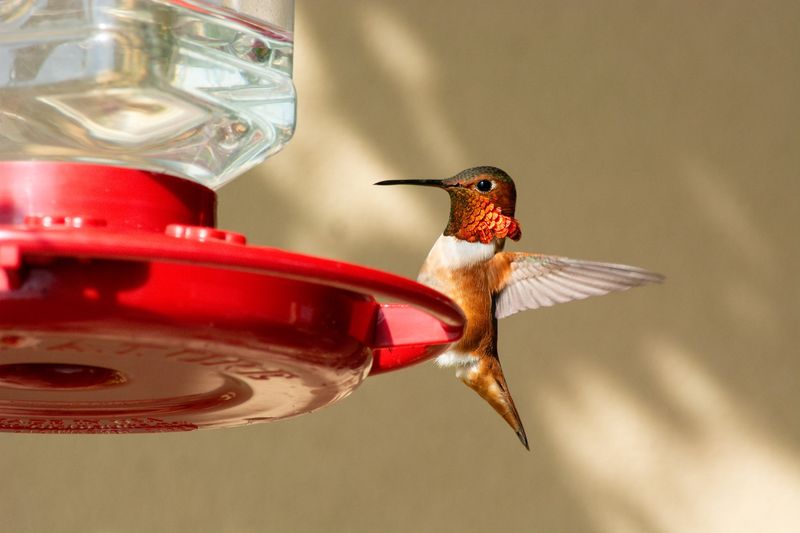
Cats love to watch birds, and a feeder is basically a front-row ticket for them. If your feeder hangs near a spot where cats hang out, you are inviting trouble for your tiny guests. Even a well-fed house cat still follows its hunting instincts.
Hummingbirds hover low while sipping, which puts them within easy reach of a waiting cat. A pounce from below can catch a bird off guard in a flash. Other small birds that visit the area face the same risk.
Think about where cats like to lounge in your yard. Porches, patios, fence lines, and sunny corners are favorites. Keeping feeders away from these zones lowers the danger a lot.
Height helps, but it is not a complete fix. A feeder high off the ground and far from launching spots like tables, railings, or low branches gives birds a safer buffer. Cats need something to jump from, so remove those stepping stones.
Open space around the feeder gives hummingbirds a clear escape route. When they can see movement coming, they zip away quickly. Crowded corners take that advantage away.
If neighborhood cats roam through your yard, motion sprinklers can gently encourage them to wander elsewhere. They spray a harmless burst of water that most cats dislike.
You want your feeder to feel like a calm, safe rest stop. Choosing a spot away from feline traffic makes that possible.
Your hummingbirds deserve a peaceful place to refuel. A cat-free zone keeps every visit relaxed and worry-free.
4. Deep Inside Dense Shrubs
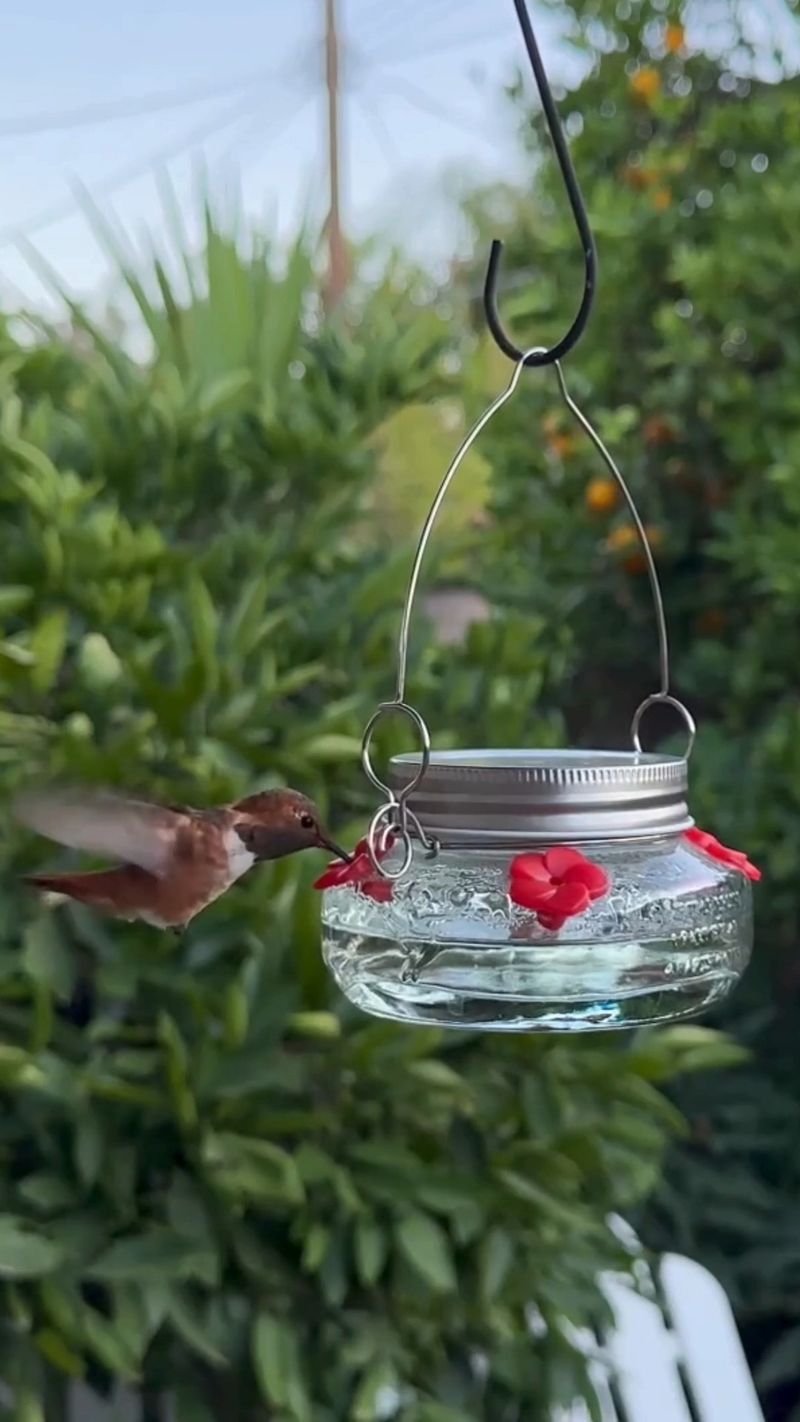
Tucking a feeder deep into thick bushes might seem cozy, but it actually causes problems. Hummingbirds like to see what is happening around them while they eat. When leaves crowd every side, they lose that clear view.
Hidden feeders make it harder for birds to spot approaching threats. A cat, hawk, or larger bird could sneak close before a hummingbird notices. That leaves the little visitor feeling nervous and rushed.
Dense greenery also blocks the feeder from sight. Hummingbirds find food mostly by looking for bright colors and shiny objects. If your feeder is buried in shadow, passing birds may never discover it.
A better plan gives you the best of both worlds. Hang the feeder near shrubs but not swallowed by them. Nearby branches offer perches and quick hiding spots without hiding the food.
Some open air around the feeder lets birds watch their surroundings while they sip. They feel calmer, stay longer, and visit more often. Comfort keeps them loyal to your yard.
Nearby cover still matters, though. Hummingbirds like resting on twigs between meals, so having shrubs a short flight away is perfect. They dart in for a drink, then relax on a safe branch.
Take a walk around your yard and picture the view from a bird’s angle. Look for a spot that stays visible yet close to shelter.
Balancing openness with cover creates the ideal setup. Your feeder gets noticed, and your hummingbirds feel safe enough to keep coming back.
5. In An Open Wind Tunnel
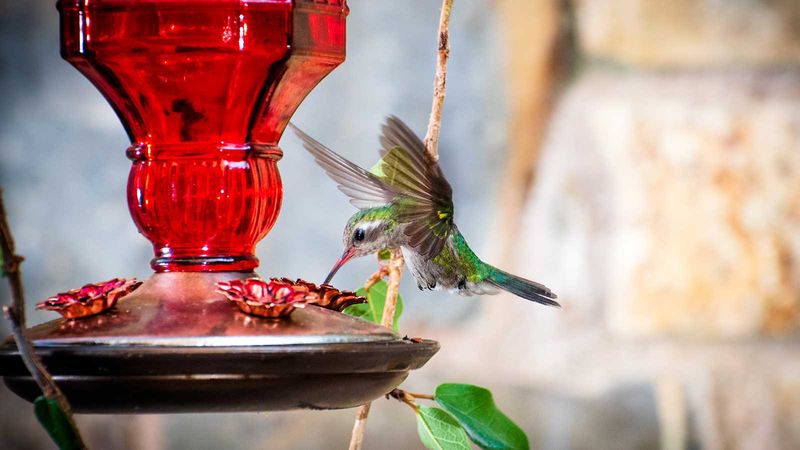
Wind can turn a peaceful feeder into a wobbly mess. Spots between buildings, along open fields, or on exposed corners often act like tunnels that funnel strong gusts. Michigan gets its share of blustery days, especially near lakes.
A swinging feeder spills nectar everywhere. Every big gust sends sugar water sloshing out, leaving less for the birds and a sticky mess below. You end up refilling more often than you should.
Hummingbirds also struggle to feed at a moving target. They hover with amazing skill, but a feeder that swings and spins makes drinking hard. Many birds simply give up and look elsewhere.
Sheltered spots make everything easier. Placing the feeder near a wall, fence, or thick hedge blocks the worst of the wind. The feeder stays steady, and the birds can sip in comfort.
A calm location also keeps the feeder cleaner. Less spilling means fewer sticky drips that attract ants and wasps. Your maintenance work drops right away.
If your yard is naturally breezy, look for a corner that stays protected. The side of a garage or a spot beneath a sturdy overhang often works well. Even a large potted plant nearby can cut the gusts.
Watch your yard on a windy afternoon and notice where the air moves fastest. Those are the spots to avoid.
Choosing a sheltered home for your feeder pays off all season. The nectar stays put, the birds stay happy, and you spend less time cleaning up spills.
6. Next To A Sprinkler Or Constant Water Spray
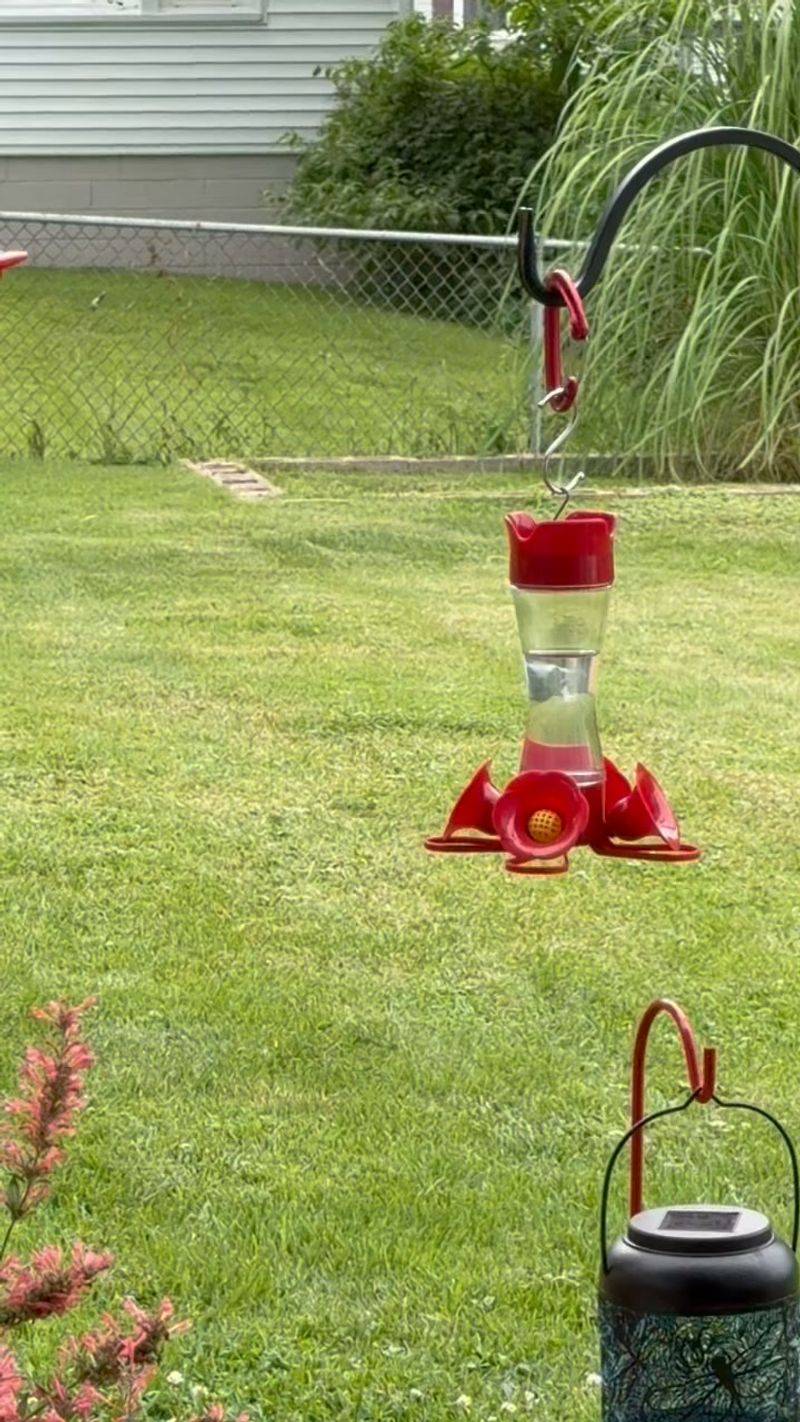
Water is great for your lawn but rough on your feeder. Hanging one where sprinklers reach means it gets soaked over and over. All that spray creates ongoing headaches.
Repeated wetting waters down the nectar inside. Diluted sugar water loses its appeal, and hummingbirds notice the weaker taste right away. They prefer a sweet, steady mix.
Constant moisture also makes cleaning harder. Wet feeders collect dirt, pollen, and grime faster, and the outside stays slick and sticky. Mold can creep in when things never fully dry.
Spray zones tend to stay damp all around, too. Puddles and wet mulch below the feeder invite bugs and bacteria. That messy environment works against everything you want.
A dry, protected spot keeps maintenance simple. Place the feeder well outside the sprinkler’s reach so it stays clean and the nectar stays strong. Your birds get the sweet drink they came for.
Rain is different from sprinklers, of course. A little natural rain is fine, but daily blasts of water are too much. There is no reason to add extra soaking on purpose.
If your irrigation covers most of the yard, aim the feeder toward a covered area. A porch, pergola, or tree canopy shields it nicely. You keep the nectar fresh without a fight.
Run your sprinklers once and watch where the water lands. Then hang the feeder somewhere the spray never touches.
A dry location means less scrubbing and better nectar. Your hummingbirds enjoy a clean feeder, and you enjoy the easy upkeep.
7. Near A Porch Light Left On All Night
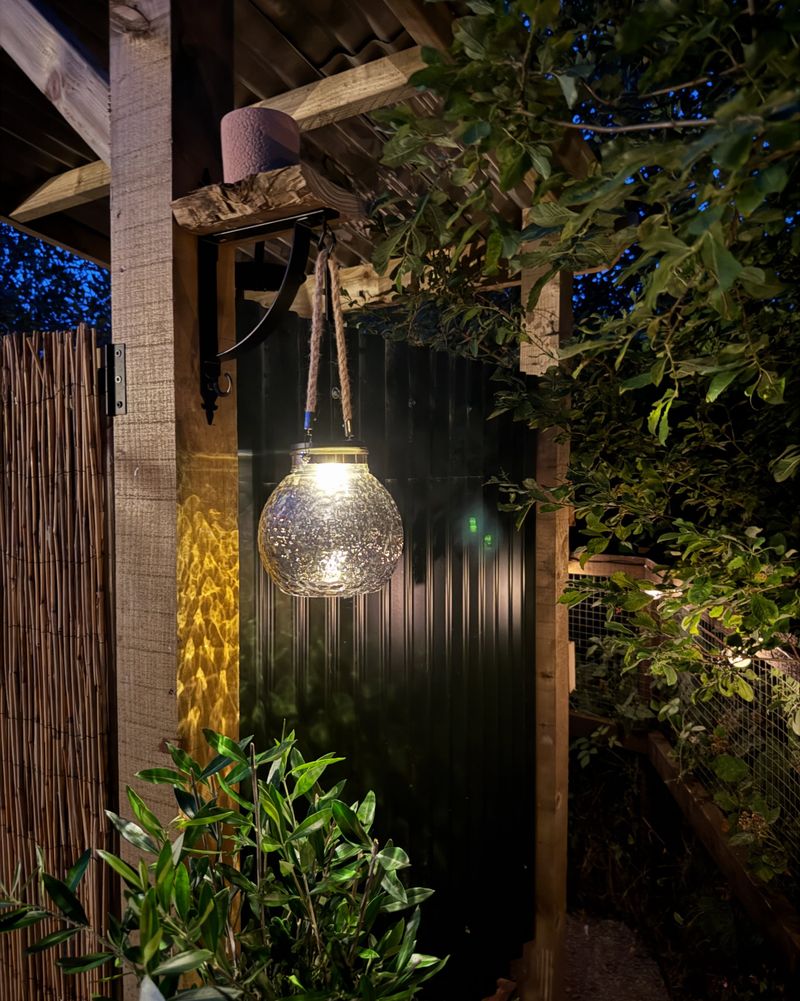
Bright lights at night throw nature off balance. A porch light left glowing until morning changes how wildlife behaves around your feeder. What seems harmless to us can confuse the creatures nearby.
Hummingbirds rest at night and rely on natural darkness. Constant artificial light near their feeding spot can disturb the quiet they need. A calmer, darker corner suits them far better.
Lights also draw crowds of insects. Moths, beetles, and other bugs swarm toward the glow, and many gather right by the feeder. That buzzing crowd can crowd out your daytime visitors and gum up the ports.
More insects mean more cleaning for you. Bugs stuck in the nectar or clustered on the feeder create sticky, messy problems. A darker location cuts that trouble down fast.
Nighttime lighting can attract other small hunters, too. Some predators use the light to spot prey, which adds risk to the area. A shadowy spot keeps things safer and more natural.
You do not have to give up outdoor lighting entirely. Motion-activated lights work great because they only turn on when needed. The rest of the night stays peacefully dark.
If you love a lit porch, just hang the feeder away from the glow. A spot around the corner or across the yard keeps the two separate. Everyone gets what they want.
Choosing a quiet, dark location respects the natural rhythm of your yard. Your hummingbirds rest easy, the bugs stay away, and your feeder stays cleaner through every season.
8. Too Close To Another Dominant Feeder
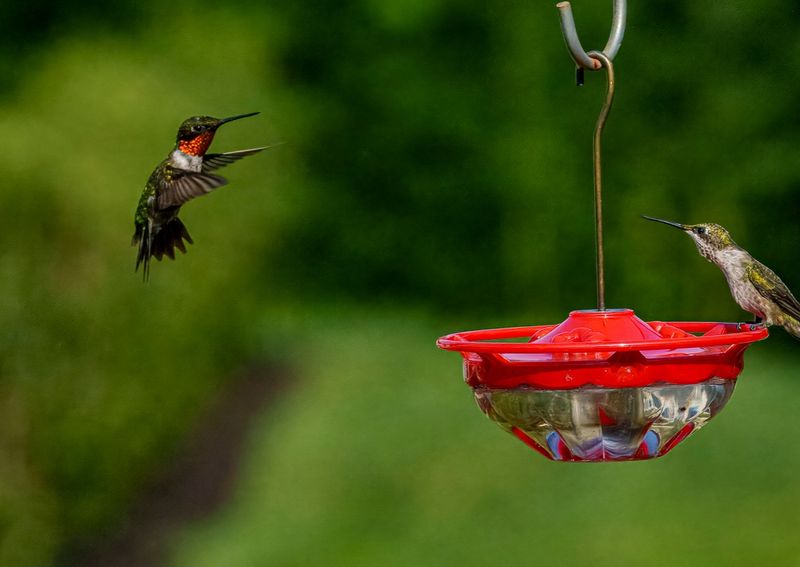
Hummingbirds may be small, but they can be surprisingly bossy. A single bird often claims a feeder as its own personal territory. Placing two feeders side by side lets one bird guard both at once.
When feeders sit too close together, one dominant hummingbird chases everyone else away. It perches nearby and dive-bombs any newcomer that tries to sip. Fewer birds get to feed, and the constant fighting wears them out.
Spacing your feeders apart changes the game completely. When feeders are spread across the yard, one bird cannot watch them all. Shyer visitors find their own spot to drink in peace.
Putting feeders out of sight from each other works even better. Hang one in the front yard and one in the back, or use a corner and a tree on opposite sides. Birds relax when they are not being watched.
More feeding stations mean more happy visitors overall. Instead of one grumpy guard, you get several birds sharing your yard. The whole scene becomes livelier and more fun to watch.
This trick really shines during busy migration times. Late summer brings extra hummingbirds through Michigan, and spread-out feeders welcome the crowd. Everyone gets a turn without the drama.
Take a look at your current setup and imagine one bird trying to rule it all. If two feeders share a view, move them apart.
Giving each feeder its own space keeps the peace. Your yard fills with more birds, less squabbling, and plenty of cheerful activity all season.
9. Where Ants And Wasps Are Difficult To Control
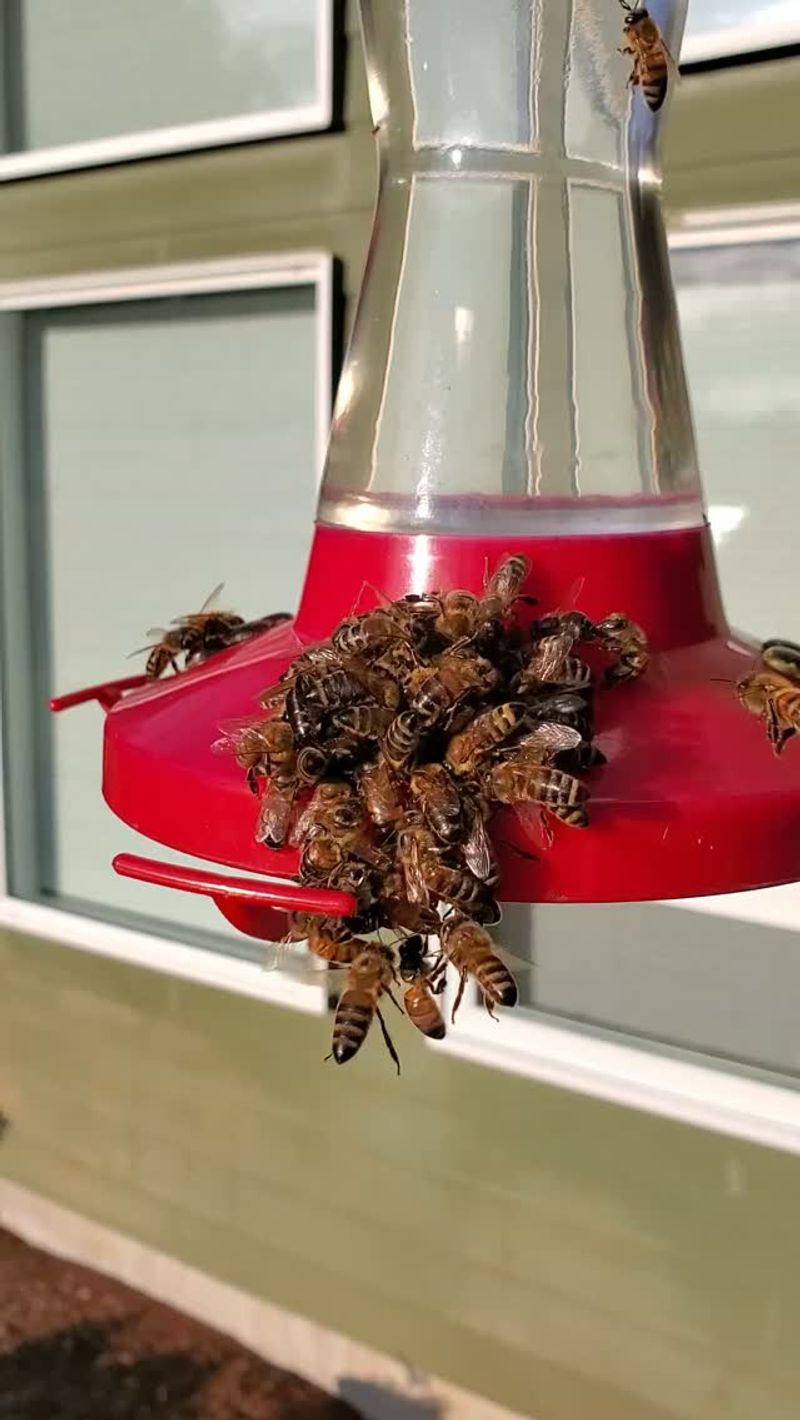
Sweet nectar is a magnet for more than just hummingbirds. Ants and wasps love sugar water too, and they show up in droves if given the chance. A poorly placed feeder becomes their favorite hangout.
Feeders hung near ant highways are asking for trouble. If ants can march down a branch or up a pole straight to the ports, they will. Once they find the nectar, a steady stream follows.
Wasps cause their own problems around feeding time. They swarm the ports, sting-ready and pushy, and scare hummingbirds away. Birds will not fight a crowd of wasps for a drink.
Placement makes a big difference in keeping pests down. Avoid spots right beside flowering plants, trash areas, or thick branches that give insects an easy path. Open hanging spots are harder for crawlers to reach.
Helpful gadgets make the job easier. An ant moat filled with water blocks crawling ants from reaching the nectar. Bee guards on the ports keep wasps from getting inside.
Cleanliness matters just as much as location. Wiping up drips and washing the feeder often removes the sweet smell that draws bugs. A clean feeder simply attracts fewer pests.
Choosing red feeders without yellow parts also helps, since wasps are drawn to yellow. Small choices like these add up fast.
Pick a spot where you can easily spot and stop insect invasions. A pole with a moat in the open works wonderfully.
Keeping ants and wasps away means more room for your favorite visitors. Clean, pest-free feeders keep hummingbirds sipping happily.
10. Somewhere You Cannot Easily Reach
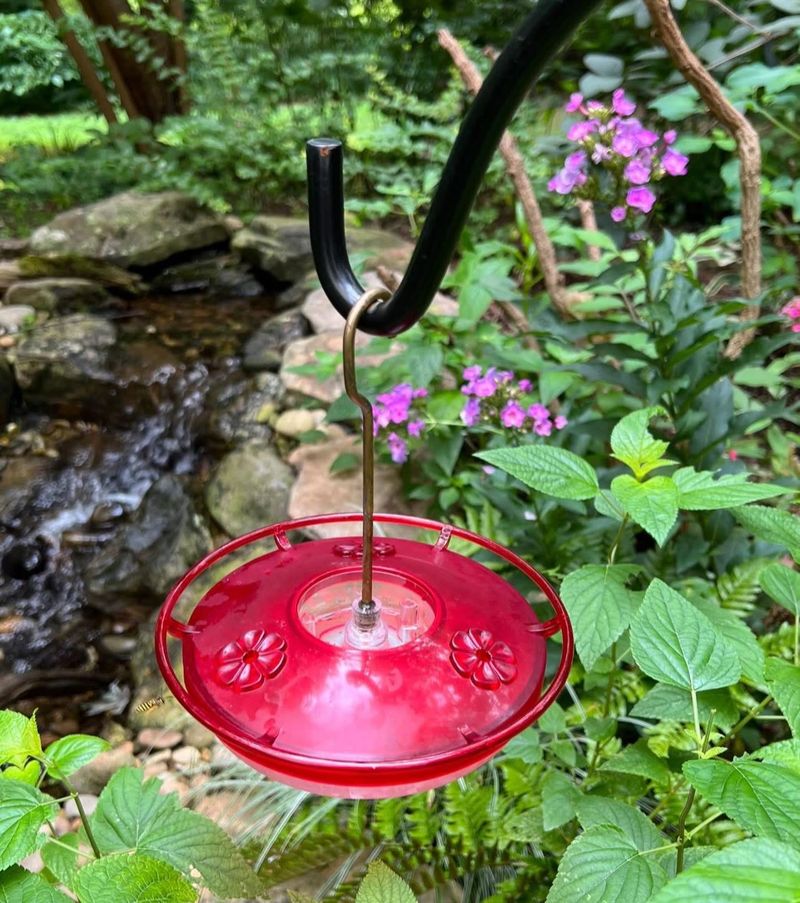
A feeder does no good if you cannot take care of it. Hanging one way up high or in an awkward corner makes every chore a struggle. Soon you find yourself skipping the upkeep it needs.
Hummingbird feeders need regular attention to stay safe. Nectar must be swapped out every few days in warm Michigan weather. If reaching the feeder is a hassle, that fresh nectar turns into an afterthought.
Cleaning is just as important as refilling. Feeders need a good scrub to wash away mold and sticky buildup. A spot you can barely reach makes that job nearly impossible.
Easy access keeps you on schedule. When the feeder hangs at a comfortable height and a handy spot, refilling takes just minutes. You stay consistent, and the birds stay healthy.
A reachable feeder also lets you watch for problems. You can quickly spot cloudy nectar, insect visitors, or a leaky port. Catching issues early keeps everything running smoothly.
Think about your daily routine when choosing a location. A spot near a path, patio, or window you pass often reminds you to check on it. Out of sight usually means out of mind.
Using a hook, pole, or bracket at the right height makes maintenance simple. You should be able to lift the feeder down without a ladder or a stretch.
Convenience helps you and the birds alike. A feeder you tend to easily stays fresh, clean, and welcoming.
Set yourself up for success with a spot you can reach. Your hummingbirds will thank you with plenty of return visits.