Got Coneflowers? 10 Essential Tasks Arizona Gardeners Must Do This Fall For Massive Blooms
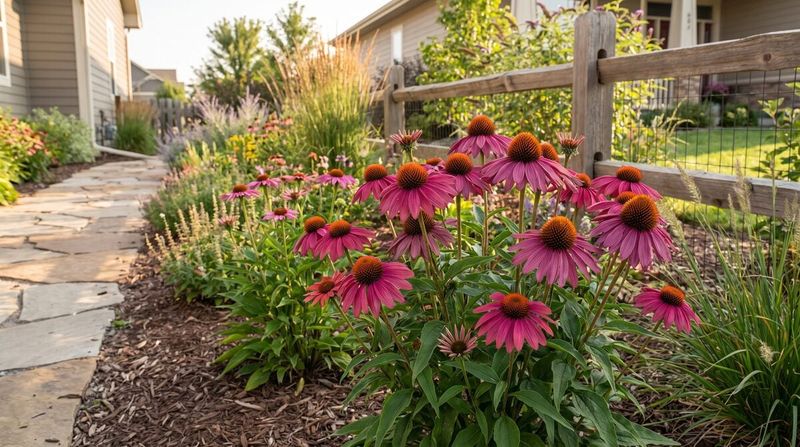
Coneflowers, also known as Echinacea, are tough, cheerful bloomers that can handle Arizona’s heat and reward you with big, colorful flowers that pull in bees, butterflies, and hungry songbirds. Fall is your secret weapon in the low desert, since the cooler months let these plants build strong roots before summer roars back.
If you want a yard that works as habitat and stays low-fuss, a little effort now pays off huge next season. Here are ten simple fall tasks that set your coneflowers up for their most impressive show yet.
1. Time Your Arizona Fall Planting Right
Autumn is when smart desert gardeners get their coneflowers in the ground, and there is a good reason for it. From September through December, Arizona’s low-desert soil finally cools enough for roots to spread out without the punishing stress of summer heat.
Those extra weeks of cooler weather let each plant dig deep before the following June scorches everything above ground. Deeper roots mean a plant that can pull moisture from lower in the soil, which is exactly what you want in a water-wise Phoenix or Tucson yard.
Skip the spring-planting advice you see for cooler climates. Here, a fall start gives coneflowers a full, gentle season to establish, so they come back tougher and load up with far more blooms.
2. Divide Crowded Arizona Coneflower Clumps
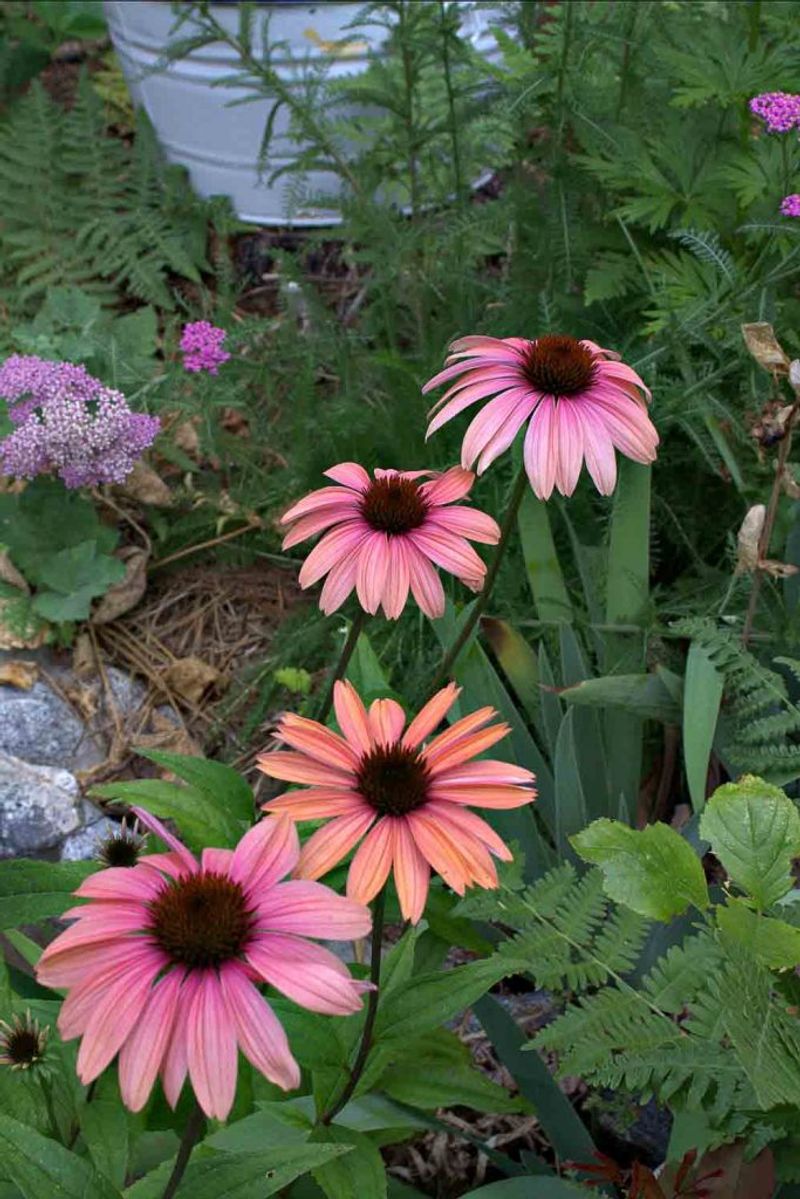
Even the toughest coneflower gets tired and crowded after a few years, and that congestion quietly cuts down on flowers. Every three to four years, dig up mature clumps in fall and split them into smaller pieces with healthy roots.
Cooler October and November temperatures make this the least stressful moment to do it. The divisions settle in quickly instead of wilting in triple-digit heat, and each new piece has room to breathe.
Think of it as a free plant multiplier. One tired old clump becomes several fresh, vigorous plants that will bounce back with renewed energy and reward you with a much bigger flush of blooms.
3. Improve Arizona’s Tough Soil for Coneflowers
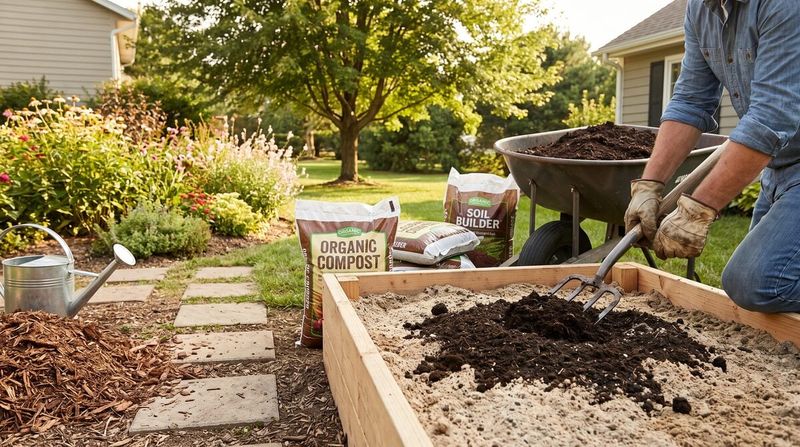
Arizona soil does not exactly roll out the welcome mat. Many yards sit on alkaline dirt or rock-hard caliche that drains poorly and starves plants of nutrients, and coneflowers hate soggy feet.
Work generous amounts of compost or other organic matter into your planting beds this fall. Doing so loosens up the ground, improves drainage, and feeds the soil life that helps roots thrive.
Better soil is the quiet foundation under every massive bloom. When roots can spread through crumbly, well-drained earth instead of fighting concrete-like caliche, the whole plant grows stronger and flowers more freely.
4. Water Arizona Coneflowers Wisely in Fall
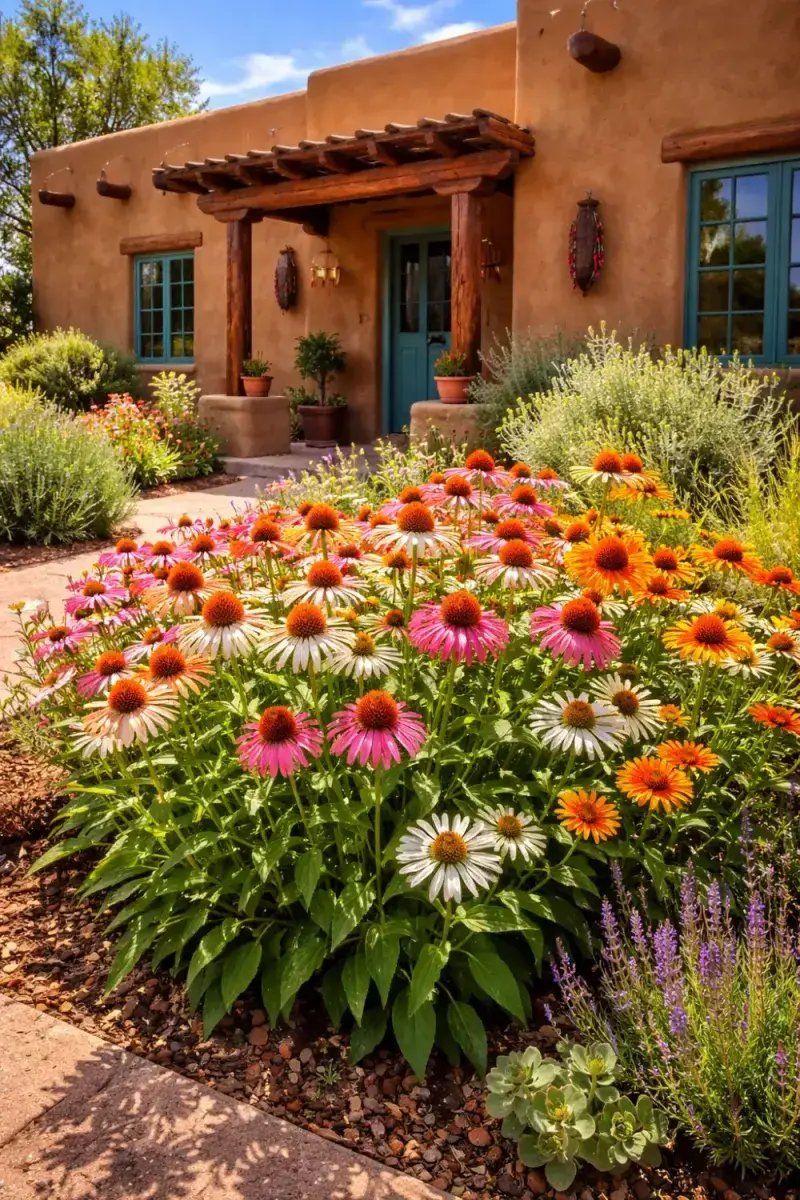
Established coneflowers are champions of drought, which is part of why they fit desert living so well. Even so, they still appreciate a steady drink through fall when the monsoon rains have faded.
Aim for about an inch of water each week if the skies stay dry, and let the soil dry out between waterings so roots do not rot. That dry-then-water rhythm mimics natural desert conditions and keeps plants healthy.
Your Arizona Garden Changes Every Week. Your Plan Should Too.
Gardening in Arizona changes quickly throughout the season. Every Friday you’ll receive a simple weekly plan showing exactly what to plant, prune, fertilize, harvest, and protect so you never miss the right timing.
Newly planted coneflowers need more attention while they settle in, so water them more often at first. Watering in the afternoon during fall helps moisture soak deep before cooler nights slow evaporation.
5. Mulch Arizona Coneflowers to Save Water
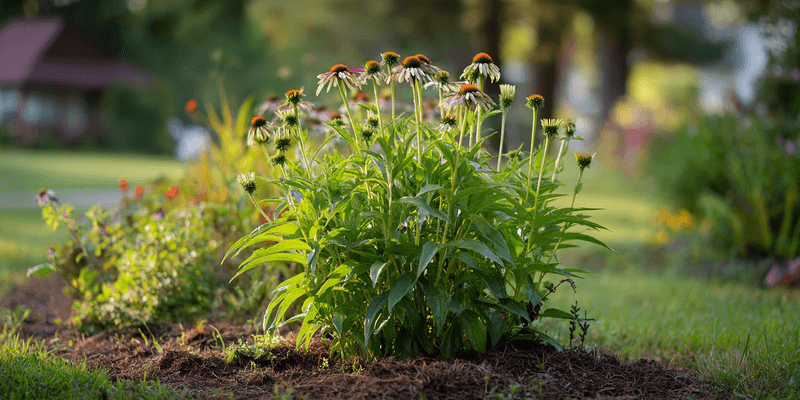
A blanket of mulch is one of the cheapest upgrades you can give a desert flowerbed. Spread a two to three inch layer of compost or leaf mold around your coneflowers this fall for a big payoff.
Mulch locks precious moisture into the soil, which matters enormously in a place where every gallon counts. It also keeps roots cooler and evens out those swings between warm days and chilly nights.
On top of the water savings, mulch smothers weeds that would otherwise steal water and nutrients. Fewer weeds and moister soil add up to healthier plants and more flowers with almost no extra work.
6. Prune Arizona Coneflowers at the Right Moment
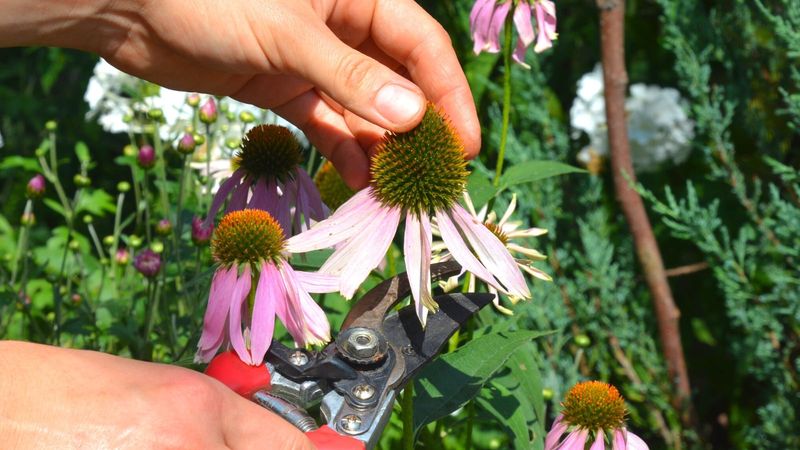
Once your coneflowers slip into dormancy, usually after the first frost, you have the option to cut them back. Trim the spent stems down to a few inches above the ground in late fall or early winter.
Pruning at this point tidies up the garden and, more importantly, redirects the plant’s energy. Instead of pouring resources into old stems and seed production, the plant focuses on building strong roots underground.
Come next season, that stored root energy fuels a vigorous, bushy comeback. Just remember this step is a choice, since some gardeners hold off to feed the birds, which brings us to the next task.
7. Leave Seed Heads to Feed Arizona Wildlife
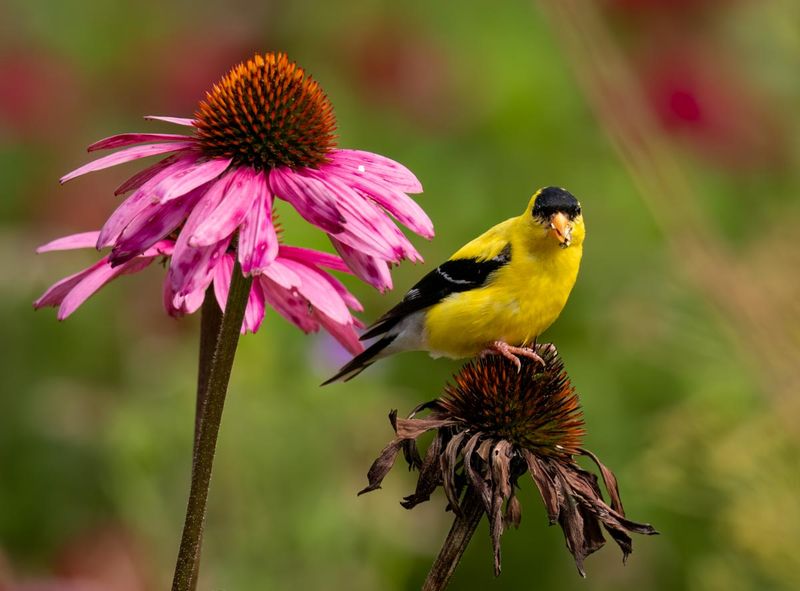
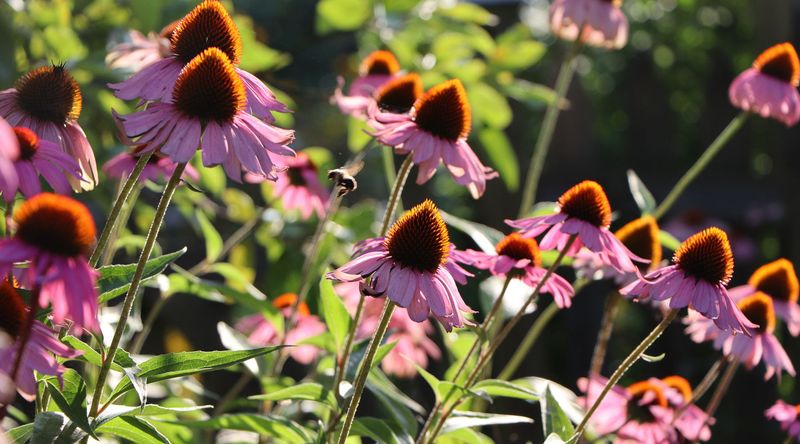
Here is where a slightly messy garden becomes a gift to your local wildlife. Those dried, spiky coneflower seed heads are packed with food that birds absolutely love through fall and winter.
Goldfinches in particular flock to Echinacea seed heads, clinging to the stems and pecking away at the seeds. Leaving them standing turns your yard into a working ecosystem instead of just a pretty picture.
Fun fact: a yard full of seed-eating birds also means more natural pest control, since many of those same visitors snack on insects. You get a lively, functional landscape that helps itself, and the seed heads add sculptural winter interest too.
8. Go Easy on Feeding Arizona Coneflowers
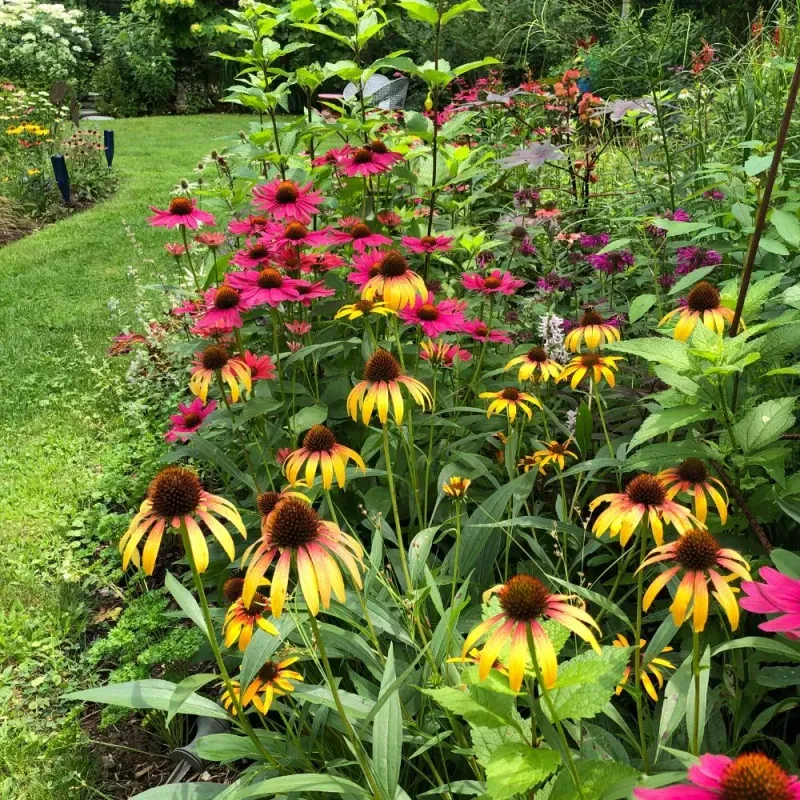
If you love babying your plants with fertilizer, coneflowers will politely ask you to relax. These natives are naturally low-maintenance and actually bloom better when you resist the urge to overfeed.
In Arizona’s low-desert climate, heavy fertilizing can lead to floppy, leafy growth with fewer flowers, which is the opposite of what you want. Let the plant’s easygoing nature do the heavy lifting.
Should your soil be genuinely poor, a light top-dressing of compost in fall is all it takes. That gentle boost supports root development over winter and keeps blooms coming without any risk of overdoing it.
9. Prevent Pests and Disease the Natural Arizona Way
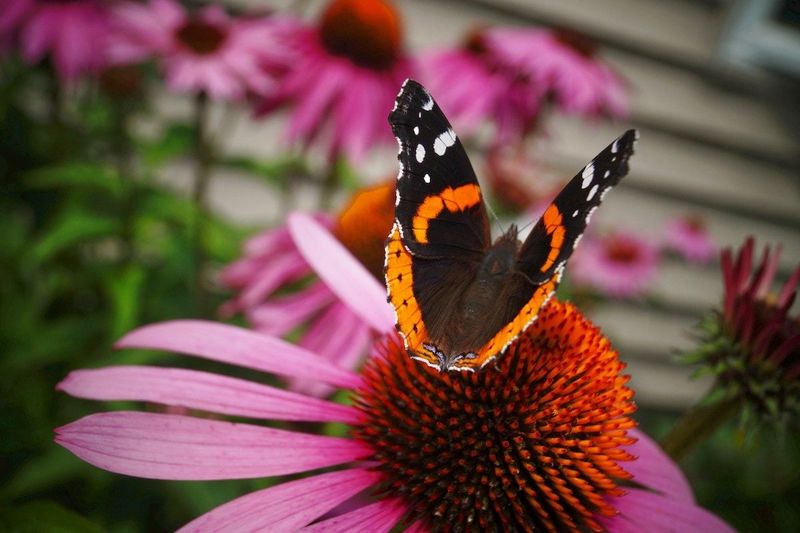
One of the best things about coneflowers is how rarely they get sick or buggy. Their built-in toughness makes them a genuinely low-drama choice for busy Arizona gardeners.
The real trick to keeping them problem-free is not spraying chemicals but nailing the basics. Well-drained soil, sensible watering, and good spacing keep plants healthy enough to shrug off most trouble on their own.
Healthy plants also support a balanced yard where beneficial insects and birds handle the occasional pest for you. Lean on smart cultural care, and your coneflower patch becomes a self-defending, habitat-friendly part of the landscape.
10. Pick the Perfect Arizona Spot for Coneflowers
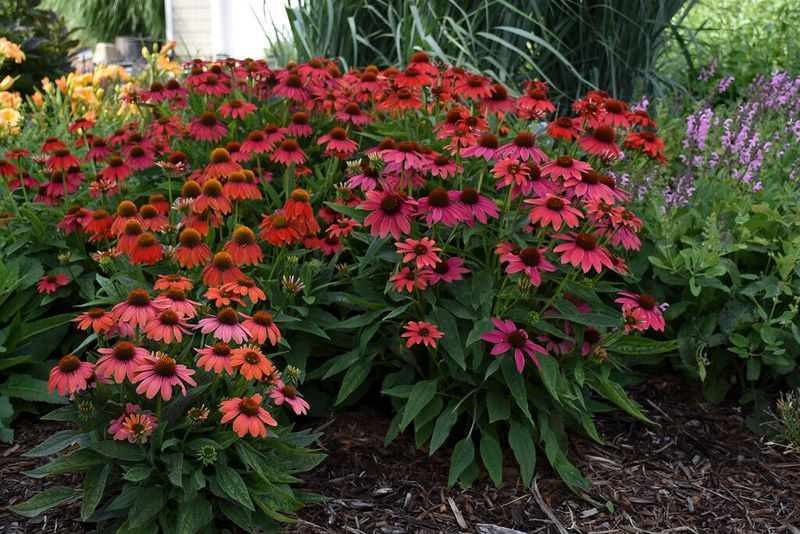
Where you plant matters just as much as how you plant, especially under a desert sun. Coneflowers crave full sun and want at least six hours a day to fuel those big blooms.
That said, Arizona’s summer sun can be brutal, so a little afternoon shade goes a long way. Tucking plants where they catch morning light but get relief in the hottest hours prevents scorched petals and stretches bloom life.
Scout your yard now for that sweet spot before you dig. Smart placement is what lets coneflowers survive the heat, thrive year after year, and deliver the massive blooms you have been working toward all fall.