Why September Brown Patches Aren’t Always Caused By Heat
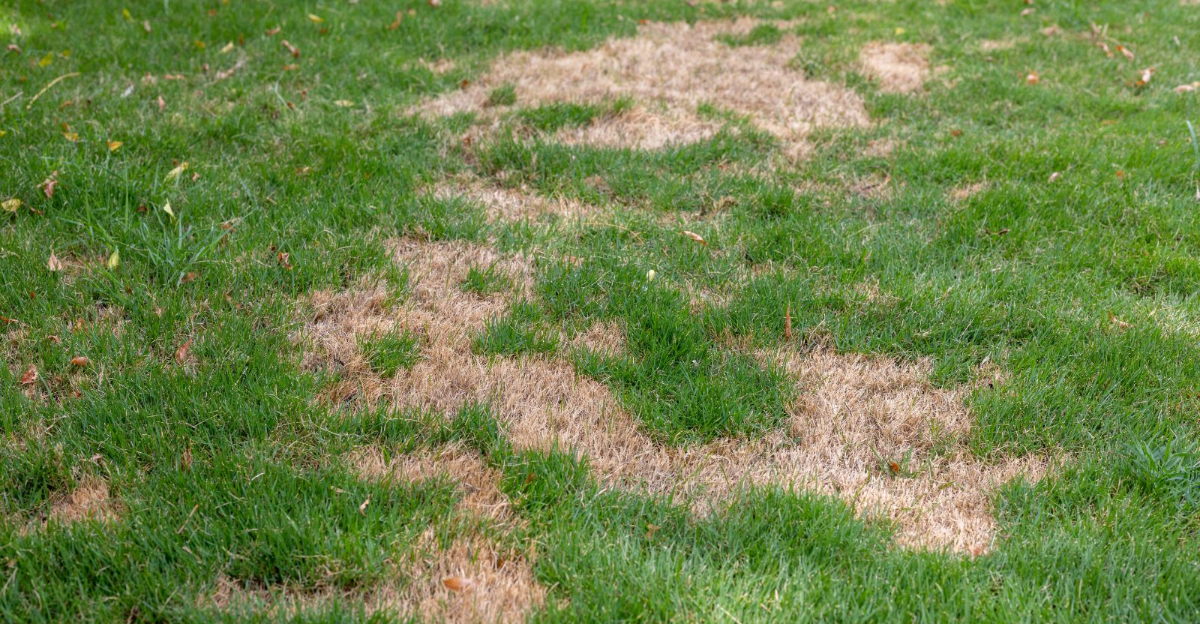
Brown patches showing up in a Florida lawn in September are one of those problems that looks straightforward until you actually try to figure out what caused them. The heat has been intense all summer, so blaming the temperature feels completely reasonable.
The thing is, that assumption can send you in entirely the wrong direction and lead to fixes that do not address what is actually going on.
September in Florida brings a complicated mix of lingering heat, heavy rainfall, high humidity, and rapid weather shifts that can create several very different lawn problems all at once.
Disease, insects, irrigation gaps, mowing habits, chemical injury, and other turf disorders can all produce brown patches that look remarkably similar to each other. The color alone is rarely enough to go on.
Figuring out what is really happening means taking a closer look at what your lawn has actually been through.
1. Take-All Root Rot Can Show Up After Heavy Summer Rain
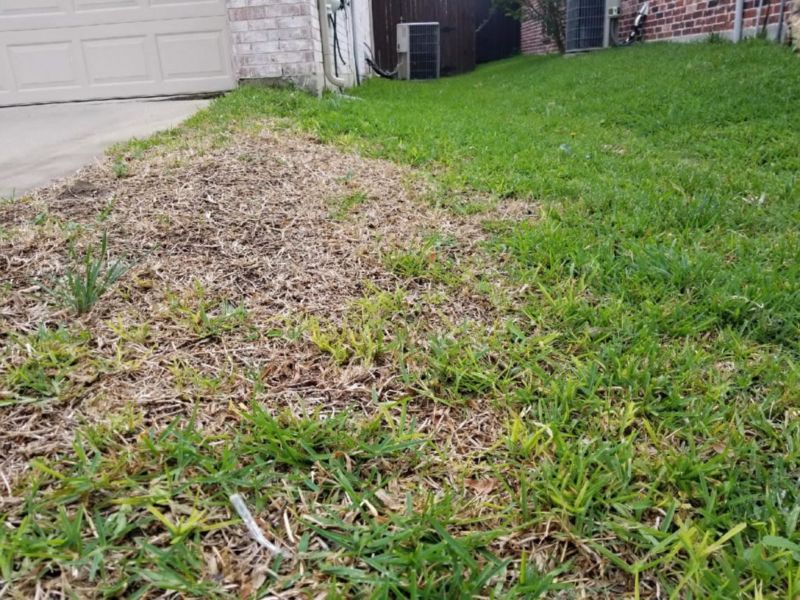
Late summer rainfall can be relentless, and after weeks of heavy afternoon storms, some lawns begin showing signs of decline that go deeper than the surface.
Take-all root rot is a turf disease that can develop in Florida lawns during summer and into early fall, and its symptoms can look a lot like heat stress or drought damage at first glance.
The disease is caused by a fungal pathogen that attacks the roots, stolons, and lower leaf sheaths of warm-season grasses, particularly St. Augustinegrass. Affected turf may show yellowing, thinning, and gradual browning that spreads irregularly across the lawn.
Because the damage starts underground, the visible browning often appears after the roots have already been compromised.
What makes take-all root rot tricky to identify is that it tends to show up when turf is already stressed. High rainfall, saturated soils, and nutritional imbalances can all contribute to conditions that favor disease development.
Pulling up affected turf and examining the roots may reveal dark, shortened, or rotted root tissue, which is a useful clue that separates this disease from simple heat or drought stress.
Not every brown patch after heavy rain points to take-all root rot. However, when thinning turf fails to recover after rainfall returns and temperatures remain warm, the roots are worth examining.
Consulting a local Extension office can help confirm whether a disease pathogen is involved before any treatment is considered.
2. Uneven Irrigation Can Leave Dry Brown Areas
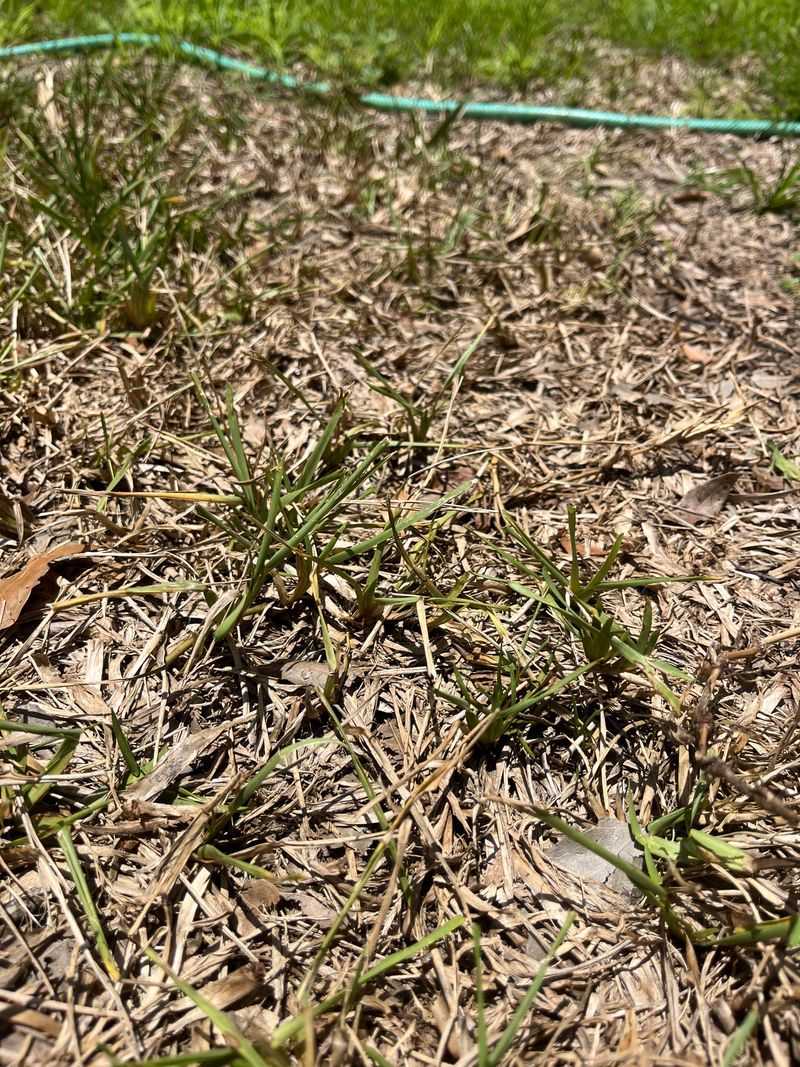
A sprinkler system running on a regular schedule can give the impression that a lawn is being watered evenly, but that is not always what happens in practice.
Clogged heads, broken risers, poor arc coverage, and pressure problems can leave certain sections of a lawn consistently under-watered, even when the rest of the turf looks healthy and green.
Florida rainfall, while generous during summer, does not always distribute moisture uniformly across a property. Low spots may collect water while elevated areas dry out faster.
Sandy soils common throughout much of the state drain quickly and may not retain enough moisture between irrigation cycles in certain zones. The result can be localized brown areas that look very similar to disease symptoms or heat damage.
Your Florida Garden Changes Every Week. Your Plan Should Too.
Gardening in Florida changes quickly throughout the season. Every Friday you’ll receive a simple weekly plan showing exactly what to plant, prune, fertilize, harvest, and protect so you never miss the right timing.
Checking irrigation coverage is a practical first step when unexplained dry patches appear. Walking the yard while the system runs can reveal heads that are not rotating properly, spraying in the wrong direction, or blocked by overgrown turf or plant material.
Catch cups placed around the lawn can measure how much water each zone actually delivers.
Increasing the entire lawn’s watering schedule is not the right response when only isolated areas are affected. Doing so can create excess moisture in already well-covered zones, which may encourage other problems.
Identifying and correcting the specific coverage gap is a more targeted and effective approach, and it keeps the lawn within Florida’s applicable watering restrictions.
3. Fall Armyworms Can Damage Turf Quickly
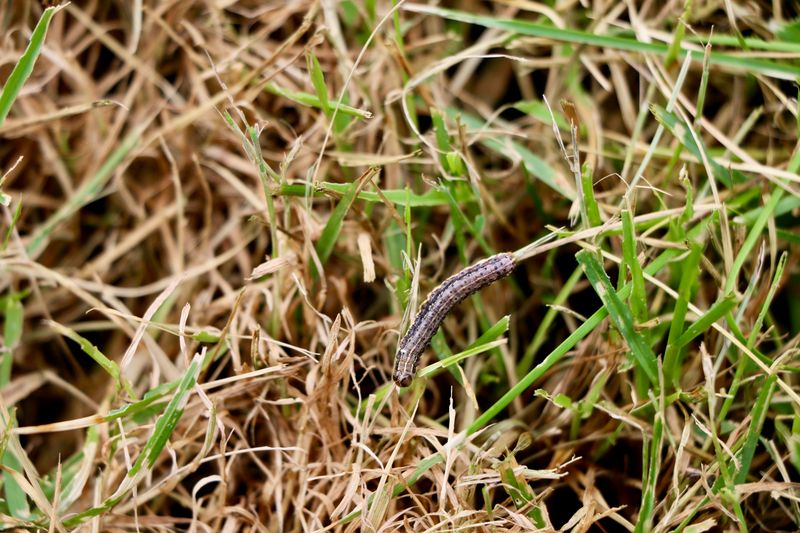
Finding a spreading brown area in an otherwise green lawn can be alarming, and when the damage appears quickly, an insect may be responsible.
Fall armyworms are caterpillars that feed on turfgrass and can strip large sections of a lawn in a relatively short period when populations are high.
Their feeding often begins at the leaf tips and works downward, leaving grass with a ragged, chewed appearance before it turns brown.
These insects tend to be more active during late summer and early fall, though their presence varies depending on weather patterns, location, and local conditions.
They are not guaranteed to show up in every Florida lawn during September, but when they do appear, the damage can be mistaken for drought stress, disease, or heat injury because the end result looks similar from a distance.
Inspecting the affected area closely is an important step before drawing any conclusions. Parting the grass blades and looking near the soil surface or checking in the early morning or evening hours may reveal caterpillars actively feeding.
A soapy water drench applied to a small section can also bring insects to the surface for easier identification.
Treating a lawn for armyworms without confirming their presence is not a recommended approach.
If caterpillars are found and populations appear significant, a product labeled for armyworm control on the specific turfgrass species can be considered, following label directions carefully to protect the turf and surrounding environment.
4. Low Mowing Can Stress Florida Lawns
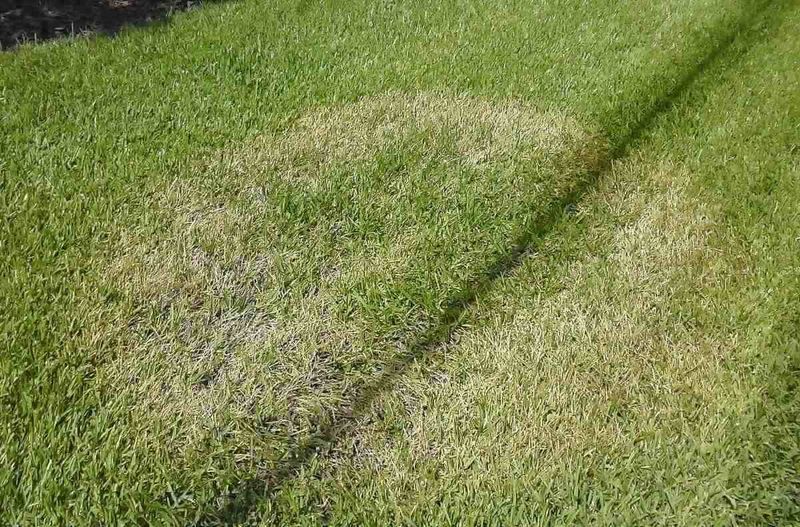
Mowing habits can have a bigger impact on lawn health than many homeowners realize, especially during the heat and stress of late summer.
Cutting grass too short, or removing too much of the leaf blade in a single pass, can weaken turf and make it more vulnerable to stress, disease, and discoloration that can easily be mistaken for something else.
Warm-season grasses common in Florida each have their own recommended mowing height range. St. Augustinegrass is generally maintained at a higher cut than bermudagrass, and zoysiagrass has its own set of guidelines depending on the cultivar.
Dropping the mower deck too low for the specific grass type removes too much of the photosynthetic tissue, which limits the plant’s ability to recover and maintain its color.
Scalping, which happens when the mower removes a significant portion of the green leaf area at once, can leave the lawn looking pale, thin, or brown in patches.
When this happens during periods of high heat or low rainfall, the turf may struggle to bounce back, and the discoloration can linger long enough to raise concerns about disease or pest activity.
Raising the mowing height to the appropriate range for the grass species and avoiding the removal of more than one-third of the leaf blade at a time can make a meaningful difference.
Keeping mower blades sharp also reduces tearing damage, which can leave entry points for pathogens and contribute to a stressed, off-color appearance across the lawn.
5. Excess Moisture Can Encourage Turf Diseases
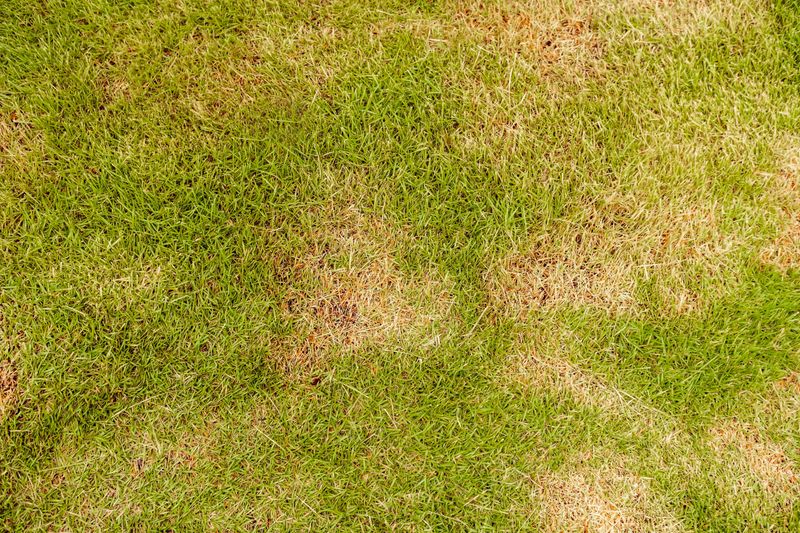
Florida’s summer humidity and frequent afternoon rain already push moisture levels high, and when irrigation runs on top of that without adjustment, the lawn can end up with far more water than it needs.
Prolonged moisture on leaf surfaces, saturated soil, and poor drainage can create favorable conditions for certain turf diseases, even when temperatures are still warm.
Fungal pathogens that affect warm-season grasses tend to thrive when moisture is consistently high and air circulation is limited. Overwatered turf may develop weak, soft growth that is more susceptible to infection.
Lawns in low-lying areas or those with compacted or poorly draining soils can be especially prone to staying wet longer than the grass can comfortably tolerate.
Adjusting irrigation based on actual rainfall and turf needs is one of the more practical steps a homeowner can take during September.
Running a rain sensor or a smart irrigation controller that accounts for recent rainfall can help prevent unnecessary watering cycles.
Avoiding evening irrigation, which can leave leaf surfaces wet overnight, may also reduce conditions that favor disease development.
Allowing turf to dry out severely is not the goal, since drought stress creates its own set of problems. The aim is to water based on what the grass actually needs rather than a fixed schedule that ignores rainfall.
When disease symptoms appear despite reasonable irrigation practices, evaluating drainage, soil conditions, and turf health together can help narrow down the cause before any fungicide application is considered.
6. Dollar Spot Can Create Small Brown Patches
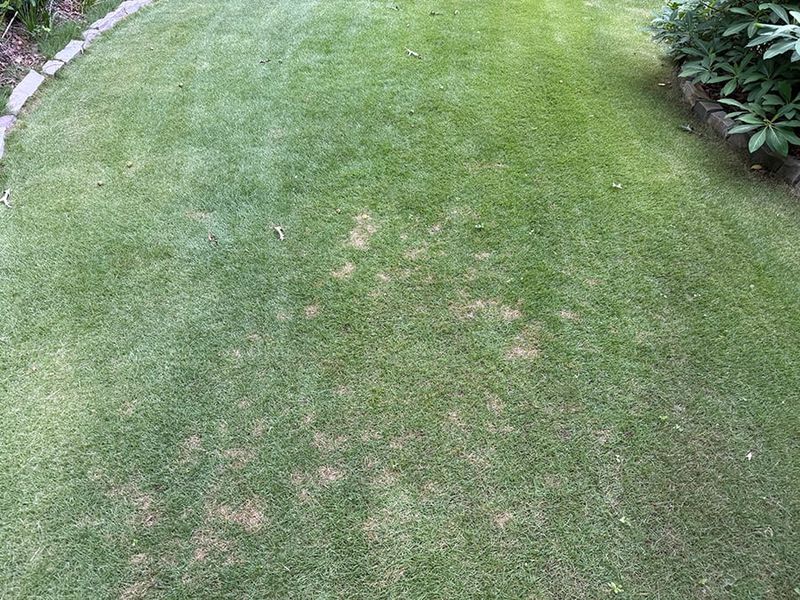
Scattered across an otherwise green Florida lawn, small roughly circular spots of straw-colored or bleached turf can be an early sign of dollar spot disease.
The name comes from the approximate size of the spots when they first appear, though patches can merge into larger irregular areas if conditions remain favorable and the disease goes unaddressed.
Dollar spot can affect several warm-season grasses, including bermudagrass, and tends to develop when humidity is high, nights are warm, and the turf is under some degree of stress.
Low nitrogen levels in the turf have been associated with increased susceptibility, which is one reason why maintaining appropriate fertility can play a role in managing the disease.
Leaf wetness from dew, rain, or irrigation also contributes to conditions that favor its development.
One useful distinguishing feature of dollar spot is the appearance of the individual grass blades within affected areas.
Infected blades may show tan or bleached lesions with reddish-brown or darker margins, which can help separate this disease from other causes of brown turf.
However, visual diagnosis has its limits, and overlapping symptoms can make accurate identification difficult without closer examination.
Dollar spot is not the same as the larger patch diseases associated with cooler weather, and treating them the same way would not be appropriate.
If small, scattered spots appear in September and conditions have been warm and humid, dollar spot is one possibility worth considering, but confirming the diagnosis before applying any fungicide is a more practical and responsible approach.
7. Fertilizer Or Herbicide Injury Can Mimic Disease
Pulling out a bag of fertilizer or a bottle of herbicide and applying it to a struggling lawn can feel like the right move.
But chemical applications made at the wrong rate, under the wrong conditions, or with the wrong product can produce damage that looks surprisingly similar to disease or drought stress.
Recognizing this possibility is important before reaching for another treatment.
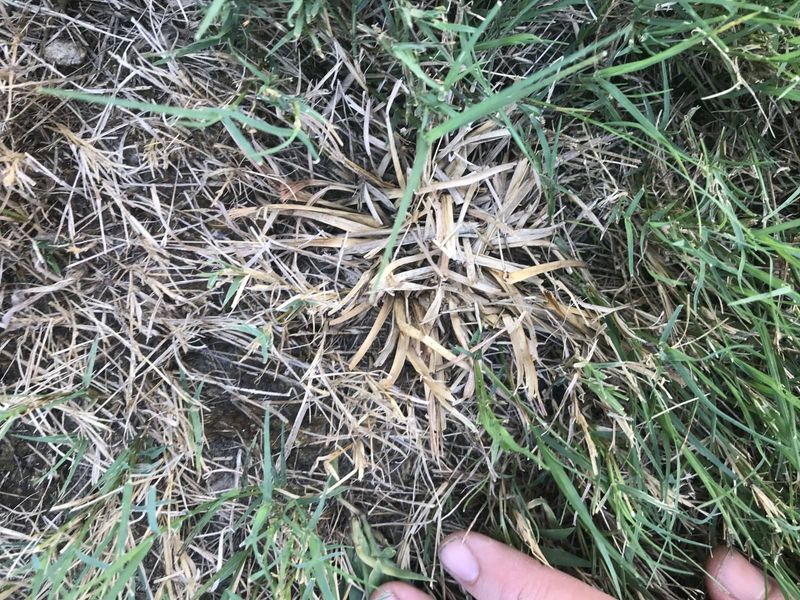
Fertilizer injury, sometimes called fertilizer burn, can occur when granular or liquid fertilizer is applied at excessive rates, when granules are not watered in properly, or when applications are made during periods of high heat and low soil moisture.
The result can be streaky yellowing, browning, or scorched-looking turf that may be scattered across the lawn in patterns that reflect the application path.
Herbicide injury can produce discoloration, distorted growth, or browning that varies depending on the product and the turfgrass species.
Products applied at the wrong rate, overlapped during application, or used on a grass species not listed on the label can cause turf damage that persists for weeks.
Recent application history is one of the first things worth reviewing when unexplained discoloration appears.
Applying additional treatments to chemically injured turf without identifying the cause can make the situation worse.
Reviewing application records, checking product labels for compatibility with the specific turfgrass species, and allowing affected turf time to recover are reasonable first steps.
When injury is suspected but the cause is unclear, a local turf professional or Extension resource can help evaluate the situation more accurately.
8. Brown Turf Needs More Than A Quick Visual Diagnosis
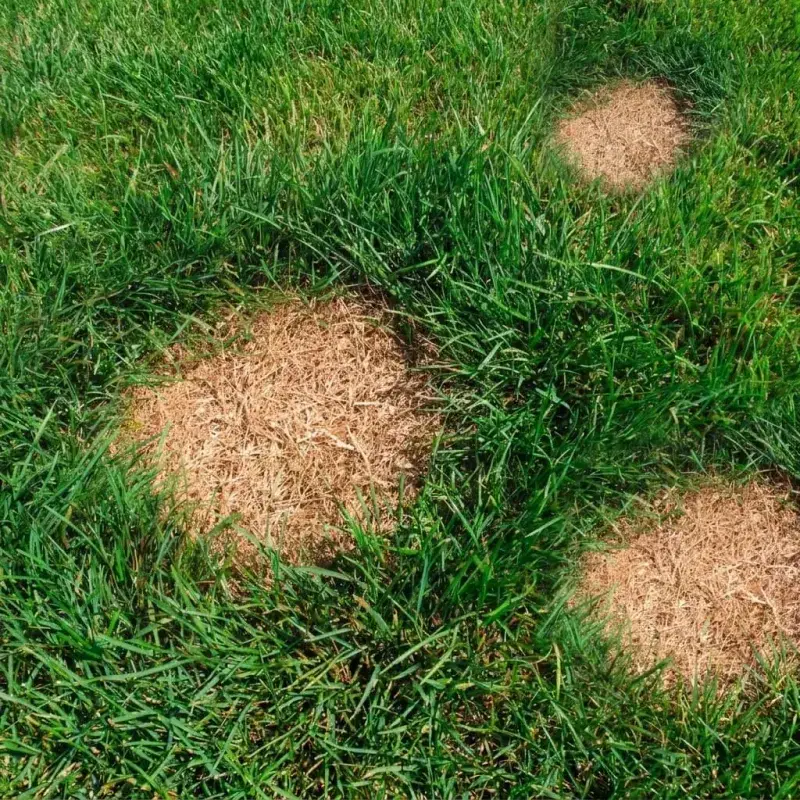
Spotting a brown area in a Florida lawn and immediately assuming the cause is an easy mistake to make, especially when heat, rain, and humidity are all present at the same time.
The reality is that brown turf can result from a wide range of conditions, and the color alone does not point clearly to any single cause.
Heat stress, disease, insects, irrigation problems, chemical injury, compaction, and drainage issues can all produce similar-looking symptoms.
A more useful approach involves stepping back and looking at the full picture before taking action. Examining the shape and pattern of the affected area can offer clues.
Irregular, spreading patches may suggest disease or pest activity, while geometric or zone-shaped areas may point to irrigation gaps.
Checking whether the turf pulls up easily, whether roots look healthy or dark and shortened, and whether insects are present near the soil surface can all help narrow down the possibilities.
Reviewing recent rainfall totals, irrigation run times, mowing practices, and any fertilizer or herbicide applications made in the past few weeks can also reveal contributing factors that are not visible from the surface.
Soil conditions, drainage patterns, and the specific turfgrass species all factor into what problems are most likely in a given situation.
When the cause remains unclear after a thorough look, or when damage is spreading rapidly, reaching out to a local Extension office or a qualified lawn care professional is a practical next step.
Applying multiple products based on guesswork can delay recovery and potentially worsen the problem rather than resolve it.