Why Oregon Garlic Sprouts Too Early In Fall And Whether You Should Worry
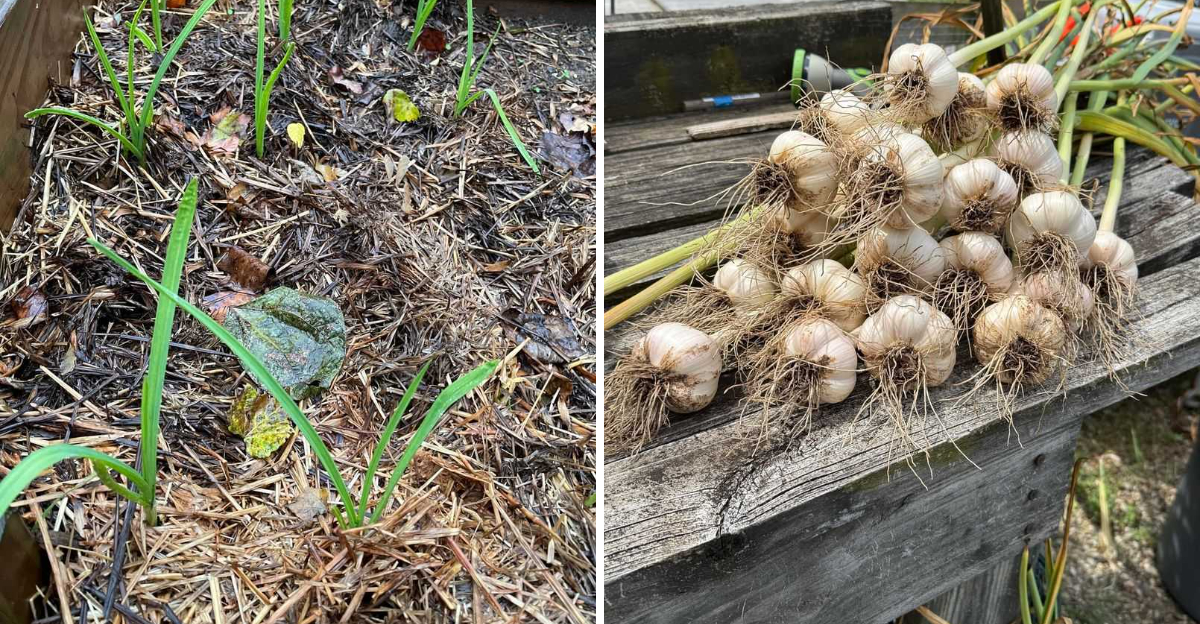
You planted garlic three weeks ago. Now there are green shoots.
That was not the plan.
Everything you read said the cloves would root through fall and stay underground until spring. Instead your bed looks like it’s trying to grow a crop in November.
The first instinct is usually panic. Did you plant too early? Is the garlic wasting energy it needs later? Should you dig it up and start over?
Here’s what’s actually happening, and it’s considerably less alarming than it looks.
Garlic doesn’t read calendars. It reads soil temperature and moisture, and Oregon soil in October still holds plenty of summer warmth west of the Cascades.
Those green tips are the plant responding correctly to the conditions it found.
The part that matters is happening somewhere you can’t see, and it has almost nothing to do with the leaves.
Curious whether your crop is fine?
1. Warm Fall Soil Triggers Early Growth
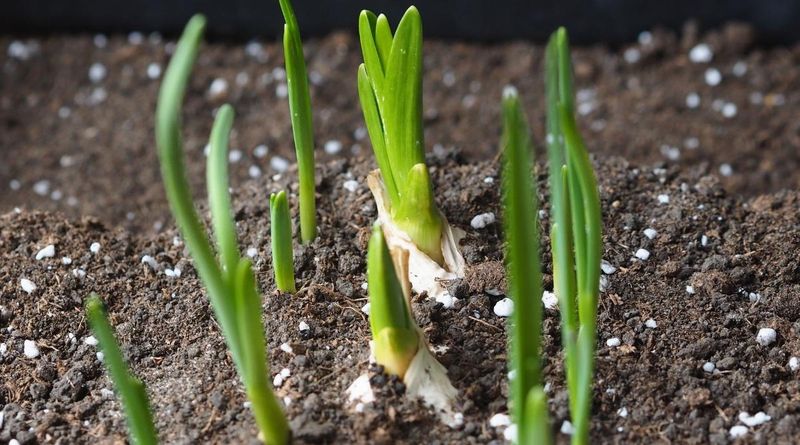
A gardener in western Oregon can plant garlic, walk away, and spot green tips before Halloween.
That quick growth feels wrong and makes complete sense. Warm ground after summer signals to cloves that conditions support upward growth right now.
Fall planting is recommended so garlic establishes roots before winter, and some top growth often accompanies that process.
Soil still holding warmth in September or early October functions as a green light for sprouting.
Garlic isn’t confused in any meaningful sense. It follows temperature and moisture signals the same way bulbs and perennials do when autumn stays mild.
Site conditions shift the timing considerably.
Heavy clay retains heat, raised beds near walls stay warmer, and dark mulch absorbs more solar energy. All three encourage earlier shoots.
Gardeners around Portland, Eugene, and the Willamette Valley generally see faster fall growth than growers in colder inland areas.
Digging cloves up or starting over accomplishes nothing useful.
When leaves appear early, patience is the productive response, since strong roots matter most at this stage and normal winter cold still guides the plant’s schedule.
Real concern belongs with soggy soil, poor drainage, and rotting cloves.
Early green growth on its own is a weather story rather than a problem.
2. Planting Too Soon Wakes Cloves Up
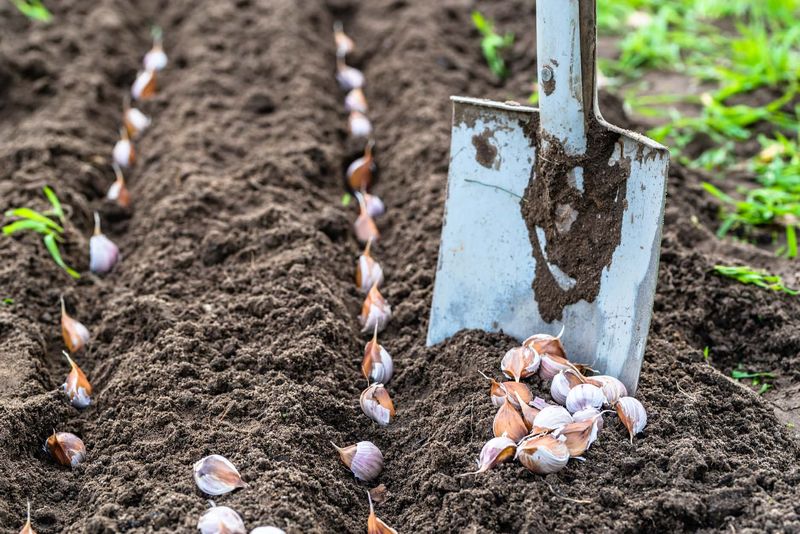
Some gardeners get excited by the first cool mornings and plant early, hoping extra time produces bigger bulbs.
In Oregon that early start wakes cloves while soil is still warm, producing shoots well before winter settles.
Mid fall planting, often around October, gives cloves time to root without generating much leafy growth.
When planting slides into September in mild areas, the calendar and the soil stop agreeing.
A garlic clove works like a packed lunch. Give it moisture, loose soil, and warmth, and it gets busy immediately, pushing roots and a shoot because it senses growing conditions.
The clove has no way to know winter is coming.
Early planting doesn’t ruin anything. It raises the chance of fall leaves, particularly west of the Cascades where nights cool while days stay mild for weeks.
Your Oregon Garden Changes Every Week. Your Plan Should Too.
Gardening in Oregon changes quickly throughout the season. Every Friday you’ll receive a simple weekly plan showing exactly what to plant, prune, fertilize, harvest, and protect so you never miss the right timing.
Region shifts the target date meaningfully. Coastal and valley gardens often plant later than eastern Oregon, where cold arrives sooner and cloves need earlier establishment.
For garlic already planted, chasing timing afterward serves no purpose.
Add mulch before freezes, maintain drainage, and remember that eager shoots reflect planting date rather than a failed crop.
Adjust next year if it bothers you.
3. Mild Weather Confuses Winter Timing
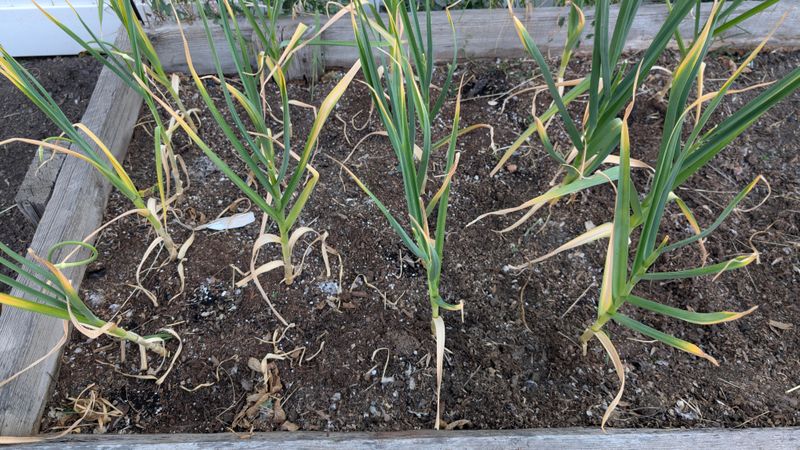
One week feels like sweater weather and the next feels like September again.
Garlic notices that stop-and-start autumn, since mild air and unfrozen soil delay the slowdown that normally tells plants to settle into rest.
Dormancy isn’t a switch flipping on a set date.
Garlic responds to surrounding conditions, so a long mild fall in western Oregon keeps roots growing and sometimes keeps leaves appearing.
Rain reinforces the message. Once cloves take up moisture and soil stays workable, they behave as though the season remains open.
Valleys and coastal areas see this most, since hard freezes arrive later and less reliably there.
Gardeners often read those shoots as evidence of a problem with the seed garlic.
More often the weather is simply stretching fall longer than usual, and the cloves are responding normally to warmth near the surface.
A colder stretch later generally resets the bed’s appearance.
Growth slows, leaves may hold still for weeks, and roots continue the quiet work that determines spring vigor.
Vernalization is worth mentioning here. Garlic needs weeks of cold to form proper bulbs, and Oregon winters reliably supply that even in mild years.
Watch the forecast, mulch before cold arrives, and trust that mild weather mainly changes what you see.
4. Early Shoots Rarely Spell Real Trouble
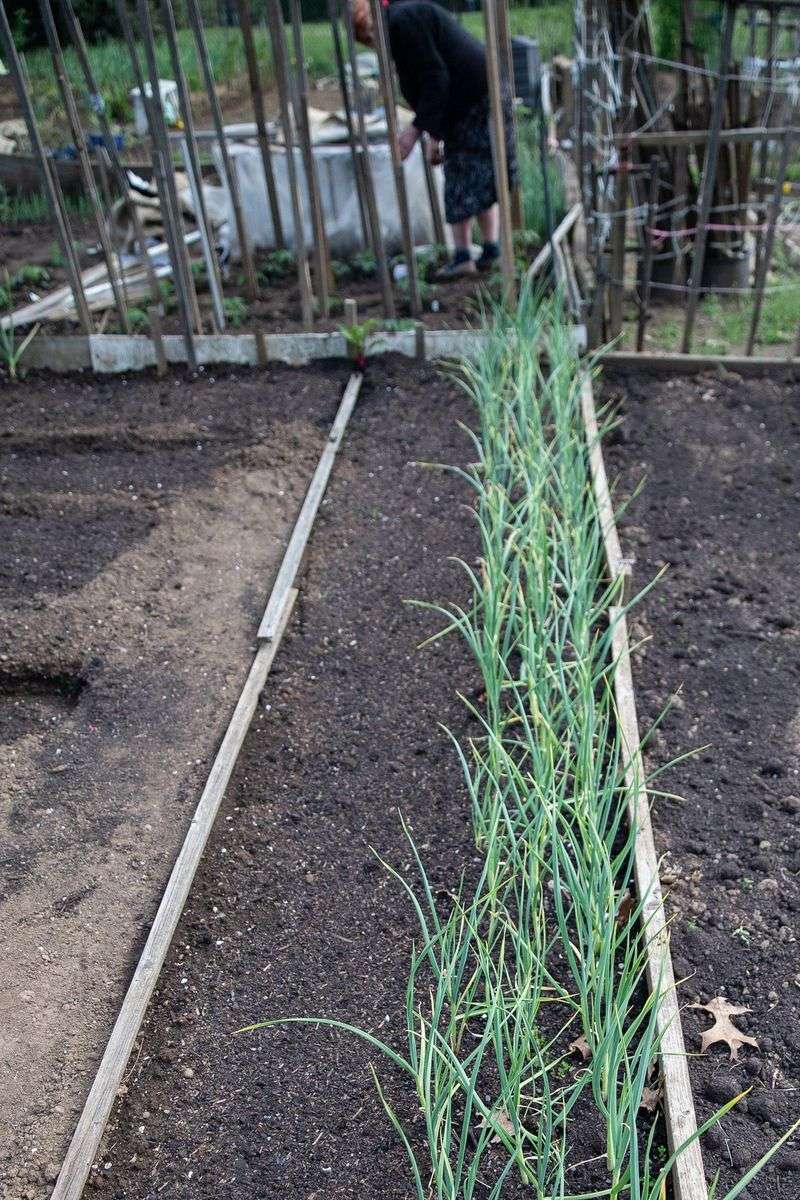
Leaves in fall make gardeners picture bulbs draining energy before winter even starts.
Garlic doesn’t build final size from autumn leaves, so early shoots rarely predict a disappointing harvest.
Fall planting exists to let cloves establish roots before cold weather.
That root system matters because it helps plants survive winter, take up water, and launch strong spring growth when longer days drive bulb development.
Fall shoots are extra above ground rather than the whole story.
A clove with short leaves and sturdy roots often performs well, while a lush plant sitting in waterlogged soil may struggle regardless.
Gardeners assume more green means more bulb, and garlic doesn’t work like lettuce.
Bulb sizing happens mostly after winter, when cold exposure and lengthening spring days guide the plant toward dividing energy below ground.
Day length is the actual trigger for bulbing, which is why leaf count in November means so little.
A few frosted or chewed fall tips bother the gardener more than the plant.
Unless plants are repeatedly heaved out of the soil, rotting, or badly stressed, early sprouting alone rarely explains small bulbs.
Experienced growers stay calm about early green for exactly that reason.
5. Frost Can Nip Tips Without Lasting Harm
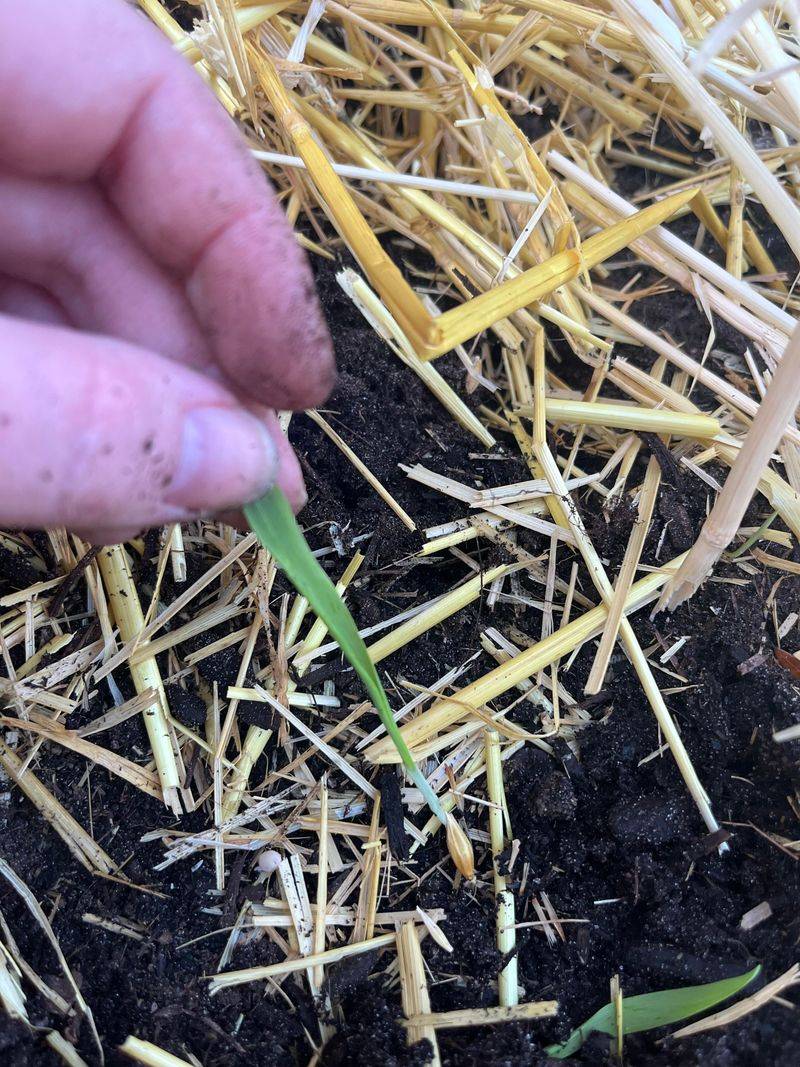
A hard frost makes eager garlic shoots look rough overnight.
Tips may turn pale, watery, or brown after a sudden freeze, particularly when leaves rose above the soil before winter arrived.
That damage typically stays near the exposed tissue.
The clove and roots are the plant’s real engines, and they sit protected below ground.
Even when leaf tips burn back, garlic usually recovers once conditions steady, since the growing point sits lower and stays sheltered in soil.
Early sprouting is genuinely not the same as crop failure.
Frost injury on garlic leaves tends toward cosmetic, though repeated severe freezes without protection can slow plants and cost them some stored energy.
Exposure matters considerably in Oregon.
Beds on windy slopes or open ground take harder hits than garlic tucked beside fences, under mulch, or in city gardens where structures moderate cold.
Clipping damaged leaves accomplishes nothing and removes tissue the plant may still use.
Frost heaving is the more serious concern, since repeated freeze-thaw cycles can push cloves upward and expose roots. Pressing heaved cloves back down and adding mulch addresses it.
For most Oregon gardens, nipped tips look worse than they are.
6. Mulch Protects Sprouts Through Cold Snaps
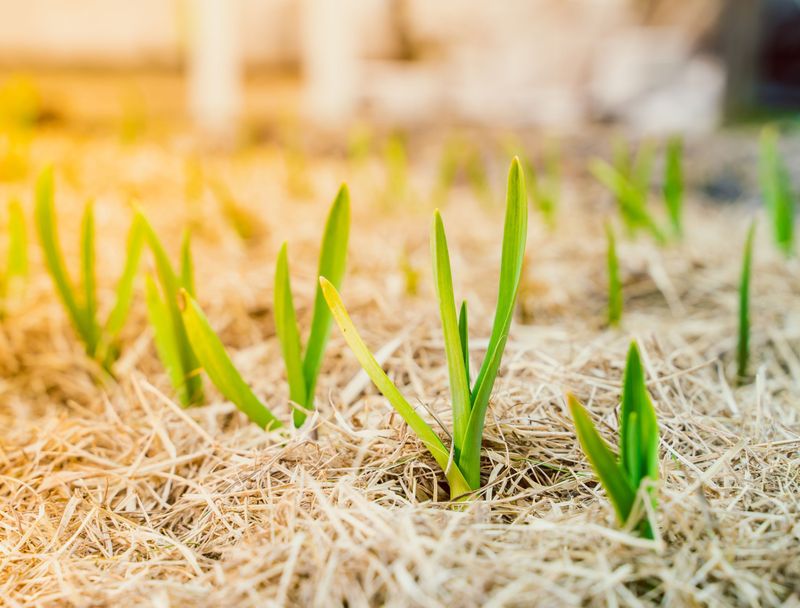
Mulch functions as a winter blanket with real science behind it.
A layer over planted garlic slows temperature swings, so early sprouts and surrounding soil don’t warm and chill as sharply during unpredictable cold snaps.
Mulching after planting or as colder weather approaches is standard Northwest advice.
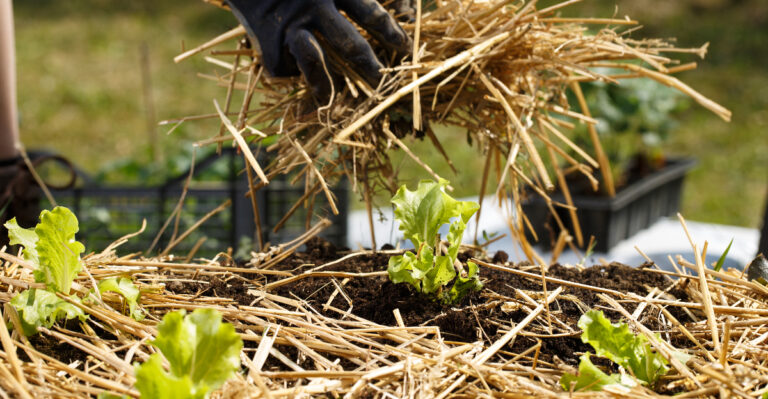
Straw, chopped leaves, and similar loose organic material insulate the bed, hold moisture more evenly, and reduce frost heaving.
For sprouts, that buffering matters because exposed leaf bases are sensitive when air temperature drops fast.
Mulch doesn’t make plants invincible. It softens the shock, particularly on clear nights when ground loses heat rapidly after sunset.
Aim for a layer thick enough to cover soil well and light enough for shoots to push through in spring.
Several inches of clean straw or leaves works, with some pulled back later if growth gets crowded.
Wet matted mulch creates its own problems by trapping moisture against the bed.
Choose airy material, keep drainage good, and avoid piling dense layers against tender green stems where rot or slugs might establish.
Slugs deserve specific attention in Oregon, since they shelter in mulch and feed on garlic leaves through mild winters.
Already-sprouted garlic benefits from mulch more than anything else you could do.
7. Bulb Size Depends On Roots Not Shoots
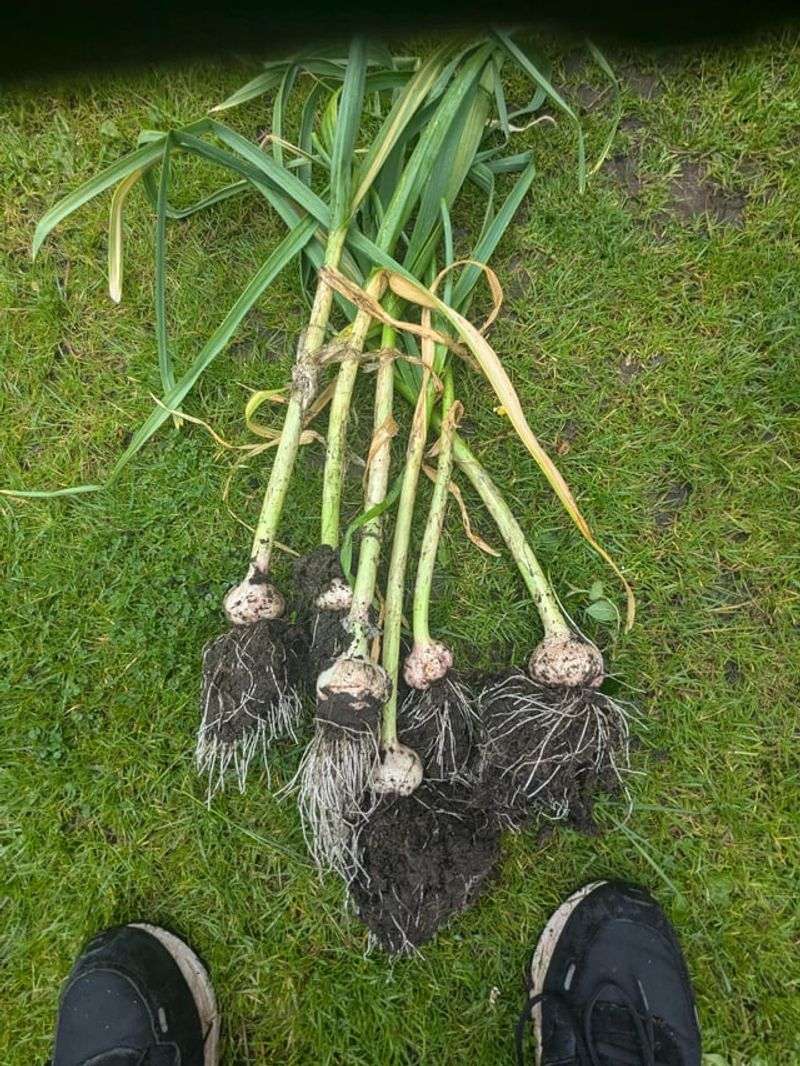
Gardeners focus on what they can see, so green shoots collect all the attention.
Below the soil, roots are doing the work that actually matters in fall, anchoring cloves and preparing the plant for spring.
Garlic needs a functioning root system before winter so it can absorb water and nutrients when growth restarts.
That’s why guidance emphasizes planting time, drainage, and steady establishment rather than chasing extra leaves.
Bulb size gets determined later, after the plant experiences winter chill and then receives longer spring days.
Those cues tell garlic when to divide and swell underground, which makes November leaf count a minor detail.
The biology is genuinely reassuring for anyone worried about early green.
A clove that roots deeply through fall often has a better future than one planted late into cold soil, even when the late bed looks tidier.
Planting depth affects root development too. Two inches deep is typical, with slightly deeper planting in colder areas for insulation.
When you notice sprouts, think below the surface first.
Confirm the soil drains, keep weeds down, mulch before freezes, and resist overreacting to leaf growth.
Bulb formation depends far more on healthy roots and winter conditions than on anything visible now.
8. What Actually Threatens An Oregon Garlic Crop
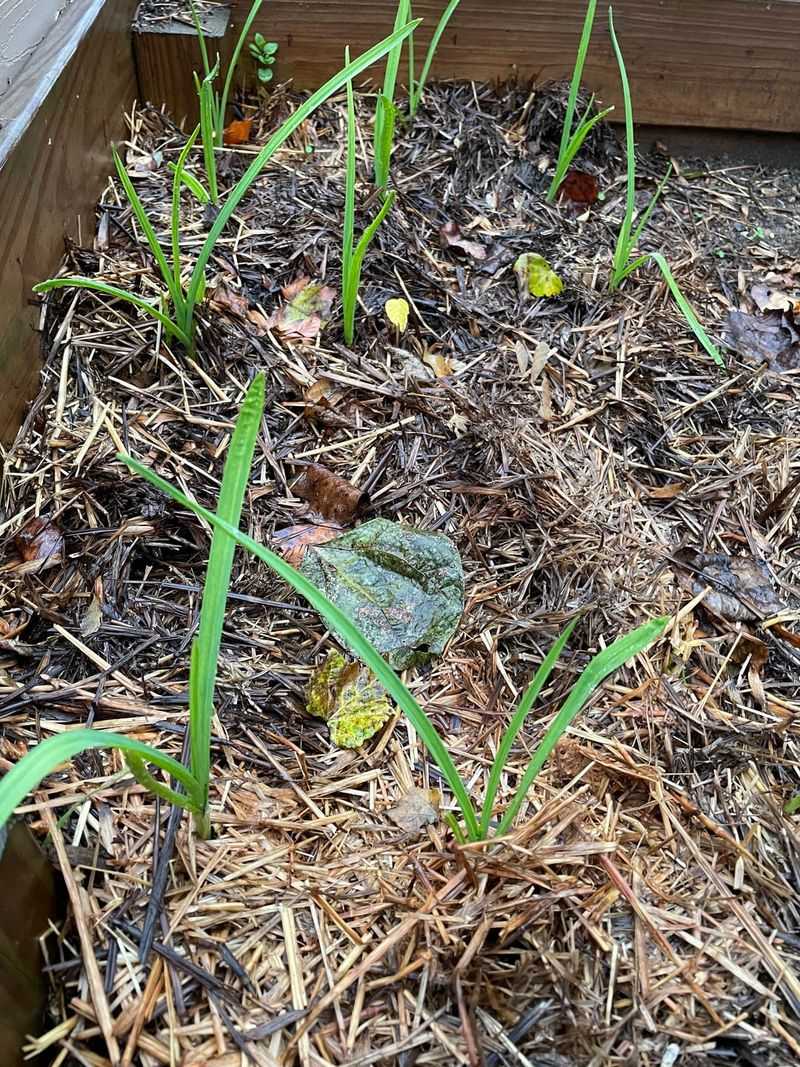
Since early shoots rarely cause problems, it helps to know what does.
Waterlogged soil tops the list. Oregon’s wet winters mean poorly drained beds can rot cloves before spring, and no amount of correct timing prevents that.
Raised beds and amended soil address it directly.
White rot is the disease worth taking seriously, since the fungus persists in soil for years and affects all alliums. Yellowing plants with fluffy white growth at the base signal it.
Crop rotation is the main defense, with a gap of several years between allium plantings in any bed.
Rust appears as orange spots on leaves during wet springs, reducing bulb size when severe.
Nematodes and onion maggots both cause trouble in some Oregon gardens, and both arrive more often with infected seed garlic than from soil.
Buying certified clean seed garlic from a reputable source prevents several problems at once.
Weed competition matters more than people expect, since garlic competes poorly and shallow roots lose that contest.
Planting the wrong garlic type is the quieter issue. Softneck varieties suit milder western Oregon while hardnecks generally perform better where winters run colder.
Those are the real variables. Fall shoots are not among them.
9. How To Care For Sprouted Garlic Through Winter
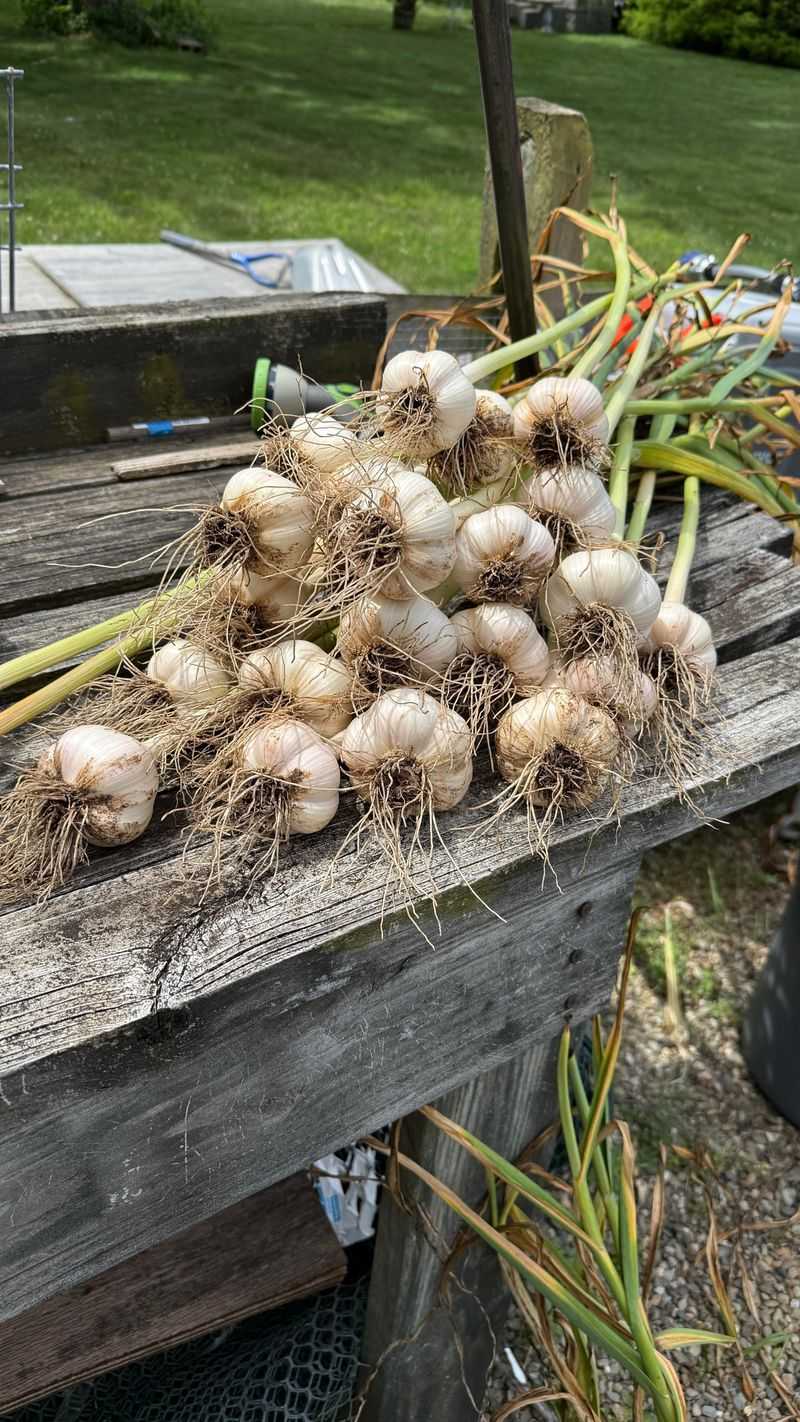
Once shoots are up, the job shifts from worrying to maintaining.
Watering usually takes care of itself in Oregon. Fall and winter rain generally supplies more than enough, so supplemental irrigation is rarely needed until spring.
The exception is a dry stretch after planting in eastern Oregon, where a soaking helps roots establish.
Skip fertilizer through winter. Cloves carry their own energy reserves, and nitrogen applied now pushes leaf growth that cold weather will damage.
Spring is the window for feeding, once new growth accelerates and days lengthen.
Weeding matters more than most people realize. Garlic competes poorly, and winter annual weeds establish readily in mild Oregon conditions.
Hand pulling works fine and avoids disturbing shallow roots.
Check the bed after hard freezes for heaved cloves. Pressing them back down and covering with mulch takes minutes and saves plants.
Standing water deserves immediate attention. If a low spot in the bed holds water for days, a shallow channel to drain it away prevents rot.
Slug damage on leaves is common through wet winters. Iron phosphate baits handle heavy pressure, and clearing debris reduces shelter.
Resist the urge to intervene beyond that. Garlic spends winter doing quiet root work, and it does that better without help.