8 Reasons Garden Spiders Are Spinning Bigger Webs Across New Jersey
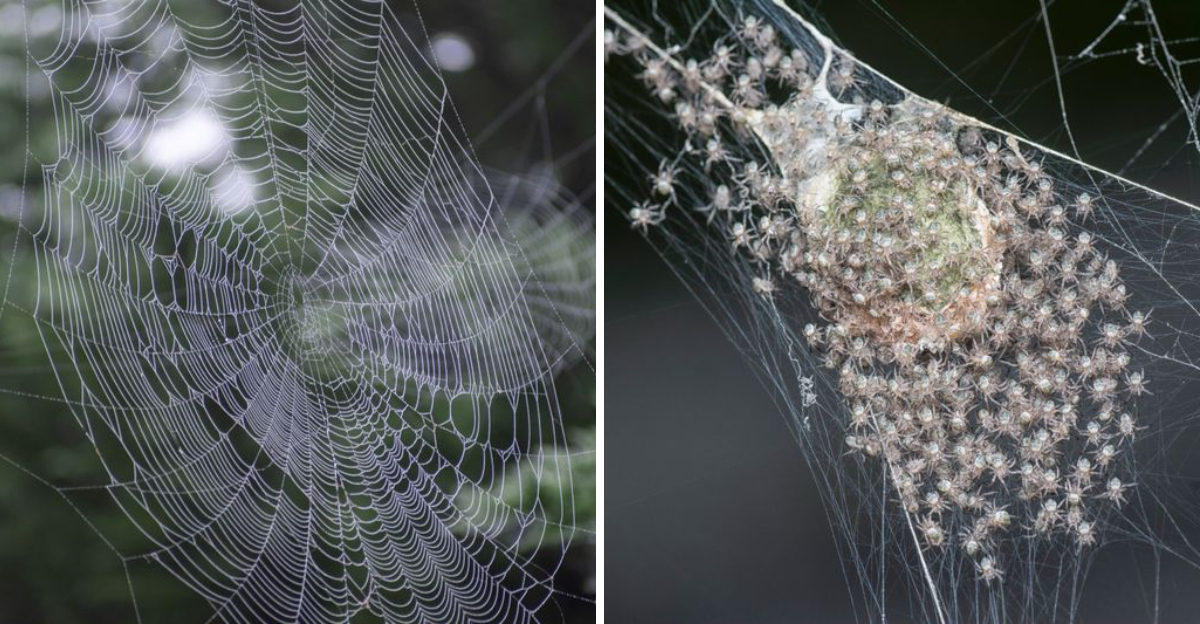
Silk webs now stretch wider across New Jersey porches than anyone remembers. You notice the strands first, thick as fishing line close to you. Weather shifted fast, and spiders responded with sudden ambition.
Warmer nights pushed insect numbers higher across the region. Hungrier bugs mean hungrier spiders; hungrier spiders spin harder. Gardeners across New Jersey watch webs grow bolder each week.
Humidity gets blamed, but the real story runs deeper than that. Builders of silk don’t work randomly; they respond to pressure. Each strand you see reflects weeks of insect activity nearby.
Your porch rail has become prime real estate for hunters. Climate plays a role, but so does what you grow. Tomatoes, herbs, and untrimmed edges all draw insects closer.
That means more prey, more silk, and bigger webs. Little about this is random, though it feels that way. Stopping now means missing what’s forming right outside your door.
1. Warmer, Longer Growing Seasons Give Builders Extra Time
Ask anyone who has gardened in New Jersey for thirty years and they will tell you the first frost keeps showing up later. That shift matters significantly to an orb weaver.
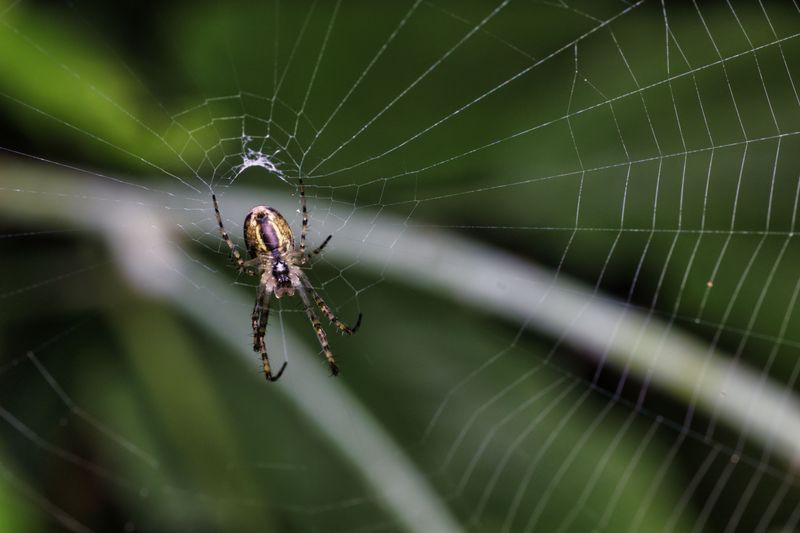
Garden spiders hatch in spring as specks barely visible on a leaf. They spend the whole warm season eating and molting, and body size climbs with each week of steady feeding.
A longer stretch of mild weather means more molts, which means a bigger spider by August.
Bigger bodies produce more silk from larger glands. A spider the size of a quarter can anchor a web spanning two feet across, sometimes wider when she finds sturdy supports like a deck rail and a shrub.
In many parts of the state, the first frost seems to be arriving a bit later than it used to. Those extra October days are bonus construction time.
Females use them to fatten up before producing egg sacs, and a hungry, growing spider rebuilds her web nightly to keep it sticky.
You can watch the progression yourself. Mark a web location in July with a small stake and check the same spot in September, and the difference in scale is often notable.
For gardeners, the practical takeaway is simple. Leave the tall plants standing a bit longer in fall if you enjoy the show, since removing supports mid-season pushes the spider to relocate and rebuild somewhere less convenient, like your front door frame.
2. Humid Summers Keep Silk Stretchy And Strong
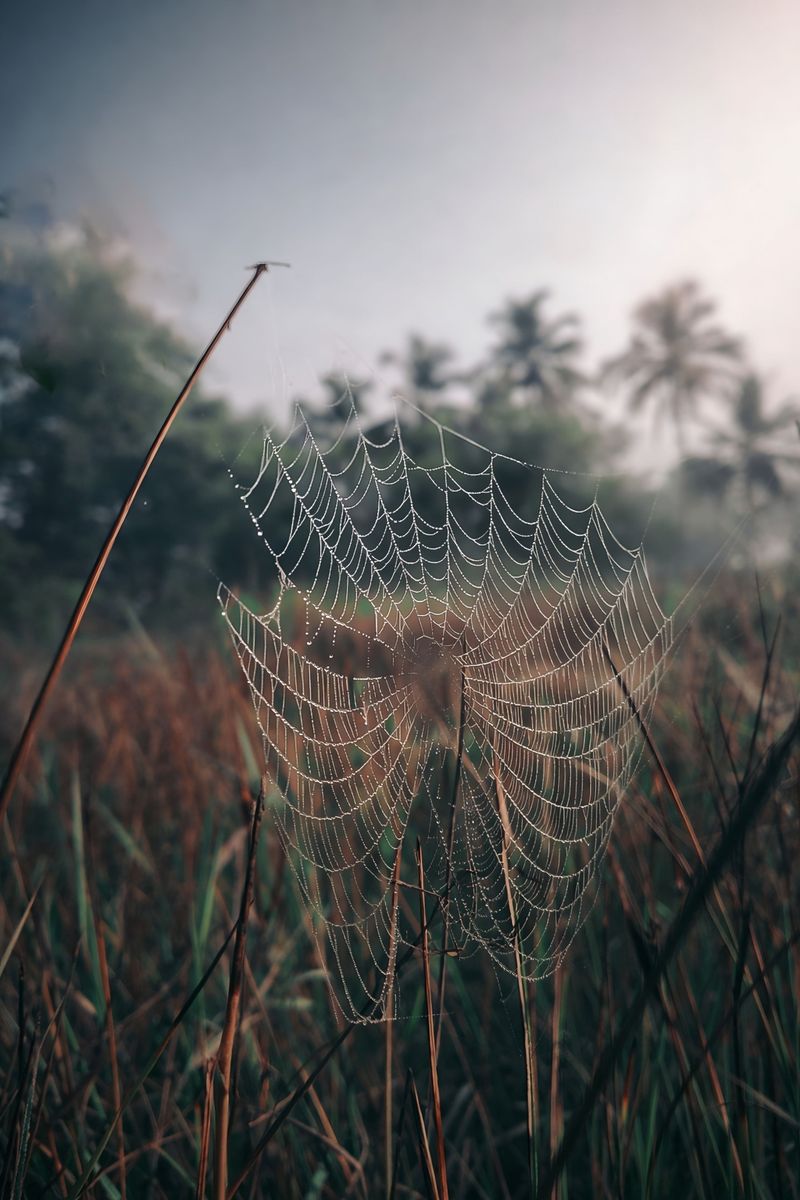
Silk behaves a little like a rubber band, and moisture is what keeps that rubber band from turning brittle. New Jersey’s humid July air happens to be excellent silk conditioner.
The sticky spiral of an orb web is coated in tiny glue droplets. Those droplets pull water straight out of humid air, which keeps the capture threads tacky and flexible instead of dry and crumbly. High humidity essentially recharges the trap.
When the air stays damp for days on end, a spider can build wider and thinner. She spends less silk protein reinforcing threads against snapping, so the same amount of material stretches across a larger frame.
Your New Jersey Garden Changes Every Week. Your Plan Should Too.
Gardening in New Jersey changes quickly throughout the season. Every Friday you’ll receive a simple weekly plan showing exactly what to plant, prune, fertilize, harvest, and protect so you never miss the right timing.
Coastal counties like Monmouth, Ocean, and Atlantic get an extra assist from sea breezes carrying moisture inland. Backyards near ponds, marshes, and creeks show the same pattern, with webs noticeably broader than those in dry, exposed lots.
Gardeners can nudge this along without trying. Drip irrigation, mulched beds, and dense plantings all raise humidity right where spiders hunt, at knee to shoulder height among the leaves.
Fun detail worth sharing at a barbecue: researchers have measured spider silk absorbing enough water vapor to shrink and tighten on its own, a built-in tuning system no human engineer designed.
If you want fewer webs across walkways, prune for airflow and skip evening watering near paths. Drier, breezier corridors are simply less appealing real estate for a builder who depends on damp air.
3. Pollinator Gardens Are Feeding More Than Just Pollinators
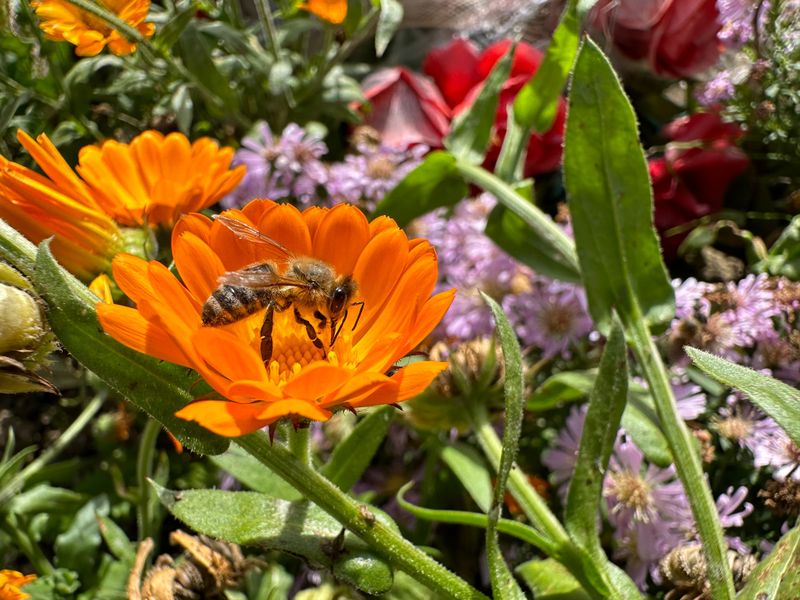
Here is a twist nobody puts on the seed packet. Plant a pollinator garden and you also open a restaurant for the neighborhood web spinners.
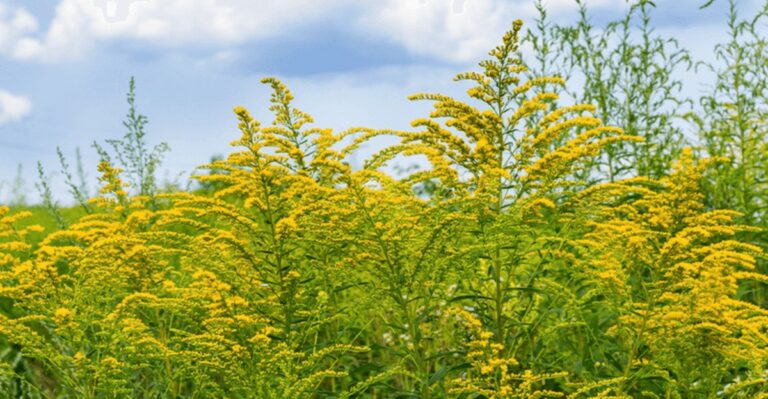
Native plantings seem to be showing up more often in New Jersey yards these days. Milkweed, bee balm, mountain mint, and goldenrod now fill front yards that used to be plain turf, and each one hums with insect traffic from June through October.
More flying insects means more accidental collisions with silk. A spider positioned beside a stand of goldenrod may catch several meals a day, and steady protein translates directly into body mass and silk production.
Females that eat well grow dramatically larger than those scraping by. Studies on orb weavers show well-fed individuals building webs with more spiral turns and greater surface area, because the payoff justifies the material cost.
You can spot the pattern in your own beds. Webs near the busiest blooms tend to be the biggest, while webs in shady corners with little traffic stay modest.
None of this hurts your pollinators much overall. Orb weavers catch a small slice of what passes by, and they also intercept plenty of pest insects such as leafhoppers, stink bugs, and mosquitoes.
If a particular web keeps snagging bees you would rather keep, gently relocate the whole structure at dusk using a stick to lift the anchor lines. The spider will rebuild by morning, usually just a few feet away in a quieter spot.
4. Mosquito And Midge Booms After Heavy Rain Events
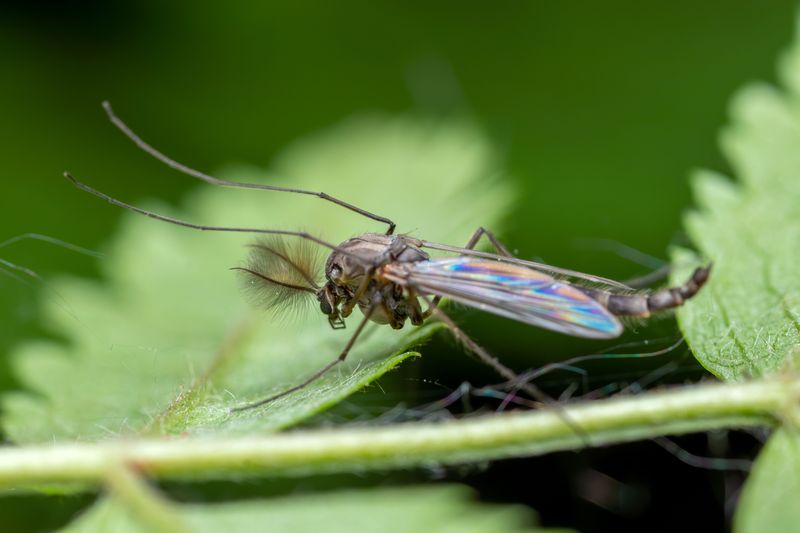
Rain does two jobs at once in a Jersey backyard. It fills every low spot with breeding water, then hands the resulting insect clouds straight to whoever is holding a net.
Recent years have brought heavier rain events, from tropical storms to slow-moving thunderstorms. Puddles, clogged gutters, tarp folds, and forgotten kiddie pools become nurseries for mosquitoes and midges within a week.
Those tiny insects swarm at dusk and dawn, exactly when orb weavers finish rebuilding. A single well-placed web beside a damp hedge can collect dozens of small bodies in one evening.
Volume matters more than size for a growing spider. Hundreds of little meals add up faster than one big grasshopper, and the spider responds by expanding her capture area to intercept more of the swarm.
Homeowners in flood-prone areas along the Passaic and Raritan corridors often notice the largest webs of all. Wet ground plus dense shrubbery equals prime hunting territory.
The practical move here helps you twice. Empty standing water weekly, clear gutter debris, and flip anything that holds a puddle, and you reduce both the biting swarm and the reason webs keep appearing across your patio.
Keep in mind that spiders are working on the same problem you are. A large web near a damp corner is quietly removing insects you would otherwise be swatting, so patience often beats a broom.
5. Suburban Structures Offer Perfect Anchor Points
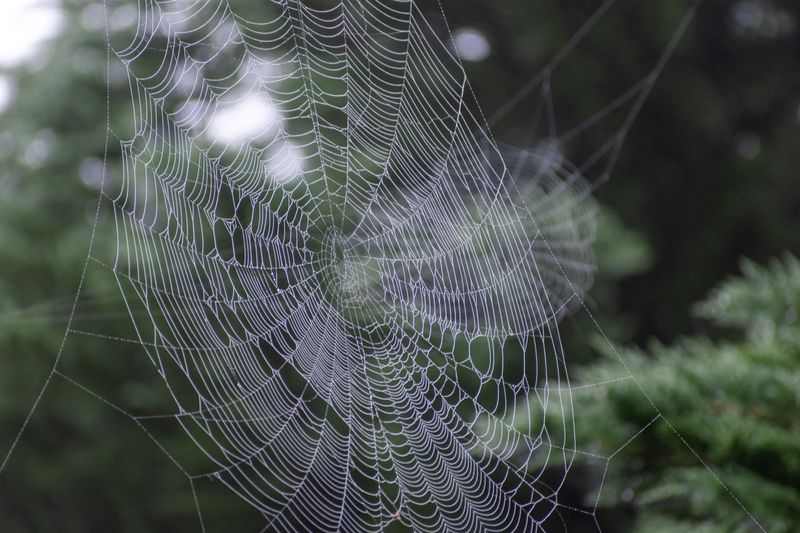
Ever wonder why the most impressive web on the block shows up on someone’s porch instead of deep in the woods? Architecture, plain and simple.
An orb weaver needs firm, widely spaced anchor points to build big. Forest branches sway and shift constantly, but a deck rail, downspout, mailbox post, or basketball hoop stays perfectly still.
New Jersey suburbs supply an endless catalog of these fixed points. Fences meet shrubs, columns meet hedges, and garage eaves sit conveniently above tall ornamental grasses.
The distance between two solid objects sets the maximum web width. When a spider finds anchors six feet apart, she can construct a frame far larger than anything possible on a single wobbly plant.
Lighting seals the deal. Porch bulbs, landscape spotlights, and garage fixtures pull in moths and beetles all night, turning a structural jackpot into a feeding one.
If a web keeps blocking your walkway, change the geometry rather than fighting the resident. Trim the shrub that provides the second anchor, or swap a bright white bulb for a warm amber one that attracts fewer insects.
A quirky bit of history: the yellow garden spider was once nicknamed the writing spider, because folks believed the zigzag band of silk down her web center spelled out messages.
Scientists now think that stabilimentum warns birds away and may reflect ultraviolet light that draws insects closer. Either way, your porch column is her favorite building material.
6. Fewer Broad-Spectrum Sprays In Home Landscapes
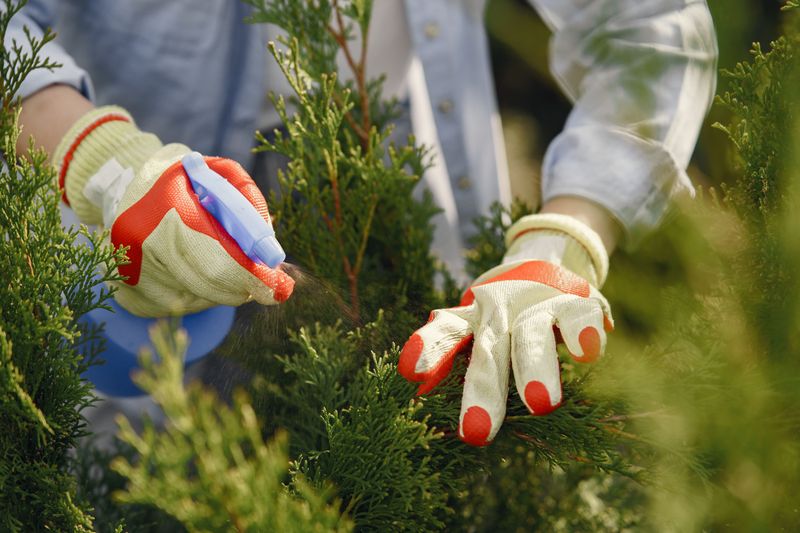
Something has shifted in garage storage shelves across the state. Those old jugs of all-purpose insect spray are getting used far less often.
Interest in organic gardening, pollinator protection, and integrated pest management has grown steadily in New Jersey.
Master gardener programs, township pollinator resolutions, and nursery staff recommendations all push toward targeted treatments instead of blanket spraying.
Spiders benefit significantly from that shift. Broad-spectrum products harm them directly and also wipe out the small insects they depend on, so an untreated yard supports both predator and prey.
Populations that survive a full season produce noticeably larger individuals. Undisturbed females reach full adult size by late summer and build the wide, showy webs people photograph and post online.
Egg sacs matter too. A female left alone through October can produce one or more papery sacs holding hundreds of eggs, seeding next year’s crop of builders in the same beds.
For anyone wanting pest control without losing the spiders, the approach is straightforward. Hand-pick beetles into soapy water, use insecticidal soap only on affected leaves, and treat in the early morning when webs are least occupied by active hunters.
Row covers and companion planting handle a lot of trouble before it starts. Meanwhile the spiders take care of leafhoppers, aphid-winged migrants, and flies you were never going to spray anyway. Less chemistry, more silk. The trade seems to be working out for both sides.
7. Late-Season Egg Laying Pushes Females To Bulk Up
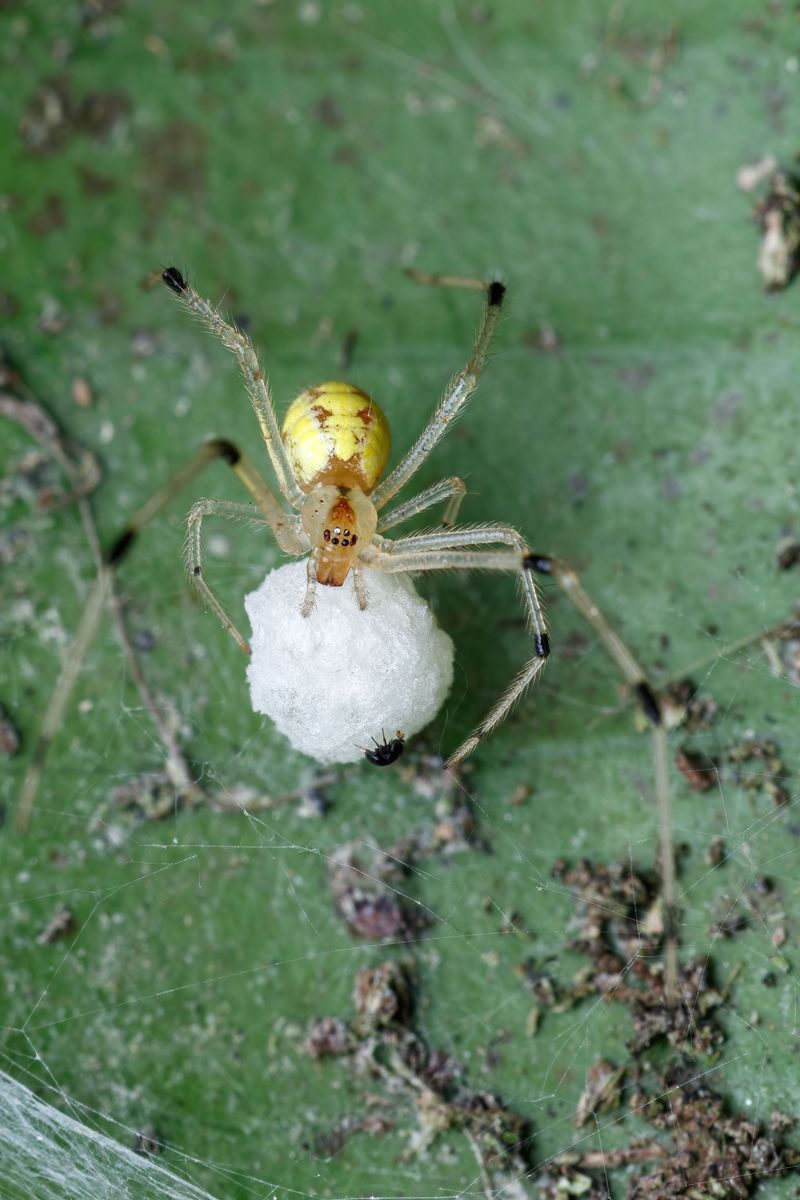
By September, a female garden spider has one item on her to-do list, and it is expensive. Producing egg sacs takes a significant amount of stored energy.
Each sac can hold several hundred eggs wrapped in tough, weatherproof silk. Building that package requires protein she must eat first, and time runs short as the nights cool in autumn.
So she enlarges the web. A wider capture area means more insects intercepted per night, and every extra meal goes straight toward eggs rather than growth.
Observant gardeners notice webs reaching peak size in late August and September, right when goldenrod blooms and grasshoppers get careless. That timing is no coincidence.
The females themselves look enormous at this stage, with abdomens swollen and boldly marked. People often assume a new species has moved in, when it is simply the same spider they overlooked in June at one-tenth the size.
Once sacs are attached to a stem, fence board, or eave, the female stays nearby guarding them as long as weather allows. Cold eventually ends her season, and the eggs overwinter safely inside.
If you find a sac while cleaning up beds, consider tucking it into a sheltered corner of the yard instead of the trash bag. Spiderlings emerge in spring and disperse widely on silk threads, a behavior called ballooning.
Leaving one sac in place often means free pest patrol next summer, spread across the whole garden.
8. Milder Winters Let More Spiderlings Reach Spring
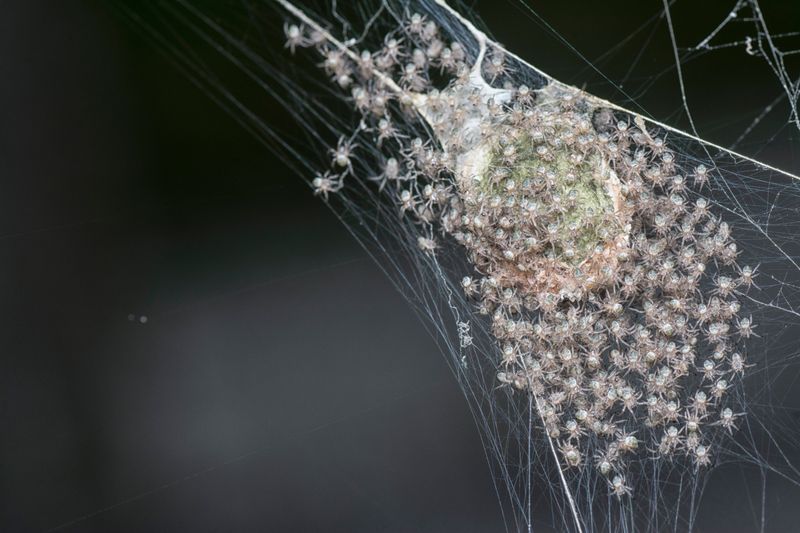
The story of a giant September web actually begins the previous January, buried under leaf litter. Garden spider eggs and newly hatched spiderlings overwinter inside their silk sac, tucked among stems, mulch, or siding gaps.
Extended periods of extreme cold with little snow cover reduce how many make it to spring. New Jersey winters can vary quite a bit year to year, and milder stretches tend to favor southern and coastal areas.
More sacs survive intact, and more spiderlings emerge when spring warmth arrives. Higher survival means a denser starting population. Some of those young spiders disperse and claim prime territory early, giving them the full season to grow before autumn.
Snow actually helps as insulation, blanketing leaf litter and holding temperatures steadier near the ground. Yards where homeowners leave fall leaves in place through winter provide the same protective layer.
The result shows up months later as bigger, more numerous webs in July and August. Gardeners who once spotted one impressive orb per season now find three or four.
Want to encourage that? Skip the aggressive fall cleanup in at least one corner of the yard, leaving stems standing and leaves undisturbed until spring temperatures turn consistently mild.
Prefer fewer webs near the house? Clear leaf litter and debris from foundation plantings and siding gaps in late fall, which removes the sheltered spots sacs rely on. Either way, winter quietly shapes what your garden looks like in September.