Common Mistakes North Carolina Gardeners Make When Curing Fall Sweet Potatoes
Curing sweet potatoes is one of those steps that seems simple but makes a huge difference in how well the harvest actually keeps.
In North Carolina, gardeners often pull their sweet potatoes at the right time, only to lose quality later because of what happens right after digging.
The curing process is what allows the skins to toughen and the natural sugars to develop, turning a bland tuber into something sweet and long-lasting in storage.
Skip or rush this step, and even a great harvest can end up soft, bruised, or short-lived in the pantry.
It’s an easy stage to get wrong, especially for gardeners moving quickly to get everything harvested before the season turns. A few common habits can quietly undo weeks of good growing.
Here’s a look at where North Carolina gardeners often go off track when curing their sweet potatoes.
1. Washing The Sweet Potatoes Right Away
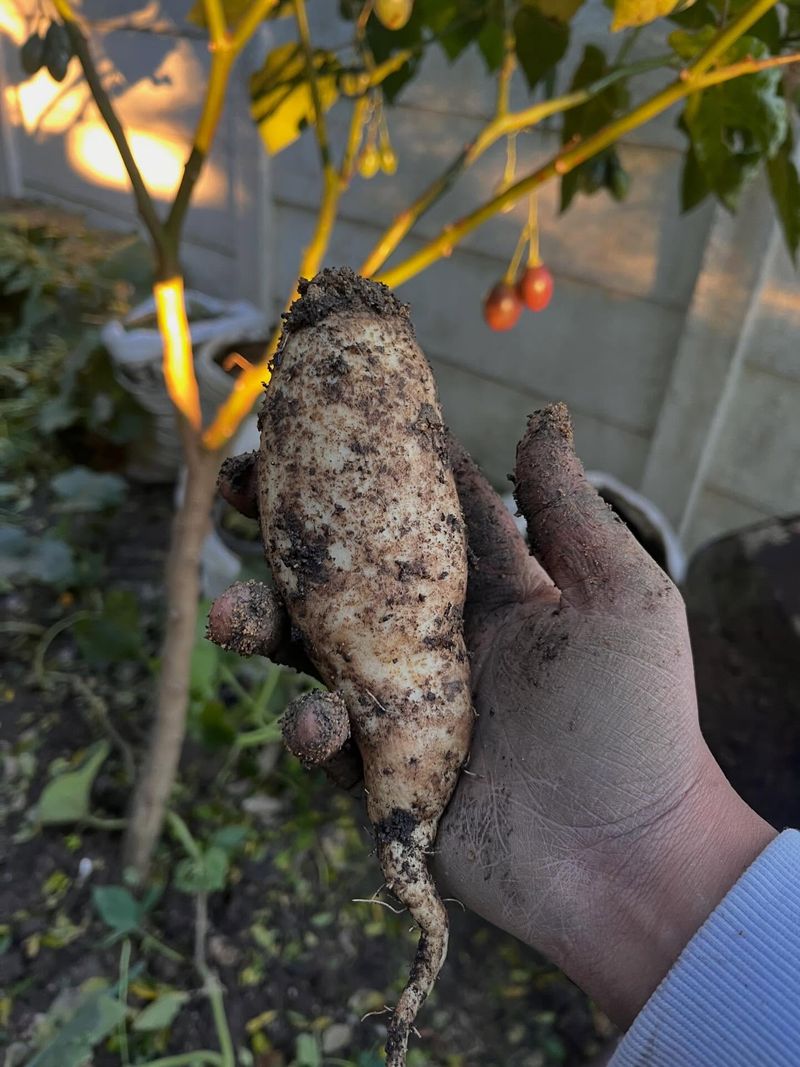
Fresh from the ground, sweet potatoes look dusty and messy, so grabbing a hose feels like the natural move. Hold off on that idea.
Washing them right after digging traps water against the thin skin and creates the perfect setting for rot.
The skin on a newly harvested root is delicate and still forming its protective layer. Water soaks into tiny openings and encourages mold, soft spots, and quick spoiling.
That extra moisture is one of the biggest reasons a good harvest goes bad in storage.
Instead, brush off the loose dirt gently with your hands or a soft, dry cloth. A little soil left on the surface will not hurt anything, and it actually helps the roots hold up better during curing.
Let them stay dry and calm. Save the real cleaning for the moment right before you cook them. By then the skin has toughened up and can handle a rinse without trouble. This simple change protects your whole batch.
Many North Carolina gardeners learn this lesson the hard way after losing part of their crop to sudden mush. A dry start makes all the difference between roots that last and roots that spoil fast.
Think of dirt as a light shield during those early days. Once curing finishes and storage begins, your sweet potatoes will thank you for keeping them dry.
Patience with washing pays off with firm, tasty roots that stay good deep into winter and even beyond.
2. Curing Them In A Cool Room
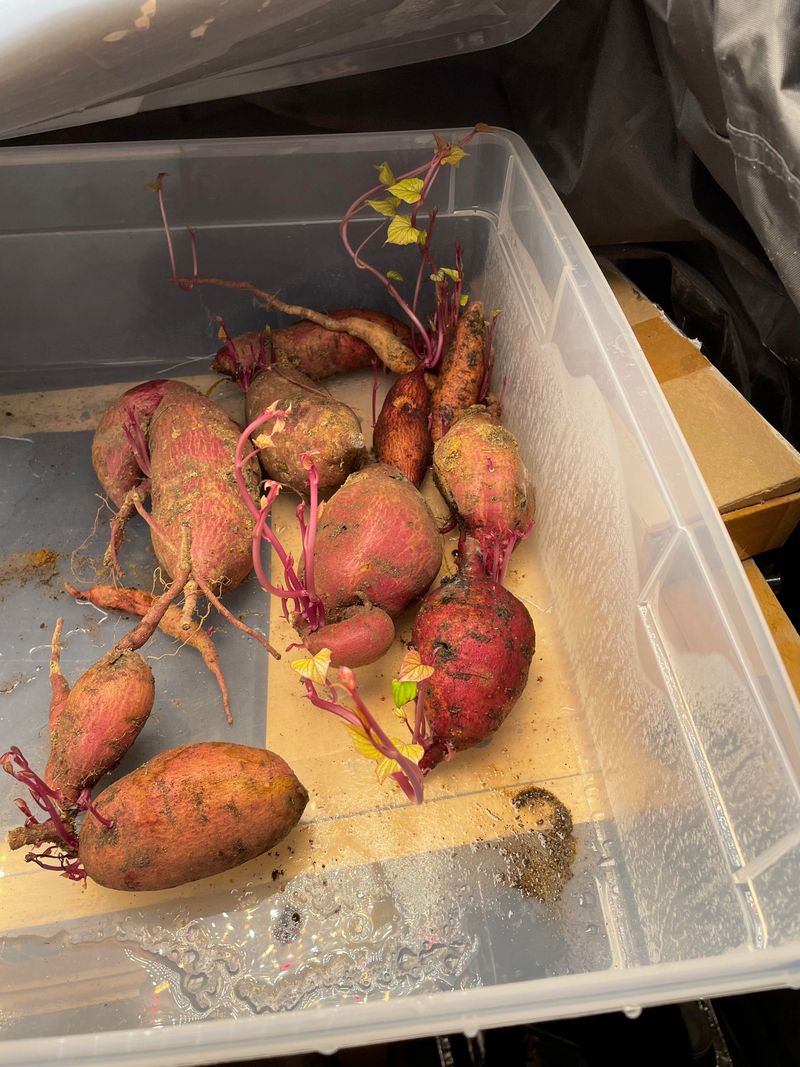
Fall in North Carolina brings crisp mornings and cool evenings, which feels refreshing to us but works against your sweet potatoes. Curing needs heat, not a chill.
A cool room slows everything down and stops the roots from developing their best flavor.
The sweet spot for curing sits around 80 to 85 degrees Fahrenheit with high humidity near 85 to 90 percent. Those warm, damp conditions tell the roots to heal their skins and build up sugar inside.
When the room stays too cool, the skin never toughens properly. That leaves your harvest open to bruising, soft spots, and faster spoiling once you tuck it away for winter.
Your North Carolina Garden Changes Every Week. Your Plan Should Too.
Gardening in North Carolina changes quickly throughout the season. Every Friday you’ll receive a simple weekly plan showing exactly what to plant, prune, fertilize, harvest, and protect so you never miss the right timing.
Look for a warm spot to help the process along. A closet near a water heater, a small heated shed, or a corner with a space heater can all work well. Some gardeners even use a cooler with a jar of warm water to trap heat and moisture.
Keep a thermometer nearby so you can check the temperature every day. If the air feels dry, set out a shallow pan of water to raise the humidity around your roots.
Give the sweet potatoes about a week to ten days in these cozy conditions. The wait feels long, but the reward is huge.
Warm curing turns plain, starchy roots into the sweet, creamy treats everyone loves. Skip the cool room, embrace the heat, and your harvest will reach its full potential with flavor worth every day of patience.
3. Skipping The Curing Process Completely
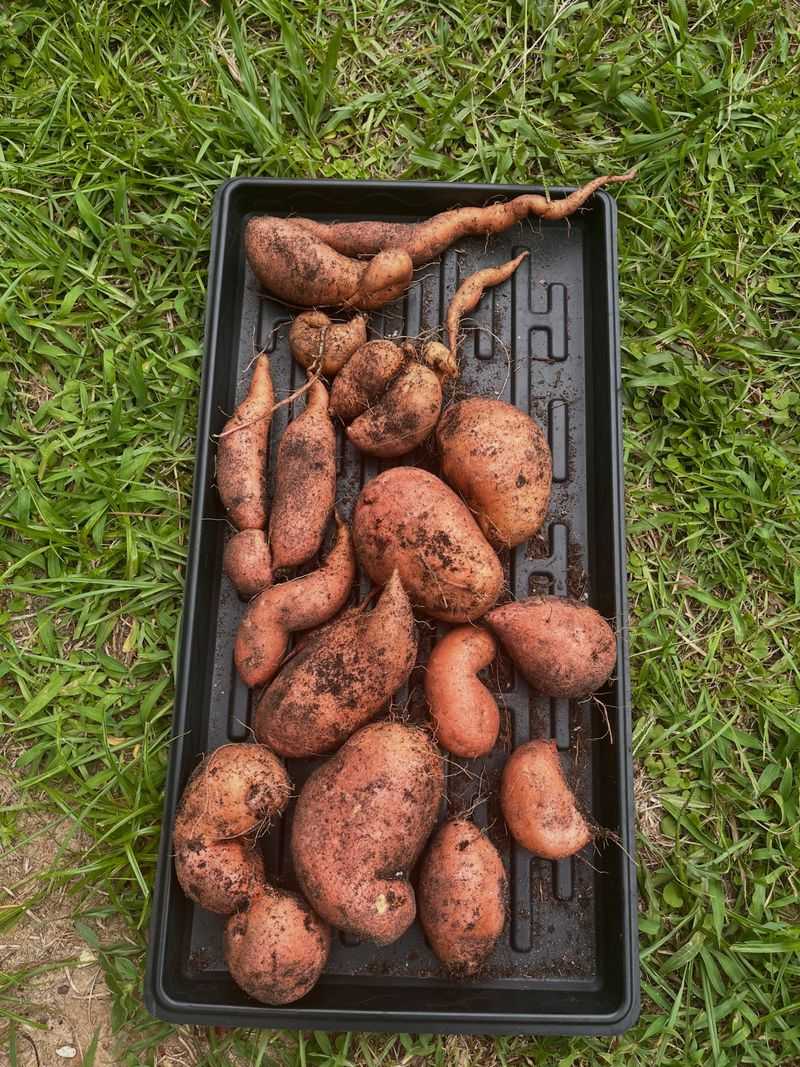
Ever bitten into a homegrown sweet potato and felt let down by the bland taste? That often happens when the curing step gets skipped. Fresh from the garden, these roots hold lots of starch and very little sugar.
Curing is the magic that changes everything. During those warm, humid days, natural enzymes inside the root turn starches into sugars. The result is that deep, sweet flavor that makes baked sweet potatoes so good.
Beyond taste, curing also builds a tougher skin. That thicker layer seals small scratches and keeps moisture locked inside, so your roots stay firm and fresh far longer.
Gardeners who rush straight to storage usually end up disappointed. Their sweet potatoes taste flat, shrink quickly, and spoil weeks earlier than properly cured ones. All that hard work in the garden goes to waste.
The fix takes only a little planning. Set aside about seven to ten days after harvest for curing in a warm, damp spot before you store anything long term. It really is the most important step.
Think of curing as the finishing touch that turns a decent harvest into a great one. The roots practically transform right before you enjoy them.
Once cured, your sweet potatoes will reward you with rich sweetness and a smooth texture in every dish. Whether you bake, roast, or mash them, that extra care shines through.
Never treat curing as optional, because it is truly the secret behind sweet potatoes worth bragging about all season.
4. Rough Handling During Digging
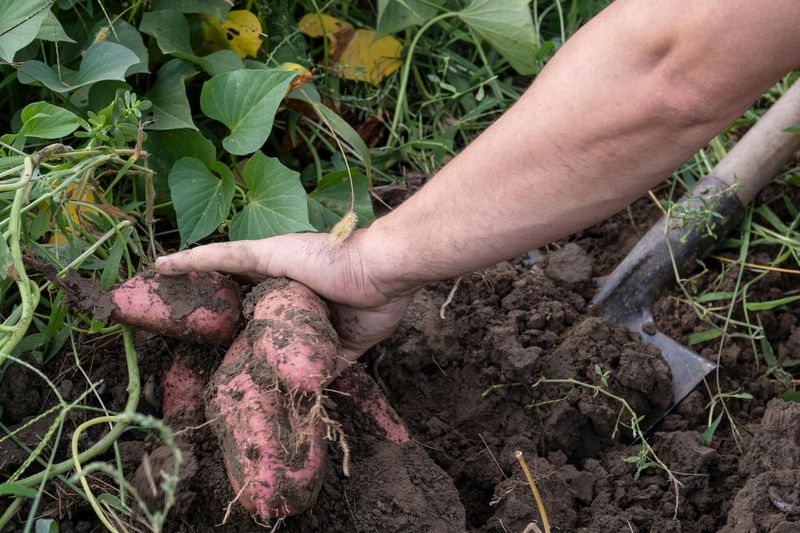
Digging up sweet potatoes feels a bit like a treasure hunt, and it is tempting to rush and yank them out fast. Slow down. Rough handling leaves cuts, scrapes, and bruises that cause trouble later.
Every nick in the skin becomes an open door for mold and rot. Even small bruises weaken the root and lead to soft spots during storage. Careful digging protects your entire harvest.
Start by loosening the soil well away from the plant using a digging fork or your hands. Working from the outside keeps the tines from stabbing right through your best roots.
Lift each sweet potato gently and set it down softly instead of tossing it into a bucket. These roots may look tough, but their skins are surprisingly easy to damage right after harvest.
Try to dig on a dry day when the soil crumbles easily. Wet, sticky ground makes it harder to free the roots without tugging, and tugging almost always leads to breaks.
Once they are out, place them in a padded container like a basket lined with cloth. A little cushion goes a long way toward keeping them whole.
Careful hands during harvest set your crop up for curing success. Undamaged roots heal faster, look nicer, and last much longer in storage.
Treat each sweet potato like it matters, because it does. A gentle touch in the garden means fewer losses in the pantry and more delicious meals waiting for you through the colder months ahead.
5. Storing Them Before Curing Is Finished
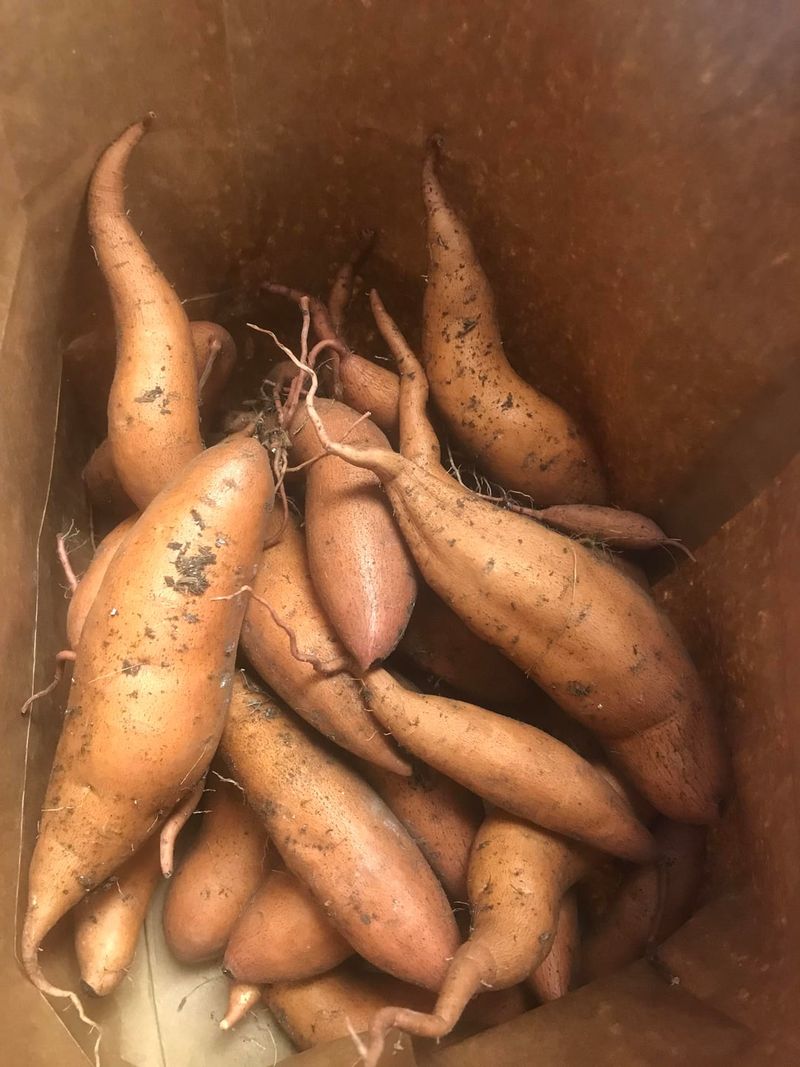
Excitement runs high after a big harvest, and it is easy to want your sweet potatoes tucked safely away right now. Moving them too soon backfires. Curing needs to finish before long term storage begins.
The full curing period usually lasts about a week to ten days in warm, humid air. During that time, the skin thickens and the sugars build up. Cutting it short leaves the roots only half ready.
Sweet potatoes stored before curing wraps up often develop soft spots and spoil early. Their skins have not sealed, so moisture escapes and problems creep in fast.
Patience really pays off here. Wait until the skin feels firmer and any small scrapes have healed over. Those are the signs that curing has done its job.
Check a few roots by gently pressing the surface. A properly cured sweet potato feels solid and dry, not tender or damp. That firmness tells you it is ready for the pantry.
Once curing finishes, move the roots to a cool, dark, and slightly humid spot around 55 to 60 degrees. That change from warm curing to cool storage keeps them in great shape.
Rushing the timeline only shortens how long your harvest lasts. A few extra days of curing can add weeks or even months of good eating.
Give your sweet potatoes the time they need to finish healing. The reward is a stash of firm, sweet roots that stay tasty well into winter without any nasty surprises waiting for you.
6. Letting Them Get Too Cold
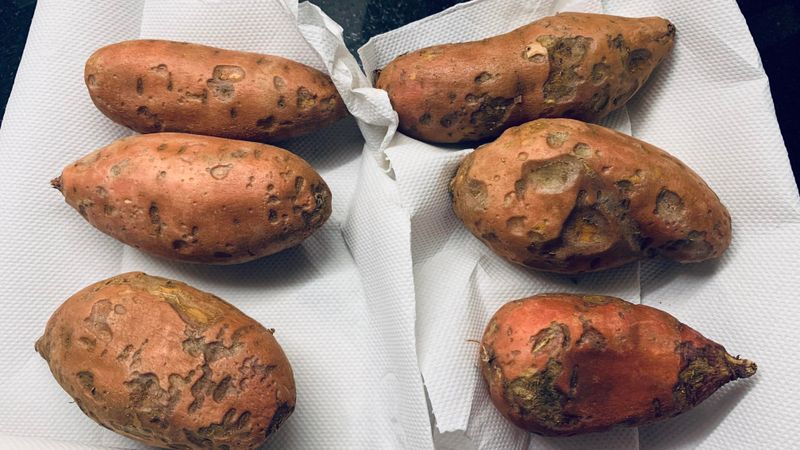
It might seem smart to pop your sweet potatoes in the fridge to keep them fresh, but that move causes real harm. These roots are tropical at heart and hate the cold. Chilly temperatures ruin their texture and flavor.
Storing sweet potatoes below 50 degrees leads to a problem called chilling injury. The insides turn hard in some spots, the flavor fades, and the roots spoil faster instead of lasting longer.
The refrigerator is the worst place for them. Its cold air breaks down the natural sugars you worked so hard to build up during curing. All that effort goes to waste in a matter of days.
Aim for a storage spot that stays between 55 and 60 degrees. A basement, an insulated garage, or a cool closet often hits that range nicely during North Carolina winters.
Keep the roots away from drafty windows and outside walls where cold can sneak in. Sudden temperature drops on frosty nights can chill them just as badly as a fridge.
Wrap them loosely in newspaper or place them in a ventilated box if the area feels too cold. A little insulation helps hold a steady temperature.
Warmth within reason is the goal, never freezing and never chilly. Your sweet potatoes want a cozy, cave like feel rather than icy conditions.
Protect them from the cold and they will stay firm, sweet, and delicious for many months. Skip the fridge, find a mild spot, and enjoy your harvest at its very best.
7. Ignoring Airflow And Humidity
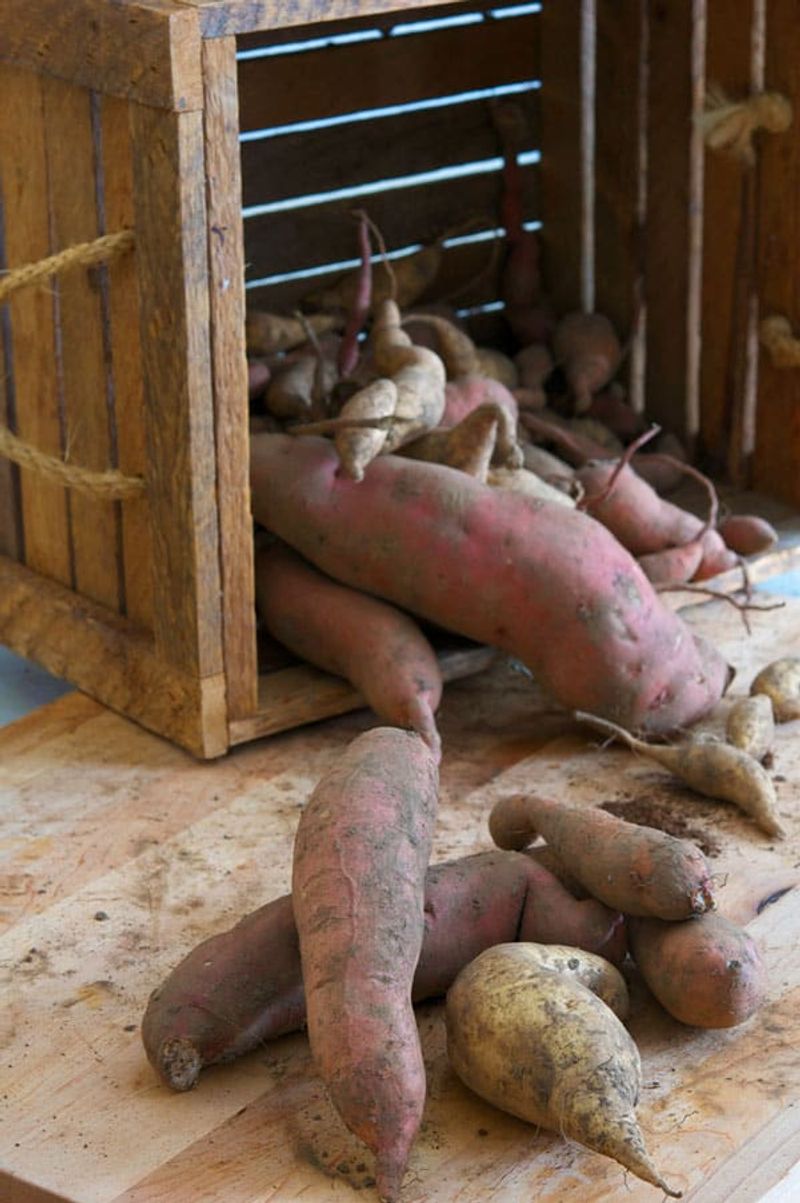
Piling sweet potatoes into a sealed bag or a packed bin feels tidy, but it sets up a soggy trap. Airflow matters more than most gardeners realize. Without it, moisture builds up and trouble follows.
Both curing and storage need a careful balance of humidity and fresh air. Too much dampness with no ventilation creates the perfect home for mold and soft, mushy spots.
During curing, you want high humidity around 85 to 90 percent, but the air still needs to move gently. Stagnant, wet conditions cause the roots to spoil instead of healing.
For storage, humidity around 60 to 75 percent works best. If the air gets too dry, the roots shrivel and shrink. If it gets too wet, they rot. Finding the middle keeps them happy.
Space the sweet potatoes out so air can flow around each one. Crates with slatted sides, baskets, or boxes with holes all help keep the breeze moving.
Never seal them in plastic bags for long storage. Trapped moisture collects inside and speeds up spoiling faster than almost anything else.
Check on your roots now and then to make sure the area stays fresh and not stuffy. A quick peek helps you catch any damp buildup early.
Good airflow paired with steady humidity is the quiet hero of a long lasting harvest. Give your sweet potatoes room to breathe and the right amount of moisture, and they will stay firm and sweet through the whole winter.
8. Curing Damaged Roots For Long Storage
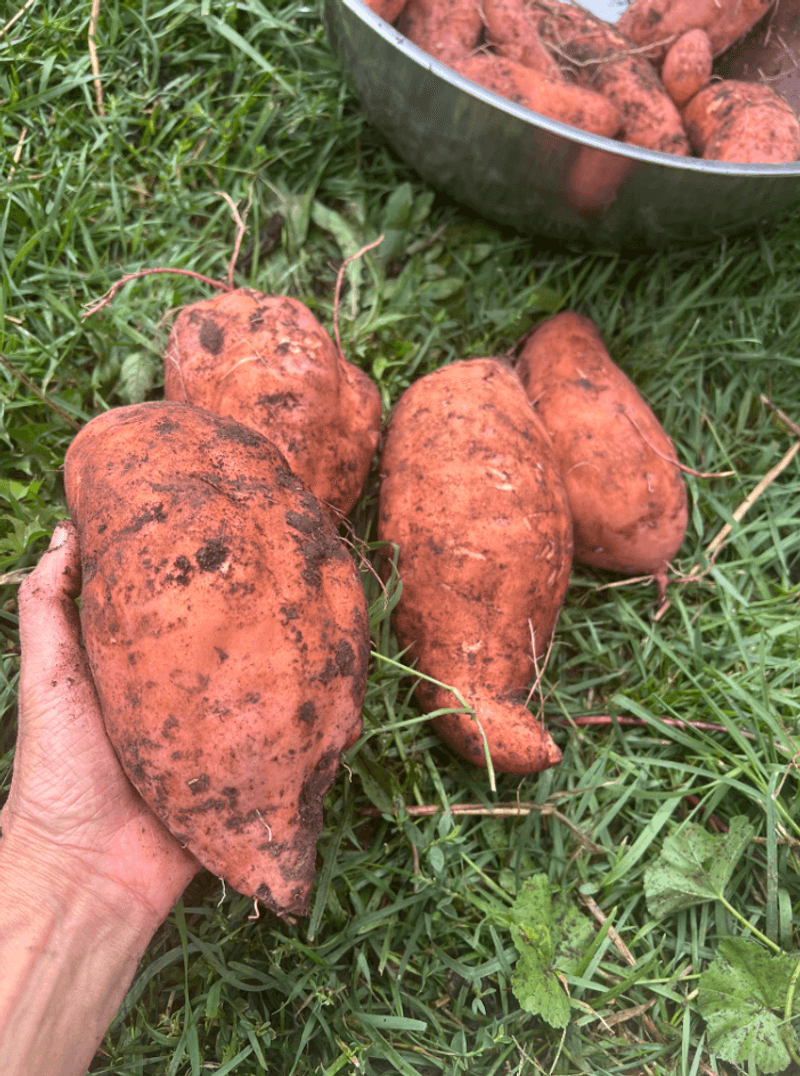
Not every sweet potato comes out of the ground picture perfect, and that is completely normal. The mistake is trying to store the beat up ones alongside your best roots.
Damaged sweet potatoes belong on the dinner plate soon, not in the pantry for months.
Roots with deep cuts, big bruises, or soft areas will not heal well during curing. Instead of getting better, they often start spoiling and can spread trouble to the healthy ones nearby.
One rotting sweet potato can quickly affect its neighbors in a shared box. Keeping questionable roots out of storage protects your whole batch from a chain reaction of spoiling.
Sort your harvest carefully once you finish digging. Set aside anything with obvious damage, unusual soft spots, or exposed flesh in a separate pile just for eating first.
Those imperfect roots still taste great, so put them to good use right away. Roast them, bake them, or turn them into soups and casseroles over the next week or two.
Only the firm, unbroken, fully cured sweet potatoes deserve a spot in long term storage. These are the ones that will hold up for months without any fuss.
A quick sorting session saves you from bigger losses down the road. It takes just a few minutes but protects weeks of good eating.
Enjoy the damaged roots now and store the perfect ones for later. That simple habit keeps your pantry stocked with sweet, healthy potatoes ready whenever a craving hits during the cold months.